
Cruise vacations have a way of inspiring both excitement and a quietly mounting anxiety the moment you open your suitcase. The range of occasions on board, from poolside afternoons to formal dining nights, makes it feel like you need to pack for six different trips at once. Most people don’t get it right on the first try, and some veterans still fall into the same traps after a dozen sailings.
The good news is that nearly every common cruise packing blunder is entirely avoidable once you know what to watch for. Whether you’re boarding for the first time or simply tired of arriving at the terminal feeling underprepared, these 11 mistakes are worth knowing before you zip up that bag.
1. Packing Everything for Every “What If” Scenario
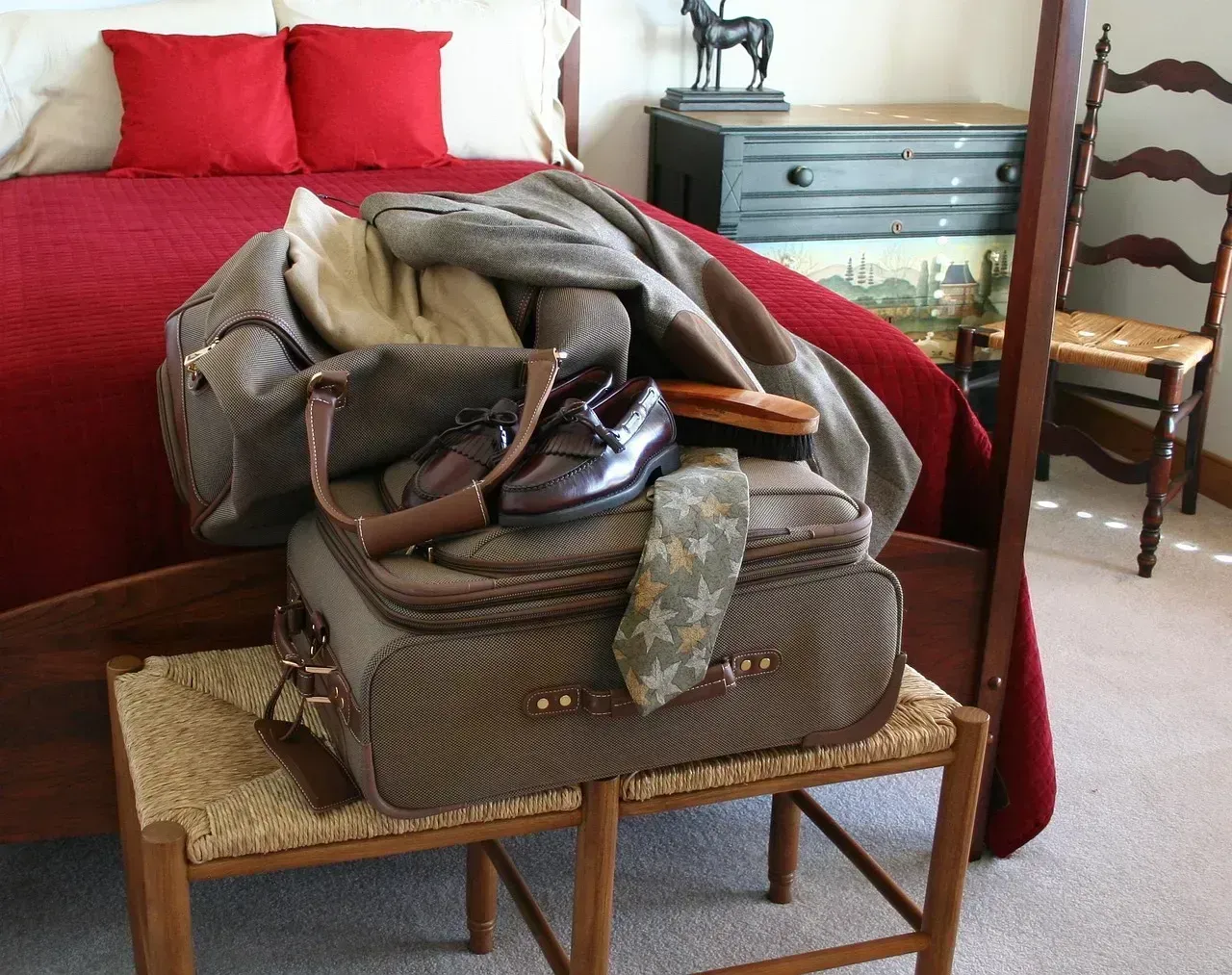
First-time cruisers often make the mistake of overpacking, bringing everything short of the kitchen sink. The impulse is understandable. A cruise involves multiple dress codes, shore excursions, sea days, and formal nights, so it seems logical to prepare for every possibility. The problem is that cabin storage space is genuinely limited, and hauling an overstuffed suitcase through embarkation is nobody’s idea of a relaxing start.
Packing too much is a common mistake for many cruisers, and it does help to have a clothing packing list as well as packing cubes to stay organized and save space. A smarter approach is building a mix-and-match wardrobe rather than packing a separate outfit for every single day. You don’t need at least one outfit for every day; you can simply mix and match things, and you definitely don’t need one pair of shoes for every outfit.
2. Not Bringing a Carry-On for Embarkation Day

A common rookie mistake is not bringing a carry-on bag on embarkation day. A change of clothes, medication, and valuables are all important items you may need for the first day of your cruise. When you hand your main luggage to the porters at the pier, it doesn’t arrive at your stateroom until several hours later. Showing up to the pool deck with nothing but the clothes on your back is an easily avoidable situation.
Pack anything you may need for your first day on board in a carry-on you bring with you on board: swimsuit, change of clothes for the first night or dinner, medications, and so on. Luggage is usually delivered to your stateroom by 3 to 4 pm on embarkation day, however there could be delays. Think of your carry-on as your survival kit for the first afternoon, not just extra bag space.
3. Putting Your Passport in Your Checked Luggage
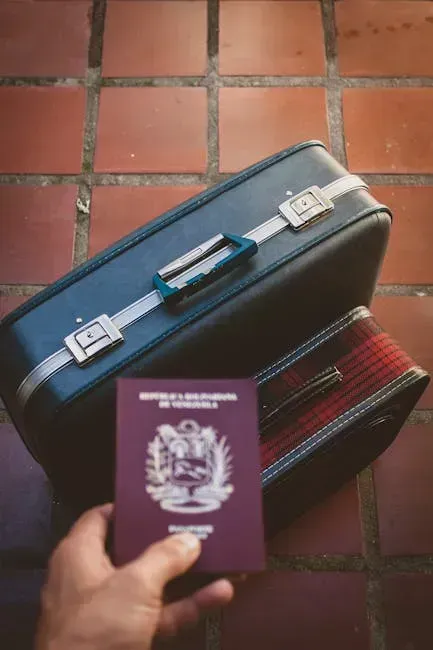
Whenever people are denied boarding because their passports are in their luggage, it’s an awful situation. Some people put their passports or government ID in the front pocket of their luggage, thinking it keeps it close by. The reality is that checked bags go through a separate handling process entirely, which means you could be standing at check-in without the one document you need to actually board.
Your passport, or birth certificate plus government ID if sailing from a U.S. homeport, along with motion sickness medication, reef-safe sunscreen, and a multi-port charger, should always be kept in your personal carry-on. Keep all travel documents on your person or in your carry-on at all times, without exception. It’s the kind of mistake you only need to make once to never repeat it.
4. Packing a Clothing Iron or Garment Steamer
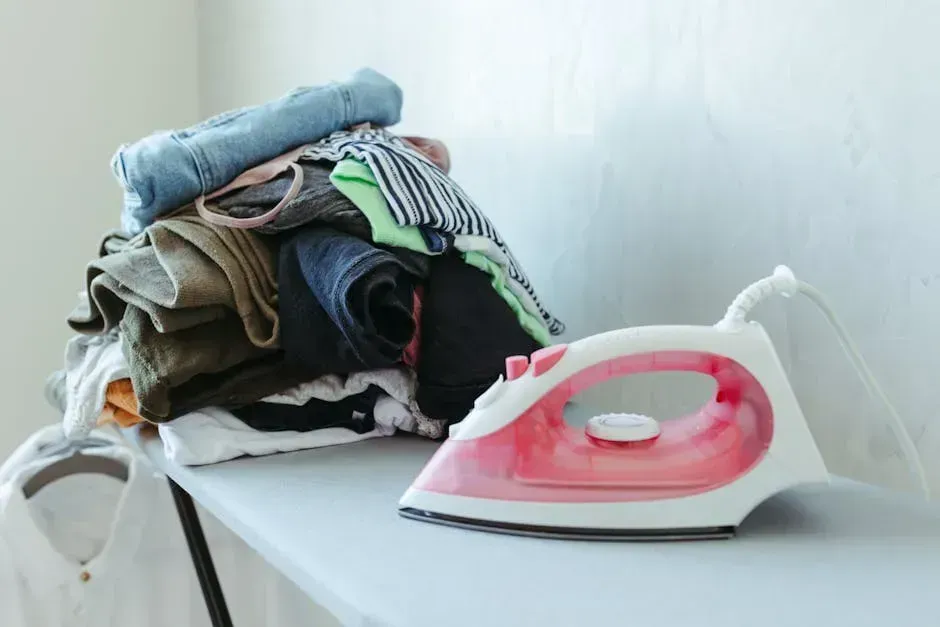
That wrinkle-free wardrobe you planned for elegant nights might hit a snag when you discover clothing irons are universally banned across all major cruise lines. Despite allowing hair styling tools like curling irons and straighteners, cruise lines prohibit clothing irons due to fire hazards in the confined space of a ship cabin. Many first-timers simply assume their cabin will have one, which leads to a frustrating surprise at security.
Most cruise lines offer alternatives such as designated ironing rooms or paid pressing services. Professional pressing services handle formal wear for a few dollars per item. The simplest solution is to pack wrinkle-resistant fabrics and hang clothes immediately upon unpacking. Crease-release sprays, which are allowed on all cruise lines, work surprisingly well for minor wrinkles.
5. Bringing a Surge-Protected Power Strip
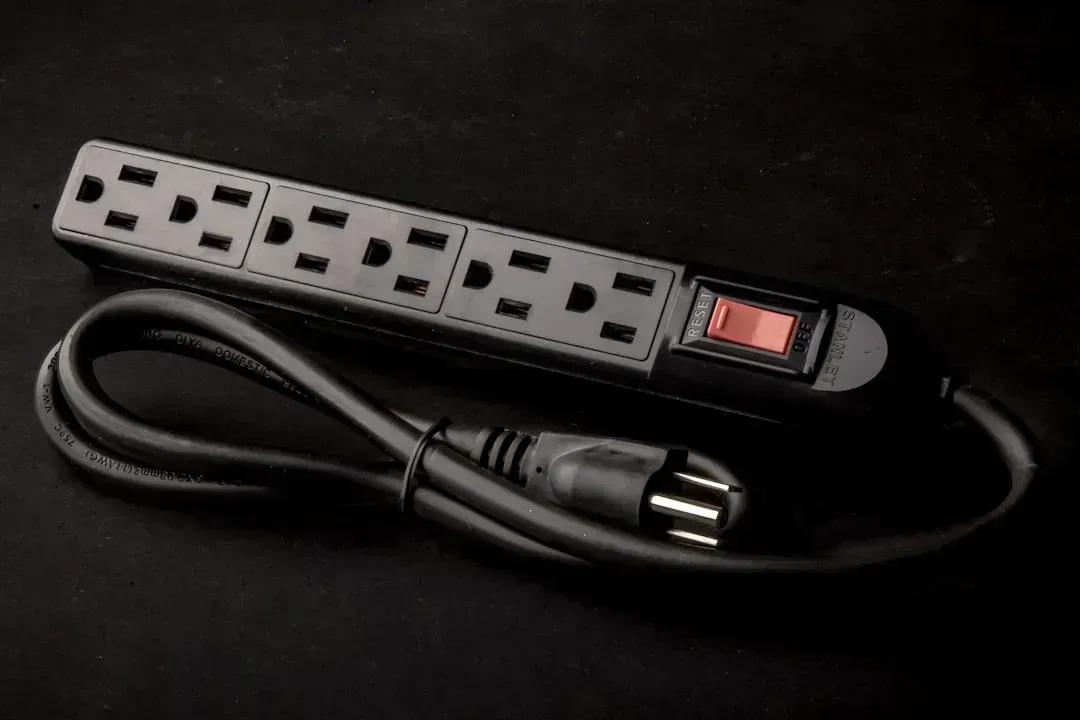
Modern travelers carrying multiple electronic devices often discover too late that surge-protected power strips are prohibited on cruise ships. While older vessels might offer limited outlets in cabins, you can’t simply bring the same power strip you use at home. Surge protectors can interfere with a ship’s electrical systems and pose safety risks, potentially leading to immediate confiscation by security personnel.
Policies vary by cruise line; Carnival, MSC, Norwegian, and Virgin Voyages generally allow standard power cords, while Royal Caribbean and Celebrity maintain stricter restrictions, with exceptions only for essential medical equipment such as CPAP machines. It is highly recommended that you bring a multi-plug outlet, especially if you have many devices to plug in, but make sure it does not have a surge protector.
6. Overpacking Shoes
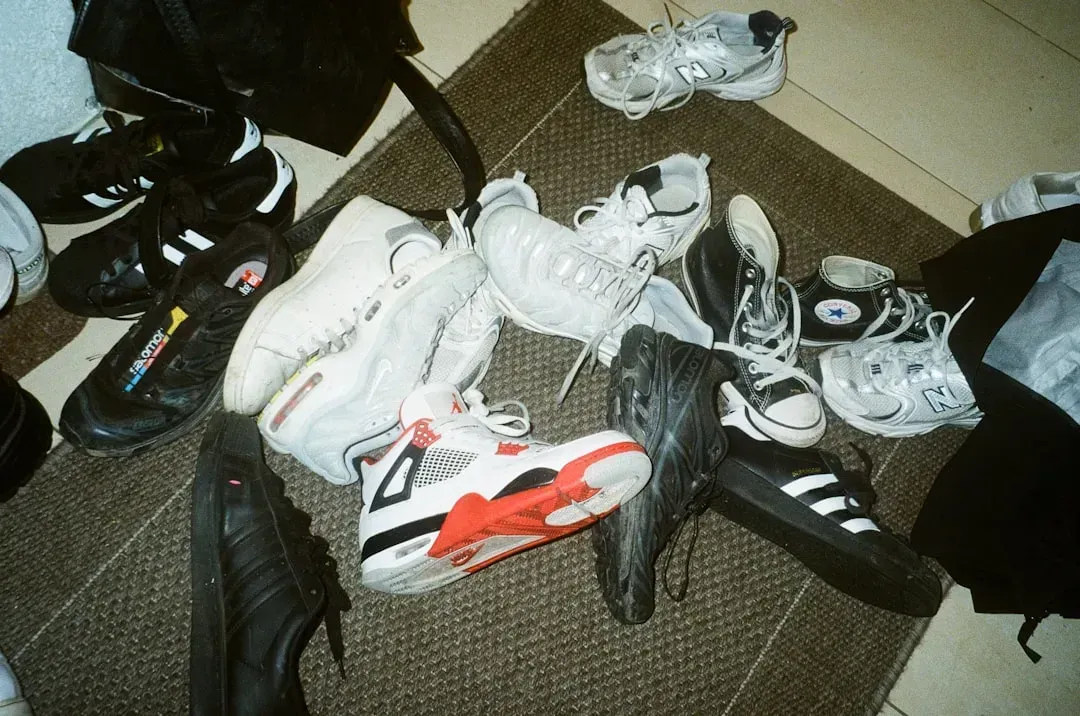
Nothing eats up luggage space like shoes, especially sneakers and dress shoes. Don’t make the mistake of packing more sneakers, flats, heels, and sandals than you actually need, or you’ll be forced to check a bag or worse. You also don’t want to bring too many shoes at the expense of more important items like clothing layers you might need.
Do your best to design a cruise week wardrobe that works with just a couple pairs of footwear. Sticking to one pair of flip-flops and one pair of sandals in a sunny destination, rather than bringing a wide variety of options, is a practical approach. Shoes are dense and heavy, and they crowd out the space you actually need for things like formal wear and port-day essentials.
7. Not Protecting Your Liquids

It only takes one leaky or broken bottle to literally dampen the mood. One of the worst cruise packing mistakes you can make is not protecting your liquids with bubble wrap or zip-top plastic bags. Luggage on cruise trips goes through a lot. It gets loaded off buses, handed to pier porters, moved through ship corridors, and handled under time pressure. Bottles that seem perfectly secure at home can burst under those conditions.
The fix is simple and takes about two minutes: double-bag every liquid in a sealed zip-top bag before packing it. Ziploc bags are also useful for wrapping any souvenirs that may leak on the return trip home. It’s one of those tiny precautions that seems overly cautious until the moment you desperately need it.
8. Forgetting Formal Night Attire

Many cruisers say that forgetting to pack their formal or elegant evening outfits is a common cruise packing mistake. It’s surprisingly easy to do, especially when you’re packing for warm weather and the idea of a jacket or dress feels out of place in your mental image of the trip. The formal outfits often get left hanging on a door or folded separately and simply never make it into the bag.
Most evenings on board follow a smart casual dress code, meaning guests should pack comfortable yet polished attire. For women, this could include skirts, dresses, trousers, blouses, sweaters, or pantsuits. Men should bring trousers, polo shirts, button-downs, and optional jackets or blazers. Checking the dress code requirements for your specific cruise line before you pack is time well spent.
9. Trying to Sneak Alcohol Aboard

Cruise lines strictly regulate alcohol to protect onboard beverage sales revenue and prevent passenger overconsumption issues. Security screens every bag, and confiscated alcohol represents the second most common category after surge protectors. Travelers who assume they can slip a bottle of spirits into a shampoo container or tuck a six-pack into dirty laundry tend to be disappointed quickly.
Most cruise lines permit one to two sealed 750ml bottles of wine or champagne per passenger of drinking age. You can consume wine in your cabin free, or bring bottles to restaurants with corkage fees. Hard liquor and beer are completely prohibited in passenger luggage. No exceptions exist for duty-free purchases, gifts, or “just one bottle.” The rules are clear, consistently enforced, and not worth the hassle.
10. Packing Homemade or Unpackaged Food

Those homemade snacks you baked for a midnight snack in your cabin will not make it through security. Unlike airport security, which generally allows food items, cruise lines enforce stricter regulations regarding homemade and unpackaged foods. The reasoning is straightforward: ships operate in a contained environment where food safety and spoilage can affect many people at once.
Some cruise lines do not provide refrigeration or storage for personal food items, which can pose a potential health hazard in the warm, humid shipboard environment. If you want to bring snacks aboard, opt for pre-packaged, shelf-stable options that remain sealed in their original packaging to avoid problems at security. Think protein bars, nuts, or sealed crackers, not a container of last night’s leftovers.
11. Underpacking and Underestimating What You’ll Need
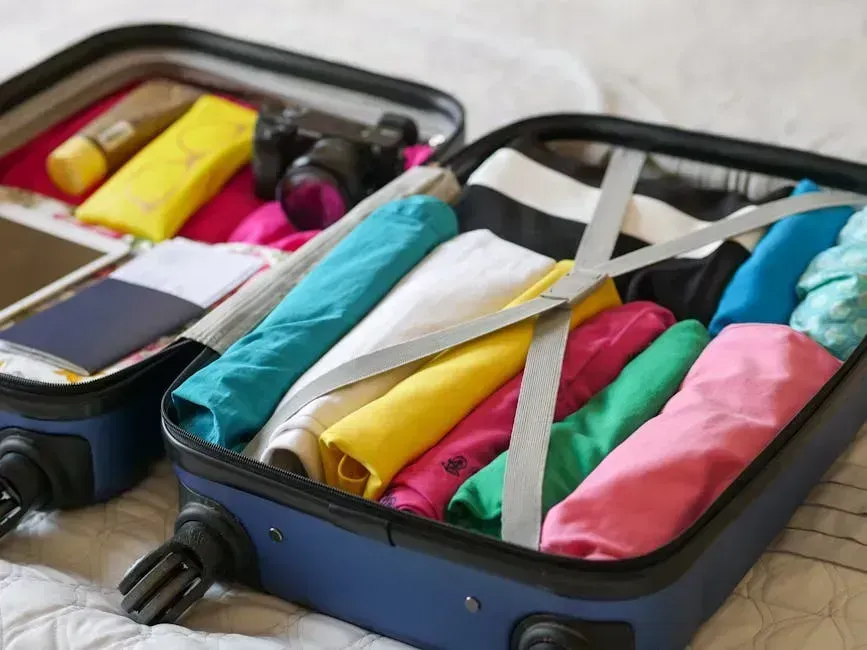
Underpacking is a mistake that isn’t talked about enough. In a quest to pack light for a cruise, some people underestimate what they’ll need. Cruising is different than a land vacation where it may be easy to pick up things you may have forgotten. On a ship, you’re not near a pharmacy or a department store. Once you’re at sea, your options are the onboard shop, which has limited stock and high prices, or simply going without.
Many cruise ships don’t have self-service laundry rooms, so having clothing washed and pressed can get pricey. Packing for a cruise can be more complicated than packing for other vacations, leaving extra room for packing mistakes. Rigid dress codes, changeable weather, and minimal storage space can turn routine packing into something that feels unexpectedly challenging. The sweet spot is packing intentionally, not minimally, and definitely not excessively.
Getting cruise packing right comes down to one consistent principle: know your ship, know your itinerary, and respect the rules before you arrive. The passengers who look effortlessly prepared aren’t necessarily more experienced travelers. They’re simply the ones who did a little research before tossing things into a suitcase the night before departure.