
Travel has a way of humbling you. You book the flight, pack the bag, and somewhere between the departure gate and the destination, a quiet anxiety sets in. Some places earn their fearsome reputation through physical danger, others through political complexity, and a few simply through the sheer weight of what you’re stepping into. The world’s most daunting destinations aren’t always the ones you’d expect.
Then there are the places that do the opposite. You arrive tense and leave lighter. Something about the air, the pace, or the landscape simply untangles you. Both kinds of destinations deserve to be understood for exactly what they are.
1. Cape Town, South Africa: Breathtaking Beauty, Serious Risks

Cape Town lures travelers with flat-topped Table Mountain, surf beaches, a bustling harbour, and an incredible food scene, yet according to the Mexican Council for Public Security and Criminal Justice, it ranked as the 16th-highest murder rate city in the world in the 2024-2025 ranking of the 50 most violent cities. The gap between the city’s obvious magnificence and its very real dangers is what makes it so psychologically complex for travelers. South Africa as a whole carries an alarming Travel Danger Score of 76 in Everly Life’s research, placing it at the top of the most perilous destinations.
While Cape Town has areas affected by gang-related crime, particularly in the Cape Flats, these incidents rarely involve tourists directly. Still, over three thousand violent crimes occur annually in these regions. Navigating it requires genuine awareness. South Africa’s high violent crime rate means visitors are advised to avoid walking alone after dark and to ensure no valuables are on show.
2. The Darien Gap: Where Wilderness Becomes Genuinely Dangerous
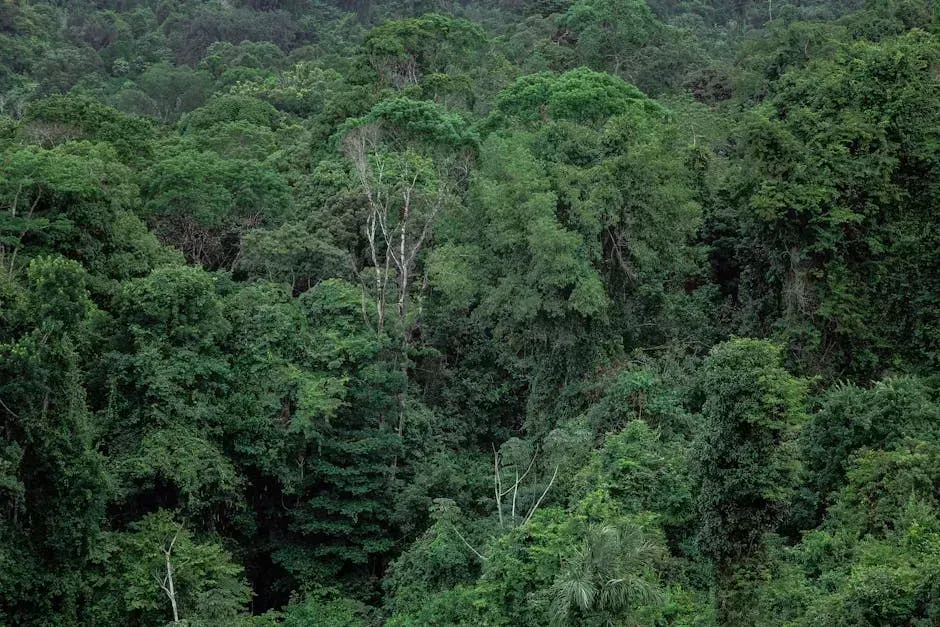
Travelers passing through the Darien Gap may face river rapids, impenetrable rainforest, poisonous spiders, venomous snakes, heavily armed guerilla groups, drug gangs, and human traffickers. In 2024, a record 174 migrants died attempting to cross the gap from Colombia, and tourists have also died trying to pass through. This is not a destination in the traditional sense. It’s a 310-kilometer lawless stretch connecting Panama and Colombia that exists almost entirely outside the reach of civil order.
The pull is real, particularly for hardcore adventurers and photojournalists drawn to its raw isolation. The jungle here is extraordinarily dense and largely unmapped at ground level. In 2013, a Swedish hiker was murdered there by the Revolutionary Armed Forces of Colombia. The combination of extreme physical terrain and human threat makes the Darien Gap arguably the most intimidating transit zone on Earth.
3. Active Volcanic Iceland (Reykjanes Peninsula): Raw Power Underfoot
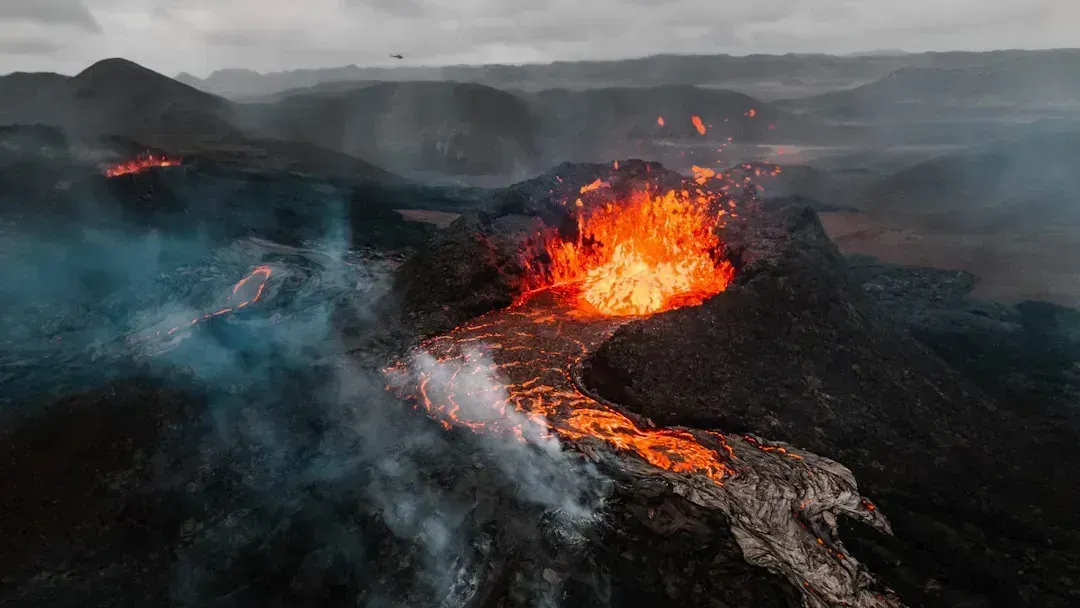
The Reykjanes Peninsula sits in an isolated position and hosts an active volcano that has produced repeated volcanic activity between 2023 and 2025, with expert-led helicopter and hiking tours taking people to witness eruptions from a close but supposedly safe vantage point. Iceland’s volcanic activity has shifted from a periodic curiosity into a near-constant state of alert in recent years, turning parts of the country into some of the most geologically intimidating land on the planet. Volcanoes are fraught with dangers from toxic gases and the unpredictable risk of eruption itself.
The paradox is that Iceland is simultaneously one of the safest and most geologically volatile countries you can visit. Glaciers, waterfalls, geothermal springs, and vast open landscapes give Iceland a raw beauty, and despite its dramatic scenery it remains a calm and spacious place. The intimidation comes not from crime or political risk but from the land itself, which continues to reshape itself with little warning. Standing at the edge of a lava field that didn’t exist three years ago is genuinely hard to process.
4. The Seychelles: The Quietest Beaches on Earth
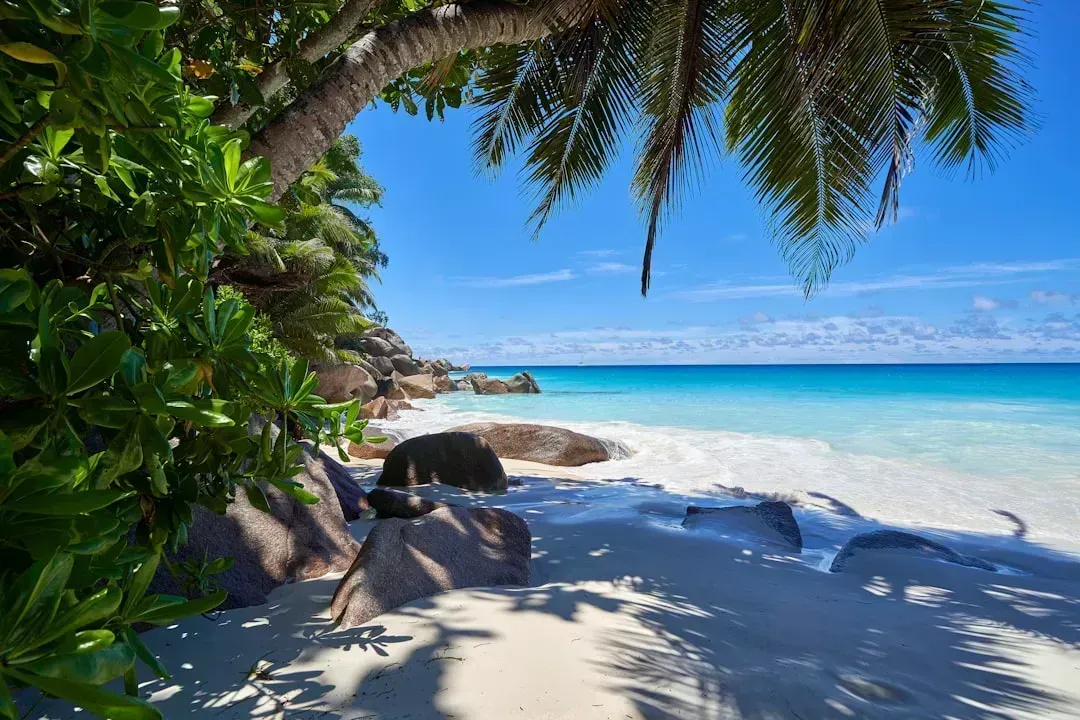
With powdery white sand, turquoise waters, and swaying palms, the Seychelles represents the definition of beachside tranquility, scoring the lowest noise and light pollution score of just 16.7, with impressively clean waters rated at a low pollution score of 25 and a cleanliness rating of 70.8. These aren’t just marketing descriptors. They’re measurable realities that explain why the archipelago consistently tops calm-travel rankings. For those seeking the most peaceful locations within the Seychelles, islands like La Digue, Silhouette Island, and Praslin are excellent choices, with La Digue particularly famed for its car-free charm where bicycles and ox-carts replace motor traffic.
From the iconic pink sands of Anse Source d’Argent to the serene stretches of Anse Lazio, the Seychelles is home to some of the world’s most breathtaking beaches, reflected in an average beach rating of 4.6. What makes the Seychelles feel so immediately calming is the near-absence of urban pressure. There are no major highways, no dense crowds pressing in, and no ambient noise beyond the sea. The silence is almost physical.
5. Switzerland: Precision and Stillness Combined
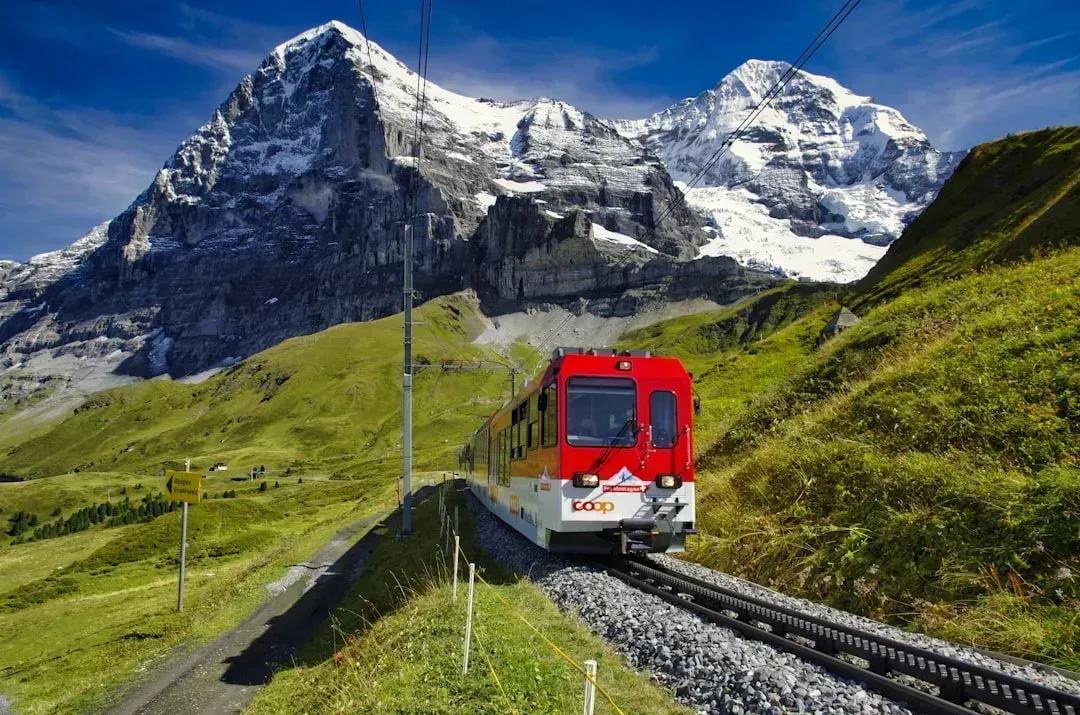
With its alpine lakes, quiet villages, and scenic train journeys, Switzerland feels timeless, and for those who associate peace with mountain air and still water, it stands among the most peaceful places on Earth. The country’s physical landscape does most of the work. There’s something about being surrounded by mountains that makes problems feel proportionally smaller. Switzerland also consistently features on the 2025 Global Peace Index list of the most peaceful countries in the world.
Switzerland is an Alpine nation known for its historic cities, pristine natural landscapes, and gourmet cuisine, and is home to Europe’s largest waterfall, the Rhine Falls, and the UNESCO World Heritage Site of the Aletsch Glacier, the largest glacier in the Alps. The country’s famed orderliness has a genuinely calming effect on visitors. Trains run on time, paths are clearly marked, and the infrastructure quietly removes most sources of travel anxiety before you even notice them building up.
6. Banff, Canada: Turquoise Lakes and Absolute Quiet
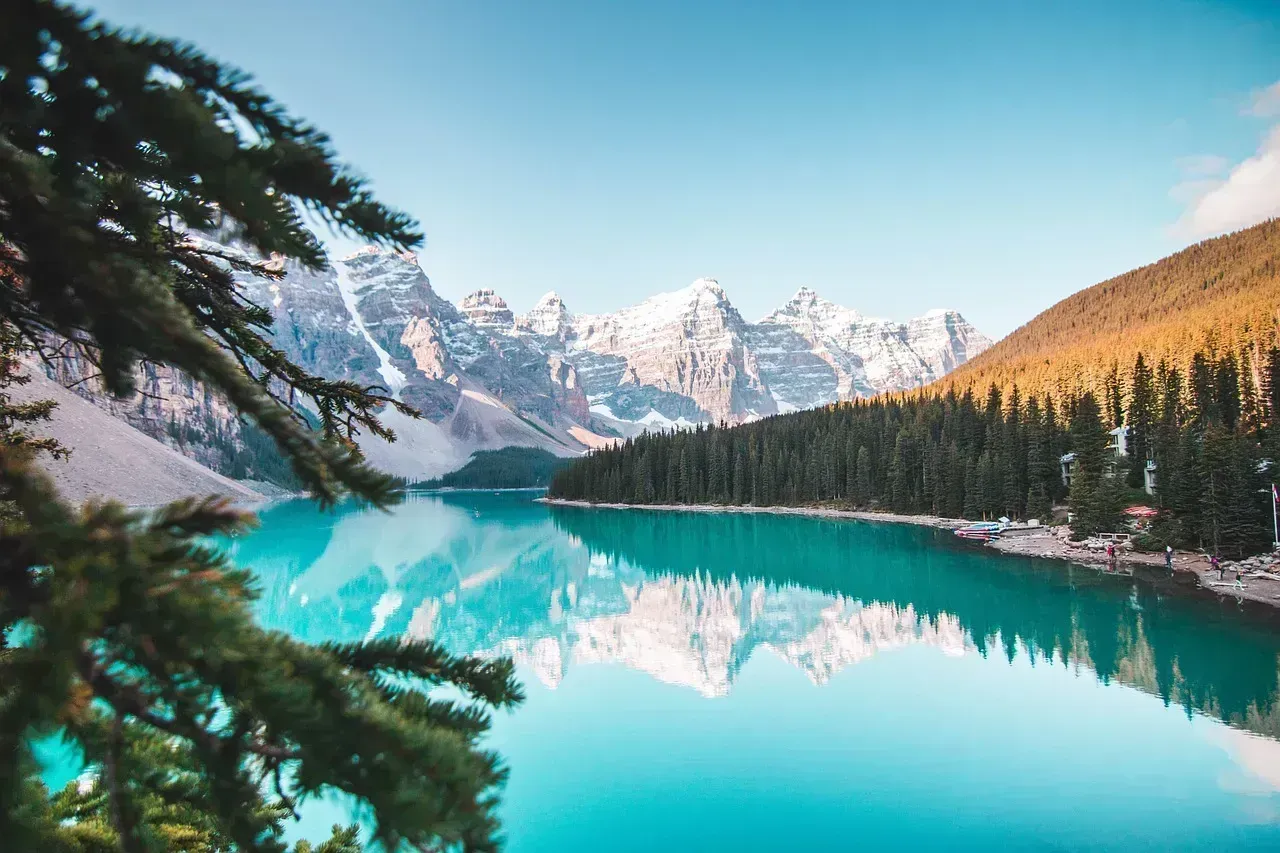
Banff, Canada, ranks tied for third place among the world’s most tranquil travel destinations, and its visual case for that title is one of the strongest anywhere in the world. The area’s iconic turquoise lakes framed by snowcapped peaks make every hike or paddle feel wonderfully unhurried, and the crisp mountain air leaves most visitors feeling genuinely recharged. Canada’s vast scale works in Banff’s favor: even during peak season, it’s possible to find stretches of trail where you won’t see another person for hours.
Australia and Canada represent the model for relaxation travel, with vast wilderness destinations offering just 3.4 people per square kilometer in Australia’s case, while Canada similarly exemplifies how space and nature combine to create the most peaceful escapes. Banff specifically benefits from having one of the most intact mountain ecosystems in North America. Elk wander through the townsite at dusk. The Milky Way is visible from most campsites. Whatever was weighing on you before you arrived tends to feel much less urgent by the second morning.
The distance between the world’s most intimidating destinations and its most calming ones is, in many ways, just a matter of choosing deliberately. Both kinds of places teach you something. The daunting ones confront you with the limits of safety and comfort, while the peaceful ones remind you how rarely those limits actually matter when you’re standing somewhere genuinely still.