
There’s a particular kind of dread that seasoned travelers know well. It’s not the fear of getting lost or missing a train. It’s the slow realization, somewhere between the security line and the gate, that something important didn’t make it into the bag. Europe trips have a way of amplifying that feeling – multiple countries, unpredictable weather, unfamiliar transit systems, and the high stakes of flights booked months in advance.
What separates experienced travelers from first-timers isn’t that they never forget things. People forget an average of two essential items each time they pack for a trip. The difference is that experienced travelers build systems to catch those gaps before they become expensive problems. Here’s what they actually worry about – and how they reliably stay ahead of it.
The Passport Validity Trap That Catches Even Frequent Flyers
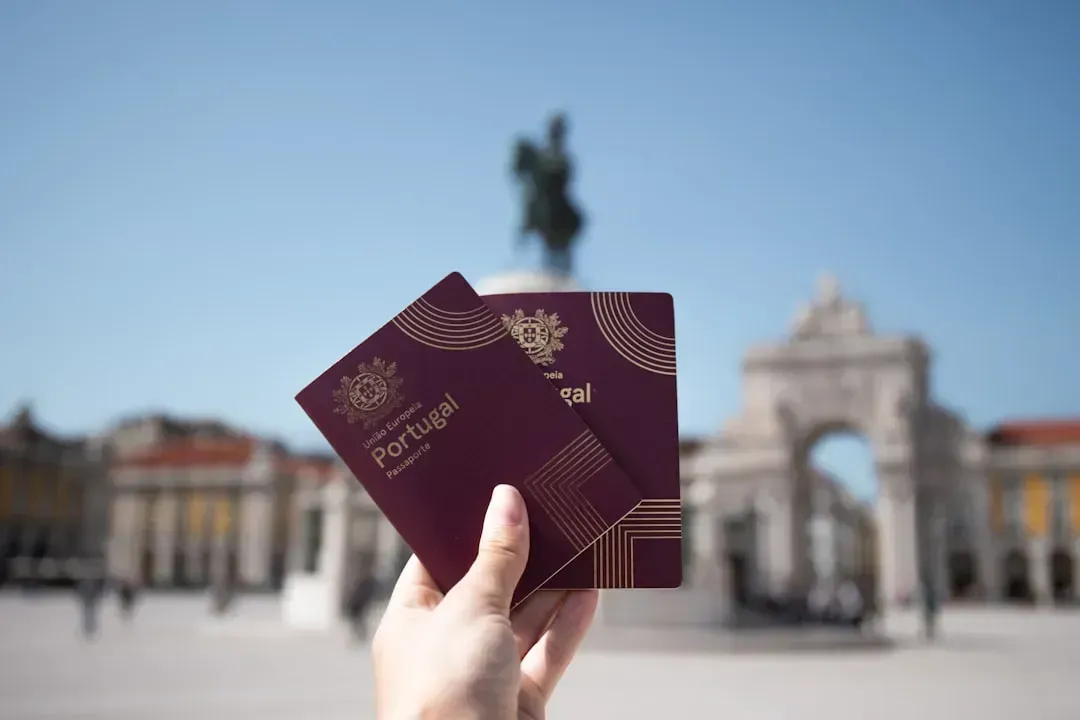
Waiting until the last minute only to realize your passport is expired – or worse, expiring within six months – is one of the most common pre-trip disasters travelers encounter. Many countries enforce strict entry rules around this. Your passport must be valid for at least three months beyond your planned departure from the EU, meaning you need to ensure it’s valid for your entire stay plus that buffer period.
Passports issued more than ten years ago may not be accepted even if they still appear valid, and if your passport doesn’t meet these standards, you’ll need to renew it before travel. The fix is deceptively simple: check the expiration date the moment you book the trip, not two weeks before departure. Allow up to six weeks to renew or obtain a passport – more if you’re traveling during a peak period.
The New EU Entry/Exit System Every Traveler Needs to Know
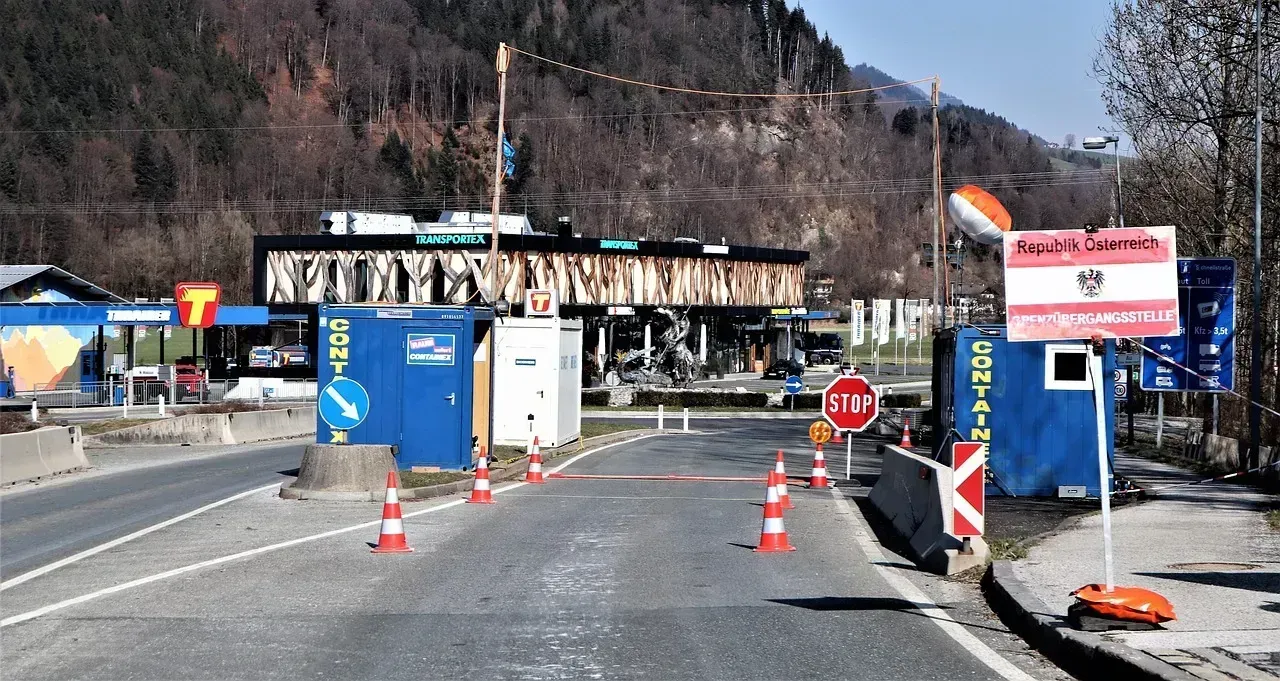
Europe’s border process has changed significantly. The EES officially became fully operational on April 10, 2026, meaning the system is now live across participating European countries, although implementation at individual borders may still vary. This replaces physical passport stamping with a digital biometric registration that collects fingerprints and facial images. Every traveler will now need their own passport, meaning the “one person, one document” rule applies at most airports and ports.
Travelers should be aware that it will take longer to go through passport control, so they should allow extra time at the border. Meanwhile, the ETIAS electronic travel authorization system is still on the horizon. ETIAS is scheduled to be introduced in the last quarter of 2026. That said, entry rules are shifting quickly enough that checking official government sources before each trip is no longer optional – it’s essential.
Forgetting to Notify Your Bank – A Surprisingly Common Rookie Mistake
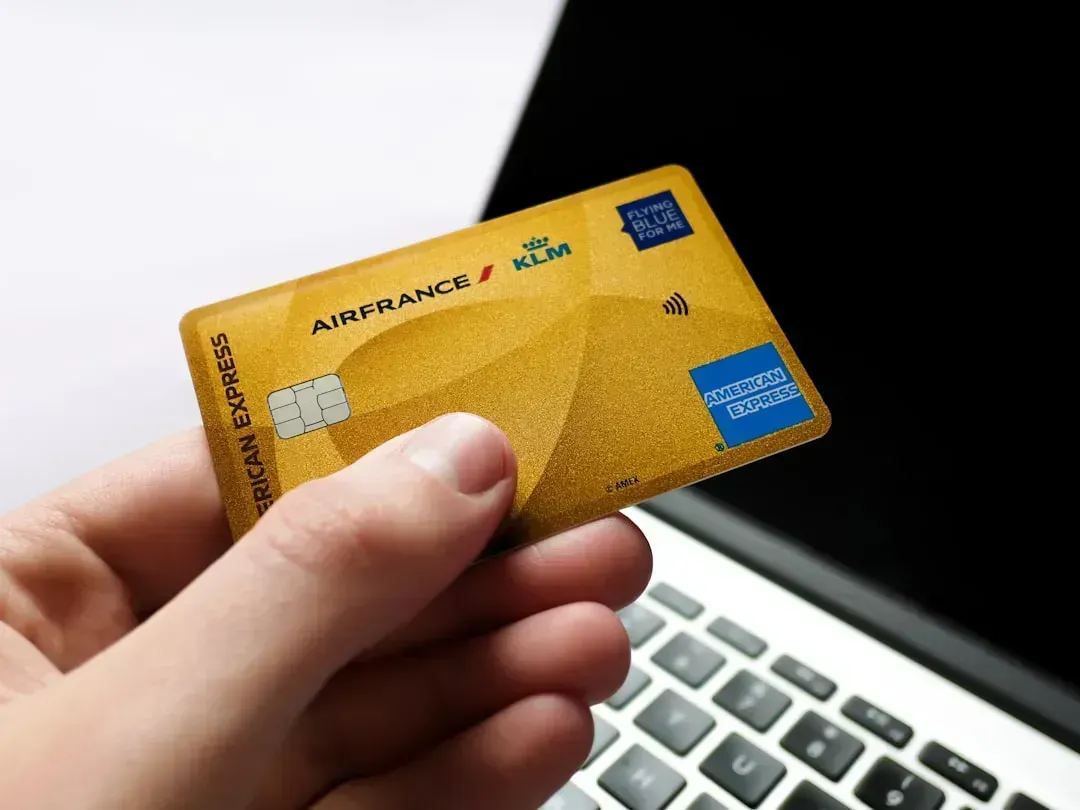
Informing your bank of your travel plans helps you avoid declined transactions, and carrying multiple forms of payment is strongly recommended. A blocked card in a foreign country is more than an inconvenience – it can leave you scrambling for cash in places where ATMs are sparse. Call your bank to alert them that you’ll be using your debit and credit cards in Europe, and ask about transaction fees while getting the PIN for your credit card – many card issuers no longer require this call, but it doesn’t hurt.
There are better alternatives now to going to a currency exchange before or during a trip, including travel-friendly cards like Wise or Revolut that allow cash withdrawals from foreign ATMs with better rates. Experienced travelers also keep a small amount of local cash on hand regardless. Many make the mistake of exchanging money at the airport because it’s convenient, but the commissions are very high and depending on the destination, extra management percentages may also be charged.
The Overpacking Problem That Turns Europe Into an Obstacle Course

Overpacking means that Europe will become an obstacle course – cobblestones, stairs, narrow hotel hallways, and crowded trains are not friendly to heavy suitcases. This isn’t a minor inconvenience. It becomes a genuine physical and logistical burden that compounds across every city change and train transfer. Travelers pack “just in case” and immediately regret doing so.
Packing less means traveling more easily, moving more quickly, transferring faster, and having less daily fatigue. The general advice from experienced travelers is ruthless: pack mix-and-match clothes, take only essential shoes, and plan laundry stops for trips longer than a week. Europe is synonymous with cobblestone streets that can make walking in heels a hazard, so a shoe that can transition from exploring museums to indulging in local cuisine is far more practical.
Chargers, Adapters, and the Devices Nobody Thinks About Until They’re Dead

The items most often left behind when packing are toothbrushes and toothpaste at around one in five travelers, and chargers for phones, laptops, and other electronics coming in a close second. In Europe, the problem runs deeper than a forgotten cable – the wrong adapter can mean none of your devices charge at all. Whether it’s for keeping in touch, navigation, or snapping holiday photos, a dead phone can be a disaster – and a travel adapter is non-negotiable when traveling internationally.
Keep your cell phone charged and ready whether it’s to take photos or use navigation apps, and don’t assume all airplanes have a charging port – this is especially true on inter-continental flights where shorter-haul planes are used between European countries. A portable battery pack has become the kind of essential that experienced travelers never leave home without. On average, travelers spend around $53 to replace items they forgot to pack when on a trip – a small sum compared to buying a charger at a European airport, but telling when you multiply it across common forgotten items.
Skipping Travel Insurance – The Gamble That Rarely Pays Off

Nearly one in five U.S. travelers have lost money by skipping travel protection, and most say the experience made them more likely to buy it in the future. That’s a lesson that tends to stick only after something has gone wrong. Emergency medical claims now represent over a quarter of all paid claims, with an average payout of around $1,816 per medical claim. Without insurance, those costs land entirely on the traveler.
Lost and delayed baggage claims rose dramatically from 2024 to 2025, with average payouts for missing luggage sitting around $256. Europe-related travel insurance demand reflects this awareness. The Europe travel insurance market is driven by increasing travel activity, as more people seek insurance to protect against trip cancellations, medical emergencies, or lost luggage, and the growing awareness of travel risks has heightened demand for comprehensive coverage options.
The Rigid Itinerary That Turns Minor Delays Into Full Meltdowns

On the surface, a strict travel itinerary may look great, but in reality it can be terribly stressful – Europe is well organized and punctual, but delays do happen due to bad weather, strikes, large crowds, and just bad luck. Seasoned travelers build in buffer time not as a luxury but as a practical necessity. If every hour of the itinerary is completely booked, even a minor disruption will feel like a major disaster.
Saving money at the expense of time is a classic pitfall – people focus on saving money while forgetting that their time is an equally valuable and limited resource, and it’s often worth paying for museum admission rather than going on a free day and suffering through slow lines and crowds. The best moments on European trips are often the unplanned ones – the unexpected café, the quiet square, the detour that led somewhere better. A lot of the time, the best experiences are the unplanned detours.
Prescription Medications and Medical Documents Nobody Packs Correctly
If you have daily medications or any prescriptions, they are the top priority on your checklist – pack enough for the entire trip and keep them in your hand luggage for easy access. This is especially critical for trips spanning multiple countries where pharmacies may not stock the same formulations or generic alternatives. If you use prescription drugs, stock up before the trip, and pack along the prescription, plus one for contact lenses or glasses if you wear them.
Prescriptions and medications must be accompanied by a letter from the doctor or prescriber for TSA approval – something many travelers only discover at the security checkpoint. Keeping a compact, basic first-aid kit rounded out with things like pain relievers, stomach tablets, and antihistamines takes up almost no space but can save hours of searching for a pharmacy in an unfamiliar city. Pharmacies can be found everywhere across Europe, but the idea is to pack a few of these things to hold you over should you need to get there.
The Packing List That Most Travelers Build Too Late

Almost three-quarters of people say they always make a list of items they need to pack before they start packing for a trip. That number sounds encouraging until you realize roughly a quarter of travelers still don’t. A striking majority – more than three in four – say that making a packing list helps them forget fewer things and avoid last-minute airport purchases.
Around three in ten people say they have forgotten items because they put them to one side but never actually placed them in the bag, while having too much on their mind and too much to remember are also frequently cited reasons for forgetting things. The most effective approach is building that list weeks before departure, revisiting it several times, and doing a final sweep the evening before leaving – not the morning of. Many people overlook small details like printing out required documents or ensuring their travel cards are still valid, and these last-minute scares can affect the mood for an entire journey.
Underestimating How Much Ground Europe Actually Covers

A classic rookie mistake is assuming Europe is small and easy to travel – ten days to visit six countries often means that half the trip will be spent on trains. Even experienced travelers sometimes fall into this trap when excitement outpaces logistics. Staying longer in fewer countries and adding rest days instead of moving constantly tends to produce far more satisfying trips.
Traveling with outdated information is its own hazard – a current guidebook or reliable digital resource justifies its cost on the first ride from the airport to the hotel, and it can head off costly mistakes like getting fined for not validating a train ticket. Cities vary enormously in how their transit systems work, and even frequent European visitors occasionally get caught out by local quirks. Doing a little homework on each city’s transport rules, ticketing systems, and local etiquette before arrival goes a long way toward keeping the trip smooth.