
Choosing where to retire feels like a deeply personal decision, shaped by warm memories of a vacation trip or a lifelong dream of living near the coast. The problem is that the places we fall in love with as tourists often look very different through the eyes of a financial planner. Taxes, insurance costs, healthcare access, and long-term fiscal stability can quietly turn a dream destination into a fixed-income nightmare.
Given these financial pressures, choosing where to spend your retirement years has never been more important. Location can determine whether retirement becomes a stable, comfortable chapter or a period of real uncertainty. These 11 destinations come up again and again in conversations with financial professionals who have watched clients make costly geographic mistakes.
1. New Jersey: Beautiful Suburbs, Brutal Financial Reality
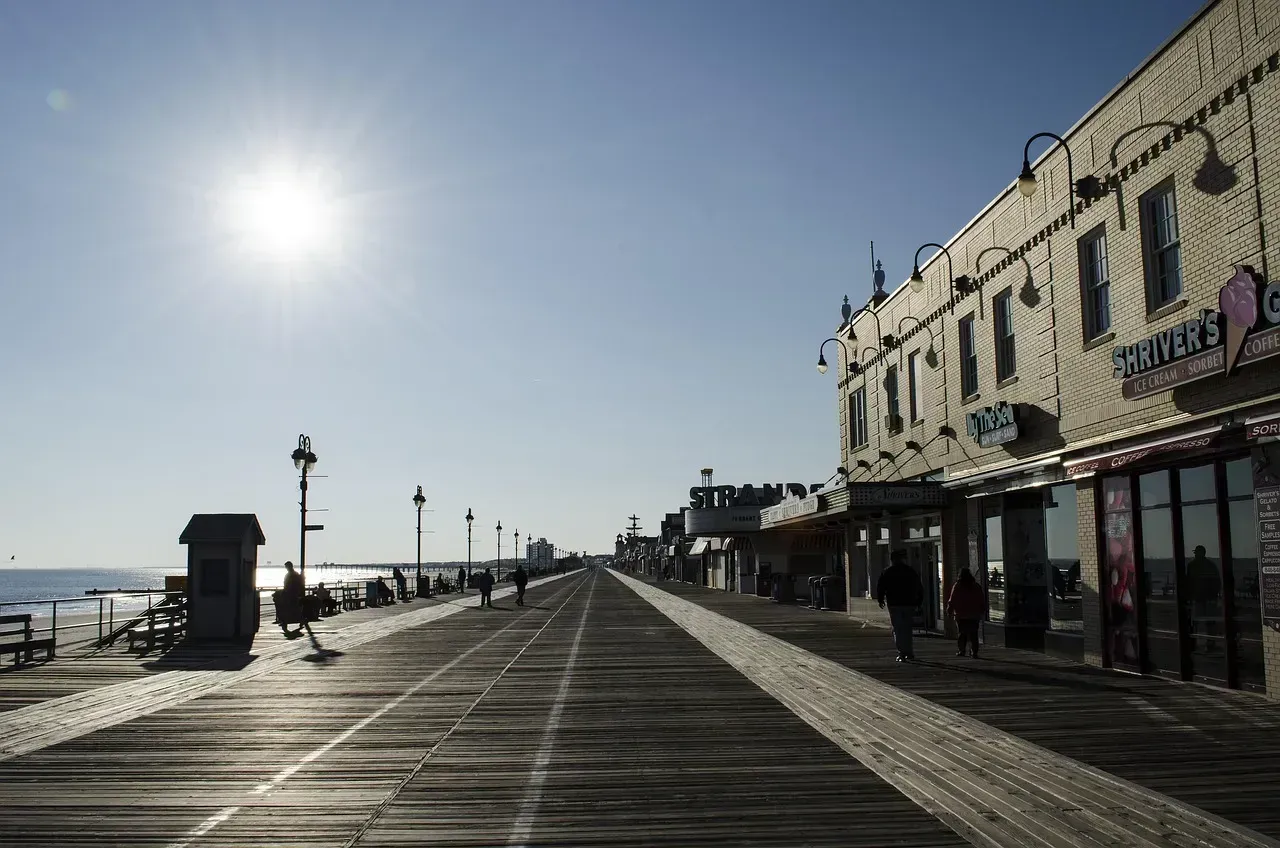
New Jersey ranks as the worst state to retire in, largely due to its high cost of living, top personal income tax rate, and poor aging health outcomes overall. The state does, however, carry the country’s highest average Social Security income at just over $29,500 annually. That Social Security advantage sounds appealing until you look at what surrounds it. New Jersey was named the worst state due to its high cost of living and one of the nation’s steepest personal income tax rates, and this is now the second consecutive year it has landed in last place.
The national average effective property tax rate remains near one percent, but New Jersey sits among the highest in the country at around two to two-and-a-half percent. For a retiree on a fixed income, that property tax burden alone can consume a significant share of monthly cash flow. New Jersey imposes some of the highest state tax burdens in the nation, consistently reducing disposable income and long-term savings.
2. California: The Lifestyle Premium You May Not Be Able to Afford

It’s no shock to anyone that California is one of the most expensive places to retire. In The Motley Fool’s study, it was ranked fifth-worst in cost of living, with the second-highest cost of housing and fifth-highest tax burden of all 50 states. The climate is real. The beauty is real. The financial squeeze is equally real. California does not tax Social Security, but it fully taxes pensions and retirement account withdrawals.
California ranks among the very worst states for housing affordability, with median home prices well over $700,000 in many areas, making it financially impossible for many retirees to buy or maintain property there. Retirees in California need roughly 15 percent more income than those in lower-cost states due to housing costs, taxes, and the general cost of living. For someone drawing down a retirement nest egg, that gap compounds over time in a painful way.
3. Hawaii: Paradise With a Price Tag That Shocks Financial Planners

Hawaii was ranked the worst state to retire in by The Motley Fool’s 2026 research, largely due to the increased cost of goods because of the state’s remote location. A high income tax rate adds significantly to the expenses that retirees there face. The cost of living runs 50 to 90 percent above the national average, and median home prices in 2025 exceeded $850,000, with even the more affordable Hilo area seeing prices around $500,000.
According to CNBC, a comfortable retirement in Hawaii requires roughly $2 million in savings, about $1 million more than the average amount Americans say they need. These estimates are based on the median household income in Honolulu County and the recommended four-percent withdrawal rate. Hawaii also applies a general excise tax to nearly all goods and services, charged at each stage of production, which can quietly raise costs across the board.
4. New York: Culture at the Cost of Your Retirement Savings
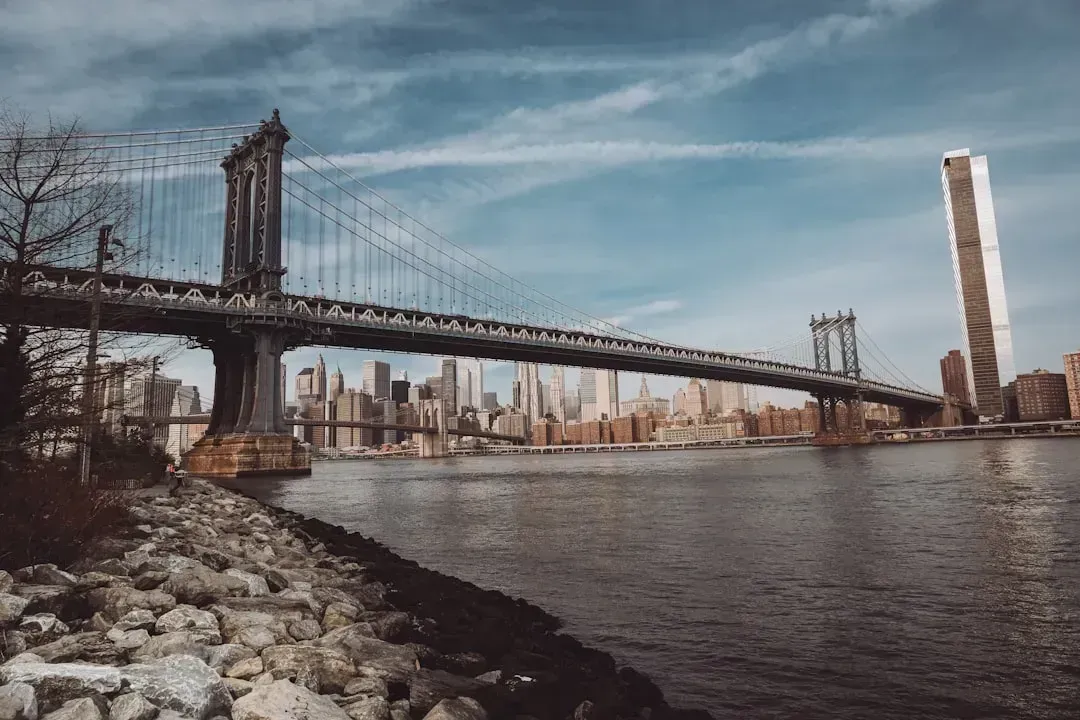
New York carries the heaviest tax burden of any state and faces persistent issues with expensive housing and overall affordability. Despite its cultural appeal, many retirees find it hard to maintain financial security, especially outside of major metro areas. For those looking for meaningful tax savings in retirement, New York is a difficult choice. The state does not tax Social Security benefits, but property taxes, income taxes, and sales taxes are among the steepest in the nation.
New York’s top capital gains tax rate reaches up to 10.9 percent, placing it among the highest in the country alongside California and New Jersey. The physical cost of living in New York City is widely understood, but even suburban and upstate New York can drain retirement resources faster than most people anticipate. Massachusetts and New York were penalized largely in recent analyses due to high living costs and significant tax burdens.
5. Florida: The Automatic Answer That Deserves a Second Look

Florida, a longtime retirement favorite, landed at 41st place in Bankrate’s 2025 report due to poor healthcare rankings, high insurance costs, and natural disaster risks, despite strong scores in taxes and its large retiree population. That is genuinely surprising to many people who still think of Florida as the automatic retirement answer. Hurricanes Helene and Milton, the two most destructive disasters of 2024 in the United States, caused more than $100 billion in combined damages. Since 2020, climate disasters have cost Florida an estimated $237 billion.
Florida homeowners, who in 2024 paid the highest average premiums of $14,140, saw a further increase of nine percent in 2025, pushing average premiums to roughly $15,460. On a fixed retirement income, that figure represents a significant and growing line item. The tax advantages remain real, but insurance costs and disaster risk are changing the math for Florida retirees faster than the brochures suggest.
6. Louisiana: The Insurance Crisis No One Mentions at the Open House

Louisiana was projected to experience the largest home insurance premium increase in 2025, nearly 27 percent, pushing average annual premiums to roughly $13,937. The state had already seen a 38 percent increase in 2024. The food and culture are genuinely extraordinary, but the insurance market is in serious structural trouble. Twelve insurers in Louisiana became insolvent after hurricanes in 2020 and 2021, reducing competition as remaining companies increased premiums. Four of the ten most expensive American cities for home insurance are in Louisiana, and in New Orleans, homeowners pay nearly six times the national average.
Financial planners consistently flag Louisiana as one of the worst places in the country to retire, and eight of the ten worst states for retirees are in the Sun Belt, according to Bankrate’s comprehensive 2025 study. The warm weather appeal of the Sun Belt is real, but it masks some serious structural problems for retirees in several of these states. Louisiana, unfortunately, has some of the most severe of those problems layered on top of each other.
7. Illinois: The Pension Debt Hanging Over Every Taxpayer

With roughly $15,800 in pension debt per person, Illinois has the highest unfunded pension liabilities per capita according to a major Reason Foundation study using data through 2024. That debt does not disappear; it eventually lands on taxpayers in the form of higher taxes and reduced services. Chicago is a world-class city with real appeal, but the state’s fiscal underpinning is a source of genuine concern. State and local governments nationally have only about 79 percent of the funds needed to fulfill pension promises made to public workers, and Illinois is one of the worst offenders nationally.
Illinois does fully exempt Social Security, pensions, and retirement income from state income tax, which is a meaningful offset. Still, the structural fiscal risk to the state means that future tax policy is hard to predict with any confidence. Financial planners worry that retirees settling in Illinois today are betting on a state budget situation that could shift considerably over a 20 or 30-year retirement.
8. Connecticut: High Taxes, High Property Costs, Limited Relief
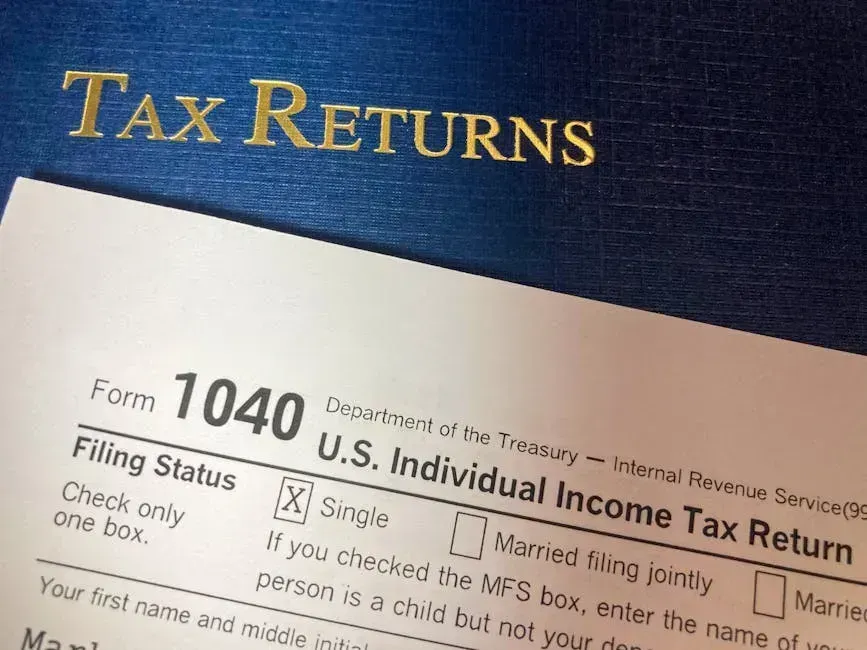
While Connecticut has a higher life expectancy than many other states, it is a financial burden to many retirees. The state taxes nearly all forms of retirement income, and it also carries very high property taxes, with a median yearly bill exceeding $6,000. Connecticut homeowners pay some of the highest property tax bills in the country, and even retirees with lower incomes may find the state an expensive place to simply live day to day.
Connecticut currently uses a graduated estate tax with rates up to 12 percent in 2025. That means not only are you taxed while you live there, but your heirs may face a significant bill when you pass. Connecticut also has the second-highest public pension debt per capita in the country at over $10,000 per person, signaling that fiscal pressure on residents is not going away anytime soon.
9. New Mexico: Affordable Housing Hiding a Crime Problem
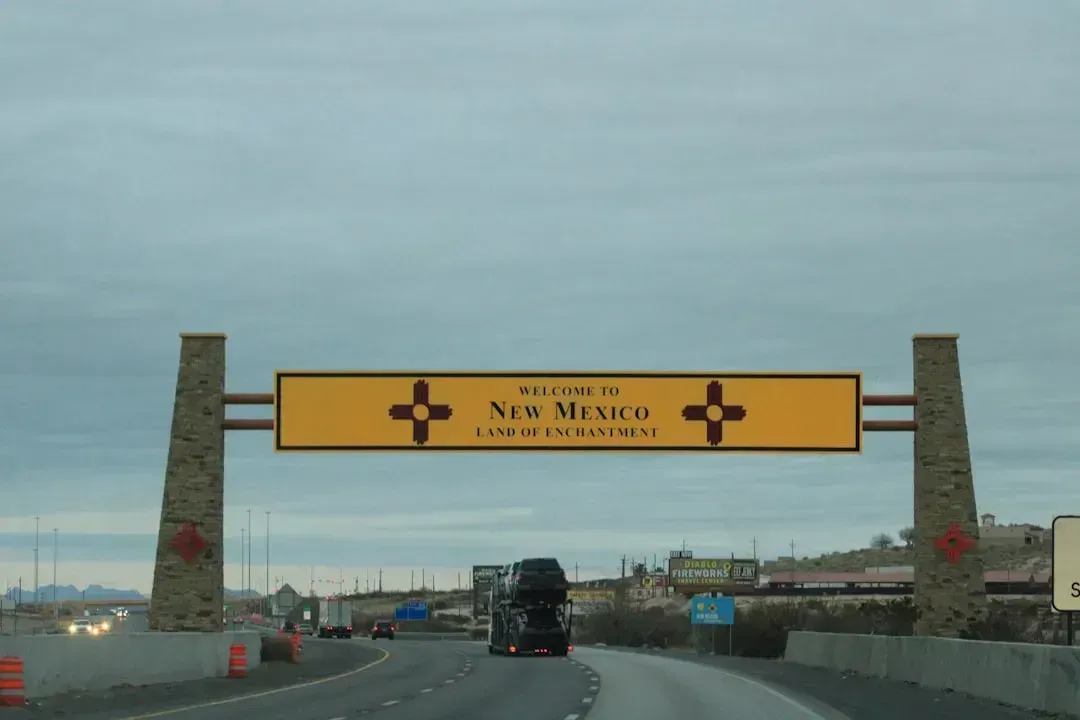
New Mexico does not tax the majority of individuals receiving Social Security benefits unless they meet certain higher income thresholds. However, income from pensions and retirement accounts is taxable for state residents. The housing and cost of living numbers look reasonable at first glance. The crime picture is a different story entirely. New Mexico has the second-worst crime rate nationwide, earning a crime score of just 2 out of 100 in The Motley Fool’s analysis. The state also received a low quality-of-life score, and its healthcare score came in at 40 out of 100.
According to FBI data, New Mexico has one of the highest rates of violent crime against older adults in the nation, with violent crimes against seniors occurring at a rate of over 212 per 100,000 individuals. For retirees who prioritize personal safety and freedom of movement, that number is hard to ignore. The affordability may look attractive on a spreadsheet, but the full picture demands more scrutiny.
10. Oregon: Natural Beauty With a Fixed-Income Problem

Oregon ranks 40th overall in the 2026 WalletHub retirement study, largely due to high costs and limited affordability. The state’s cost of living is higher than the national average by roughly 10 to 13 percent, driven by rising housing prices, expensive healthcare, and steep state income taxes on most retirement income including pensions, IRAs, and 401(k)s, though Social Security is exempt. This combination can strain fixed incomes, and additional drawbacks include air quality issues from frequent wildfires, rainy weather through much of the state, higher crime rates in some urban areas, and limited access to specialized senior healthcare outside major cities like Portland.
While Oregon offers natural beauty, outdoor activities, and no estate tax, these challenges often outweigh the perks for many retirees. The Pacific Northwest lifestyle is genuinely appealing, but planners frequently point out that the no-sales-tax advantage Oregon is famous for is more than offset by income tax burdens on retirement distributions. For someone drawing heavily from a 401(k) or IRA, Oregon can quietly erode income in ways that don’t appear until the tax bill arrives.
11. Arkansas: Low Costs That Come With Real Trade-offs

Arkansas struggles with a low quality-of-life score, poor healthcare rankings, and a high crime rate. While housing may be more affordable, the lack of essential services and overall safety makes it a less appealing choice for retirement living. Healthcare access in rural Arkansas is genuinely limited, and for seniors who may need frequent specialist visits, that is not a minor inconvenience. The cost of living numbers attract attention, but they don’t tell the whole story.
Arkansas scores poorly across multiple categories including quality of life, healthcare, and safety. While housing may be more affordable than many other states, the absence of essential services and overall safety concerns make it less suitable for retirement living in practice. The worst places to retire typically combine higher taxes and crime rates with subpar healthcare facilities, and they tend to lag in quality of life, healthcare access, and affordability simultaneously. Arkansas checks several of those boxes at once, which is what keeps it on financial planners’ radar despite its low sticker price.
The destinations on this list aren’t uniformly terrible. Many have real advantages, strong cultural scenes, warm weather, or genuine communities. What concerns financial planners is the gap between what draws people in and what quietly drains their resources over a 20 or 30-year retirement. A recent analysis found that about one-third of retirees in 2025 are cutting back on essentials like groceries and medical care just to make ends meet, while many older Americans are delaying retirement or planning to work into their 70s because they don’t feel financially secure. Where you retire matters more now than it ever has, and the gap between a good-looking location and a financially sound one can be wider than it appears on a real estate listing.