Retirement often arrives with a powerful urge to clear out. Decades of accumulated stuff can feel like weight, and the promise of a lighter, simpler life is genuinely appealing. So people start sorting, donating, tossing. Some of it is clearly the right call. Other decisions, made in a burst of decluttering enthusiasm, come back to haunt.
The tricky part is that regret doesn’t usually show up right away. It surfaces quietly, months or years later, when you reach for something that isn’t there anymore. Many retirees regret donating or selling items they later wish they’d kept, and sentimental belongings, hobby equipment, or seasonal items often get purged too aggressively. These are the seven things most worth pausing over before they go out the door.
Old Family Photographs and Physical Photo Albums
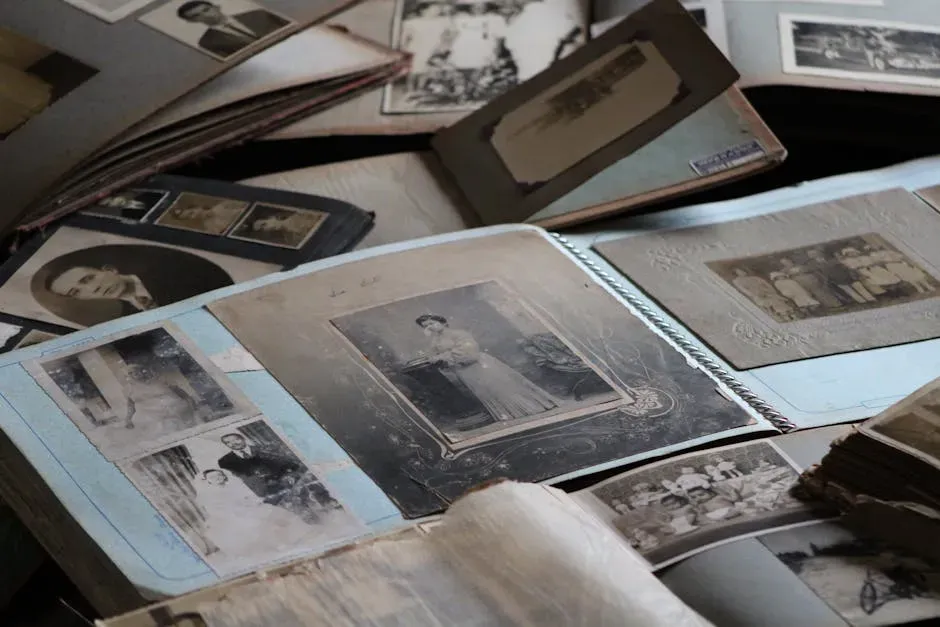
In the digital age, it’s tempting to digitize everything and toss the physical copies. Many people deeply regret discarding original heirloom photos, old photo albums, and especially handwritten family letters, since these items are irreplaceable tangible links to your history, underpinning cherished relationships and providing a sense of lineage. Digital surrogates often fail to fully replicate the value of holding the real thing.
The Smithsonian Institution emphasizes that photographs are invaluable cultural artifacts that document personal and family history, and throwing them away risks losing irreplaceable memories. Many families later wish they had digitized these photos to share with younger generations – but that’s only possible if the originals still exist. Once a physical print is gone, there’s no recovery.
Handwritten Letters and Personal Correspondence

Letters, cards, and personal notes capture a loved one’s voice, dates, and context that digital files rarely convey. The U.S. National Archives recommends basic preservation methods for family papers, such as cool, dry storage and proper enclosures, to keep originals safe. There’s a reason those recommendations exist. The texture and intimacy of a handwritten page simply cannot be recreated.
In our increasingly consumerist world, where people throw things out and buy new every few years, there’s a real risk of regret in throwing out family history. In an email world, something precious is quietly being lost. Once a letter is tossed out, a part of that person is gone forever. That’s a weight that settles gradually and lasts a long time.
Important Tax and Financial Records
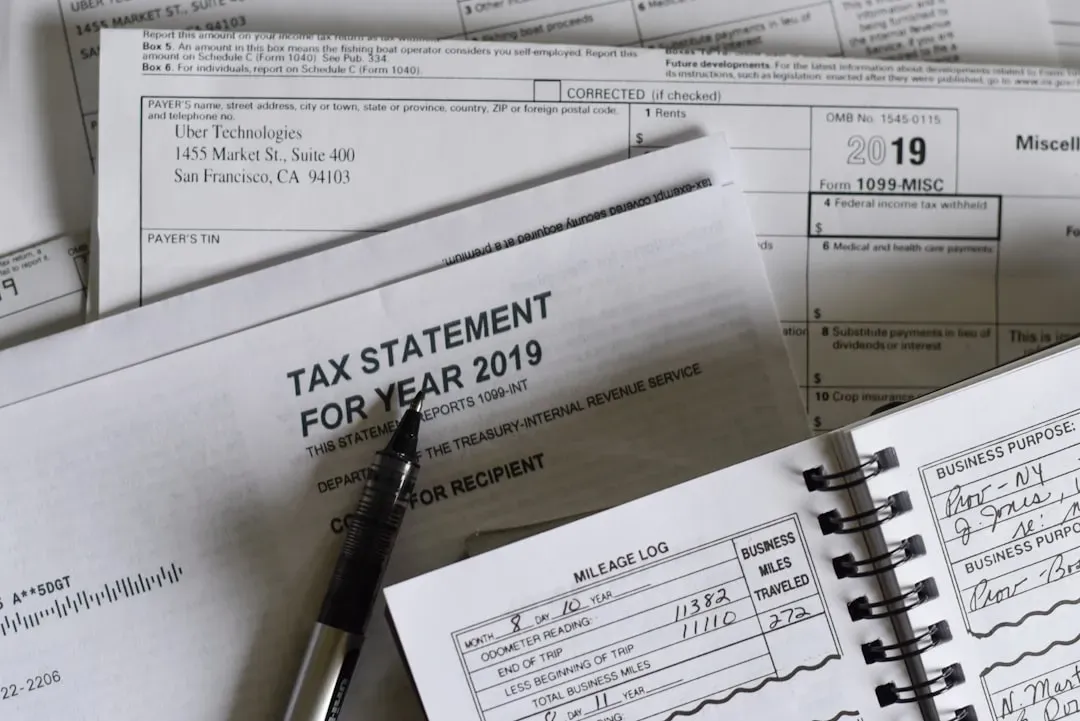
While clearing the clutter in your life can help, when it comes to tax documents, that’s not such a smart move. Tax documents aren’t just your tax returns; they are an arsenal of financial records and your defense in the event of future audits, lawsuits, or other disputes. These documents are too valuable to let go of.
The IRS generally has three years to initiate an audit, but you might want to hold on to certain records, including your actual returns, indefinitely. The same goes for records related to the purchase and capital improvement of your home, purchases of stocks and funds in taxable investment accounts, and contributions to retirement accounts, as all can be used to determine the correct tax basis on assets to avoid paying more in taxes than you owe. Tossing these documents during a retirement cleanup can turn a paperwork problem into a real financial one.
Hobby Tools and Specialty Equipment
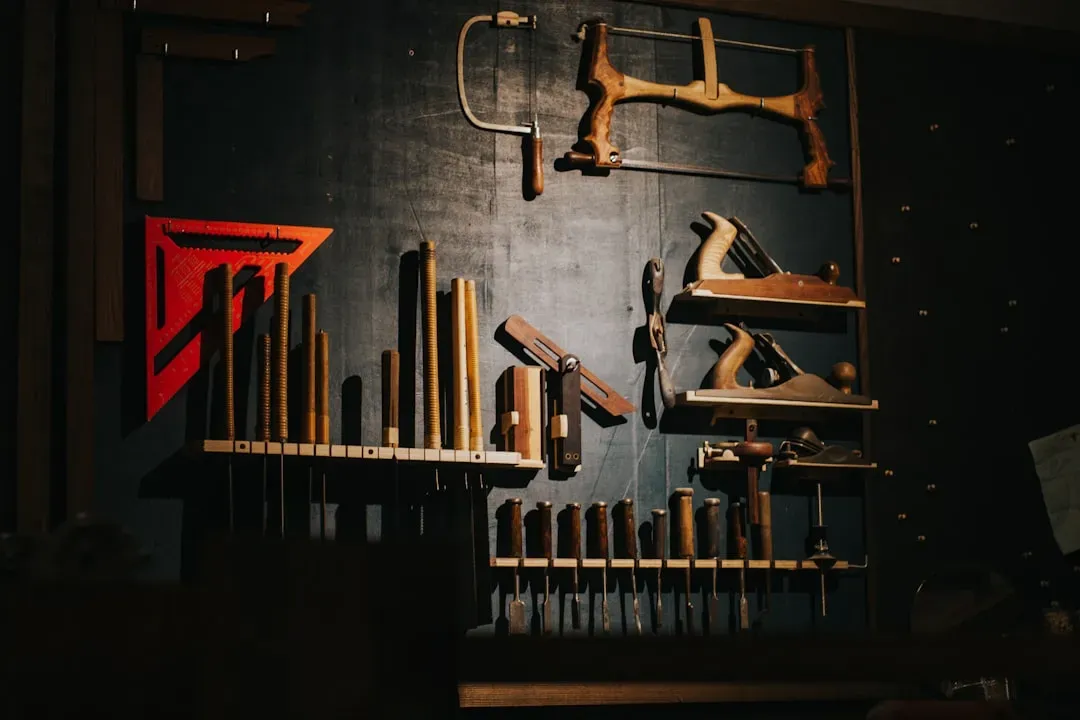
Retirement is when people typically have the most time to travel or pursue other hobbies and interests. If you downsize your budget or equipment for these things, or cut them out altogether, you’re going to miss out on a lot of potential opportunities – and that’s something you might well regret. This is especially true of specialized tools that took years to collect and would cost considerably more to replace.
Sentimental belongings, hobby equipment, or seasonal items often get purged too aggressively. A slower, more thoughtful approach to decluttering can prevent these feelings, and storage solutions may also help preserve meaningful items. A woodworker who clears the workshop, a painter who donates the easel, a gardener who sells the tools – each one often discovers that the empty shelf doesn’t feel as freeing as expected.
Sentimental Family Heirlooms and Keepsakes
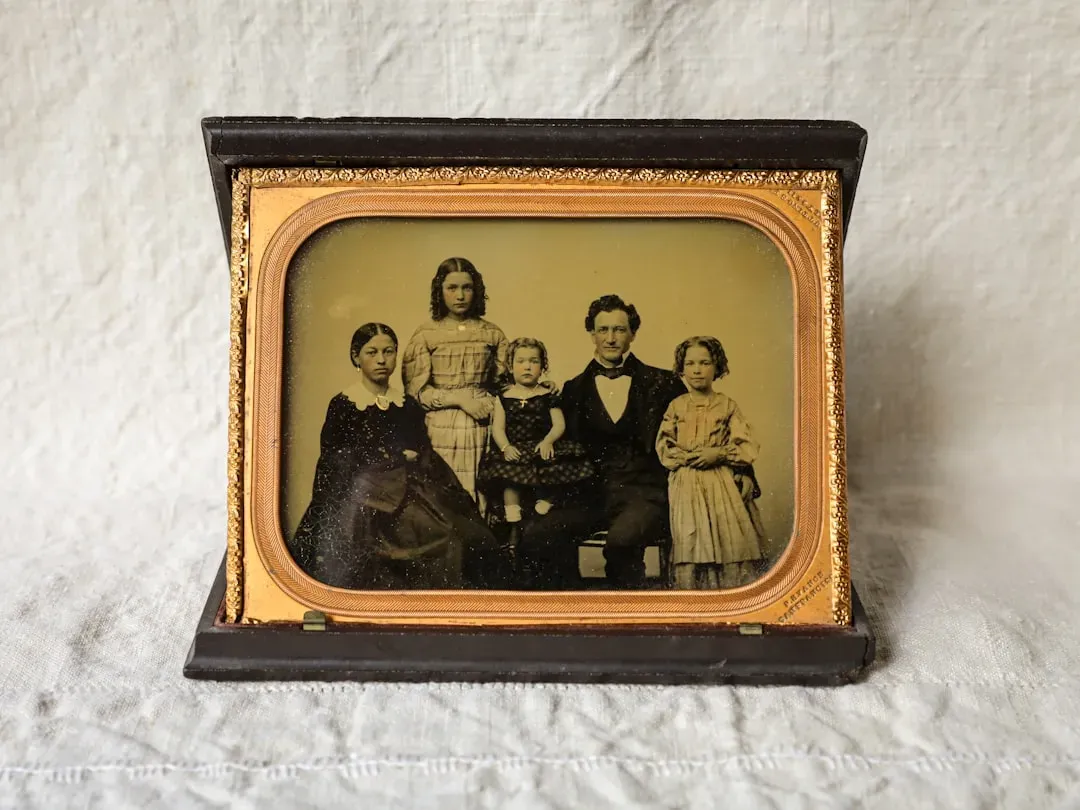
A lot of retirees will get rid of sentimental items such as family heirlooms or other meaningful belongings to declutter. It’s not necessarily a bad idea to toss out a few duplicate photos or broken pieces you no longer care about, but get rid of too much and you might end up regretting it, especially if you made the decision based primarily on your finances.
Downsizing with only finances in mind can have a major impact on your emotional well-being – especially if it means selling, donating, or throwing out the things that bring nonmonetary value to your life. Notably, one in four retired Americans carries regrets. For many, those regrets aren’t about money at all. They’re about the grandmother’s ring that went to a garage sale, or the hand-carved wooden box that ended up in a donation bin.
Handwritten Family Recipes and Recipe Collections
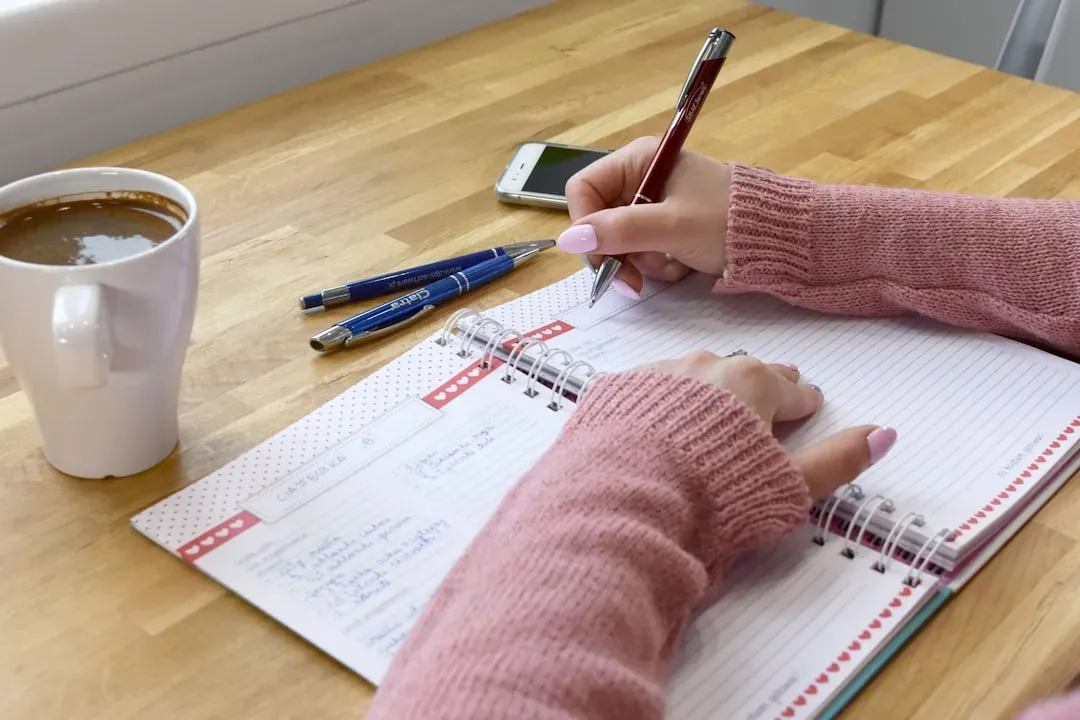
Grandma’s secret recipe for Thanksgiving or Aunt Carol’s handwritten instructions for the best Christmas cookies are often found in old, splattered notebooks. When decluttering, it’s easy to overlook these as just “old books,” but people often regret discarding these handwritten family recipe collections, as they represent not just food but also cherished memories, family traditions, and a piece of culinary history.
While digital copies can preserve the information, they lack the personal touch and historical significance of original recipe cards, often including handwritten notes and modifications that tell their own stories. The scrawled margin note, the coffee stain, the crossed-out ingredient – those details carry context that no typed version can hold. Future generations tend to value them far more than the person who threw them away ever imagined.
Vintage Collectibles and Items With Hidden Value
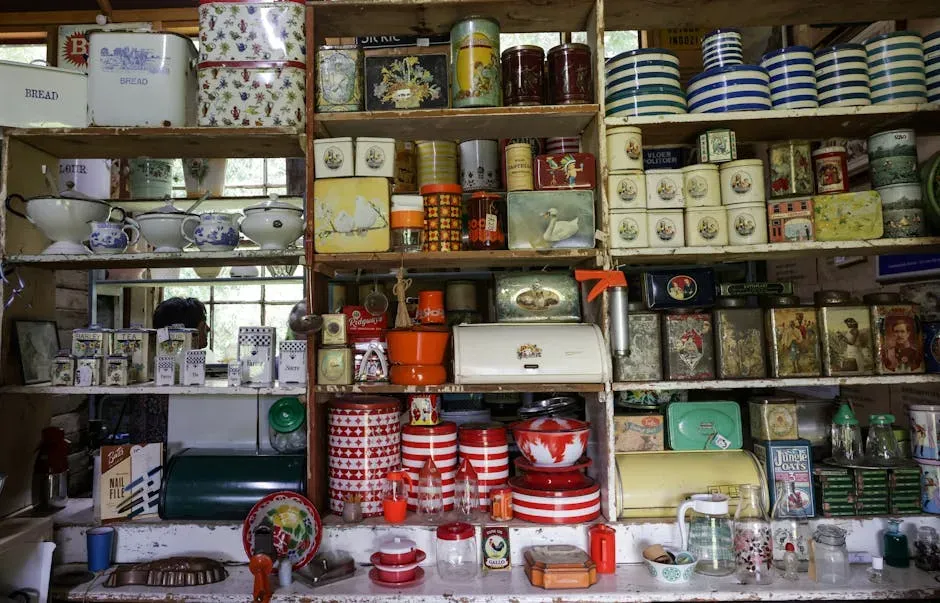
Those old vinyl records or coin collections gathering dust might seem worthless, but vintage items often significantly appreciate in sentimental and financial value over time. Many collectors report regretting hasty decisions to dispose of items that later became valuable collectibles, as the market for vintage items continues to grow, with some previously common items fetching hundreds or even thousands of dollars at auction. Researching potential value before disposing of inherited or collected items can prevent costly mistakes.
With streaming services dominating, physical media often gets purged, yet many regret discarding their old vinyl records, CDs, DVDs, or even vintage video games. The vinyl records market alone was valued at over two billion dollars in 2024 and is projected to roughly double by 2031, making discarding physical media both a practical and sentimental regret, as it severs a tangible connection to entertainment and personal history that digital licenses cannot fully replicate.
The common thread running through all seven of these items is the same: their value tends to be invisible until it’s gone. The urge to simplify is healthy and worth acting on, but a second look before clearing the shelf can make all the difference between relief and a quiet, lasting regret.