
There’s something strange that happens when you’re young and someone tells you something is dangerous, forbidden, or paranormal. Your brain just accepts it. No questions, no fact-checking, no second opinion. If an older kid whispered it at a sleepover or a parent dropped it as a casual warning, it became gospel truth by morning.
Looking back, many of these beliefs were completely harmless fictions. Yet they lodged themselves so deep in childhood memory that some people still feel a flicker of unease decades later. Here are ten of the myths that quietly terrified a generation or two of kids growing up.
1. Swallowed Gum Stays in Your Stomach for Seven Years

Few warnings were issued as casually and as confidently as this one. A piece of gum slips down your throat by accident, and suddenly you’re convinced some rubbery lump is setting up permanent residence in your digestive system. The fear was weirdly vivid for something nobody could actually see.
Chewing gum will not stay in your intestine for seven years. While gum is not metabolized or broken down like most food, it doesn’t sit in your colon for the better part of a decade. In fact, if you’ve swallowed a piece of gum, it’ll pass out of your system in roughly 40 hours. A reasonable guess for where this myth came from would point a finger at generations of parents trying to teach children not to swallow non-food items. Clever parenting, genuinely terrifying childhood.
2. Bloody Mary Will Appear If You Say Her Name in the Mirror
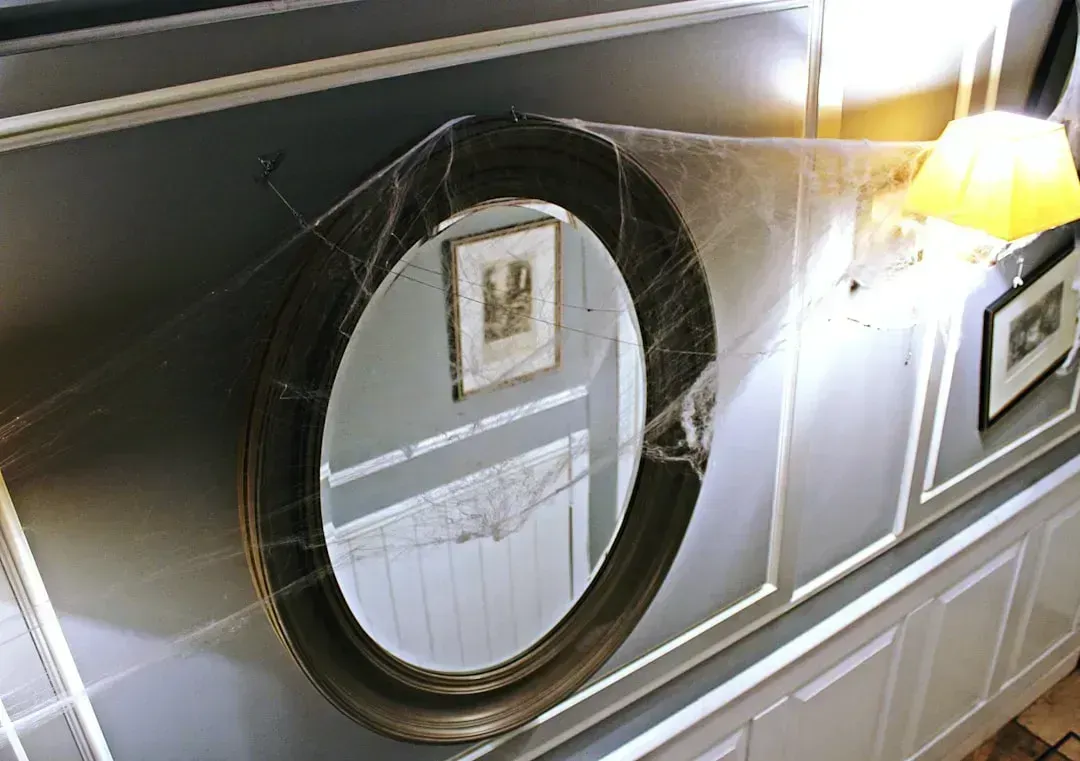
The modern Bloody Mary game involves chanting her name, sometimes three or thirteen times, in front of a mirror, often in a dark room. For millions of kids, this was the ultimate dare at sleepovers. The ritual had a ritual quality that made it feel genuinely dangerous, like crossing a line you couldn’t uncross.
The origins of the Bloody Mary ritual are rooted in old mirror divination practices, which were believed to reveal glimpses of the future. Over time, these historical rituals evolved into the spine-chilling dare familiar today, spreading through playground rumors and campfire stories. Science offers eerie explanations too. The Troxler Effect makes unchanging details fade when you stare at your reflection in dim light, causing your face to appear distorted or replaced, while pareidolia adds another layer, convincing you something is watching back. No ghost required.
3. The Boogeyman Lives Under Your Bed
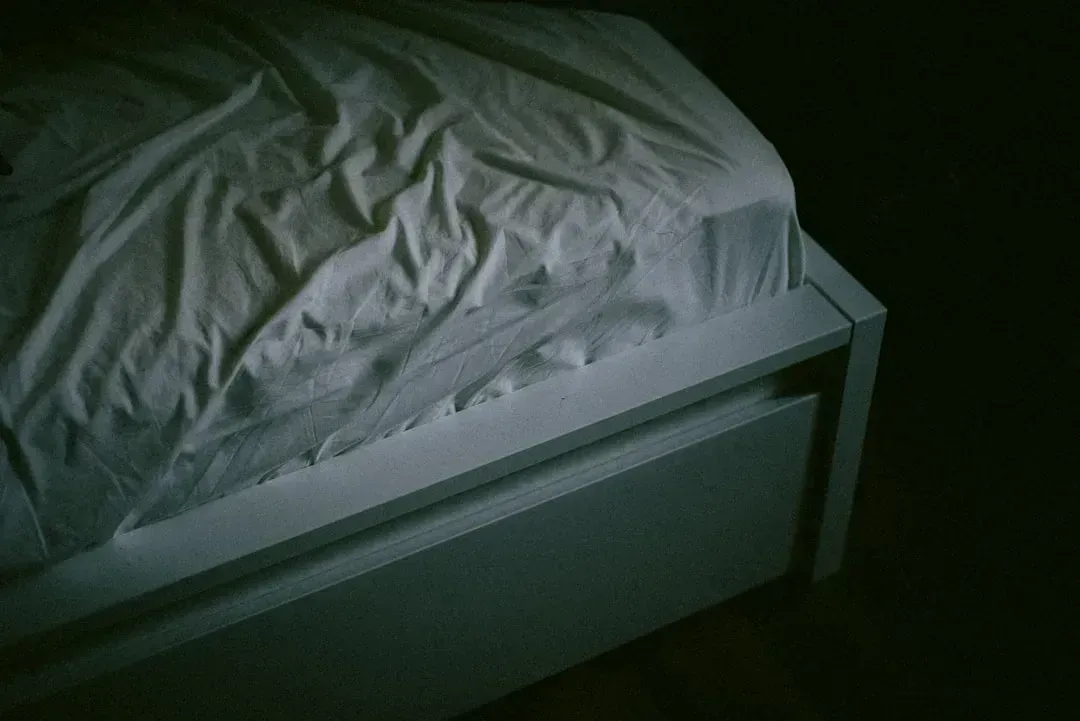
The Bogeyman is a ubiquitous folklore figure and umbrella urban legend used globally to frighten children into behaving, typically lurking under beds or in closets to kidnap or eat disobedient kids. What made this myth so effective was its specificity. Not somewhere vague like the forest or the dark street outside. Right there. Under your mattress.
The Boogeyman exists in many forms across various cultures, always as a vague, shadowy figure who hides in closets or under beds, waiting to take away naughty children. The specifics of his appearance differ, but the essence remains the same: the Boogeyman punishes bad behavior, instilling fear of the unknown and unseen. Developmental psychologists have occasionally criticized such tales for being brutal and unrealistic, though arguably these stories served an adaptive function in preparing children for fear and teaching them to cope with it.
4. Swimming After Eating Will Give You Deadly Cramps

Every kid who spent summers at a pool knew this rule. You eat a sandwich, and you wait. Thirty minutes was the usual sentence, though some parents insisted on a full hour. The idea was that digestion would somehow steal blood from your muscles, leaving you helpless and sinking to the bottom.
A normal-sized meal consumed before swimming will not cause cramping. The myth likely persisted because it was passed down with total parental conviction, and because nobody wants to test a rule that theoretically involves drowning. Even adults who know the truth often find themselves conditioned by it, and yet they can eat something and dive right in without a cramp ever arriving. The science just never caught up to the legend in most household conversations.
5. Stepping on a Crack Will Break Your Mother’s Back
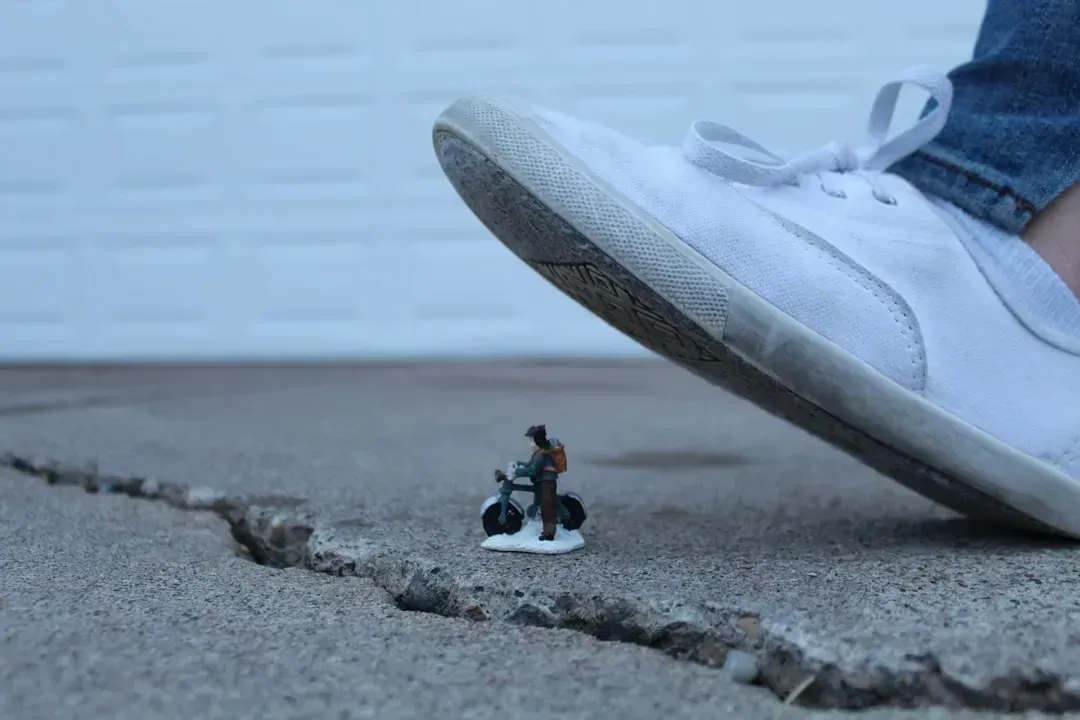
This one had the power to reshape how children physically moved through the world. Whole sidewalks became obstacle courses. Many kids remember carefully stepping around any and all cracks in the sidewalk, including the ones between pavers, because they didn’t want to be responsible for their mom being in traction. The stakes felt genuinely personal.
The rhyme is rooted in old superstition about bad luck and fractures in the earth being tied to misfortune, but there’s no traceable scientific origin or historical event behind it. Folklore has been an essential part of human culture for centuries, passed down through generations through myths, stories, and legends, and its impact on the cognitive side of children is profound and far-reaching. A silly rhyme, then, can carry surprising psychological weight for a seven-year-old navigating a concrete path.
6. La Llorona Haunts Children Who Misbehave Near Water
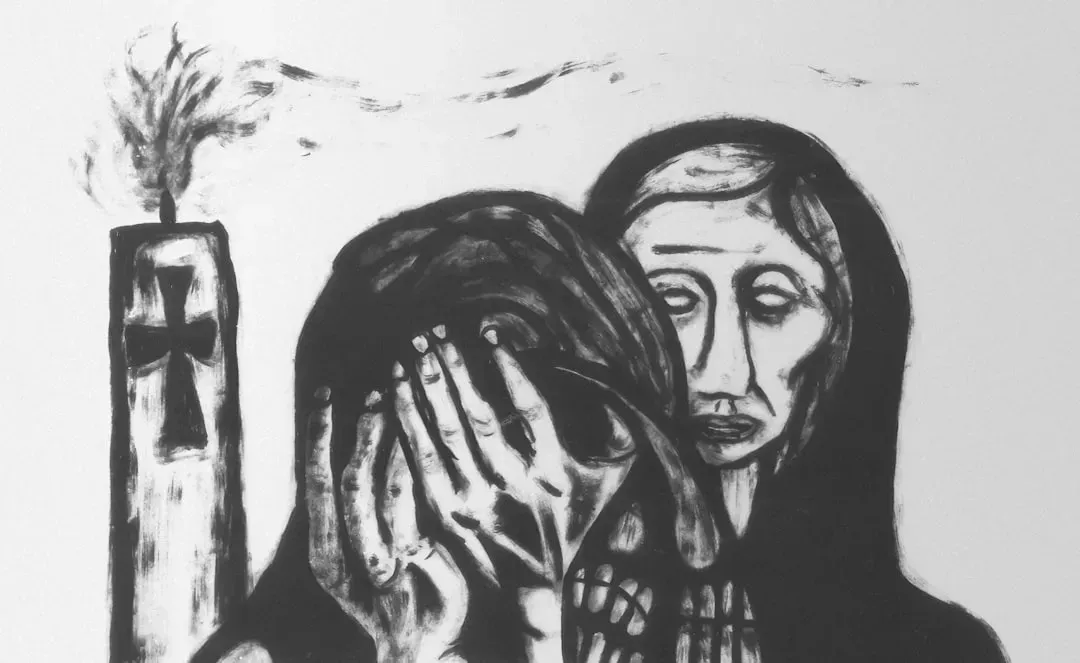
In Latin American households and communities across the American Southwest, La Llorona was not just a story. She was a warning with teeth. When family members told the legend, La Llorona was described as a beautiful woman who could have her pick of anyone. She met, fell in love, and ultimately married an attractive man, and they had children and lived a generally happy life for a while. The story darkens quickly from there.
She was so distraught that she blamed her kids, so she drowned them. Now her spirit just searches for bad kids to punish. The myth served as a sharp behavioral warning, especially for children near rivers, canals, and lakes. Folktales featuring mythical creatures can be a short-term solution for encouraging good behavior, especially in younger children, though they should be used with caution, and over-reliance on fear may lead to emotional distress.
7. The Calls Are Coming from Inside the House

The babysitter urban legend was one of the most reliably effective scare stories ever passed between kids. It traveled through schoolyards, campfire circles, and sleepover whisper chains with almost no degradation in terror. A babysitter gets repeated calls, only to discover they are coming from inside the house. While often dismissed as an urban myth, similar real-life cases have occurred, with criminals hiding inside homes before making their move. This legend serves as a chilling reminder to always check your surroundings.
The horror of the story isn’t just the threat. It’s the betrayal of the one place that’s supposed to be safe. Home stops feeling like a refuge when this story is in your head. Fear’s controlled exposure through storytelling allows cathartic rehearsal for real-world darkness, enabling processing through narrative displacement rather than paralysis. Which is a generous way of saying that terrifying a ten-year-old with this story was somehow formative.
8. Going Out in the Cold Without a Coat Will Make You Sick

This one was wielded by parents everywhere with absolute confidence. Forget to grab a jacket in November, and you’d practically be catching pneumonia by nightfall. It felt so logical that almost nobody questioned it until well into adulthood.
Colds are caused by viruses, which you can’t get just from being outside in the cold. You may feel sick if you’re outside all day in the cold or rain, with a runny nose, chills, and fatigue, but it’s not because of a virus. It’s because you can experience the same symptoms when you are chilled as when you are sick. The confusion is understandable, really. Cold symptoms and being-cold symptoms overlap enough that generations of parents drew a causal link that wasn’t actually there. The myth persists because it feels true, even when the biology says otherwise.
9. Sugar Makes Kids Hyperactive

Every birthday party, every Halloween, every holiday gathering came with some adult warning about the sugar rush. Kids were already bouncing off the walls, and the candy bowl was always the obvious culprit. The belief felt rock solid, shared across generations of parents who were certain they’d seen it with their own eyes.
A multitude of studies have shown that sugar doesn’t actually cause hyperactive behavior in children. Many people make false associations between sugar consumption and hyperactivity, failing to recognize other factors at play, and although the link isn’t truly there, children can also begin to perpetuate the misconception themselves. One study reported that children who were given sugar had higher levels of adrenaline, which may explain this misconception because higher adrenaline levels can produce symptoms similar to those of hyperactivity. The excitement of the party was doing the work all along.
10. The Licked Hand in the Dark
For kids who heard this one, bedtime was never quite the same. A girl goes to sleep with her hand hanging off the mattress. Her dog licks it. She feels safe. She sleeps. In the morning, she finds her dog dead in another room, with a note nearby explaining it wasn’t the dog doing the licking.
The Licked Hand is an urban legend popular among teenagers. The story describes a killer who secretly spends the night under a girl’s bed, licking her hand when offered, which she takes to be her dog. Research involving children aged between seven and nine found that fear-related beliefs changed significantly as a function of verbal information shared with them. Threat information increased children’s self-reported fear ratings, while positive information produced a decline. That’s the myth’s real power: it weaponizes comfort itself, turning something warm and familiar into the source of the fear.
What’s striking, looking at these myths together, is how many of them were rooted in something adults meant well by. A warning against swallowing things, a reason to grab a coat, a reason to stay away from the river. The intention was often protection. The delivery was often unintentional terror. Ancient storytellers understood intuitively what neuroscience now confirms: confronting imagined terrors can strengthen a person’s capacity to face authentic threats. Whether that fully justifies a generation of kids refusing to hang their hands off the bed is another matter entirely.