Most passengers board a flight thinking mainly about legroom and whether the Wi-Fi will hold. What they’re not thinking about is the invisible layer of risk that experienced cabin crew quietly navigate every single shift. Flight attendants spend more time in aircraft cabins than almost anyone else alive, and that daily exposure gives them a perspective that most travelers simply never develop.
Some of their warnings are rooted in hygiene, others in safety, and a few in the kind of quiet professional knowledge that only accumulates after years of watching passengers make the same mistakes. Here are nine things that genuinely make seasoned cabin crew uneasy, backed by real evidence.
Walking to the Lavatory in Bare Feet or Socks
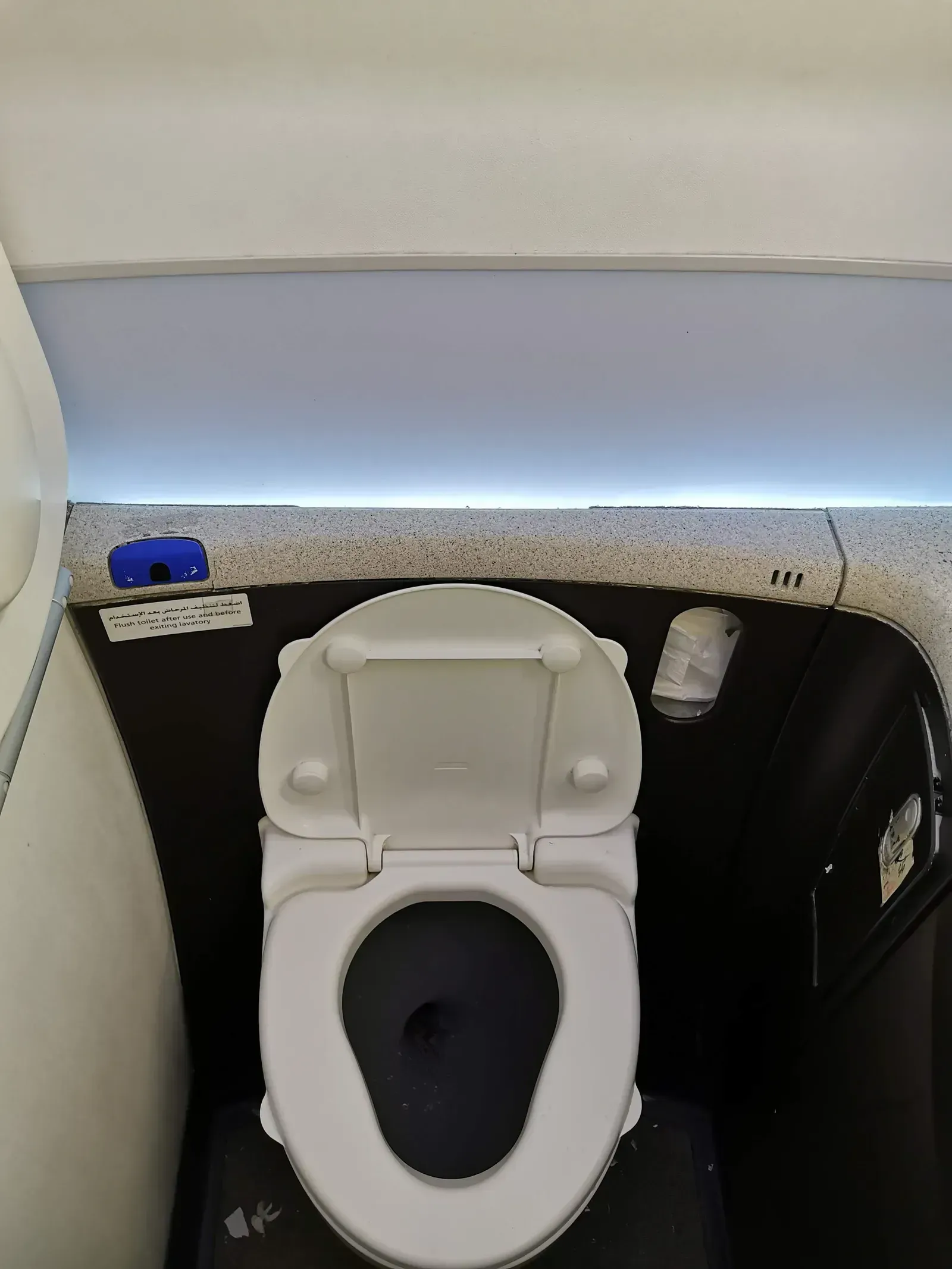
Flight attendants consistently warn that the liquid you see on the lavatory floor is often not water. The floor is frequently contaminated with urine, and walking through it in socks or bare feet means direct skin contact with a deeply unhygienic surface. Beyond the immediate disgust factor, the problem is that you then carry those microbes back to your seat.
A flight attendant who spoke to AFAR magazine, preferring to remain anonymous, confirmed she has seen far too many passengers trudging to the lavatory wearing only socks. Her rule of thumb: if the bathroom floor is wet, it’s safe to assume it’s urine. Shoes stay on for the entire flight. Full stop.
Drinking the Tap Water or Ordering Hot Coffee and Tea

A 2026 study by the nonprofit Center for Food as Medicine and Longevity, which examined more than 35,000 water samples from ten major and eleven regional airlines over three years, found that some airlines are serving “potentially unhealthy water” to passengers. Researchers recommended that travelers stick to bottled water and avoid drinking coffee or tea served on aircraft. This is not a fringe concern.
Former cabin crew member Kat Kamalani explained the issue plainly on social media, noting that water tanks are rarely cleaned and that coffee and tea come from the same contaminated hot water system. Only five out of 21 airlines in the study scored a B grade or higher, and the Center for Food as Medicine and Longevity’s official position is to never drink any water on board that isn’t in a sealed bottle, including coffee and tea.
Putting Anything in the Seat Pocket
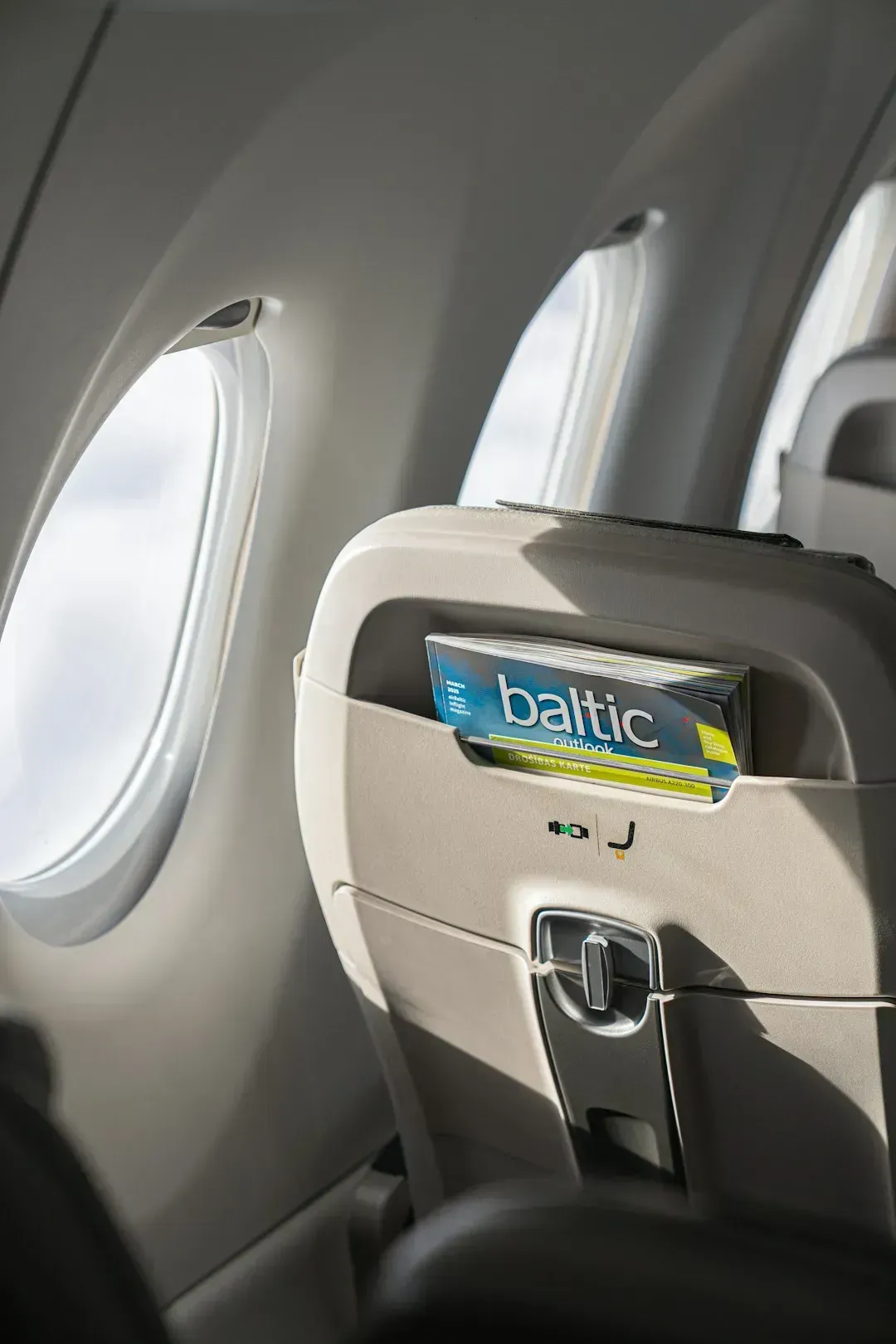
Research from Auburn University, funded by the FAA, found that MRSA, a type of antibiotic-resistant staph bacteria, can survive on seat pocket cloth for up to a full week. Flight attendants have been vocal on social media about what they find in these pockets between flights, including used tissues, dirty diapers, gum, and food wrappers.
A Reddit user identifying as a flight attendant posted a detailed warning, saying she always recommends passengers never use or put anything in the seat pocket, because they are cleared of rubbish between flights but are never actually cleaned. Your phone, snacks, and boarding pass deserve better storage than that pocket.
Not Wiping Down Your Tray Table

A study by TravelMath found that tray table surfaces had more than eight times the amount of bacteria per square inch than the lavatory flush buttons. Flight attendants have seen passengers change babies’ diapers on these same tray tables. That puts the contamination risk into uncomfortable context.
Research revealed that tray tables contained more than 2,000 colony-forming units of bacteria per square inch, compared to the roughly 27 to 30 colony-forming units found on the average smartphone screen. Staff generally clean cabins between flights, but with tight turnarounds, a thorough cleaning rarely happens. Packing a few sanitary wipes and wiping down your tray table and common touchpoints is one of the simplest protective measures a passenger can take.
Standing Up the Moment the Plane Lands
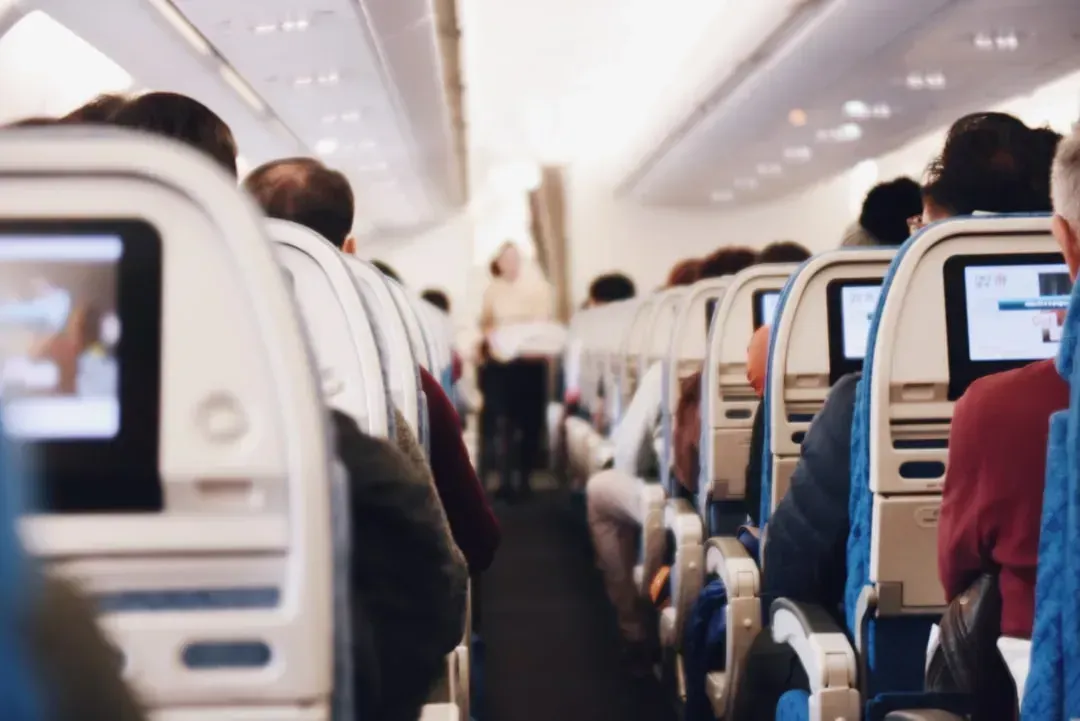
The plane has landed, but it hasn’t arrived. Taxiing is a critical phase of flight, and sudden braking or sharp turns can occur without any warning to passengers. Standing up early doesn’t get you off the plane faster, but it does increase the risk of injury and can slow down the exit process for everyone around you.
Nowhere is poor airplane etiquette more visible than during the deplaning process. The moment a plane touches down, it often becomes the starting gun of a race nobody signed up for. Cabin crew find this behavior genuinely frustrating, not because of inconvenience but because of the safety risk it creates for everyone still seated.
Drinking Alcohol Heavily, Especially on Longer Flights

Alcohol sedates passengers and significantly increases dehydration. The aircraft cabin is already very dry, which means passengers should be drinking water rather than substituting alcohol for hydration. Commercial flights pressurize the cabin to the equivalent of roughly 6,000 to 8,000 feet in altitude, meaning passengers are already inhaling less oxygen than normal. Cabin humidity sits between about five and twenty-five percent, well below typical indoor levels.
In that environment, alcohol hits harder and faster. According to Harvard T.H. Chan School of Public Health research, drinking alcohol during flight adds physiological stress. Some sedating substances may lower breathing rates in an already low-oxygen environment, and anything that encourages immobility can elevate the risk of deep vein thrombosis.
Ignoring the Seatbelt Sign During Turbulence
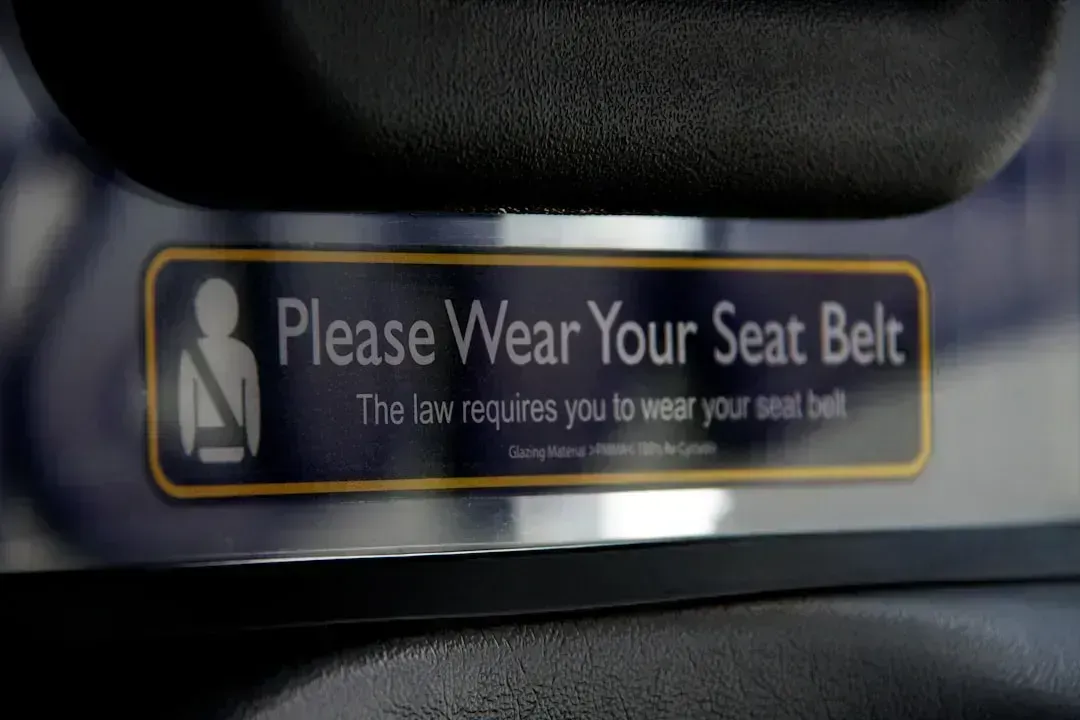
When the seatbelt sign illuminates, there is always a reason behind it, usually turbulence or changing flight conditions. At that point, crew members are required to check passenger compliance, not negotiate it. Staying seated and buckled is the simplest way to avoid unnecessary injuries during flight.
The long periods of immobility that come with air travel can elevate the risk of deep vein thrombosis, and clots that travel to the lungs can be fatal. Turbulence can strike without any warning, which is precisely why staying buckled while seated matters even when conditions feel calm.
Using the Airplane’s USB Charging Ports
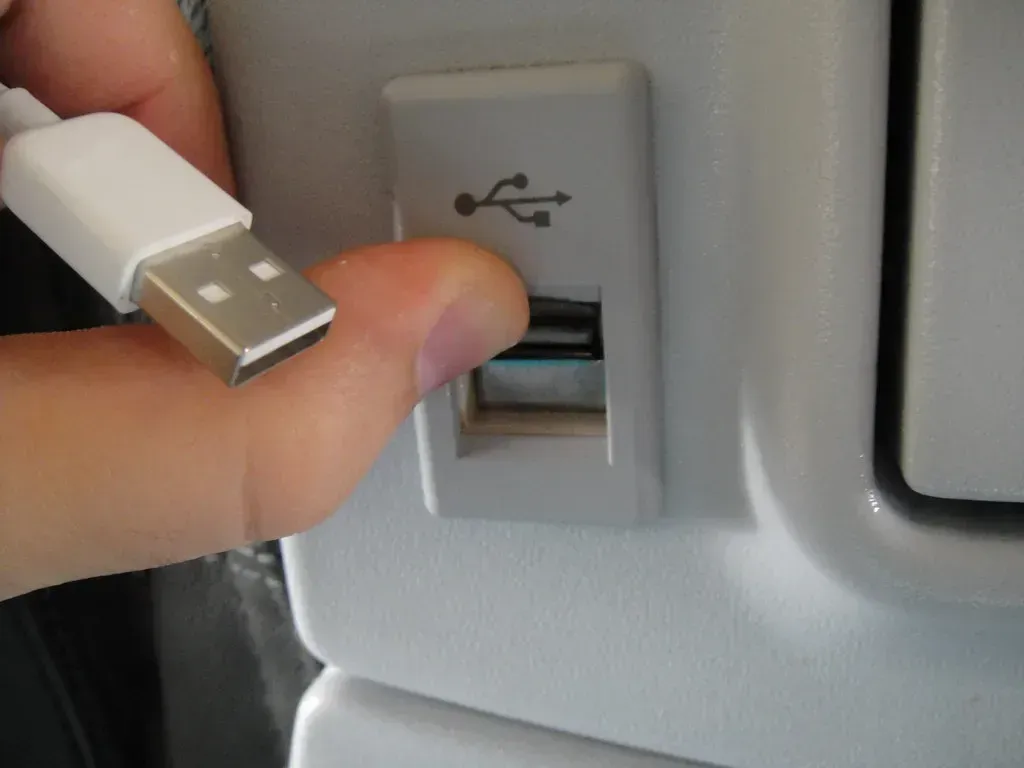
That convenient USB port near your airplane seat may not be as harmless as it appears. Both the FBI and the FCC have issued formal warnings to travelers about public USB ports, including those on planes, being exploited in what is known as “juice jacking.” This is a method where hackers can steal data or install malware on a connected device.
In 2025, the TSA issued two cybersecurity warnings to travelers, specifically advising against using free public Wi-Fi for any sensitive transactions and warning against charging devices in public USB charging ports, citing vulnerability to juice jacking attacks. A personal charger plugged into the standard power outlet remains the safer option.
Sitting Directly on the Seat Wearing Shorts
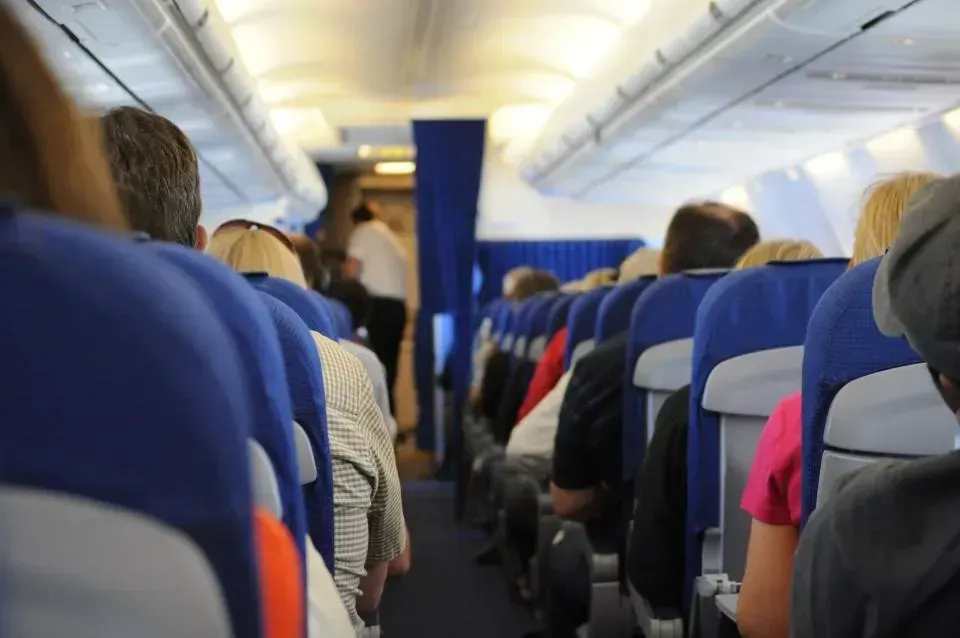
Flight attendants consistently advise against wearing shorts on flights. Airplane seats are high-traffic surfaces that are rarely deep-cleaned between flights, and wearing long pants provides a critical barrier between bare skin and the bacteria living in the seat fabric. It’s a small, easy adjustment that most frequent flyers quietly make without thinking twice about it.
Swab testing conducted by the Canadian Broadcasting Corporation found some seat headrests teeming with Staphylococcus, E. coli, and Hemolytic bacteria. Seat-back pockets tested positive for aerobic bacteria, mold, coliforms, and E. coli. Staff generally clean cabins between every flight, but with tight turnarounds, there often isn’t enough time for a thorough cleaning. The fabric beneath you reflects all of that reality.