There was a time when grabbing a burger or splitting an appetizer felt like a simple, affordable pleasure. Today, many diners are doing the math at the table and quietly deciding it’s not worth it. The gap between what restaurants charge and what customers feel is fair has grown noticeably wider, and the frustration is showing up not just in conversations, but in foot traffic data, survey results, and emptier dining rooms.
Consumers simply aren’t eating out as much, and in the first half of 2025, US restaurants and bars saw one of the weakest six-month periods of sales growth in the past decade, according to a CNN analysis of Commerce Department data. The reasons aren’t random. Several specific trends have pushed diners past their breaking point, and they’re worth examining one by one.
1. Relentless Menu Price Inflation
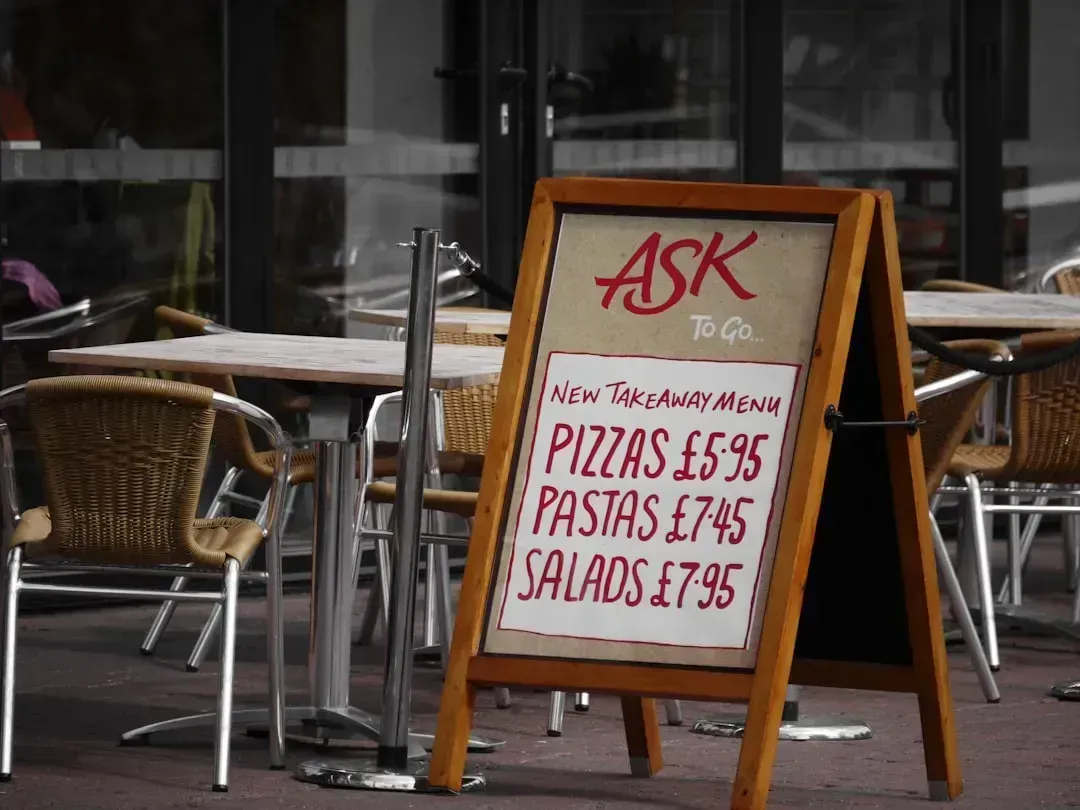
According to the National Restaurant Association, average menu prices have risen about 31% since February 2020. That compounding effect is exactly what’s wearing customers down. Even when individual annual increases look modest on paper, years of consecutive hikes leave diners staring at bills that feel completely disconnected from what they used to pay.
According to a Coresight Research survey conducted in early 2024, an overwhelming majority of respondents who had dined out in the prior two weeks observed menu price increases. Of those who noticed those increases, a majority indicated they had changed or expected to change their dining habits by cooking more meals at home. That’s not a minor behavioral nudge. That’s a fundamental shift in how people think about eating out.
2. Hidden Surcharges and Mystery Fees
Sometimes labeled as “hospitality fee,” “equity fee,” “service fee,” or “economic impact fee,” these charges are often left off menu prices and can surprise customers when it’s time to pay the bill. The problem isn’t always the amount itself. It’s the feeling of being ambushed by a charge you had no way of anticipating when you sat down.
Service fees, packaging fees, kitchen fees, and credit card surcharges are becoming increasingly common, and the problem arises when fees appear only at checkout. This practice, often called “drip pricing,” is exactly what regulators and consumers are pushing back against. Fed-up diners have compiled spreadsheets via Reddit of restaurants in Los Angeles, Chicago, and Washington, D.C. charging hidden fees.
3. Third-Party Delivery App Costs

Commission rates that delivery companies charge restaurants are typically roughly 15% to 30% of the price of the meal ordered, according to McKinsey & Company. Those costs don’t stay invisible for long. They flow downstream to the customer in the form of inflated menu prices, service fees, and delivery charges that stack up fast.
Among consumers who report ordering less delivery, nearly half pointed to inflated menu prices, while roughly four in ten cited high delivery fees specifically, according to industry research. Consumers squeezed by inflation are increasingly questioning whether the convenience of delivery is worth an extra 20 to 30 percent surcharge per order. For many, the answer is increasingly no.
4. Fast Food No Longer Feeling Affordable
A study by FinanceBuzz analyzing menu price data across twelve top fast-food chains between 2014 and 2024 found that most restaurants raised prices by roughly 60% on average during that period, with five chains doing so at more than double the actual inflation rate. Fast food was supposed to be the fallback option. Now customers are second-guessing it as seriously as they would a sit-down dinner.
According to a 2024 survey conducted by LendingTree, nearly four in five consumers now consider fast food a “luxury” purchase due to its increasing cost. As the cost of dining out has increased across the board, with even fast food options surpassing overall inflation, consumers are running out of cheaper alternatives when it comes to having food away from home.
5. Shrinkflation: Paying More for Noticeably Less
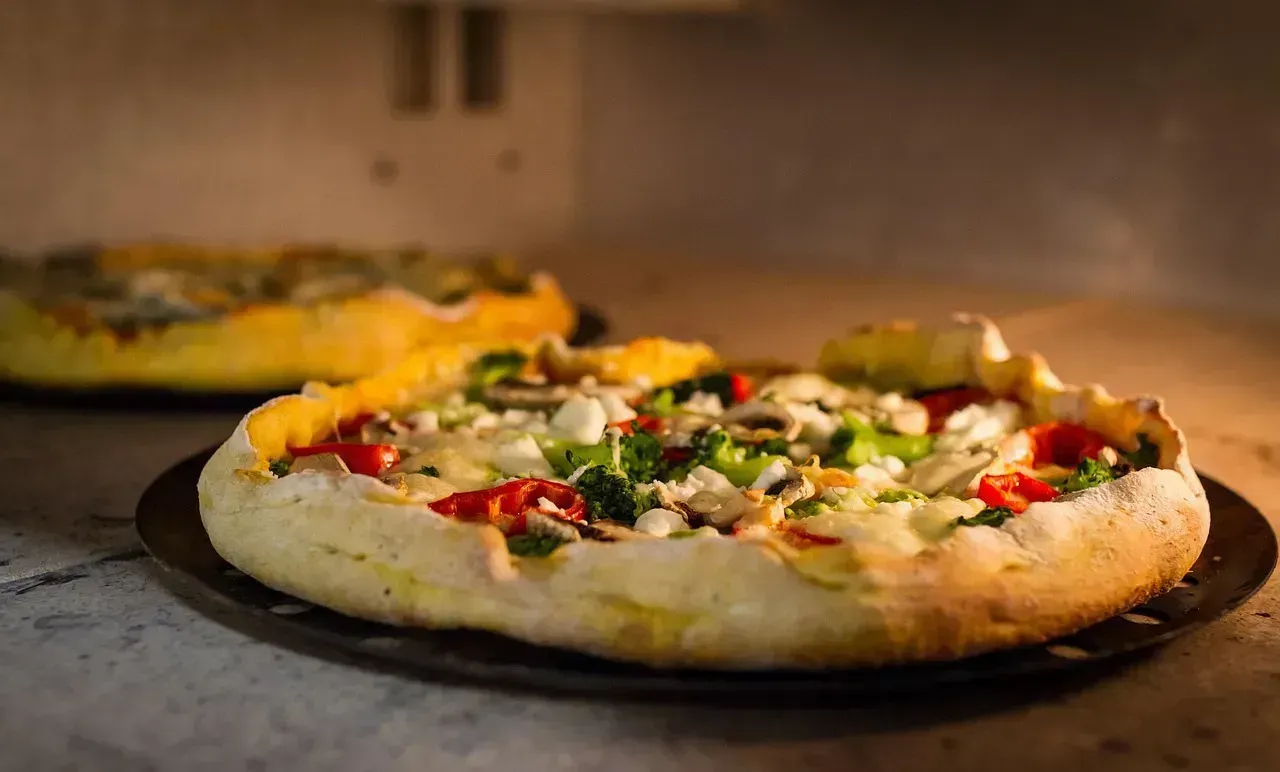
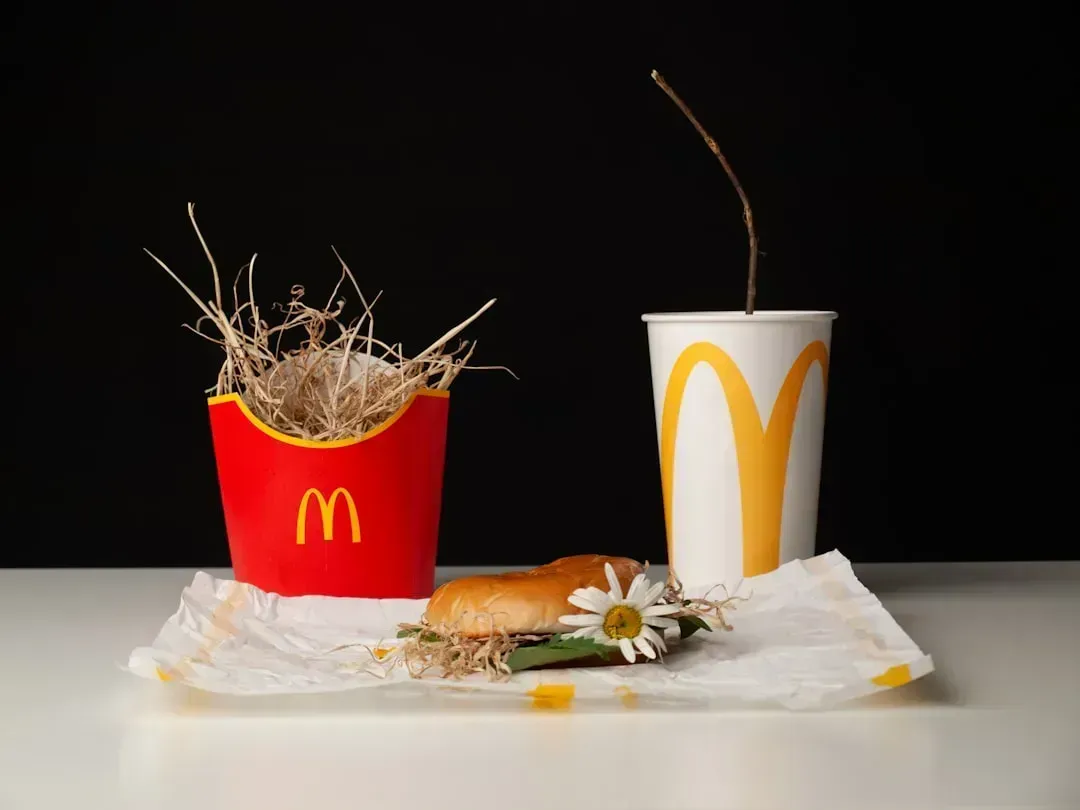
Some customers have noticed a frustrating trend at their favorite restaurants: smaller portions without a price drop. While “shrinkflation” has affected everything from grocery store staples to packaged snacks, restaurant chains seem to be quietly cutting back on serving sizes too, driven by rising food costs, supply chain challenges, and economic pressures.
Among the chains facing criticism for downsized portions are Five Guys, Burger King, and McDonald’s, with customers taking to social media to share their disappointment over skimpy servings. Some have posted side-by-side comparisons of past and present meals, showing noticeable reductions in portion sizes. The math frustrates people most when prices go up and the plate simultaneously gets smaller.
6. Credit Card Surcharges Being Passed to Customers

Credit card processing is now the third-largest operating expense for a typical restaurant, behind only food and labor costs, with these “card swipe fees” running roughly 2 to 4% of each credit card sale. Restaurants increasingly try to pass that cost directly to the customer, often without making it obvious until the check arrives.
The entire philosophy of passing the fee on to the customer jeopardizes the long-term reputation of restaurants and is a major pain point. As the economy continues to push individuals toward having less disposable cash, more and more people are starting to look at these fees as a nuisance and may start to go to other places with fewer unwanted expenses. Customers aren’t opposed to transparency. They are opposed to discovering extra costs after the meal.
7. Tipping Fatigue and Pressure at the Screen
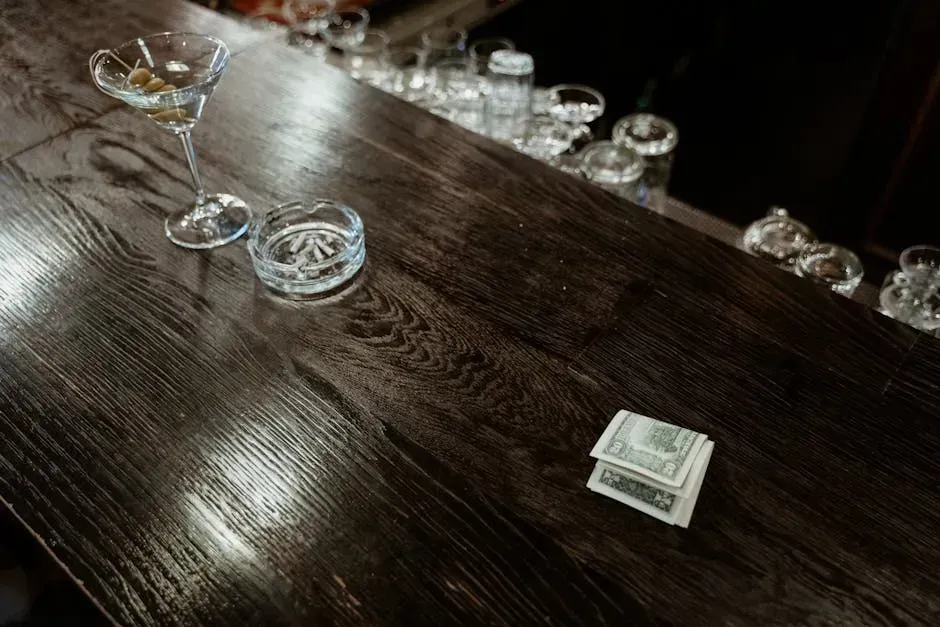
Tip fatigue is real and measurable. The average tip on Square’s digital food and beverage transactions fell to 14.9% in the second quarter of 2025, down from 15.5% in 2023. The overall tipping average for restaurants came in at 18.8% in the third quarter of 2024, down from 19% in the same period of 2022.
Customers are pushing back. They’re tired of being asked to tip 20, 25, or even 30% when they’re standing at a counter, placing their own order, filling their own drinks, and carrying their own food to a table. This resistance is especially pronounced now when consumers feel pressure as prices continue to rise across all sectors. Data from Yelp shows that reviews mentioning “tipflation” increased by nearly 400% from May 2023 to April 2024.
8. The Restaurant-to-Grocery Price Gap Widening
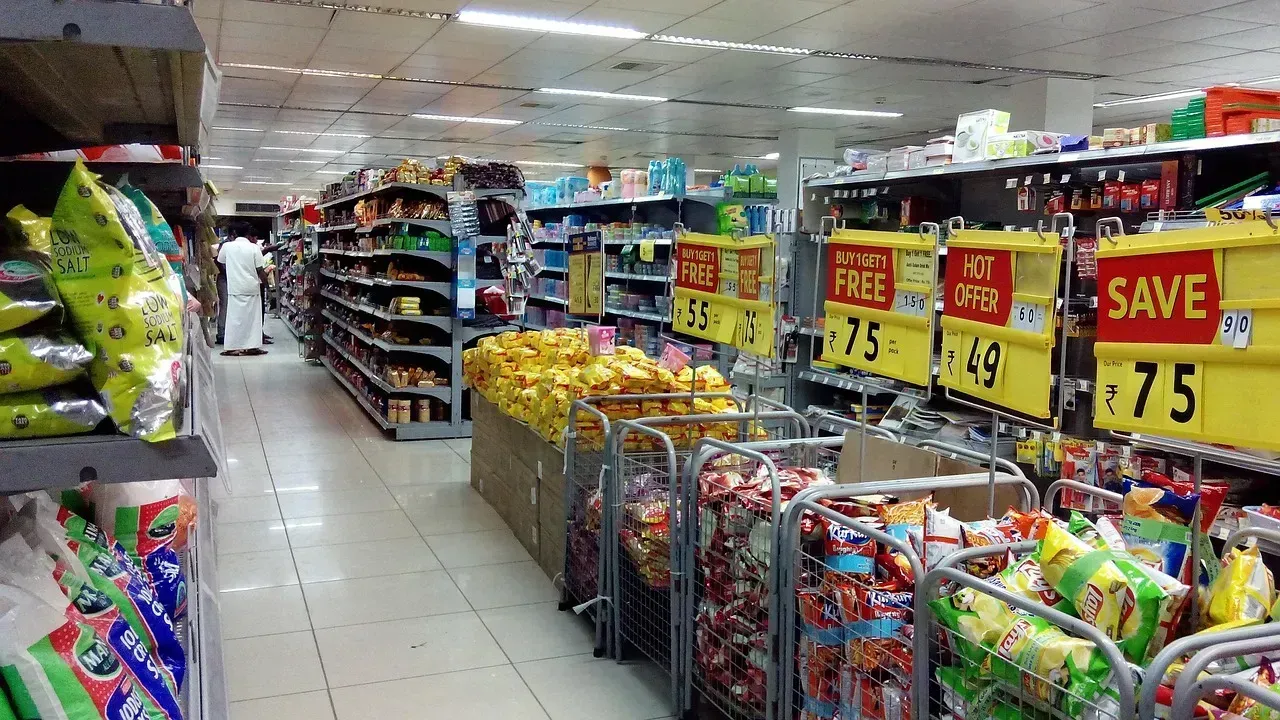
As of mid-2025, restaurant prices were up nearly 4% year-over-year, well above grocery prices at 2.7%. Full-service restaurants took the biggest hit, with menu prices rising at a faster pace. That gap matters psychologically. When the supermarket feels like it’s getting cheaper while the dinner tab keeps climbing, the comparison becomes impossible to ignore.
Based on a study by Kalinowski Equity Research, the difference between restaurant and grocery price inflation in August 2024 increased by over 300 basis points compared to the historical gap of just 60 basis points. This current gap is five times wider than the long-term average, reflecting the much higher cost for those choosing to dine out. More than half of US adults reported in late 2024 that they were spending less on eating out, a figure that had continued to climb throughout the year.
What ties all eight of these trends together is something simpler than economics. Diners have a finely tuned sense of value. They can absorb modest price increases over time, but when hidden fees, shrinking portions, tip pressure, and delivery markups all arrive at the same table, the experience stops feeling worth it. The restaurants that survive the current pressure cycle will likely be the ones that understand the difference between raising prices and eroding trust.