
There’s a particular kind of memory that hits without warning. You see an old plastic egg on a shelf at a thrift store, or spot a holographic card sleeve tucked between books in someone’s home, and suddenly you’re back on a sun-bleached blacktop trying to look cool in front of your classmates. It’s involuntary, vivid, and almost embarrassingly powerful.
The things that made kids feel important or envied weren’t usually expensive. They were specific. A certain toy, a particular gadget, a collectible with the right logo on it. These were the items that quietly sorted the playground into the haves and the have-nots. Looking back from 2026, these nine objects carry something heavier than nostalgia. They carry the entire feeling of being a kid.
1. The Tamagotchi
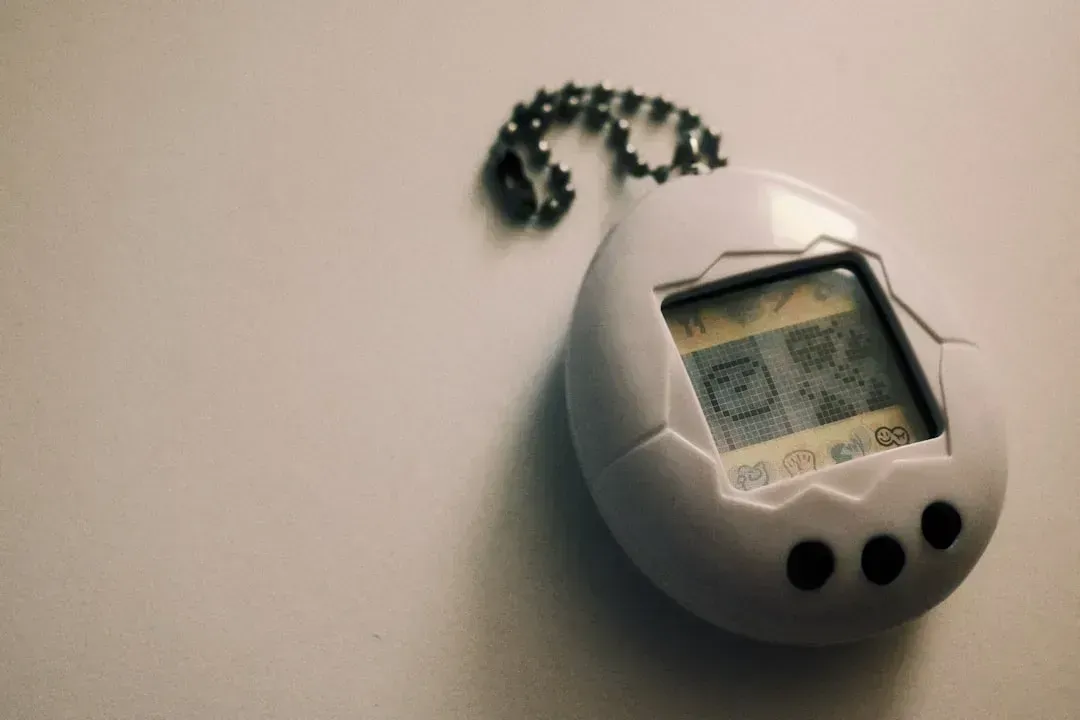
The first Tamagotchi was released by Bandai on November 23, 1996 in Japan, then hit the United States on May 1, 1997. It was a tiny egg-shaped keychain with a pixelated creature inside that demanded feeding, attention, and care around the clock. Having one dangling from your backpack zipper was an immediate conversation starter. Not having one meant watching from the sidelines as your classmates panicked over a beeping digital pet in the middle of math class.
Bandai sold 400,000 units in 1996, increasing to 10 million by July 1997, and by spring 1998, nearly 40 million units had been sold worldwide. At the peak of the craze, stores sold out in hours and scammers preyed on shoppers’ desperation, charging marked-up prices for coupons that could never be redeemed. The Tamagotchi wasn’t just a toy. It was a social obligation you wore on your wrist. In 2025, The Strong National Museum of Play inducted Tamagotchi into its World Video Game Hall of Fame.
2. Pokémon Cards
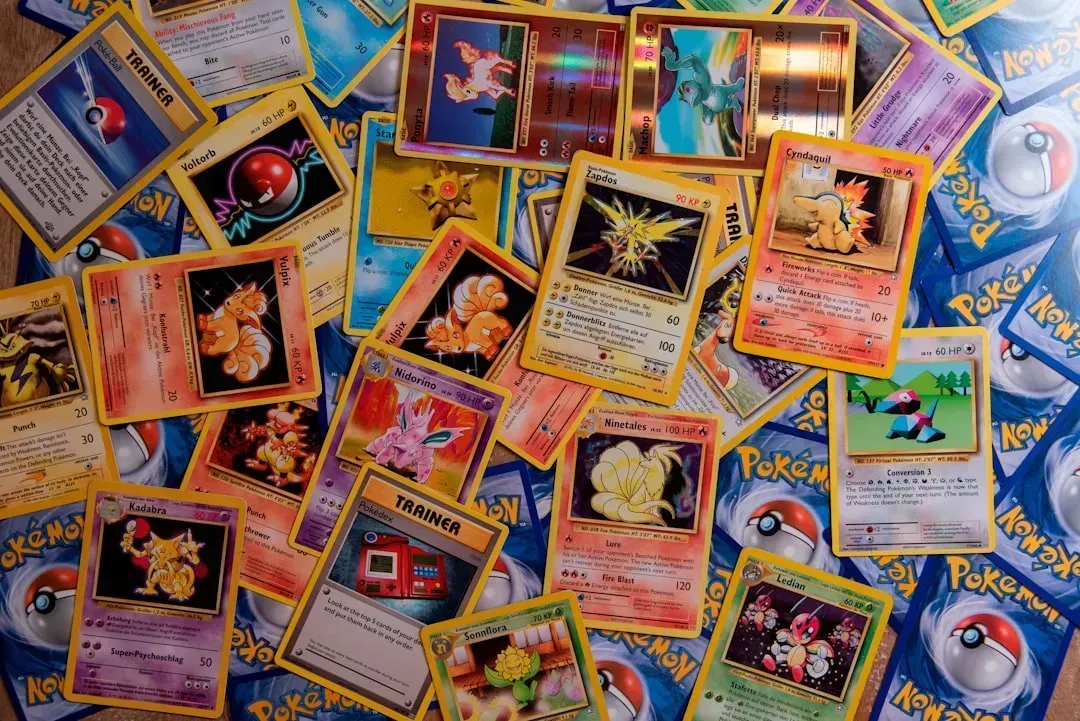
Nothing dominated school recess like Pokémon cards. The trading card game, launched in 1996, was part strategy, part bragging rights. Everyone chased holographic cards, with Charizard at the top of the food chain. Entire playground economies revolved around trades, so much so that some schools banned them. The size of your binder, the rarity of your holographics, the particular sleeves you used to protect your rarest pulls – all of it meant something very real in the social hierarchy of a 1990s school corridor.
As of 2025, the company has produced over 75 billion trading cards worldwide, with over 1,000 Pokémon species, successful television shows and movies, and merchandise as far as the eye can see. The franchise has become the highest-grossing media property in history. The surrounding schools banned Pokémon cards, which meant trading them got harder – kids would hide behind trees on the playground where teachers couldn’t see them, or wait until the bus ride home. That combination of contraband thrill and social currency was impossible to replicate.
3. The Game Boy
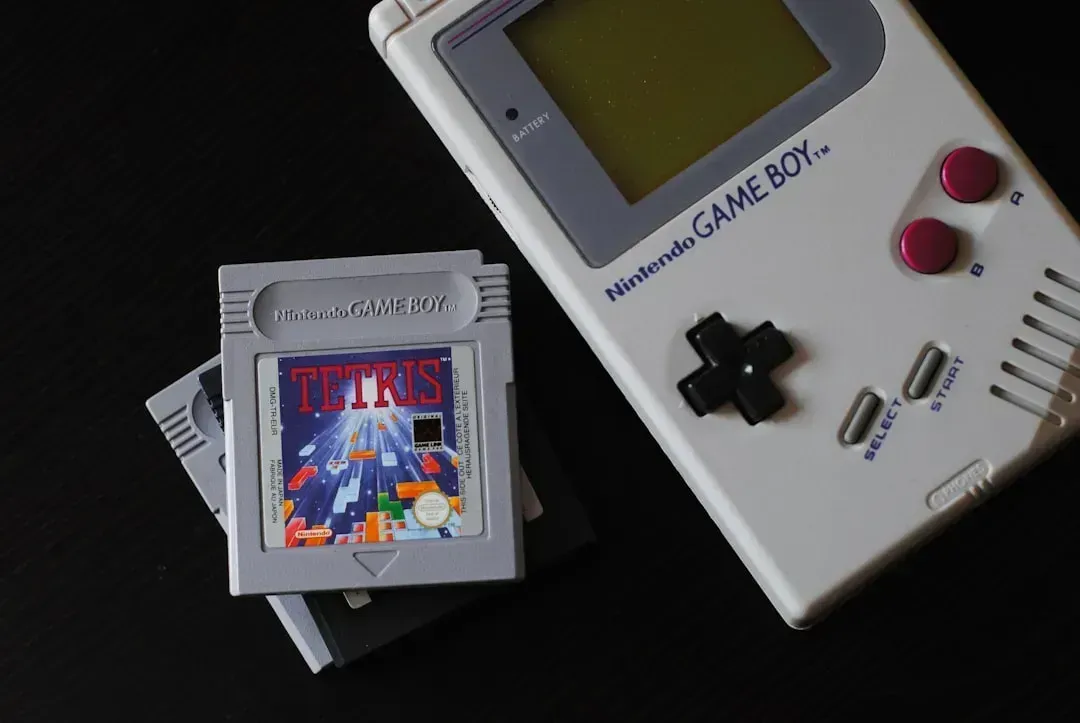
Before Game Boys, playing video games was still a near one hundred percent social experience. Kids either needed to own a gaming console – often shared with siblings – or had to go to an arcade with friends. Then the Game Boy system arrived, equally entertaining and relatively inexpensive enough for each kid to have their own. Ownership meant portable independence. It meant you could play on the bus, in the back seat, at the doctor’s office, and everyone nearby knew it.
When Pokémon launched, the Game Boy was already regarded as “aging hardware,” and Nintendo saw it as a chance to get a little more life out of the older device. They didn’t have high hopes. It was definitely an underdog release in Japan. Word of mouth on Japanese playgrounds helped Pokémon surge in popularity, especially because Game Boys were much more affordable than they had been in their heyday. The brick-shaped device quietly became one of the most enduring symbols of an entire childhood era. By 1989, Nintendo’s Game Boy retailed for $89.99, or roughly $200 when adjusted for inflation.
4. Beanie Babies
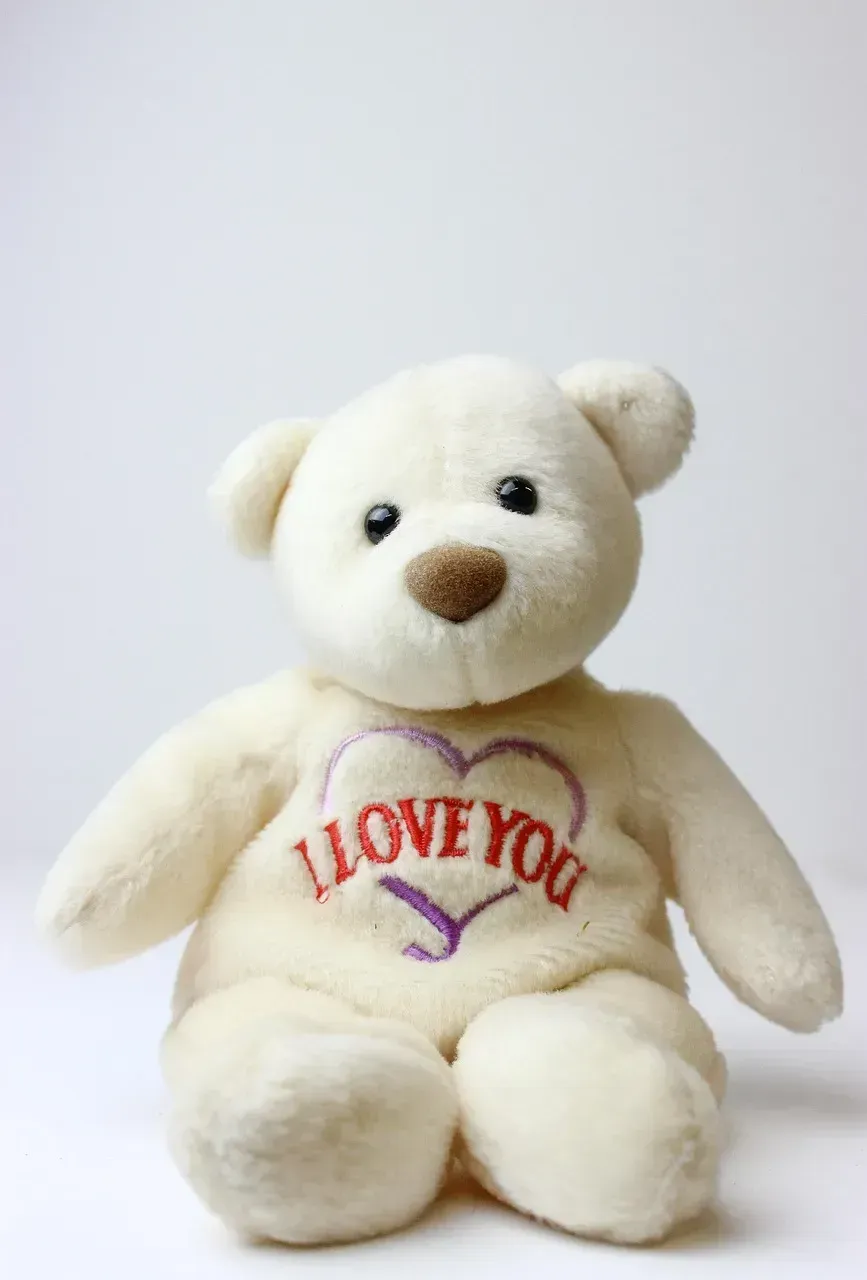
Launched by Ty Inc., Beanie Babies weren’t just plush toys – they were marketed as rare collectibles. Parents and kids alike hunted down limited runs, convinced they’d be worth a fortune someday. By the late 1990s, stores sold out within hours of new releases. On a more personal playground level, the number of Beanie Babies you owned – and whether you kept the tags pristine and uncreased – was a quiet but understood flex. Having a rare retired one was as close to currency as a nine-year-old could get.
Beanie Babies accounted for six percent of all sales on eBay by 1997, and the height of the mania may have been that same year when McDonald’s included Teenie Beanie Babies in Happy Meals. People of all ages collected these little stuffed animals due to their resale value. The dream of future wealth attached to a small, pellet-filled bear was pure 1990s optimism. It didn’t quite pan out the way most collectors hoped, but the feeling was real enough at the time.
5. Pogs and the Slammer
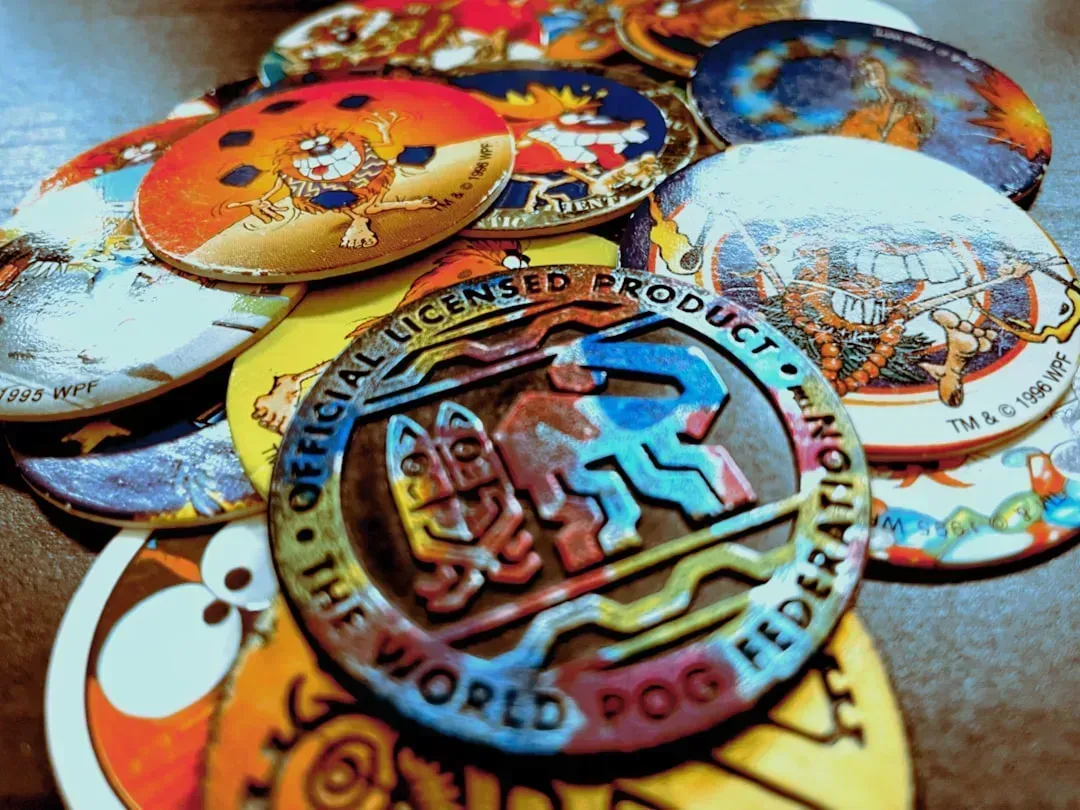
The game Pogs originated from a brand of juice made from passionfruit, orange, and guava. Pogs, those small, colorful discs, became a massive playground craze in the 1990s, captivating kids everywhere with their simple yet addictive game of skill and chance. Collectible and often featuring cool designs or favorite cartoon characters, Pogs had kids challenging each other to “slam” battles, betting on who could flip the most pogs and take them. The slammer was the key piece – a heavy, often metal disc used to flip the stacked pogs. A rare, heavy slammer made you a force to be reckoned with at recess.
There was an interesting social psychology to 1990s fads. Certain “limited” collectibles – shiny Pokémon cards, bottle caps, and similar items – created an artificial scarcity that drove people to make more purchases in the hopes of attaining rarer items. Because they were so popular, these objects also functioned as status symbols. Pogs embodied this perfectly. The game itself was almost secondary to the ritual of showing off your collection. Have you ever shown off your Pog cap collection and traded with a friend during lunch? For an entire generation, the answer is yes.
6. Furby
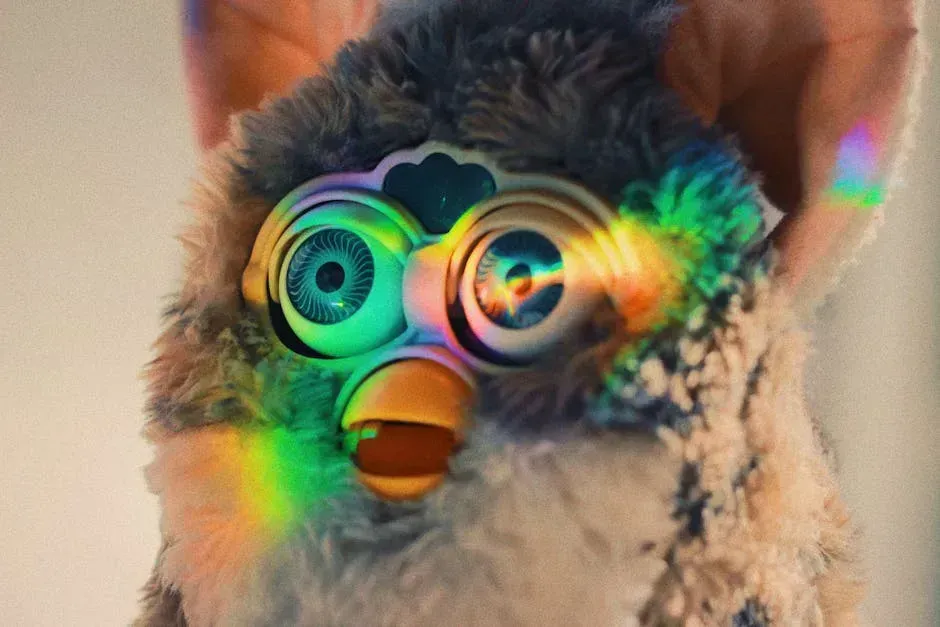
Furbies were a must-have robotic toy because they spoke, responded to stimuli, and could pick up on language the more they were used. Despite being banned from the NSA and the Pentagon, 1990s kids look back on their experiences with Furbies fondly. The appeal was genuinely hard to explain to anyone who wasn’t there. It was part pet, part robot, part unsettling roommate that spoke an invented language called Furbish. Owning one meant you were plugged in to the frontier of interactive toys.
In 1998, Furby released its first model consisting of 48 colors and 22 special editions. The same year, a remarkable 1.8 million Furbies were sold, and the toy was translated into 24 different languages. The fact that it could theoretically “learn” your language made it feel alive in a way other toys simply didn’t. Technological advancements presented new opportunities for toys to be much more interactive, and the Game Boy and Furbies are seen as true icons of the decade. Showing up at school with a new Furby in a rare color was a proper event.
7. Cabbage Patch Kids
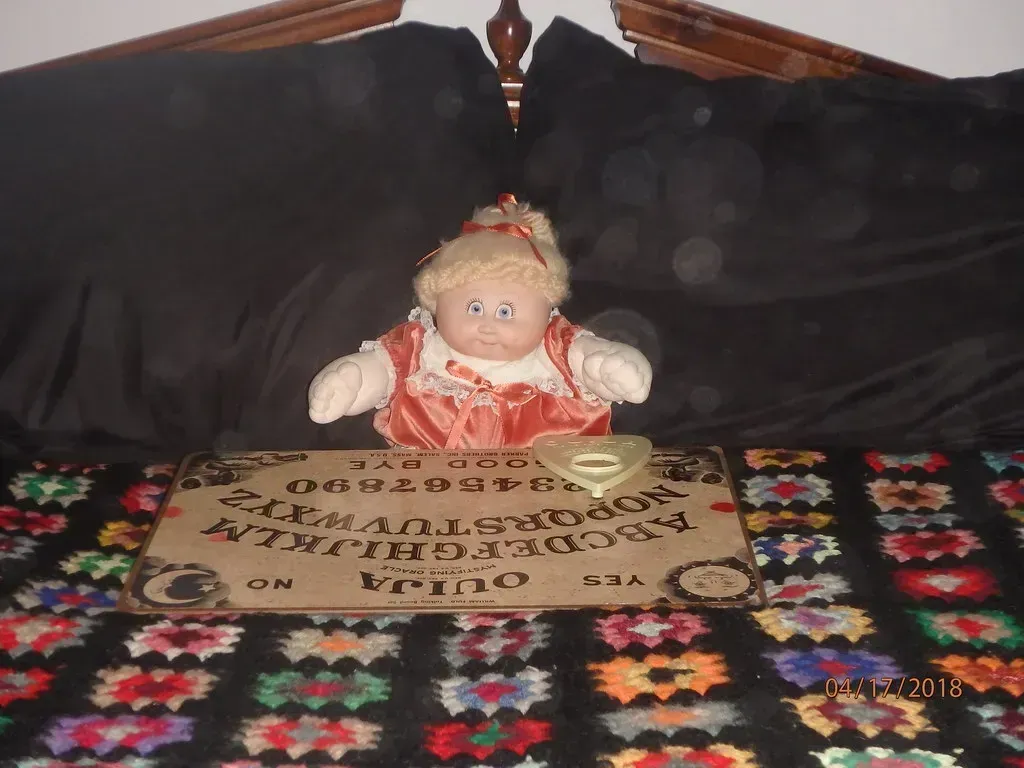
Cabbage Patch Kids were a huge hit in the 1980s, with each doll having its own unique name and birth certificate. These dolls became a must-have for kids and sparked a craze that saw parents waiting in long lines to get their hands on one. The Cabbage Patch Kids were known for their soft, fabric bodies and distinctive faces, making them instantly recognizable. Each doll also came with adoption papers, adding a special touch that made children feel like they were adopting a real baby.
Each doll had its own name, birth certificate, and signature dimpled face. They caused full-blown toy-store riots in 1983. That level of consumer frenzy turned simple ownership into something almost prestigious. One of the most interesting aspects of Cabbage Patch Kids was their variety. No two dolls were exactly the same, which made each one special. This uniqueness contributed to their popularity and made them a treasured toy for many kids growing up in the 1980s. A named, adopted doll with paperwork was genuinely novel – and surprisingly emotional – for the kids who received them.
8. Slap Bracelets
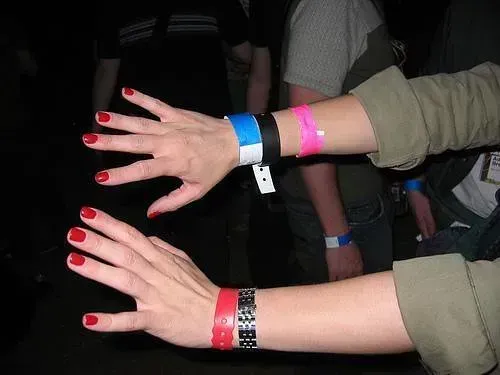
Slap bracelets truly peaked in the 1990s, though the bracelet was actually invented in 1983 by a teacher in Wisconsin. The bracelets initially look like thin bookmarks, but when slapped on a wrist, they coil around like a band. The simplicity of these bracelets boosted them in popularity. It didn’t involve a game that required kids to learn; all you needed to do was slap the bracelet on your wrist and have a good time. The act of slapping it on was half the point. Doing it confidently in class, or snapping one onto a friend’s wrist, carried a specific kind of effortless cool.
If you were unfortunate enough, they may have even been banned at your school. That’s actually part of what made them so desirable. A banned accessory was an irresistible one. The bracelets came in foil patterns, cartoon prints, sports logos, and neon colors – and collecting as many as possible was entirely expected. The more you had stacked on your arm, the clearer your standing on the social ladder of the elementary school hallway.
9. Generation 1 Transformers
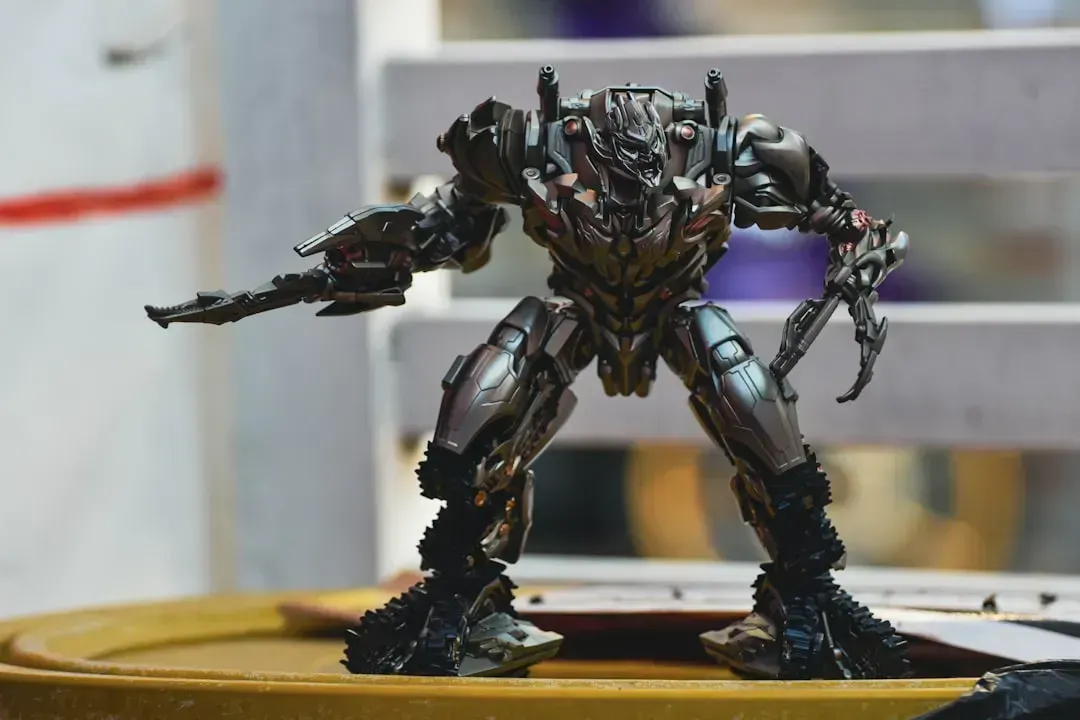
Part robot, part vehicle, all nostalgia, the original Generation 1 Transformers were the ultimate shape-shifters. Optimus Prime transformed from a semi-truck into a hero, and Megatron from a gun into a villain. Kids battled them for fun. Collectors battle for them now. Owning the right Transformer in the 1980s wasn’t just about having a toy. It was about having the toy. Bringing an Optimus Prime to a friend’s house held genuine social weight, and the kids who had the full sets occupied a rarefied space in the elementary school social order.
The original line of figures is highly collectible, and boxed figures like Optimus Prime can fetch anywhere between $50 to $1,000, while even loose and incomplete examples have sold for $50. The fact that these figures are now commanding serious prices at auction underlines what most adults already sense: those toys meant something. Thanks to a wave of nostalgia, the toy market of the 1980s and 1990s has exploded, with collectors chasing the toys they couldn’t afford as kids. For Transformers especially, the childhood status symbol has aged into a genuine collectible – and the nostalgia that comes with seeing one hasn’t faded in the slightest.
What connects all nine of these objects isn’t just memory. It’s the feeling of wanting something specific, intensely, in a way that only children truly can. Whether it was a holographic card or a robot that turned into a truck, these things told the world something about who you were – or at least, who you desperately wanted to be. That particular ache doesn’t really go away. It just changes shape.