
Long before social media turned FOMO into an acronym, kids growing up in the 1980s already knew the feeling. It just didn’t have a name yet. The anxiety was real, constant, and delivered without a single notification. You either had the right jacket, sat at the right lunch table, or you didn’t. And somehow everybody seemed to know the difference.
The ’80s teen experience blended consumerism, individualism, music obsession, and youth empowerment in unique ways. It gave kids a different type of togetherness. Coming out of the political disillusionment of the 1970s and right before the technological developments of the 1990s, the ’80s was a carefree time to be alive. The lack of digital technology and social media meant kids socialized in person, relying entirely on experiencing events together in physical spaces. That togetherness had a price, though. Miss the moment, miss the crowd, miss out on belonging entirely.
1. The Right Clique at School

Populars consistently hung out with all the high-profile student positions in high school. Although similar to over-achievers, they believed that being the center of any social circle was just as important as good grades. Whatever the Populars listened to or wore tended to reflect contemporary sensibilities. Being outside that orbit felt permanent, like a verdict handed down on the first day of school that stuck for years.
The clique culture of the 1980s was grounded in expectations, where most adolescents felt the pressures of living up to a certain lifestyle and aesthetic. Movies like The Breakfast Club and The Outsiders capitalized on the idea that a teenager fit into one group only, and that group defined their social experiences from then on. If you were in, you were in. If you weren’t, you felt it every single day.
2. MTV and the Music You Were Supposed to Know
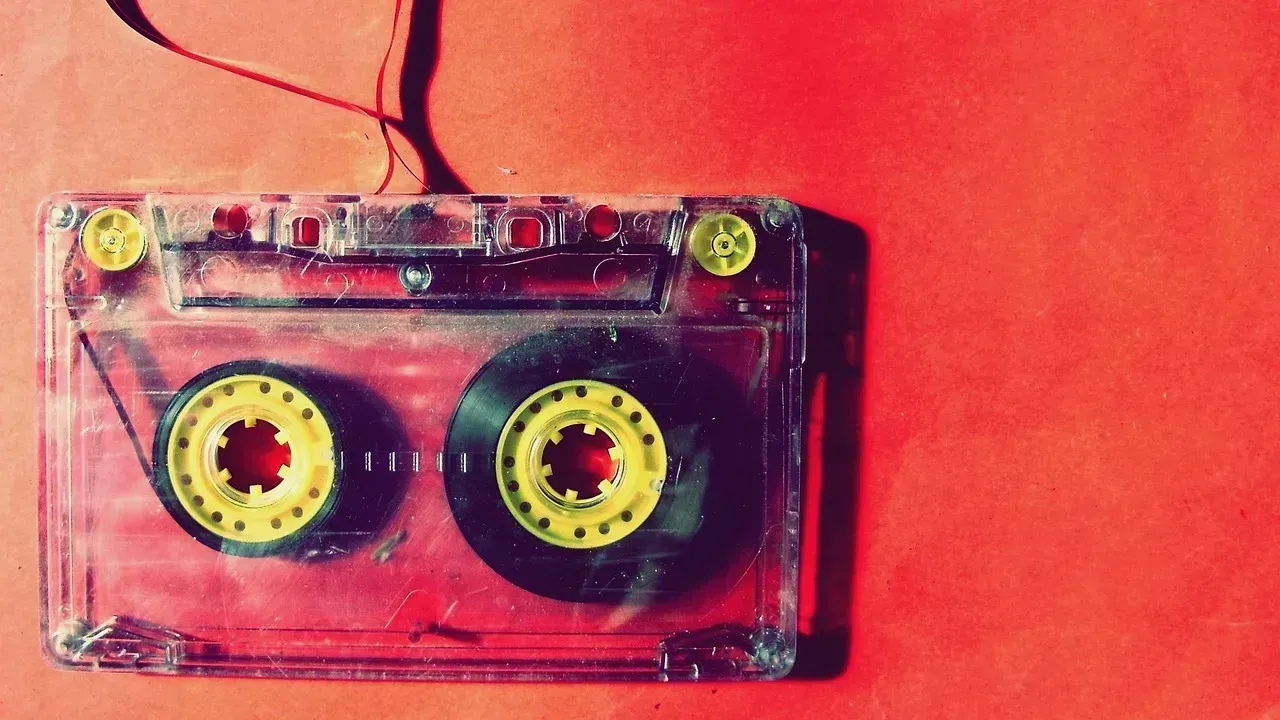
For teenagers in the ’80s, MTV was more than just a TV channel. It was a way of life. The network’s programming shaped the tastes and preferences of a generation, influencing everything from music and fashion to attitudes and behaviors. MTV created a shared cultural experience, giving teens a common language and set of references. Not having cable at home meant showing up on Monday without anything to say about the weekend’s biggest video premiere.
The MTV format constantly streamed endless music videos into the homes of America’s most affluent teenagers, specifically those whose parents could afford cable television. That detail mattered more than people now remember. Access to MTV was itself a social dividing line. MTV was seen as something belonging to everyone less than thirty years old. It came to serve a function for the youth culture of the 1980s that radio had served for a similar demographic in the 1950s.
3. Designer Denim That Everyone Could See

Jordache epitomized the designer jeans craze of the 1980s with its form-fitting designs and distinctive horse head logo. Its provocative advertising campaigns and premium positioning made it a status symbol, while its dark-wash denim set industry standards. Showing up in plain-brand jeans when half your class wore Jordache or Guess was quietly humiliating in a way only teenagers fully understand.
Jordache made its mark as a leading brand in denim fashion, with high-waisted jeans that became a staple among youth. Wearing Jordache jeans was almost a rite of passage, as they represented both style and comfort. The 1980s saw a rise in trends that celebrated materialism and ostentation. In order to fit in, it was necessary to shell out more cash for branded athletic gear and designer nameplates.
4. The Izod Lacoste Polo Collar Flip

The Izod Lacoste brand became the signature 1980s “preppy” wardrobe item, mentioned in The Official Preppy Handbook. That little embroidered alligator carried enormous social weight. The brand hit its peak popularity in the late ’70s and early ’80s when the “preppy” look became mainstream, with many nationwide department stores featuring separate Izod/Lacoste shops. During this period, annual sales reached $150 million for the shirts alone.
The short-sleeved knit shirts came in every color imaginable, often worn with the collar popped. Founded in France, the brand gained massive popularity in the US during the ’80s preppy boom. Wearing multiple layered polos with different colored alligators peeking out was a signature look of the era. If you didn’t have at least one, you weren’t preppy. Being preppy, for a while, meant being untouchably cool.
5. The Members Only Jacket
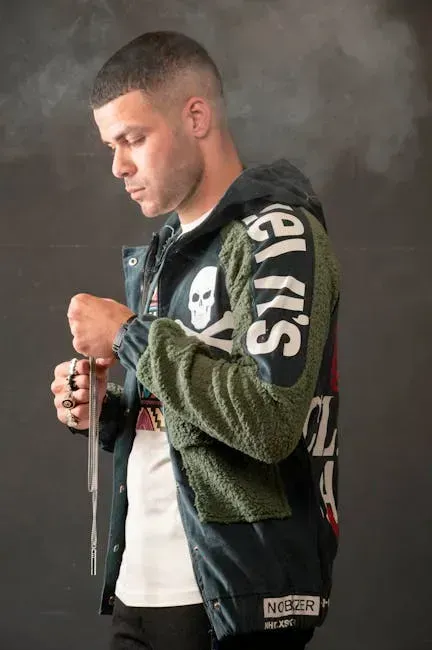
Nothing screamed ’80s cool like the iconic racer-style Members Only jacket. With their signature shoulder epaulets and elastic waistbands, these jackets were status symbols that came in every color imaginable. The name itself was a form of social pressure built directly into the product label, a walking reminder that some kids were members and some weren’t.
Members Only jackets emerged as a cultural icon, with their lightweight material and bold colors symbolizing status and youth culture. You could spot these jackets on nearly every corner, making them a must-have item. Missing one meant standing out for entirely the wrong reasons. The jacket was practically a membership card for the cool crowd, and it was highly visible.
6. Being at the Right Saturday Night Party

The lack of digital technology and social media meant kids socialized in person and relied entirely on experiencing events together in physical spaces. There were no group chats to check, no event pages, no photos posted afterward. You either knew about the party or you didn’t. Usually you found out Monday at school, which was worse than not knowing at all.
Certain groups were rarely invited to parties, but were known to show up anyway. Others would find a good hiding place for small get-togethers among their own circle. The social architecture of weekend gatherings was brutally clear. Popularity meant your phone rang on a Friday. Unpopularity meant waiting and wondering whether anyone had remembered you existed.
7. John Hughes Movies and the Popularity Template
The film The Breakfast Club, released in 1985 and written and directed by John Hughes, is one of the most iconic teen films of the 1980s. Hughes captured something real about the decade’s social hierarchy, and that’s exactly what made his movies so unsettling for kids who didn’t fit the mold. Watching those films as a teenager felt less like entertainment and more like a mirror.
The 1980s bore witness to the John Hughes “Brat Pack” films, including Sixteen Candles, Weird Science, Ferris Bueller’s Day Off, and Pretty in Pink. This pivotal run marked the moment when high school cliques and their impact on social status in the ’80s were canonized. Films like The Heavenly Kid and Better Off Dead perpetuated the idea that climbing the social ladder in high school was the single most important thing to achieve.
8. Nike Sneakers and Sportswear Credibility
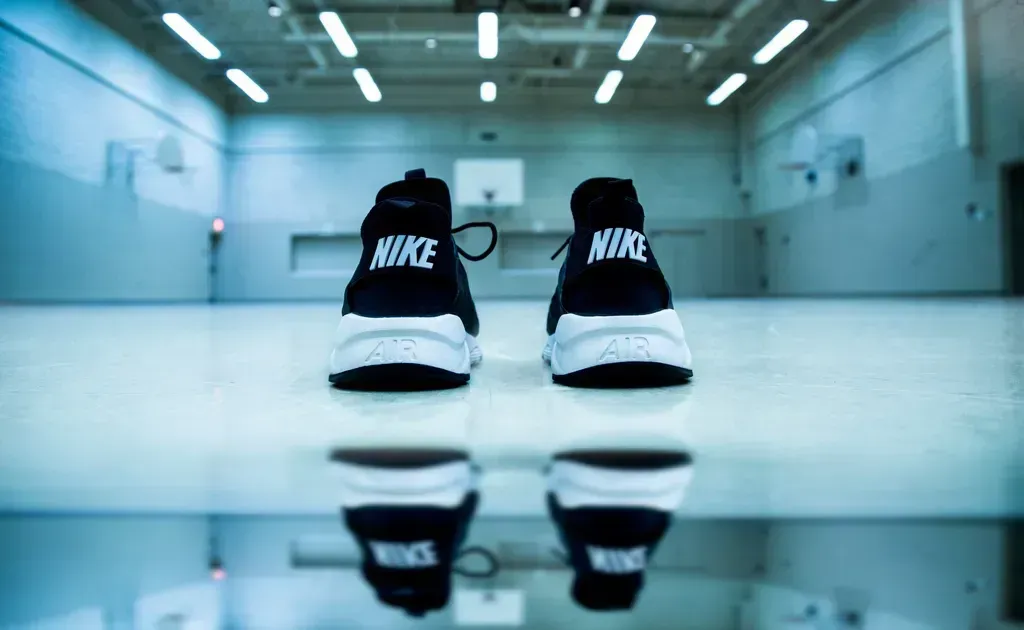
Nike revolutionized athletic wear and street fashion during the 1980s, creating pieces that blended performance with style. Their world-famous “Just Do It” campaign in 1988 captured the decade’s ambitious spirit. It remains one of advertising history’s most successful slogans. For kids at school, the swoosh was more than a logo. It was visible proof that you were keeping up.
In the late 1980s, five major sportswear labels transformed athletic fashion and influenced everyday style. One of the most iconic names from this era is Nike, which revolutionized athletic footwear with groundbreaking designs like the Air Max. MTV became instrumental in the rapid spread of clothing trends by exposing millions of fans to them simultaneously. Clothing and hairstyles became branding devices, and fans chose to adopt particular fashions alongside their choice of particular music styles and artists.
9. Saturday Morning Cartoons and Toy Commercials
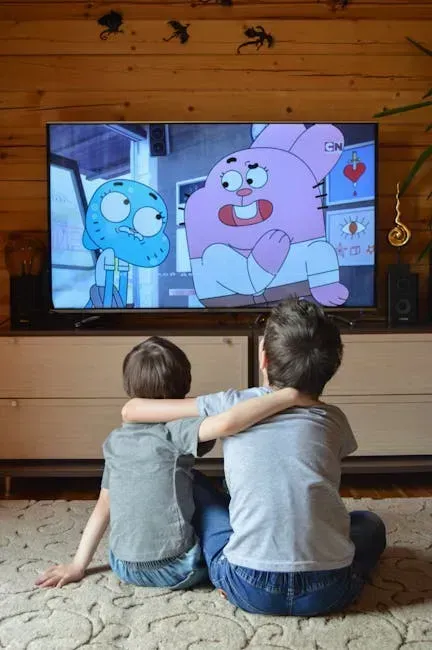
Kids became a marketing demographic in the ’80s. Saturday morning cartoons were packed with ads for toys and cereals. These weren’t casual product placements. They were sustained, coordinated campaigns aimed directly at children’s sense of identity and belonging. The toy you owned after Saturday cartoons became Monday morning currency.
The toys advertised weren’t just objects. They were proof of participation. Whether it was a G.I. Joe action figure, a Cabbage Patch Kid, or the latest Atari game, not having the coveted item of the moment meant arriving at school without something everyone else seemed to have already discussed. Similar taste in music and clothing signaled others with potentially shared interests and values, and adolescents emulating similar cultural standards were likely to become friends and encourage these aspects of their attitudes, behaviors, and dress.
10. Hair: The Architecture of Social Standing
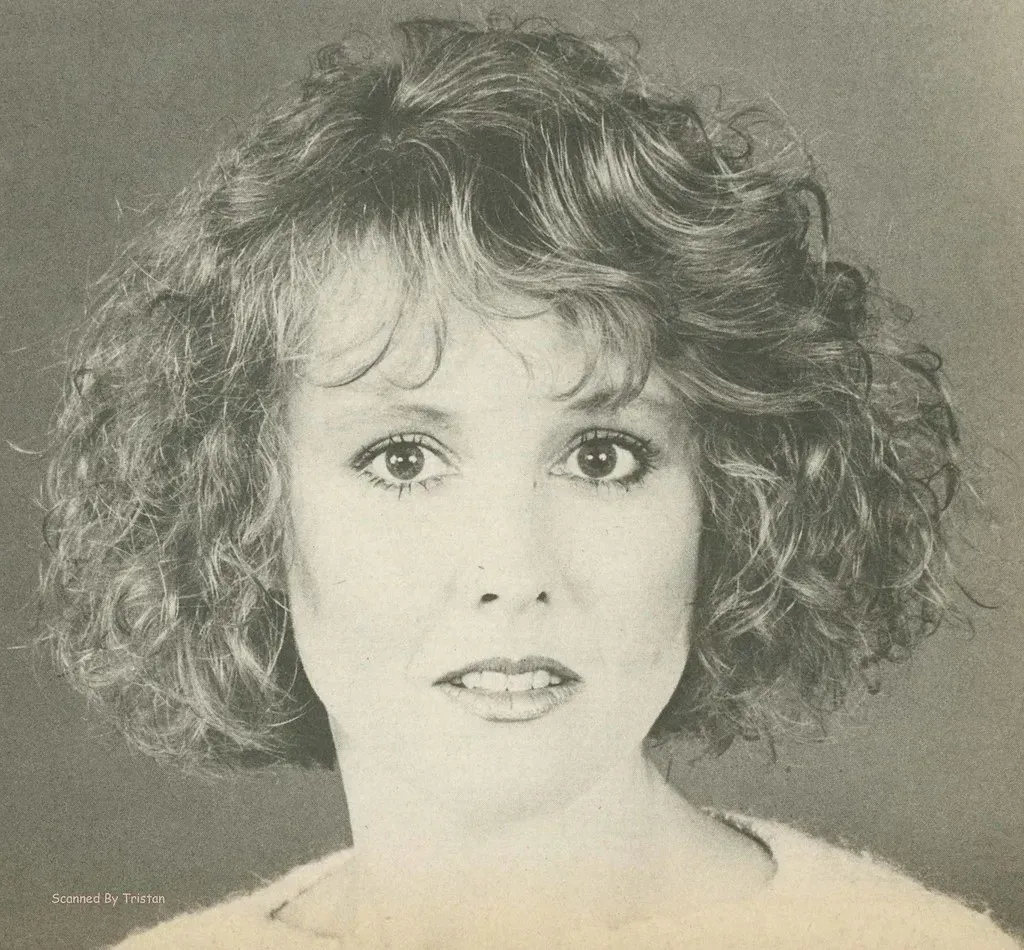
Hairstyles in the ’80s told a lot about who a person was, or at least what they wanted to be. That was both the point and the problem. Your hair was a declaration, and if the declaration was wrong, classmates noticed immediately. Big, teased, feathered, or moussed into submission, the hair choices of the ’80s were inseparable from social identity.
Madonna’s layered lace and bangles, Michael Jackson’s red leather jacket, and the glam hair of bands like Poison and Bon Jovi set the tone for youth style. The 1980s became a decade of color, excess, and attitude. Trying to copy the exact look of a music video star was a genuine attempt at social survival. Getting it right earned respect. Getting it wrong earned something else entirely.
11. Knowing the Right Slang
Language evolved with MTV. The network’s VJs spoke to viewers in a casual, friendly way that felt closer to hanging out than being talked to by a TV host. Words like “awesome,” “cool,” and “rad” spread across school halls, while new expressions born from shows and interviews filtered into everyday speech. Slang was a password. Using the right word at the right time placed you firmly inside the group.
The channel’s style was loose, funny, and fast-paced. Teenagers and college students saw themselves reflected in the people on screen, and that connection reshaped the way a generation spoke and interacted. Using outdated language, or worse, not knowing the phrase at all, was a reliable sign that you weren’t fully tuned into what mattered socially. It seems small now. It didn’t feel that way at the time.
12. The Preppy Handbook as a Social Rulebook

Published in 1980, The Official Preppy Handbook by Lisa Birnbach became an unexpected cultural phenomenon. It was meant as satire, but many readers treated it as an instruction manual. Synonymous with “yuppies,” the preppy crowd was all about affluence, the upper crust, and dressing in pastels and sweaters. Preppies listened to anything that was in the Top 40.
The book codified a whole system of status markers so completely that kids across the country started cross-referencing their wardrobes against its chapters. The 1980s saw a social upheaval that left youngsters clamoring for a menagerie of new identities, each boasting a greater, cooler sense of individuality. Having the right collar, the right brand, and the right attitude was presented less as style and more as a belonging requirement.
13. Cheerleading and Varsity Letters

The jocks’ crowd consisted of the athletic-geared people in any school. Most of them prayed for scholarships if they wanted to go to college. Jocks generally had their own events, athletic in nature, and could be seen at most popular group functions as well. Wearing a varsity letter jacket in the hallway communicated something that words rarely needed to say: you belonged to the institution’s most celebrated circle.
Cheerleading occupied a particularly visible tier of the ’80s social hierarchy. Cheerleaders, football players, nerds, and geeks: it’s no secret that American cinema became obsessed with high school cliques during this era. The cheerleader-and-quarterback pairing wasn’t just a movie cliché. It was reflected in real school culture, where athletic visibility translated directly into social currency that most kids could see but not easily access.
14. The Shopping Mall as Social Proving Ground

The suburban shopping mall was the unofficial headquarters of teenage social life in the 1980s. By the 1980s, the American suburb was an established norm of upper-middle class life, and teen films from this era tended to focus on suburban youth and their problems. The mall was where those problems played out in real time, under fluorescent lights, among racks of branded clothing and competing cliques.
80s culture explored kaleidoscopic subjects including suburban shopping malls alongside Sega, MTV, and other touchstones of the era. Being seen at the mall on a Friday or Saturday night mattered. Who you were with mattered even more. Television, movies, and Seventeen magazine taught teens that the teenage dream meant having the nicest clothes, the clearest skin, shiniest hair, the biggest house, and hanging at all the best parties. The mall was where you either lived up to that image or you didn’t.
15. Michael Jackson’s “Thriller” and the Morning-After Test
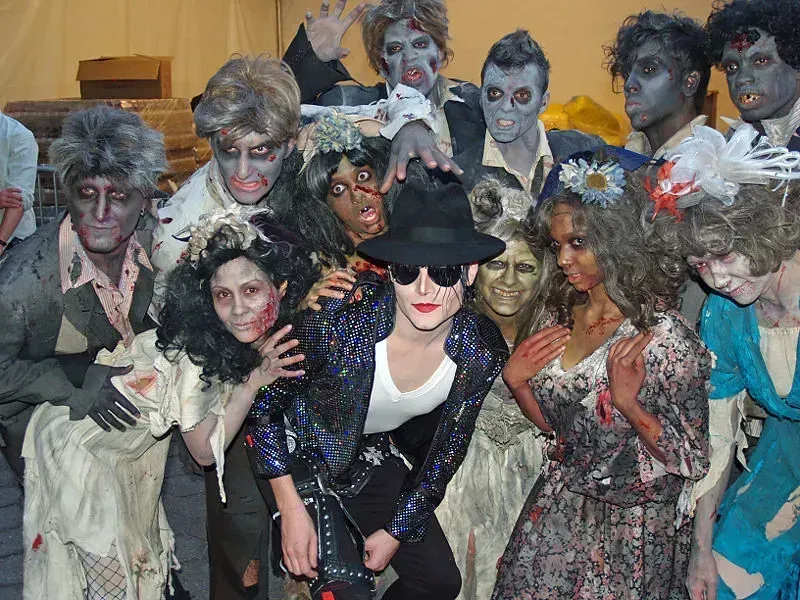
If there’s a single music video that epitomizes the glory days of MTV, it has to be Michael Jackson’s “Thriller.” The epic video represented the full evolution of the music video as an art form and a cultural force. The horror-themed 13-and-a-half-minute video was a complete mini-movie that sees Jackson transforming into a zombie for a tightly choreographed dance number with the undead.
Not having watched Thriller, or worse, not knowing the dance moves, placed you on the wrong side of a very clear social line. The Thriller album was one of the best-selling of all time, earning over $60 million in revenues within one year. That kind of cultural saturation meant the video was everywhere. References to it floated through school hallways constantly. Knowing it wasn’t optional if you wanted to participate in the conversation.
16. The Phone Call That Determined Your Weekend

In the pre-internet era, the telephone was the single most important instrument of social coordination. In the ’70s, ’80s, ’90s, and early 2000s, people weren’t flooded with images or perpetual comparisons. They simply lived each moment, free from the looming shadow of a virtual audience. They had more room to savor the uniqueness of their present without the fear of falling short. That freedom, though, came paired with a more isolating uncertainty: if the phone didn’t ring by Friday afternoon, the weekend arrived with nothing planned and no way to find out what everyone else was doing.
There was no feed to scroll, no way to see that the popular kids were gathering somewhere without you unless someone told you directly. What many people miss isn’t just a time, but a feeling: being fully present without constant comparison, digital noise, or performative living. For ’80s kids, the silence of a phone that didn’t ring carried its own particular weight. It was a rejection you couldn’t argue with, share, or reframe. You just sat with it until Monday came around again.
Looking back at all sixteen of these social pressure points, what’s remarkable is how analog and immediate they all were. There was no algorithm deciding your social rank, no follower count to consult. Popularity in the 1980s was measured in real time, in real rooms, by real people. For better or worse, that made the stakes feel completely unavoidable.