Most people are diligent about checking the dates on milk and meat, but the same mindset rarely extends to the rest of the house. Plenty of everyday objects have a quiet shelf life of their own, and keeping them well past that point can shift them from helpful to hazardous in ways that aren’t always obvious at first glance.
The risk isn’t always dramatic. Sometimes it’s a slow, invisible degradation, like sunscreen that no longer blocks UV rays or a fire extinguisher that won’t discharge when you desperately need it to. Other times the consequences are more immediate. Either way, the items below deserve more attention than they typically get.
1. Fire Extinguishers
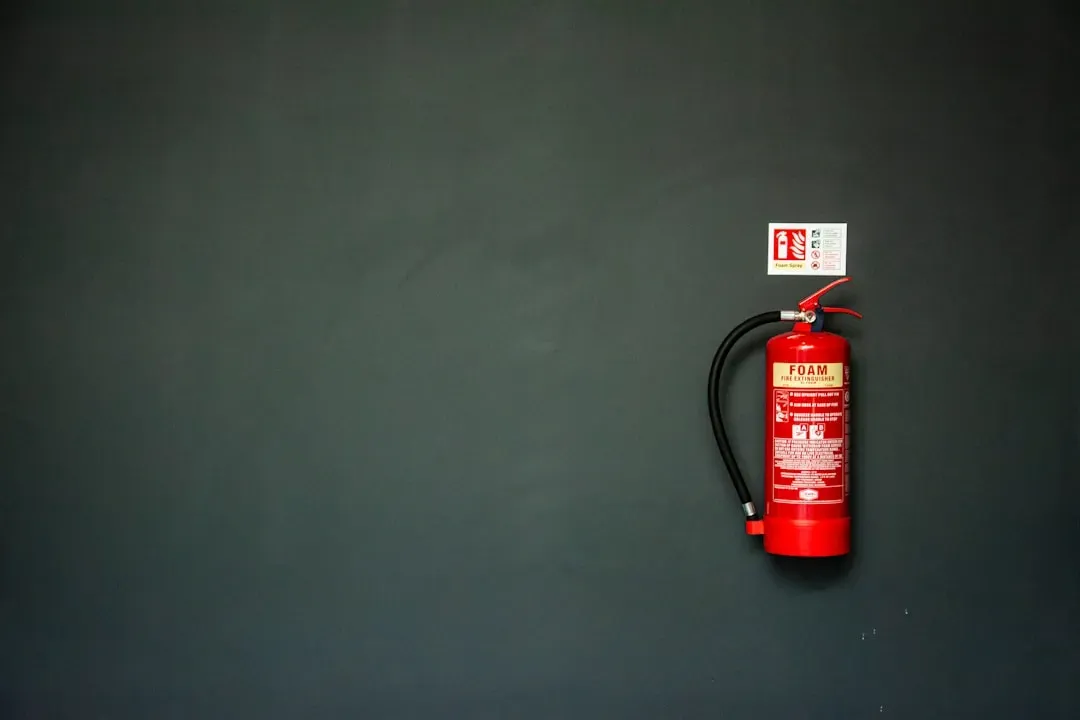
While fire extinguishers don’t have a “true” expiration date, they can go bad over time. Most disposable models last around ten to twelve years, while rechargeable extinguishers require regular maintenance to stay effective. The problem is that most people don’t think to check them until a fire is already underway.
Using expired or improperly maintained extinguishers creates serious risks: the unit may fail to discharge, discharge with insufficient pressure, or in severe cases, rupture during use. In one documented case, an expired extinguisher’s canister exploded during attempted use, resulting in a fatality. That’s a sobering reminder that this isn’t a theoretical concern. Check the pressure gauge and the manufacture date on any extinguisher in your home at least once a year.
2. Sunscreen
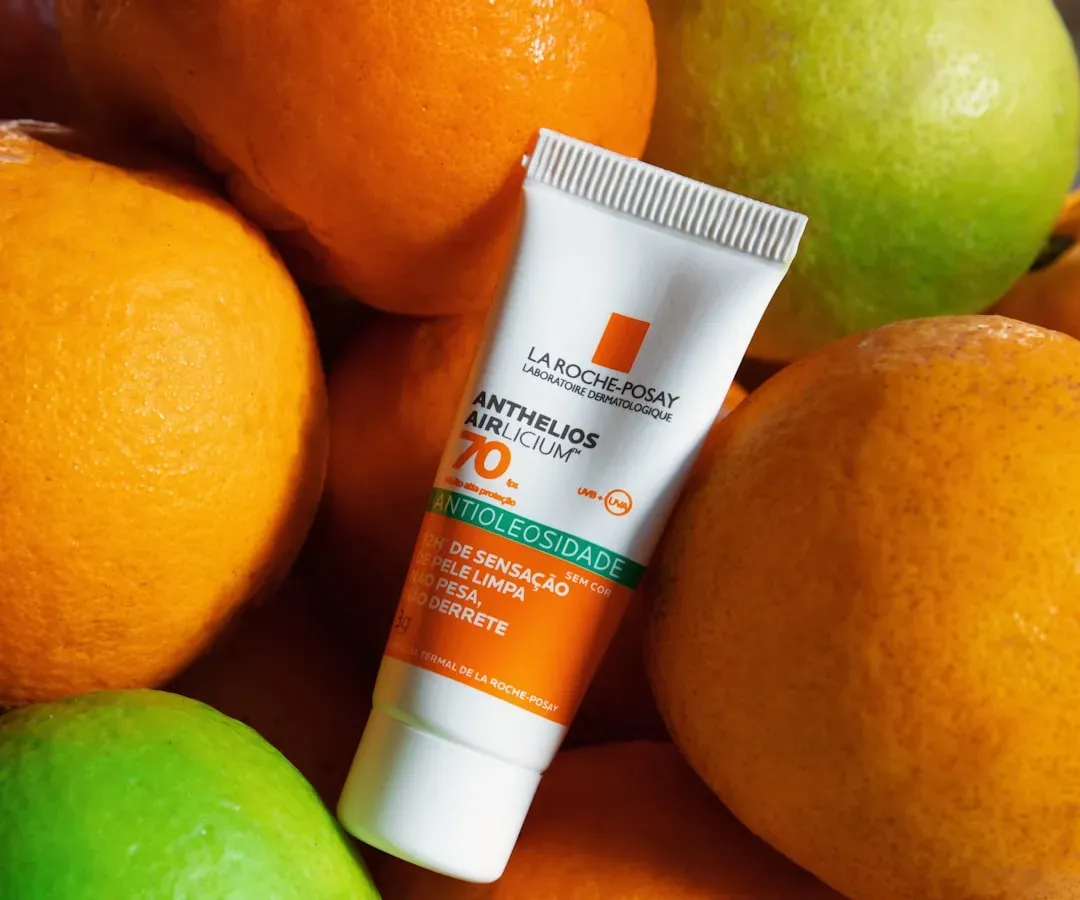
Sunscreen is required by the U.S. Food and Drug Administration to retain its labeled Sun Protection Factor for at least three years from the date of manufacture. Most products display an expiration date; if none is printed, the purchase date should be recorded and the bottle discarded after three years. That bottle sitting in the bathroom cabinet from a few summers ago may look fine, but looks aren’t a reliable guide here.
After the three-year mark, the active UV filters may have degraded enough that the SPF on the label no longer reflects reality. An SPF 50 product might perform like an SPF 20 or lower, but you’d have no way to measure that at home. Products containing octocrylene, a common UV filter and stabilizer, can naturally degrade into benzophenone over time, which is a suspected carcinogen that may also interfere with hormones and reproductive organs. That’s a significantly bigger problem than a simple sunburn.
3. Old or Expired Medications
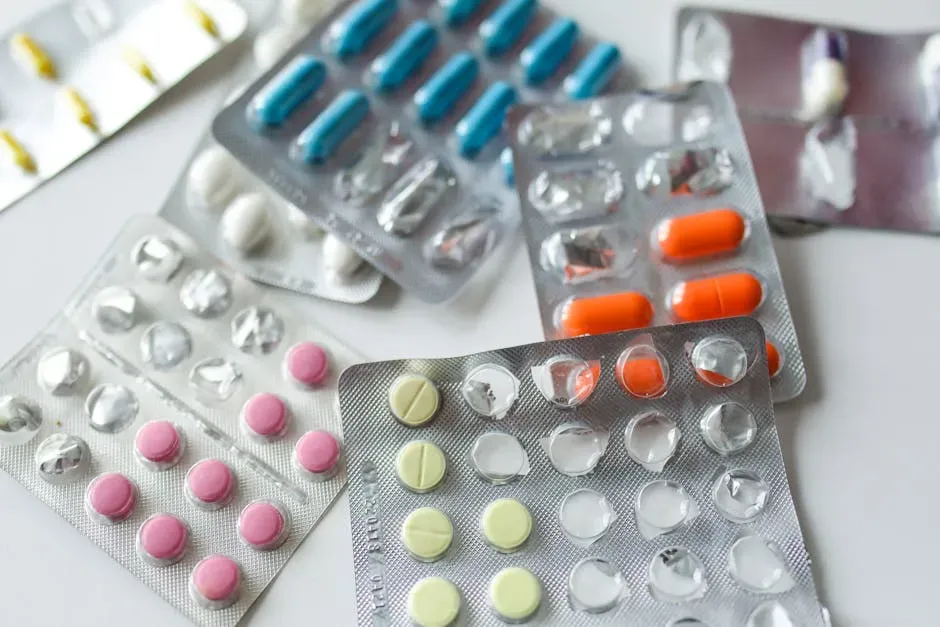
The expiration date is the final day that the manufacturer guarantees the full potency and safety of a medication. Drug expiration dates exist on most medication labels, including prescription, over-the-counter products, and dietary supplements. U.S. pharmaceutical manufacturers are required by law to place expiration dates on prescription products prior to marketing.
The FDA warns against taking any expired medicine because it may not work as intended or may even be harmful to your health. Some expired medications are at risk of bacterial growth, which can cause infection, irritation, and other potentially harmful side effects. For example, expired antibiotics can fail to treat an infection, potentially allowing the infection to spread and leading to antibiotic resistance or other complications. Unused medications sitting in home medicine cabinets also represent a significant public health risk, as roughly eight million people over the age of twelve reported misusing prescription pain relievers in 2024, with most obtaining them from family, friends, and acquaintances.
4. Alkaline Batteries
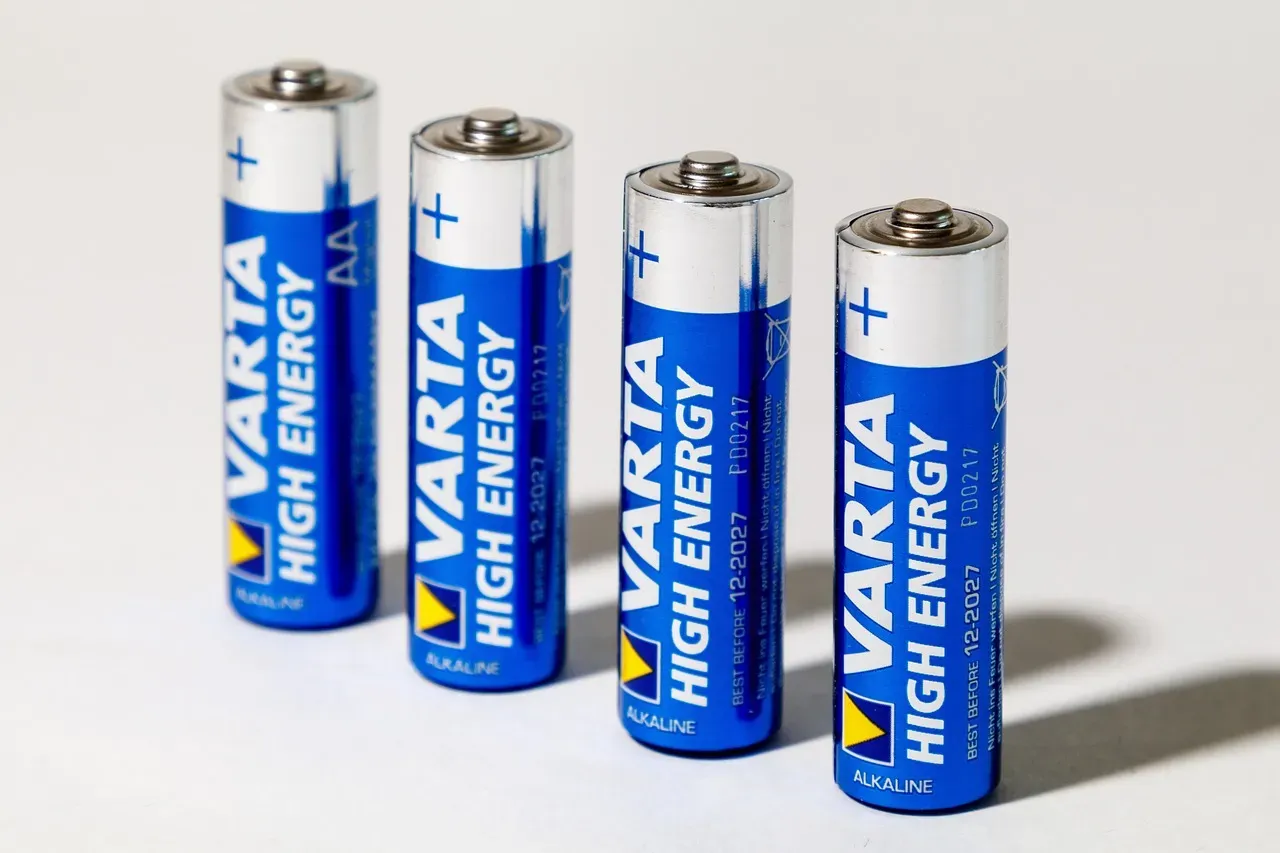
Alkaline batteries slowly discharge energy even when they are sitting unused in the original packaging. Most manufacturers print a shelf life date that typically spans five to ten years depending on the brand. That might seem like a generous window, but many households accumulate batteries over many years without ever stopping to check when they were bought.
Old batteries are prone to leaking corrosive acid that can permanently damage expensive electronic devices. The leakage often happens silently inside a drawer, a smoke detector, or a flashlight. By the time you notice the crust around the battery compartment, the damage to the device may already be done. Storing loose batteries separately, away from devices, and rotating stock regularly is a straightforward way to avoid the problem entirely.
5. Household Cleaning Products
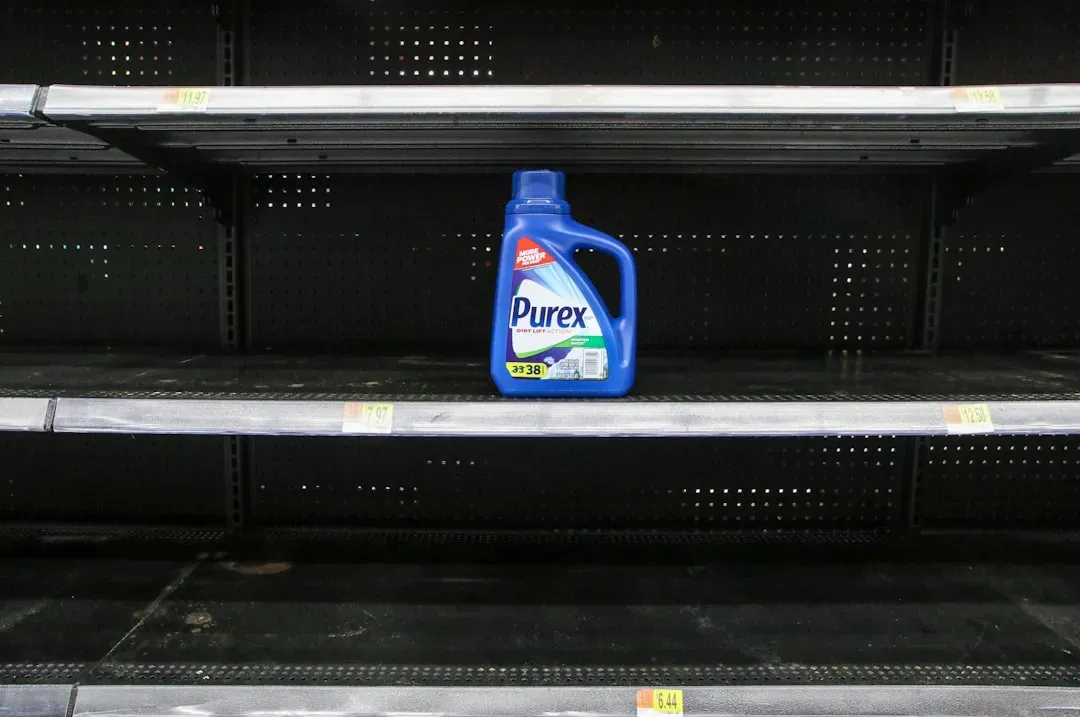
Many cleaning products lose their effectiveness or become hazardous after their expiration dates. Liquid bleach, for instance, begins to break down and lose its disinfecting power six months after the manufacturing date. Using it past that point doesn’t just mean your surfaces aren’t being properly disinfected. The breakdown chemistry of certain cleaners can produce compounds that irritate the respiratory system or react unpredictably if mixed with other products.
Expired cleaning products can present serious health and safety risks. The issue is compounded by the fact that most people don’t look for expiration dates on cleaning products the same way they do on food. When cleaning products expire, they can pose significant risks, from degraded chemicals to microbial contamination. Understanding the shelf life of various cleaning products and following proper storage and disposal guidelines is essential for safety. Cabinet cleanouts are worth doing at least once a year.
6. Kitchen Sponges
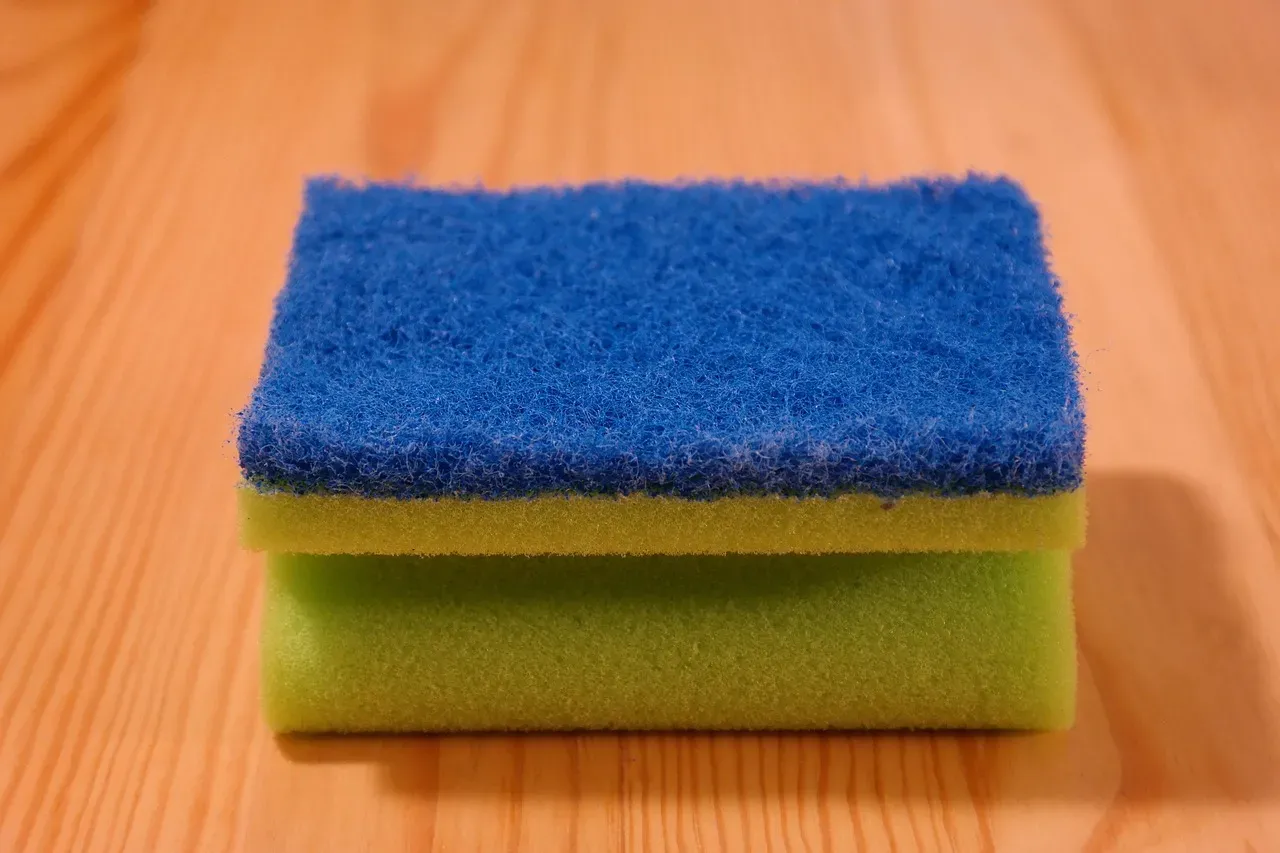
Kitchen sponges are porous cleaning tools that become breeding grounds for bacteria within just two weeks of regular use. Sanitizing them in the microwave offers only a temporary solution to the accumulation of germs. Frequent replacement is the only way to ensure dishes are actually being cleaned rather than contaminated.
The concern isn’t just mild stomach upset. A heavily used sponge can harbor pathogens like Salmonella and E. coli, which can transfer to food contact surfaces during what seems like a routine wipe-down. The sponge that’s been sitting by the sink for three months isn’t cleaning anything so much as redistributing bacteria from one surface to the next. Replacing them every two weeks is a small habit that makes a real difference.
7. Old Plastic Food Containers
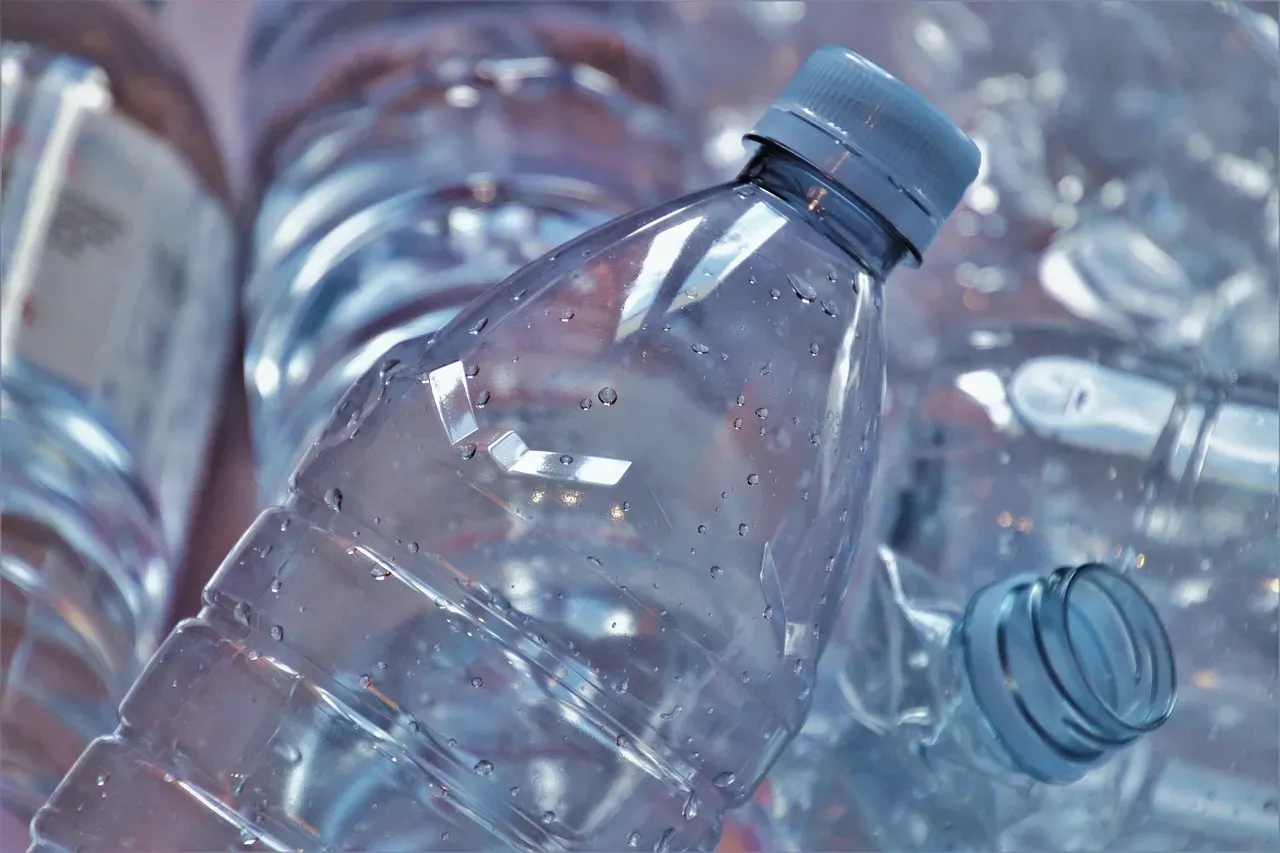
The chemical bisphenol A (BPA), used to make hardened plastic, may still be present in older plastic containers. This potentially harmful chemical can be released when containers are regularly heated and exposed to general wear and tear. It’s advisable to replace any that are starting to look worn, and the same concern applies to plastic storage containers in general.
Even BPA-free plastics aren’t risk-free once they age significantly. Scratches, cloudiness, and discoloration are all signs that the material is breaking down and that small particles may be migrating into food, especially when heated in the microwave. Many common household goods degrade in quality or safety effectiveness long before they physically break or run out. Using items past their prime can lead to reduced hygiene, compromised performance, or even potential health risks. For containers that get regular microwave use, replacing them every few years is a reasonable precaution.
The through-line across all seven of these items is the same: familiarity breeds inattention. Things that have been in the house for years tend to feel safe by default, but that assumption doesn’t hold when chemistry, pressure, or biological growth are involved. A once-a-year audit of your medicine cabinet, cleaning supplies, safety equipment, and kitchen gear takes less than an hour and covers a lot of ground.