
Modern vehicles have never been more technically advanced. Manufacturers pack their latest models with systems designed to prevent crashes, warn of hazards, and take corrective action before a driver even has time to react. On paper, that sounds like progress worth celebrating.
The problem is that a number of these features carry a quieter, less-marketed risk. Modern vehicles boast cutting-edge features designed to enhance safety, efficiency, and convenience, yet some of these advancements may pose hidden dangers, because many drivers unknowingly put themselves at risk by over-relying on automation and other high-tech systems. While certain features are meant to prevent accidents, they can also lead to driver complacency, mechanical failures, and even cybersecurity threats. Here are seven features that mechanics and safety experts have been flagging with growing concern.
1. Oversized Touchscreen Infotainment Systems
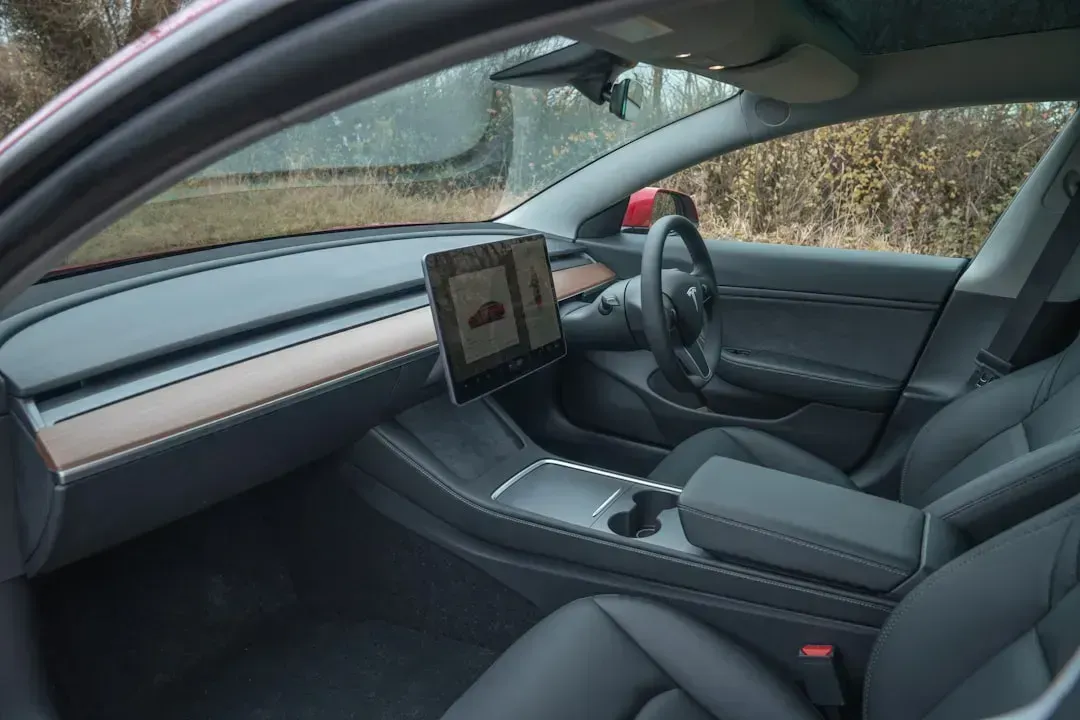
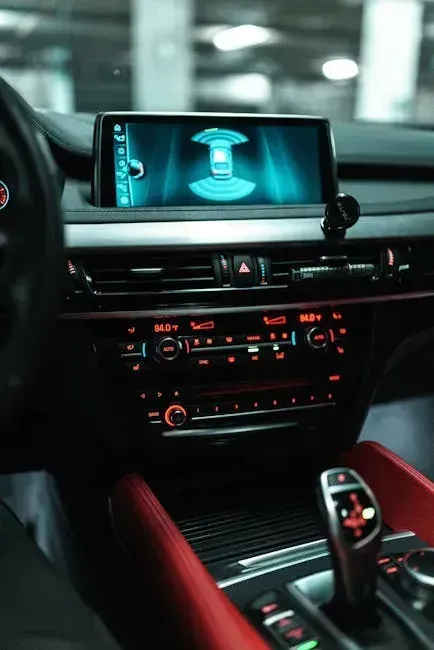
Touchscreen infotainment systems, now fitted as standard in most new cars, are a particular concern. Unlike physical buttons or dials, touchscreens require drivers to look away from the road, increasing visual, manual, and cognitive distraction at the same time. A 2024 study revealed that roughly a quarter of drivers admitted to making a mistake while interacting with an in-car touchscreen, with tasks such as adjusting heating, navigation, or audio settings among the most commonly cited issues.
The most striking aspect of research in this area is that touchscreen interaction was, in some cases, even more distracting than texting while driving or having a handheld phone call. One study found that accident risk due to the use of on-board computers increases by around half, and in a survey, every second participant reported being distracted by the on-board computer. The evidence is clear: controls frequently used while driving, such as temperature, fan speed, and volume, should remain tactile so the driver does not have to divert their visual attention from the road to use them.
2. Electronic Pop-Out Door Handles
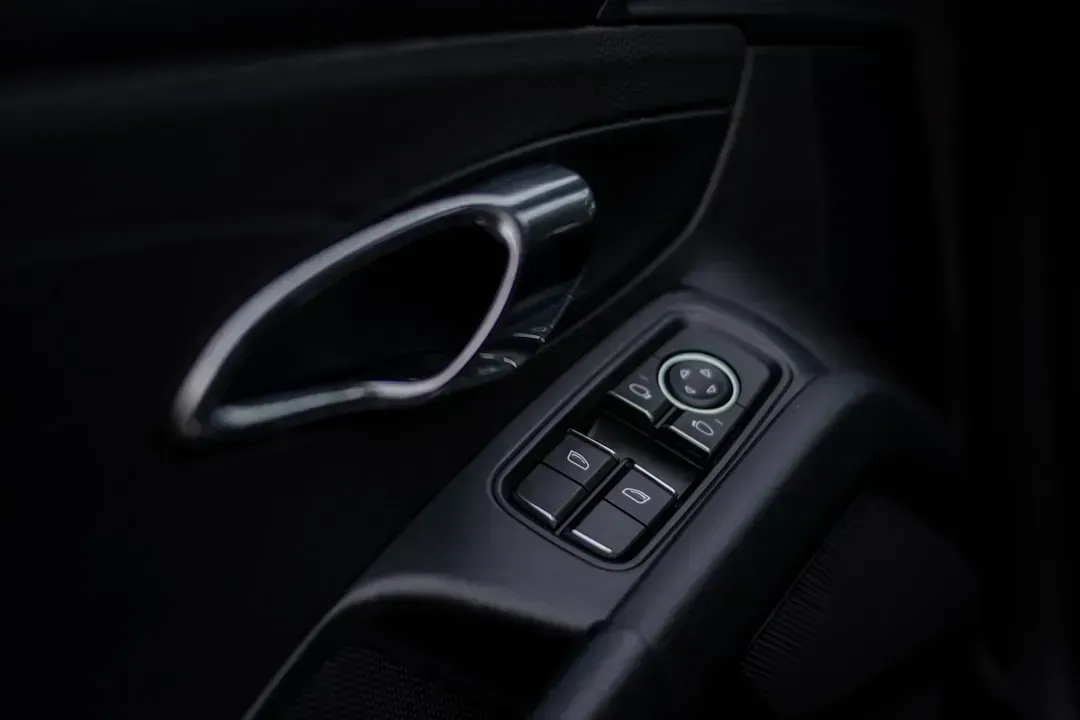
Hidden or pop-out electronic door handles, popularized by electric vehicles, have come under scrutiny after fears they may fail in a crash. Unlike traditional mechanical levers, many of these designs rely on electronic systems, and if a collision damages wiring or cuts power, doors may not open. While most vehicles include a manual backup release, these are often hidden or difficult to locate quickly.
China has announced a ban on hidden door handles in new cars from January 2027, following fatal crashes where occupants were reportedly unable to exit vehicles after power failures. Regulators in the US and Europe are now considering similar action. For first responders trying to reach trapped occupants, every second counts, and a locked electronic latch with no visible mechanical override is a problem that no software update fully solves.
3. Adaptive Cruise Control and Automation Complacency
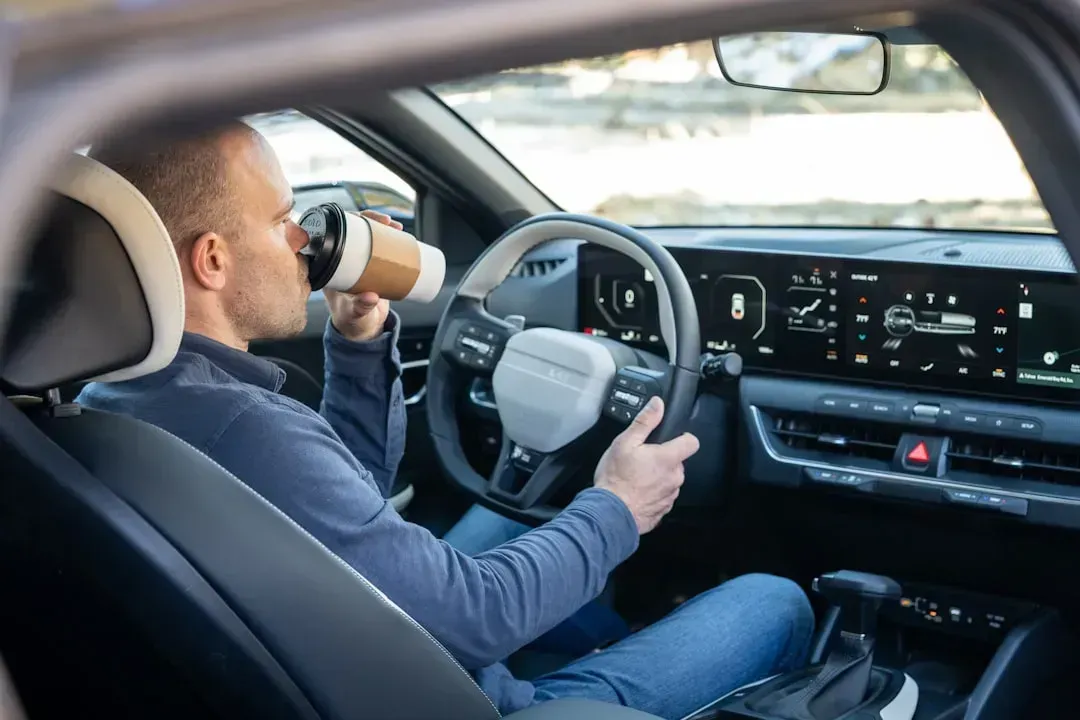
Researchers have found that using adaptive cruise control and lane keep assist can lull drivers into a false sense of security and reduce attentiveness, which can lead to accidents. Comfort-enhancing systems designed to reduce driver workload have actually shown an increase in crash rates in some studies, with standard cruise control linked to a rise in crash risk and adaptive cruise control also contributing to elevated figures.
When a system is handling the car’s speed, some drivers disengage mentally. They may not pay close attention to their surroundings, making them slower to react to sudden changes in traffic conditions, such as other vehicles braking unexpectedly or unexpected obstacles in the roadway. Rain, snow, fog, or dirt can obstruct ACC radars or camera sensors, affecting accuracy, and the system may not react quickly enough if another car suddenly cuts in front of you or slams on the brakes.
4. Lane-Keeping Assist in Imperfect Conditions
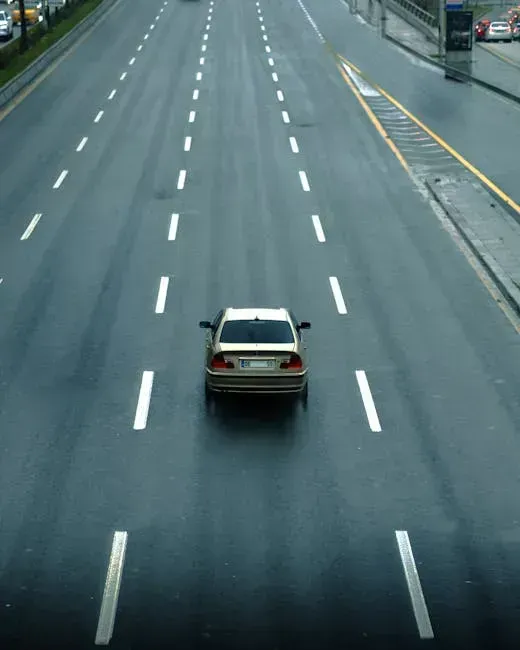
Driver over-reliance on advanced safety technology can lead to dangerous complacency, especially when it comes to critical maneuvers like lane changes. Features such as blind-spot monitoring and lane-keeping assist can sometimes give drivers a false sense of security, and when drivers begin to trust these systems too much, they may neglect basic driving habits such as checking mirrors, turning their heads, or actively controlling the vehicle.
Adverse weather such as rain, fog, or snow can obstruct cameras and sensors, limiting effectiveness. Systems may also miss fast-approaching vehicles or objects at certain angles, and lane-keeping assist struggles with faded or poorly marked lanes. Overreliance can additionally lead to the neglect of manual driving skills. As drivers become accustomed to assistance features, their proficiency in performing these tasks without aid may diminish over time.
5. Automatic High Beams That Misfire
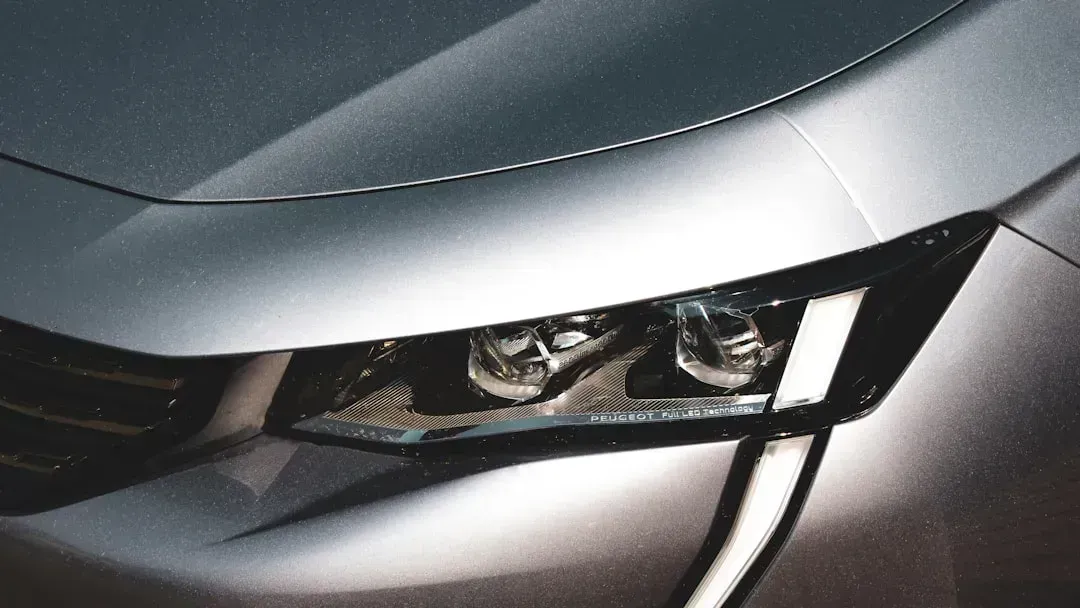
Some vehicles come equipped with automatic high beams that fail to adjust properly, making nighttime driving even more dangerous. In addition, aftermarket LED kits, which may not meet regulatory standards, contribute to the growing problem of excessive brightness. The system works well under predictable conditions, but it has known limitations when confronted with unusual lighting environments, such as wet roads reflecting ambient light or curved approaches with oncoming traffic just over a rise.
To ensure road safety, vehicle owners should properly align their headlights and be mindful of how their lighting affects other drivers. Mechanics frequently note that misaligned or improperly calibrated automatic headlights are not just a nuisance to oncoming traffic; they create genuine visibility hazards for the driver as well. A system that stays in high-beam mode too long, or switches at the wrong moment, leaves very little room for error at highway speeds.
6. Blind-Spot Monitoring With Sensor Blind Spots of Its Own
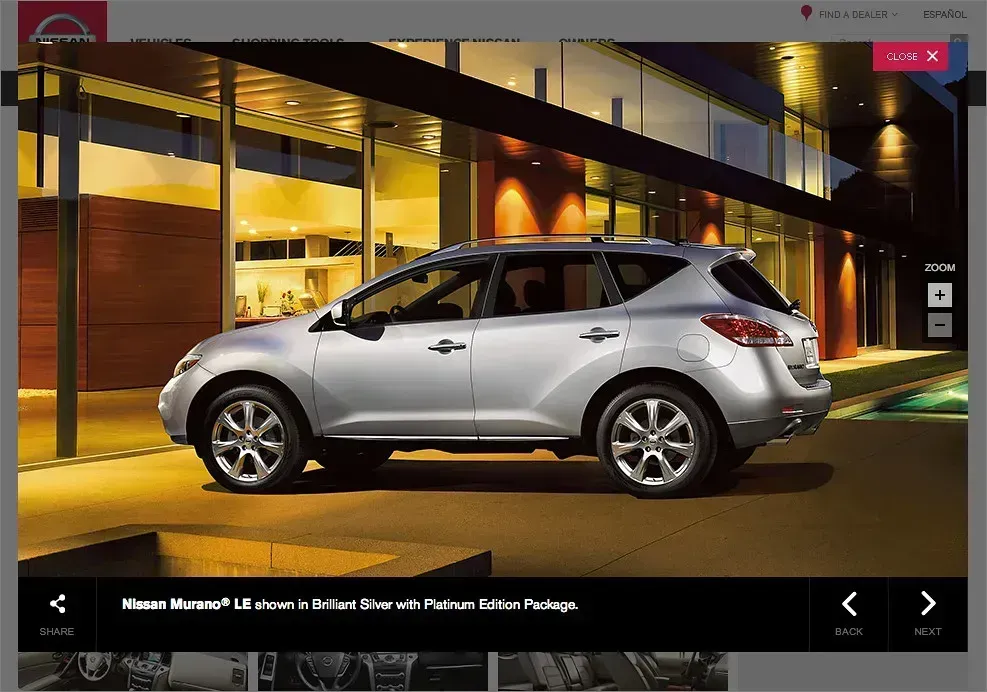
Relying solely on blind-spot monitoring without active scanning can lead to hazardous situations. These systems typically fail to detect objects moving perpendicular to your path, or very small items like cyclists and pedestrians. Heavy rain, snow, or fog can obstruct sensors and cameras, reducing the accuracy of systems like blind-spot monitoring. It may also struggle to detect smaller objects, such as bicycles or fast-approaching vehicles, especially at unconventional angles.
Recent studies show that pedestrian detection systems miss a significant proportion of potential hazards under poor visibility conditions. Rain, fog, and low light significantly reduce sensor effectiveness, and vehicles equipped with cameras and radar may struggle to distinguish between stationary objects and moving individuals in adverse weather scenarios. The safest practice remains the same as it has always been: use the technology as one layer of awareness, not the only layer.
7. Miscalibrated or Unchecked ADAS Sensors After Minor Collisions
The integration of advanced driver assistance systems brings along an increase in maintenance and repair costs. Advanced systems like adaptive cruise control and lane-keeping assist rely on sophisticated sensors and cameras that can be expensive to replace or repair. A minor fender bender could turn costly if it damages a critical sensor or calibration is required. What mechanics stress is that the real danger isn’t just the repair cost. It’s driving for weeks or months with a sensor system that appears to be functioning but is actually giving inaccurate readings.
Sensor misalignment or impaired function due to dirt or damage can lead to unreliable system behavior. This adds to your regular car maintenance and requires drivers to be more diligent about maintaining their vehicle. Camera lenses degrade over time, and dirt accumulation obscures image quality, reducing situational awareness. Objects can appear closer than they actually are, creating spatial confusion, and some systems cannot reliably differentiate between static and dynamic obstacles. After any collision, even a low-speed parking-lot bump, getting sensors professionally checked is not optional maintenance. It’s a safety necessity.
The features covered here are not inherently bad. Most of them, when working correctly and used as intended, do reduce risk. The issue is the gap between what drivers assume these systems can do and what they’re actually capable of under real-world conditions. Knowing where the limits are is what separates a helpful tool from a hidden hazard.