
South America has long attracted a certain kind of traveler: one who wants a full life on a lean budget, warm weather, and a city that actually feels alive. The arithmetic often works out. Rent that would barely get you a parking space in a North American city can cover a comfortable apartment, fresh markets, and regular meals out. On paper, $800 a month sounds like a compromise. In practice, many people find it covers quite a lot.
The catch, and it’s a real one, is that affordability and safety don’t always land in the same neighborhood. Across the continent, expats report a consistent tension: the cities where money stretches furthest are often the ones where a background hum of caution becomes part of daily life. That doesn’t make them unlivable. It does make them worth understanding clearly before you commit.
1. Medellín, Colombia
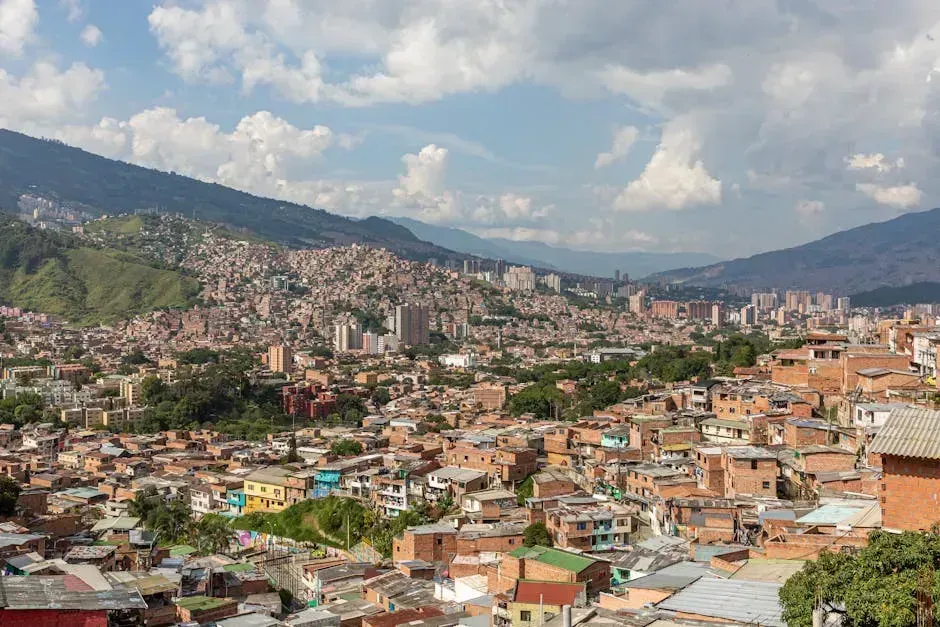
According to Expatistan’s Latin America index, Medellín’s cost-of-living index continues to make it one of the most affordable large cities in the region, with a one-bedroom apartment in a central area averaging around $650 per month. A single expat in Medellín can typically manage on $700 to $1,300 per month, with one-bedroom rent running $400 to $700. Shopping at local markets rather than imported-goods supermarkets cuts food costs considerably.
Medellín is generally safe to visit if you follow basic safety tips, but security remains a major concern for expats and tourists alike. Petty crimes such as pickpocketing, phone snatching, and muggings are common in crowded areas and on public transportation, particularly in larger cities like Bogotá, Medellín, and Cali. El Poblado and Laureles are considered safe for expats who stay in established areas and take standard precautions, but stepping outside those zones requires a noticeably different level of awareness.
2. Bogotá, Colombia
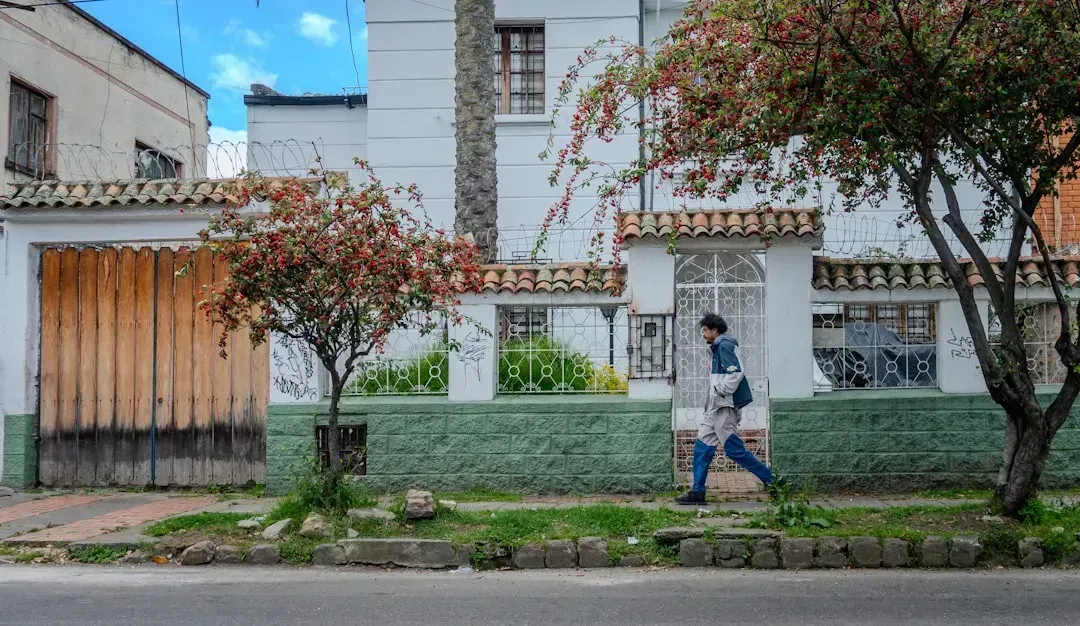
Bogotá comes out as the undeniable cheapest major city to live in all of Latin America, closely followed by Lima, Quito, and Buenos Aires. A one-bedroom apartment in the city center averages around $440 per month, with property costs in central areas around $1,999 per square meter. For expats willing to cook locally and use public transport, $800 a month covers the essentials with room to spare.
Bogotá comes in second in Colombia for thievery rates, and the city’s sheer scale means neighborhoods vary enormously in character and risk. While cities like Bogotá and Medellín report fewer violent crimes, armed robberies still occur in certain districts. For a safer stay, expats tend to favor Chapinero or Zona Rosa over the older La Candelaria area. The city rewards those who learn it neighborhood by neighborhood.
3. Cali, Colombia

Monthly expenses in Cali can range from about $900 to $1,100, including rent for an apartment outside the city center, though more frugal living can bring that figure closer to the $800 mark, especially for those who lean on local food markets and informal transport. Cali’s salsa culture, warm weather, and genuine urban energy make it genuinely appealing to a certain type of expat.
Cali scores noticeably worse on safety than Medellín, according to Numbeo data. There has been increased terrorist activity in the departments of Cauca and Valle de Cauca, including in the city of Cali itself. As recently as December 2025, two police officers were killed in Cali while patrolling a sports venue. For expats, that reality tends to mean a smaller, more deliberate footprint in the city.
4. Lima, Peru

Rent in Miraflores or Barranco, Lima’s most expat-friendly neighborhoods, runs $400 to $650 per month for a one-bedroom. The food culture in Lima is world-class, with the city consistently ranked among the top culinary destinations globally. A disciplined budget that leans on local restaurants and markets can keep total monthly costs within the $800 range, particularly outside the most polished central districts.
Peru is among the South American countries where rental housing costs remain moderate by regional standards, especially outside the capital. Safety-wise, Lima sits somewhere in the middle of the regional spectrum. Lima maintains safe central districts like Miraflores, but has outer areas best avoided at night. Lima’s traffic is also genuinely challenging, adding a layer of daily frustration that many expats note alongside their security concerns.
5. Quito, Ecuador
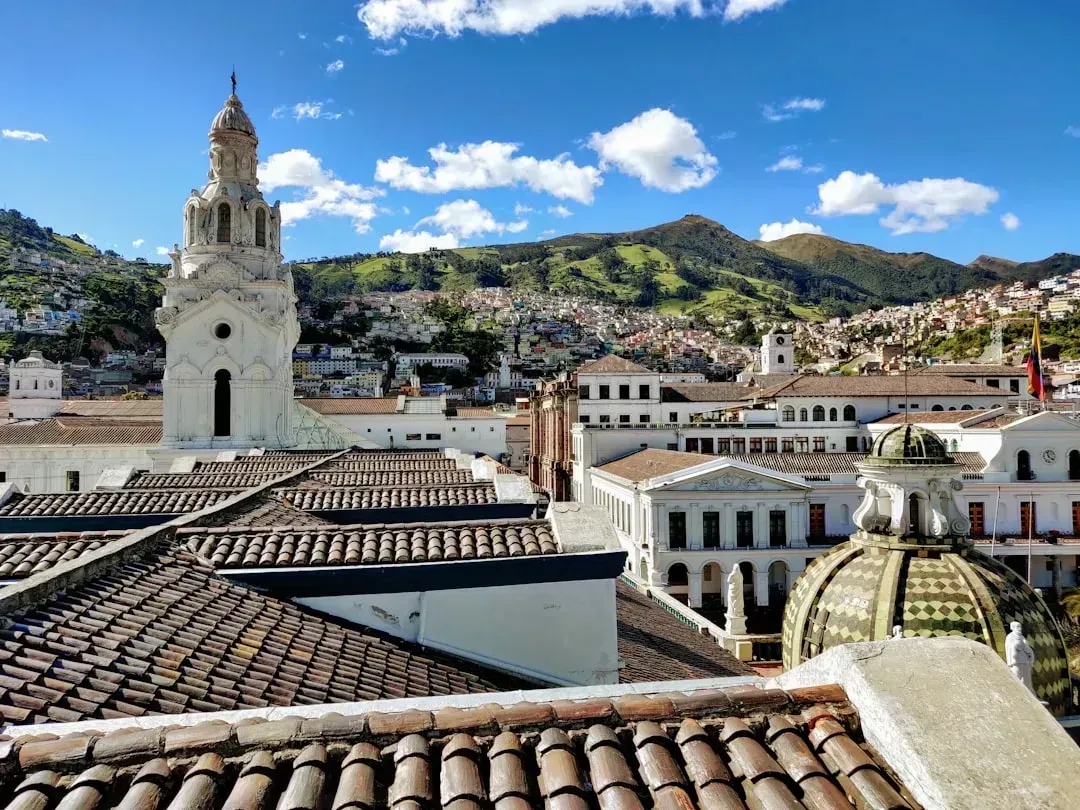
The average monthly cost of living in Quito is between $800 and $900, which is considered quite reasonable for a capital city. According to the International Monetary Fund, Ecuador’s economy remains one of the most stable dollarized systems in Latin America, and the real estate market develops more slowly than in the largest metropolitan areas of the region, which helps keep rental prices relatively moderate. The use of the US dollar also eliminates currency risk for American earners.
Quito falls in the middle of Ecuador’s safety picture. As the capital, it has a larger police presence and better-funded security infrastructure than most Ecuadorian cities. Violent crime exists but concentrates in specific neighborhoods. Quito’s published safety index is 36.80, significantly better than Guayaquil but still below the regional average. Several expats describe a subtle but persistent tension in the city’s public spaces that wasn’t as noticeable a few years ago.
6. Cuenca, Ecuador
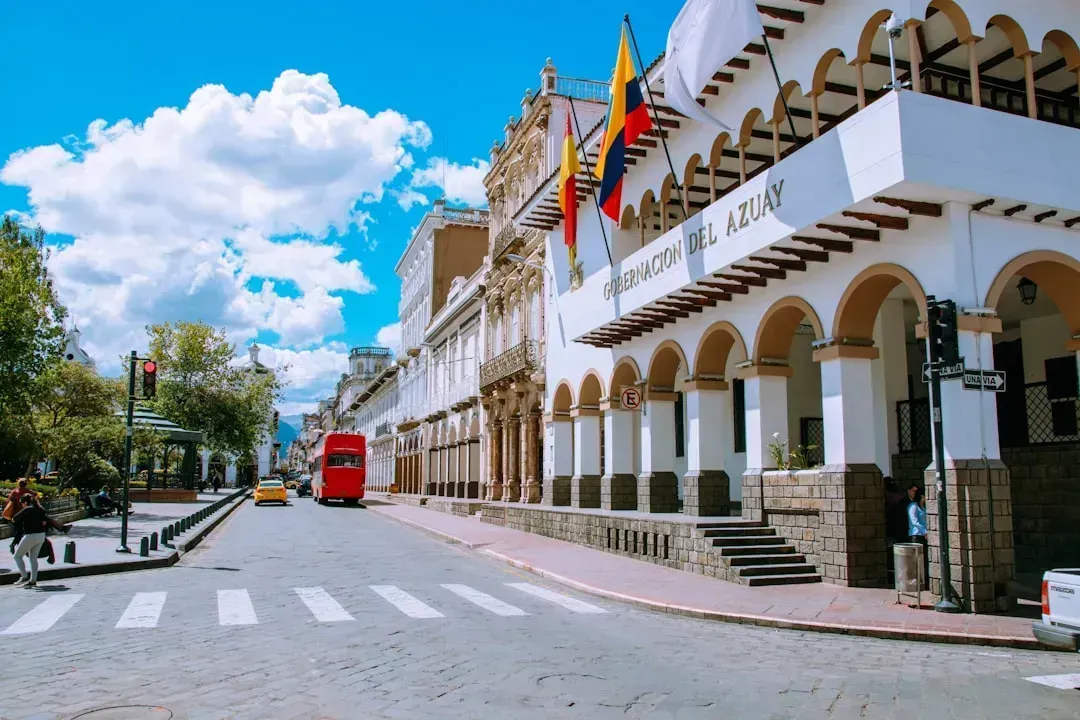
Set high in the Andes, Cuenca enchants with its historic architecture, temperate weather, and low living costs. The cobblestone streets hum with music, artisan markets, and cafés shaded by red-tiled roofs. Cuenca is often cheaper than Quito, super walkable, and popular with families and expats looking for a slower pace. A comfortable single-person budget here comfortably fits within $800 a month.
With a murder rate of just 1.4 per 100,000 in the first half of 2025, Cuenca was rated the safest city over 500,000 people in all of South America. That said, Ecuador’s broader national security situation creates a background concern that touches even quieter cities. Ecuador recorded roughly 9,200 homicides in 2025, pushing the national rate to about 51 per 100,000. That number is real and serious. Five coastal provinces account for roughly 88% of all murders, which means Cuenca itself remains calmer, but expats are understandably aware of what surrounds it.
7. La Paz, Bolivia
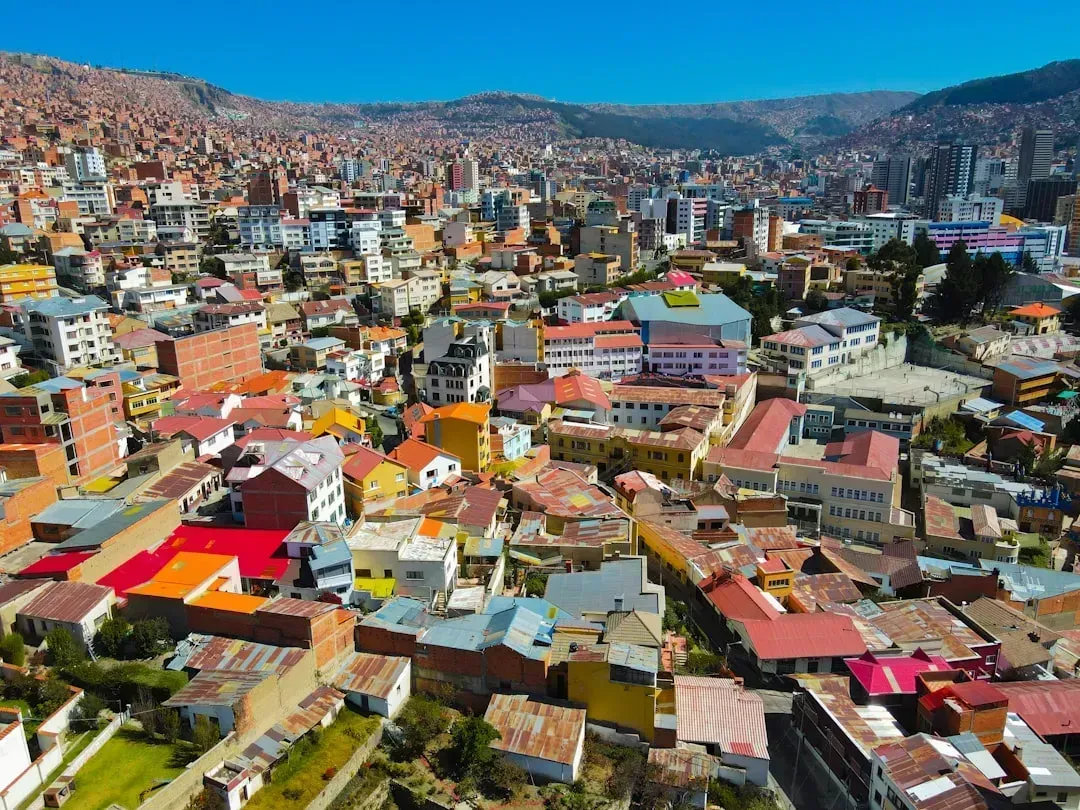
Considered one of the most affordable cities to live in South America, La Paz offers a remarkably low cost of living. Rent for a one-bedroom apartment in the city center can be as low as $300 to $400 per month. Local meals cost around $2.50, fresh produce is cheap and abundant, and eating out can be cheaper than cooking – think rice, lentils, grilled meat, and heaps of potatoes for under $3 per plate. Few cities anywhere let $800 stretch as far.
Central and tourist zones in La Paz are relatively safe during the day, but caution is advised at night and in outer districts. Altitude is a genuine physical challenge – La Paz sits at over 3,600 meters. Many expats experience prolonged adjustment periods, and some never fully adapt. Infrastructure, while improving, lags behind Paraguay and Colombia in terms of internet reliability and urban amenities, and the expat community is smaller and less developed.
8. Asunción, Paraguay
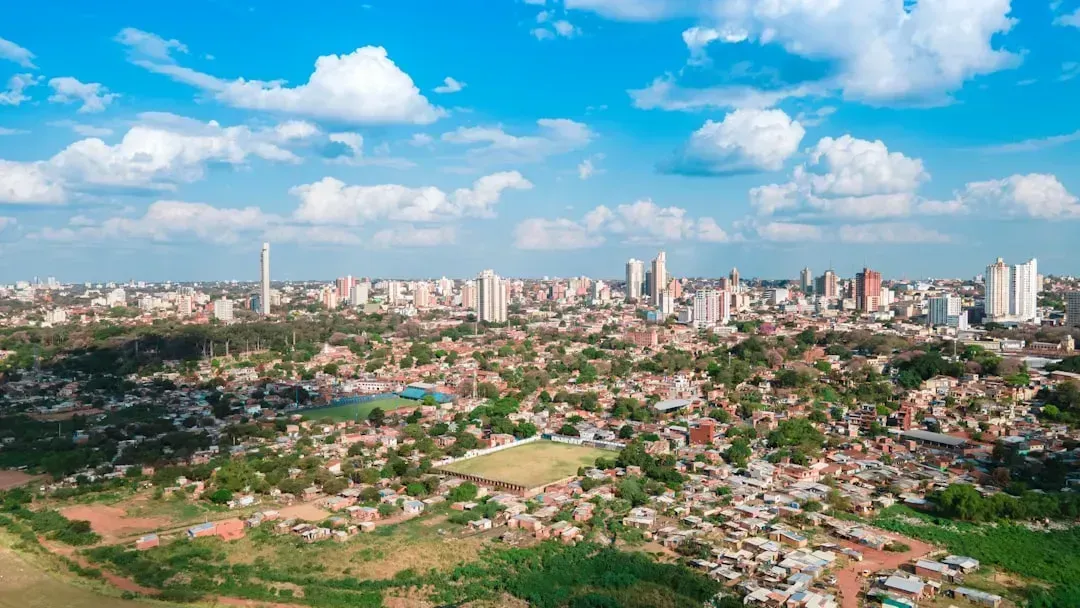
The cost of living in Asunción is among the lowest of any capital city in South America. A one-bedroom apartment in the city center, in neighborhoods like Villa Morra, Carmelitas, and Recoleta, typically runs $450 to $620 per month. These are modern, well-maintained apartments with air conditioning and often a doorman or security. Slightly outside the central districts, the same type of apartment drops to $300 to $450 per month.
Most expats are more likely to be safe than unsafe in Paraguay. Violent crime against foreigners is rare, and most crimes are opportunistic theft rather than targeted violence. Still, thieves on bikes grab bags and phones from pedestrians, and break-ins are not uncommon in non-gated properties, especially in expat areas. Ciudad del Este and the city center at night are areas to approach with extra caution, and expats generally report that the feeling of ease in Asunción depends heavily on which neighborhood you choose and whether you live behind a gate.
The through-line in all eight of these cities is the same: affordable and entirely livable, but never quite uncomplicated. The $800-a-month life is real. So is the need to stay aware, pick your neighborhood carefully, and treat local knowledge as a genuinely valuable asset. That combination – low costs, high alertness – is, for many expats, simply what living in South America looks like.