
Most travelers pack sunscreen, a phrase book, and a rough itinerary. They rarely pack a contingency plan for getting robbed at gunpoint on a beach, threatened by organized gangs in a metro station, or caught in a cartel crossfire near a resort pool. The reality, though, is that some of the world’s most visited destinations have seen violence targeting tourists reach levels that no travel brochure will ever mention.
The data from 2024 and 2025 was sobering. Armed robberies are rising near iconic landmarks. Homicide rates in postcard-perfect beach towns are climbing past figures that would alarm anyone. For travelers who want to stay genuinely informed, here are seven destinations where the problem has become impossible to ignore.
1. Tulum and the Mexican Caribbean Coast, Mexico

Tulum, in Quintana Roo, ranked 20th among Mexico’s most violent municipalities, recording a homicide rate of roughly 84 per 100,000 residents. The municipality, home to just under 55,000 people, logged 46 homicides in the period between September 2024 and August 2025. For a destination that markets itself as a bohemian paradise, those numbers are genuinely startling. Among the victims were two individuals killed during an armed attack at a bar in August 2025, as well as previous attacks involving foreigners at a beach club in February 2024.
In October 2024, the U.S. State Department updated its travel advisory for Quintana Roo, warning of increased violent crime including armed robbery and assault. The situation developed amid heightened concerns about organized crime and a wave of threatening messages reportedly left by the Sinaloa cartel, targeting Americans living or vacationing in areas under cartel influence. Resort security, as many travelers have learned, can only do so much when organized crime operates just beyond the property line.
2. Acapulco, Mexico

Acapulco, once the playground of Hollywood royalty, has struggled to shed its reputation as a hotbed for violence. Ranking 34th among Mexico’s most violent municipalities with 71 homicides per 100,000 residents, the city recorded a staggering 560 homicides between September 2024 and August 2025. That figure makes the Old Hollywood version of Acapulco feel almost mythological by comparison.
Drug cartel conflicts have bled into tourist zones, making even beachfront resorts feel less like vacation spots and more like danger zones. Six Mexican states, including Guerrero where Acapulco is located, have been given a flat “do not travel” warning by the U.S. State Department because of the risks of crime and kidnapping. Travelers who still book trips there tend to confine themselves to guarded hotel compounds, which is telling enough on its own.
3. Rio de Janeiro, Brazil

Rio de Janeiro’s stunning beaches have become increasingly dangerous for tourists, with violent crime in popular areas like Copacabana and Ipanema reaching levels that have prompted multiple travel warnings. Brazilian news outlet O Globo reported in December 2024 that armed robberies on Copacabana Beach increased by roughly 40% during the peak tourist season compared to the previous year, with thieves often working in organized groups called “arrastões” that sweep through beach areas targeting visitors.
The situation escalated to the point where Rio’s state government implemented a controversial new security protocol in January 2025, deploying military police with visible weaponry along the beachfront. Tourists have reported being robbed at gunpoint even in broad daylight, with criminals specifically targeting those wearing jewelry or carrying expensive cameras. Rio de Janeiro is also one of the least safe cities in Brazil, with reports of tourists being kidnapped, carjacked, and even murdered while visiting.
4. Paris, France
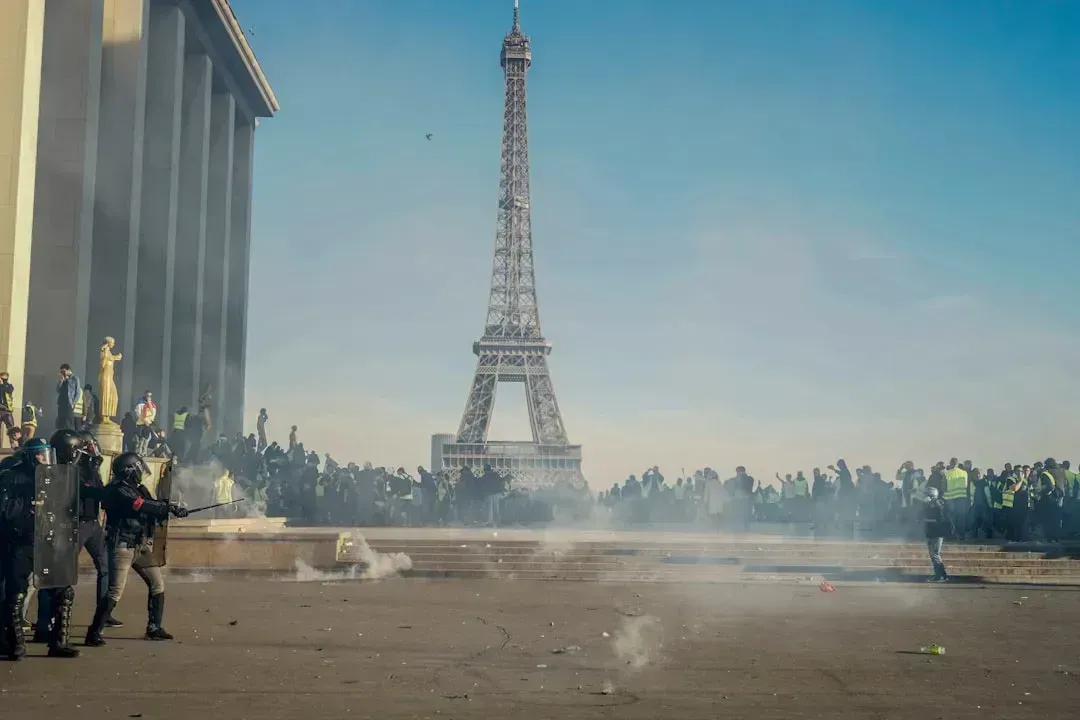
French police statistics from late 2024 show that armed robberies targeting tourists near the Eiffel Tower and Champs-Élysées increased by roughly one-third compared to 2022 figures. That kind of escalation, happening near the most visited monument on earth, is worth sitting with for a moment. These are not just bag snatchings – travelers have reported being threatened with weapons, particularly in metro stations serving major tourist destinations.
The Prefecture of Police Paris confirmed in a January 2025 statement that they have assigned additional plainclothes officers to tourist zones. Extra vigilance was advised during and after the 2024 Olympics, with the Eiffel Tower, Arc de Triomphe, Notre-Dame, the Louvre, and the metro lines serving them flagged as key risk points. Paris remains one of the world’s truly great cities. The safety picture, however, has changed enough that visitors who arrive without awareness are now paying a real price for it.
5. Caracas, Venezuela

Caracas presents the highest concentration of violent crime in Venezuela. The Venezuelan Violence Observatory recorded over 4,100 homicides in the capital district during 2025, equivalent to roughly 45 per 100,000 residents. The capital city is a focal point for violent demonstrations, organized crime, robbery, kidnapping, and homicide, with most kidnappings being “express” in nature and lasting less than 48 hours, frequently targeting people leaving hotels, traveling in taxis, or walking in wealthier areas.
Police statistics show that foreigners face robbery rates more than four times higher than locals, with incidents typically occurring near hotels, restaurants, and transport hubs. Express kidnappings targeting tourists increased by roughly 28% during 2025, with average captivity periods of six to eight hours. Violent crimes including homicide, armed robbery, and kidnapping are well documented, and travelers face increased risk when using unregulated taxis from the main international airport serving Caracas.
6. Cape Town, South Africa

Cape Town carries a crime index of roughly 73 out of 100 according to Numbeo’s 2024 data, placing it firmly in the “very high” crime category. The city’s murder rate increased from about 51 per 100,000 in 2013 to approximately 70 per 100,000 in 2024, a rise of more than one third, while other South African cities saw smaller increases. The landscape is beautiful and the tourism industry is booming, which makes the contrast with the underlying violence all the more disorienting.
There has been a notable increase in violent crime and targeted attacks to and from Cape Town airport, including incidents involving visitors driving hired cars. Violent crime can take place in tourist destinations and transport hubs, with most serious incidents occurring in townships on the outskirts of major cities, central business districts, or isolated areas. Kidnapping is a documented threat, with kidnappers specifically targeting foreign travelers to steal money, often forcing victims to withdraw cash or surrender online account passwords before releasing them.
7. Bangkok, Thailand

Bangkok ranks among the top cities globally for pickpocketing, with the Grand Palace considered one of the worst tourist attractions in the world for theft, and Wat Pho along with Chatuchak Weekend Market also known as hotspots for thieves preying on unsuspecting tourists. The problem goes beyond petty theft, though. Taxi-related scams have become increasingly sophisticated, with some drivers working with accomplices to rob passengers – especially those traveling from Suvarnabhumi Airport late at night. Khao San Road, the famous backpacker hub, has seen a spike in drink spiking incidents followed by theft, with several cases documented by international embassies throughout 2024.
Thai authorities launched the “Safe Tourism Thailand” app in early 2025 to help visitors report crimes in real time, but the sheer volume of incidents suggests the problem runs deeper than any single solution can address. Vigilance is particularly recommended when attending nightclubs and beach parties, which have become hotspots for theft, assault, and sexual violence, while travelers are also advised to avoid the southern provinces due to high crime rates and ongoing security concerns.
None of these destinations have become uniformly off-limits, and millions of people travel to them every year without incident. The distinction worth making is between risk that is manageable with awareness and risk that has crossed into a different register entirely. What these seven places share is a gap between the image being sold and the reality waiting on arrival. Closing that gap starts with paying attention to what the data actually says.