
Crime statistics tell an uneven story across American cities. Nationally, 2025 has brought genuinely encouraging news: the rate of reported homicides was 21% lower in 2025 than in 2024 across the 35 study cities tracked by the Council on Criminal Justice, representing 922 fewer homicides. Some cities have seen the most dramatic drops in decades.
Still, progress at the national level doesn’t erase the reality on the ground in certain places. Certain cities continue to struggle with persistent public safety challenges, facing complex combinations of socioeconomic factors including poverty, educational limitations, employment challenges, and community disinvestment. The ten cities below reflect where those challenges remain most acute, based on the latest available crime data.
1. Memphis, Tennessee – The Nation’s Violent Crime Leader

Based on the latest FBI crime data, Memphis leads the nation with 2,437 violent crimes per 100,000 residents – more than six times the national average. The gap between Memphis and a typical American city is extraordinary by any measure, placing it in a category largely alone among large cities.
Despite persistent challenges, homicides and robbery trended downward for the second consecutive year in 2024, and early 2025 data from the Memphis Shelby Crime Commission shows further declines. The Memphis Police Department said 2025 saw a 26% decrease in murders, and Memphis recorded fewer than 200 murders and homicides, the first time below that mark since 2019. Crime remains concentrated in specific neighborhoods, but the trajectory, for the first time in years, points in the right direction.
2. St. Louis, Missouri – Assault at the Forefront
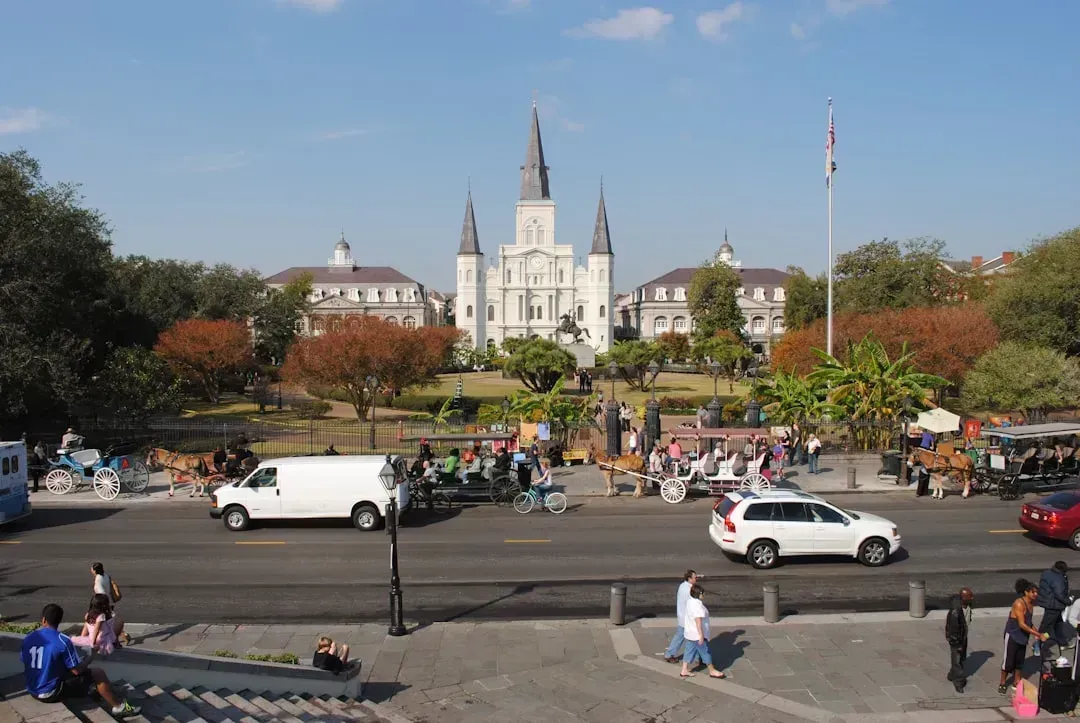
St. Louis maintains the second-highest violent crime rate at 2,082 per 100,000, though homicide rates have fallen approximately 22% in the first half of 2025, representing the lowest mid-year murder numbers in more than a decade. St. Louis holds the distinction of being among the most dangerous cities in the United States, with assault constituting the majority of offenses, and the city’s crime rate reflects broader social and economic hardships.
Homicide has declined since 2024, but assault rose nearly 10% in the first half of 2025, which complicates the story of overall improvement. High poverty rates, unemployment, and a lack of access to quality education and healthcare have created an environment that fosters criminal activity, and the concentration of poverty in certain neighborhoods amplifies the strain on social systems. The city’s challenges run deeper than any single policing strategy can quickly fix.
3. Oakland, California – Property Crime Capital of the West
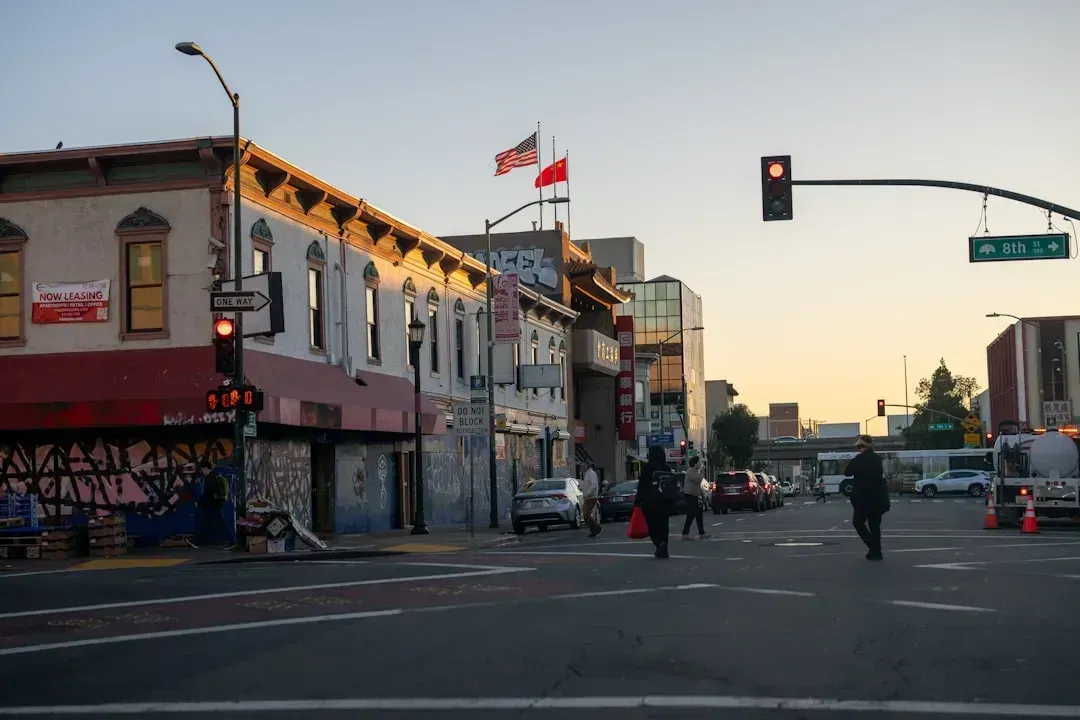
Oakland topped the list in multiple property and violent crime categories, leading all medium-sized cities in aggravated assault, robbery, larceny-theft, and motor vehicle theft, with 7,230 property crimes per 100,000 residents according to FBI 2024 data. That figure places it in a category almost by itself among cities of comparable size. Oakland followed Memphis at 1,925 violent crimes per 100,000 residents in 2024.
High levels of violent crime and property crime persist in Oakland, driven by homelessness and organized criminal activity, though Oakland recorded its lowest murder numbers through November 2025 since 1967, which is genuinely historic. Gang violence and the drug trade are prevalent issues, with street gangs engaging in territorial disputes, drug trafficking, and other criminal activities that perpetuate violence and contribute to the city’s crime rates.
4. Detroit, Michigan – A City in Transition

Detroit’s reputation as one of America’s most dangerous cities has deep roots, but the picture in 2025 is more complicated than the headlines suggest – crime remains high compared to national averages, but both violent and property crime are falling, with 2023 marking Detroit’s lowest homicide count in 57 years. Detroit recorded 203 homicides in 2024 with a homicide rate of 32.1 per 100,000 residents.
Property crime rates in Detroit exceed national averages, with burglary, car theft, and break-ins occurring at a rate of around 3,000 per 100,000 residents, significantly higher than the U.S. average. The correlation between economic decline and crime rates is evident in Detroit, where decades of population loss and industrial contraction have left deep structural wounds that policy alone has struggled to heal.
5. Baltimore, Maryland – Historic Drops, Still Dangerous

In 2025, Baltimore recorded 133 homicides, the fewest in nearly 50 years, marking the third consecutive year homicides have decreased by double digits, and the city saw the largest year-over-year percentage decrease in homicides ever recorded. Homicides declined by 31%, while the number of non-fatal shootings declined from 423 in 2024 to 311 in 2025, a reduction of nearly a quarter.
Despite the historic improvements, Baltimore’s overall violent crime rate remains well above the national average, and the city’s progress is still fragile. Baltimore has a violent crime rate more than triple the U.S. average. Homicides in Baltimore are heavily concentrated within a small number of high-poverty neighborhoods, and the geography of violence matters enormously for residents in those specific communities.
6. Cleveland, Ohio – A Stubborn Statistical Outlier

Violent crime remains elevated in Cleveland, with about 1,703 incidents per 100,000 residents in 2025, far above both the state average and the national average – a gap that is nearly six times higher than Ohio’s statewide figure. It’s one of the starkest state-to-city contrasts in the country. St. Louis, Cleveland, and Oakland dominated the lists for mid-sized cities, appearing across violent and property crime categories in SafeHome’s 2025 crime analysis based on FBI data.
Cleveland’s violent crime rate, hovering around 1,550 incidents per 100,000 people in 2025, is alarmingly high, putting it among the most dangerous big cities in the U.S., yet beneath that headline number lies a city in transition, leaning on local leadership and targeted strategies to chip away at longstanding issues. The city’s neighborhoods vary considerably in safety levels, which headline statistics don’t always capture.
7. Philadelphia, Pennsylvania – Gun Violence in a Major Metro
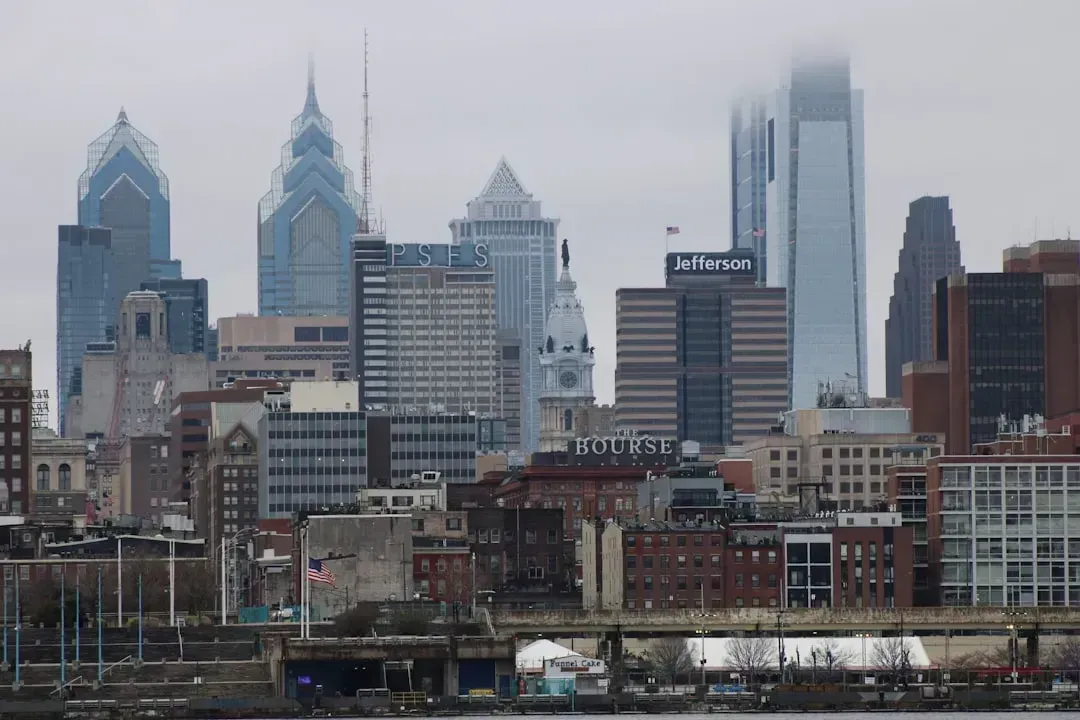
Philadelphia’s violent crime rate stands at 1,627 incidents per 100,000 residents, driven by high poverty rates, declining infrastructure, and systemic unemployment. As America’s sixth-largest city, Philadelphia carries enormous weight in national crime conversations, and the numbers behind its reputation are significant. Rising gun violence and assaults place Philadelphia among the nation’s most dangerous cities.
The city’s crime-reduction strategies emphasize community policing and social service support to address root causes of violence, and the city’s homicide rate remains a significant concern, prompting ongoing adjustments to law enforcement tactics and resource allocation. Philadelphia is also an example of how size amplifies the problem: even modest per-capita rates translate into large raw numbers in a city of its scale.
8. Milwaukee, Wisconsin – Bucking the National Trend

Of cities with 2025 homicide rates above 2019 levels, Milwaukee had the largest percentage increase at 42%. That makes it a notable exception in a year when most major American cities recorded significant declines. Milwaukee saw 132 homicides in 2024, a 23% drop from 2023, which made the subsequent rise in homicide rates even more surprising to local officials and researchers.
Milwaukee had the largest increase in homicides compared to 2019, and remained among the cities posting modest increases even as the rest of the country moved sharply in the opposite direction. Sherman Park, parts of Metcalfe Park, and the corridor along North 27th Street carry far more of the violent crime weight, and the city is a national outlier on the 2025 trend with homicides up while neighboring cities fell.
9. Little Rock, Arkansas – A Homicide Outlier in 2025

Little Rock was one of only three out of 40 cities examined in the Council on Criminal Justice’s year-end 2025 study in which homicide rates went up from 2024 to 2025, and that increase of 16% was by far the worst of the 40 cities. With a crime rate of 70 per one thousand residents, Little Rock has one of the highest crime rates in America compared to all communities of all sizes.
Overall crime and violent crime in Little Rock have significantly decreased over the first six months of 2025, with Mayor Frank Scott attributing the decline to a successful, holistic crime reduction strategy implemented three years ago, as overall crime was down 19% compared to a five-year average. The contradiction between falling overall crime and rising homicides makes Little Rock a complicated case – progress and setback running simultaneously.
10. Kansas City, Missouri – Murders Moving in the Wrong Direction
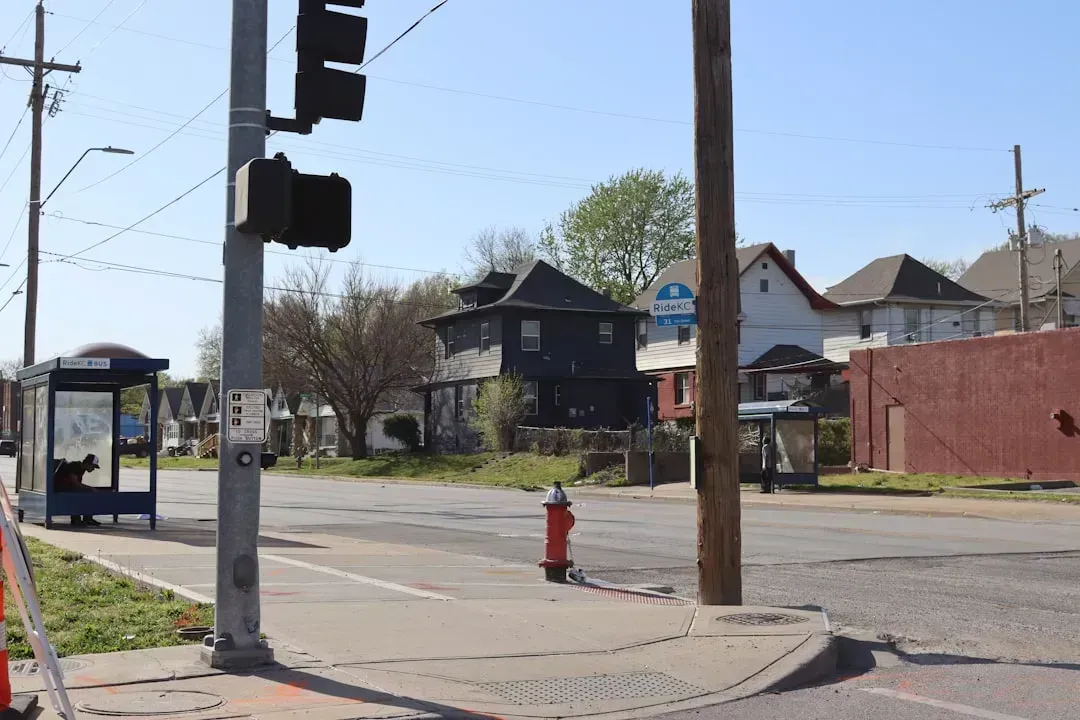
Murders in Kansas City also saw an increase of 6.2% in 2025, making it one of the few major cities bucking the national downward trend. Like Milwaukee and Little Rock, Kansas City stands as an outlier at a moment when the rest of the country’s data looked relatively promising. Through early 2025, the city of Kansas City, Missouri had 15 homicides recorded in the first weeks of the year.
The most dangerous cities in the U.S. face complex combinations of socioeconomic factors, including poverty, educational limitations, employment challenges, and community disinvestment – and Kansas City is no exception to that pattern. Persistent disparities between the city’s more affluent districts and its higher-crime neighborhoods continue to shape both the data and the lived experience of residents on opposite sides of that divide.