There’s a particular kind of dread that kicks in when an older relative settles into their chair at the dinner table and starts a sentence with “Back in my day.” It’s not that Gen Z dislikes Boomers. It’s that certain phrases carry a weight far heavier than the speaker ever intends. Words that were meant to encourage or simply reflect experience can land on a generation already navigating an extremely difficult economic reality in a very different way.
Deloitte’s 2025 Gen Z and Millennial Survey, which polled over 23,000 respondents across 44 countries, reveals a generation in crisis – one that is acutely sensitive to comparisons with a past that simply no longer resembles their present. What follows are fifteen things Boomers say that, whether they realize it or not, send a genuine chill down Gen Z’s spine.
1. “Back in My Day, I Already Had a House at Your Age”
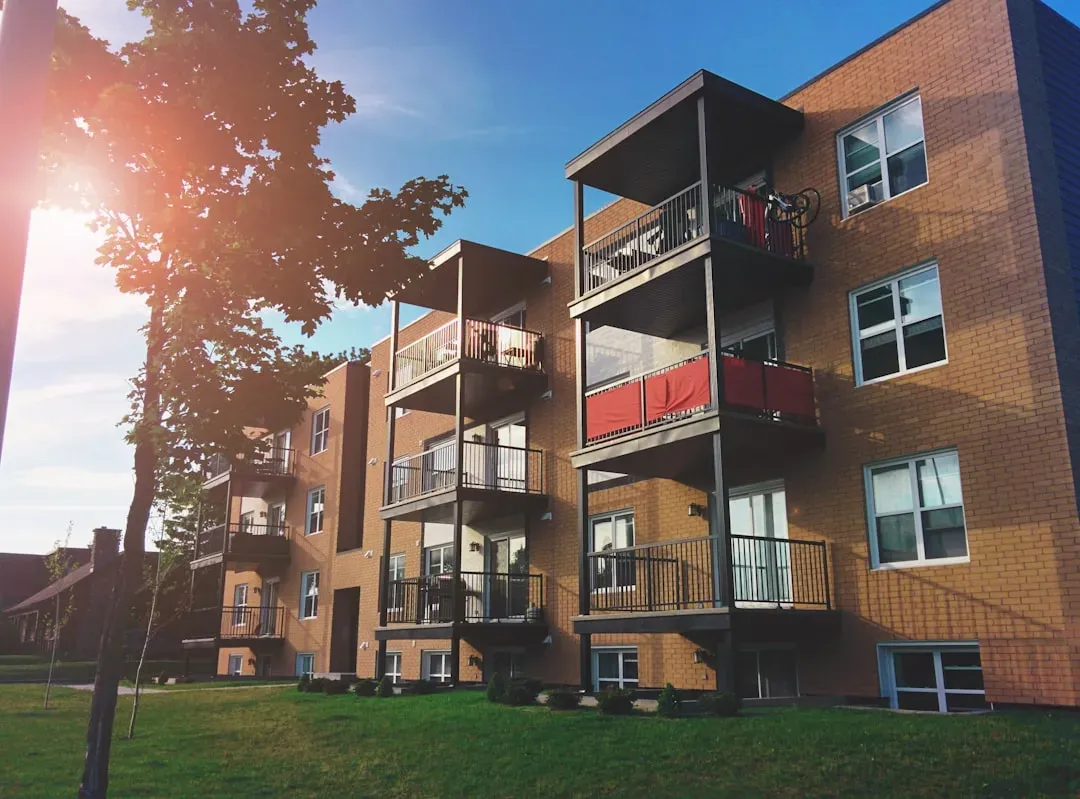
Boomers were buying homes when prices were roughly three or four times their annual salary. Today, in many cities, it’s closer to ten times. That gap is enormous, and it’s not a matter of priorities or spending habits. About two thirds of Gen Z adults say they struggle to cover housing costs, making this comparison feel less like inspiration and more like a taunt.
The average age for a first-time homebuyer recently jumped to 40, signaling the housing market is starved for affordability. A 2024 Harris Poll survey found that roughly 46% of Gen Z respondents agreed with this statement: “No matter how hard I work, I will never be able to afford a home I really love.” Hearing a Boomer breezily mention their mortgage at 25 doesn’t motivate. It stings.
2. “You Just Need to Work Harder”

The SSRS Economic Attitudes Tracker reveals that Gen Z is the most likely to call the economy “bad,” the most worried about job stability, and the most financially strained. Telling this generation to simply work harder glosses over structural realities that have nothing to do with effort. Entry-level job postings have declined roughly 29% since January 2024, meaning even getting a foot in the door has become dramatically harder.
Many are juggling multiple jobs, gig work, student loans, and housing costs that were unimaginable when Boomers were their age. The “work harder” framing implies that the current struggle is a personal failing. For a generation already carrying enormous financial and psychological pressure, that implication is genuinely frightening.
3. “I Never Had Anyone to Pay Off My Student Loans”

Almost six in ten borrowers experience stress or anxiety related to student debt, and over half of college undergraduates finish college with student loan debt. Gen Z and Millennials are the most likely to report stress and anxiety related to student loans. What makes this phrase particularly biting is its casual assumption that the system worked the same way for everyone. Tuition and board for a four-year college increased by roughly 40% between 2001 and 2023.
While the average student loan payment sits at $284 per month, Gen Z was paying substantially more, with an average of $526 each month, according to a 2025 Empower survey. With nearly one third of all borrowers experiencing increased monthly payments in 2025, more than half say their student loan obligations limit their ability to save or invest, and almost half delay major life milestones like buying a home or planning for retirement.
4. “Social Security Will Be Fine, Stop Worrying”

According to the 2025 annual report from Social Security’s Board of Trustees, the program’s trust funds are projected to run short of money in 2034. Benefits would not end if that happens, but they would be reduced by an estimated 19%. For Gen Z, who won’t even reach full retirement age for decades, that timeline is genuinely alarming. They’re being told to fund a system they have no guarantee of ever fully benefiting from.
Young workers have started their careers facing an unwelcoming job market, a student loan debt crisis, rising housing costs, and threats to Social Security – and they’re also tasked with securing a future that feels increasingly far away. When a Boomer dismisses these concerns with casual reassurance, it reads as willful ignorance rather than comfort.
5. “Just Put Down the Phone and Live Your Life”

For millennials and Gen Z, the digital world isn’t separate from reality – it is reality. It’s where work happens, friendships are maintained, causes are organized, and creativity is expressed. Telling this generation to simply unplug misunderstands what the phone actually represents in their daily life. It isn’t escapism. It’s infrastructure.
Suggesting “just unplugging” overlooks how central these tools are to identity and survival. For digital natives, online spaces function as extensions of social belonging. So when someone says “unplug,” it doesn’t feel like self-care – it feels like cutting off oxygen. The dismissiveness behind the phrase is what registers as threatening, not the advice itself.
6. “You’re Too Sensitive – We Didn’t Need Therapy”

Nearly half of Gen Z has already received a formal mental health diagnosis, and more than a third believe they have an undiagnosed condition. Anxiety leads as the most common diagnosis, followed by depression and ADHD. Suggesting that previous generations simply “toughed it out” doesn’t account for the fact that many of those generations suffered quietly and unnecessarily. It also ignores that Gen Z is dealing with a genuinely distinct set of pressures.
Unlike Millennials, Gen X, or Baby Boomers, Gen Z grew up in a world of constant digital stimulation, global crises, and economic uncertainty. Younger people are growing up in a culture that finally talks about mental health openly. They don’t see expressing feelings as weakness – they see it as courage. Framing that openness as weakness is one of the most quietly damaging things an older generation can say.
7. “We Didn’t Complain, We Just Got On With It”

Gen Z financial insecurity surged from roughly 30% to nearly half in just one year, representing a massive increase according to Deloitte’s 2025 global survey of more than 23,000 workers. This wasn’t a slow drift. It was a sharp collapse in confidence happening in real time. The idea that previous generations simply endured equivalent hardship without complaint doesn’t hold up against the numbers.
Nearly half of Gen Z say money stress is hurting their mental health, and one in four is losing sleep over it. When this generation expresses distress, it’s not dramatic performance. It’s a direct response to documented, measurable pressure. The phrase “we just got on with it” functions less as encouragement and more as permission to suffer in silence – and Gen Z knows it.
8. “You Should Be Grateful – You Have It Easy With Technology”
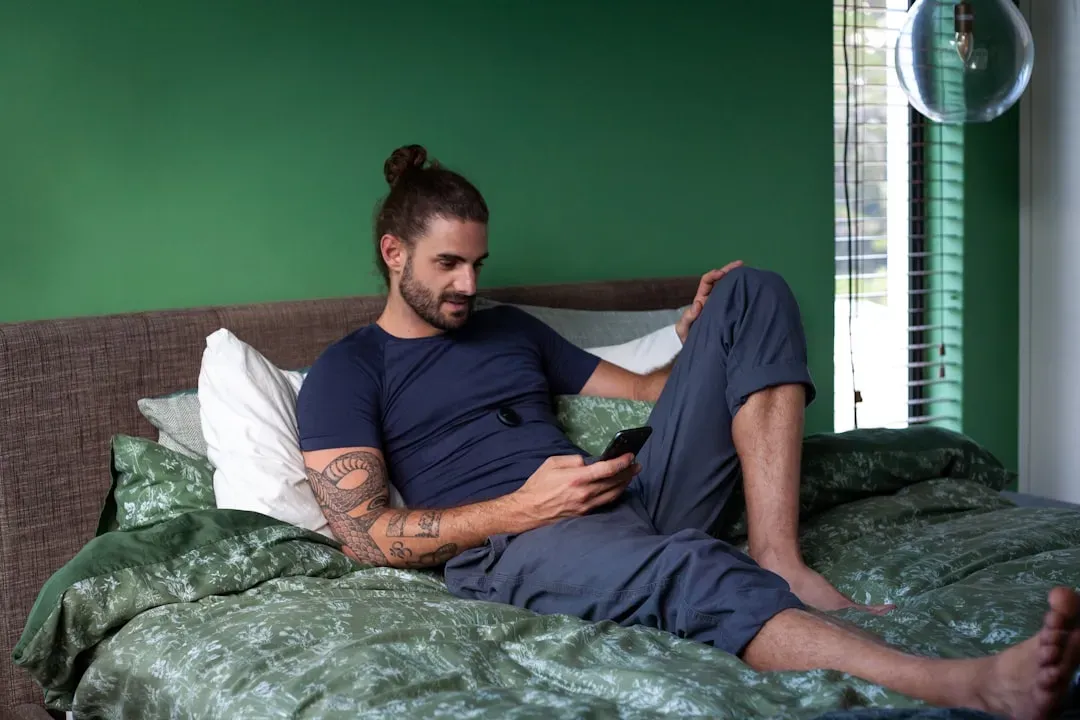
Gen Z juggles the pressure of increasingly high costs of living and student loans, high political tensions, and even a global pandemic, all while trying to maintain a perfect Instagram feed. Technology hasn’t simplified their lives so much as added a new layer of performance and pressure on top of existing problems. The assumption that tools equal ease reflects a fundamental misunderstanding of what those tools actually demand.
From an early age, Gen Z is bombarded with information about a world that’s constantly in flux. The 24/7 news cycle and never-ending social media updates easily add up to information overload. This constant exposure to global issues – most of which are negative or alarming – often exceeds our human capacity to process large-scale tragedy. Technology is as much a source of anxiety as it is a convenience.
9. “Why Don’t You Just Get a Stable Job With Benefits?”

2025 has been characterized by a “low-hire, low-fire” economy. Companies aren’t laying off workers en masse, but they’re not hiring either. Entry-level job postings have declined nearly 29% since January 2024. Telling Gen Z to simply find a stable, benefits-bearing job assumes those positions are plentiful and accessible. They increasingly are not.
Around 58% of students who graduated in the past year are still looking for their first job, compared to just about a quarter of previous graduates including Millennials, Gen X, and Baby Boomers. With only around 12% of Gen Z landing full-time work around their graduation, many are forced to spend as long as a year applying to roles in a tough job market. The stable job with benefits, once a given, has become something to compete fiercely for.
10. “We Saved Up and Lived Within Our Means”

While wages have grown modestly, they haven’t kept pace with the cost of essentials. Housing costs, in particular, have skyrocketed in many markets, consuming an ever-larger share of young workers’ income. Advertised wages in job postings grew just 2.5% year-over-year by late 2025, actually running behind inflation. Living within your means requires that your means cover your needs. For many in Gen Z, that basic equation simply doesn’t balance.
Roughly 41% of Gen Z have had to borrow money to cover their expenses, including essentials like food. About one third of Gen Z respondents worry about the cost of living above all other concerns, and roughly 46% live paycheck to paycheck. Invoking Boomer-era frugality as a template is, to Gen Z, a bit like telling someone to simply budget better while they’re already skipping meals.
11. “At Your Age, I Was Already Thinking About Retirement”

Over a quarter of Gen Z doubt they’ll retire comfortably. That’s not pessimism without cause. Research indicates Gen Z is far more likely to own crypto than have a retirement account, illustrating how they’re more willing to take on riskier investments – often because traditional savings paths feel hopelessly slow given their starting point.
Young workers have started their careers facing an unwelcoming job market, a student loan debt crisis, rising housing costs, and threats to Social Security. They’re also tasked with securing a future that feels increasingly far away. When a Boomer says they were planning their retirement at 25, it lands as a reminder of how thoroughly the floor has shifted beneath this generation’s feet.
12. “Nobody Wants to Work Anymore”

Many of the underlying themes of hustle culture that Baby Boomers bought into early in their lives and careers aren’t proving as fruitful for younger generations, especially Gen Zers who value meaning, purpose, and work-life balance more than compensation in their careers. This isn’t laziness. It’s a recalibration driven by watching previous generations grind themselves down for diminishing returns.
The vast majority of Gen Z reports being burnt out at work. While they are seemingly unhappy with the traditional work week structure, the top burnout factors include high-pressure situations, difficult people, and fast pace and tight deadlines. The “nobody wants to work” framing erases the reality that Gen Z does work – often exhaustingly – they just refuse to treat burnout as a badge of honor.
13. “We Didn’t Have Time to Worry About Climate Change”

Social media, economic instability, climate anxiety, and academic pressure all contribute to Gen Z’s rising mental health challenges. Climate anxiety is real and documented among this generation, not a lifestyle affectation. They are inheriting an environmental trajectory that was set largely by decisions made before they were born, which makes the dismissiveness feel especially stark.
Shaped by a global pandemic, economic instability, and relentless digital comparison, Gen Z is confronting unprecedented mental health challenges. Climate change sits squarely inside that constellation of pressures. When Boomers suggest they simply didn’t have time for such concerns, Gen Z hears: “We noticed the problem and moved on.” That’s genuinely frightening for a generation who can’t move on from it.
14. “Stop Renting and Just Buy Something”

When recent surveys were fielded, U.S. home prices and mortgage rates were still historically high, requiring a household income of roughly $111,000 to afford a typical home – significantly above the median household income. “Just buy something” implies the barrier is a lack of initiative rather than an income-to-cost gap that has grown to historic proportions.
The U.S. market was short nearly 5 million housing units in 2023 relative to the mid-2000s, with only about 1.45 million new homes completed that year – and Baby Boomers are snapping many of those up. The older generation currently represents roughly 42% of all homebuyers. Gen Z isn’t refusing to buy. They’re being outbid, priced out, and undersupplied in a market that structurally disadvantages them at every turn.
15. “You’ll Figure It Out – We All Did”

This one is perhaps the most insidious because it sounds encouraging. It carries the implication that every generation faced equivalent chaos and found their footing, so Gen Z will too. Gen Z has “watched the American Dream rot before their eyes, as higher education becomes a luxury good, a housing crisis exacerbates the cost of living, all backdropped by political stagnation and rapid technological advancement,” having lived through not one, or two, but three major economic downturns.
More than two in five Gen Zers believe their generation isn’t set up for success, and nearly two thirds don’t feel financially stable. “You’ll figure it out” can feel like a door closing rather than one opening – a way of ending a conversation rather than engaging with it. Words carry the weight of cultural assumptions, and when those assumptions don’t line up with reality anymore, tension brews. When Boomers say these lines, younger generations often retreat – not because they hate Boomers, but because they don’t want to feel dismissed, compared, or ridiculed.
The distance between generations has always existed. What’s different now is the data behind Gen Z’s anxiety – data that shows their fears aren’t abstract or generational mood swings, but precise reflections of a measurably harder starting line. Understanding which phrases amplify that fear, even unintentionally, is a small but meaningful first step toward something more useful than comparison.