There’s a quiet social contract at every airport, one nobody signs but everyone feels. Move efficiently, be considerate, and try not to be the reason a dozen strangers miss their connection. Most people break that contract not out of selfishness, but out of simple unawareness. They show up in the same outfit they’d wear to a weekend brunch, without once thinking about how it’ll perform inside a tightly packed, time-pressured, shared space.
What you wear to the airport matters more than you think, not just for your own comfort, but for everyone sharing that terminal with you. From seasoned TSA agents to travel etiquette experts, the consensus is clear: certain clothing choices turn a manageable journey into a collective nightmare. These nine items are the most reliable culprits.
1. Heavily Bedazzled or Sequined Tops

Sparkly clothing, especially festive sweaters, can interfere with body scanners and cause delays during screening. On December 18, 2025, the TSA took to social media to share a reminder that body scanners may have difficulty processing sparkly items, which can lead to delays in the screening process. In a lighthearted post, the agency urged travelers to skip the glittery holiday sweaters and instead opt for more practical clothing to help speed up the process.
The line grinds to a halt while you get extra wanded, frustrating dozens waiting patiently. Former agents say this happens often during peak travel, amplifying holiday stress. The glitter isn’t worth the collective groan it produces. Save the sequins for your destination, not the checkpoint.
2. Elaborate Metal Jewelry Stacks

Metal detectors at security checkpoints are highly sensitive to any metallic items, including jewelry, watches, and clothing with metal embellishments. Large metal necklaces, chunky bracelets, and multiple rings can trigger the detector, requiring you to remove them for separate screening. Even small metal buttons or studs on clothing can cause delays.
While TSA agents are trained to be respectful and professional, having to remove multiple pieces of jewelry or explain various piercings can be time-consuming and potentially embarrassing in a public setting. Every extra beep from the scanner adds seconds that multiply across a long queue. It’s a good idea to pare down your accessories significantly for travel days.
3. Overly Baggy or Excessively Loose Clothing
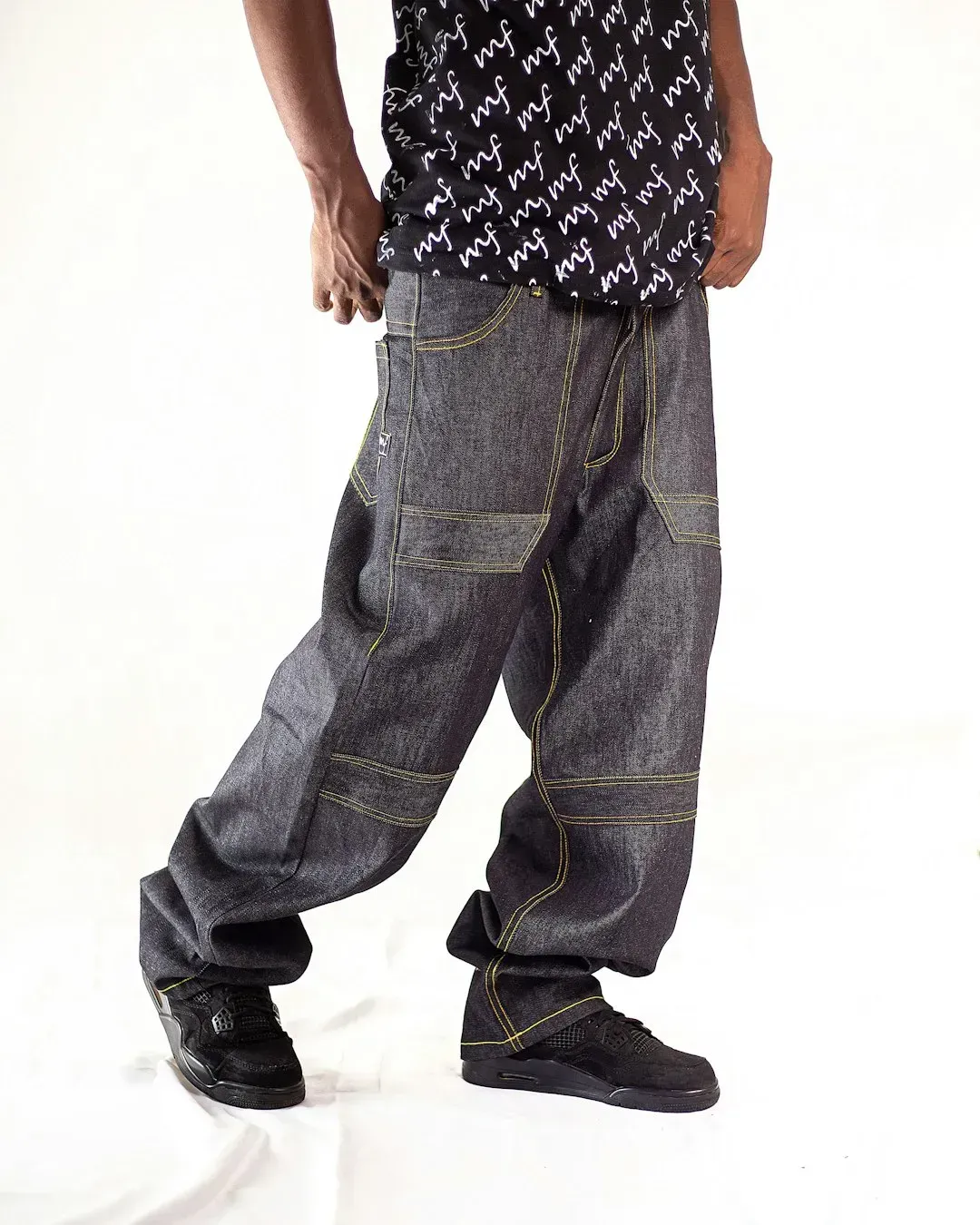
Former TSA agent Kimberly Pruitt explained that TSA agents are required to inspect travelers wearing baggy clothing to make sure that they aren’t smuggling dangerous or banned objects that could harm their fellow passengers. It’s not just baggy sweaters and oversized pants that are red flags; maxi skirts and large dresses might lead to extra inspections and a pat-down, too.
According to reports, security agents may stop people wearing loose clothing for a pat-down or extra search, which takes more time and can feel embarrassing. A surprising number of travelers don’t realize their comfort-first wardrobe choice is exactly the kind of thing that flags attention at the checkpoint. Comfort is a legitimate goal; just know that an oversized silhouette can quietly shift the entire line’s pace.
4. Heavy Metal Belt Buckles
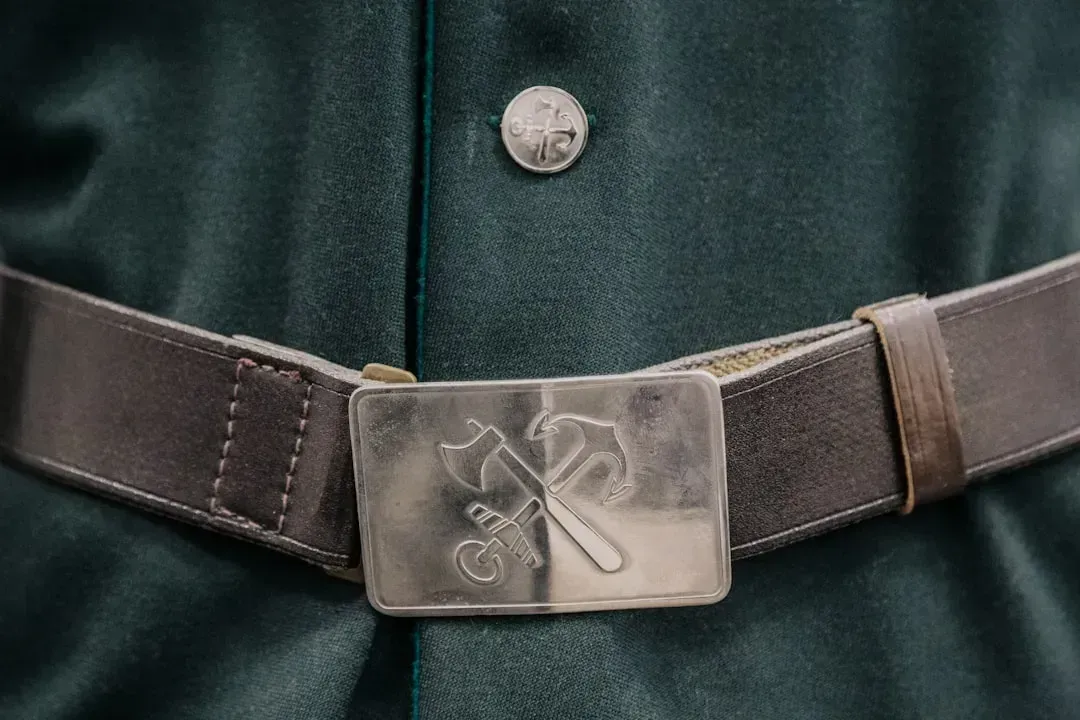
Belts with metal buckles must be removed during screening, regardless of size. This requirement can cause delays, especially if your belt is intricately woven through belt loops or if you’re wearing multiple layers. It sounds trivial until you’re standing at the conveyor belt, pants barely staying up, while a growing queue builds behind you.
Metal buckles love triggering alarms. Unbuckling holds up pants and the line alike. Try traveling in pants or shorts that do not need a belt, or opt for a non-metal clasp. The time you save will be your own, and you won’t be the person holding up a queue of weary travelers who just want to get to their gate.
5. Complicated Lace-Up Boots or Buckled Footwear
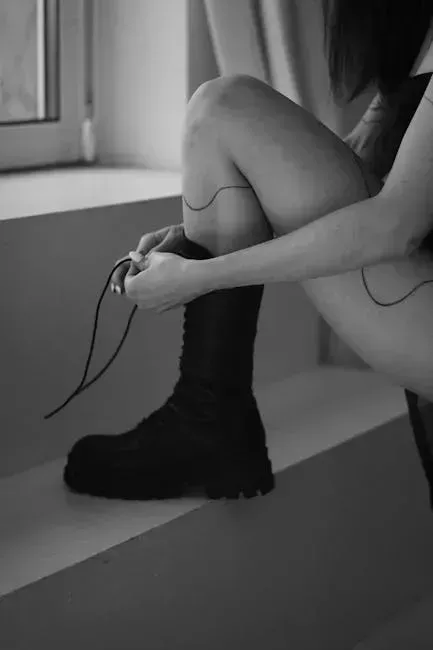
The TSA recommends that travelers do not wear shoes that lace up excessively or have complex buckles or zippers that make taking them off and putting them back on again a pain for all involved. If you choose to wear some knee-high lace-up shoes, just know you’re going to be holding up, and likely annoying, your fellow travelers.
Boots with metal components, shoes with thick soles or hidden compartments, and footwear with excessive buckles or decorative metal elements will likely be flagged for additional inspection. Platform shoes and thick-soled sneakers are particularly problematic because their dense soles can obscure potential threats during scanning. Slip-ons aren’t the most stylish option, but they are the kindest one for everyone in line behind you.
6. Bulky Outerwear Worn All at Once
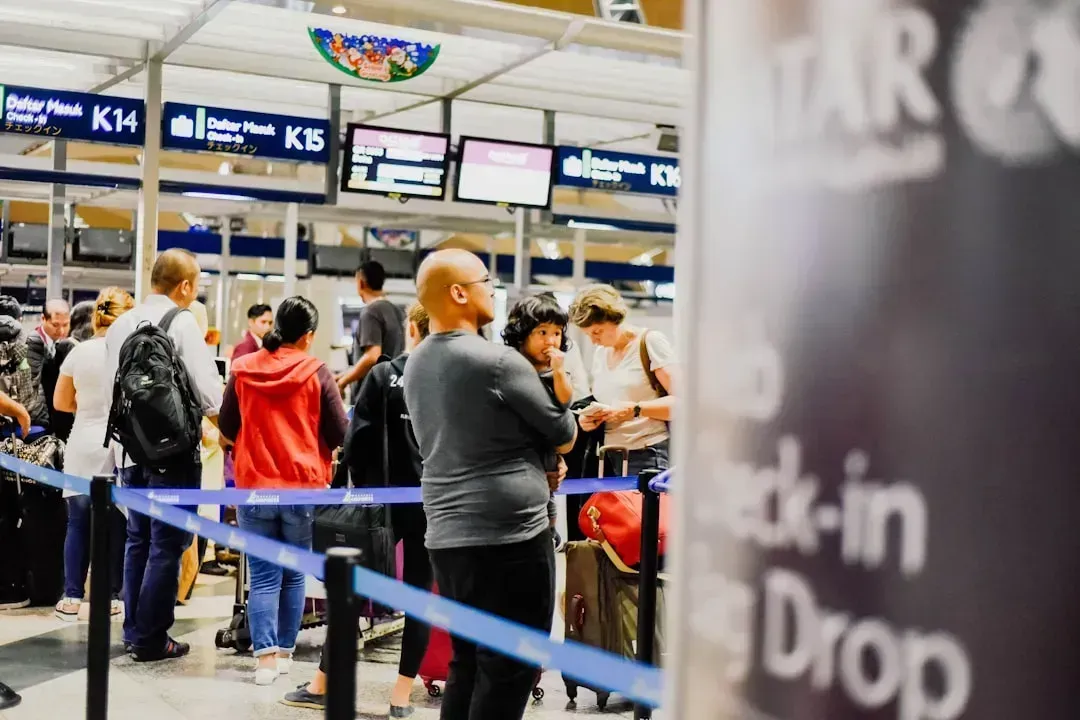
Light outerwear, such as windbreakers, vests, large sweaters, hoodies, and cardigans, often trigger additional screening, as they can obscure body scans. These items must be removed to ensure TSA officers get a clear image during the security process. Arriving at the checkpoint in three layered coats plus a vest isn’t preparedness; it’s a bottleneck.
According to results from a USA Today Blueprint survey, roughly six in ten travelers have made a mistake at a TSA checkpoint in the last five years, and unprepared outerwear is a major contributor to that statistic. The TSA defines bulky clothing as a garment that is very loose or doesn’t conform to the contour of the person, with examples including oversize pullover hoodies, large sweaters, cardigans, and ponchos. Have a plan before you reach the belt, not while standing on it.
7. Heavily Scented Clothing or Perfume

Strong fragrance is one of the fastest ways to make a terminal feel smaller than it already is, and airports are full of close lines and sealed waiting areas where a scent that felt subtle at home can land as sharp, stale, or headache-inducing in public. Odors are intensified on a plane, where passengers are cramped in close quarters and stale air is recycled throughout the cabin. Some travelers have genuine fragrance sensitivities or allergies, and in a sealed tube flying at 35,000 feet, they have exactly zero options.
This one doesn’t slow the security line at all. It does something worse: it makes every shared waiting area and boarding zone genuinely uncomfortable for the people around you. Odors are intensified on a plane, where passengers are cramped in close quarters and stale air is recycled throughout the cabin. A lighter application, or skipping it on travel day entirely, is a small act of consideration with a wide radius.
8. Offensive or Provocative T-Shirts

Spirit Airlines formally revised its contract of carriage on January 22, 2024, specifying that passengers may be denied boarding for being barefoot or inadequately clothed, wearing see-through clothing exposing private areas, or displaying lewd, obscene, or offensive tattoos or clothing. The precise line is left deliberately vague, which means the decision about what crosses it is made by airline staff in the moment, often under pressure.
Stories of flyers being prohibited from planes due to poor wardrobe choices abound, and for most of them, the trouble occurred after they had made it through the screening process. Still, agents may pull you aside for additional screening if they perceive a threatening or questionable message on your T-shirt. An airport is full of families, children, and people of every background. A shirt that felt edgy at home can inject a very different kind of energy into a crowded terminal.
9. Pajamas and Full Bedroom Attire
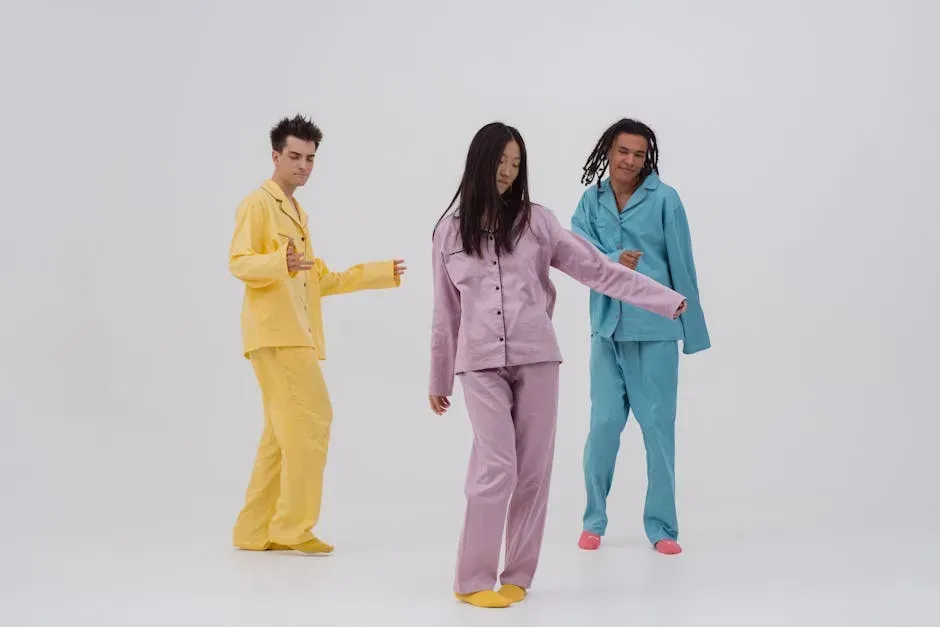
The Department of Transportation highlighted statistics of travelers behaving badly, including a 400% increase in in-flight outbursts since 2019, with the number of unruly passenger events doubling between 2019 and 2024. Tampa International Airport even became the first airport to announce a dress code rule in early 2026 via a post on X, banning pajamas from the premises, while noting that airports generally do not have official fashion rules, but many airlines maintain their own dress codes.
Transportation Secretary Sean Duffy urged Americans to do their part in creating a “golden age of travel” that’s focused on being helpful, minding your manners, and dressing better. His department highlighted some statistics of travelers behaving badly, including a 400% increase in in-flight outbursts since 2019 and the number of unruly passenger events doubling between 2019 and 2024. The pajama debate is genuinely contested, and the comfort argument is understandable given how cramped modern air travel has become. Still, nearly one in four Americans wants them banned on flights, calling the sloppiness distracting and unprofessional. That’s a meaningful portion of your fellow passengers who feel, rightly or not, that it raises their own stress level.
None of this requires dressing for a red carpet. The real ask is proportionately modest: think about how your outfit functions in a shared, time-sensitive space. A few small wardrobe decisions made before leaving home can noticeably reduce tension for yourself and for everyone standing in line beside you.