
There’s a certain nostalgia that surrounds childhood in the 1960s, 70s, and 80s. Long summer days, absolute freedom, and a general sense that kids were tough enough to handle whatever came their way. It’s a picture that many people look back on fondly, and in some ways it genuinely was simpler.
Yet a closer look at the specifics reveals a different story. Parenting standards have evolved dramatically over the decades, reflecting changing attitudes about child safety, development, and rights, and what was once considered normal child-rearing practice might result in visits from Child Protective Services today. Some of what our parents did casually, without a second thought, we now understand to carry serious risks. Here are eleven of the most striking examples.
1. Putting Babies to Sleep on Their Stomachs

Before the 1990s, it was standard practice to put babies to sleep on their stomachs. Research later showed this practice increased the risk of sudden infant death syndrome, or SIDS. Pediatricians actually recommended the stomach position for decades, believing it reduced the chance of a baby choking on spit-up. That assumption turned out to be wrong.
The NICHD launched the “Back to Sleep” campaign in 1994 to spread the message, and it was successful in significantly reducing the percentage of babies sleeping on their stomachs. Since the campaign launched in 1994, the incidence of SIDS has declined by more than 50%. Entire generations of children slept on their bellies because their parents were following the best advice available at the time, not knowing the risk they were unknowingly accepting.
2. Letting Kids Ride Completely Unrestrained in Cars

During car rides in the 1960s, seat belts and child car seats were rarely used, if at all. Children would freely move around in the vehicle, often standing on the seats to look out the windows. This practice would be unthinkable now due to strict safety regulations. Some kids even napped in the rear window shelf of the family station wagon, which sounds almost fictional now.
For many families in the 1980s, riding in the back of a pickup truck was part of summer itself. Kids sat on the wheel wells, held the rails, or sprawled beside coolers and sports gear on the drive home. In vans and wagons, loose cargo and unbelted children mixed freely without much thought. Modern injury data made that habit indefensible. Ejection risk, rollover fatalities, and impact trauma are dramatically higher when passengers are unrestrained or riding in cargo areas.
3. Smoking Around Children, Constantly

The dangers of secondhand smoke were not widely acknowledged until the 1990s, so many parents thought nothing of smoking cigarettes with babies in their arms, children on their laps, or in their cars as they drove their kids around. It wasn’t considered reckless. It was just Tuesday evening after dinner.
Surveys from the 1980s and 1990s found that about half of all children lived where at least one person smoked indoors. Exposure to secondhand smoke causes respiratory infections, ear infections, and asthma attacks in children. Adults routinely smoked in cars and homes with children present, and in some jurisdictions today, smoking in a car with minors is illegal, and exposure to secondhand smoke could even be considered in custody decisions.
4. Leaving Children Alone in Parked Cars

In the 1980s, many parents thought nothing of leaving a child in the car for “just a minute” while they ran into the bank, pharmacy, or convenience store. The logic was simple: the errand was quick, the doors were locked, and the child could sit tight. In many suburbs, this was treated as routine rather than reckless.
That attitude has changed dramatically because modern research on heatstroke, abduction risk, and accidental injury is impossible to ignore. According to pediatric safety experts, the temperature inside a parked car can rise fast enough to become deadly even on mild days. Children are also more vulnerable because their bodies heat up more quickly than adults. Today, laws in many states specifically address leaving children unattended in vehicles, and prosecutors have not hesitated to file neglect or endangerment charges when the outcome is serious.
5. Giving Kids Toys Painted With Lead

Until the late 1970s, many children’s toys and household paints contained dangerous levels of lead. Unaware of the risk, parents unknowingly exposed their children to lead particles. When ingested or inhaled, these could cause developmental delays, behavioral issues, and serious health problems. Parents weren’t negligent. There simply was no widespread warning, and the paint was marketed as safe.
Lead paint was banned for use in house paint, on products marketed to children, and dishes or cookware in the United States in 1978. There is no known safe level of lead exposure, as it is a potent neurotoxin that can cause permanent, irreversible brain damage. Toys made in the 1970s and 1980s have been shown to contain high lead levels, which means those colorful vintage playthings passed down through families could still pose a genuine risk today.
6. Sending Children to Buy Cigarettes at the Store

Children were often sent to the store with a note to buy cigarettes for their parents. Shopkeepers would hand them over without question, often adding candy to the purchase. Today, this would result in serious legal consequences for both the parent and the store owner. It’s the kind of errand that sounds entirely made up to younger generations, yet it was genuinely commonplace.
Sending your kid to buy cigarettes, with the shopkeeper gladly passing over the goods, is unthinkable nowadays. Eighties kids were sent off with cash in hand to pick up a pack. Now, the thought of sending children to buy cigarettes is an unfamiliar image, and the local corner shop wouldn’t be allowed to hand them over. The shift reflects both legal change and a much deeper cultural reckoning with what we ask children to do on behalf of adult habits.
7. Letting Kids Roam the Neighborhood All Day With No Contact

Children would leave home after breakfast and roam freely until dinner time. No cell phones, no GPS tracking, just the rule to be home when the street lights came on. Modern parents attempting this could face charges of neglect. For many adults alive today, this was simply childhood. The idea that it could now carry legal consequences feels genuinely jarring.
Formal after-school care options were limited, and latchkey parenting was socially accepted. However, research later showed that prolonged unsupervised time increased risks of accidents, emotional distress, and exposure to unsafe situations. Fire-related incidents, household injuries, and anxiety disorders were more frequent among unsupervised children. Developmental experts now stress that children lack the cognitive maturity to handle emergencies alone.
8. Physical Discipline Used Freely and Openly

Spanking and physical punishment were widely accepted disciplinary tools in the 1980s, often recommended by parenting books and reinforced by school policies. The approach was rooted in obedience-based models that prioritized immediate compliance over emotional understanding. At the time, limited research examined long-term psychological effects. Later studies consistently linked corporal punishment to increased aggression, fear-based behavior, and weakened parent-child trust.
Spanking, yanking, and smacking children in public were far more visible in the 1980s than they are now. A child melting down in a grocery store might be grabbed hard by the arm or hit in the parking lot, often with approving looks from bystanders who believed strict discipline built respect. It was normalized in a way that feels jarring today. Public tolerance has collapsed. A bystander who sees a parent strike a child may record the incident, call police, and describe it as assault rather than discipline.
9. Cycling Without Helmets as Completely Normal

Before the 1980s and 1990s, biking without a helmet was the norm for children. The potential for serious head injuries during a cycling mishap was dramatically higher, leading to tragic consequences in some cases. The widespread adoption of bike helmets has significantly reduced such risks, marking an essential advancement in child safety.
The modern bicycle helmet wasn’t introduced until 1975, and states didn’t begin passing helmet legislation until the late 1980s. By 1980, nearly 1,000 cyclists were killed annually, with half a million visiting emergency rooms, yet helmet use remained virtually nonexistent among children throughout both decades. The casual freedom of those helmet-free rides came with a quietly staggering human cost that most families never fully knew about.
10. Using Food as Punishment or Reward

In the 1980s, food was commonly used as a behavioral management tool, with desserts offered for good behavior and disliked foods forced or withheld as punishment. This practice reflected a limited understanding of childhood nutrition, psychology, and emotional eating patterns. Parents often believed food-based rewards were harmless motivators that reinforced discipline.
Later research revealed that linking food to behavior disrupted natural hunger cues and emotional regulation. Children exposed to this approach were more likely to associate comfort, stress relief, or achievement with sugary or processed foods. Over time, this contributed to overeating, guilt around food, and unhealthy eating habits. It’s a subtle form of harm that took decades to fully understand, and it was practiced with the best of intentions by parents who genuinely thought they were doing the right thing.
11. Encouraging Children to Hitchhike
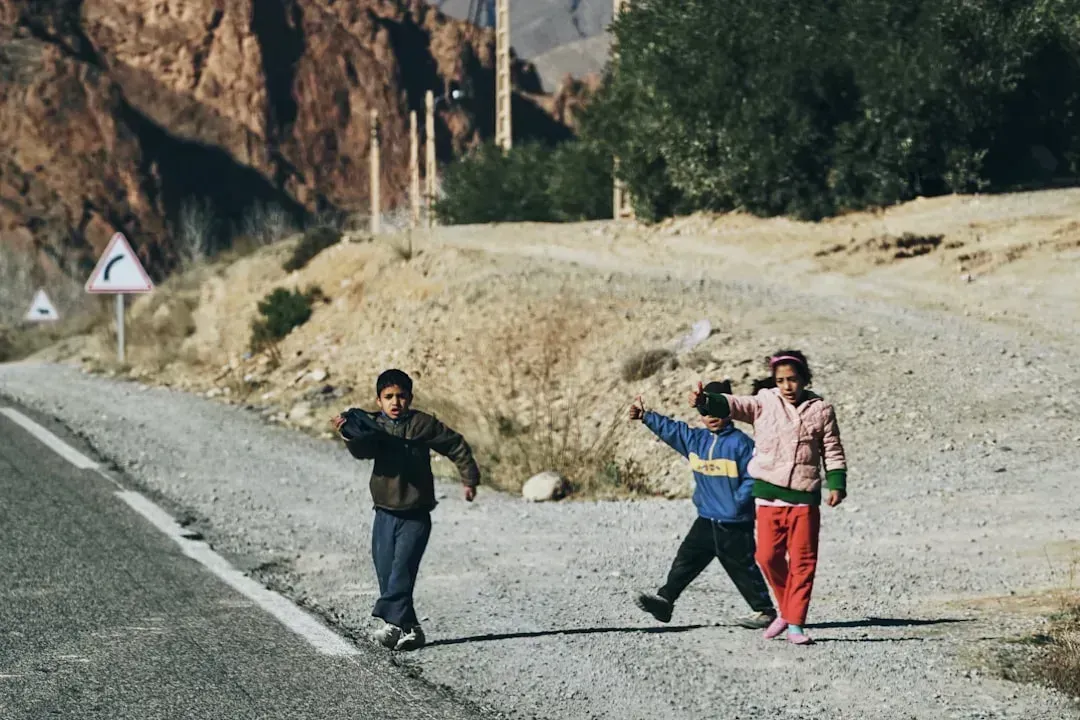
Teenagers regularly hitchhiked to football games or practice when parents couldn’t drive, and parents even encouraged it as a practical solution. Today, allowing minors to hitchhike could result in endangerment charges. It was seen as resourcefulness, a sign that a young person could handle themselves in the world.
Childhood in the 1970s reflected a period when independence, resilience, and self-direction were strongly valued. Parents generally believed that children learned best through experience rather than constant supervision. Safety standards were limited, research on child development was still emerging, and many risks were underestimated or accepted as normal. As science, medicine, and public awareness advanced, many everyday childhood activities were reevaluated. Laws were introduced, products were redesigned, and parenting philosophies shifted toward prevention rather than reaction. That shift, frustrating as it can sometimes feel, has saved a great many lives along the way.