
Picture the scene: bags checked, coffee in hand, boarding pass ready. You hand over your passport at the gate and watch the agent’s expression shift. A few keystrokes later, they look up and tell you that you won’t be getting on the plane. Your passport hasn’t expired. Your visa is fine. Yet here you are, grounded. This is happening to thousands of travelers every year, and the reason almost always comes down to a date printed in small type that most people never even think to check.
Passport validity rules are far more layered than “is it expired?” The specific detail causing havoc at gates worldwide is the validity window tied to your passport’s expiration date, and in some cases, its issue date too. Understanding the difference between what your passport says and what your destination country actually requires can be the line between a smooth departure and a frantic phone call to a travel insurer.
The Six-Month Rule Most Travelers Don’t Know About
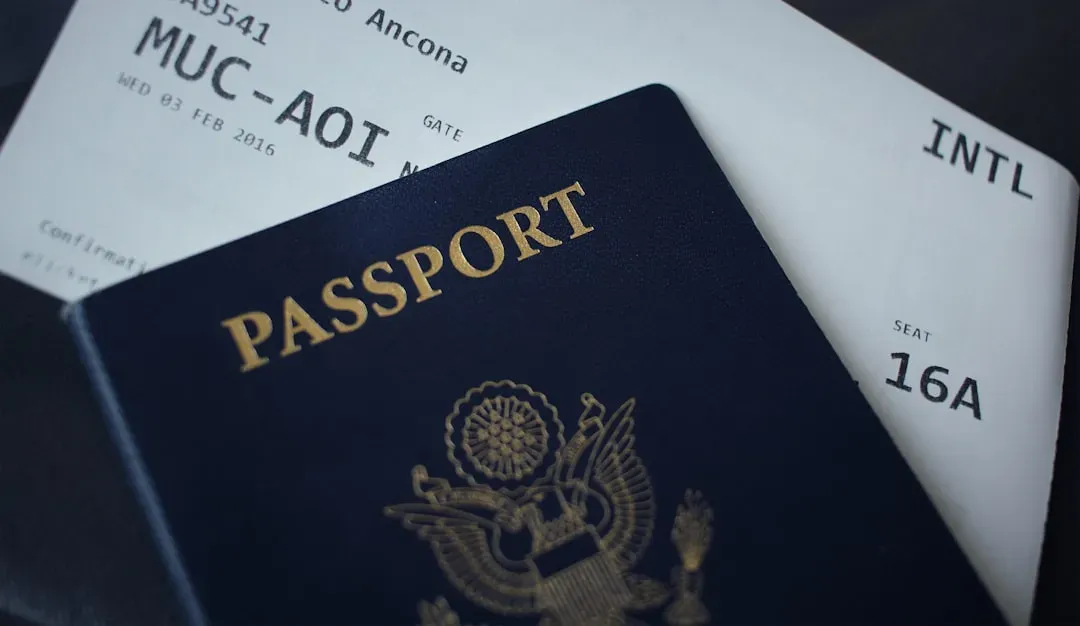
Many nations enforce a guideline that mandates your passport must remain valid for six months after your date of entry into the country. This isn’t a suggestion. Failing to meet this rule can result in denied boarding or being turned away at immigration.
Many countries require your passport to be valid for a certain period after your planned date of entry or exit, often six months. The six-month rule means your passport must be valid for at least six months beyond your intended date of departure from the foreign country. This is enforced by dozens of countries across Europe, Asia, Africa, and the Middle East. The alarming part is how quietly this rule operates. Most travelers simply don’t know it exists until they’re standing at the gate.
Why One Day Short Can End Your Trip Before It Starts
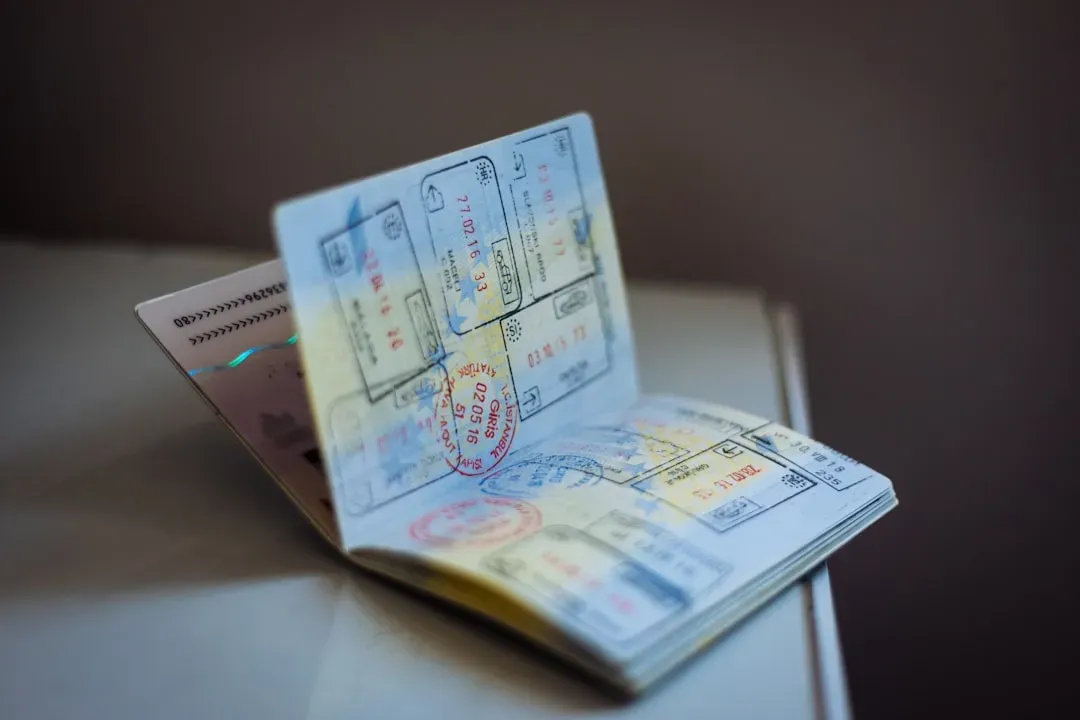
Many countries apply a six-month validity rule, usually measured from the date of entry, not from the return flight. If the passport expires inside that window, the traveler can be stopped before boarding because the airline cannot confirm the person will be admitted. The math matters down to the calendar day.
Airlines do not round up to the next month or accept verbal assurances. A single day short can block boarding because the carrier would be responsible if entry is refused. There’s no negotiating room at the counter. The system returns a result, and that result is final.
The System Running the Decision: What Timatic Actually Is

Timatic is the database that airlines use to decide whether you have the right documents to board an international flight. Managed by the International Air Transport Association (IATA) and first established in 1963, it stores entry requirements for over 220 countries and territories, drawing from more than 2,000 government and airline sources. It’s not a human judgment call. It’s a database lookup.
With over 700 million passengers’ travel documents checked using Timatic each year, airlines rely on this extensive network of over 2,000 government and airline officials worldwide to provide accurate and up-to-date information. The most important detail many travelers miss: airlines rely on IATA Timatic, a global database used at every check-in counter. If Timatic shows “boarding not allowed,” the airline has no authority to override the rule.
The Schengen Area’s Hidden Trap: The Issue Date
Traveling to Schengen countries, your passport must be less than ten years old upon entry, and upon exit, it must have at least three months of validity remaining. This means both the issue date and the expiry date of your passport come into play. That second part catches people completely off guard.
The ten-year issue rule means that even a passport with a valid expiry date can be rejected if it was issued more than ten years ago. Passports renewed before October 2018 may have extra months added to their expiry date that don’t count toward the ten-year limit. For Schengen travel, this can make a passport technically invalid even if it appears to have more than six months left. It’s a trap that has caught a significant number of UK travelers since Brexit, and it still does.
Countries That Don’t Follow the Six-Month Rule
There are 90 countries that do not require six months of passport validity: 36 require three months, while the remaining 54 have specific regulations that may be more or less strict than the six-month rule. So the rule isn’t universal, which is part of what makes it so confusing to navigate.
Although popular, the six-month passport validity rule isn’t universal. Some countries, like Australia, Mexico, Canada, and Schengen countries, allow US passport holders to enter even if their documents expire in under six months. Countries requiring the full six months include mainland China, Mongolia, Vietnam, Cambodia, Laos, Thailand, Malaysia, Singapore, Indonesia, India, Nepal, Pakistan, Kuwait, Saudi Arabia, Bahrain, Qatar, the United Arab Emirates, Oman, Jordan, Egypt, and Turkey. The list is long, and it skews heavily toward some of the most popular travel destinations on earth.
When Transit Countries Make Things Even Stricter

Connections are a major reason the validity window is enforced at the gate. A transit country may require more remaining validity than the final destination, and the airline must treat that requirement as binding. Even if the traveler plans to stay airside, disruptions can force an overnight hotel, a terminal change, or a new routing that requires entry.
If you are transiting through a country with a stricter rule, you may face additional passport validity requirements regardless of your final destination’s policies. Major transit hubs like Dubai, Singapore, and Frankfurt have specific policies for transit passengers. While many offer visa-free transit for short layovers, some may impose passport validity requirements that affect travelers with expiring documents. Booking the cheapest routing without checking transit rules is one of the most common ways well-prepared travelers get caught out.
How Airlines Can Be Stricter Than the Destination Itself
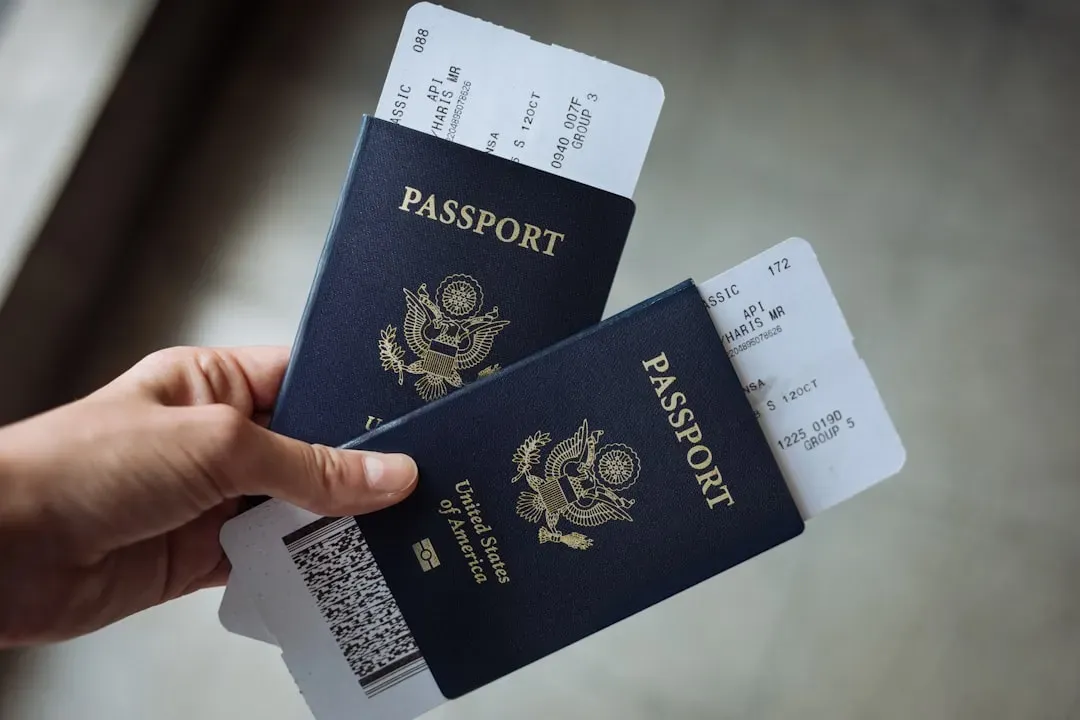
Airlines face financial liability when passengers are denied entry at their destination. If you’re refused entry due to passport validity issues, the airline must provide return transportation at their expense. Airlines may therefore deny boarding if your passport is close to expiring, even if the destination country allows it.
Many airlines adopt conservative approaches, applying six-month validity rules across all destinations to minimize risk. This blanket policy may prevent travel to countries that actually accept shorter validity periods, creating unnecessary restrictions for informed travelers. In short, even if you’ve done your research and confirmed that your destination only requires three months, the carrier checking you in might apply a stricter standard anyway.
The EU’s Entry/Exit System Is Raising the Stakes Further

As of October 12, 2025, the Entry/Exit System (EES) is being used in place of manual passport stamping at all Schengen borders. Each non-EU traveler registers biometrically upon their first entry into the EU, providing fingerprints and a facial image. Each entry and exit is tracked automatically, eliminating the need for border officers to count individual stamps.
The official ETIAS website indicates ETIAS will start in the last quarter of 2026 for travelers from visa-exempt countries visiting 30 European countries for short stays. ETIAS is linked to your passport, and the authorization will be tied to that specific passport document. That does not replace the underlying EU passport validity rules. ETIAS passport validity rules should be understood as an extra travel-authorization layer, not a substitute for the existing requirement that your passport be valid long enough and, for many travelers, issued within the last ten years.
What the Practical Fix Actually Looks Like

Frequent flyers keep at least seven months of validity to cover six-month rules plus delays or reroutes. That buffer also helps if a return flight is moved forward and the stay becomes longer than expected. Renewal processing can take time, so checking validity well ahead of time reduces the chance of needing an urgent appointment.
You don’t need to be an airline employee to use Timatic. IATA offers a free consumer portal at iatatravelcentre.com where anyone can run the same type of query that a check-in agent would perform. Several major airlines also embed Timatic-powered widgets directly on their websites, usually under a “travel documents” or “entry requirements” section. Running that check before you ever book, not just before you fly, is the single most reliable way to avoid the moment of dread at the gate.