
Most people think of classroom disruption as the thing that keeps teachers up at night. A chair scraping, a phone buzzing, a student talking over a lesson. Those things are real, and they are exhausting. Yet many educators will tell you that the behaviors they find most troubling are the quiet ones. The student who stops raising a hand. The one who drifts through the day without really landing anywhere.
Across the country, teachers are navigating a classroom landscape that looks noticeably different from what it did five or six years ago. The number of educators reporting worsening student behavior since the pandemic has continued to increase. Against that backdrop, seven specific behaviors stand out as the ones that genuinely, quietly concern the educators who see them every day.
Sudden Withdrawal From Social Interaction

A student who was once chatty at lunch and now sits alone. One who used to linger after class and now slips out without a word. Social circles are important to a teenager’s sense of identity and self-esteem, and isolating or withdrawing from friends can be caused by various emotional factors. A student might fear losing control of their emotions around others, feel too tired to engage, or have anxious thoughts affecting their self-esteem. If a student is spending increasing amounts of time alone before and after school, during lunch, or between classes, this may indicate a mental health concern.
Over time, social isolation feeds into increasingly unhelpful and negative thoughts about oneself, others, and the world. It can lead to worsening feelings of depression, shame, anger, guilt, fear, and anxiety. Teachers notice this shift before almost anyone else does, precisely because they observe a student’s daily rhythms. That shift from connection to isolation is rarely nothing.
A Noticeable Drop in Academic Engagement
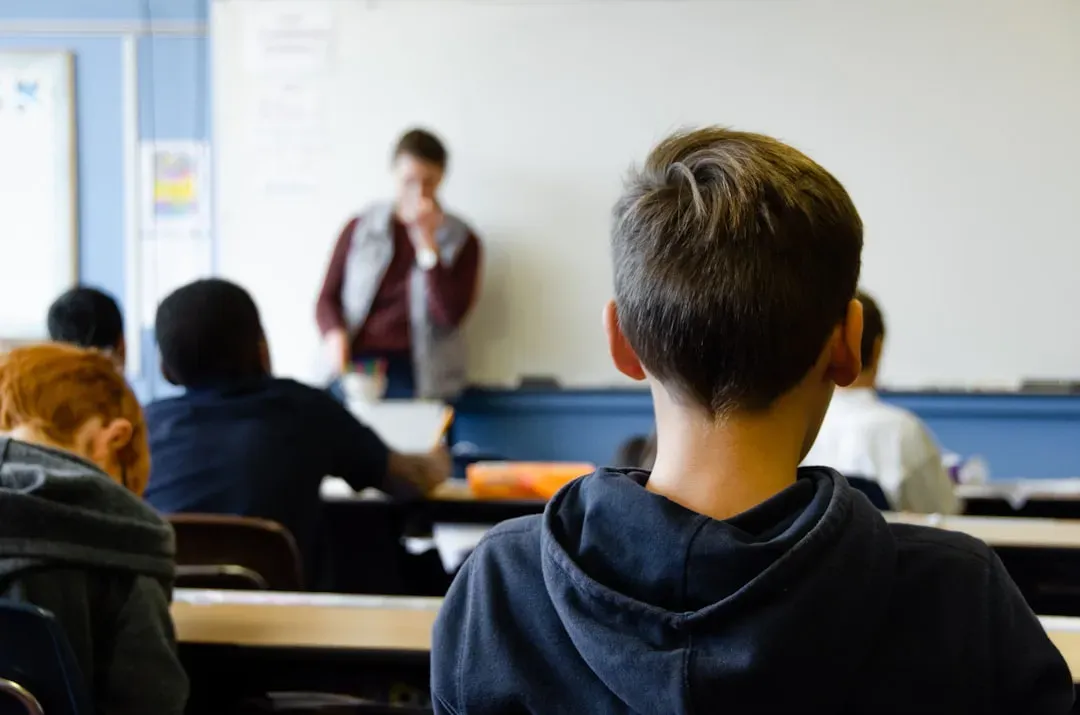
When teachers were asked to identify markers of student emotional distress, they most often described relying on academic indicators. Academic struggles have been found to be the greatest predictor of mental health service use among students. It is not just about grades slipping. It is the student who stops volunteering answers, who submits work that looks nothing like what they used to produce, or who suddenly seems uninterested in a subject they once loved.
Common early signs include lack of class participation, inability to stay focused, incomplete assignments, slipping grades, frustration with coursework, avoidance of school or academics, and a change in behavior or mood. Educators who know their students well often describe a specific internal alarm that goes off when a capable student begins pulling back from the work. That alarm deserves attention.
Persistent Apathy and Loss of Motivation
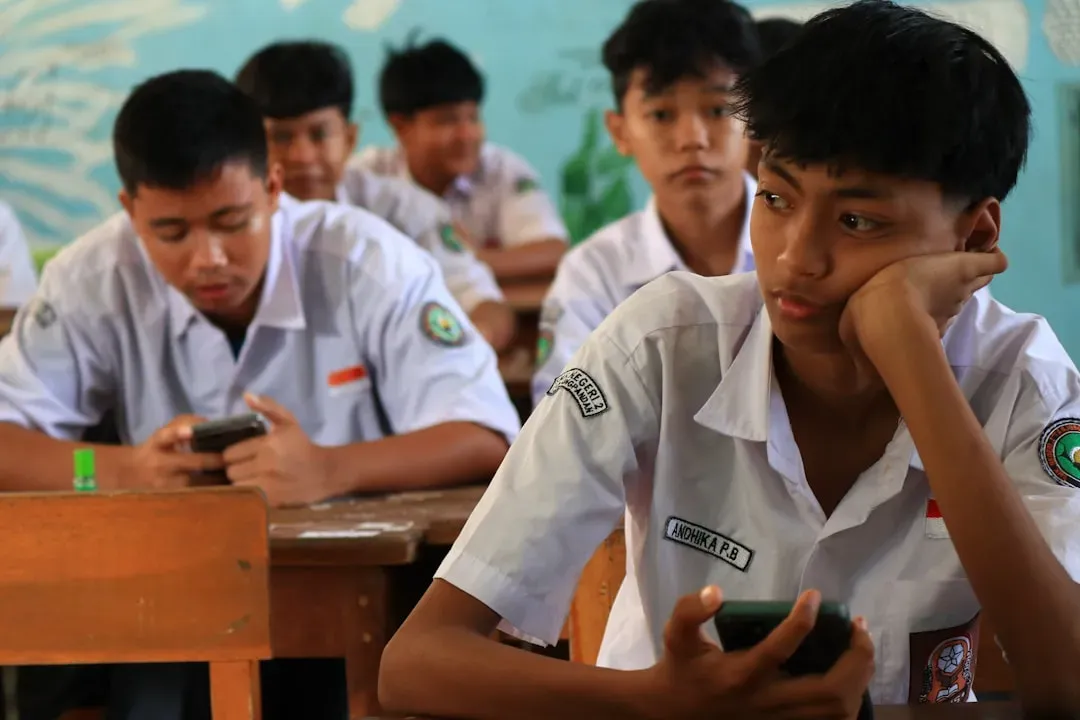
One of the most pervasive changes observed in classrooms in recent years is a rise in student apathy and a lack of motivation. The shift to remote learning disrupted traditional educational routines and often resulted in a disengaged student body. What concerns teachers is not the occasional bad week. It is the student who has settled into a kind of permanent low-level detachment, going through the motions without any visible spark.
Increased anxiety, frustration, and apathy are making academic engagement a genuine challenge across many classrooms. When students struggle to keep up, it can sometimes manifest as disciplinary problems in the classroom. The pressure to succeed without adequate support can lead to frustration and disengagement. Apathy that lingers for weeks is rarely just a phase. It is often a signal that something else is going on beneath the surface.
Excessive Phone Dependence During School Hours
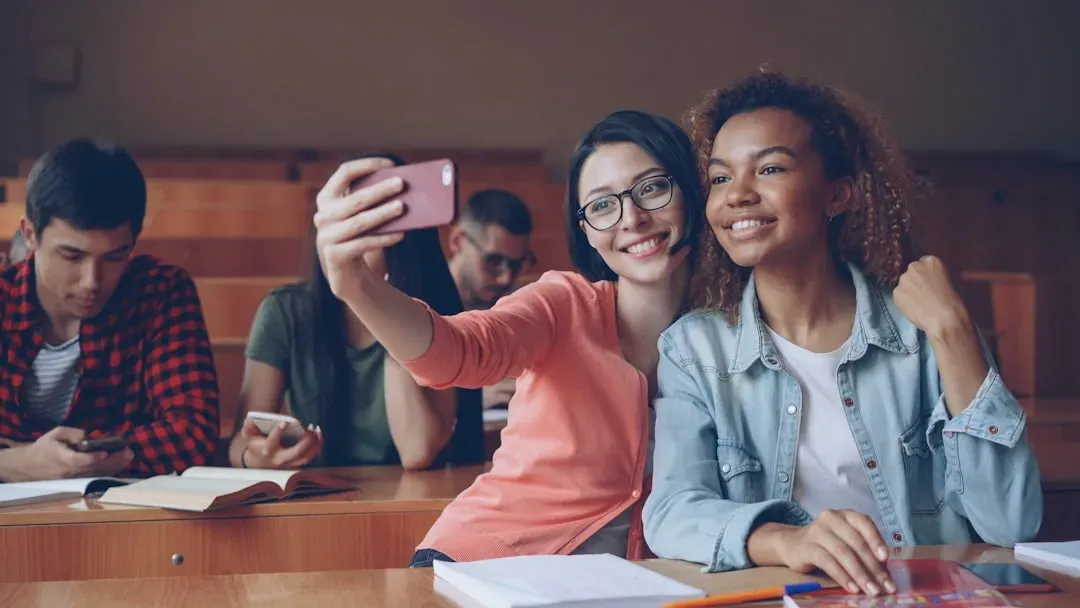
As schools transitioned from remote learning back to in-person instruction, many educators noticed significant changes in student behavior, including increased apathy, disrespect, defiance, and cell phone and social media addiction. What troubles many teachers is not just the distraction itself, but the degree to which some students seem genuinely unable to function without their device. The phone has become a coping mechanism, not merely a habit.
When students were told to turn their phones off and put them away for the duration of a standardized exam, some panicked. The idea of being without their phone for three hours caused some of them what one teacher described as physiological anxiety. The ongoing struggle over cellphones in the classroom has helped push behavioral concerns to the forefront of job-related stress for teachers. When separation from a device produces real distress, educators start to worry that the device is filling a void that deserves a much closer look.
Chronic Absenteeism and Pattern Disappearances
Chronic absenteeism has been associated with a wide range of problems, including lower reading achievement and reduced engagement in school, and ultimately a higher risk of dropping out. Researchers estimated that roughly one in five students across the United States was chronically absent in the 2024 to 2025 school year. Those totals are significantly higher than the estimated rate of students who were chronically absent prior to the pandemic.
Many youths are struggling with mental health challenges after the pandemic, and increased anxiety or depression may be driving students to miss more school. Teachers notice the student who starts disappearing from class not in a dramatic burst but gradually, a day here, two days there, until weeks of instruction are gone. An alarming number of youths have reported that missing three weeks of school is “mostly OK,” which researchers suspect reflects disinterest in what they are missing or a belief that they can easily keep up from home. That casualness about absence is itself a warning sign.
Unpredictable Emotional Outbursts or Mood Shifts
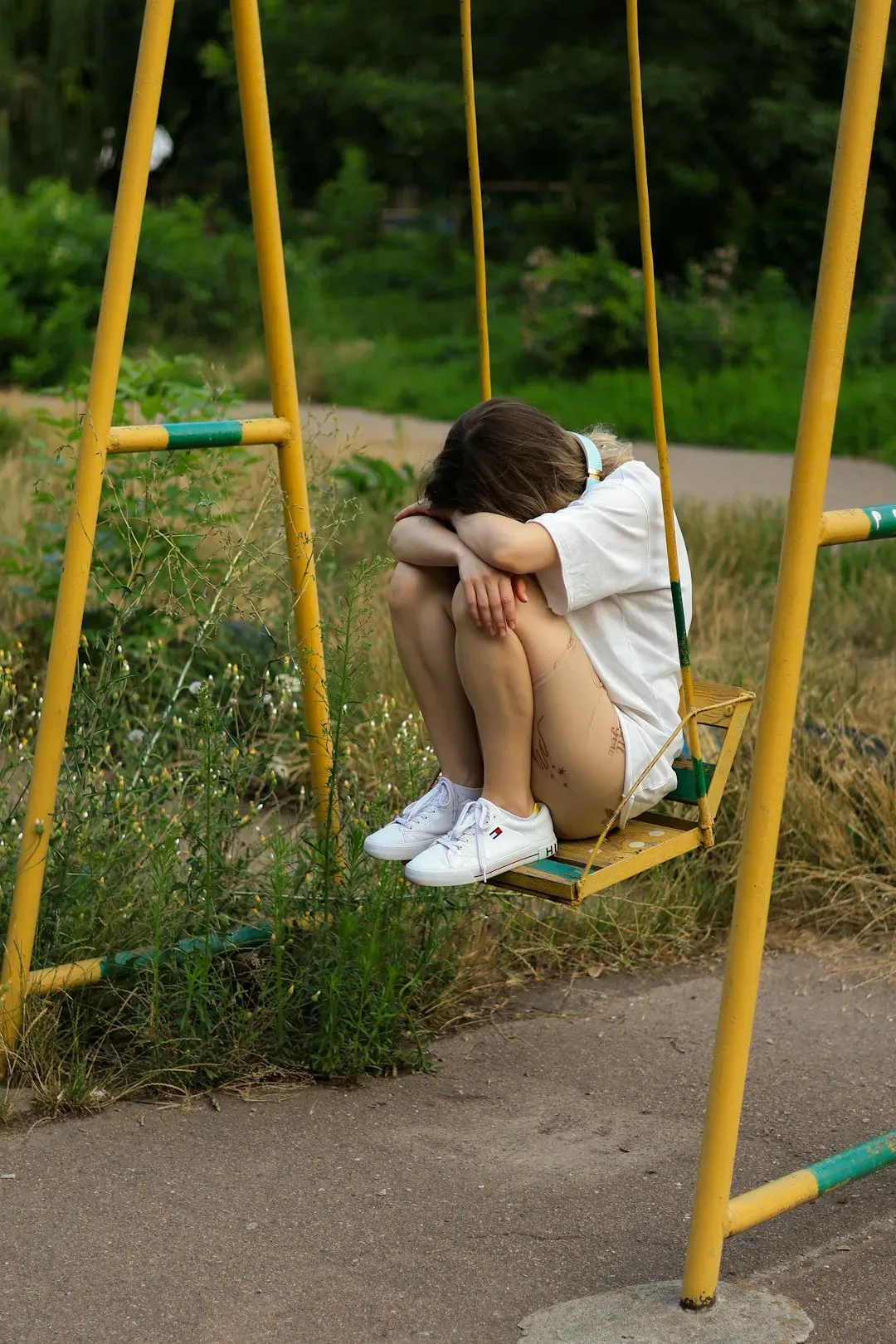
More frequent emotional outbursts, even from students who were previously well-regulated, have become one of the most consistent themes educators describe in 2025. What distinguishes a concerning mood shift from typical adolescent temperament is the change over time. Teachers place a high value on indicators of change over time, and research suggests that educators may be more attuned to dramatic alterations in student behavior over the course of the year than to static markers.
Mood swings are a normal part of being a teenager, and hormonal shifts and rapid physical changes can lead to quick ups and downs in emotions. Yet conditions like depression can contribute to persistent feelings of sadness or regularly acting in unpredictable ways. A student who was emotionally stable in September and is unrecognizable by February is telling a story. Teachers who are paying attention hear it, even when the student cannot say it out loud.
Difficulty Transitioning Back to Structure and Routine
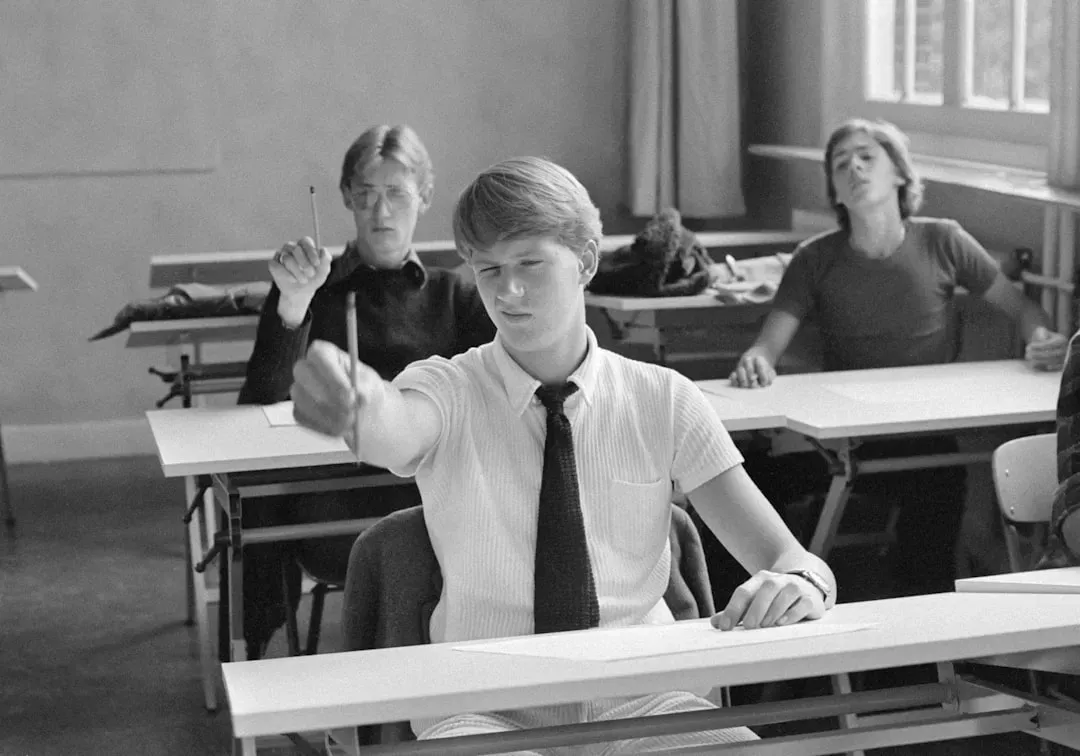
Difficulty with transitions, collaboration, and focus is especially visible in students after returning from remote learning, and it remains a prominent challenge for educators today. This looks different from classroom to classroom. Sometimes it is a student who cannot settle after a break, who resists group work, or who shuts down entirely at the first sign of friction. Many educators have reported an increase in disrespectful and defiant behavior among students since returning to in-person learning. The lack of face-to-face interaction and the over-reliance on virtual communication tools during the pandemic may have weakened students’ social skills and their ability to adhere to classroom norms.
The average public school teacher in Delaware now spends roughly seven hours per month managing student outbursts and other behavioral challenges, with middle school teachers losing closer to ten hours of instruction time per month. What concerns educators most is not the friction itself, but the student who seems genuinely unable to access the coping tools that most of their peers have. That gap points to something that classroom management alone cannot fix. Although teachers are already heavily burdened by their workload, they are increasingly subject to elevated expectations when dealing with diverse student needs and behaviors, and research indicates that educators’ stress and poor mental health reduces their own motivation to help students reach academic goals.