Bartenders notice things that most people never realize they’re broadcasting. The way someone grips a glass, how quickly they drain it, or what they order the moment they sit down alone speaks volumes before a single word is exchanged. Over twelve years behind a bar, patterns emerge that no psychology textbook fully captures but that repeated, close observation makes unmistakable.
What follows isn’t about judging people for what they drink. It’s about understanding the deeper psychology that research has steadily confirmed: the drink in your hand often reflects how comfortable you actually feel in the room you’re standing in. People with social anxiety report that aside from totally avoiding anxiety-inducing situations, alcohol use is one of their primary means of coping. That behavioral truth plays out, one order at a time, every single night.
The Double-Order on Arrival
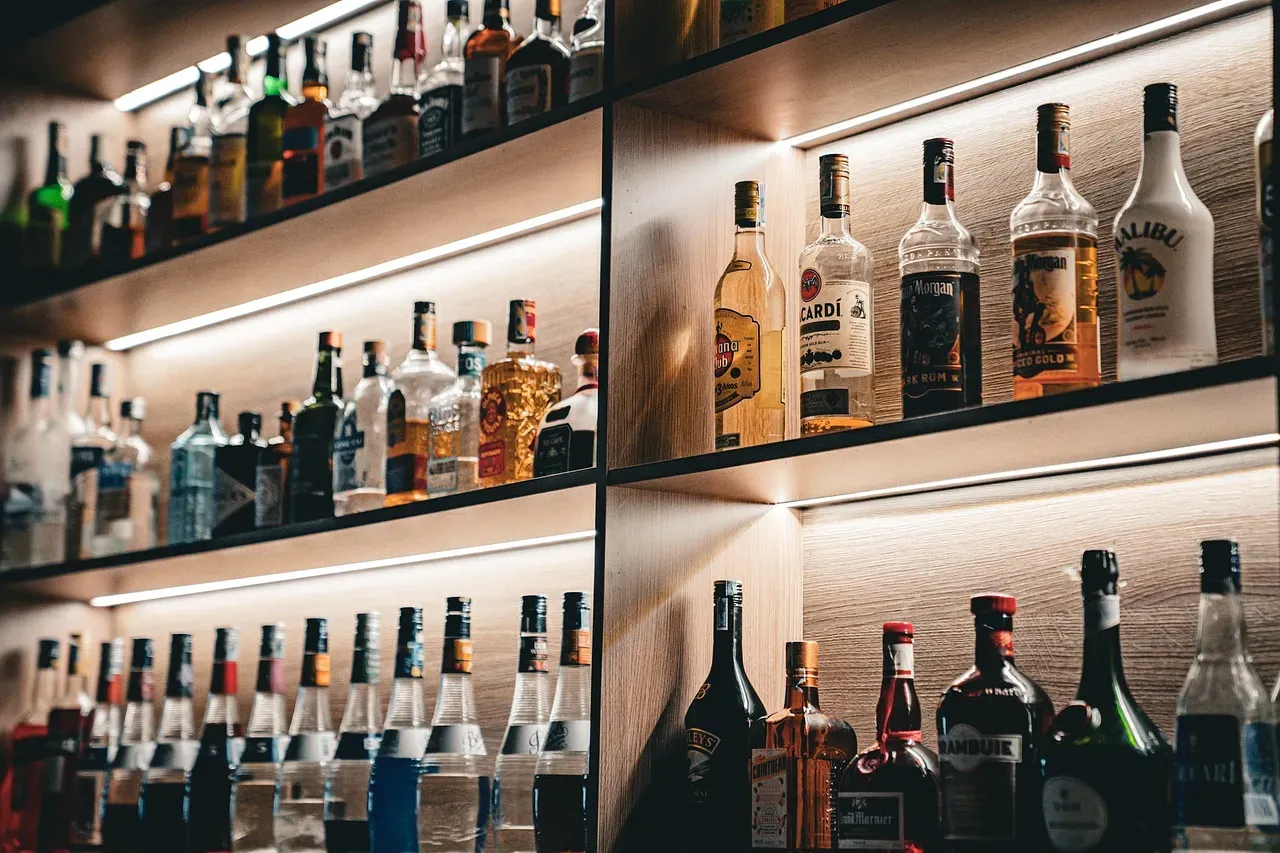
Walking into a bar alone or joining a group mid-event triggers something specific in socially anxious people: they order two drinks at once. It seems efficient on the surface, but the underlying impulse is rarely about saving time. Research within community and clinical samples has shown that individuals with social anxiety drink during social situations to feel more relaxed, and are also more likely to drink before engaging in a planned social activity that they believe will make them anxious.
The double-order is a version of that same pre-loading instinct, compressed into a single bar transaction. Socially anxious persons may drink more often while alone, before social situations for “liquid courage,” and after social situations to manage negative thoughts about their performance. Ordering two drinks at once is the bar-top version of all three happening simultaneously.
The Straight Shot of Whiskey, Ordered Twice in Ten Minutes
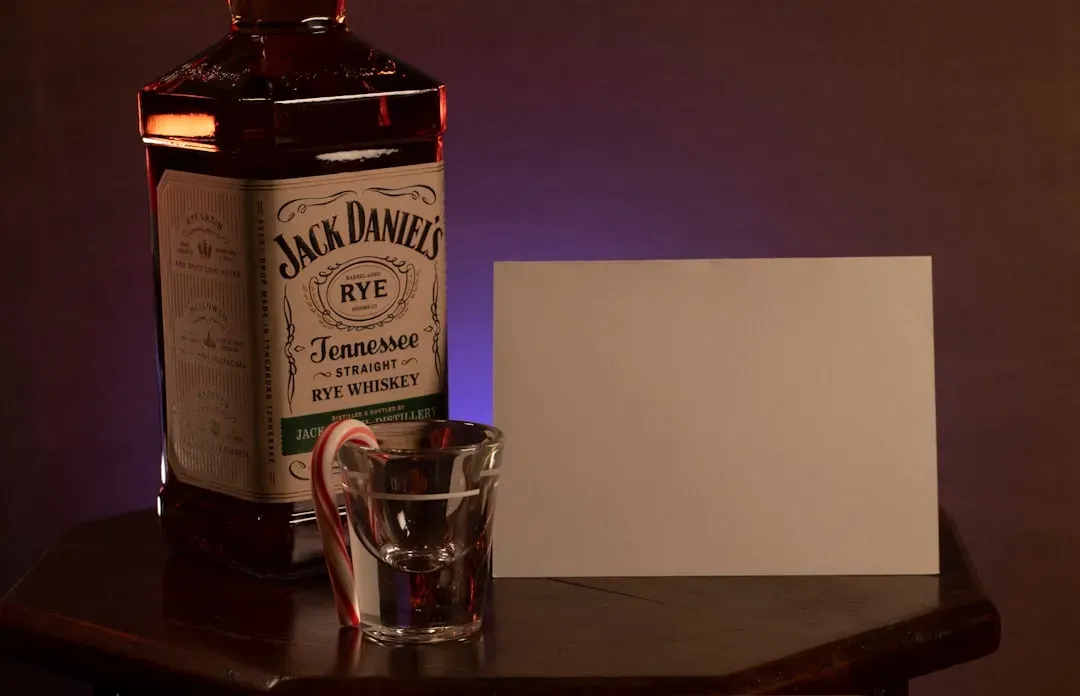
A single shot of whiskey says confidence. Two shots in rapid succession, especially when the person is scanning the room between them, says something closer to managed panic. It is possible that positive expectancies, specifically beliefs that alcohol will relieve social anxiety whether supported by fact or not, play a role in the relationship between social anxiety and alcohol use. People with social anxiety may drink excessively because they strongly expect alcohol to reduce their anxious feelings in social situations.
The second shot arrives before the first has had any real physiological effect. That tells you the motivation isn’t enjoyment; it’s anticipation. The depressant effect of alcohol does calm the nerves and make socializing seem smoother in the moment. The person ordering rapidly is chasing that effect before it can even arrive.
The Complicated Cocktail No One Around Them Is Drinking
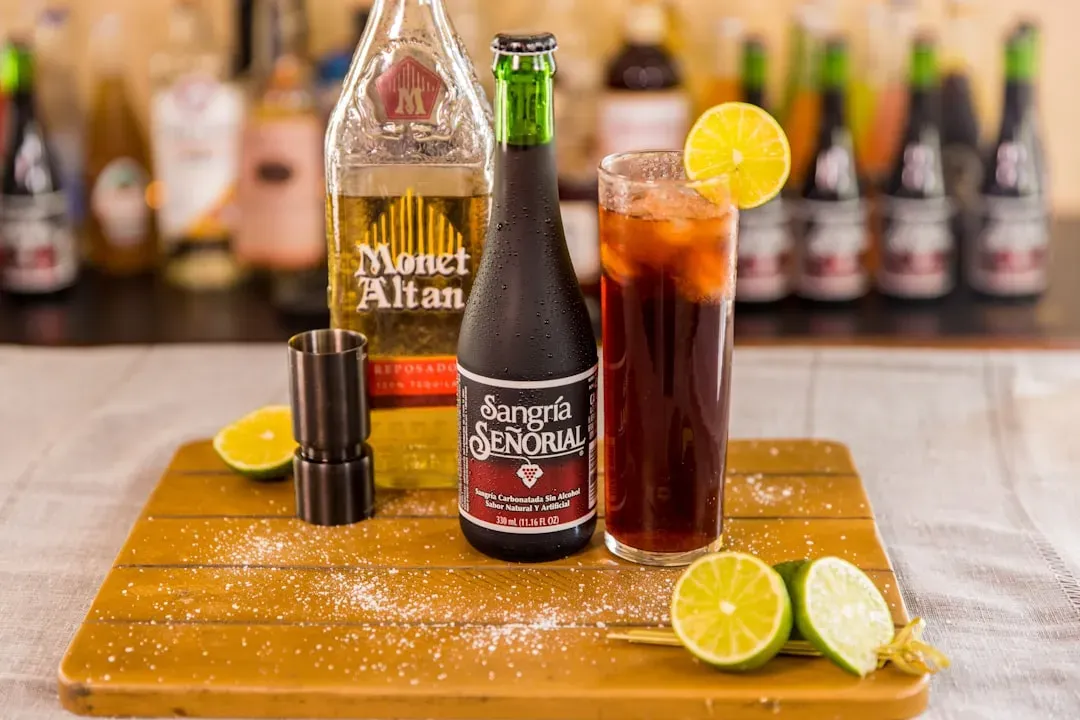
Ordering an elaborate, highly specific cocktail in a setting where everyone else is drinking beer or wine can be a sign of something more social than it looks. Research investigating situational alcohol consumption among socially anxious individuals has found support for conformity motives, with individuals endorsing drinking in order to fit in with peers who were also drinking. The person who does the opposite, deliberately standing out through a drink order, is sometimes doing so to create a conversational anchor, a way to feel interesting or noticed in a situation where they feel invisible and uncomfortable.
The drink becomes an identity prop rather than a genuine preference. It gives them something to do with their hands, something to explain if asked, and a reason to feel distinct. None of that is necessarily conscious, but it’s consistent enough behind the bar to be recognizable.
The Vodka Soda, Held But Barely Touched
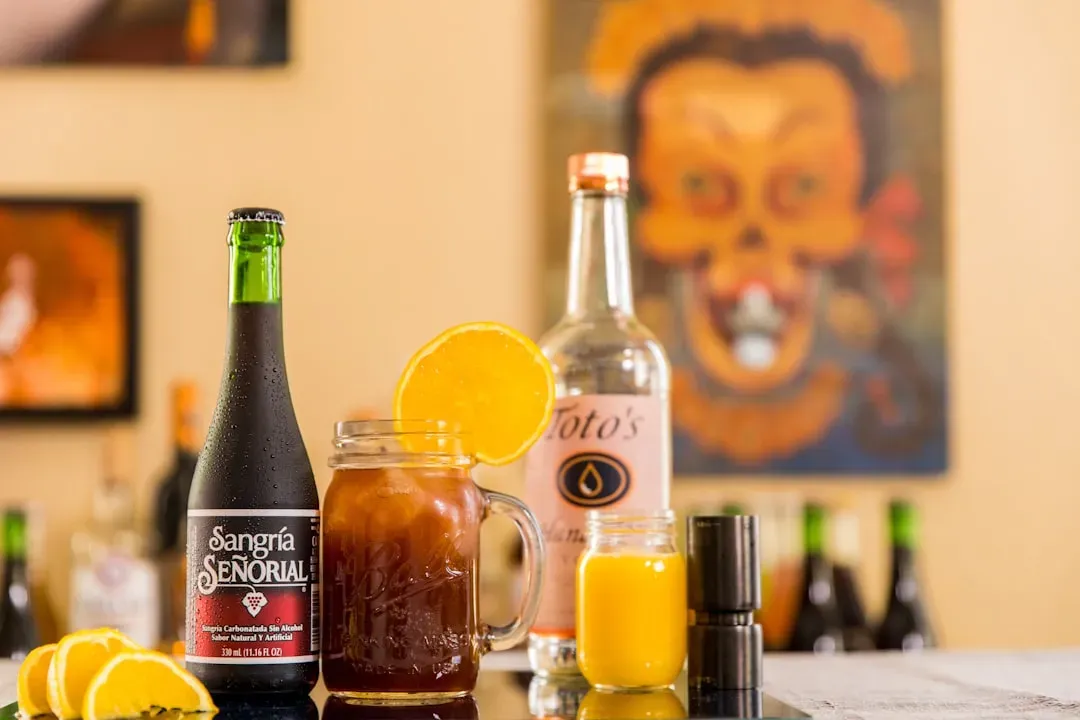
This one is subtle. Vodka soda is essentially the camouflage drink of social anxiety. It looks like everyone else’s drink, it smells like nothing in particular, and it requires almost no explanation or defense. Findings suggest that the presence of strangers within a given environment may play a role in the drinking behavior of socially anxious individuals. The vodka soda serves as a social passport, something to hold so you look like you belong, even when you’re not sure you do.
The tell, though, is when it sits on the bar going warm while its owner stares at a phone or scans the crowd without making eye contact. Many people with social anxiety disorder overanalyze everything they do during social situations. They may feel awkward when talking, worry about constantly humiliating themselves, and assume that every social interaction will go poorly. The drink is there. The person, mentally speaking, is somewhere else entirely.
Club Soda with Lime, Ordered with Visible Hesitation
People who are avoiding alcohol for personal, health, or recovery reasons often navigate this order with quiet discomfort. One of the most difficult parts of going out during the first few times is when the server offers the drink menu. Uttering the words “I do not drink” can be especially difficult. The hesitation before ordering the non-alcoholic option, the quick glance to see if anyone is watching, the overly casual tone when saying it, all of it signals a layer of social stress that has nothing to do with the drink itself.
Club soda with lime is specifically chosen because it looks convincingly like a gin and tonic or a vodka soda. Abstaining from alcohol is nothing to be ashamed of, but some still prefer to be careful about broadcasting it. The careful mimicry of an alcoholic drink reveals that the person is managing not just their own anxiety but their fear of how others will perceive their sobriety.
The Beer That Gets Nursed for Over an Hour
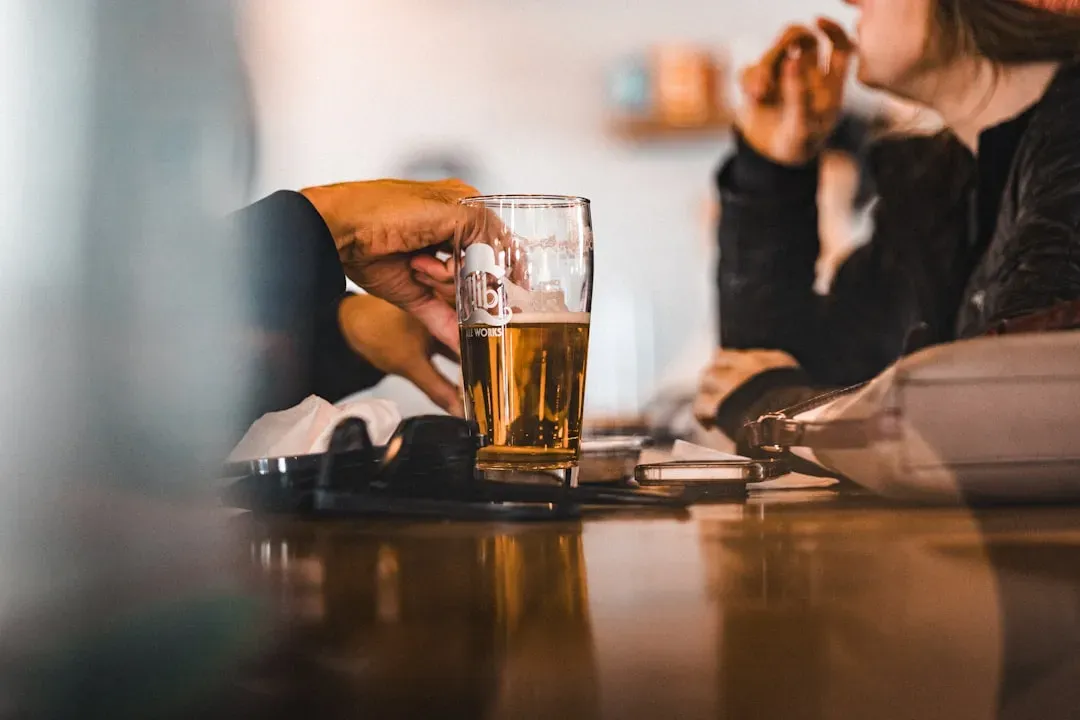
A socially anxious person at a bar often orders one beer and nurses it for the entire night. On the surface this looks restrained, even healthy. In reality, it’s frequently a stalling tactic. The drink occupies the hands and provides a reason to stand somewhere without needing to actively engage. The socially anxious group was significantly more likely than controls to report using alcohol to feel more comfortable in social situations and to avoid social situations if alcohol was unavailable.
The nursing behavior is a form of that same avoidance in action. Finishing the drink means either leaving or committing to another one, and both decisions require a kind of social resolution that feels daunting. Using alcohol to cope with anxiety is essentially a form of avoidance. Numbing up mentally allows us to avoid facing what scares us. The warm, half-finished beer is often just a social anxiety prop in disguise.
The Round-Buyer Who Downs Theirs First
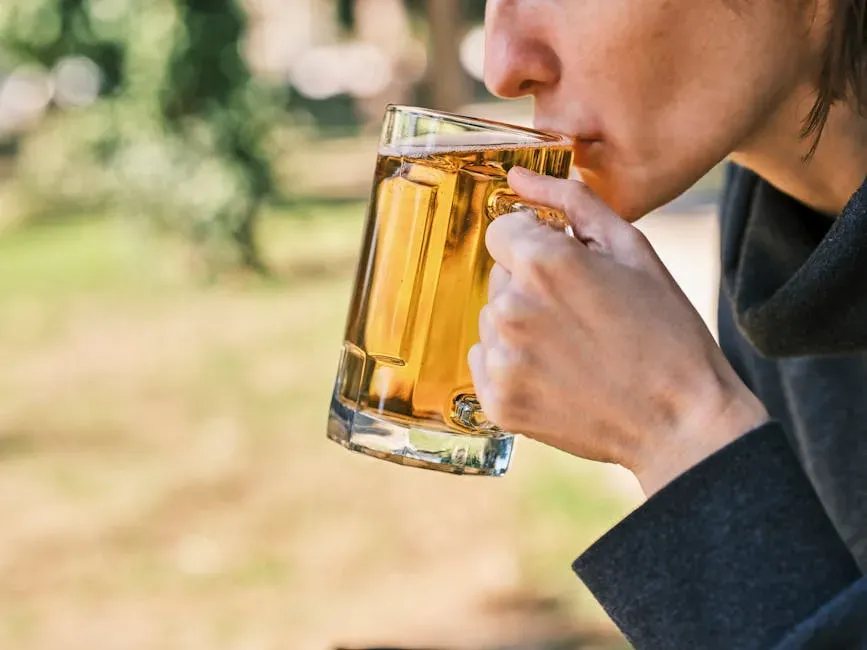
Buying a round is a social ritual, a gesture of generosity and belonging. But when the person who insists on buying the round also drinks their own glass fastest, well ahead of the group, the behavior shifts from generous to anxious. Individuals with comorbid alcohol use and social anxiety disorders report drinking specifically to alleviate tension in social settings at higher rates than those with alcohol use disorder alone.
Buying the round creates a social role: provider, organizer, the one who knows what they’re doing. It’s a way of establishing value in the group without having to sustain a conversation. People may use substances to feel more sociable, to lessen their concerns about other people’s perceptions of them, or to feel more at ease in uncomfortable social situations. Racing through the drink, however, gives away that the ease they’re performing doesn’t quite match what they’re actually feeling.
The Mocktail Ordered with an Excuse Already Attached
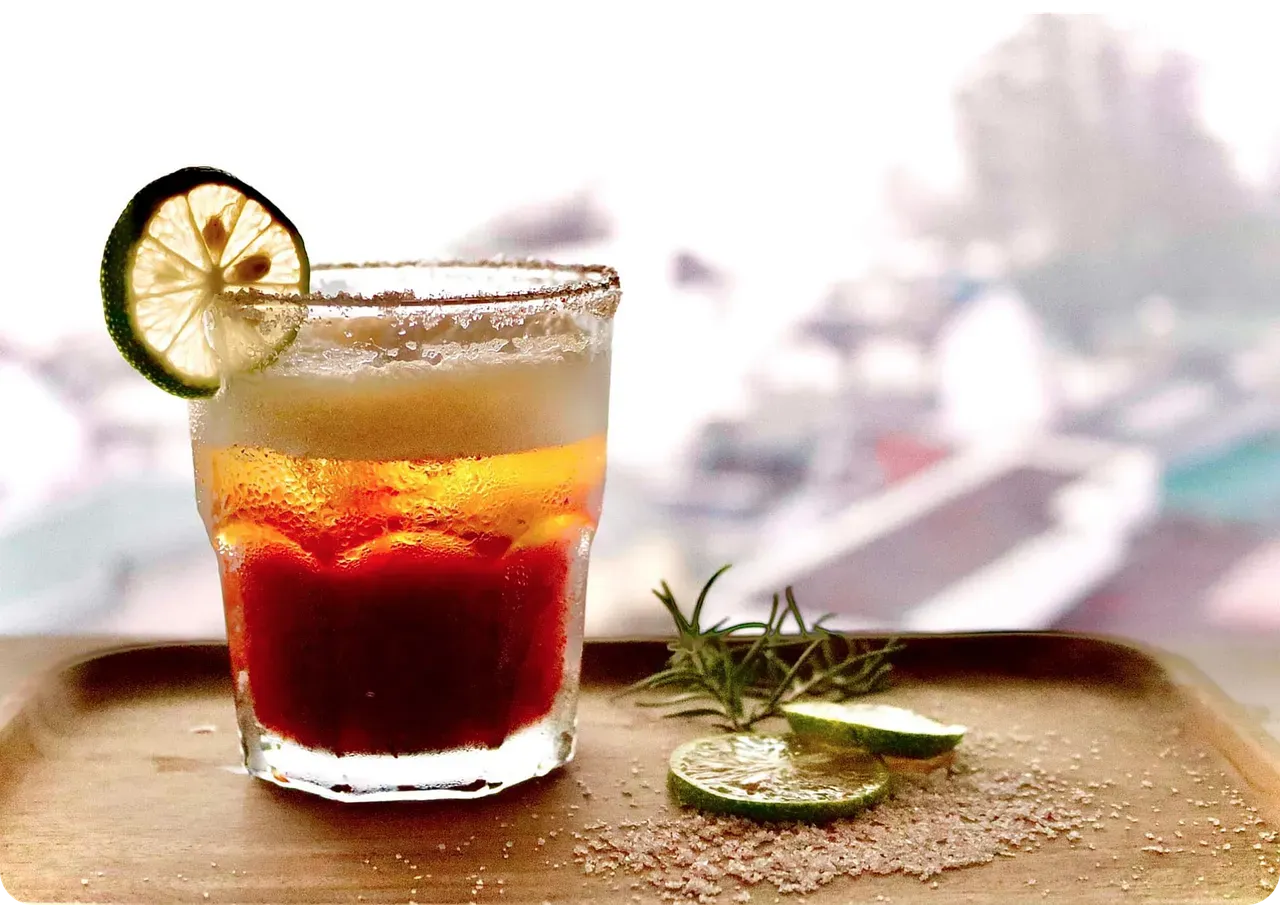
Ordering a mocktail isn’t in itself a signal of anything except personal preference. The giveaway is when it arrives with an unsolicited explanation: “I’m on antibiotics,” “I have an early morning,” “I’m driving.” Mocktails let people join social events tied to drinking; they can still go out, have a great time, and not feel judged. The drink is a perfectly reasonable choice. The pre-emptive justification reveals the anxiety beneath it.
The explanation before anyone asks is a classic social anxiety behavior, anticipating judgment and neutralizing it in advance. Social anxiety disorder involves a deep irrational fear of humiliation or judgment by others during social interactions. Ordering a non-alcoholic drink is increasingly normal, especially in 2026. Still, for the socially anxious person, normalcy doesn’t always override the internal noise telling them they need to justify themselves.
The Drink Ordered Purely Because Someone Else Ordered It First
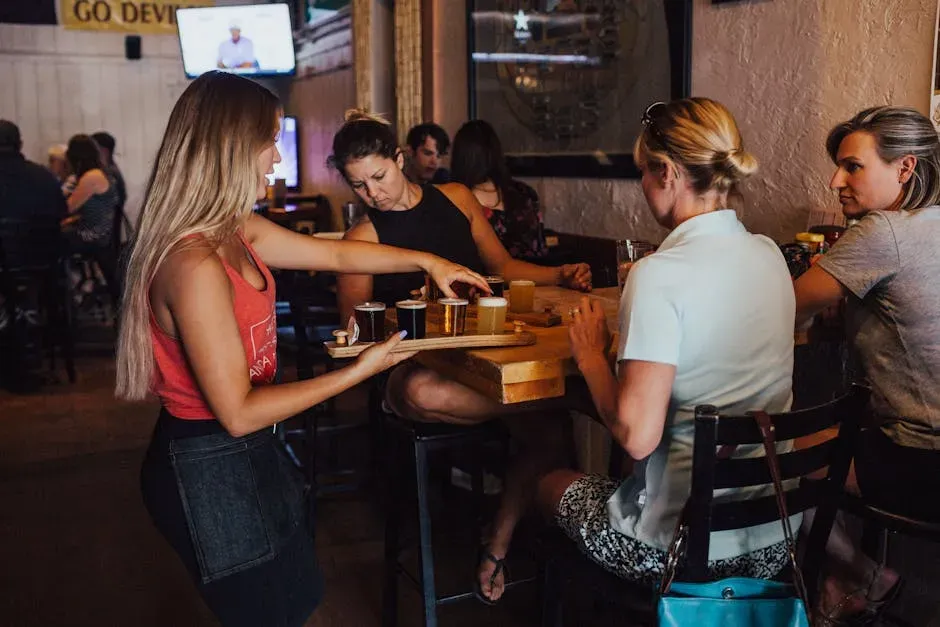
When a group arrives at the bar and one person visibly waits to hear everyone else’s order before naming theirs, or simply echoes the last person’s choice, it’s rarely about indecision. Research investigating situational alcohol consumption among socially anxious individuals has found support for conformity motives, with individuals endorsing drinking in order to fit in with peers who were also drinking. The mirroring behavior is a conformity strategy; choosing what someone else chose removes the risk of standing out.
It’s a small decision, easily overlooked, but over twelve years behind a bar it becomes one of the most reliable tells of all. The effects of alcohol on state social anxiety are much more complex than a simple direct relation and explicitly should consider cognitive processes like expectancy effects, attentional biases, and drinking motives. The copied drink order is one of those cognitive shortcuts in real-time action, a split-second social calculation dressed up as a casual bar order.