There’s a kind of education that only happens behind a bar. You don’t learn it in a class or from a book. You pick it up shift by shift, drink order by drink order, watching people walk in and reading what they want before they even open their mouths. After five years of that, a few patterns become impossible to ignore.
Not every drink on this list is bad. Several of them are genuinely iconic. What matters isn’t the cocktail itself but what the order often signals about where the night might be heading. Seasoned bartenders are always looking for warning signs of potential mischief or mayhem. A red flag can be as simple as a group of friends getting boisterous, and the drink itself can often alert the bartender if a patron will end up in a hazardous situation. These are the ten orders that always made me pay a little closer attention.
1. The Long Island Iced Tea
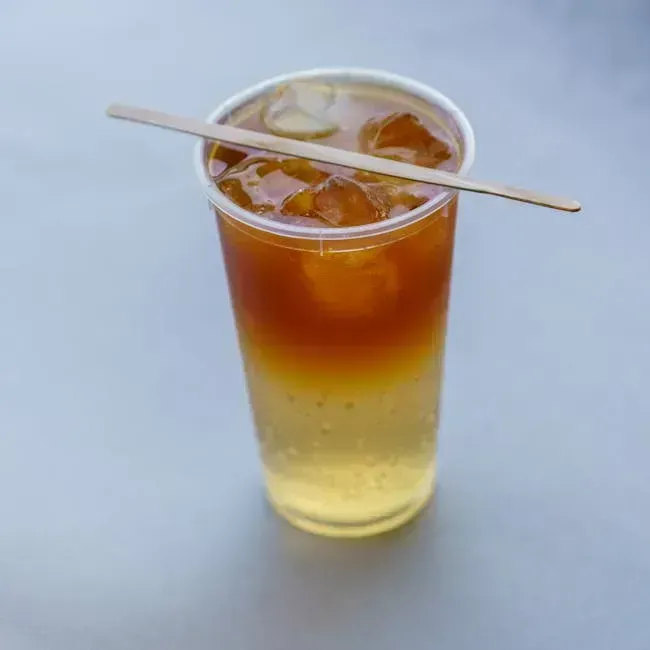
When someone approaches the bar and orders a Long Island Iced Tea, it’s an immediate red flag. The reason is pure math. The drink has a much higher alcohol concentration, approximately 22 percent, than most highball drinks due to the relatively small amount of mixer. It doesn’t taste like what it is, and that’s precisely the problem.
With more than twice the alcohol content of what the National Institute on Alcohol Abuse and Alcoholism considers to be one standard alcoholic beverage, the Long Island Iced Tea is the perfect drink for those who want to get drunk quickly. Due to its blend of liquors, people often can’t even taste the alcohol, making it easier to consume more than usual. Every time one landed on my bar, I started quietly assessing the situation.
2. The “Make It Strong” Request
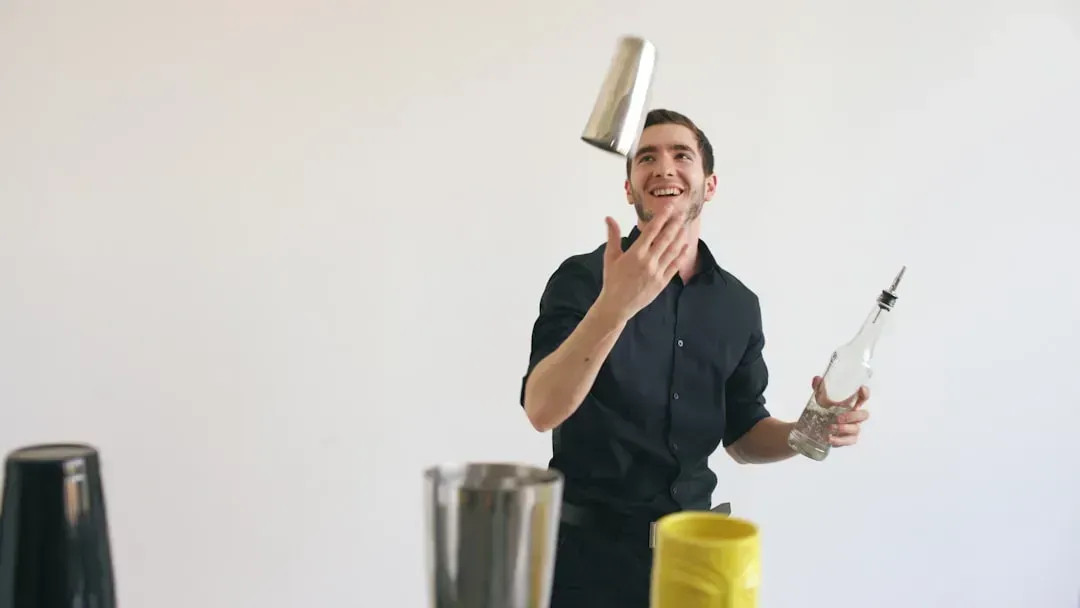
It doesn’t matter what drink someone orders when those three words come first. Bartenders seem to be a touchy breed, and they hate it when customers request an extra-strong drink. The reason isn’t vanity. Pouring extra alcohol without consent from ownership creates liability, and serving a customer who is already showing signs of intoxication is referred to as overserving, and it’s flat-out illegal.
The “make it strong” crowd also tends to measure the night in volume rather than pace. One of the easiest things to clock is someone who’s ordering drinks faster and stronger than your average customer. When someone opens with that demand, I’d watch for their second order just as carefully as their first.
3. The Espresso Martini Order at a Packed Bar
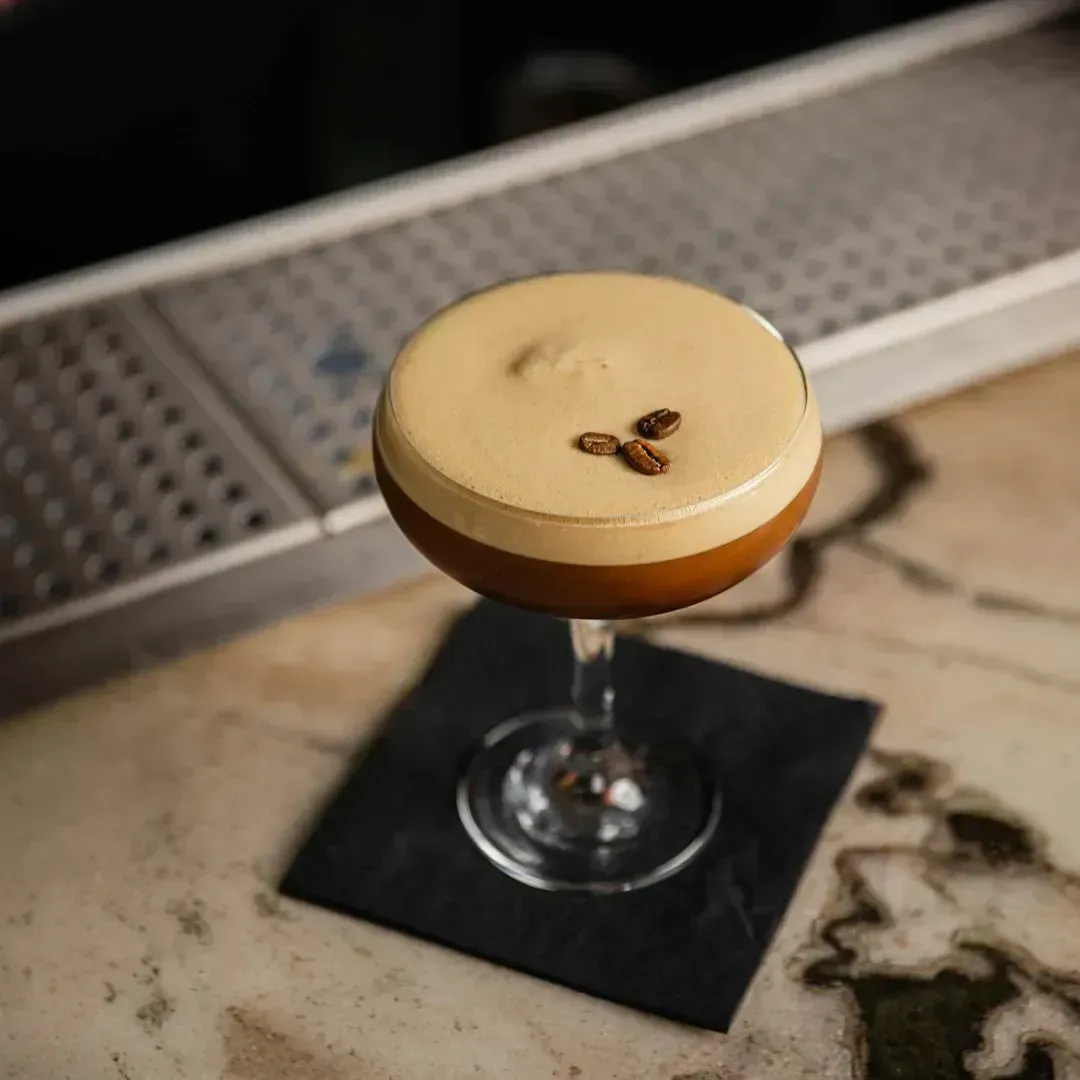
The espresso martini is normally a mix of espresso, vodka, and coffee liqueur, but the hot component makes it inconvenient. Bartenders must first pull espresso, then let it cool before adding it to a cocktail. With the drink’s rise in popularity in recent years, it can be challenging to make this caffeinated cocktail on a busy night. The issue isn’t the drink in a quiet setting. It’s the drink ordered at peak hour.
The espresso martini increased its ordering growth by roughly 50 percent in 2024, which means everyone in the room now wants one the moment they see it land on the bar. It’s rarely ordered just once, until someone orders one, and then it’s the only thing made for the rest of the evening. A lot of that has to do with copycat ordering when people are going out for a social requirement and not necessarily because they want quality cocktails.
4. The Mojito at a Dive Bar or Club
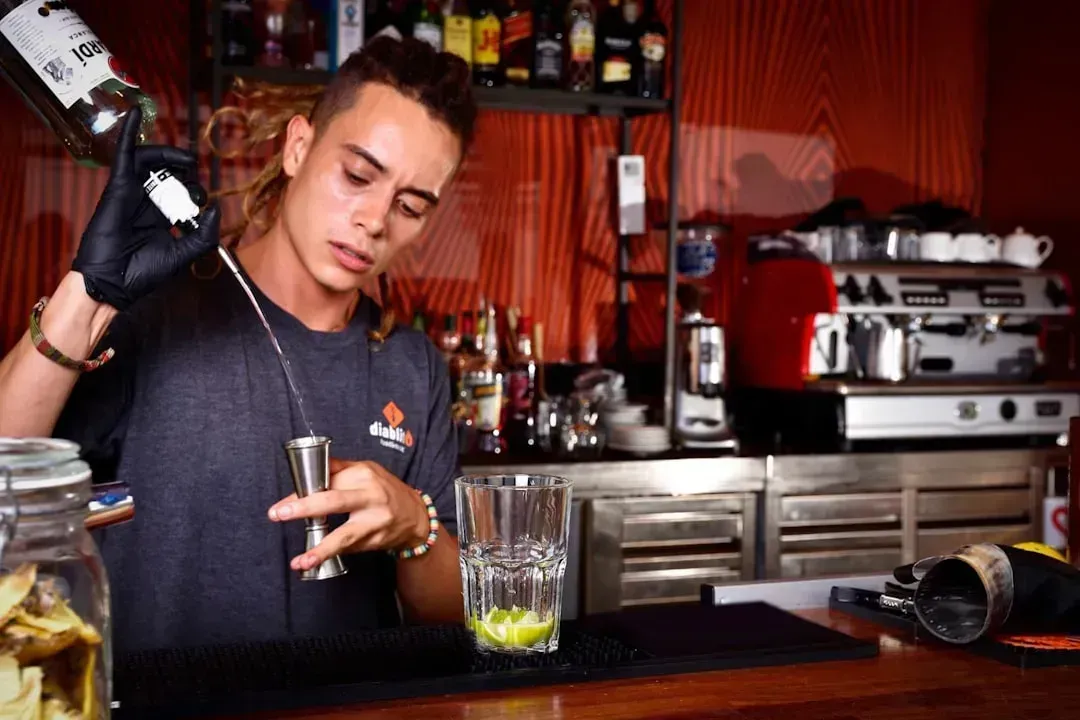
The mojito is a beautiful drink when there’s time to do it right. In a crowded bar on a Saturday night, it’s a different story. Once a club gets packed, it starts to be a bit of a hassle to muddle a mojito. Some dive bars and clubs don’t have enough room to perfectly prep and lay out the ingredients for these kinds of drinks. Whenever someone ordered a mojito, a bartender would have to rummage in the fridge, pick off the mint leaves, and race back to the bar to muddle them – by which point more than a dozen drink orders had stacked up.
The core problem with mojitos is that muddled mint bruises easily. Over-muddling makes it bitter, while under-muddling makes it flavorless. The drink demands precision exactly when the bar can least afford it. Ordering a mojito is harmless on its own, but doing it mid-rush at a high-volume venue tells a bartender you haven’t really thought about what you’re asking for.
5. The “Surprise Me” or “Whatever You Think Is Good” Order
This one sounds generous. It isn’t. Bartenders most dislike drinks that are slow, inconsistent, risky, or create waste, especially when those drinks are highly customized. Handing full creative control to a stranger without any guidance puts the bartender in an impossible position, because if you don’t love it, they own that failure entirely.
On a busy night, bartenders are juggling dozens of open tabs, multiple drink orders at different stages, staff questions, and guests trying to get their attention, all at once. They have to remember complex cocktails, note who ordered what, prioritize tickets, and still move with speed and grace. There’s no pause button, and the pace rarely lets up during peak hours. Dropping an open-ended creative brief into that environment isn’t flattering. It’s friction.
6. Rounds of Shots, Especially Green or White Tea Shots
Shots in themselves aren’t the concern. It’s the pattern they establish. While ordering shots does ring some alarm bells for bartenders, they are not the worst red flags. It all depends on the type of shot you request. The sweeter and more innocent-tasting the shot, the quicker the pace tends to escalate.
With the White Tea shot, you switch out whiskey for vodka. While both of these shots will scream “amateur drinker” to the bartender, some try to withhold judgment, understanding that these shots are popular for the same reason flavored seltzers are: they take the edge off and taste good while doing it. The problem isn’t the shot itself but the customer who doesn’t realize how quickly those easy-going drinks stack up.
7. The Drink Ordered by Someone Else at the Table
This one moves beyond annoyance into genuine concern. Bartenders are regularly faced with unsettling situations involving mismatched couples at best and potentially dangerous situations at worst. This is especially noticeable when one member of a couple takes over ordering for the other.
In situations like these, experienced bar staff will often make it a point to alert others working to keep an eye on the situation, especially if it’s coupled with other odd or threatening behavior. Some bartenders even go as far as checking in with customers when their date has excused themselves to the restroom to ensure they’re feeling comfortable. It’s one of those quiet, watchful moments that defines responsible bartending.
8. The Frozen Blended Drink at the Wrong Venue
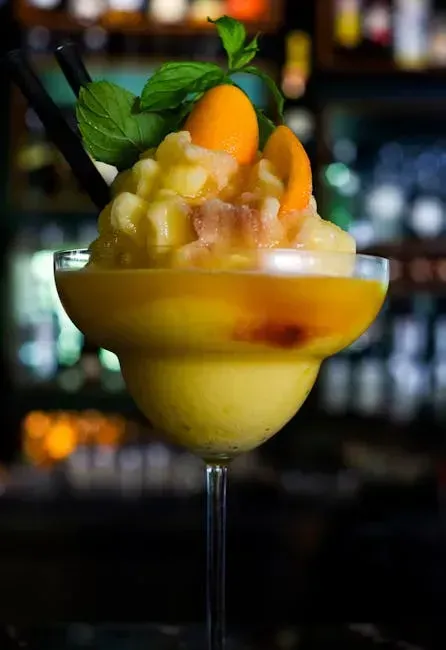
A frozen margarita on a beach patio is completely welcome. The same order in a cramped bar with one bartender and fifty people waiting is a different situation. Some bartenders express concern at being asked to whip out a blender. When working private events, bartenders are often understaffed and ill equipped to make complicated blended beverages.
The real flag isn’t the drink but the lack of situational awareness behind the order. High-volume pubs hate mojitos, frozen margaritas, and anything that breaks the rhythm of service. When someone orders a blended drink during a packed rush, it reveals that they haven’t read the room at all, and customers who miss cues like that tend to be harder to manage as the night goes on.
9. The “Angel Shot” Order
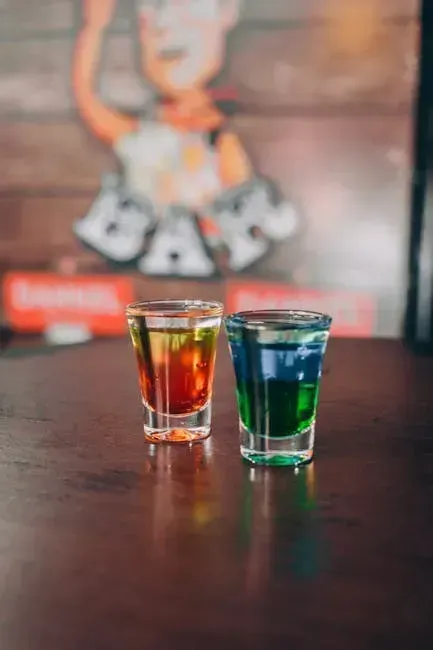
This one is entirely different in nature from the others. If you’re working at a bar and a customer tries to order an “angel shot,” you should be concerned. The angel shot isn’t a real drink. It’s actually a code word for customers to alert bar staff that they’re feeling unsafe or uncomfortable, for example if they’re on a date and their date is harassing them or acting creepily.
There are typically a few ways to “order” the angel shot, which lets staff know how they should respond. If it’s ordered neat, a bartender should escort the person to their car. If it’s on the rocks, that’s a sign to order a cab or an Uber for the person to get home safely. Lastly, ordering it with lime alerts staff to call the police. Reports suggest that up to roughly four in five women expect sexual harassment during a night out, which is why more and more venues are posting such instructions in restrooms internationally. This is the red flag that requires the most immediate and careful response.
10. The TikTok Trending Drink of the Month
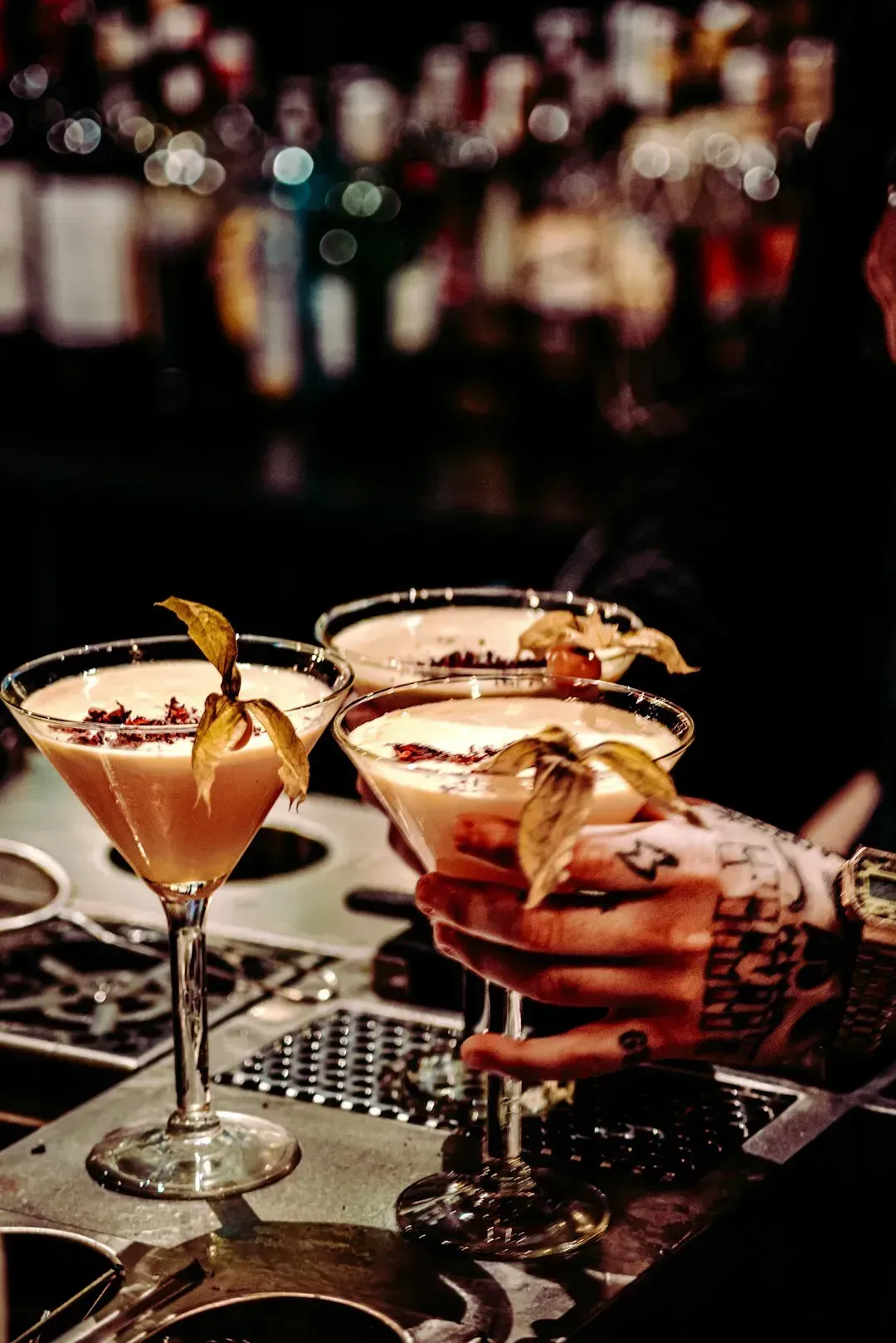
Every few months a new cocktail goes viral and suddenly everyone wants one. The order itself isn’t always the problem. The context is. Some bartenders believe that if you walk into a bar and order the latest thing that’s cool on TikTok, the bartender will probably judge you. That judgment isn’t purely snobbery. It often reflects real logistical pain.
Some bartenders think whatever is having a moment in cocktail culture is a bit of a red flag because it shows the person ordering isn’t particularly original. Not all bartenders will agree, and often, it becomes annoying for a bartender to make the same popularized drinks repeatedly. What those viral orders also signal, from behind the bar, is a customer who may not know what they actually like. That uncertainty tends to come out in complaints once the drink arrives.