Order a drink and ask for no ice, and you might notice a small pause behind the bar. It’s not hesitation about the recipe. It’s more likely the bartender running through a mental checklist of what you might actually be asking for.
That tiny pause has become something of a running joke in the service industry, especially since bartenders started sharing their side of the story online. What looks like a simple preference to the customer often reads as a coded request to the person mixing the drink, and the gap between those two perspectives is where things get interesting.
The moment a simple request turns complicated
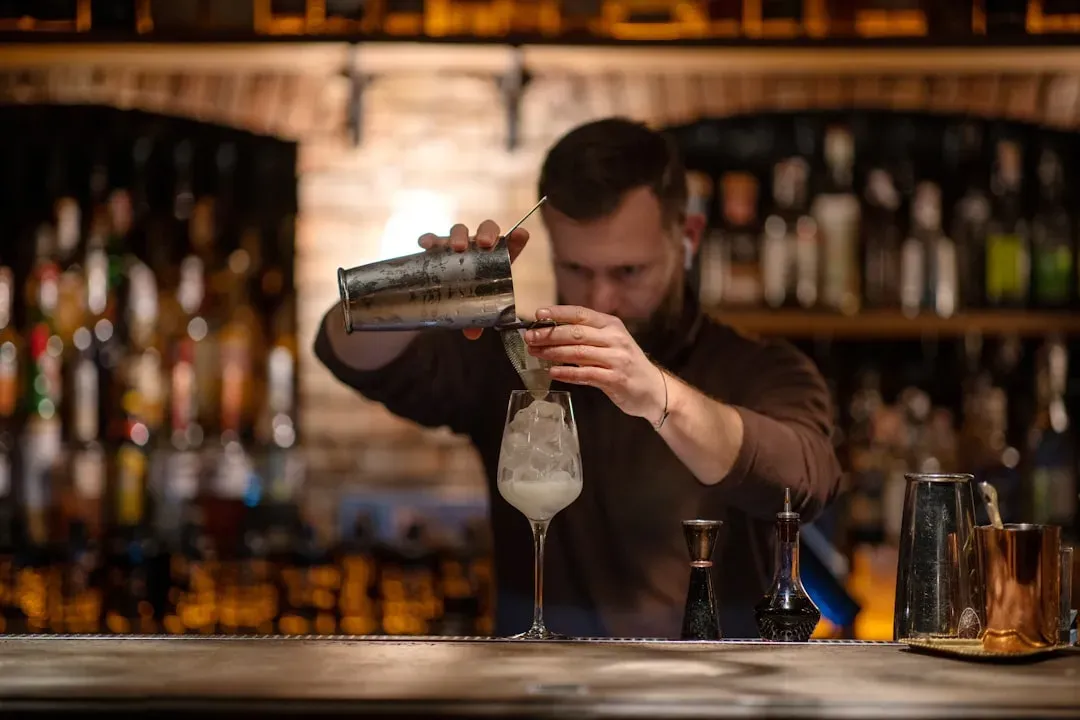
To a customer, “no ice” usually just means exactly that: a drink without frozen cubes clattering around the glass. To a bartender, though, the phrase can trigger a quick mental audit of what the guest is really hoping to get out of the exchange.
Bartenders have long complained online about customers who think they’re being sneaky by ordering drinks without ice, believing the ice will simply be replaced with alcohol. That assumption is common enough that it has become a recognizable pattern rather than an occasional oddball request. It’s not that bartenders think every no ice order is a scheme. It’s that enough of them have been, historically, to make the phrase carry a little extra weight.
The persistent myth about getting more booze
The idea that skipping ice unlocks a bigger pour of liquor is one of the most durable myths in bar culture. The truth is that this trick won’t ever work in the way you intend, since the resulting glass will either have the same ratio of ingredients minus the ice or actually have more mixer inside, with the liquor content remaining the same.
This isn’t a matter of stingy bartenders protecting the bottle. It’s an old trick most bartenders are all too familiar with, and the reality is that the bartender will either add more of the mixer or give a shorter pour, not additional spirit, to make up for the lack of ice in the glass. Pours at most bars are measured to a standard, and that standard doesn’t bend just because the ice tray got skipped.
What actually fills the empty space
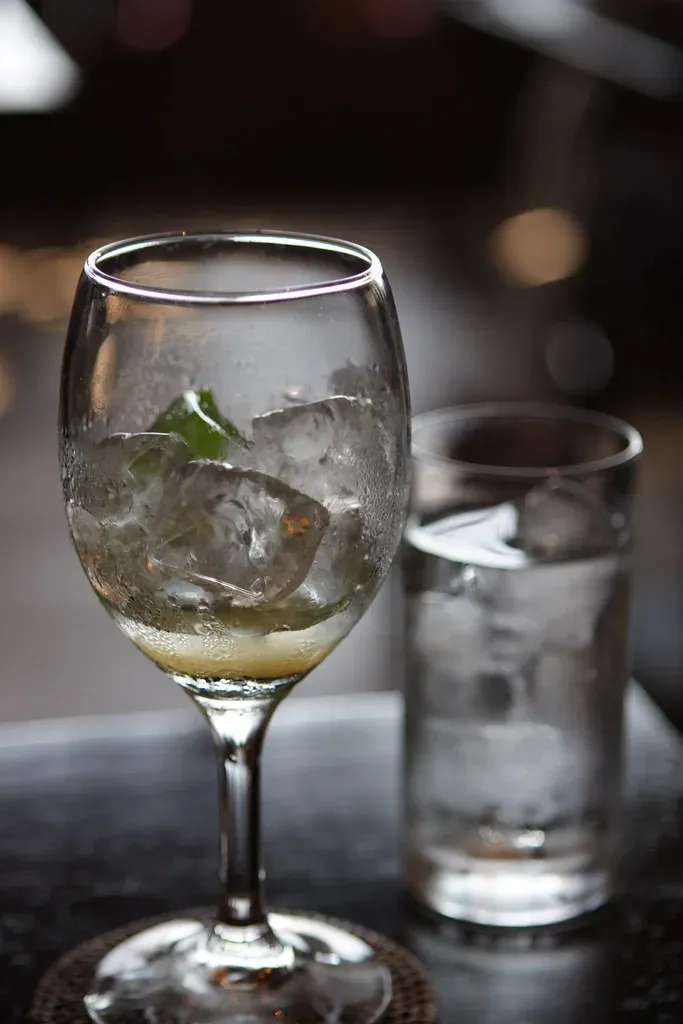
So if the alcohol stays the same, what fills the gap left by missing ice? In most cases, the answer is more of whatever nonalcoholic mixer is already in the glass, whether that’s soda, juice, or a splash of water.
This approach simply means a higher volume of juice or soda, leaving the alcohol content unchanged. One bartender who addressed the myth directly online explained that instead of filling the extra space with more alcohol, she usually adds more mixer to fill the glass, meaning the customer just gets more of the nonalcoholic mixer to make up for the missing ice. The math behind a cocktail recipe doesn’t change just because the vessel looks less full without cubes taking up room.
Why ice actually protects your drink from getting watery
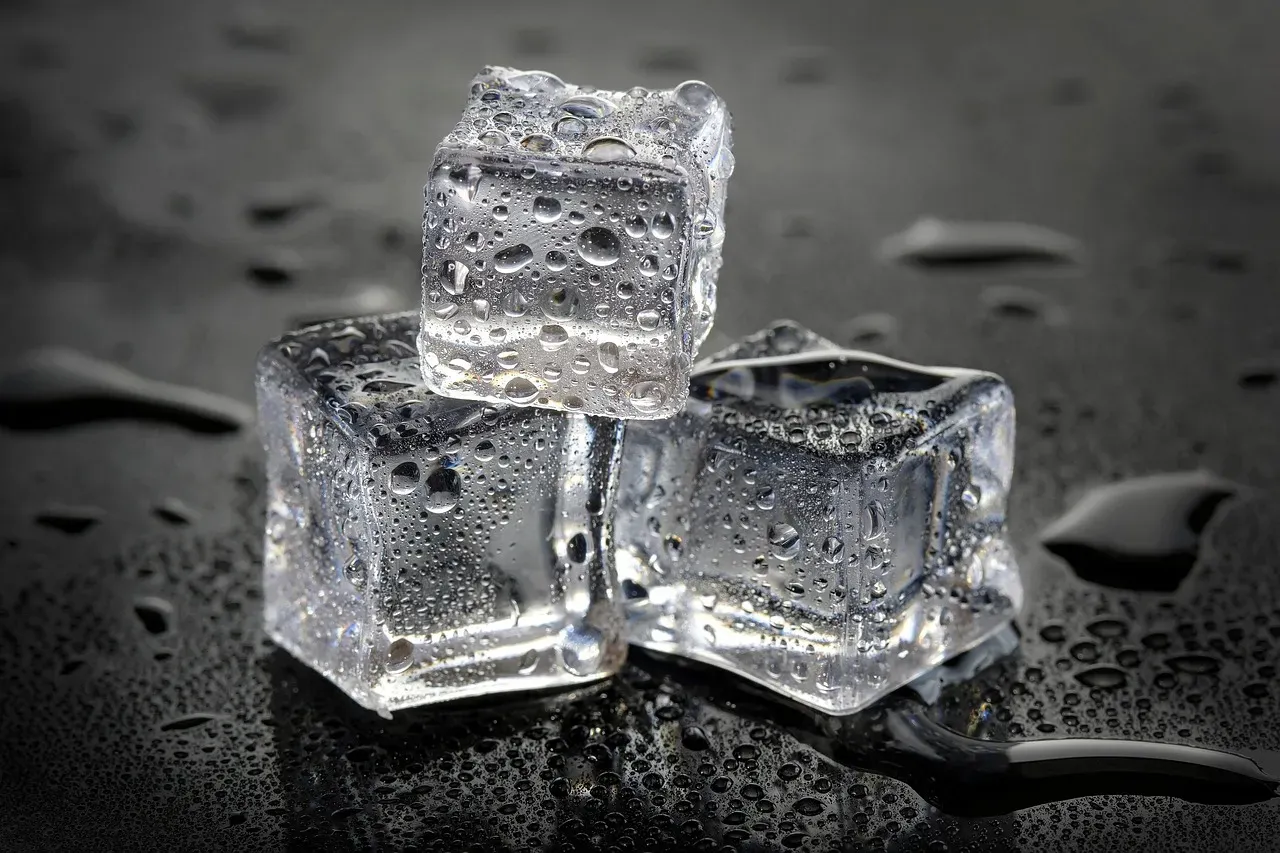
Here’s the part that tends to surprise people: ice is doing you a favor, not diluting your drink into oblivion. Although it may sometimes look as though bartenders are overloading a drink with ice, they’re actually trying to make the drink last longer, and ironically, more ice means a cocktail will be less watered than it would be with less ice.
The reasoning comes down to basic thermodynamics. In a typical cocktail, 25 to 35 percent of the volume is made up of water added by melting ice, and our palates are sensitive to even slight variations in that ratio of water to alcohol. A glass packed with ice melts more slowly overall because there’s more frozen mass to work through, which is why a heavily iced drink often tastes fresher twenty minutes in than a lightly iced one.
The physics bartenders wish more people understood
There’s a reason bartenders keep bringing up chemistry when this topic comes up. Melting a gram of ice pulls two orders of magnitude more cooling power than the ice simply being cold, which is why Dave Arnold, in his cocktail treatise Liquid Intelligence, calls it the Fundamental Law of Traditional Cocktails: there is no chilling without dilution, and there is no dilution without chilling.
This isn’t a minor technicality. For every gram of ice that melts, roughly 80 calories of heat is removed from the surrounding liquid, a property known in physics as the heat of fusion of ice. A drink without any ice at all skips that entire cooling mechanism, which is part of why a no ice request changes far more about a cocktail than most people expect.
Legitimate reasons people skip the cubes
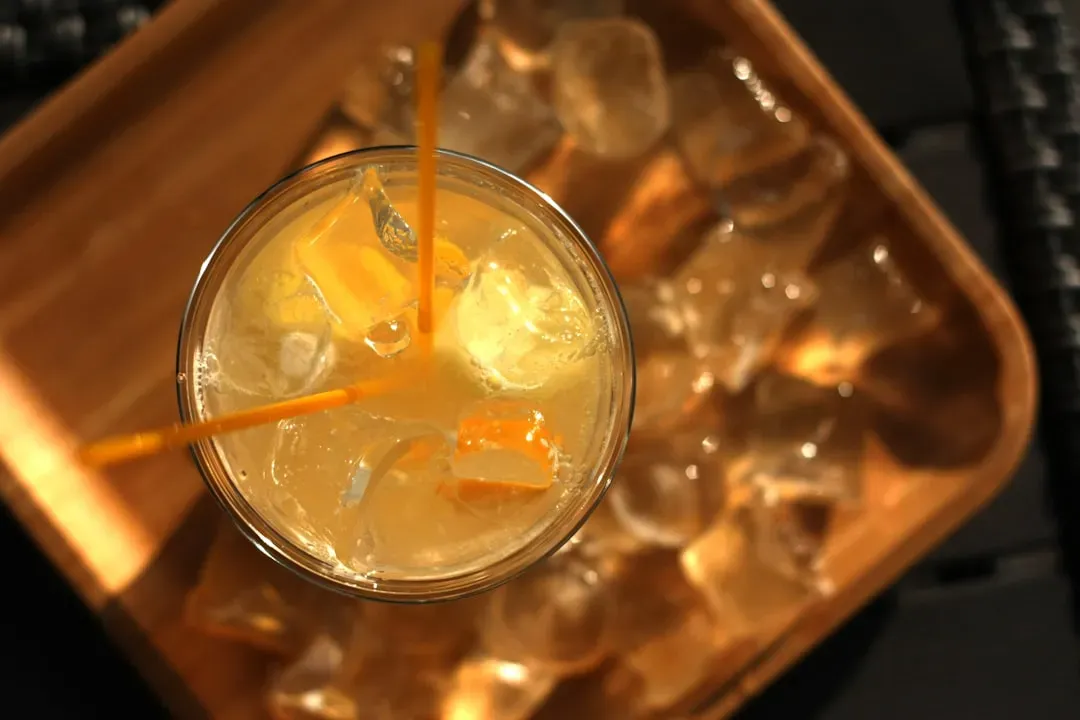
None of this means every no ice request is suspicious. Certain whiskies and wines are generally not served on the rocks, and people with tooth sensitivity might prefer to avoid dental pain when sipping something ice cold. Some drinkers simply find extremely cold beverages uncomfortable, whether because of a sore throat, sensitive teeth, or personal taste.
Neat spirits, room temperature wine, and certain aged whiskies fall into a separate category entirely, where ice was never part of the intended experience in the first place. Requesting no ice for those drinks isn’t a workaround at all. It’s simply how the drink is meant to be served, and most bartenders recognize the difference almost immediately once the order comes in.
Cultural habits shape how the request lands
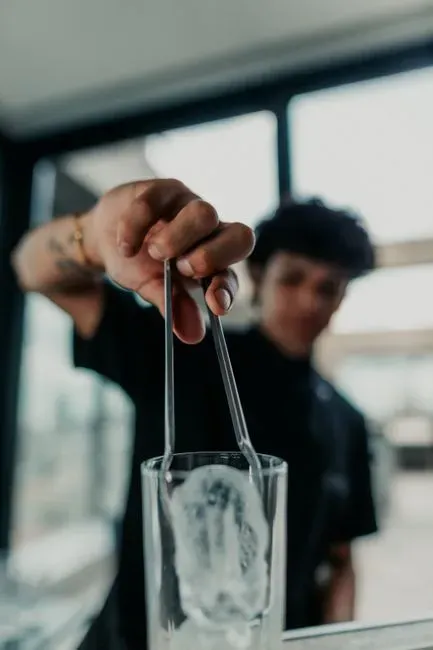
Ice preference isn’t universal, and that matters more than people often realize. Bartenders have acknowledged that preferences for ice vary by culture, particularly between the United States and places like the United Kingdom and Europe, where people tend not to like a lot of ice in their drinks.
A traveler from London ordering a soda with minimal ice isn’t trying to hustle a bigger pour. They’re following a norm that’s completely standard where they’re from. Bartenders who work in tourist-heavy areas tend to pick up on this quickly, which is part of why context, accent, and phrasing can shape how a request gets interpreted before a single word about alcohol is even said.
How the request affects glassware and presentation
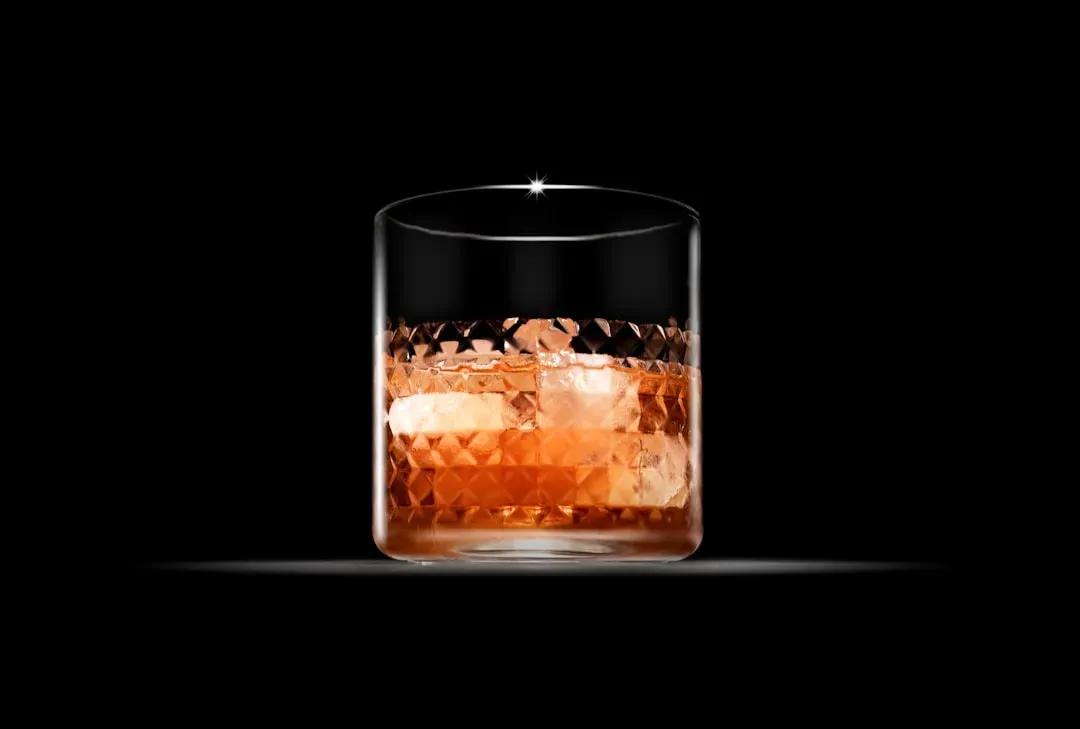
Removing ice doesn’t just change volume, it changes how a drink looks and behaves in the glass. Cocktails are typically built to exact specifications down to the quarter ounce and served with appropriate glassware and ice to create what bartenders consider the best interpretation of the drink.
Take that ice out, and the visual balance shifts, sometimes making the pour look smaller even though it’s identical in volume. That’s part of why some customers walk away feeling shortchanged when nothing about the alcohol content actually changed. The glass simply looks different without the cubes taking up their usual share of the space.
The tipping and trust factor bartenders notice
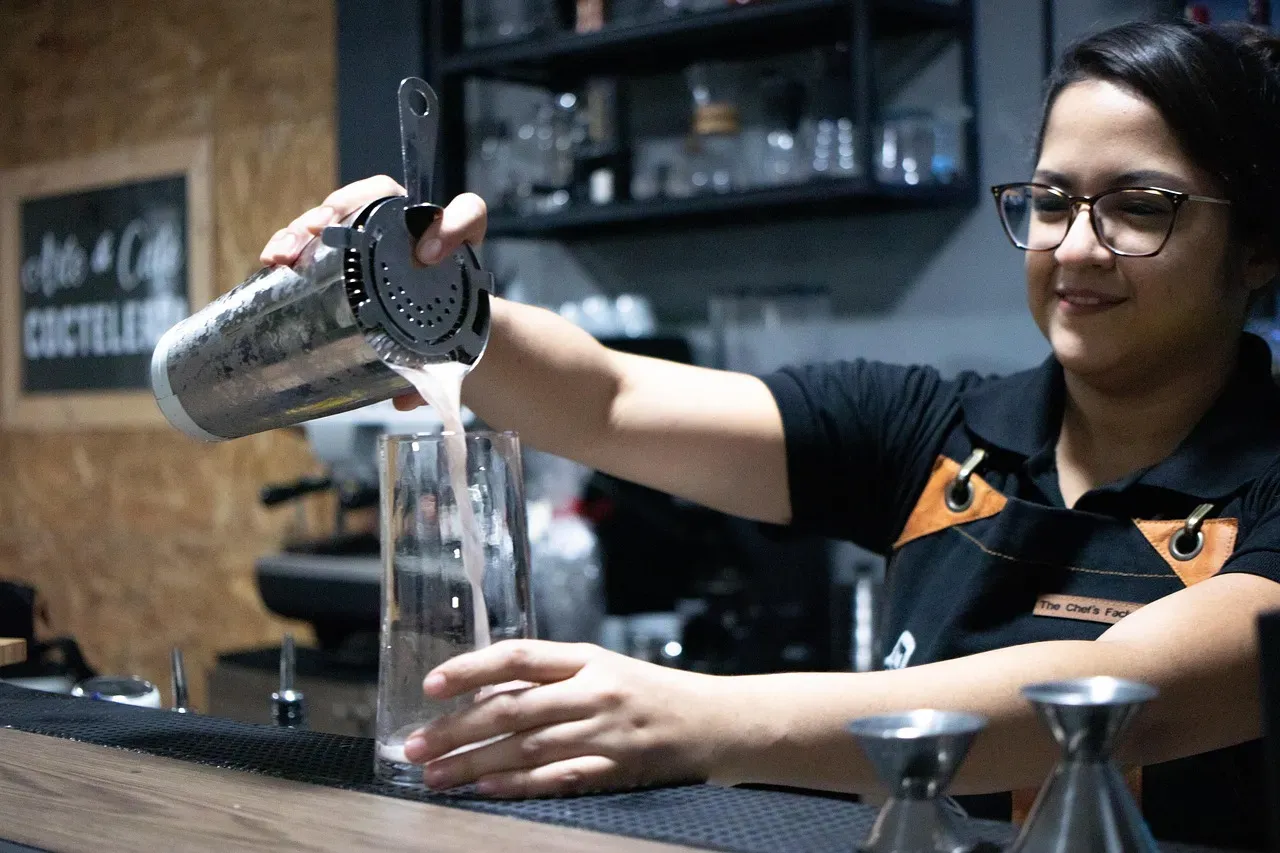
There’s a social layer to this that goes beyond the drink itself. Some bartenders have noted that customers who order this way are often the ones who almost never tip, hoping the ice will be replaced with alcohol and instead getting handed a mostly full glass of mixer and their usual pour.
That perception, fair or not, sticks. It’s part of why regulars who build rapport with a bartender sometimes get more flexibility with substitutions or special requests, while a first time no ice order from a stranger can read as an attempt to game the system. Trust, in a lot of bars, gets built one round at a time.
Better ways to actually get a stronger drink
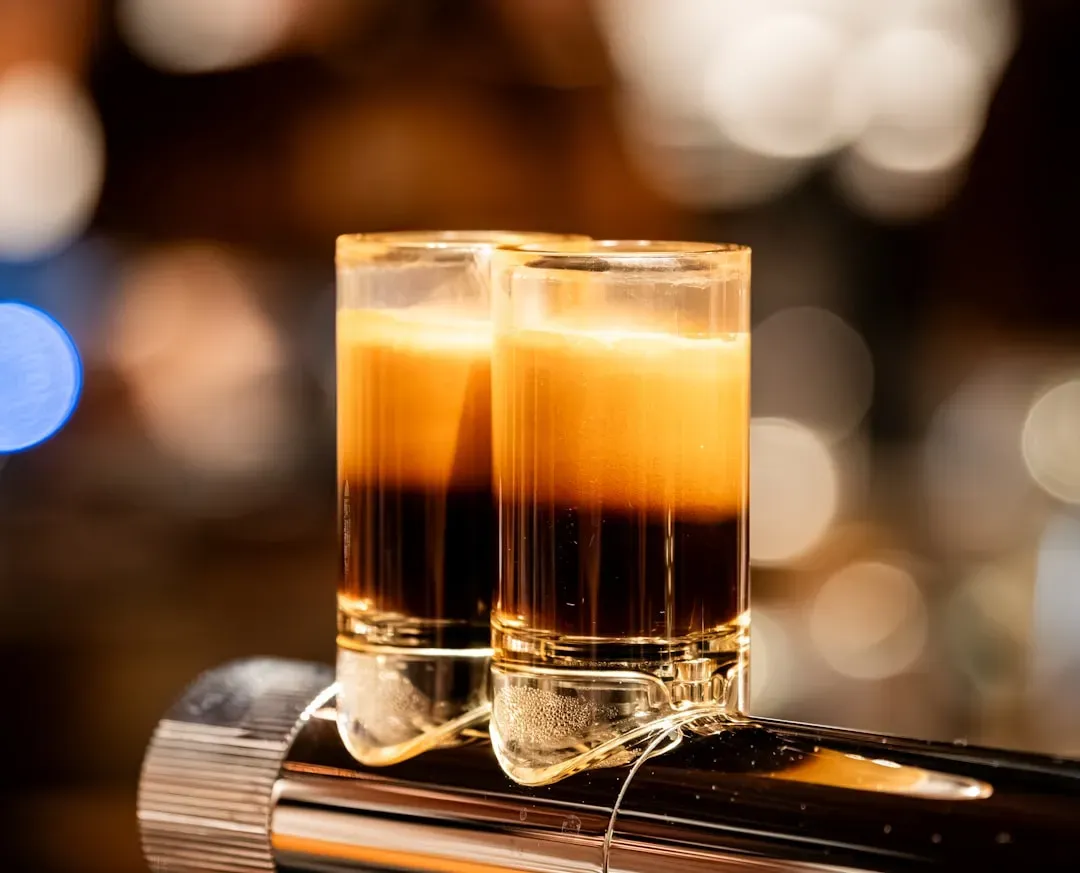
If the real goal is a stronger pour, there are far more direct routes than skipping ice. The easiest request is to simply order a double, in which the bartender pours an extra shot of liquor into the glass, and it’s one of the only ways to be certain of getting an extra strength drink, though at an additional cost.
Choosing the right cocktail matters too. Selecting drinks wisely is another way to ensure a stronger beverage, since drinks that use fewer nonalcoholic ingredients, such as an Old Fashioned or a martini, will have a bolder taste because the alcohol isn’t diluted as heavily. Asking a bartender directly which cocktails on the menu are spirit-forward tends to get better results than any workaround involving ice.