
Most homeowners spend years pouring money into their properties, assuming that improvements equal equity. The uncomfortable truth is that some of the most common upgrades, design choices, and structural decisions can quietly chip away at what a home is worth – often without the owner ever realizing it.
These aren’t obvious mistakes like a leaking roof or a crumbling foundation. They’re the subtler traps: the converted garage that made sense at the time, the walk-in closet carved out of a bedroom, the bold color palette that felt inspired at the time of purchase. Some home features photograph beautifully and feel current in design magazines, yet quietly limit buyer appeal when it comes time to sell. Real estate value is shaped by flexibility, practicality, and broad market preference, and features that feel bold or modern can unintentionally narrow the pool of interested buyers. Here are eight of the most commonly overlooked offenders.
The Converted Garage That Buyers Never Wanted
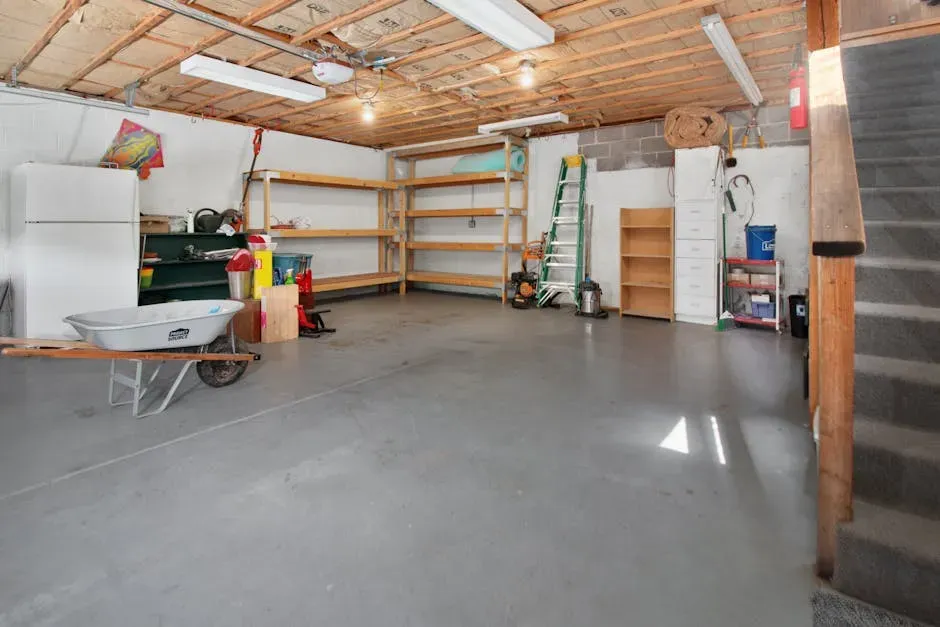
Converting your garage sounds practical until you try to sell your house. That extra living space feels necessary now, but future buyers often see it differently. They want storage. They want covered parking. They want the option to use the space as it was designed. Many homeowners discover this lesson too late, well after the renovation budget has been spent.
When people convert that garage space into a bonus room, reversing the project could mean tens of thousands of dollars, depending on the conversion, from replacing the garage doors to breaking down walls. A garage conversion can also be a huge red flag for a potential buyer. Listings that mention garages are associated with a slight sales premium of 0.3%, according to Zillow’s 2024 analysis of listings data – a number that disappears entirely when that garage no longer exists.
Popcorn Ceilings and the Asbestos Shadow
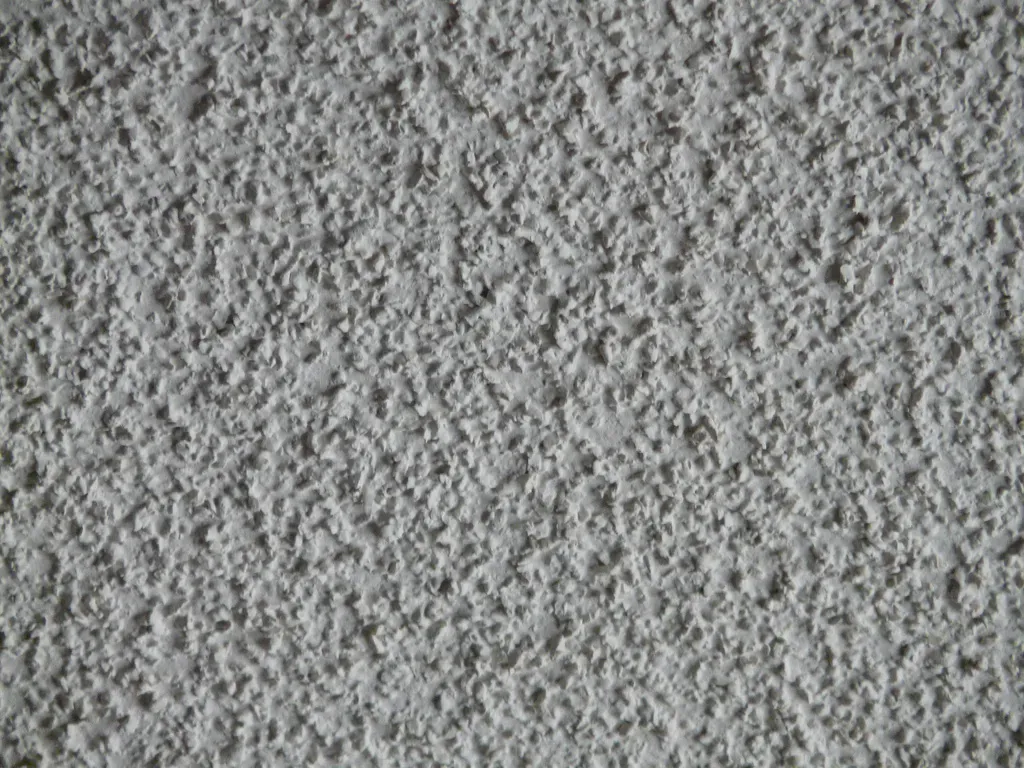
Popcorn ceilings, also known as acoustic or stippled ceilings, are textured surfaces that became popular in residential construction between the 1950s and 1980s. They were primarily used to hide imperfections and absorb sound, making them a practical and cost-effective choice for builders. Decades later, they’ve become one of the most recognizable markers of a dated home.
Popcorn ceilings installed before the late 1980s may contain asbestos, a hazardous material that can pose serious health risks if disturbed. Even if a ceiling is asbestos-free, the concern alone can turn buyers away or lead them to factor in testing and removal costs when making an offer. Additionally, homes with popcorn ceilings may suggest to buyers that further updates are needed, which can deter interest or lead to lower offers. For sellers, these ceilings can create a psychological barrier that complicates the sales process.
Removing the Only Bathtub
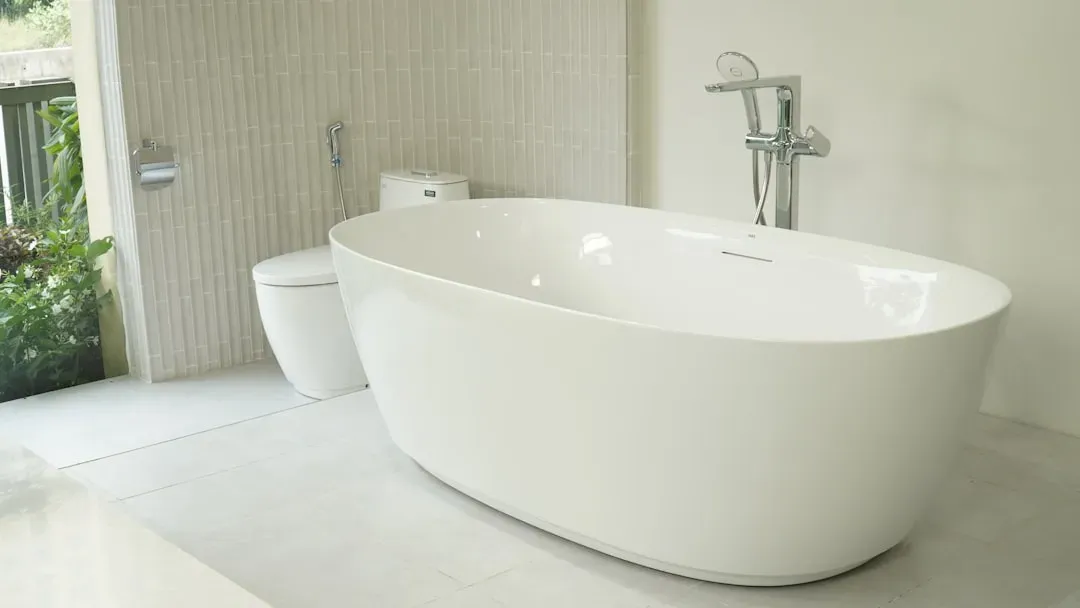
In the pursuit of a spa-like bathroom, many homeowners rip out the only tub to install a large, luxury walk-in shower. It’s a decision that feels like a clear upgrade in the moment – more space, more modern, more personal. The problem is that personal preference rarely translates to broad buyer appeal.
Removing the only tub alienates families with young children and significantly shrinks the potential market for the home. While you may value a walk-in shower over a tub, buyers with families will likely still want a bathtub. Realtors suggest you can remove a bathtub as long as there’s one remaining in a second bathroom. Without that backup, the decision can cost more at the negotiating table than it ever saved in renovation costs.
Bedroom Count Reductions That Quietly Devastate Appraisals
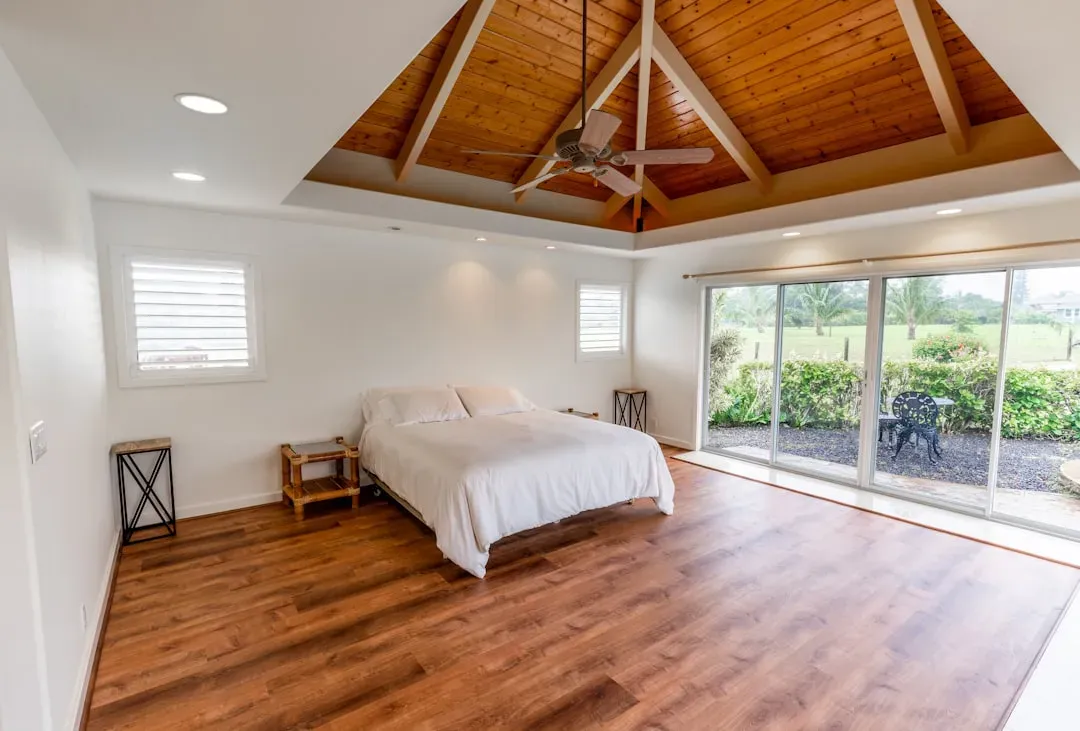
Knocking down walls to combine two smaller bedrooms into one massive master suite might sound luxurious, but it is often a financial mistake. While many homeowners want a larger suite, this modification fundamentally changes how the home is categorized in the market. Real estate appraisals rely heavily on specific room counts to determine market value, and altering this baseline creates a mismatch with market comparables.
If you’re tempted to turn a small bedroom into a closet or another use, think twice before doing so. Home shoppers usually search for homes based on the number of bedrooms, and a home’s value is derived in part from the number of bedrooms it has. A bedroom is going to be more valuable to most buyers than a walk-in closet. It’s a trade that seems worthwhile until the appraisal comes back lower than expected.
Over-Personalized Interiors That Speak Only to You
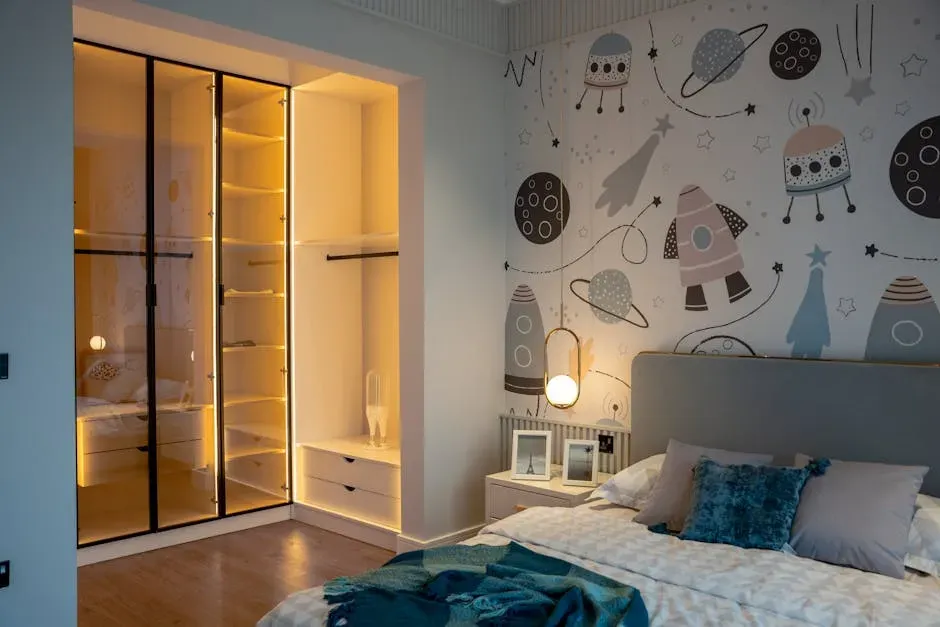
Bold paint colors, themed rooms, ultra-specific designs, and specialty materials all feel like upgrades when they match your taste. Most buyers just see the cost and hassle of undoing them. Bold paint colors, unique wallpaper, or custom murals might reflect your personality, but they can turn off buyers. Most people want a home they can picture themselves living in. If your style is too specific, buyers may see extra work and cost to change it.
Too much personalization can make a home feel less adaptable. If you’re renovating with resale in mind, stick to neutral designs that allow future buyers to picture their own lifestyle in the space. Zillow research into home features that help homes sell for more or less than expected shows that buyer preferences change over time. A trendy home update made today for the sole purpose of adding value can seem dated – or even detract from the value – in five or ten years.
Open Kitchen Shelving That Trades Storage for Style
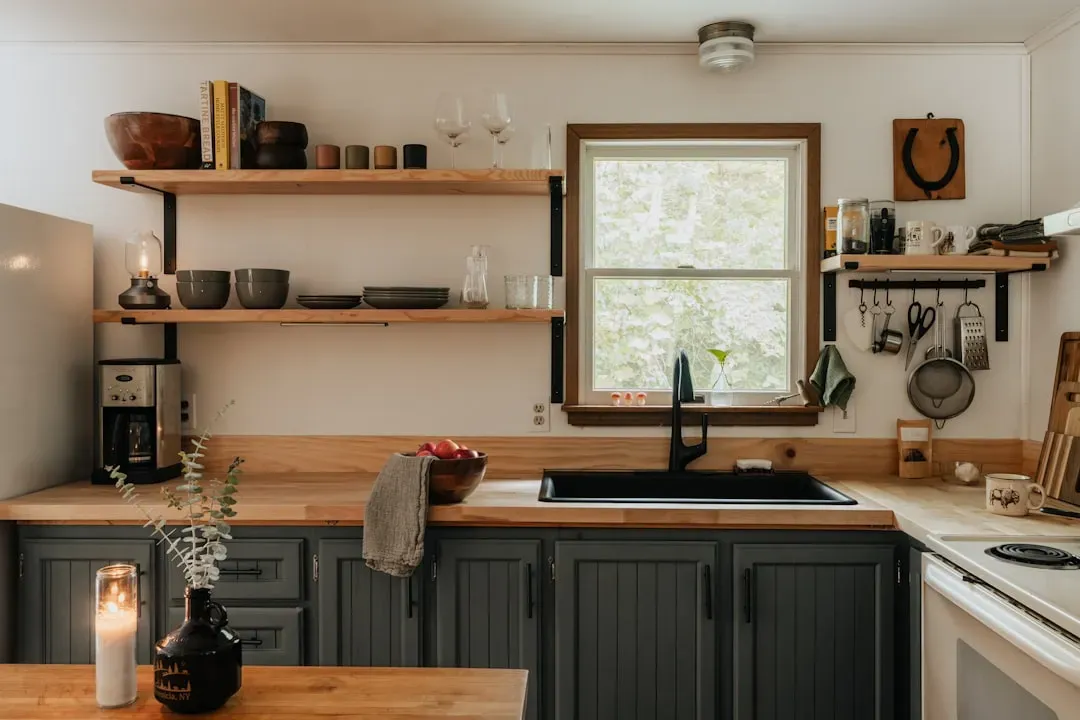
Open shelving has become a favorite in modern kitchen design, creating an airy, minimalist look and allowing homeowners to display curated dishware. The downside becomes clear during everyday living. Without upper cabinets, storage capacity is reduced significantly. Shelves require constant organization to avoid visual clutter, and items remain exposed to dust and grease.
Many buyers prioritize hidden storage over aesthetic display. Kitchens are high-use spaces, and practicality tends to outweigh trend-driven design when it comes to long-term value. The open shelving look works brilliantly in staged listing photos, which is exactly the moment when buyers fall in love – before they mentally start living there and realize they need somewhere to put their cereal boxes.
Shoddy DIY Renovations and Unpermitted Work
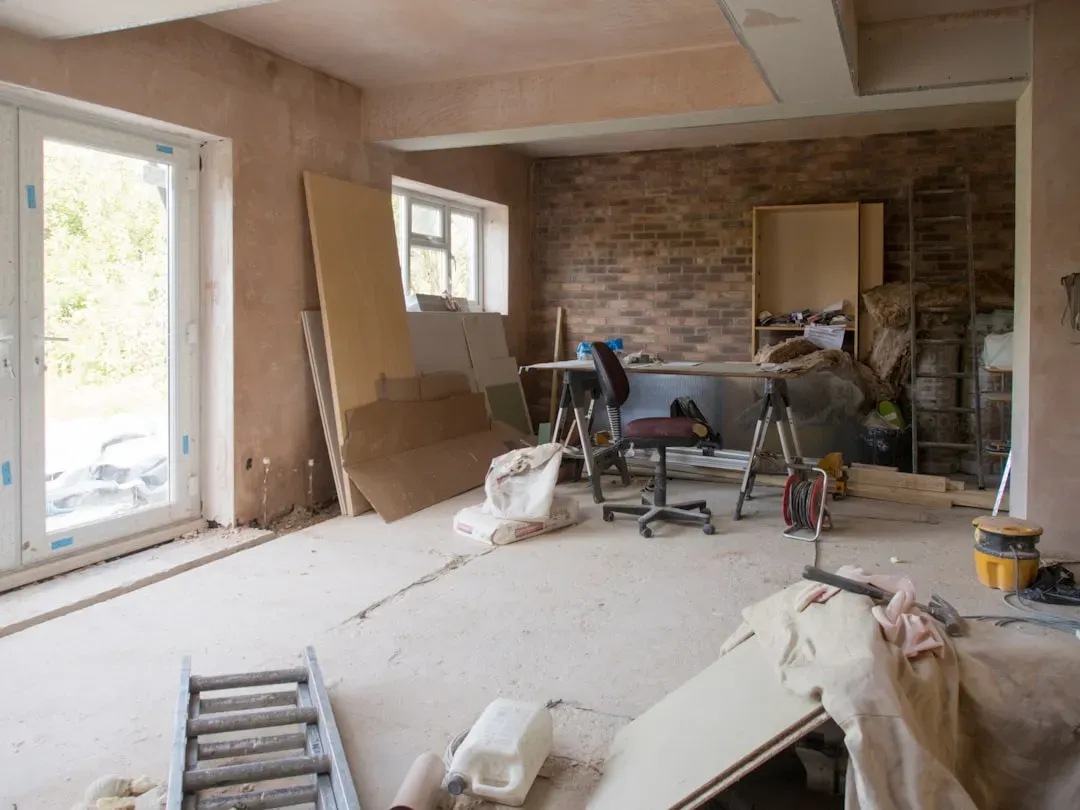
Mistakes made during the construction of a home or during renovations can affect property value, especially when it comes to the final appraisal. These errors are often the result of a contractor or DIY homeowner trying to save money or time during a build, renovation, or repair, but shoddy workmanship compromises quality and can reduce the value of your home in the long run.
Building without permits creates legal problems that scare away serious buyers. Mortgage companies often refuse to lend on properties with unpermitted work. Title companies flag these issues during closing, which can derail entire sales. Doing renovations yourself can save money, but poor workmanship stands out. Uneven tile, crooked cabinets, or bad paint jobs can make your home look cheap. Buyers notice these things immediately, and they calculate accordingly.
In-Ground Pools in the Wrong Markets

While having a pool makes for plenty of fun days in warm weather, many potential home buyers don’t regard them as a perk. Instead, many people see them as dangerous, expensive, and a burden to maintain, especially in areas where their use may only be seasonal. The enjoyment factor is real, but it tends to be personal rather than universal.
Pools can be a selling point in warm climates, but in many areas they’re seen as a hassle. Pools require maintenance, insurance, and can be a safety concern for families with young children. In some markets, a pool can actually lower your property value because buyers don’t want the extra work or cost. The high cost of pools does not end after installation. Routine maintenance is also expensive. One report shows the average weekly expense to maintain a standard pool can exceed $177, which doesn’t include repairs and insurance it may require. That ongoing financial commitment often shows up in lowball offers at the negotiating table.