
Most people assume the problem with clutter is simply visual. Things pile up, the room looks messy, and you feel a vague sense of guilt about it. Fair enough. But what researchers have been uncovering over the past decade or so goes considerably further than aesthetics. The physical stuff around you actively changes how your brain processes the world, how your body regulates stress hormones, how well you sleep, and even how you relate to the people you live with.
The tricky part is that the damage accumulates quietly. You might not connect that low-grade tension you feel on Sunday evenings to the stacked papers in your living room, or link your difficulty unwinding at night to that pile of clothes on the bedroom chair. The seven signs below all have documented connections to clutter-related stress, and recognizing them is worth more than any organizational grid or storage bin.
1. Your Cortisol Levels Stay Elevated Throughout the Day

Middle-class Americans whose home tours included more clutter-related words showed less healthy cortisol patterns and greater depressed mood. That finding, which emerged from a widely cited study, points to something most of us feel without fully naming it: a cluttered home keeps the body’s stress response turned on longer than it should be. Healthy cortisol patterns follow a predictable rhythm, peaking in the morning and declining throughout the day. When clutter keeps your stress response perpetually activated, this natural rhythm becomes disrupted.
Over time, chronic cortisol elevation contributes to anxiety symptoms including persistent worry, difficulty relaxing, and a sense of being constantly on edge. This is not a metaphor. Women who described their homes as cluttered were found to have higher levels of the stress hormone cortisol compared to those who described their homes as tidy. The signal that something is wrong in your environment never fully switches off, and the body pays for it.
2. You Can’t Seem to Focus, Even on Simple Tasks
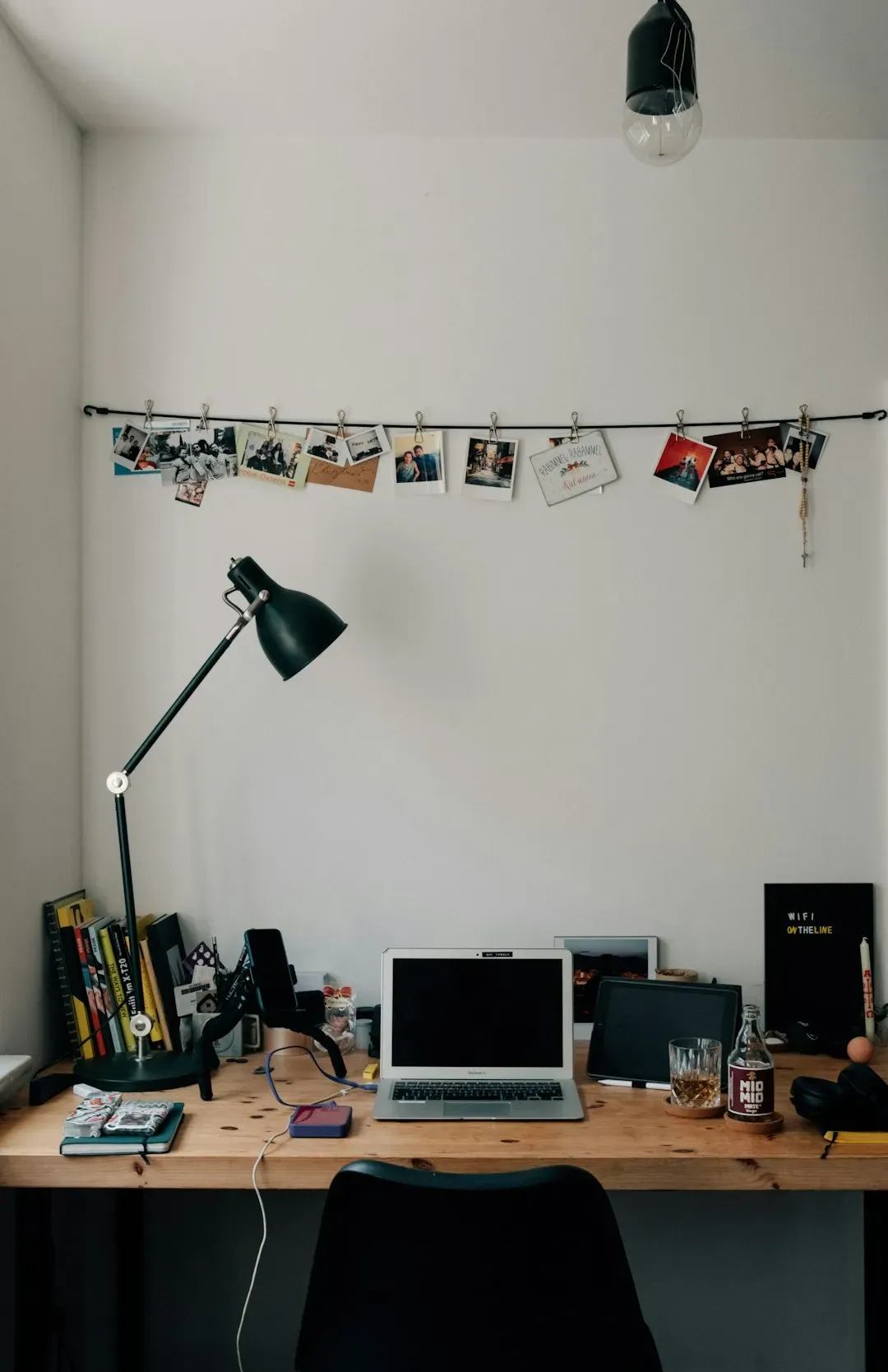
A study conducted by the Princeton University Neuroscience Institute found that a cluttered environment overwhelms the brain and impairs its ability to process information, contributing to heightened stress levels. The mechanism behind this is more specific than it sounds. Neuroscientists have found that when there are multiple visual stimuli in front of you at the same time, those stimuli compete for neural representation in your visual cortex. In other words, a cluttered area forces your brain to split its attention, making it difficult for your neural networks to focus on one specific thing.
Visual clutter competes with the brain’s focus, leading to cognitive fatigue over time. The brain’s neurons activate based on what individuals are seeking, suppressing other contextual information. In essence, the brain experiences a constant push and pull, where desired objects dominate attention while competing objects create cognitive strain. The irony is that over time, the brain tries to tune out the mess, but this suppression carries a metabolic price: greater activation of the anterior cingulate cortex, the region that suppresses competing stimuli. You may believe you’ve stopped noticing, but the drain on your mental energy continues.
3. Every Day Feels Like It Comes With Too Many Small Decisions

Part of the reason why clutter feels overwhelming is that every item represents work that needs to be done and a choice that needs to be made. All these decisions create a type of cognitive overload known as decision fatigue. It shows up in ways that aren’t obvious. You might feel strangely tired after doing nothing particularly taxing, or find yourself unable to commit to even small choices by afternoon. The quality of our decisions reduces with each decision we make through decision fatigue. Decisions become less thought-through and more hard work after you’ve been making lots of them.
As every item represents an unfinished task or unresolved choice, these possessions trigger the Zeigarnik Effect, which is a tendency for the mind to become preoccupied with interrupted tasks or incomplete actions. The Zeigarnik Effect creates mental background noise that prevents true relaxation. Researchers at the University of Minnesota discovered that participants working in clean spaces were twice as likely to choose nutritious snacks and donate money compared with those in cluttered rooms, suggesting self-control is context-sensitive. The implications of that finding extend well beyond snack choices.
4. Your Sleep Is Restless or Takes Forever to Come

A cluttered bedroom or a mind packed with worries can disrupt your sleep hygiene. Many sleep experts recommend keeping the bedroom clean and minimalist for this very reason. Clutter in your sleeping area can serve as a visual reminder of unfinished business, which can provoke anxiety or guilt when you’re trying to relax. The bedroom is supposed to cue the brain toward rest, but when it’s filled with unfinished visual tasks, that signal never cleanly arrives. Studies have found people living in cluttered homes are more likely to experience insomnia and poor sleep quality. Stress and mental stimulation from clutter can keep the brain alert and uneasy, even at night.
Cluttered homes were also associated with a depressed mood and less restful sleep. A study published in the Sleep journal linked bedroom messiness with delayed sleep onset and fragmented REM cycles. REM sleep is precisely the stage tied to emotional regulation and memory consolidation, which means that clutter’s interference with sleep isn’t just about feeling groggy the next morning. It slowly erodes cognitive and emotional resilience in ways that compound over weeks and months.
5. You’ve Been Avoiding Having People Over

A messy house may feel unwelcoming and you might dread having friends or family over because you’re ashamed of the clutter. As a result, some people start avoiding social visits altogether to hide their mess. Over time, this can lead to isolation and loneliness. Social withdrawal driven by embarrassment about a living space is more common than people admit, and the consequences tend to be underestimated. People may feel embarrassed about their messy environment, leading to social withdrawal or reluctance to invite guests. This social isolation can intensify feelings of loneliness and low self-esteem.
Clutter rarely affects only its owner. Roommates argue over dishes; partners resent shared disorganization. Research in the Journal of Environmental Psychology found that couples living in high-clutter homes reported lower relationship satisfaction and more frequent fights. If you live with others, research has shown that clutter affects the whole family and can be a big source of tension. Different people have different tolerance levels for mess and clutter, and disagreements over cleaning and organization can cause conflicts and stress.
6. You Procrastinate More Than Usual, Even on Things That Matter

Clutter was the best predictor of procrastination as determined by multiple regression. Chronic procrastinators reported too much clutter, and that clutter interferes with a strong quality of their lives. The relationship here runs in both directions, which is what makes it so frustrating. Procrastination can cause people to delay the often painful process of decluttering, and clutter can cause procrastination because it makes people feel overwhelmed. Once you’re in that loop, it’s genuinely difficult to find a clean entry point.
A 2019 study by researchers Catherine A. Roster and Joseph R. Ferrari surveyed 290 individuals and found that workload stress, emotional exhaustion, and decisional procrastination were all positively correlated with office clutter problems. Clutter acts like distraction-based noise, making it difficult to stay on task and leading to procrastination on essential activities like paying bills or completing work assignments. The pileup isn’t laziness. It’s a measurable cognitive and emotional response to an environment that never stops demanding something from you.
7. You Feel a Persistent, Low-Level Sense of Shame or Inadequacy

Disorganization and clutter are correlated with mental health conditions such as anxiety, depression, and stress. Clutter can also increase feelings of hopelessness, shame, and guilt. These emotional consequences tend to be the least discussed but perhaps the most corrosive. A 2025 study in the Journal of Environmental Psychology found that people who considered their homes more cluttered had lower levels of well-being and life satisfaction, as well as higher levels of negative feelings. The interior emotional experience of living with clutter rarely stays neatly inside a room.
When the home environment constantly reminds us of incomplete tasks or chaos, it fosters mental overload, fueling anxiety and depression. These signs can create a feedback loop, where clutter perpetuates emotional difficulties and vice versa. The reverse possibility also exists: that low well-being causes increased clutter, possibly due to reduced motivation and self-regulation of behaviors such as tidying, due to well-being factors such as stress, negative affect, and depression. In other words, shame about clutter can make it worse, which in turn deepens the shame. Recognizing the cycle for what it is, rather than treating it as a personal failing, is often the most useful first step toward changing it.
Clutter stress isn’t about perfectionism or having unrealistic standards for a spotless home. It’s about understanding that physical environments communicate constantly with the brain, and a space that never stops demanding attention leaves very little room for genuine rest. The seven signs above don’t require a dramatic overhaul to address. Small, consistent changes to a single area can interrupt the loop, and that interruption, modest as it seems, tends to carry a disproportionate sense of relief.