
Selling a home in 2026 is a different game than it was even five years ago. Buyers are more informed, more selective, and – thanks to a market still constrained by elevated mortgage rates and tight inventory – far less willing to overlook things they don’t like. By early 2026, the market remained historically expensive and affordability-constrained, with weak sales and limited resale mobility making every listing decision count that much more.
What surprises many sellers is that the features dragging down their listing aren’t structural issues or aging roofs. They’re design choices that felt genuinely stylish at the time. Realtors across the country are now walking through homes and quietly flagging the same repeat offenders – trends that once commanded premium prices but now trigger hesitation the moment buyers walk through the door.
1. The All-Gray Everything Interior
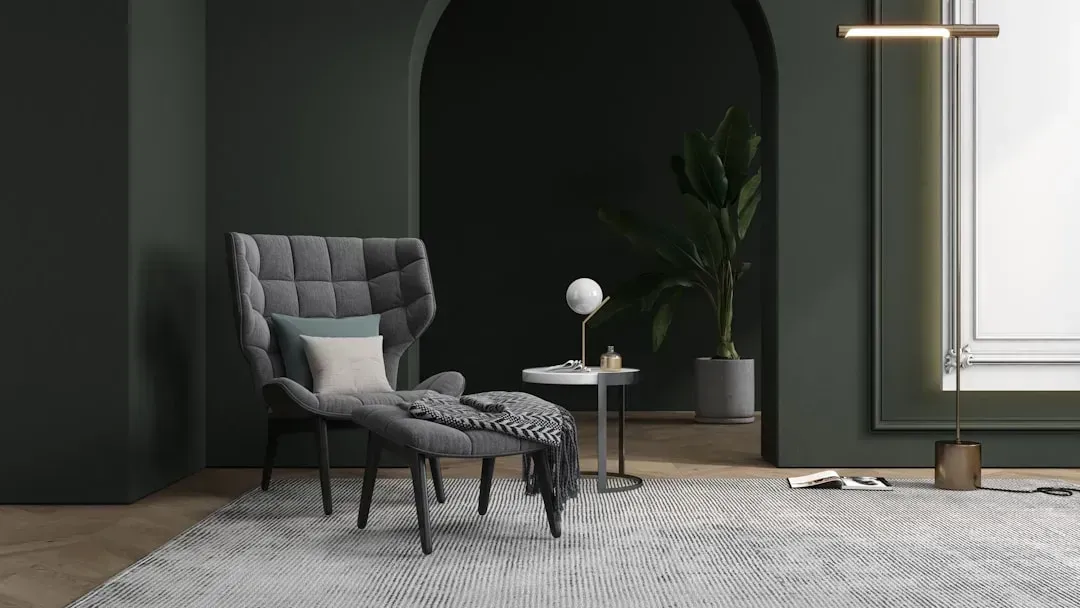
For years, real estate investors and home flippers relied on gray walls, gray flooring, and gray cabinets to create a “modern” look. In 2025, this trend is dead. Buyers now see all-gray interiors as cold, outdated, and overdone. It’s a bit like arriving at a party wearing the same outfit as everyone else – it stopped feeling contemporary the moment it became universal.
Warm, earthy neutrals like beige, taupe, and creamy whites are now trending instead. These colors create a cozy and inviting atmosphere that buyers genuinely respond to. Data from the 2025 Zillow Zeitgeist, which analyzed millions of natural-language searches on the platform, shows buyers increasingly focused on adaptable living spaces, and a warm, personable palette supports that instinct in a way gray simply no longer does.
2. Wall-to-Wall Carpeting (Especially in Bathrooms)
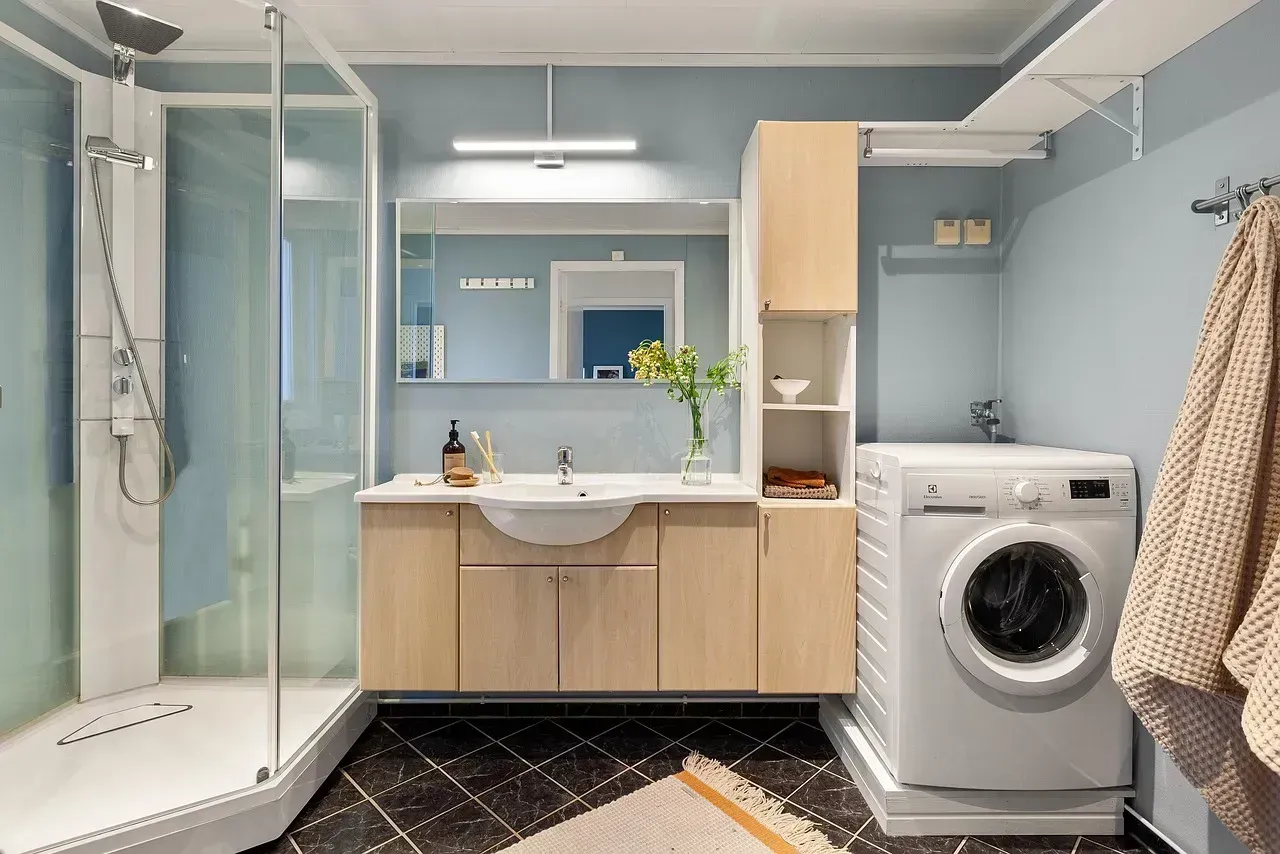
Carpet was once the ultimate comfort feature – soft underfoot and visually warm. Today, buyers are more health-conscious and aware of maintenance challenges, and wall-to-wall carpeting collects dust, allergens, and stains, which can be a major turnoff. The optics of it in a listing photo alone can send buyers scrolling to the next property.
Carpeted bathrooms in particular are now considered unhygienic because they trap moisture and can contribute to mold and bacterial growth. Home inspectors routinely note them as a sanitation risk, and modern buyers prefer tile or sealed flooring materials that meet current moisture-resistance standards. If a home still has carpet in these areas, replacing it before listing can be a worthwhile investment, as updating the flooring can instantly improve the home’s appearance and help create a more modern, move-in-ready impression.
3. Oversized Soaking Tubs and Jetted Whirlpool Baths
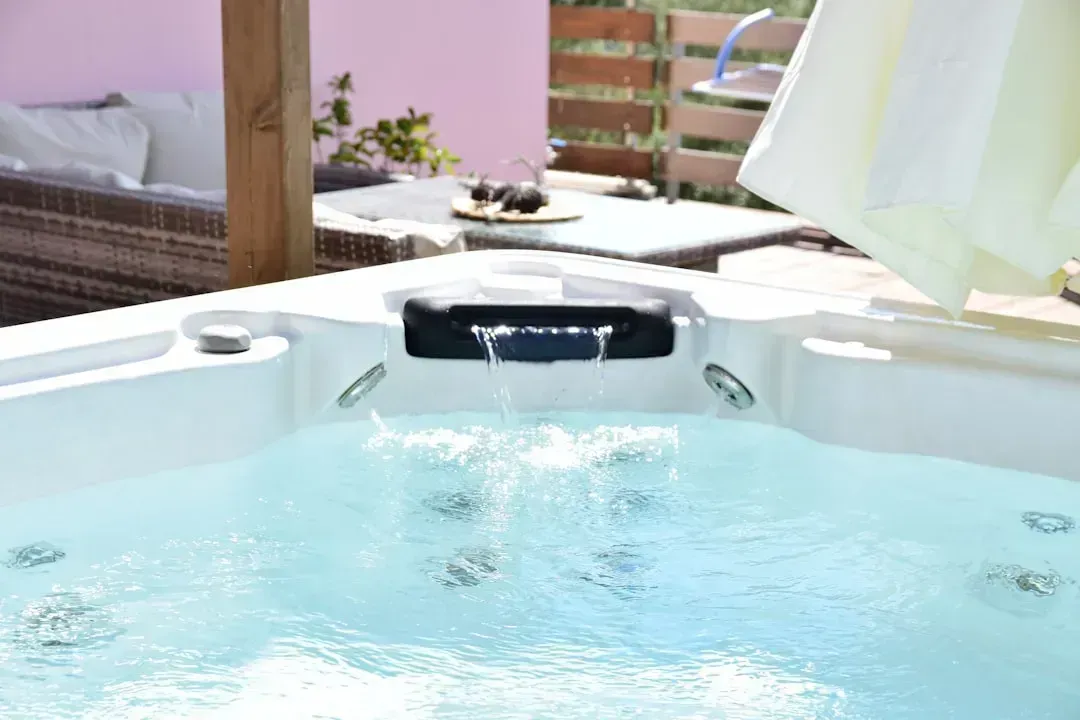
Jetted or whirlpool tubs were once a sign of luxury. Today, many buyers see them as more trouble than they’re worth. Cleaning is difficult, mold can hide in the jets, and they use more water and energy than standard tubs. There’s something telling about a feature that buyers mentally start calculating removal costs for during a showing.
Buyers prefer a spacious walk-in shower or extra bathroom storage over a tub that rarely gets used. The numbers back this up clearly. A 2025 report from Houghton Contracting highlights that bathroom remodels focusing on walk-in showers and water efficiency are generating a return on investment of roughly 60 to 70 percent, outperforming the installation of large soaking tubs, with buyers voting with their wallets for accessibility and speed over occasional relaxation.
4. Barn Doors Everywhere
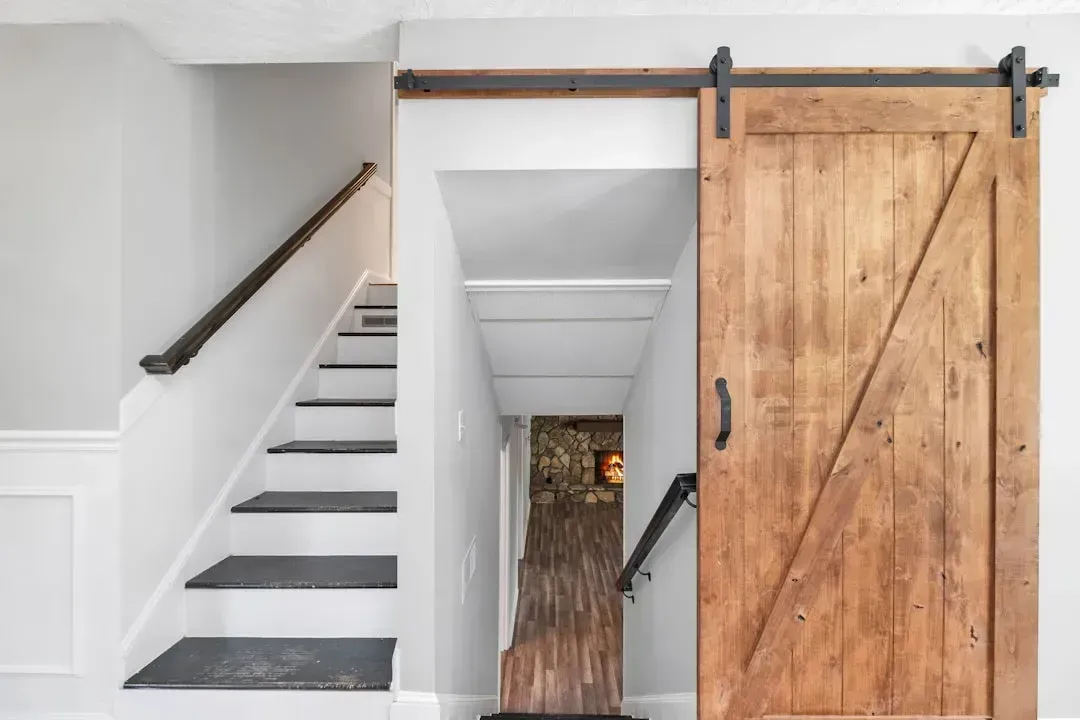
Once trendy, barn doors are now increasingly polarizing. They don’t offer much privacy or sound control, and buyers are noticing. Pocket doors, traditional hinged doors, or modern sliding options that blend better with the home’s architecture are now preferred. It’s a classic case of a detail that photographed well on Instagram but falls apart under the scrutiny of actually living with it.
What began as a charming farmhouse accent quietly became a signal of a dated renovation. Designers are actively moving away from what one calls “the cookie-cutter farmhouse aesthetic,” which includes faux exposed beams, burlap, barn doors, and super-distressed finishes. When multiple design professionals in different regions are saying the same thing, sellers should be paying attention.
5. Excessive Open Shelving in Kitchens
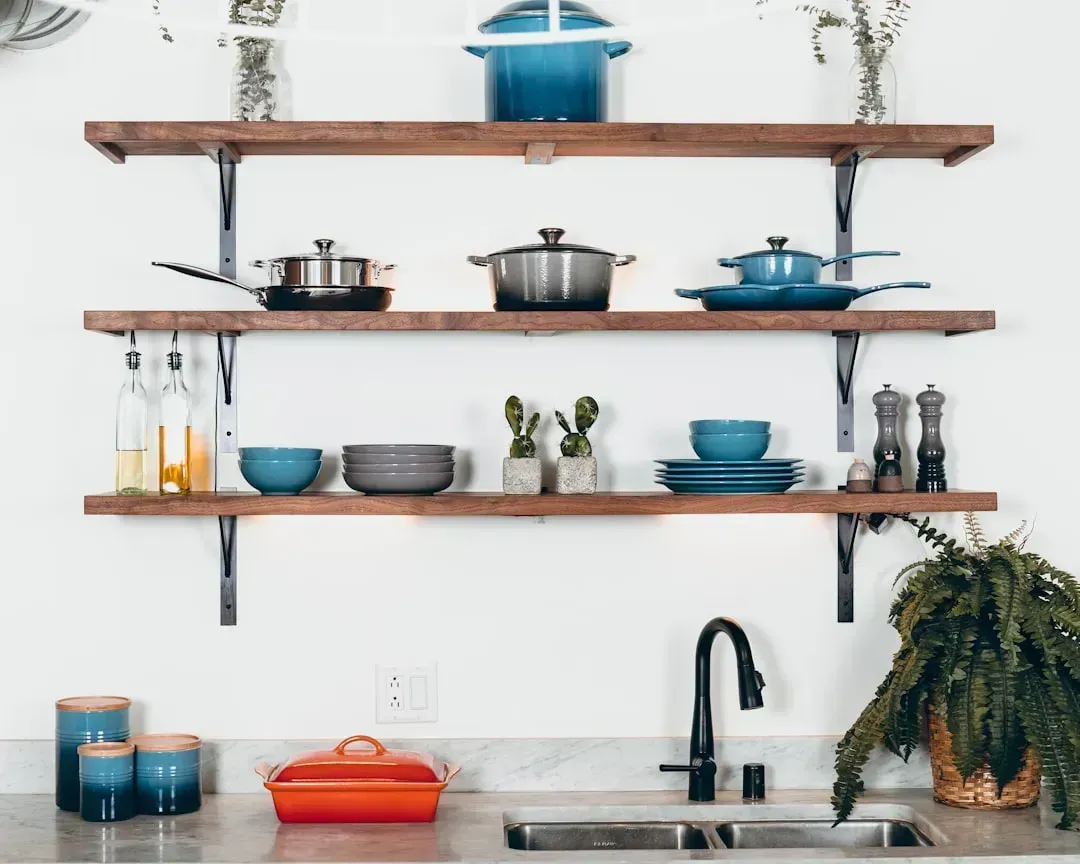
While open shelving can add style and functionality in small doses, too much of it can make a home feel cluttered and chaotic. For many buyers, the appeal wears off when they realize it requires constant maintenance to look neat. The idea of keeping everyday items on display is not as practical as it sounds, and many buyers would prefer closed cabinets that hide away clutter.
Open shelving in kitchens was once considered stylish and modern, but buyers have had enough of dusty dishes and cluttered walls. Homebuyers in 2025 are prioritizing functional storage over aesthetics, making upper cabinets a must-have again. It’s a shift that realtors describe as practical fatigue – buyers who lived through the trend now know exactly what maintaining it actually demands.
6. The Overly Done Farmhouse Aesthetic
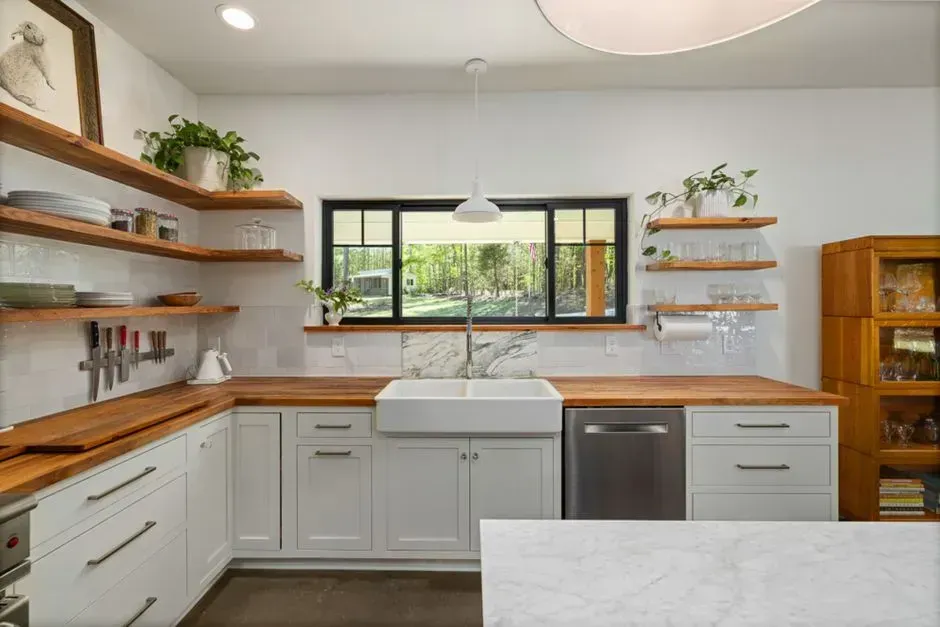
For the last decade, farmhouse design dominated house flips, with shiplap walls, barn doors, and rustic beams. In 2025, the overly “rustic chic” look is officially outdated. Buyers are moving toward sleek, modern, and transitional designs that feel less theme-heavy. The look had a genuine moment, but saturation eventually turns any aesthetic into a liability.
A modern organic style that blends natural wood, minimal accents, and neutral tones without being overly rustic is what buyers now gravitate toward. A few wood accents are fine, but the barn doors and distressed wood overload need to go. The exposed pipes, harsh metals, and industrial finishes that defined the broader farmhouse-adjacent trend are also softening, being replaced by what designers are calling “organic modern,” where raw elements are balanced with warm woods, soft textiles, and natural light.
7. Granite Countertops with Busy Patterns
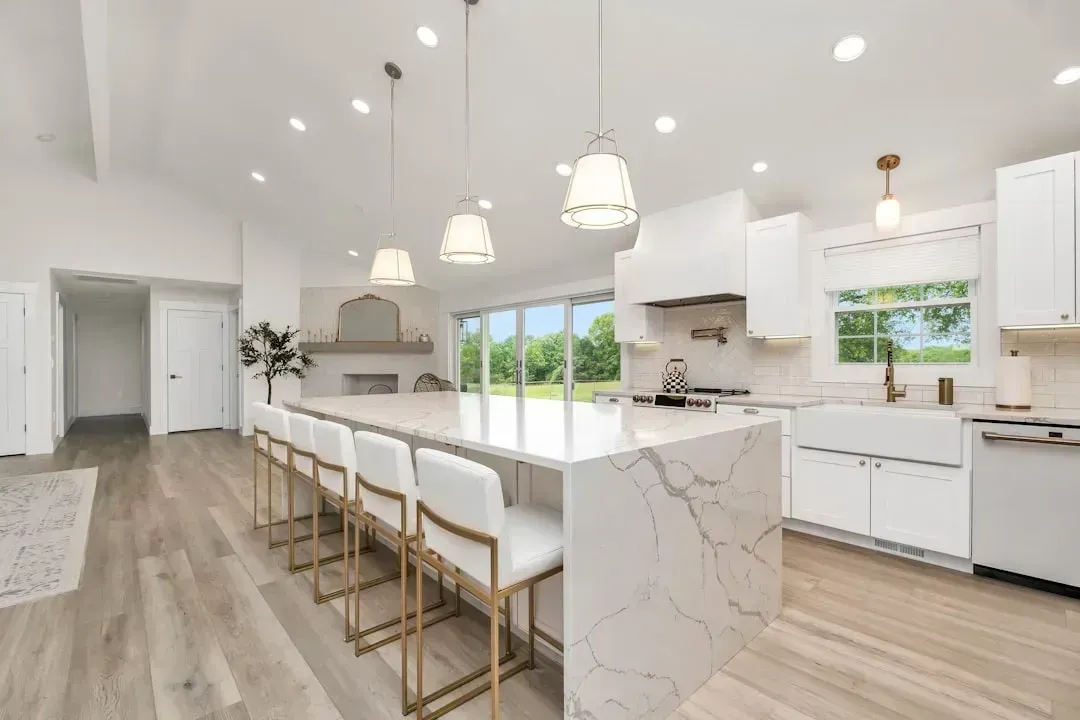
For decades, granite was the undisputed king of kitchen renovations, but its reign has officially ended. Buyers are now rejecting the busy, speckled look of granite in favor of cleaner, lower-maintenance materials that fit modern aesthetics. The requirement to seal natural stone annually is a chore that today’s low-maintenance homeowner is happy to leave behind.
The industry numbers show a dramatic shift in kitchen design preferences. The National Kitchen and Bath Association’s 2026 forecast reported that roughly three quarters of professionals now favor quartz for its durability and consistency. Quartz doesn’t need sealing, doesn’t stain as easily, and comes in far more consistent colors – which is exactly the kind of quiet practicality that sells homes in a cautious market.
8. Outdated or Overly Complex Smart Home Systems
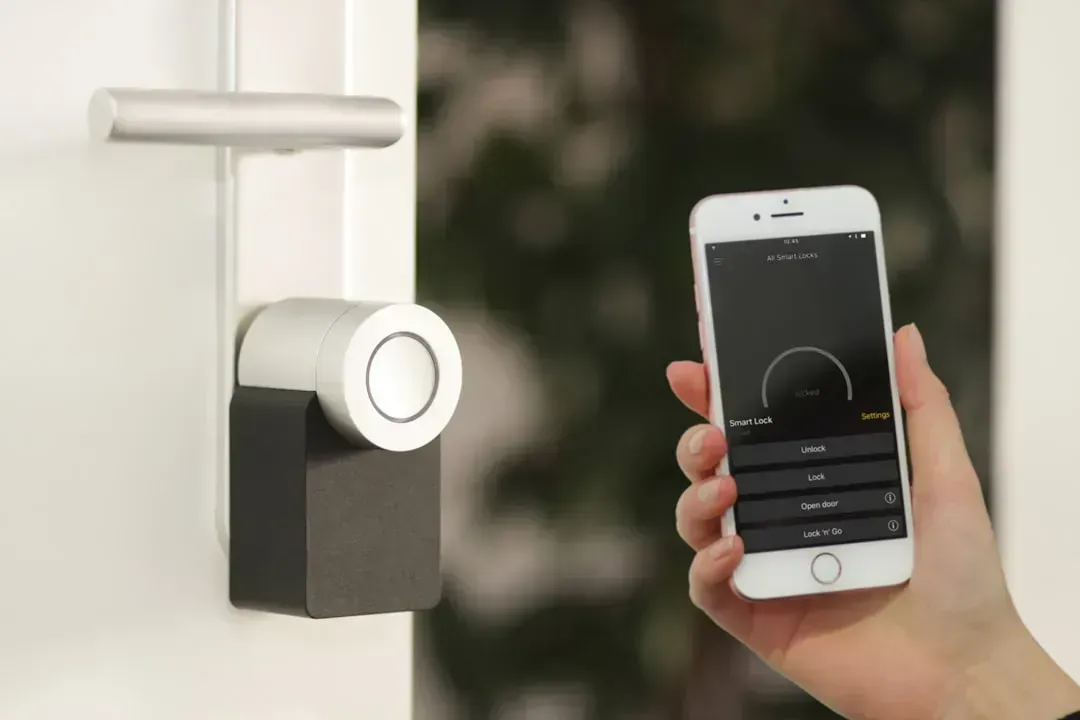
Realtors warn that high-end stereo systems, proprietary lighting boards, and “smart” appliances with glitchy screens are often seen as maintenance headaches rather than upgrades. The new luxury is “invisible tech” – features that work quietly in the background without needing a dedicated app for every lightbulb. Buyers who have dealt with a legacy smart system in their own home know exactly what a nightmare it can become.
A home theater wired with a proprietary system no longer being supported by its manufacturer is a particularly common sticking point in today’s showings. Buyers are more educated than ever and can spot cheap or outdated materials and technology instantly. Basic or obsolete systems signal low quality, and in 2025 the trend was firmly moving toward custom touches that don’t feel mass-produced or frozen in time. When buyers start mentally calculating what it would cost to rip something out rather than enjoy it, that’s a warning sign no listing price can fully overcome.