
1. Venice, Italy
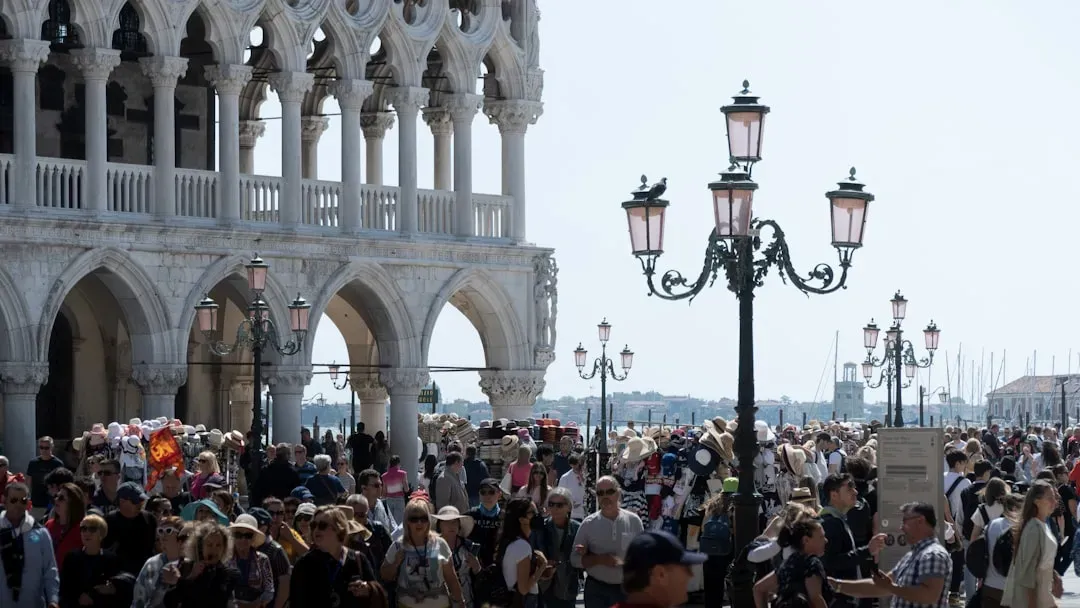
Venice looks manageable on a map, a compact tangle of canals you could supposedly cross in twenty minutes. In reality, the historic center funnels enormous crowds through narrow calli that were never designed for modern foot traffic, and first-timers often find themselves boxed in by tour groups near San Marco within minutes of arriving.
The city has leaned into this problem rather than ignoring it. Venice has introduced an entry fee for day visitors as part of an ongoing effort to manage the pressures of mass tourism, active on 60 days in 2026, up from 54 in 2025 and double the days it was enforced in 2024. Officials point out that the city’s resident population has dwindled to fewer than 50,000, while tourist accommodation now exceeds that figure, a statistic that explains a lot about why the streets feel so disproportionately packed with outsiders.
2. Barcelona, Spain
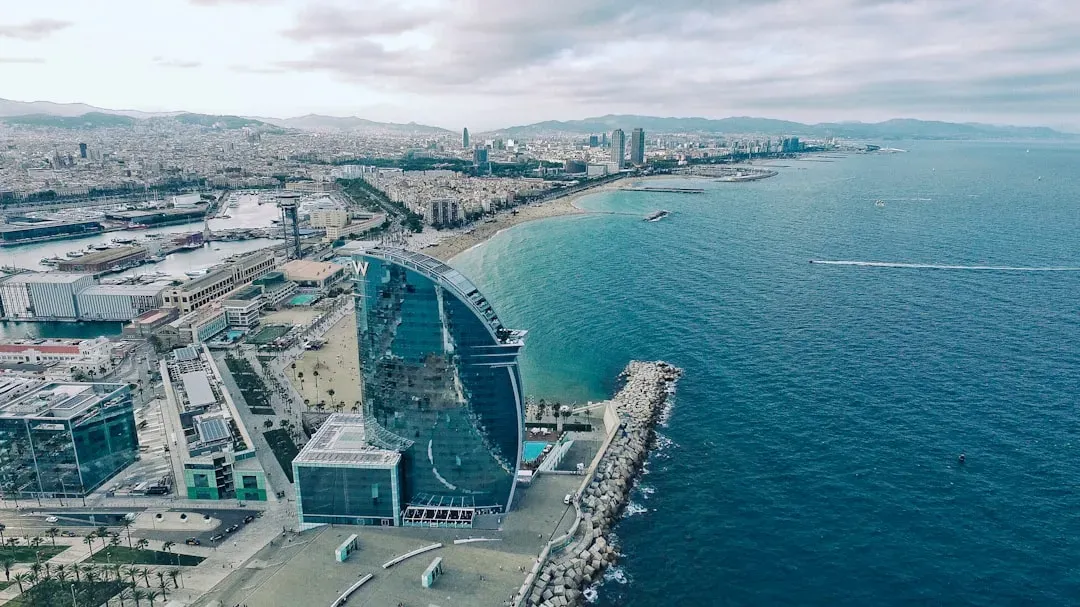
Barcelona overwhelms in a very specific way: it’s a functioning, dense residential city that also happens to host some of the most photographed architecture on the continent, and the two identities collide constantly. La Rambla and the Gothic Quarter can feel like theme park queues by midmorning, especially when cruise passengers pour in alongside everyone else.
Some 15.5 million tourists stayed overnight in Barcelona in 2024, in a city with a population of 1.7 million, and among them were 1.6 million cruise ship passengers passing through in transit that same year. The tension has become visible on the streets too. In June 2025, thousands of residents marched through central neighbourhoods chanting slogans, with some protesters using water pistols and smoke devices to dramatise their message.
3. Paris, France
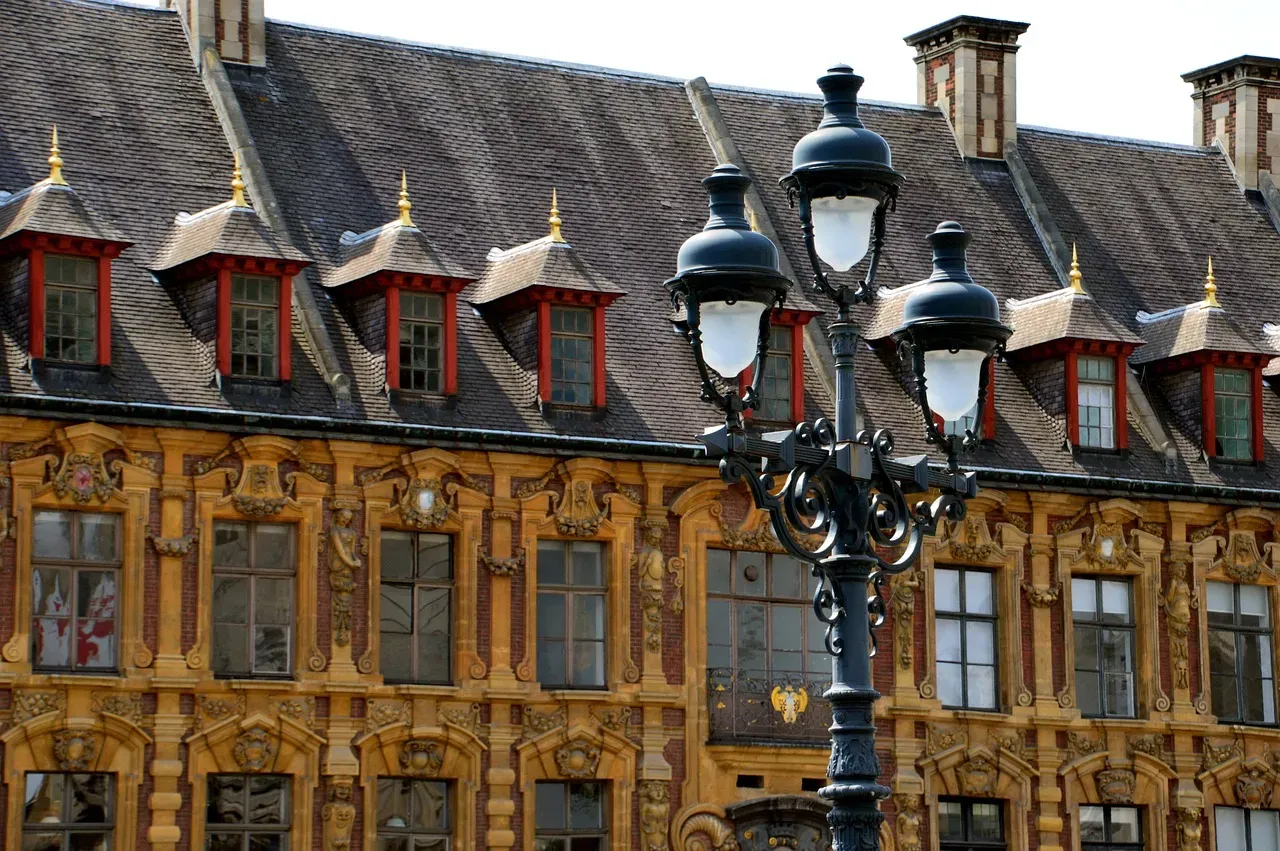
Paris disorients first-time visitors less through crowding and more through sheer pace. Gare du Nord alone processes hundreds of thousands of travelers daily, and stepping straight from a train platform into that station’s chaos, then into the Métro, is a rough introduction for anyone unused to big-city transit systems.
The city’s layout doesn’t help matters at first. Twenty arrondissements spiral outward in a pattern that seems logical on paper but confuses anyone trying to navigate by instinct, and the sheer density of monuments means visitors often try to cram the Louvre, Notre-Dame, and Montmartre into a single exhausting day.
4. Rome, Italy
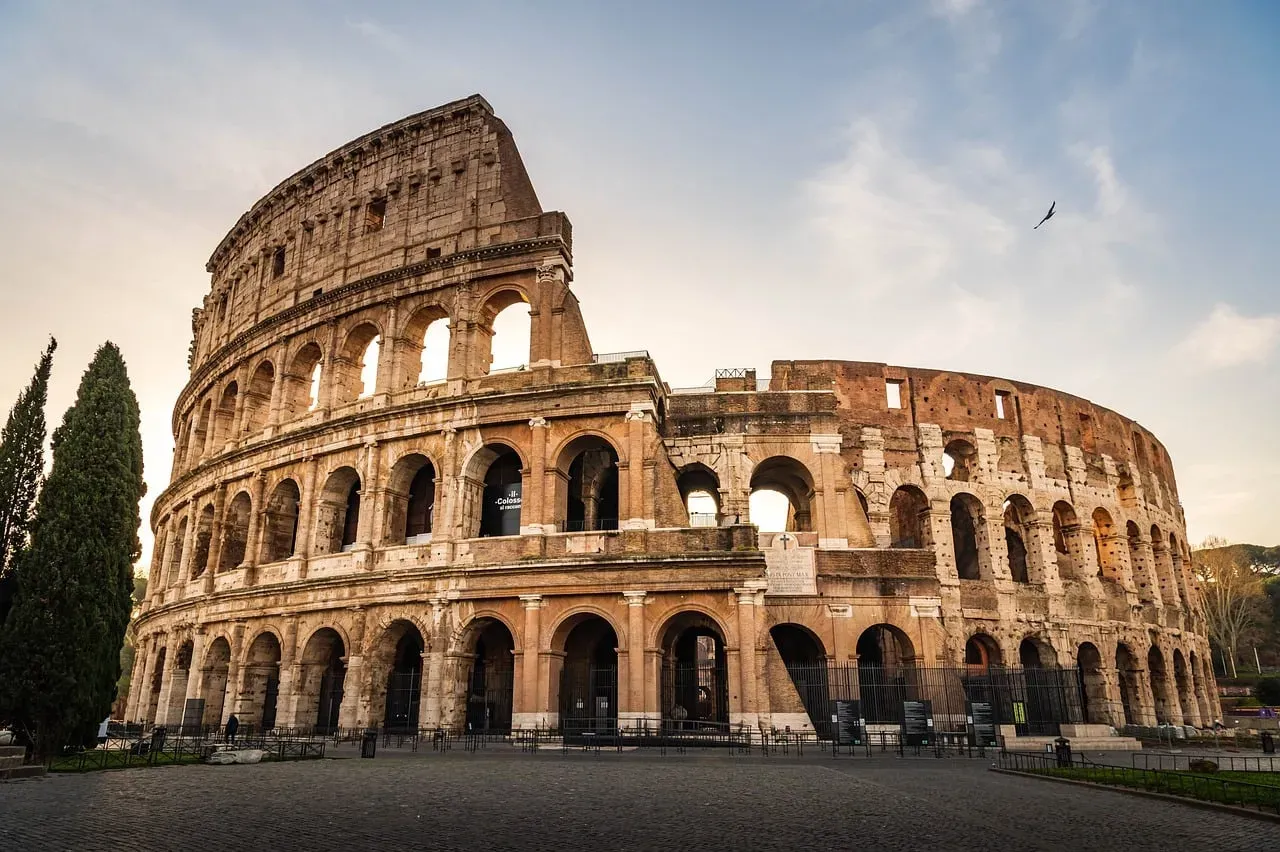
Rome layers three thousand years of history on top of modern traffic, and the result is a city where ancient ruins sit beside honking scooters and no obvious grid system to rely on. First-timers frequently underestimate how much walking is required between major sites, since the metro network is limited by archaeological restrictions on new digging.
The Colosseum and Vatican areas draw such dense crowds that timed-entry tickets have become close to mandatory rather than optional for anyone hoping to avoid hours in line. Add erratic driving norms and a fairly loose relationship with posted opening hours, and visitors often describe the first day in Rome as thrilling but exhausting in equal measure.
5. Naples, Italy
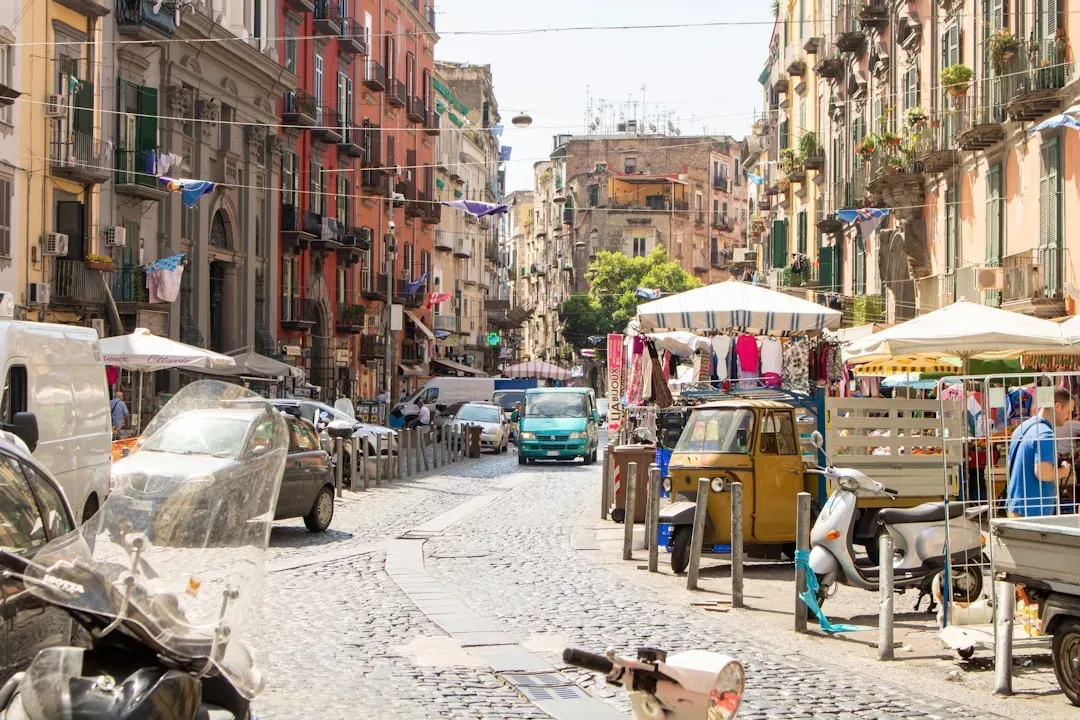
Naples has a reputation, deserved or not, for being one of the more intense entry points into southern Italy. Traffic rules feel more like suggestions, pedestrian crossings are treated as approximate zones rather than guarantees of safety, and the noise level in the historic center rarely drops below a low roar.
What softens the impact for many travelers is how quickly the city’s energy starts to feel less threatening and more like genuine vitality. Once visitors adjust to the volume and the traffic patterns, Naples tends to reveal itself as one of Italy’s most authentic, unpolished cities, though that adjustment period is real and worth planning for.
6. Istanbul, Turkey
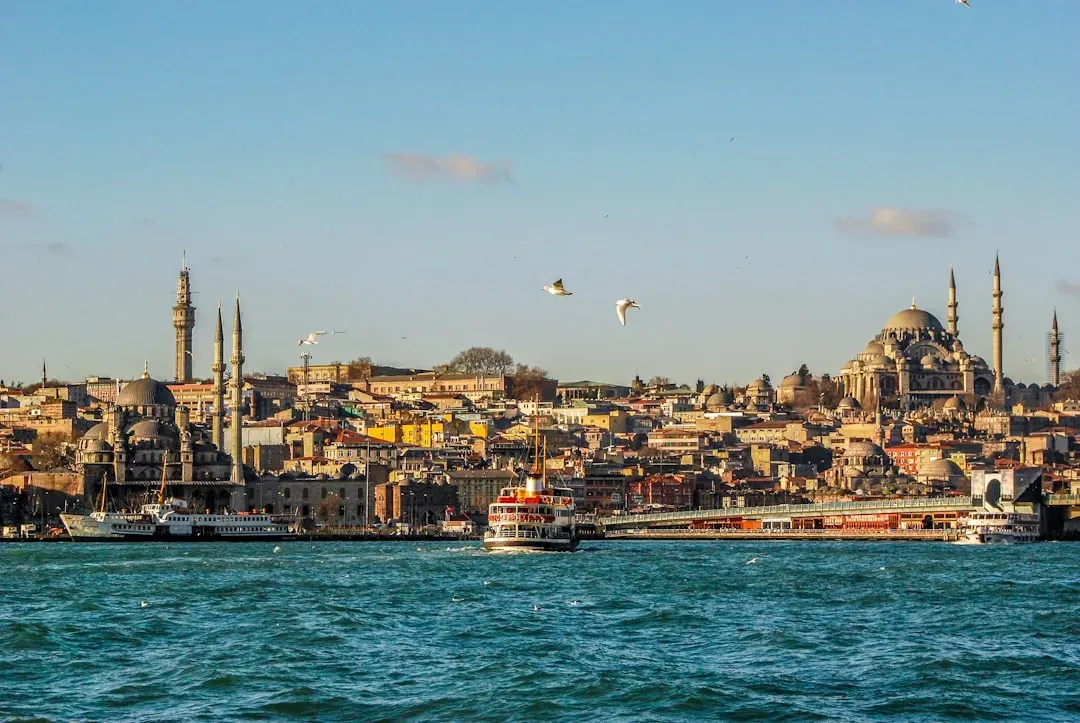
Istanbul spans two continents, and that geographic split shows up in how disorienting the city can feel to newcomers. The Bosphorus divides Europe from Asia, ferries and bridges connect neighborhoods that operate on different rhythms, and the sheer scale of the metropolitan area, home to more than fifteen million people, dwarfs most other European destinations on this list.
The Grand Bazaar and Sultanahmet district compound the effect with dense crowds, insistent vendors, and a layout that rewards locals far more than tourists. Traffic congestion is another factor visitors consistently mention, since Istanbul regularly ranks among the more gridlocked major cities in the region during peak hours.
7. London, United Kingdom
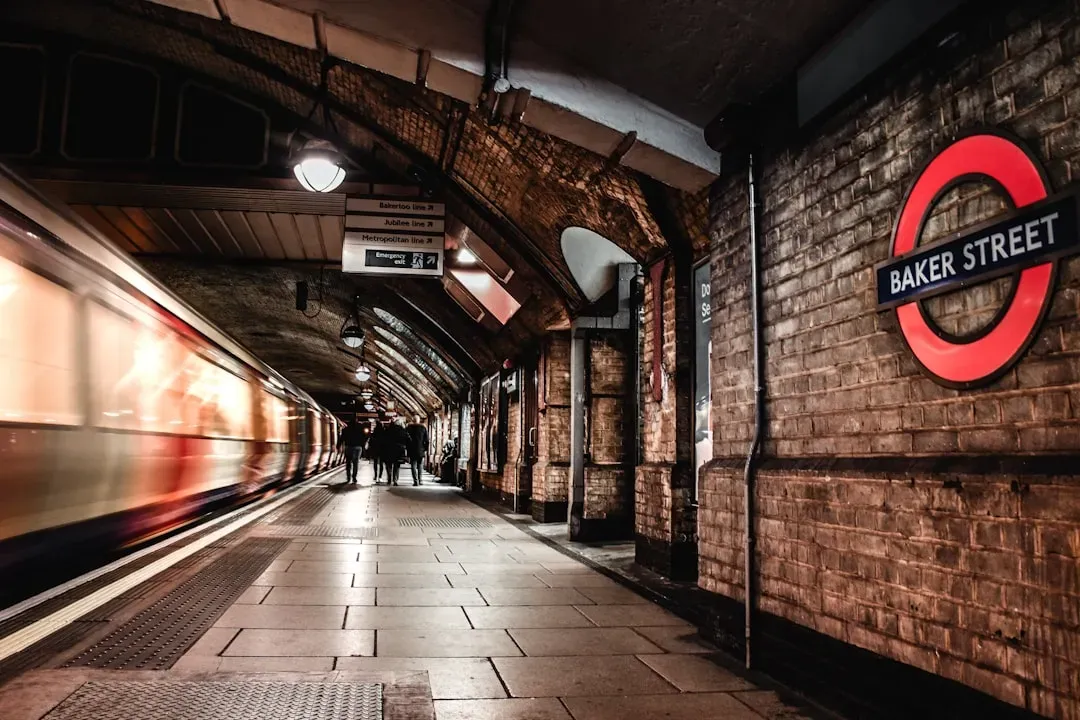
London’s overwhelm is quieter than Naples or Istanbul but no less real. The city sprawls across dozens of distinct neighborhoods, each with its own character, and the Underground’s zone system combined with above-ground rail lines confuses visitors who assume one ticket covers everything.
Central London’s pace adds another layer, since commuters move with a briskness that catches slower-moving tourists off guard on narrow pavements and crowded escalators. Add unpredictable weather and a city that never quite pauses, and first-timers often need two or three days before London starts to feel navigable rather than relentless.
8. Athens, Greece
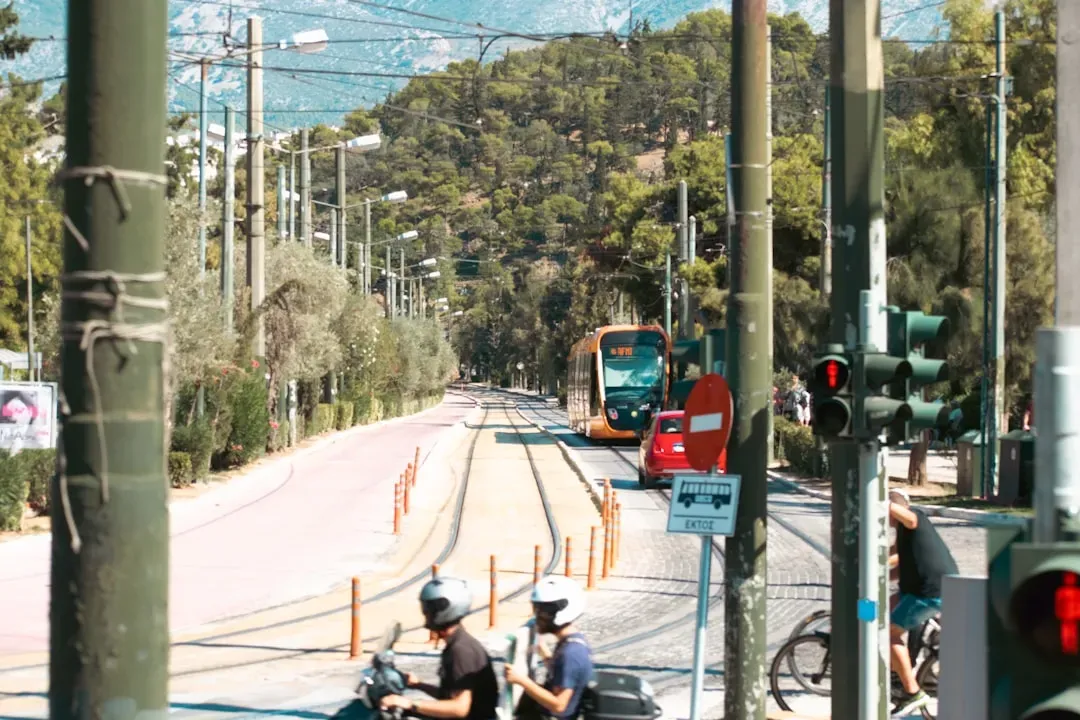
Athens combines summer heat with traffic patterns that can feel genuinely chaotic to visitors used to more orderly cities. Motorbikes weave between cars, crosswalks are more theoretical than enforced, and the climb up to the Acropolis under midday sun catches plenty of unprepared tourists off guard.
The city center itself is compact, which sounds like an advantage until the crowds around Monastiraki and Plaka concentrate into a fairly small footprint. Visitors who arrive expecting a sleepy ancient capital are often surprised by how loud, fast, and modern much of central Athens actually feels.
9. Amsterdam, Netherlands
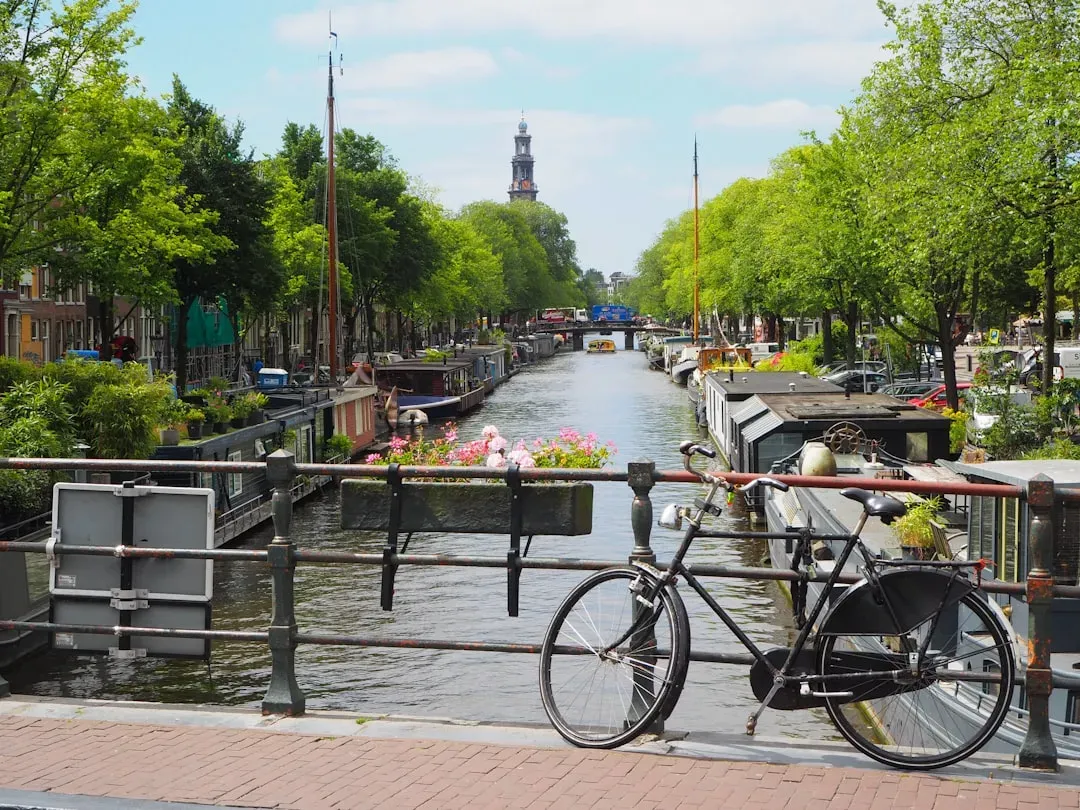
Amsterdam’s overwhelm comes from an unexpected source: bicycles. The sheer volume of cyclists moving through narrow streets and along canal paths catches pedestrians off guard, and stepping into a bike lane without checking twice is one of the most common first-time-visitor mistakes in the city.
The historic center, particularly around Dam Square and the Red Light District, also draws crowds far beyond what its medieval street width was built to handle. Amsterdam has responded with restrictions on new hotel construction and limits on large tour groups in certain areas, part of a broader European pattern of cities trying to slow down foot traffic in their oldest quarters.
10. Prague, Czech Republic
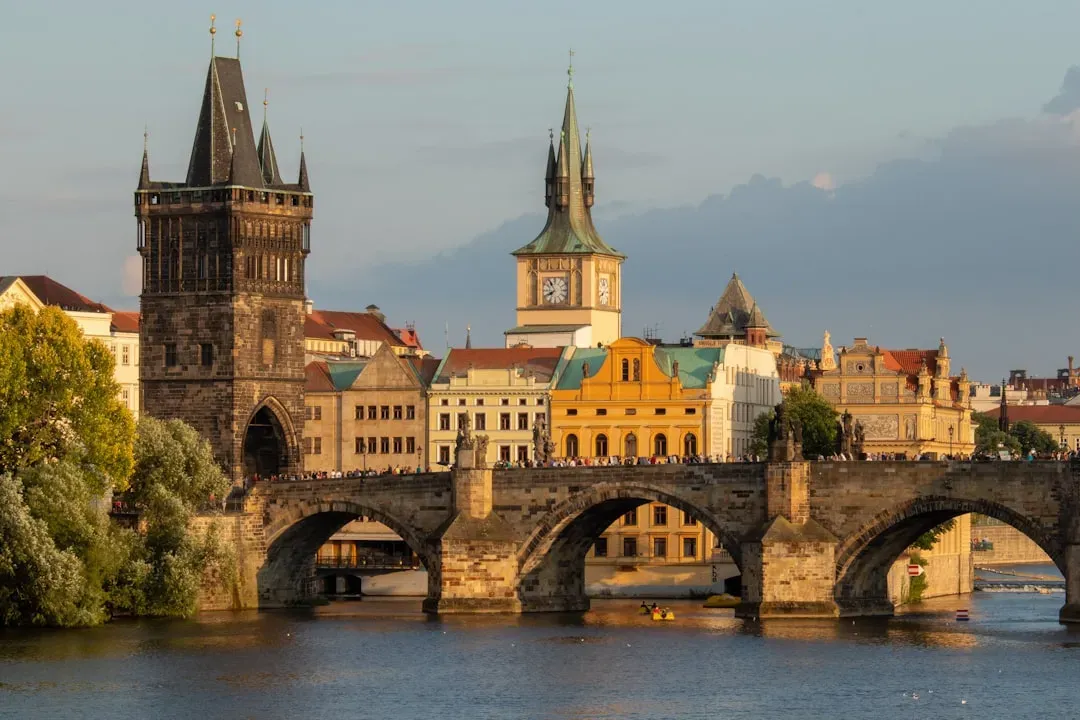
Prague’s Old Town looks like a fairy tale from a distance and feels like a crowded stage set up close. The Charles Bridge and Astronomical Clock draw such dense foot traffic that simply moving through the square during peak season requires patience most visitors don’t expect to need.
Beyond the crowding, the city’s layout across the Vltava River, combined with a tram and metro system that uses Czech signage unfamiliar to most tourists, adds a mild navigational challenge on top of the physical congestion. Prices in the tourist core have also risen noticeably in recent years, another small shock for visitors expecting the budget-friendly reputation Prague once had.
11. Moscow, Russia
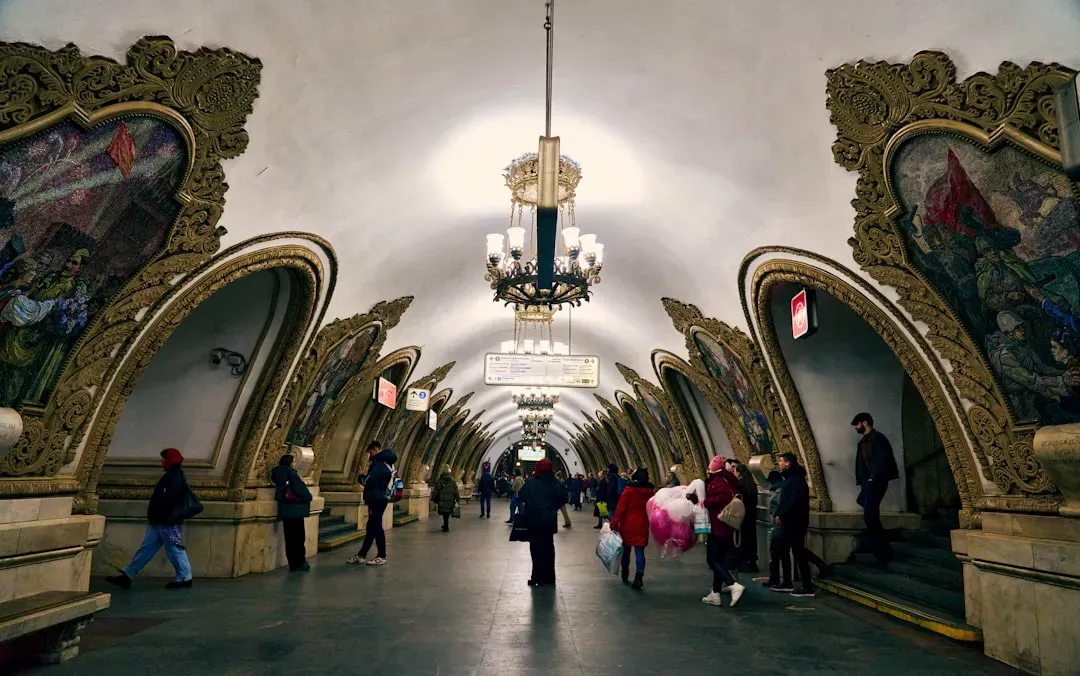
Moscow’s scale alone sets it apart from almost every other city on this list. The metropolitan area is home to well over ten million people, distances between major sites are far greater than they appear on a simplified tourist map, and the Cyrillic alphabet adds a genuine barrier for visitors who can’t read street signs or metro station names on arrival.
The Moscow Metro is famously ornate but also famously vast, with dozens of stations and lines that require some orientation before they make sense. Red Square and the Kremlin complex draw significant crowds, and the general pace and formality of the city center can feel notably different from the more casual street culture found in Western European capitals.
Overwhelm, in most of these cities, tends to fade by the second or third day. It rarely comes from the cities being unfriendly. It comes from scale, density, and centuries of history stacked into spaces that were never built with modern tourist volumes in mind, and once a visitor adjusts to that rhythm, the same chaos that felt disorienting on arrival often becomes the thing they remember most fondly.