
1. North Korea: The Most Controlled Tourism Environment on Earth
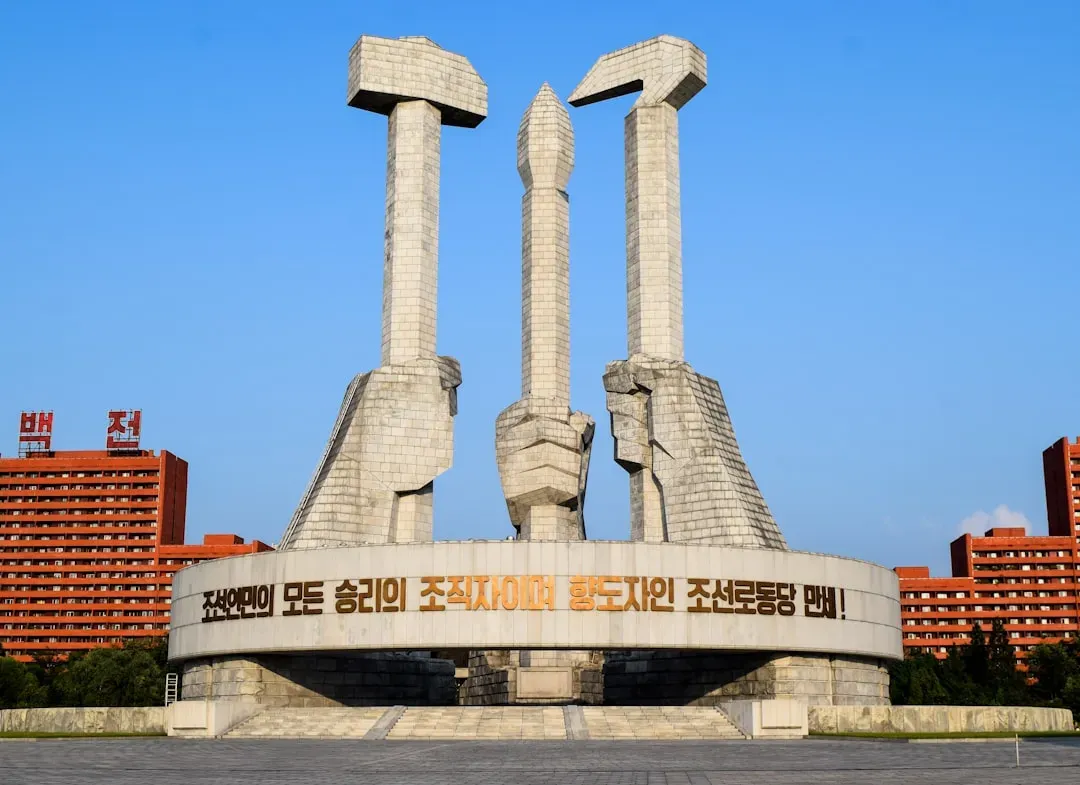
No destination on the planet approaches travel quite like North Korea. North Korea doesn’t allow independent tourism, and authorities strictly restrict travel within the country. Every movement is supervised, and that’s by design, not accident. Free tourist visits are not allowed, individually or in group: guided tours are mandatory.
The rules for visitors go well beyond what most travelers are accustomed to. All electronic and media devices are subject to search for banned content, including USB drives, CDs, DVDs, mobile phones, tablets, laptops, and internet browser histories. Personal belongings in hotel rooms may also be searched, and hotel rooms may be monitored. As of 2026, the situation has barely shifted. North Korea has remained largely closed to foreign travelers for over six years, maintaining strict border controls that continue into 2026, with only Russian passport holders currently permitted to visit as tourists.
2. Afghanistan: A Country That Carries Every Warning
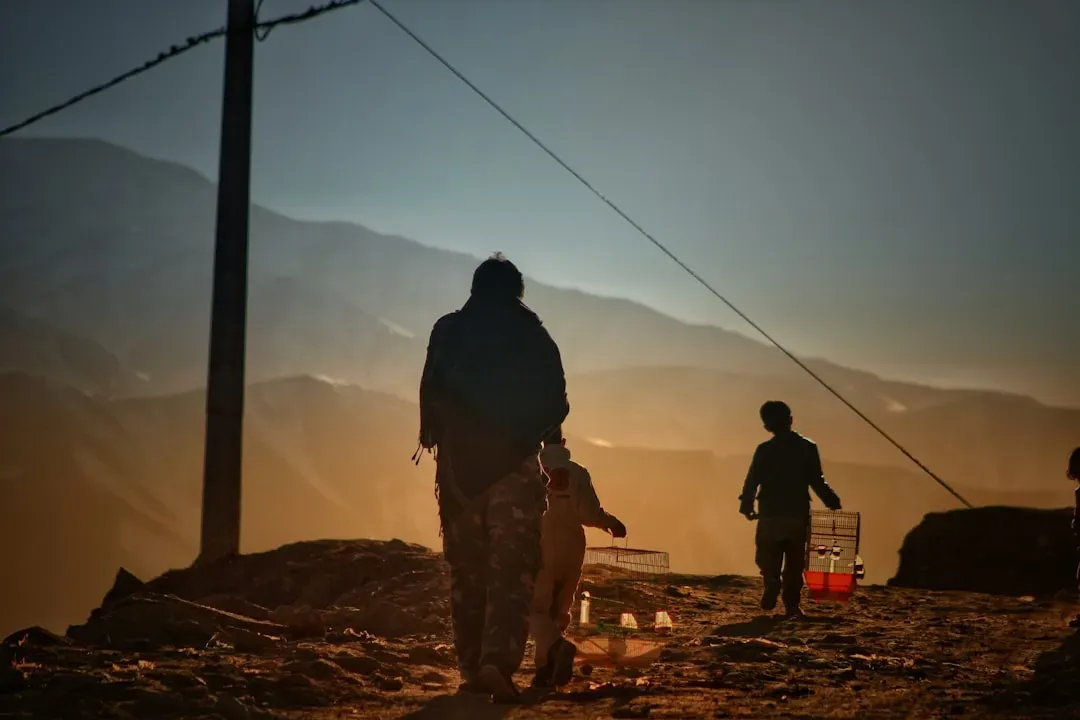
Afghanistan is one of the most dangerous tourist destinations, chosen only by the most adventurous globe-trotters. In this South Asian country, which has been torn apart by war for many years, abductions, terrorist attacks, and violations of human rights are an everyday occurrence. The numbers confirm what the reputation suggests. Afghanistan ranks 160th on the Global Peace Index 2024, placing it among the most dangerous countries to visit.
Natural disasters have affected the nation as well, with floods and earthquakes ravaging the landscape between 2022 and 2024. Road travel poses violent threats such as terrorism and armed crime, especially in remote areas. Additionally, political repression toward women may further escalate tension for travelers. Infrastructure support is nearly nonexistent for visitors who run into trouble. There is limited access to vaccines, and there’s a lack of support given that the U.S. embassy suspended its operations in 2021.
3. Somalia: Where the Risks Are Structural, Not Just Situational
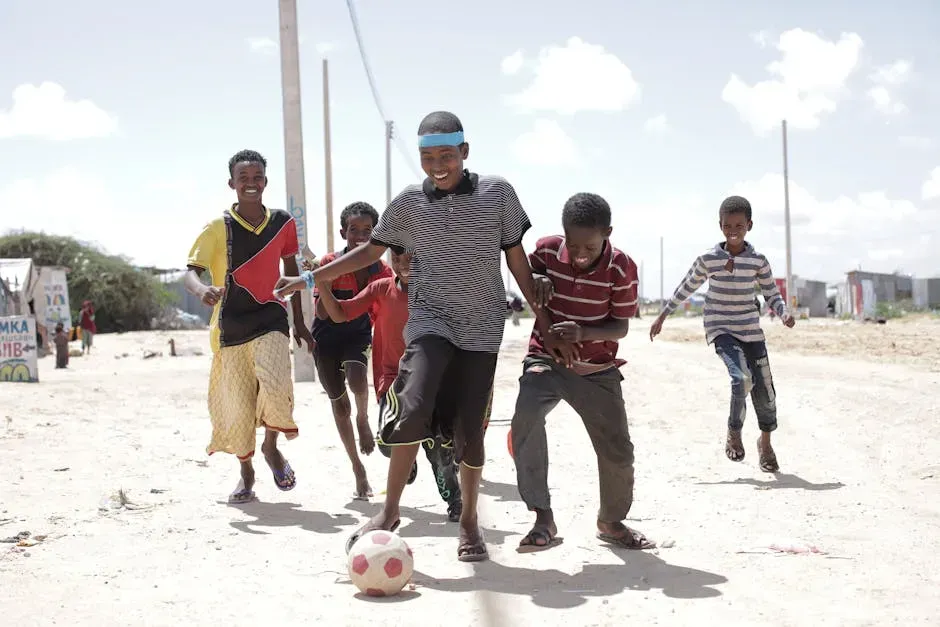
The most dangerous countries to visit in 2025 according to the latest Travel Risk Map include Somalia, alongside a handful of conflict zones that have made global headlines for years. Somalia’s instability isn’t a recent development. It stems from decades of collapsed governance, ongoing militant activity, and a coastal piracy problem that has reshaped how maritime security is understood globally. There is a serious threat of violent attacks by armed groups targeting travelers and international assignees, and government and transport services are barely functional.
What makes Somalia particularly intimidating is the layered nature of its risks. In a handful of countries, visitors face an unsettlingly increased risk of being violently harassed or kidnapped, unlawfully imprisoned, seriously harmed, or even killed, and Somalia consistently appears on that list. Healthcare access is critically limited, evacuation routes are unreliable, and the unpredictability of local conditions can shift within hours. For the vast majority of travelers, it remains firmly in the do-not-visit category.
4. South Africa: Stunning Beauty, Real Urban Risk
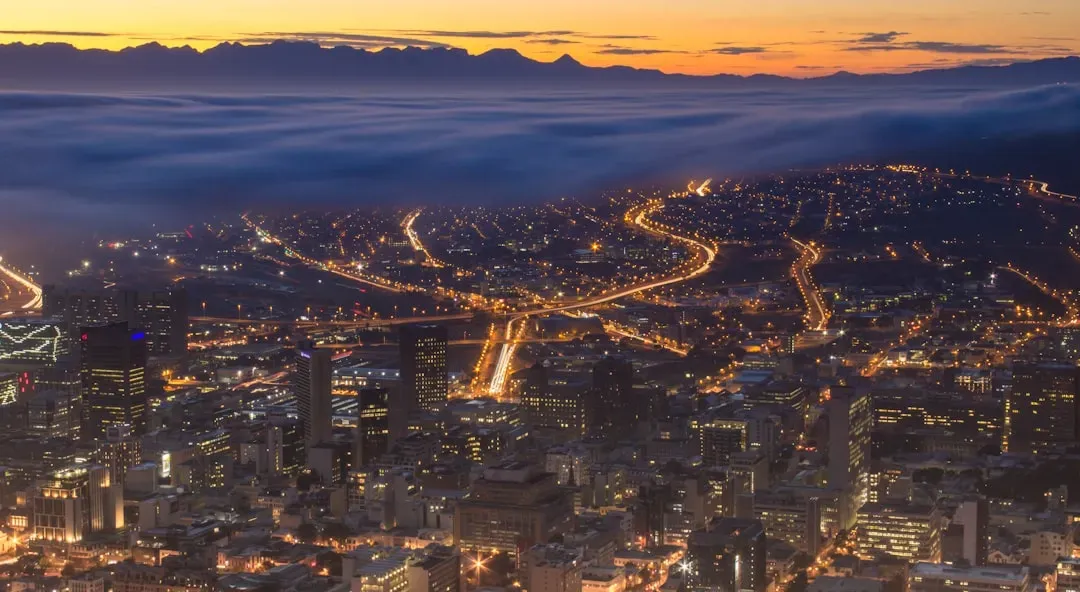
South Africa sits in a complicated position. Its landscapes are extraordinary, its food culture is vibrant, and its wildlife tourism is genuinely world-class. Yet the safety picture in its cities tells a different story. South Africa, with an alarming Travel Danger Score of 76, tops the list of perilous destinations in a study that examined the 50 most visited countries worldwide. The comprehensive analysis examined multiple safety indicators including sexual assault rates, traffic fatalities, crime incidents, healthcare quality, and human trafficking scores to craft each country’s Travel Danger Score.
Brazil’s safety concerns drew comparisons in the study, but South Africa’s crime index of 65.6 and other compounding factors pushed it to the top of the danger rankings. Cities like Johannesburg and parts of Cape Town require genuine vigilance, particularly after dark and in areas that aren’t designated tourist zones. The intimidation factor here isn’t imaginary. It’s the result of measurable, persistent risk that affects both locals and visitors, and it demands careful planning rather than casual optimism.
5. Syria: A Country Still Rebuilding From Devastation
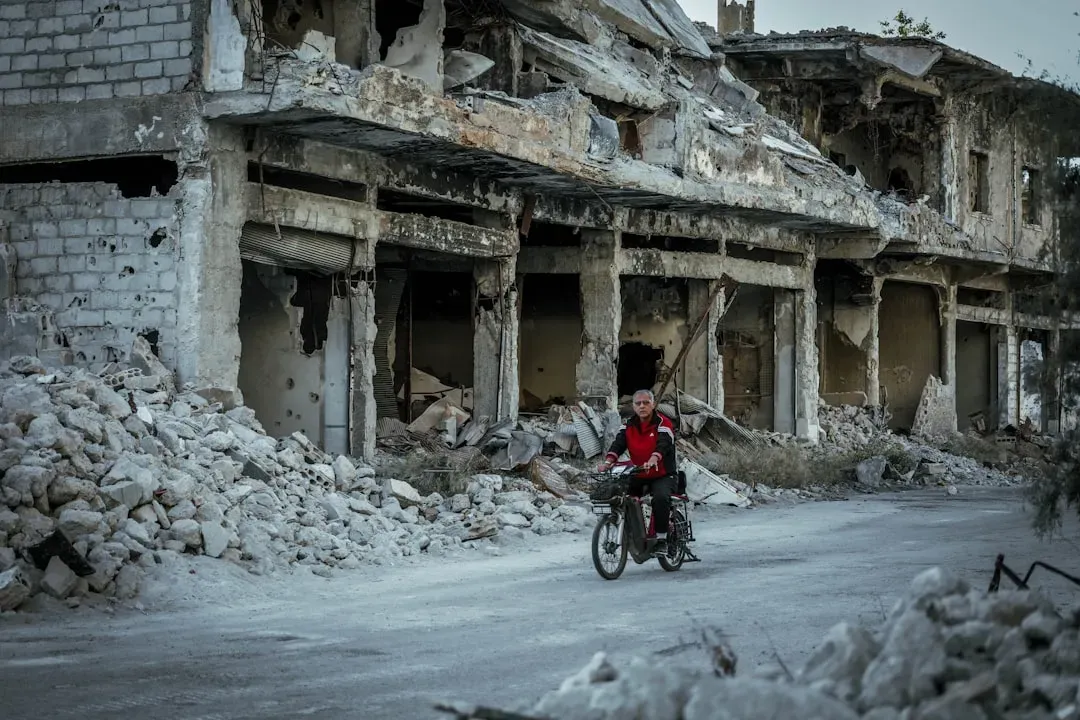
Syria is located in the Middle East, bordered by Iraq, Jordan, and Israel. Over 10 years of warfare has left the country governmentally divided, with different groups holding power over regions of the state. With loyalties quickly shifting, travelers may experience checkpoints and changing rules. Even for the most seasoned travelers, the sheer unpredictability of the security environment makes Syria deeply intimidating. Flights from airports in Aleppo and Damascus regularly shut down in the case of military strikes, and areas like Idlib see common bombings and street fights. There is also a significant ISIS presence in Deir ez-Zor.
Health risks include cholera outbreaks in 2024, limited access to clean water, and few partially operational hospitals. If you plan on staying in the country for more than 15 days, you must register with the Syrian immigration office. Most Western governments continue to advise against all travel to Syria. The country is slowly working toward some form of stability following a period of dramatic political change in late 2024, but the ground-level reality for travelers remains far too volatile for anything resembling normal tourism in 2026.
Iceland: Where Even the Police Don’t Carry Guns
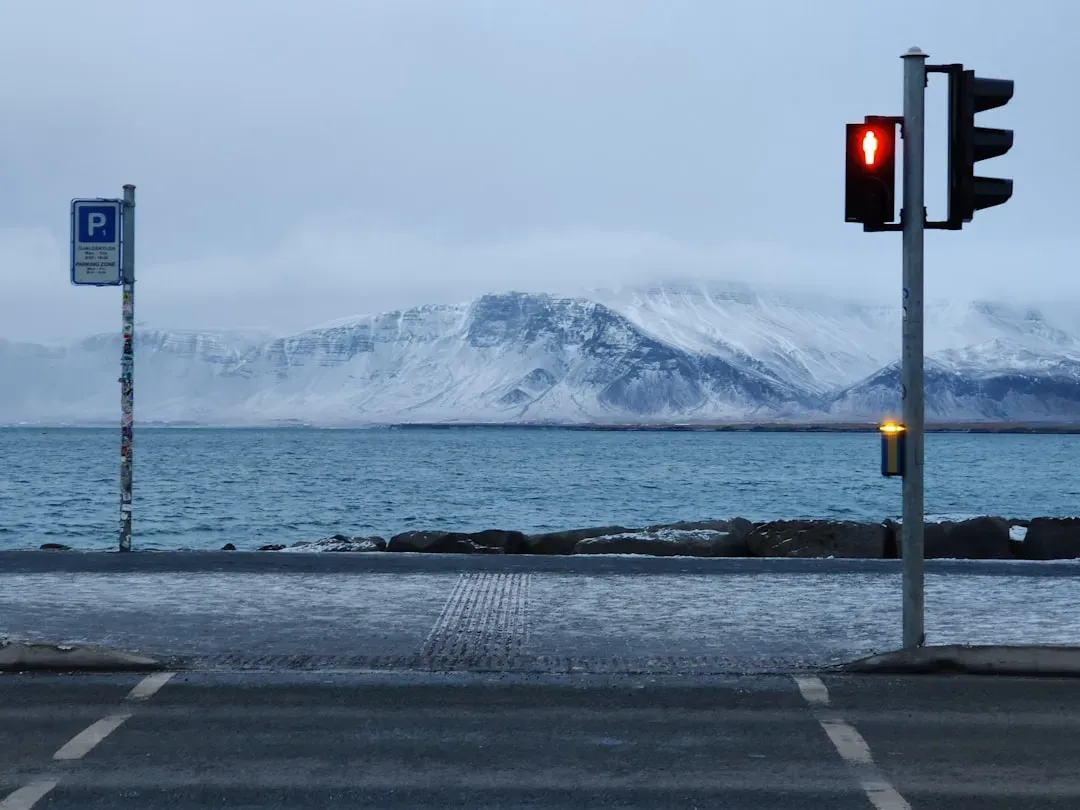
Iceland is about as far from the intimidating end of the spectrum as a destination can get. According to the 2025 Global Peace Index, Iceland has once again secured the title of the safest country in the world, maintaining this position for an impressive 18 years in a row, reflecting its exceptionally low crime rates, political stability, and minimal militarization. That consistency isn’t a fluke. It reflects a deeply embedded social fabric. Iceland has a very low level of crime, attributed to its high standard of living, small population, strong social attitudes against crime, and a high level of trust in its well-trained police force. Iceland has no military, and the police do not carry firearms.
Iceland offers a peaceful retreat for those seeking a tranquil vacation experience. Its breathtaking landscapes and natural wonders provide a calming environment for visitors. The country’s geothermal pools and hot springs, like the famous Blue Lagoon, offer relaxing spaces to unwind, and these warm, mineral-rich waters are known for their soothing properties. Travelers who struggle with anxiety in unfamiliar environments often find Iceland unusually manageable, largely because with no standing army, the country prioritizes its police force, and tourists can roam freely in Reykjavik and the surrounding natural wonders, including glaciers, volcanoes, and geothermal springs, without worrying about their safety.
New Zealand: Nature at Your Own Pace
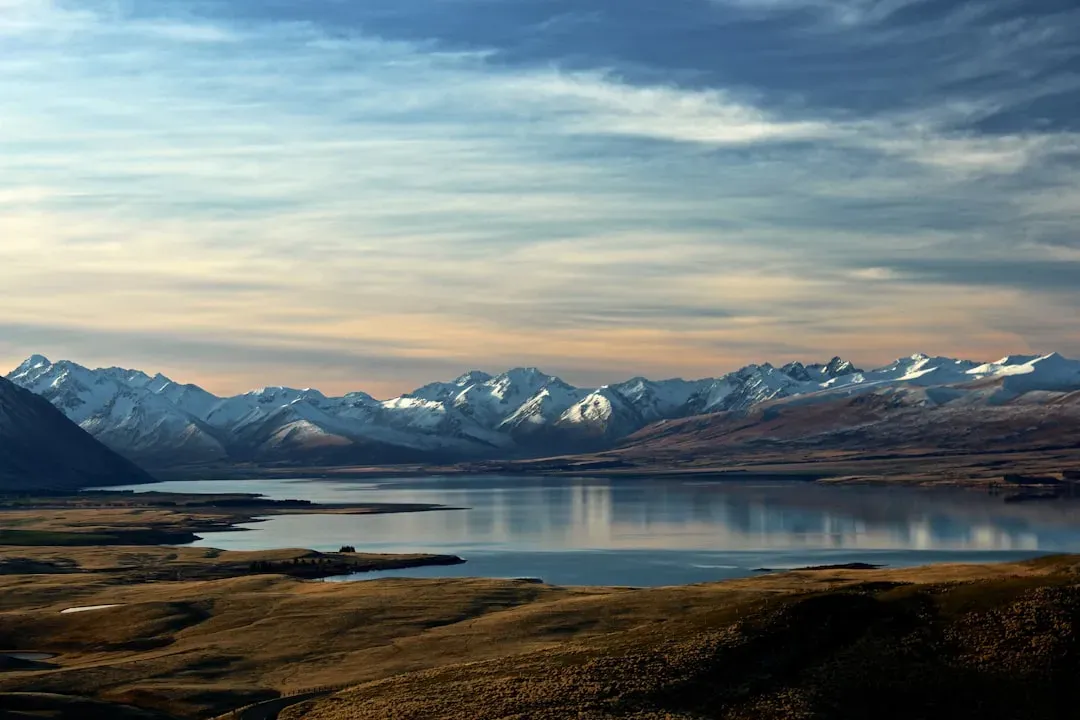
New Zealand is the fourth-safest country in the world. Like Iceland, New Zealand has a very low crime rate, and violent crime is especially rare. Theft is still worth guarding against, especially in tourist areas, but overall risk is minimal. What makes it particularly appealing for anxious travelers is the landscape itself. Everything from the coastline to the mountains feels accessible without being overwhelming. New Zealand offers stunning natural beauty and a relaxed atmosphere ideal for anxiety-friendly vacations, and the country’s diverse landscapes provide ample opportunities for peaceful exploration and quiet reflection.
New Zealand is a top pick for travelers with anxiety, thanks to its amazing landscapes and wellness retreats. You can relax at Lake Taupo’s gentle hiking trails or enjoy the views at Tongariro National Park. Such places offer mindfulness in nature, helping you break free from everyday stress. New Zealand’s varied landscapes provide many peaceful places to explore. There’s also something quietly reassuring about the culture. Unlike its neighbor Australia, New Zealand has no deadly animals. New Zealanders are generally open-minded and have laws in place to prevent the violation of anyone’s freedom of speech or expression. As in Iceland, police in New Zealand do not carry personal firearms.
Ireland: Familiarity and Warmth in Equal Measure
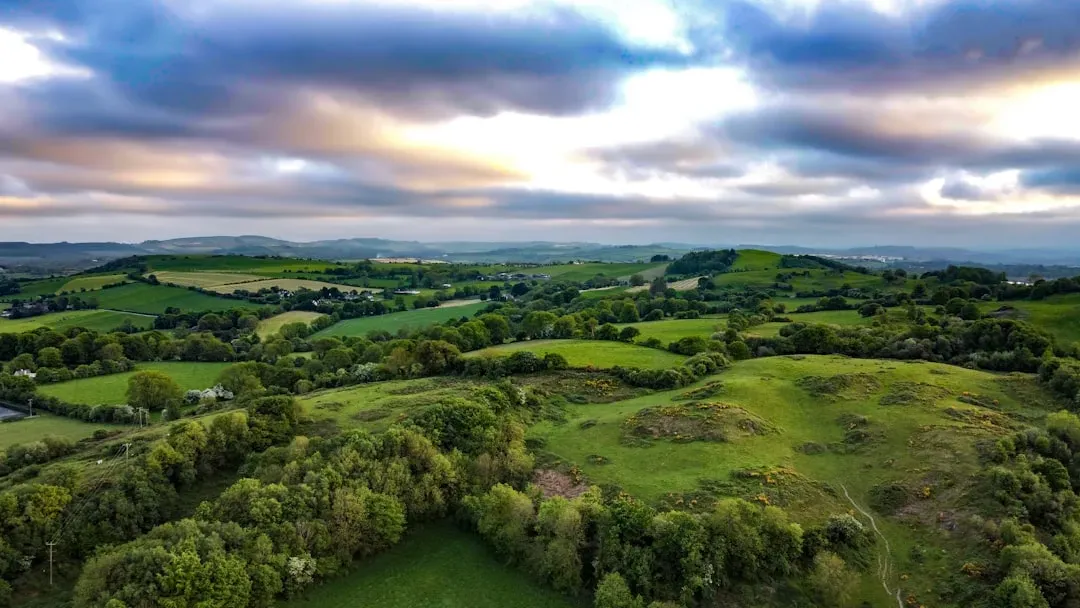
Securing the second spot in the Global Peace Index, Ireland stands as one of the safest countries for travelers in 2025. Known for its welcoming people, lush green landscapes, and a rich cultural heritage, Ireland offers a safe and peaceful environment for both locals and visitors. Ireland’s low crime rates, absence of conflict, and robust rule of law make it an ideal destination for tourists who seek both security and a taste of Irish hospitality. For English-speaking travelers in particular, the absence of any language barrier removes one of the most common sources of travel-related stress entirely.
With its friendly locals, gorgeous landscape, fairytale castles, and lots of literary fun, Ireland is a top travel destination for many great reasons. For such a small country, there are tons of attractions and charming cities and towns to occupy your time. The pace of life here has a natural gentleness to it. The country’s thriving tourism sector has benefited from its safety ranking, drawing in millions of international visitors each year. From the vibrant streets of Dublin to the tranquil beauty of the Cliffs of Moher, Ireland continues to be a top choice for tourists seeking both adventure and peace of mind. For anyone who wants the experience of international travel without the sensory overload that comes with navigating a completely foreign culture, Ireland quietly delivers exactly that.