
There’s a particular moment every newcomer to the American South describes: stepping off the plane or out of a moving truck, opening the door to what they assumed would just be “warm weather,” and getting hit by air so dense and wet it almost pushes back. It’s not the temperature that floors them. It’s the moisture – the kind that settles on your skin within seconds and refuses to leave.
In climatology, two terms matter most: relative humidity, which measures the percentage of moisture compared to what the air can hold at a given temperature, and dew point, which shows how humid it actually feels. A high dew point means the air feels heavy and sticky, even if the relative humidity number looks the same as somewhere cooler. Understanding that distinction matters enormously when you’re deciding where to plant roots – or when you’re already unpacking boxes and wondering why your shirts are never quite dry.
1. New Orleans, Louisiana – The Undisputed Heavyweight
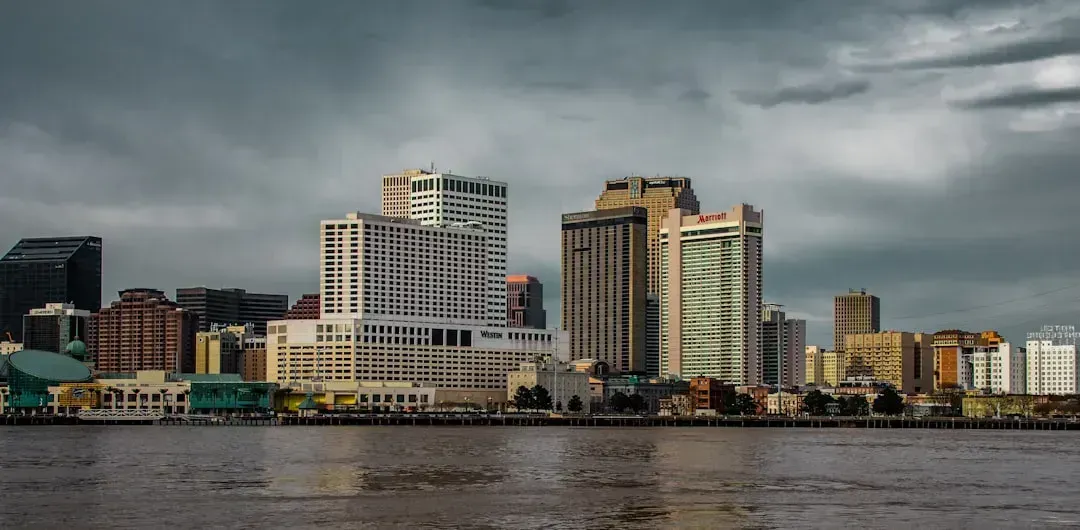
New Orleans consistently earns the top spot in humidity rankings among major American cities, with an average daily relative humidity of nearly 86%. The city sits at or below sea level, encircled by the Mississippi River, Lake Pontchartrain, and the Gulf of Mexico – there’s nowhere for moisture to escape. That geography isn’t just poetic. It’s the physical reason why the air feels trapped, recycled, and perpetually wet.
During July and August, New Orleans regularly records dew points above 74°F, levels the National Weather Service classifies as oppressive or dangerous. A 92°F afternoon at a dew point of 74°F produces a heat index near 113°F. For newcomers accustomed to dry heat or temperate climates, that gap between the thermometer reading and what the body actually experiences is one of the most disorienting surprises the city has to offer.
2. Lake Charles, Louisiana – The Most Humid City You’ve Never Heard Of
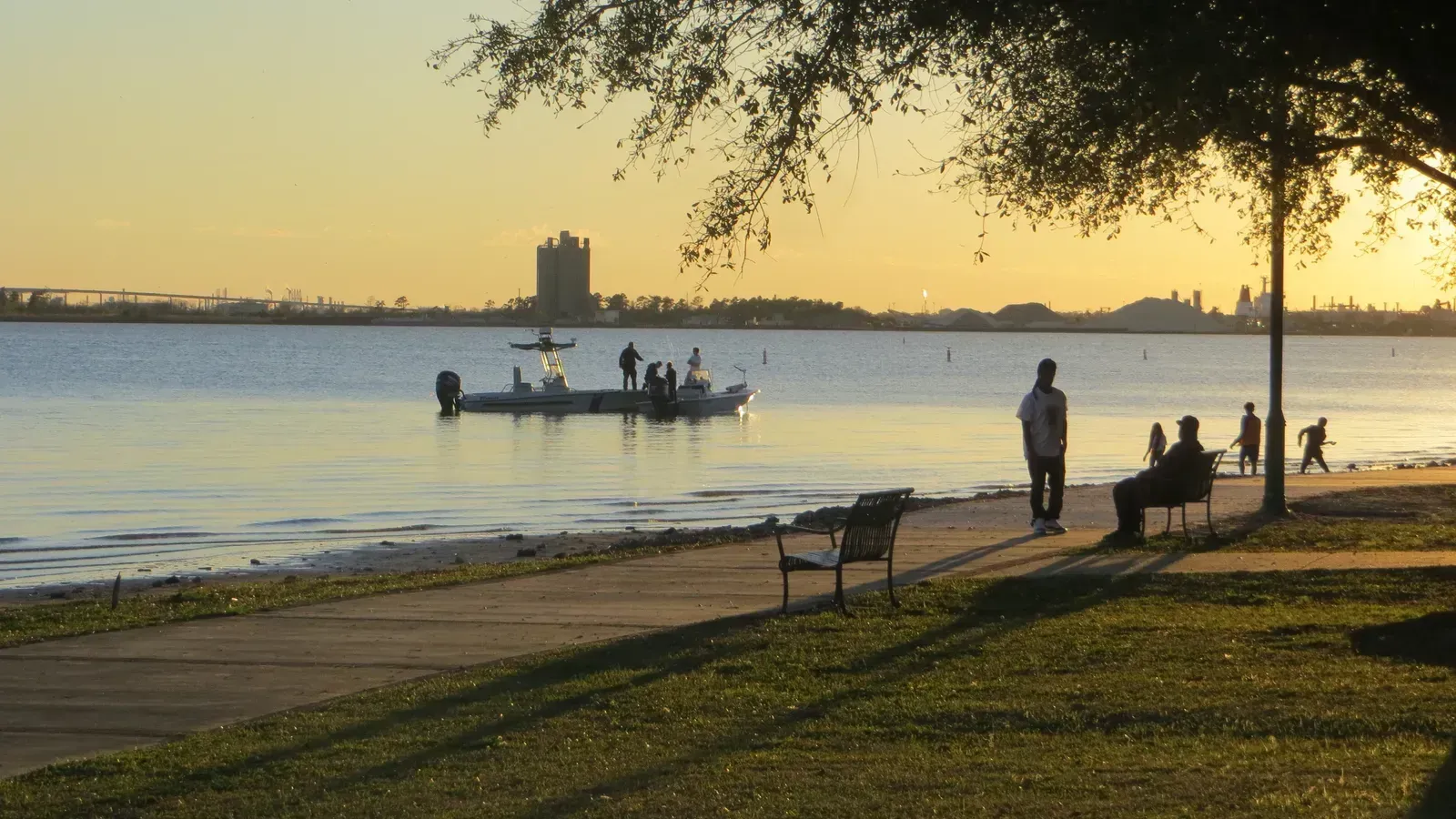
Lake Charles holds the title of the most humid city in the USA by some rankings. It has an average annual humidity of 90%, and according to WeatherSpark, the city’s most humid period lasts for over six months, from early April until the end of October. For a city of its size, that’s a remarkable and relentless stretch of thick, soupy air that most new arrivals simply aren’t prepared for.
The most humid cities, like Lake Charles, experience year-round moisture, leading to higher cooling costs and potential home maintenance challenges. Severe weather is also very common in the region, with hurricanes, thunderstorms, and flooding all possible. Lake Charles is only about an hour from Port Arthur, Texas, so the two cities share very similar climate conditions. New arrivals often describe feeling like they never fully dried off between May and September.
3. Port Arthur, Texas – Seven Months of No Relief
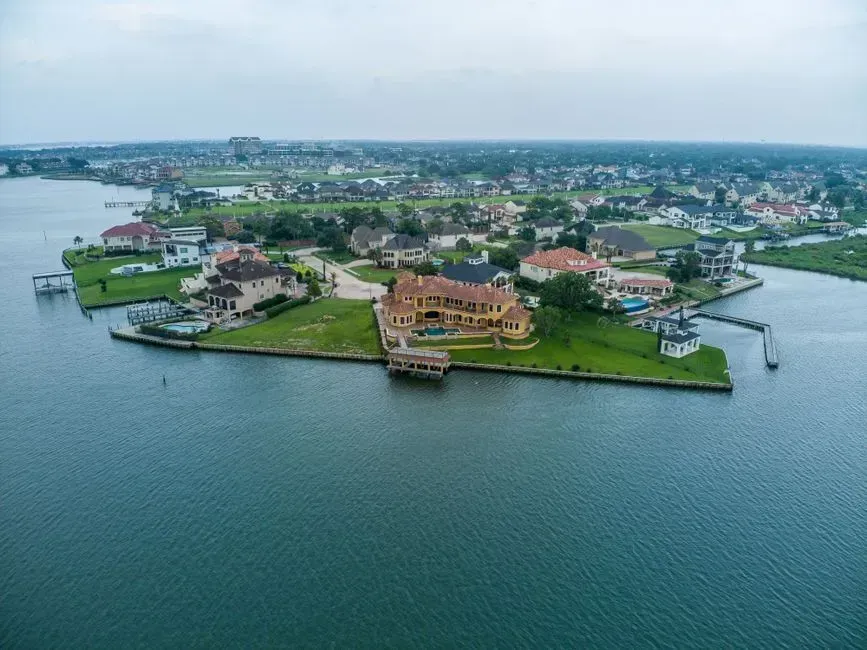
Port Arthur is one of the most humid cities in the United States, with an average daily humidity of 78%. Its location on the Gulf of Mexico keeps the air saturated almost every day of the year. Warm, moist air flows inland from the Gulf and mixes with the low-lying marshes and waterways surrounding the city, creating conditions where the air rarely feels dry.
Port Arthur also has a relative average annual humidity of 90%. The city sits beside the watery border of Lake Sabine, which runs directly down to the Gulf of Mexico between Texas and Louisiana. Port Arthur’s climate is flooded with water vapor wafting out of rivers, lakes, waterways, and gulf areas inside and around the city. It doesn’t have to be particularly hot temperature-wise for the air to feel thick, heavy, and hot, because all this water keeps the atmosphere moist and the dew points high. Port Arthur’s most humid period lasts for seven months, running from the beginning of April until early November.
4. Brownsville, Texas – Desert Heat Meets Gulf Moisture
Located on the warm Gulf Coast only a few hundred miles from the Chihuahuan Desert, Brownsville experiences both hot desert heat and warm coastal humidity. These factors help the city see extremely hot summers and generally warm temperatures year-round. That combination creates a distinct and disorienting kind of weather – dry enough to crack your lips in winter, yet saturated enough in summer to feel genuinely oppressive.
Brownsville’s position on the Gulf brings extreme summer heat and humidity. Recent heat waves have pushed the heat index near 130°F, with high humidity preventing relief overnight. Brownsville is also in a hurricane-prone zone, which brings extreme weather and sudden spikes in humidity. Even in calmer months, the combination of heat and humidity drives the heat index to dangerous levels. For anyone relocating from the interior United States, the overnight humidity alone can feel like a physical intrusion.
5. Houston, Texas – A City That Makes Your Body Work Overtime
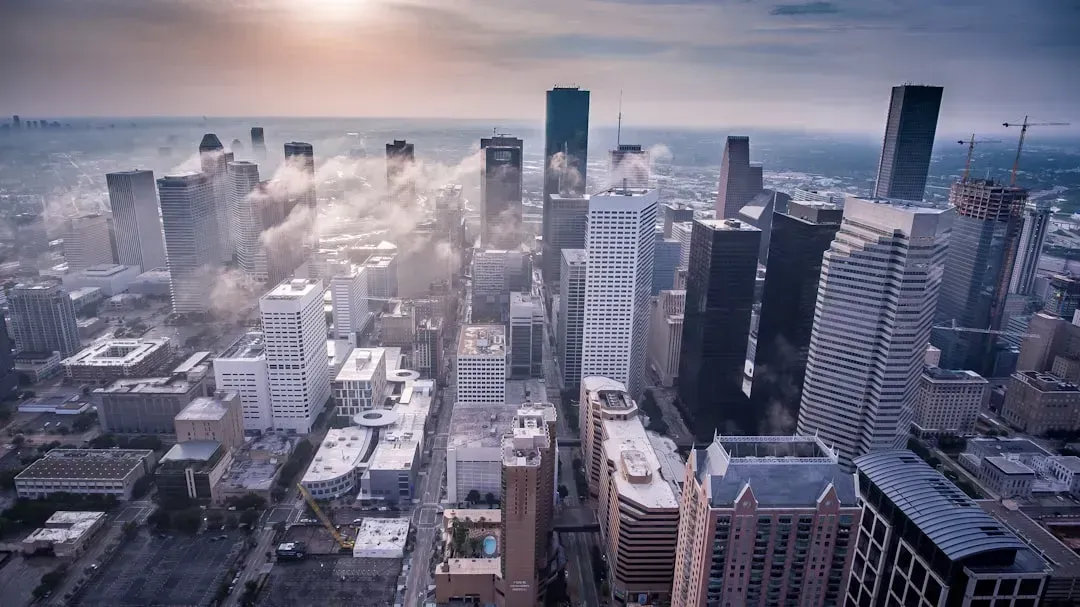
Houston experiences a humid subtropical climate, influenced by its proximity to the Gulf of Mexico and low elevation. The city’s climate is characterized by hot, humid summers and mild winters. Houston’s average humidity runs from about 73% in March up to 77% in September, but those numbers don’t capture the full story. The dew point does. The average dew point in Houston hovers around 74 degrees in July and August – firmly in territory the National Weather Service classifies as oppressive.
Every summer, Houstonians brace for brutal heat mixed with thick, sticky humidity that makes even a short walk outside feel exhausting. Doctors at Houston Methodist say that humidity does far more than just make people uncomfortable – it can affect breathing, strain the heart, and even impact mental health. According to Houston Methodist, the heart can work two to four times harder in hot, humid conditions as the body attempts to regulate temperature. That extra strain can become dangerous for people with high blood pressure or heart disease. New arrivals from the Southwest or Pacific Coast regularly report that summer in Houston felt like nothing they could have anticipated.
6. Corpus Christi, Texas – When the Heat Index Hits Triple Digits Before Noon
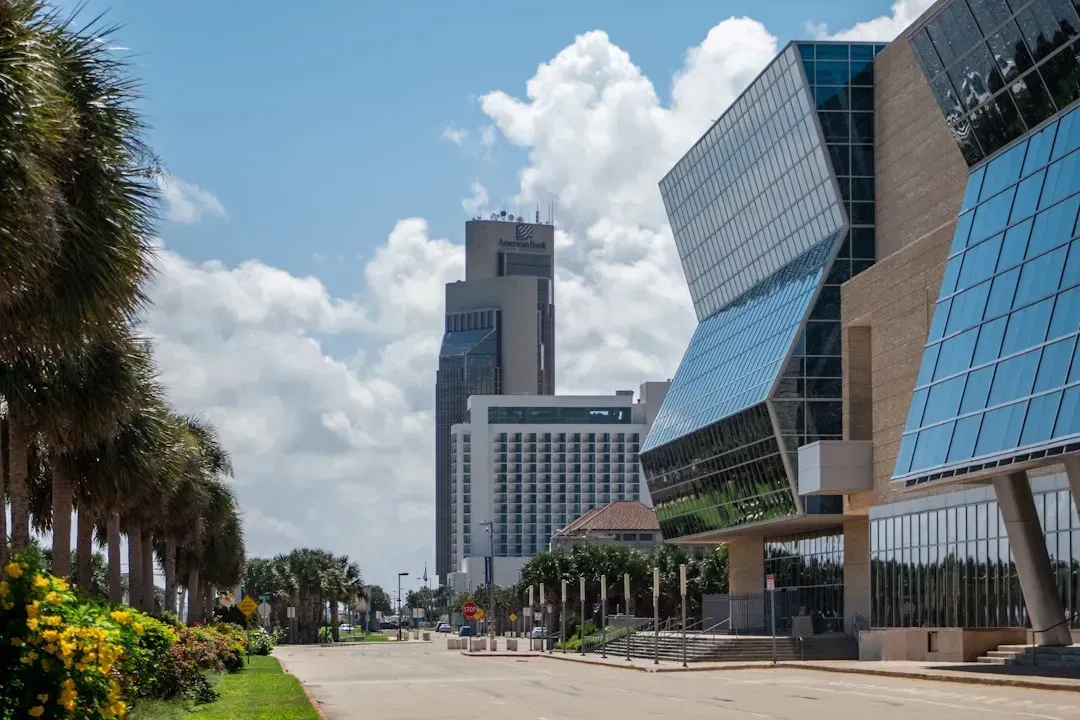
Corpus Christi, another Texas Gulf city, recorded a heat index of 125°F during the 2023 heat wave. The number of extreme heat days in Texas is projected to increase significantly in the coming years. That trajectory makes Corpus Christi one of the cities where the climate conversation has shifted from discomfort to genuine public health concern.
Corpus Christi is another hot Texas city nestled along the Gulf of Mexico. Like other cities along the Gulf, heat and humidity can combine to create dangerously warm conditions. Based on climate data, a warming planet is influencing humidity patterns. Warmer air can hold more moisture, leading to higher absolute humidity and more potent combinations of heat and mugginess. Research indicates that extreme heat indices are rising faster than air temperatures alone. Newcomers who arrive in spring often feel lulled into a false sense of security before summer arrives and resets every expectation they had.
7. Miami, Florida – Where Humidity Never Actually Goes Away
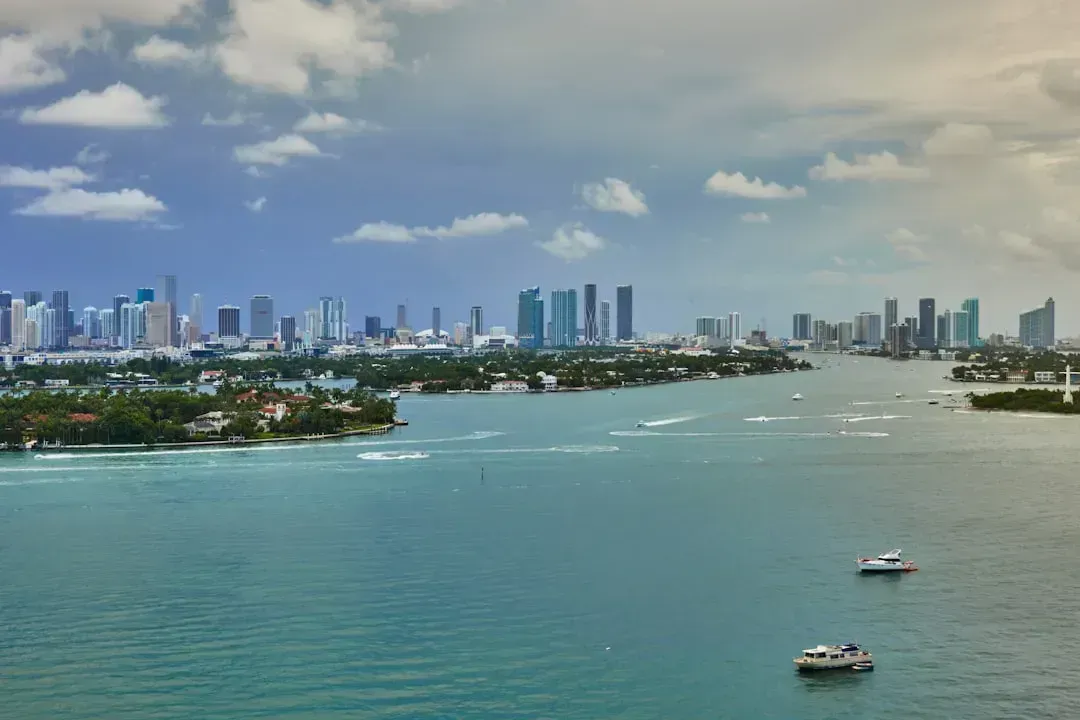
Afternoon thunderstorms are a regular part of Miami’s weather pattern, quickly raising the moisture in the air. Unlike some places where nights bring relief, Miami stays damp and humid after sunset, leaving little break from the heat. That last part is the element most newcomers find hardest to adjust to. It’s not just the afternoons. It’s waking up at midnight, stepping outside, and feeling the air wrap around you like a warm, wet towel.
New Orleans, Jacksonville, Miami, and Tampa appear consistently at the top of city-level humidity rankings in available climate data. Florida’s reputation as a hot and humid state is well-deserved. Surrounded by water and experiencing tropical weather patterns, it consistently ranks near the top for high humidity. The combination of warmth and moisture creates the sticky, oppressive feeling the Sunshine State is famous for, especially during the summer months. Miami, sitting at Florida’s southern tip, catches moisture from both the Atlantic Ocean and the Gulf, making its humidity feel almost inescapable by July.
8. Jacksonville, Florida – The Underestimated Shock for New Arrivals
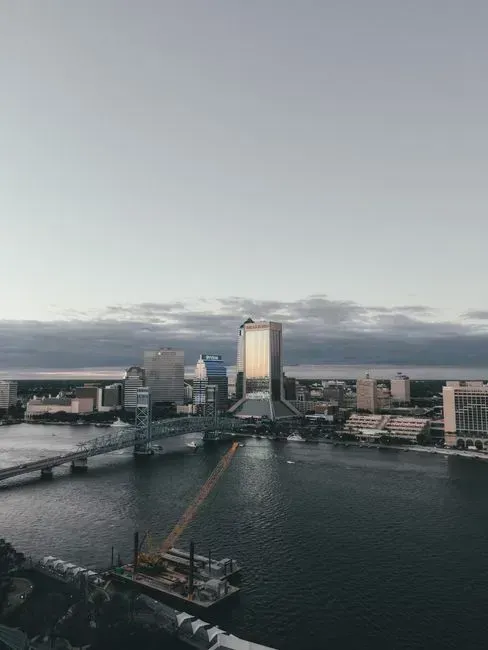
Summers in Jacksonville can take some getting used to. Average temperatures during the midyear months regularly top 90 degrees Fahrenheit, and they often significantly exceed this mark. Humidity is also high, which can make the days feel warmer and more uncomfortable. The sweltering conditions start early and tend to linger. What surprises most newcomers isn’t the peak of summer – it’s how early the humidity arrives and how late it stays.
Summers in Jacksonville run hot and humid, with June through September averaging 88 to 92°F with high humidity. Winters are mild, with January averaging around 65°F during the day. Spring and fall are the best months. Most relocating buyers underestimate the summer humidity but adjust within a year. During the summer months, the heat and humidity in Jacksonville can become oppressive. Even with central air conditioning, residents are often surprised to see just how much their comfort is costing them in the form of elevated electricity bills. The city draws tens of thousands of new residents each year from drier, cooler states, and the humidity is almost universally the first thing they mention when asked what caught them off guard.