
Most people think about home security in terms of locks, alarms, and cameras. Those things matter. But there’s a quieter layer of protection that gets far less attention: where you actually put your valuables once someone has already gotten through the door. It’s an uncomfortable thought, but a practical one worth sitting with.
Burglary is often a crime of opportunity, which means intruders don’t always have the time or desire to search a house for valuable items to steal. That works in your favor. You can outsmart them by concealing your assets in less conspicuous locations. The key is knowing which spots are overused, and which ones a thief in a hurry would never bother with.
1. A Wall-Anchored or Floor-Bolted Safe

A safe is a secure space to store money, records, valuables, confidential documents, and more. If it’s not attached to the floor or a wall and is portable, it’s easy for a burglar to walk off with the entire unit and everything inside it. If something is locked, it signals to a thief that there are valuable items inside, making it more tempting for the taking. The solution isn’t to avoid a safe entirely – it’s to make it immovable.
Police recommend special safes with a high resistance class, for which burglars would need special equipment, knowledge and time, which often means criminals are more likely to give up. Make sure the safe is sufficiently large and heavy or firmly anchored, otherwise thieves will simply take the safe with them. A properly anchored safe, ideally hidden inside a closet or behind furniture, is still one of the strongest protective options available to homeowners.
2. Inside a Large, Densely Packed Bookshelf

If you’re an avid reader, a bookshelf or home library is an ideal place to hide valuables. For smaller items like jewellery or money, hollowed-out books are a way to keep your items safe in plain sight. Burglary is an opportunistic crime, so a lot of the time intruders want to be in and out as quickly as possible. A row of a hundred indistinguishable books is deeply unappealing to someone working on a tight clock.
If you have only a couple of books on a bookshelf, this may be a clue that they’re actually hiding places for your valuables, so make sure your library is large enough to serve as a tedious place to search. Volume is the point. The more books, the more plausible the decoy, and the longer any search would take. A hollowed-out book spine tucked between other worn paperbacks is genuinely difficult to identify without pulling out every single volume.
3. The Attic or Loft Space
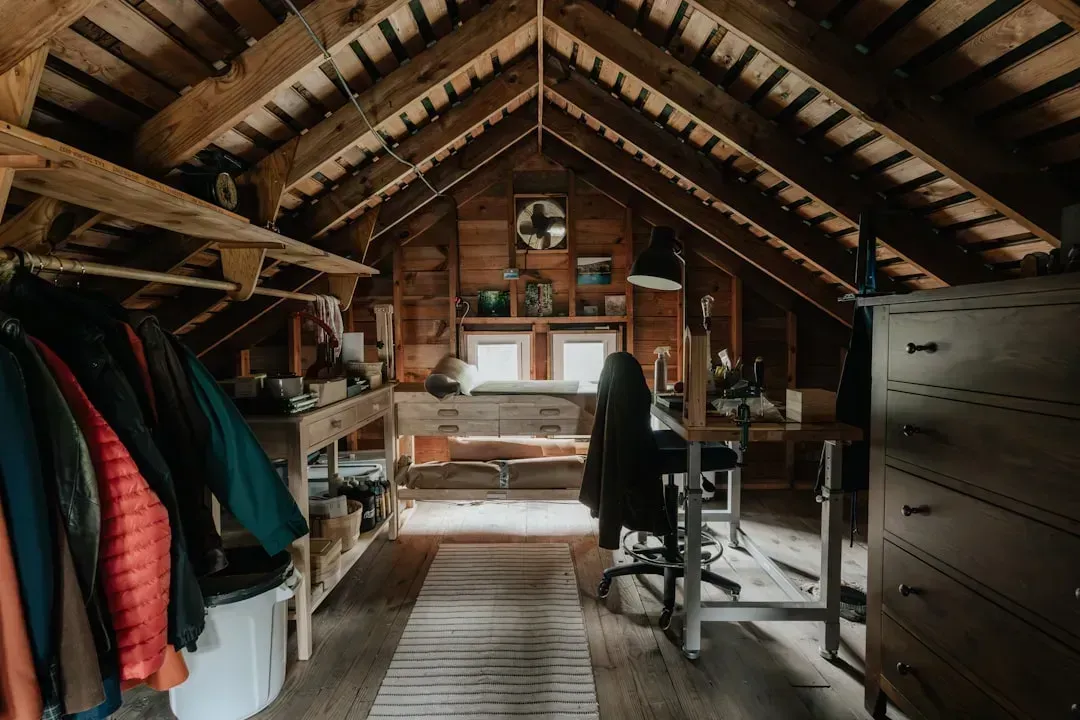
Most burglars want to be in and out quickly, and the loft or attic is one of the least attractive areas for them to explore. Getting up there takes time, it’s noisy, and there’s an increased risk of getting trapped or injured. Those physical deterrents make the attic an underused but legitimately effective spot for items you don’t need to access regularly.
For valuables you don’t need regular access to, make sure to avoid storage labels like “valuables” or “documents” and try to mix important items in with ordinary storage boxes. Burglars often do quick visual scans for anything that looks valuable, such as branded packaging or boxes labelled with words like “documents” or “electronics.” A simple but effective tactic is to mislabel your storage, for example labelling boxes as “Christmas decorations” or “kids’ school projects.” Store your valuables inside plain, slightly dusty-looking boxes that give the impression they haven’t been touched in years.
4. A Child’s Bedroom (Used Strategically)
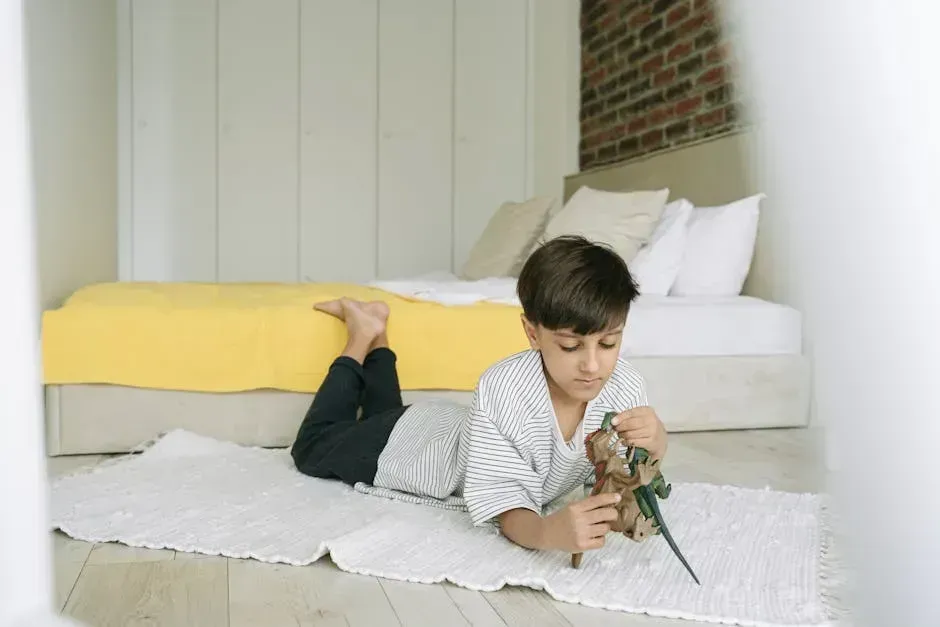
Children’s bedrooms are generally less attractive to burglars, as they’re often looking for adult valuables like jewellery, electronics and cash. This can make them a useful area to hide certain items, as long as it’s done safely. The psychology here is sound. A thief running through a home on a time limit prioritizes rooms that historically yield results.
If you choose to store valuables here, keep in mind that you should avoid anything dangerous or fragile that a child could access, use high and out-of-reach places or locked containers, and avoid obvious toy boxes or piggy banks, as these can be tempting targets. This option is more suitable for small items rather than large sums of cash or sensitive documents. Think of it as one layer in a wider strategy, not a complete solution on its own.
5. Fake Household Products and Diversion Containers
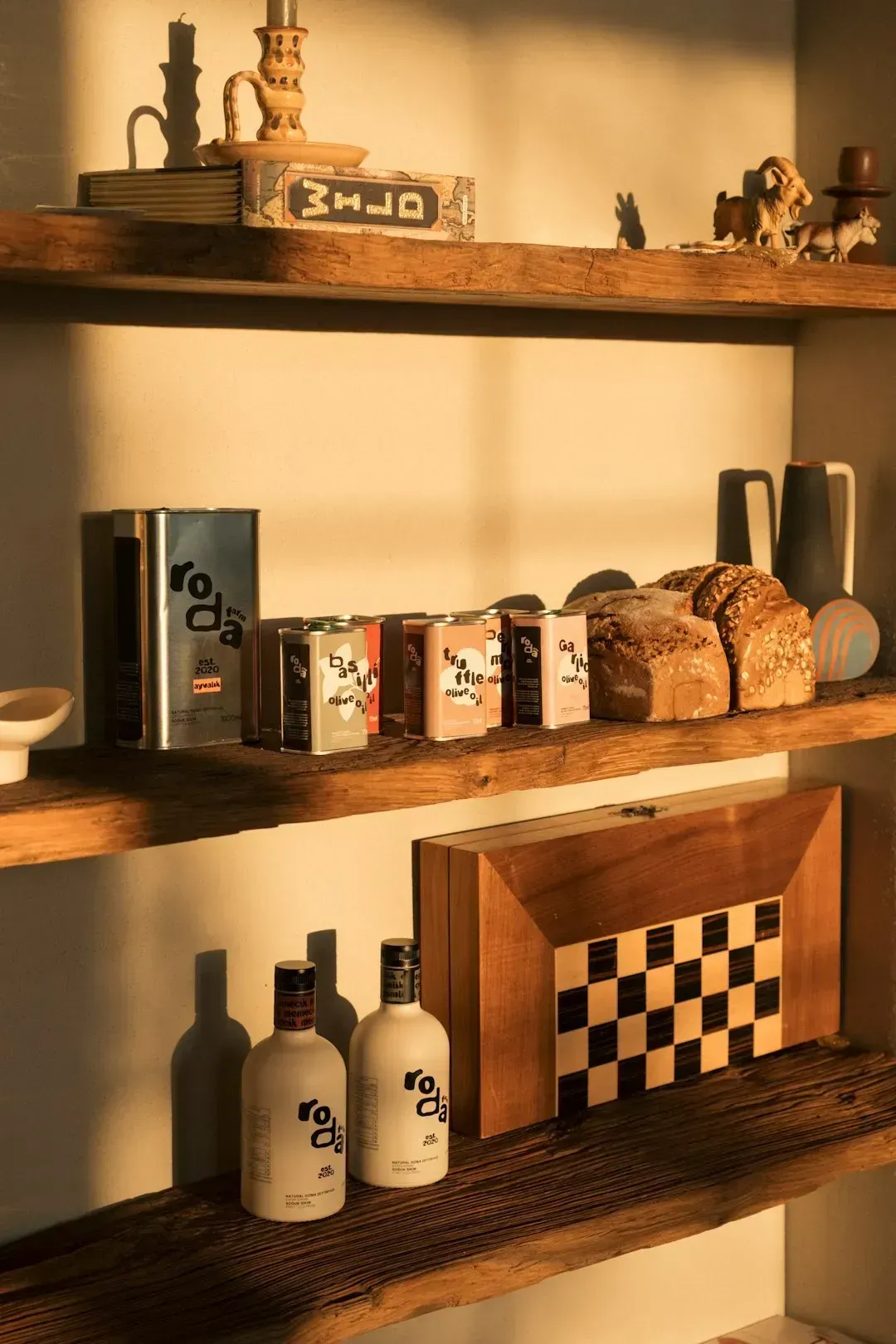
Security consultant Cliff Lent recommends that homeowners hide things in clever places like fake pantry cans. One example is a jar that looks identical to a brand-name peanut butter jar on the outside, but has a bottom that unscrews, allowing you to put valuables inside. These products are commercially available and convincing enough to fool a quick visual scan without drawing any attention.
Hollowed-out items may seem like something from a film, and many people don’t consider them seriously. However, this option is actually quite effective. You can hollow out a book and store money there. Thieves won’t spend hours looking through all the books you have. The same method works with different items – candles, make-up bottles, and various decorative things. The trick is choosing containers that match everything else already sitting on your shelves.
6. Inside Walls, Floor Panels, and Architectural Cavities
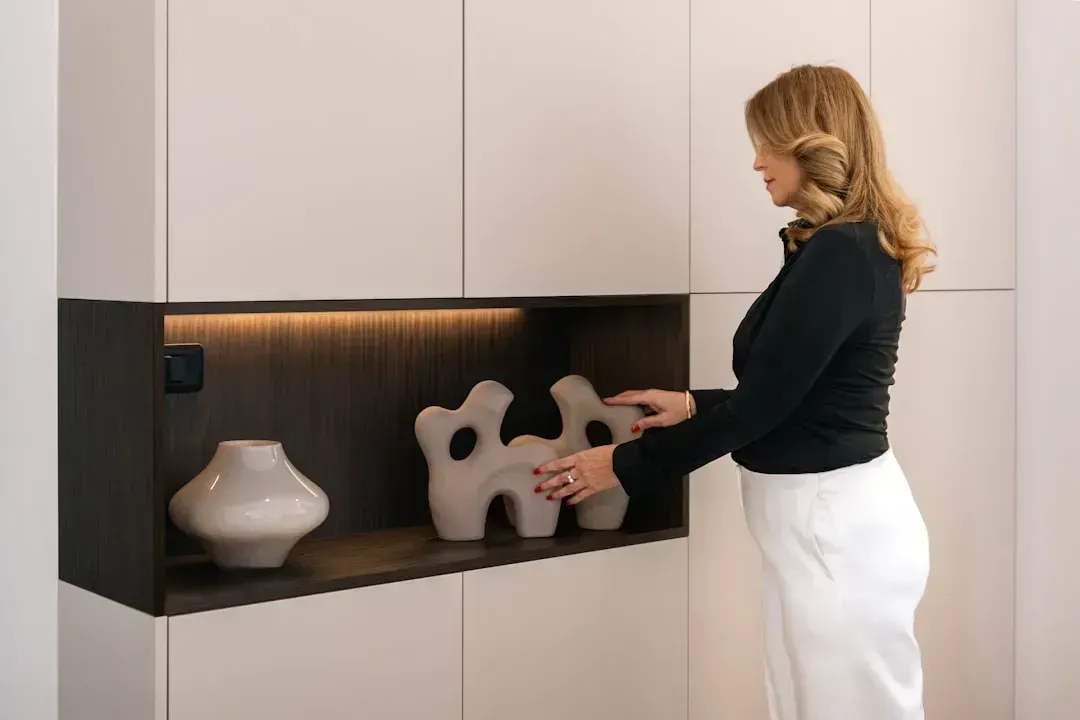
Hollowed-out or removable building components, such as wainscoting, floor panels, door jambs, windowsills, and cabinet doors, can serve as effective hiding places. There are both products you can purchase and ways you can modify your existing components to function as a hiding place for valuables. This kind of concealment requires more upfront effort, but it pays off significantly in the long run.
Fake wall outlets look like a traditional wall outlet from the outside but pull out to function as a small storage area. As long as it’s installed in a safe area and not in the way of any electrical wiring, this can be a good way to trick a burglar. These products are widely sold online and are far more convincing in person than the concept sounds. A thief scanning a room wouldn’t give a wall outlet a second thought.
7. Mislabeled Storage Boxes in Low-Traffic Areas
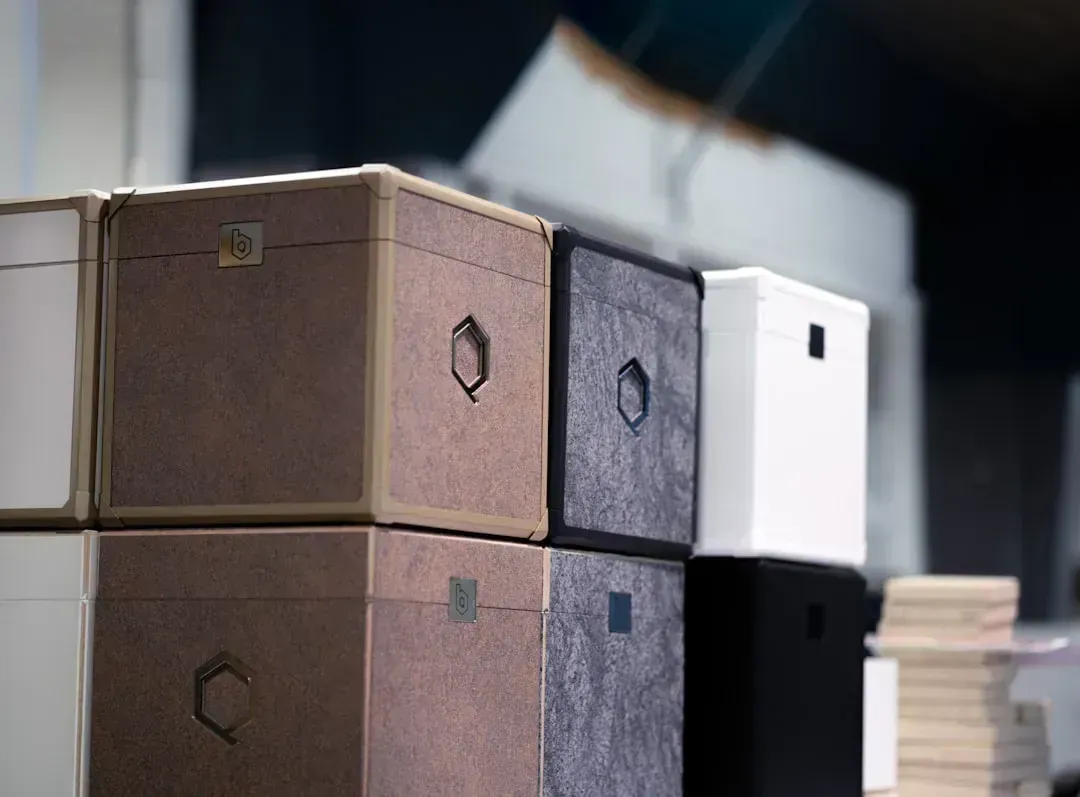
Keeping valuables in storage bins or boxes mixed with and labeled as other seemingly dull or worthless items, such as “Holiday Décor,” “Summer Clothes,” or “School Projects,” can be a deterrent for burglars. The strategy works because it exploits a basic truth about how burglaries unfold. The average burglary takes under 10 minutes. There simply isn’t time to open every box in a cluttered storage space.
The best places to hide valuables are those that burglars don’t want to search through or wouldn’t bother with, including places that are inconvenient or difficult to search, messy, or uninteresting. Piling a target box between two heavier, genuinely dull boxes adds another layer of friction. Friction is what buys you time, and time is what makes a burglar move on or abandon the search altogether.
8. Splitting Valuables Across Multiple Hidden Locations
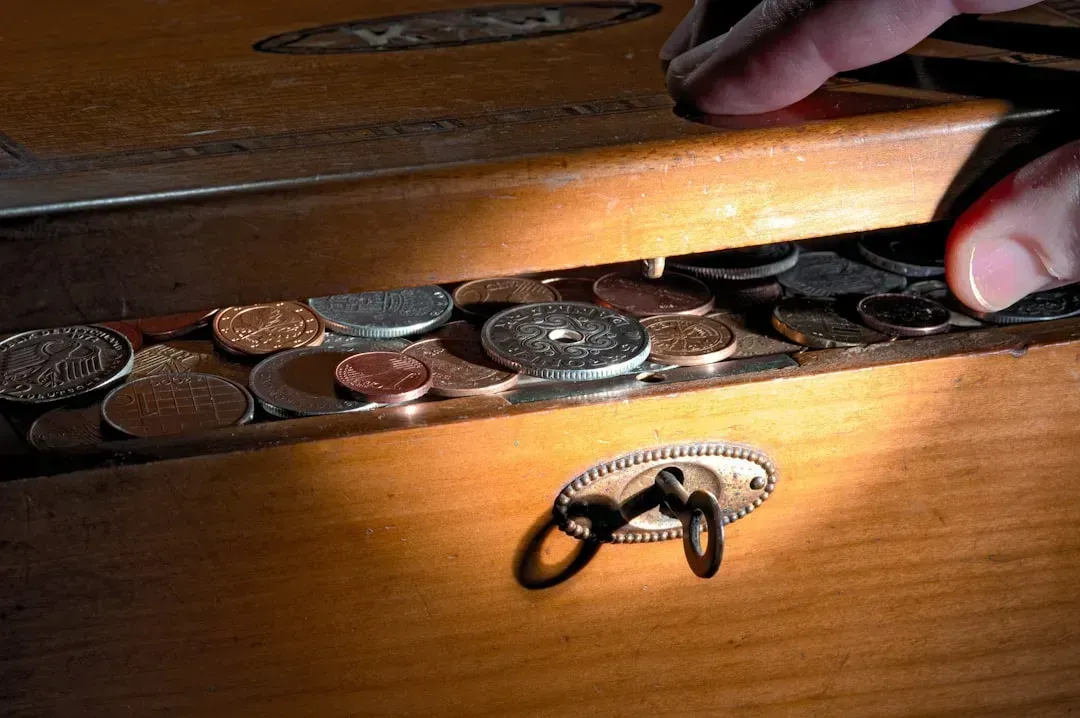
Splitting cash across multiple hiding places reduces the chances that burglars would find it all during a break-in. This strategy applies to more than just cash. Spreading jewelry, important documents, and backup funds across several of the locations listed above means that even a thorough search is unlikely to uncover everything. Redundancy is a genuine security principle, not just a cautious instinct.
Time is the decisive factor: the longer thieves search without success, the higher the chances that they will give up. Combining multiple low-profile hiding spots with a bolted safe, sensible mislabeling, and the right room choices creates a layered defense that’s genuinely hard to defeat quickly. Homes without a security system are roughly three times more likely to be burglarized, so physical hiding strategies work best as a complement to broader security, not a replacement for it.