
Most conversations about climate change focus on what’s being lost – coastlines, summers that don’t kill, the predictability of weather itself. But a quieter conversation has been building among researchers, city planners, and resilience analysts: which places in the United States are actually positioned to hold up? Not just survive the next hurricane season, but remain livable, governable, and economically stable through the coming decades of compounding pressure.
The answer isn’t random. A loose geographic corridor – stretching from the upper Midwest through parts of the Northeast and Pacific Northwest – keeps appearing in study after study, index after index. Researchers call it by different names, but the logic is consistent. These states share an unusual combination of freshwater access, moderate disaster risk, strong policy infrastructure, and a head start on the energy transition. Here are the seven states that consistently earn that distinction.
Vermont: The Benchmark of Baseline Safety
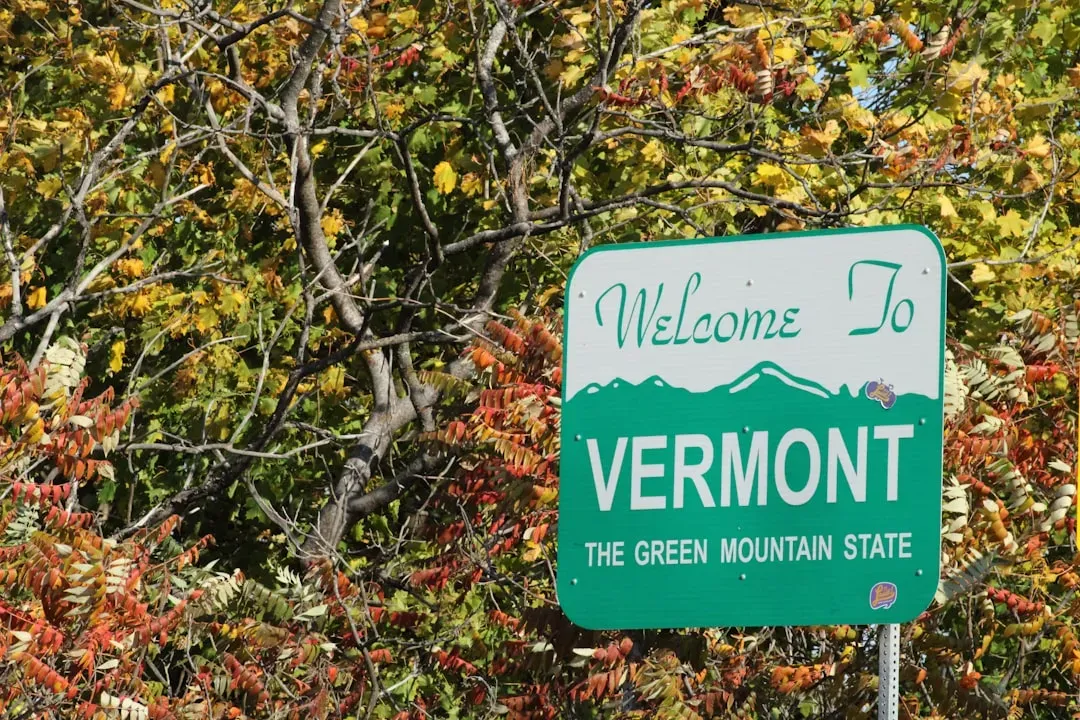
Vermont is widely regarded as the best state for climate change thanks to a profile that, for the most part, avoids extremes. Since 1953, it has experienced only 45 federally declared natural disasters and is rated the least vulnerable state for overall climate risk. That’s a remarkable record for any U.S. state, and it’s not merely geography doing the heavy lifting.
Vermont’s climate policies emphasize flood-resistant building codes, and communities across the state are investing in renewable energy infrastructure and land conservation. Burlington was one of the first U.S. cities to run entirely on renewable electricity, while Montpelier’s Net Zero Energy initiative continues to make energy-efficient home upgrades more accessible. On May 30, 2024, Vermont also passed the Climate Superfund Act, a landmark law holding fossil fuel companies accountable for their historic contributions to greenhouse gas emissions. The state’s approach is less about branding and more about steady, compounding preparation over time.
Minnesota: The Freshwater Advantage Nobody Talks About Enough
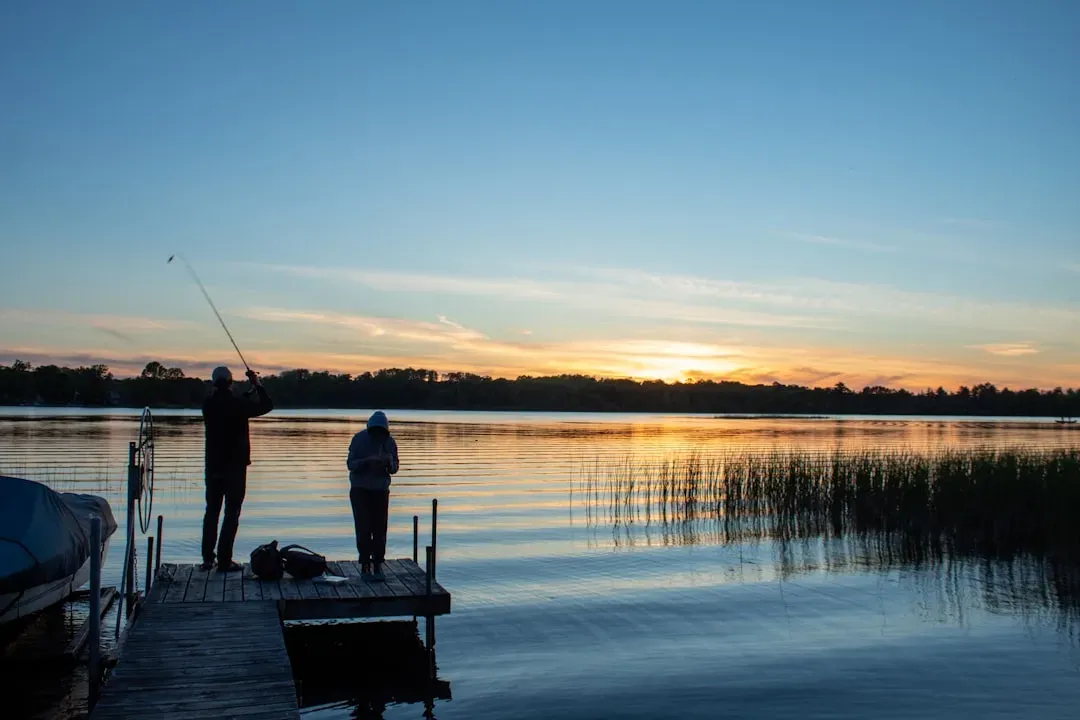
As extreme heat, drought, and hurricanes strain coastal regions, Minnesota could serve as a genuine refuge. Known as the Land of 10,000 Lakes, the state’s abundance of freshwater sources offers a critical advantage as water scarcity intensifies elsewhere. That may sound like a tourism tagline, but water access is expected to be one of the defining resource pressures of the mid-21st century.
Minnesota may be known for harsh winters, but experts say cities like Duluth and Minneapolis could actually be ideal for those looking to avoid the harshest effects of climate change. Minneapolis’s northern, inland location makes it less vulnerable to hurricanes and flooding, and summers are not projected to get as persistently hot as in most other U.S. cities. A custom methodology from Hippo Insurance found that Minnesota has one of the lowest climate risk scores and the fewest instances of natural disasters of any state in the country.
Wisconsin: Quiet, Inland, and Quietly Ready

Wisconsin’s inland location protects it from many extreme climate events plaguing other states. Wildfires are rare, hurricanes don’t reach this far north, and even flooding tends to be well-managed with existing infrastructure. It’s a state where climate-related surprises are fewer, and communities know how to handle what does come their way.
The state’s climate resilience isn’t accidental. Communities across Wisconsin have steadily invested in stormwater system upgrades, levee reinforcement, and emergency preparedness. Milwaukee is a notable example of how communities back Wisconsin’s climate policies by pursuing green infrastructure strategies to curb urban flood risk. Wisconsin homeowners also typically enjoy moderate insurance premiums, averaging around $1,662 per year, a signal that risk assessors see this state as stable ground.
Michigan: Great Lakes Infrastructure and Real Policy Muscle

With more than 3,200 miles of shoreline touching four of the five Great Lakes, Michigan knows how to interact with natural forces. The state’s varied climate constantly tests its resilience, and it passes those tests with flying colors, with Cotality rating Michigan third best in the country for hardening properties against climate risks.
Michigan’s governor signed a sweeping $5 billion infrastructure plan in 2022 that included $66 million to make the state transportation system more resilient to flooding, and that investment may already be paying dividends as the state scores well on resilience metrics. Access to the Great Lakes also gives Michigan a structural water security advantage that most states simply cannot replicate. When analysts look at which Midwestern states can sustain population and agriculture well into the century, Michigan consistently appears near the top.
Colorado: Policy Ambition Meets Geographic Advantage
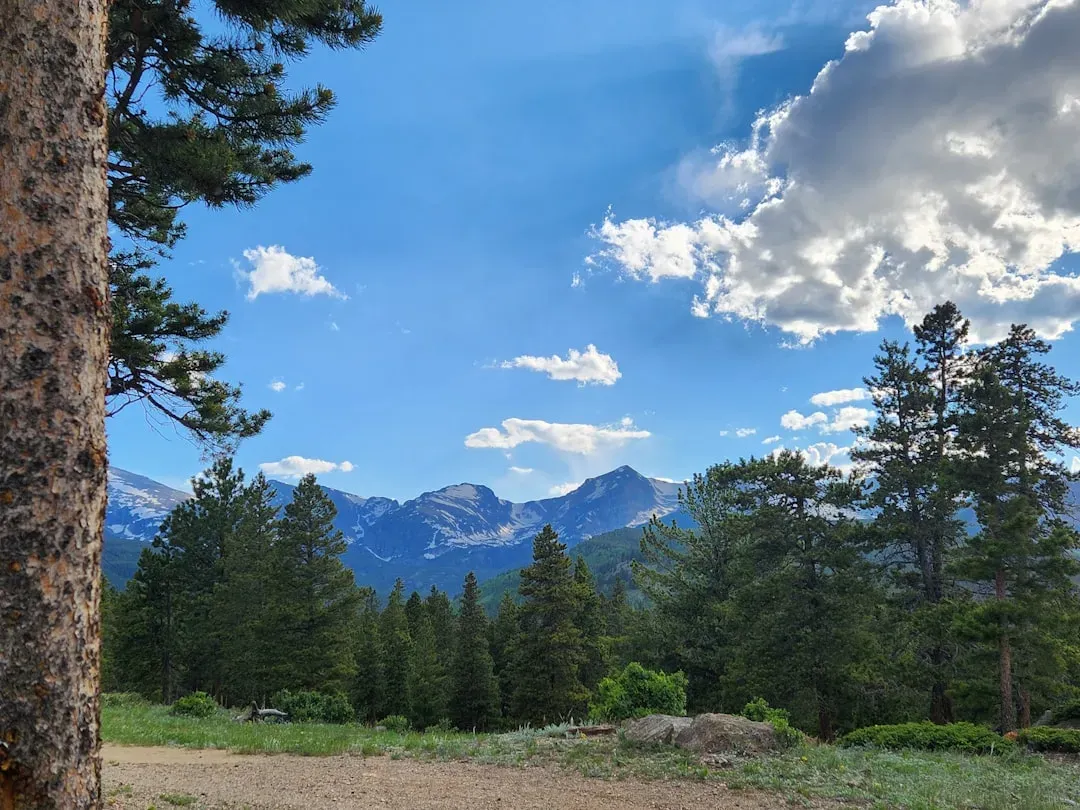
Colorado stays on top of its climate action plan and holds one of the best climate change extreme indices in the country. Denver also sports very low climate-induced fire risk and precipitation scores compared to other western states. That’s somewhat counterintuitive for a state most people picture in the shadow of wildfire risk, but Denver’s urban zone tells a different story.
Colorado has set greenhouse gas emission goals to reach 26 percent below 2005 levels by 2025, and 90 percent by 2050, making it one of the more ambitious states on the regulatory side. Colorado is also actively integrating planning for affordable housing and strategic growth while protecting natural and working lands, a dual focus that addresses both near-term livability and long-term resilience. The state’s renewable energy buildout, particularly wind and solar, has been accelerating rapidly through the early 2020s.
Washington State: Institutional Depth in the Pacific Northwest
In September 2025, the secretaries and directors of ten state agencies launched the Interagency Climate Resilience Coordinating Council to strengthen implementation of Washington State’s Climate Resilience Strategy. That kind of multi-agency coordination is exactly what climate scientists say separates states that manage the coming decades from those that don’t. Washington has been building this infrastructure quietly for years.
Washington’s agencies and the state legislature benefit from the scientific expertise of the Climate Impacts Group at the University of Washington, a center that works with planners, resource managers, and policymakers to help them understand and prepare for climate change risks. The group has produced detailed reports assessing potential climate change impacts for the state, the broader Pacific Northwest, and smaller sub-state regions. In 2024, Washington state voters also overwhelmingly affirmed the state’s Climate Commitment Act, aimed at achieving a 95 percent reduction in greenhouse gas emissions by midcentury and investing billions in community solutions.
New Hampshire: Small Footprint, Strong Natural Buffer
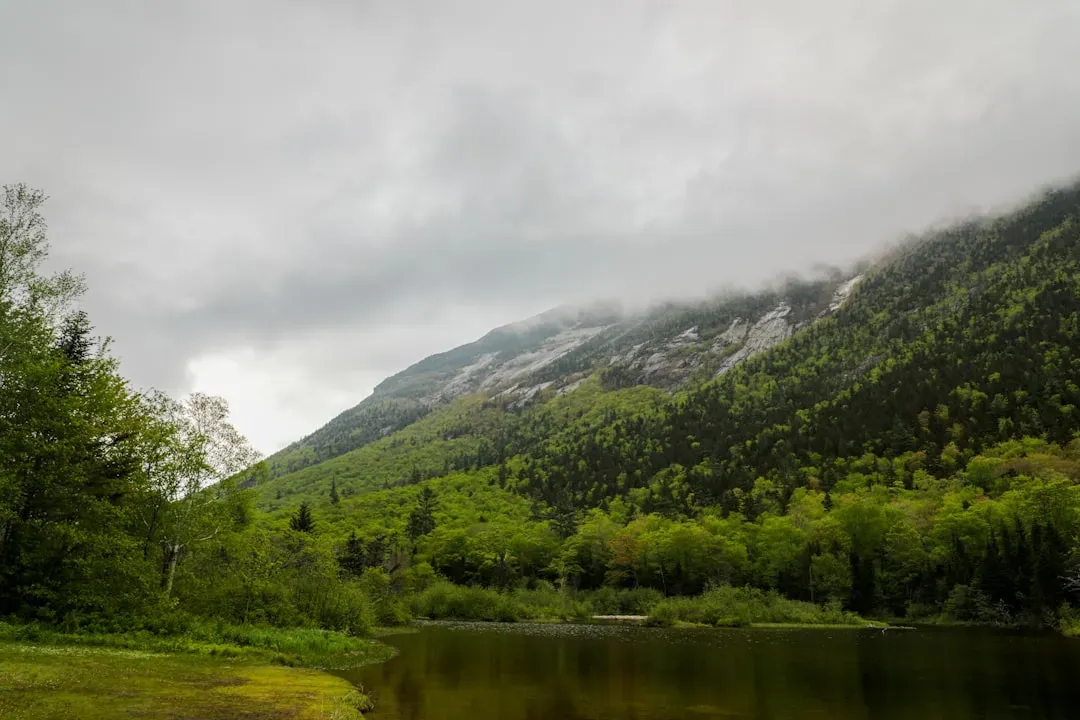
New Hampshire offers an ideal balance of scenic living, four true seasons, and lower climate exposure than much of the U.S. The Granite State sees fewer severe weather events, particularly wildfires, flooding, and heat-related emergencies, making it a naturally more climate-resilient option. For a small state, it punches well above its weight in terms of natural buffers against the worst climate scenarios.
New Hampshire is also one of the most forested states in the country, with roughly four-fifths of its land covered in woods, which offers natural protection against extreme heat and excellent recreational opportunities for residents. Building on this geographic advantage, New Hampshire’s Priority Climate Action Plan outlines efforts to protect communities by reducing pollutant emissions, boosting economic growth, and improving quality of life, targeting key sectors like transportation and residential buildings to strengthen long-term climate resilience. Lower-than-average home insurance costs reflect what risk models already know: this state is structurally safer than most.