
Every year, millions of people choose a new city to call home. They weigh schools, job markets, cost of living, and social ties. Increasingly, though, a different kind of question is entering that calculus: what will this place actually look like in twenty or thirty years? With the worsening effects of climate change, the frequency and intensity of natural disasters such as wildfires, hurricanes, flooding, extreme heat, and droughts are increasing – and for a growing number of people, that risk has become part of the calculation of where to live.
The cities on this list aren’t failing places. Several are booming, globally recognized, and genuinely beautiful. The problem is that geography, geology, and a warming planet are conspiring against them in ways that are hard to ignore. From flooding to heatwaves, powerful storms to drought, urban areas frequently find themselves on the frontline of the climate crisis, and many of the world’s largest mega-cities concentrate millions of people and trillions of dollars in assets into areas that are becoming more vulnerable to sudden shocks with every passing year. Here are eight of the cities that experts consistently flag as causes for concern.
Miami, Florida: The City Built on a Sponge
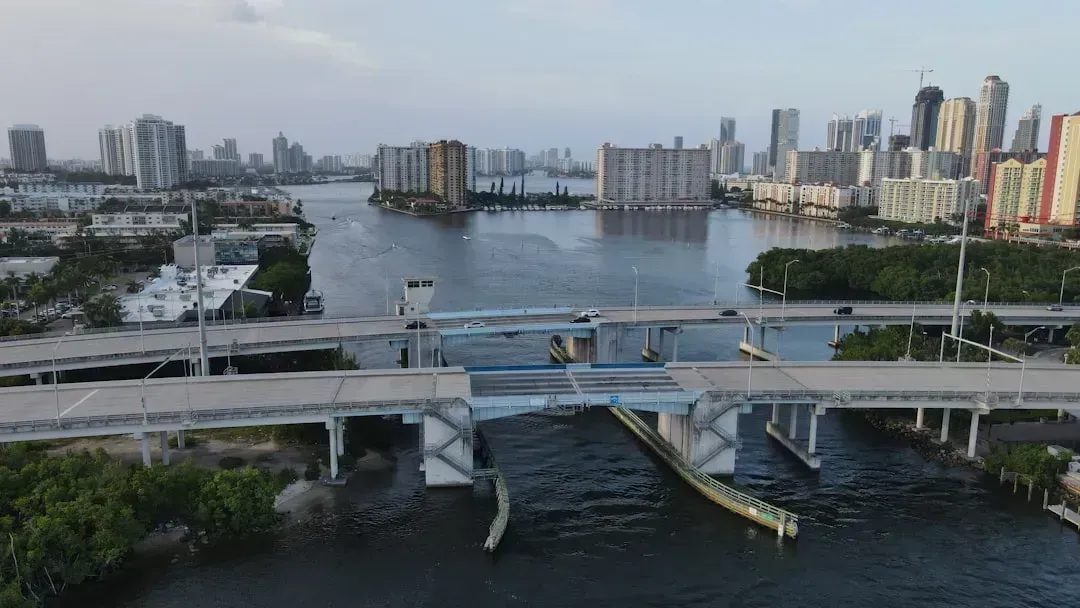
In the next century, it is all but guaranteed that a vast percentage of Miami will literally be underwater. The reason why Miami’s future is so dire has to do with geology: the city sits on a foundation of porous limestone. This means that even if the city were to erect fifty-foot seawalls to prevent storm surges, it would still have to deal with water rising via the pores in the city’s own foundation. That is not a hypothetical. King tide seasons have already flooded Miami Beach and downtown streets, disrupting traffic and businesses, and Florida’s water levels have risen eight inches since 1950 and are now rising as much as one inch every three years.
Miami-Dade County contains roughly a quarter of all U.S. homes at risk from rising seas, according to Zillow. Studies conducted by the Risky Business Project estimate that between $15 billion and $23 billion of property here could be underwater by 2050. Meanwhile, average property and casualty insurance premiums in Florida have risen to more than $4,200 a year, which is triple the national average. The city is still building at a frantic pace, yet the science is unambiguous about what is coming.
New Orleans, Louisiana: Below the Waterline and Sinking Further
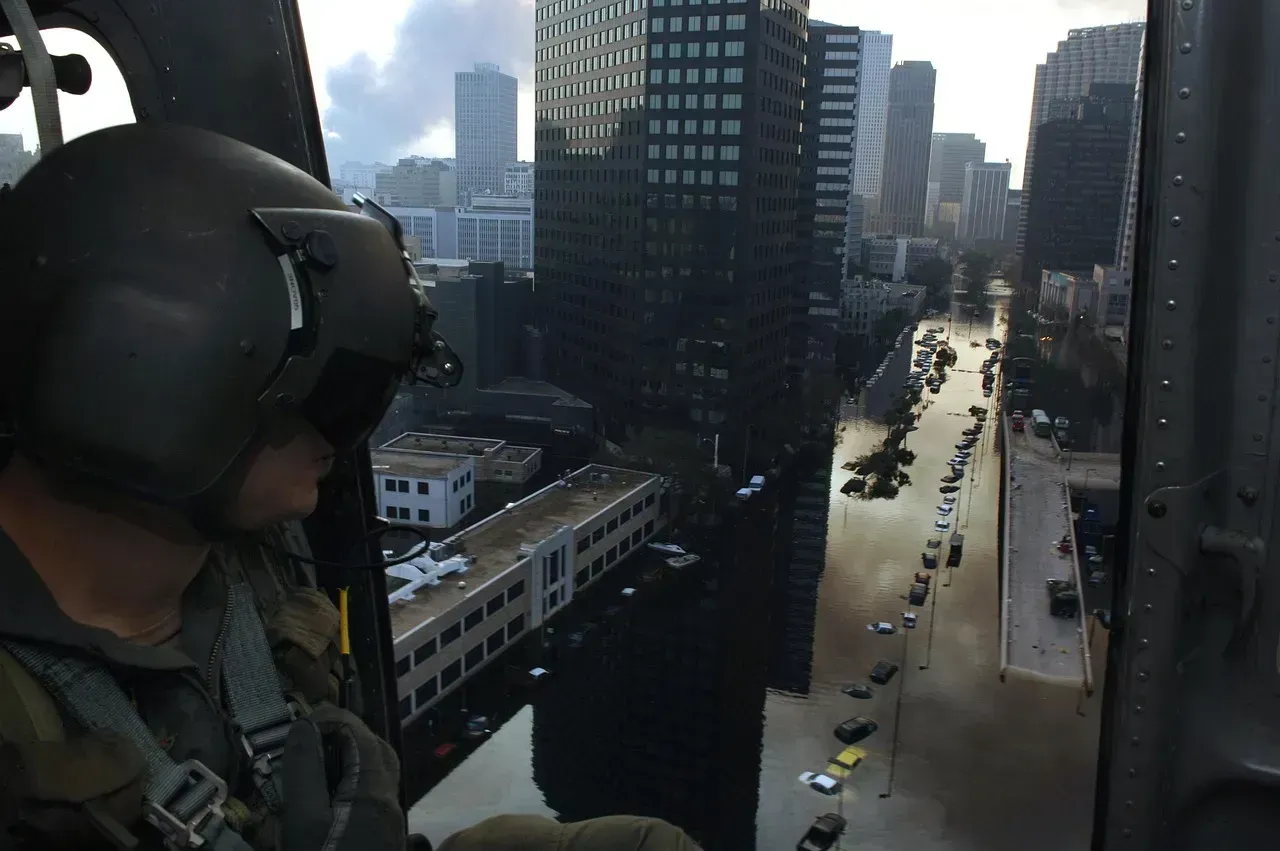
According to Policygenius, by 2050, nearly all homes in New Orleans will be in a 100-year flood plain, which represents a roughly two-thirds increase from how many homes are currently in flood plains today. This is the biggest predicted risk increase for any U.S. city. Much of the city lies below sea level, protected by levees and pumping systems – infrastructure that has already proven vulnerable. The broader challenge is not just flooding from storms, but the slow, steady sinking of land beneath the city’s feet.
Analyses of Louisiana rank it poorly due to the combined weight of climate vulnerability, economic instability, and limited market resilience. It is increasingly susceptible to extreme heat, hurricanes, and inland flooding, and these risks have already contributed to multiple federally declared disasters. In 2024 alone, Louisiana residents paid an average of roughly $3,500 annually for home insurance, reflecting a risk premium that only keeps climbing. For residents who cannot easily relocate, the financial exposure grows a little heavier every season.
Phoenix, Arizona: A Desert City Running Out of Room to Breathe
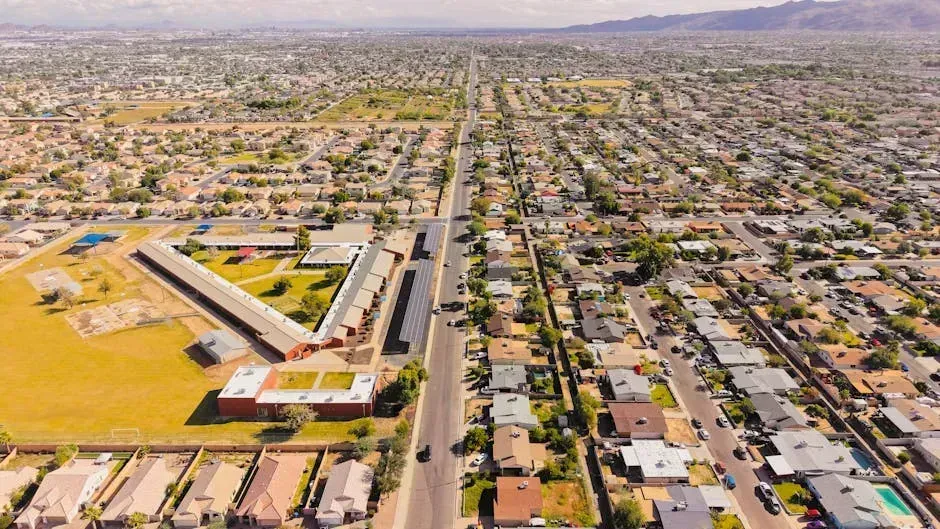
In Phoenix, elevated water stress makes it among the most susceptible to chronic climate risk, even though its inland location makes it immune to sea-level rise. The city endures some of the most extreme urban heat in the United States, and that heat is getting harder to escape. Rising temperatures are leading to more intense and prolonged heat waves, especially in Arizona, and urban areas with dense populations like Phoenix face heightened risks as heatwaves increase heat-related illnesses, energy demands, and mortality rates.
Droughts are increasingly common, particularly in the Southwest regions including Arizona, California, and Nevada and the Great Plains. Phoenix draws heavily from the Colorado River, a water source that has been under severe stress for years. Texas and the Sun Belt face a broad spectrum of environmental risks, and power grid instability has become a growing concern, particularly during extreme temperature events that strain energy infrastructure. Phoenix faces the same structural fragility: a city built for growth, in a region where the basic conditions for that growth are becoming less stable.
Houston, Texas: Flood Capital of America
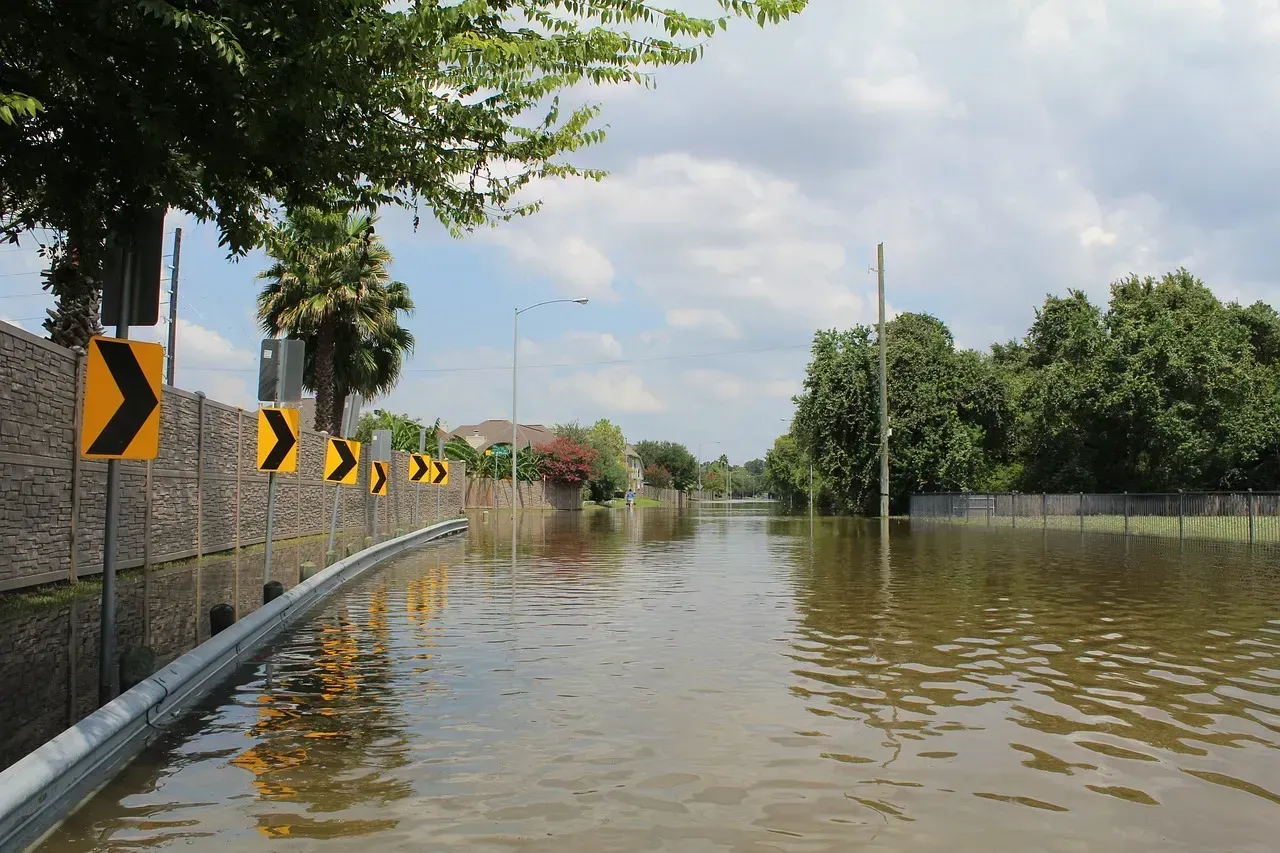
Cities like Houston encounter frequent extreme weather, including hurricanes and heatwaves, with risks of both inland and coastal flooding. What makes Houston’s situation particularly difficult is the combination of flat terrain, concrete-heavy development, and proximity to Gulf weather systems. The U.S. saw a record number of flash floods in 2025, which included the deadly floods in Texas. Carbon pollution brings heavier rainfall extremes and more of the inland flood hazards that marked that year.
Houston has experienced repeated climate-related challenges, and recent reports show it is among the fastest-sinking cities in the U.S. due to water and oil extraction, highlighting the growing risks of homeownership in regions where climate volatility is becoming the norm. The American Lung Association lists Houston as one of the worst cities for ozone pollution, and it ranks poorly on year-round particle pollution as well. On top of flooding and air quality, the city carries a growing insurance burden that is beginning to reshape what homeownership there actually costs.
Los Angeles, California: When Wildfire Becomes an Urban Problem
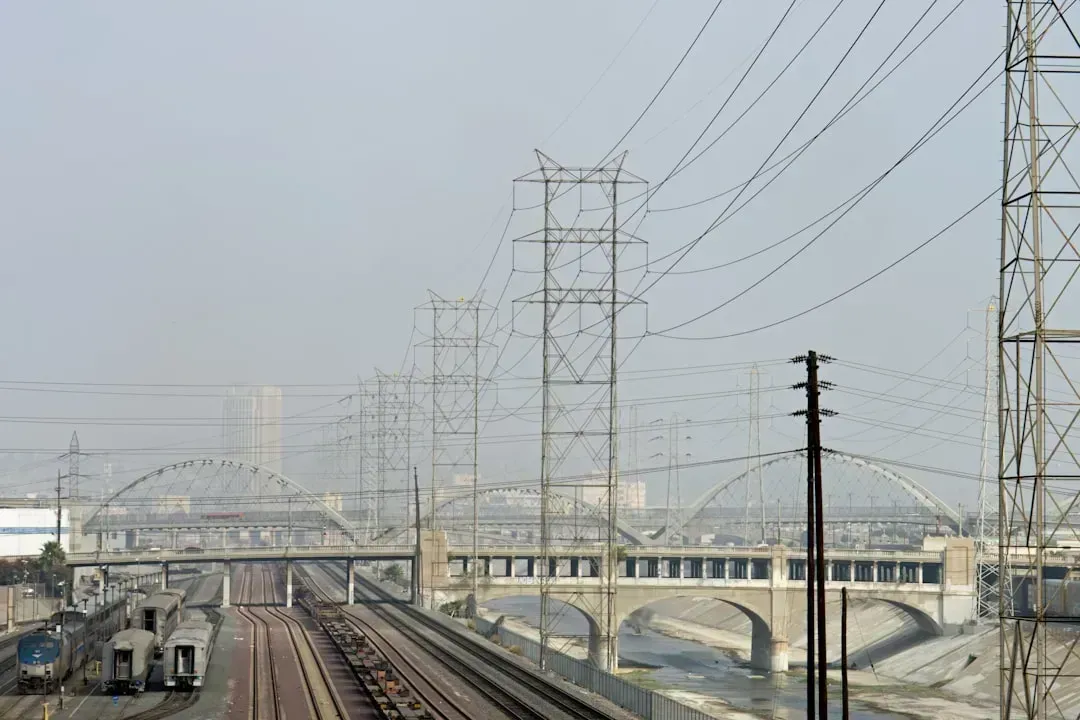
Carbon pollution helped fuel the Los Angeles fires of January 2025, the costliest on record, partly by making fire weather conditions at the time more likely and intense. The fires were a brutal reminder that wildfire is no longer a risk confined to rural hillsides or peripheral suburbs. Even densely populated areas like Los Angeles have faced fast-moving wildfires in recent years, and the 2025 L.A. wildfires caused up to $53.8 billion in property damage, underscoring that wildfire risk isn’t limited to rural or forested regions.
California’s climate change risk landscape is among the most complex in the country. Wildfires, drought, and water shortages create a year-round challenge for homeowners, and fire seasons have lengthened in both duration and intensity, fueled by dry vegetation, warming temperatures, and shifting wind patterns. This type of risk-amplifying “hydroclimate whiplash” – where rapid wet-to-dry sequences prime the landscape for fire – is projected to become more common in the future as continued warming allows the atmosphere to both hold more moisture and to pull more moisture out of soils and plants. The insurance market is already reflecting that reality, with major carriers pulling back from the state.
Jakarta, Indonesia: A Megacity in Freefall
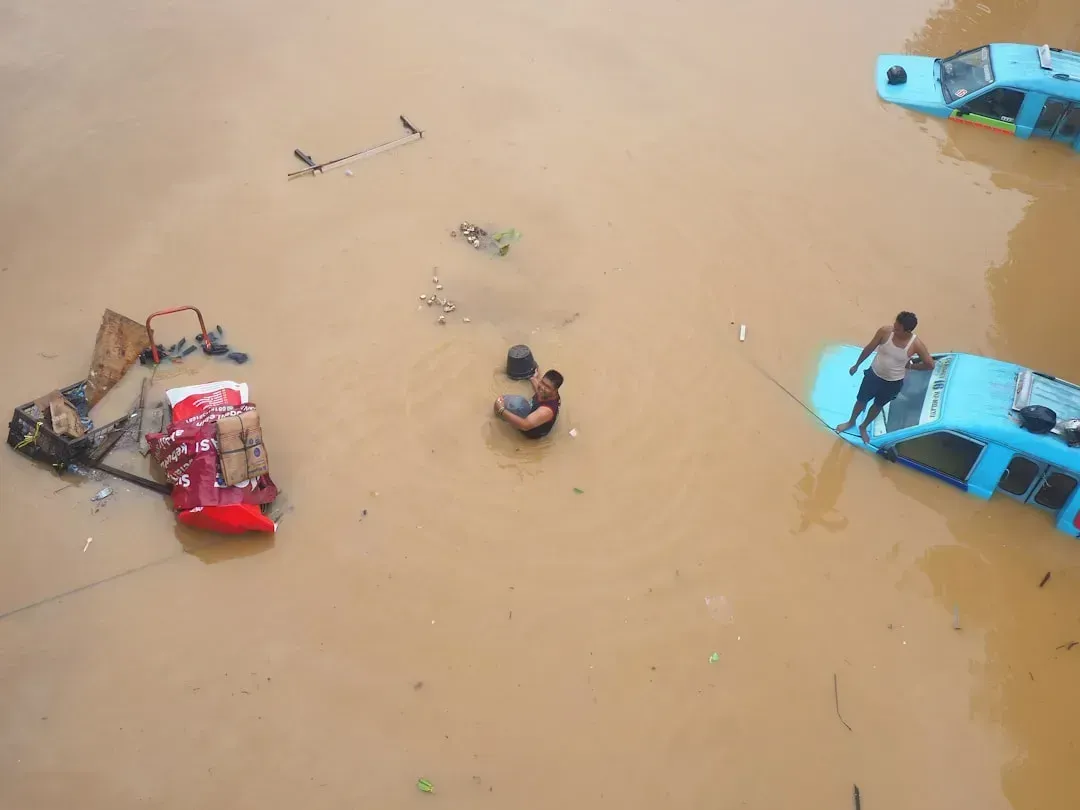
Jakarta, Indonesia is among the world’s most populated cities, and it is sinking rapidly as climate change and overdevelopment collide. Jakarta developed as a colonial port on low-lying marshland beside the Java Sea. Rapid urban growth and excessive groundwater extraction have caused severe land subsidence, with some northern districts sinking by as much as 10 to 20 centimeters per year. Monsoon flooding and rising sea levels worsen the crisis, and Indonesia plans to relocate its capital, yet millions remain in Jakarta confronting daily risks.
About 40 percent of Jakarta is below sea level, and it is estimated that nearly half of the city could be inundated and uninhabitable by 2050. With global sea levels rising and signs that rainstorms are getting more intense as the atmosphere heats up, damaging floods have become commonplace – and since 1990, major floods have happened every few years in Jakarta, with tens of thousands of people often displaced. The government’s answer has been to plan an entirely new capital city, Nusantara, on the island of Borneo – a stark acknowledgment that Jakarta’s long-term future is genuinely uncertain.
Manila, Philippines: Storms, Surge, and a Sea That Keeps Rising
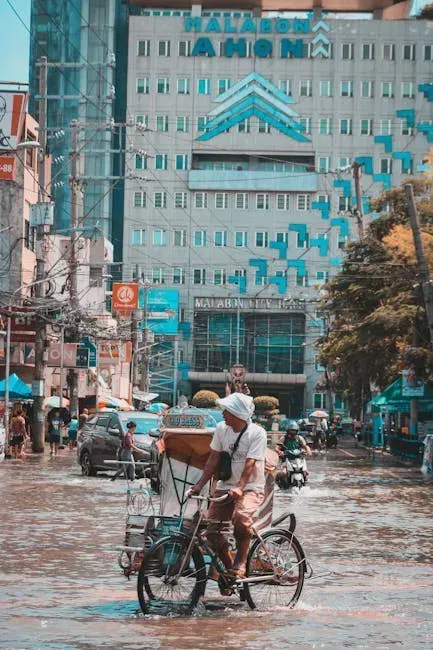
Recent modelling from Zurich Resilience Solutions found that six major cities in Southeast Asia face at least a “high risk” of extreme precipitation, heatwaves, and rising sea levels through the 2040s. In particular, Manila is among Southeast Asia’s most climate-vulnerable cities. According to the report’s authors, sites in Manila are at severe risk from extreme precipitation, storm surge, sea level rise, and flooding, threatening both trade and cultural preservation. The city’s position on a coastal delta makes it nearly impossible to fully insulate from the Pacific’s intensifying weather systems.
The Philippines regularly faces typhoons, earthquakes, and volcanic activity, and climate change is expected to increase the intensity and frequency of typhoons and tropical storms. Rising sea levels also pose a serious threat to the country’s coastal communities, particularly in densely populated urban centers like Manila. The sea water level in Manila Bay is reportedly rising more than four times faster than the global average. That kind of acceleration compresses the timeline for hard decisions about infrastructure, displacement, and what a livable city there actually means in the decades ahead.
New York City, New York: Subway Tunnels, Storm Surge, and Slowing Groundwater
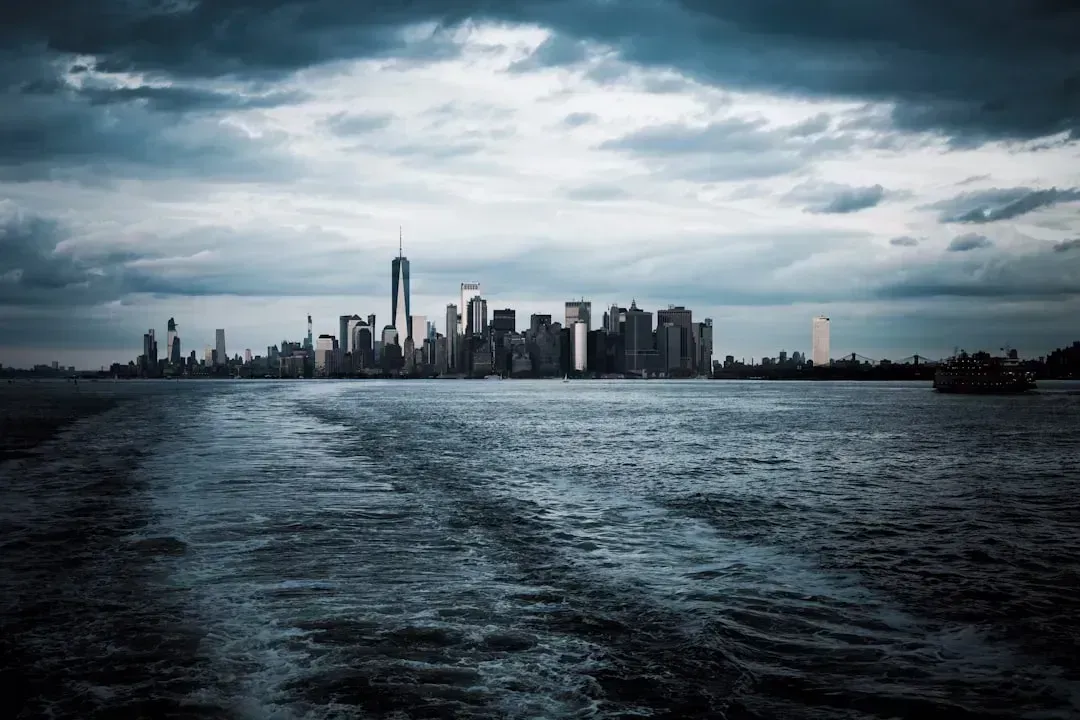
New York City is particularly vulnerable to significant losses from sea-level rise. Manhattan is surrounded by water, and frequent flooding could prove crippling to an economy where much activity and the ability to travel is tied to low-lying land or subway tunnels. That vulnerability became viscerally clear during Superstorm Sandy, and the infrastructure gaps exposed then have still not been fully resolved. The Northeast is seeing increasing temperatures, more intense heat waves, and heightened precipitation, and coastal flooding is a growing concern for cities like New York.
Even though New York is relatively free of some natural disasters, its major city is suffering from the effects of climate change, including concerns that New York City is sinking. The overwhelming majority of U.S. cities reporting through CDP faced significant climate hazards in 2024, up from a lower percentage in 2023, and over nearly nine in ten of these hazards are expected to intensify. New York’s sheer economic scale – and the density of people and assets packed into low-lying areas – makes its climate exposure one of the most consequential of any city in the world. The risks are manageable with investment, but the cost of that investment is staggering, and the window to act is narrowing.