America might not have the bone-chilling density of deadly wildlife that Australia does, but don’t let that fool you. From the desert Southwest to the swampy lowlands of Florida, the U.S. is home to a fascinating and genuinely alarming cast of venomous creatures. Some hide under your porch. Others lurk in the sand beneath your beach umbrella. A few are practically invisible until they’ve already done the damage.
Honestly, most people dramatically overestimate the daily danger these animals pose – and yet, underestimating them is exactly how people get hurt. Venomous animals usually use their venom for hunting and self-defense, not targeting humans unless provoked. Still, knowing what’s out there and where it lives is just plain smart. Let’s dive in.
The Black Widow Spider – A Backyard Predator with a Notorious Reputation
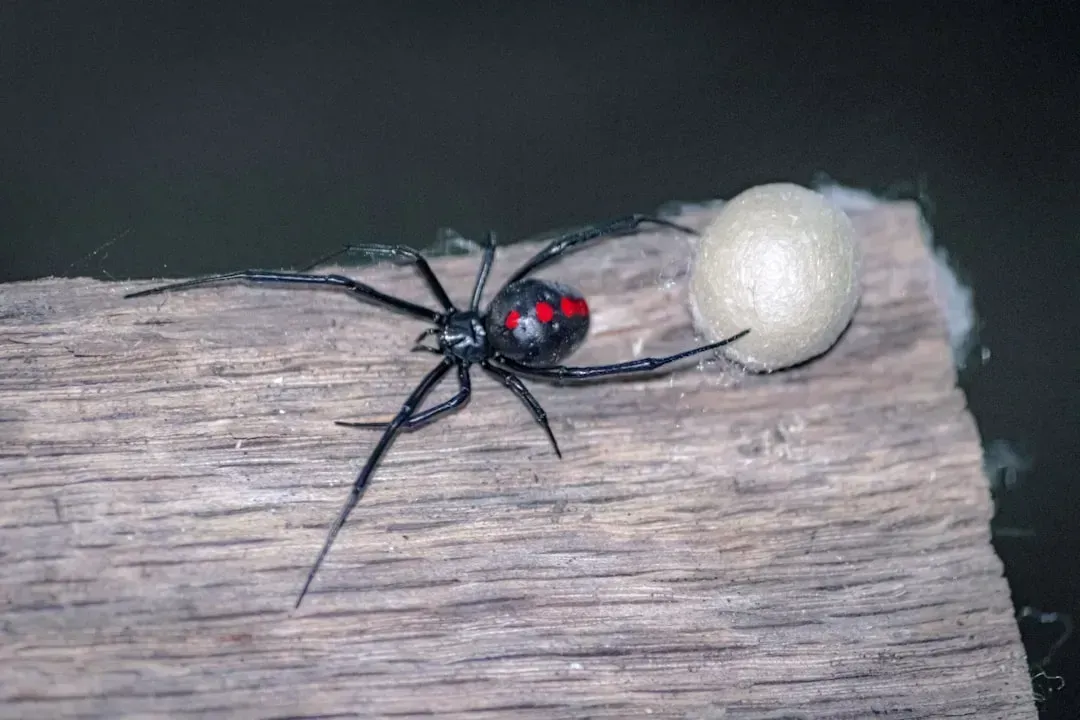
There’s good reason the black widow spider is notorious: it’s the most venomous spider in North America, and around 2,600 bites are reported to the National Poison Data System each year. This little spider, identifiable by the red hourglass shape on its abdomen, packs a venomous punch that’s 15 times more potent than that of a rattlesnake. That comparison alone should stop you in your tracks.
You’ll find them all over the United States, often in dark, secluded spots like woodpiles and garages. A bite from a black widow can cause intense muscle pain, cramps, and spasms, along with nausea and difficulty breathing. Despite their toxicity, no deaths have been recorded from black widow bites in the U.S. in the last 40 years, but the venom does cause intense pain, muscle rigidity, swelling, vomiting and sweating. They’re a genuine threat, but a manageable one – as long as you keep those garage gloves on.
The Brown Recluse Spider – Silent, Hidden, and Surprisingly Destructive
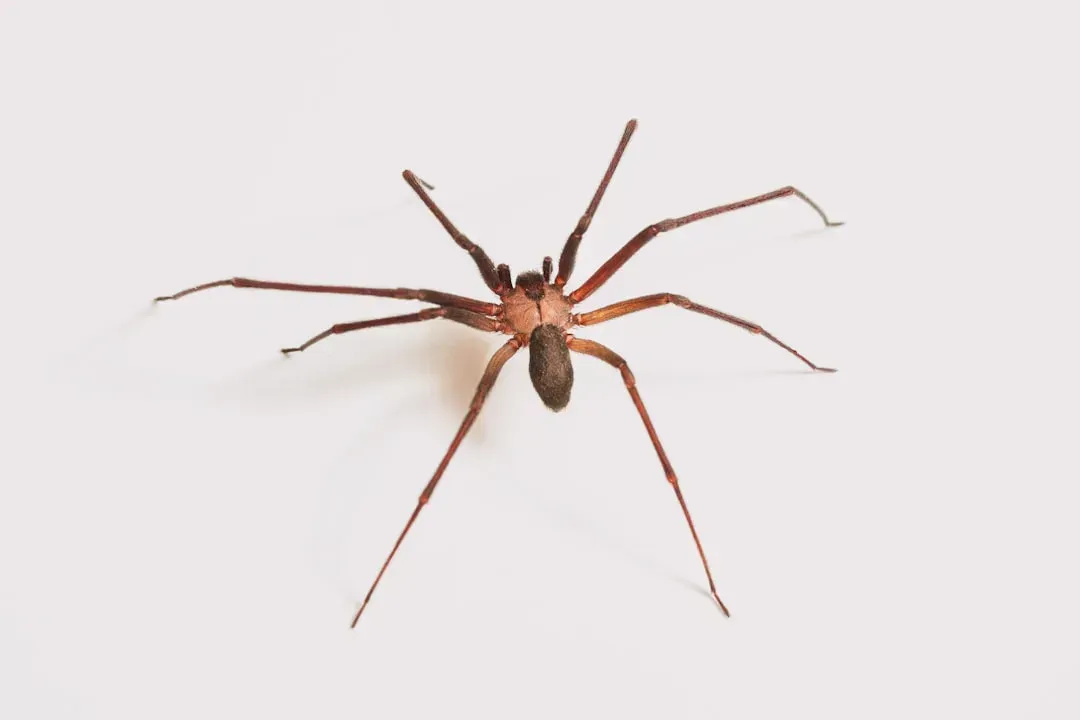
The brown recluse spider is infamous for its violin-shaped mark and its tendency to hide in quiet corners of homes, sheds, and woodpiles. Found mainly in the central and southern United States, these spiders prefer hiding in undisturbed places like attics, closets, and under furniture. Their venom is necrotic, meaning it causes tissue death around the bite site. Initial symptoms might be mild pain and itching, but within hours, the area can become red, swollen, and blistered. In severe cases, the venom can cause large, ulcerating sores that take months to heal.
Here’s the thing – people often don’t even realize they’ve been bitten until things look really bad. While their bite is rarely fatal, it can cause severe tissue damage, sometimes leaving a wound that takes weeks or even months to heal. The brown recluse is essentially the quiet offender of the spider world. It’s not looking for a fight; it just doesn’t like surprises.
The Arizona Bark Scorpion – The Southwest’s Most Dangerous Little Beast
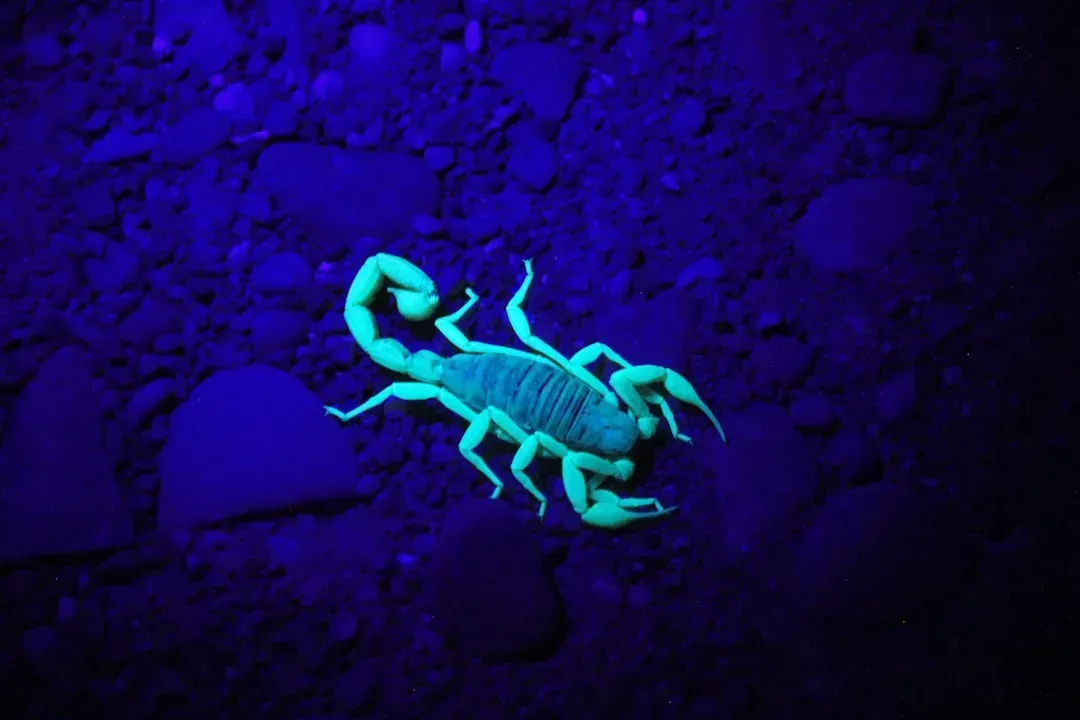
The Arizona bark scorpion is the most venomous scorpion in North America, and its venom can cause severe pain, coupled with numbness, tingling, and vomiting in adult humans, typically lasting between 24 and 72 hours. The range of the Arizona bark scorpion is from southern California, southern Arizona, southern Nevada, extreme southwestern Utah and western New Mexico. Think of it as a tiny, glowing landmine – and yes, it literally glows under a black light.
Arizona bark scorpions hide during the heat of the day, typically under rocks, wood piles, or tree bark. They are commonly found in homes, requiring a gap of only 1/16 of an inch wide for entry. The Arizona Poison and Drug Information Center receives about 12,000 scorpion stings per year, many of which are from the Arizona bark scorpion. If you live in Phoenix or Tucson and haven’t checked your shoes in the morning, now might be the time to start.
The Mojave Rattlesnake – Arguably the Most Venomous Snake in the Country
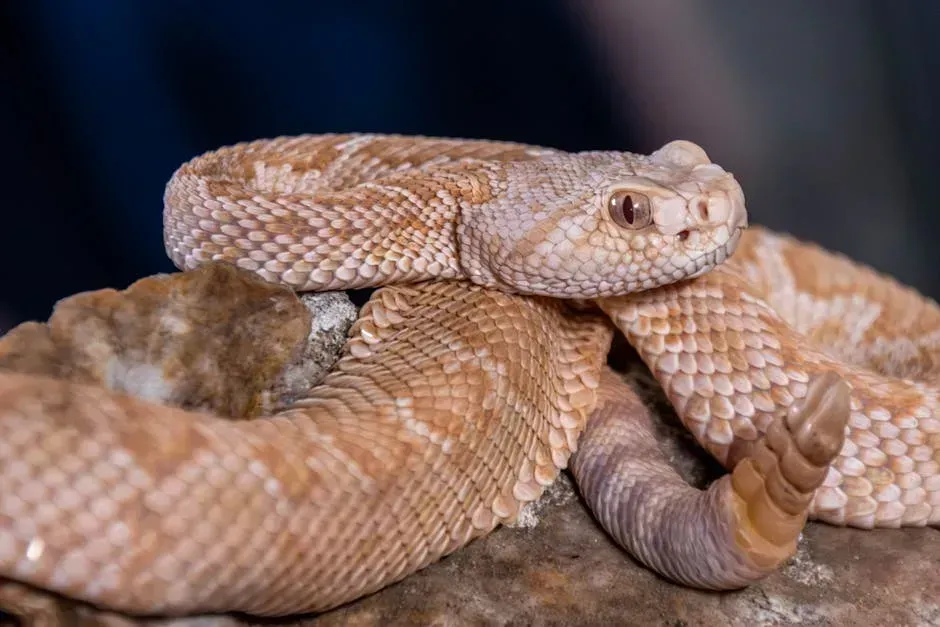
Arizona is home to the Mojave rattlesnake, often considered North America’s most dangerous snake due to its unique venom that combines both hemotoxic and neurotoxic properties. This “two-phase” venom attacks both tissue and the nervous system, potentially causing respiratory failure in addition to severe tissue damage. The Mojave rattlesnake can be found in the arid desert regions of the Southwestern United States and Northern to Central Mexico.
It was thought that Mojave rattlesnakes with hemorrhagic venom only lived in Arizona, but new research documents hemorrhagic and neurotoxic venom types throughout the U.S. and Mexico, and even hybrid venom in which one snake exhibits both types. The estimated lethal dose for an adult human is just 10 to 15 mg. Medical treatment as soon as possible after a bite is critical to a positive outcome, dramatically increasing chances for survival. I think it’s fair to say this snake earns every bit of its fearsome reputation.
The Eastern Diamondback Rattlesnake – Size, Power, and a Warning You Can Hear
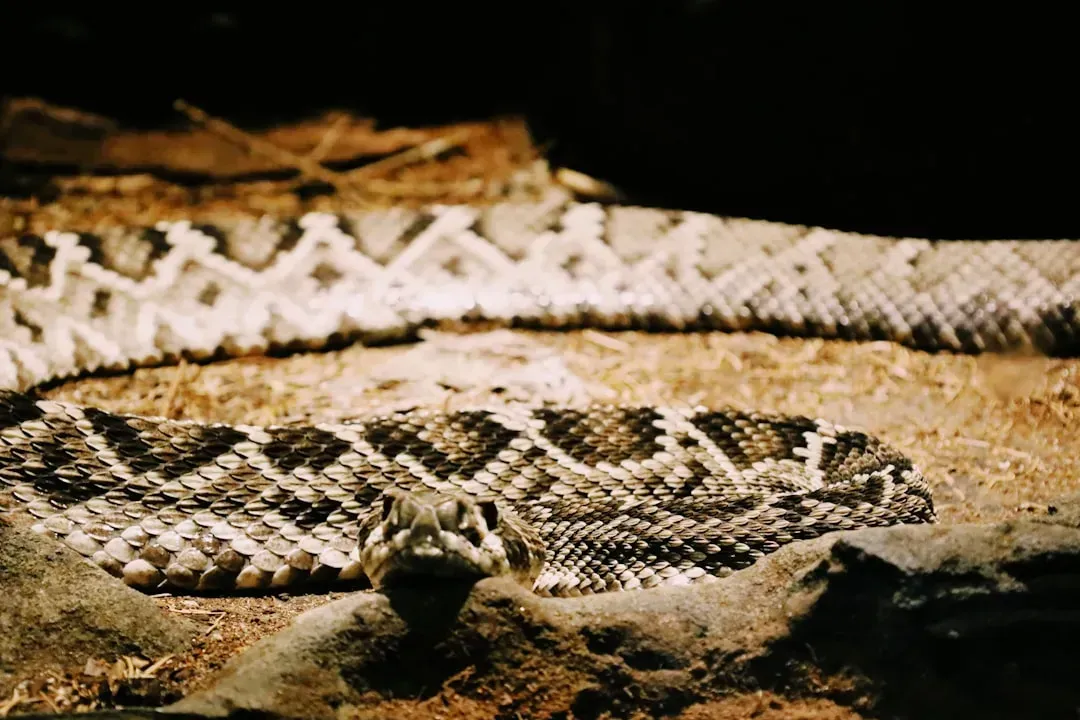
The eastern diamondback rattlesnake is the largest venomous snake in North America, sometimes reaching lengths of over 7 feet. Its bold diamond pattern and loud rattle serve as a clear warning to keep your distance. The venom is highly toxic, capable of causing massive tissue damage and even death if left untreated. This snake prefers dry, sandy habitats like pine forests and coastal scrublands of the southeastern United States.
Their venom is hemotoxic, which means it destroys blood cells and tissues, causing severe pain, swelling, and potentially life-threatening complications if not treated quickly. The good news is that antivenom is available, but getting to a hospital promptly is crucial. While they are formidable predators, eastern diamondbacks are not aggressive toward humans unless provoked. Respect the rattle and you’ll be fine. Ignore it, and things can turn very serious, very fast.
The Eastern Coral Snake – Small, Stunning, and Lethally Underestimated
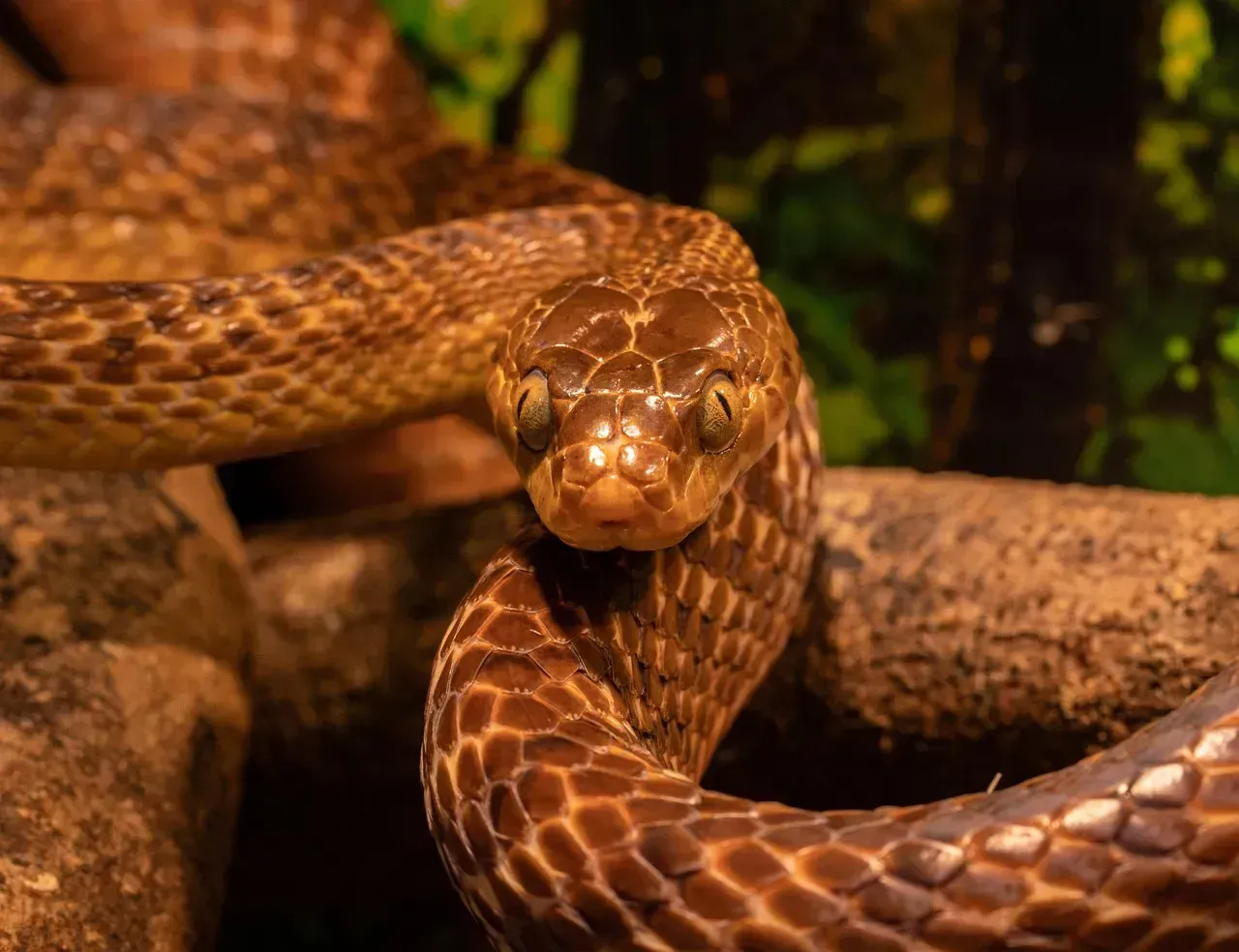
With its vibrant bands of red, yellow, and black, the coral snake is as beautiful as it is deadly. Found mainly in the southeastern United States, this snake’s venom is a powerful neurotoxin that can shut down the nervous system, leading to paralysis or even death. In North America, the eastern coral snake is found along the Florida and Georgia coasts, the Texas coral snake lives along the Texas coast, and the western coral snake lives in southern Arizona and northern Mexico.
The coral snake’s venom is highly toxic and can kill a human being within 20 minutes if left untreated. Its potent neurotoxin can cause paralysis, respiratory failure, and cardiac arrest. There’s an old rhyme hikers use to identify them by their color bands, and honestly, memorizing it is worth your while if you spend time outdoors in the Southeast. Despite their potent venom, this species is not aggressive and accounts for about 1% of snakebites recorded in the U.S.
The Copperhead – The Snake That Bites More Americans Than Any Other
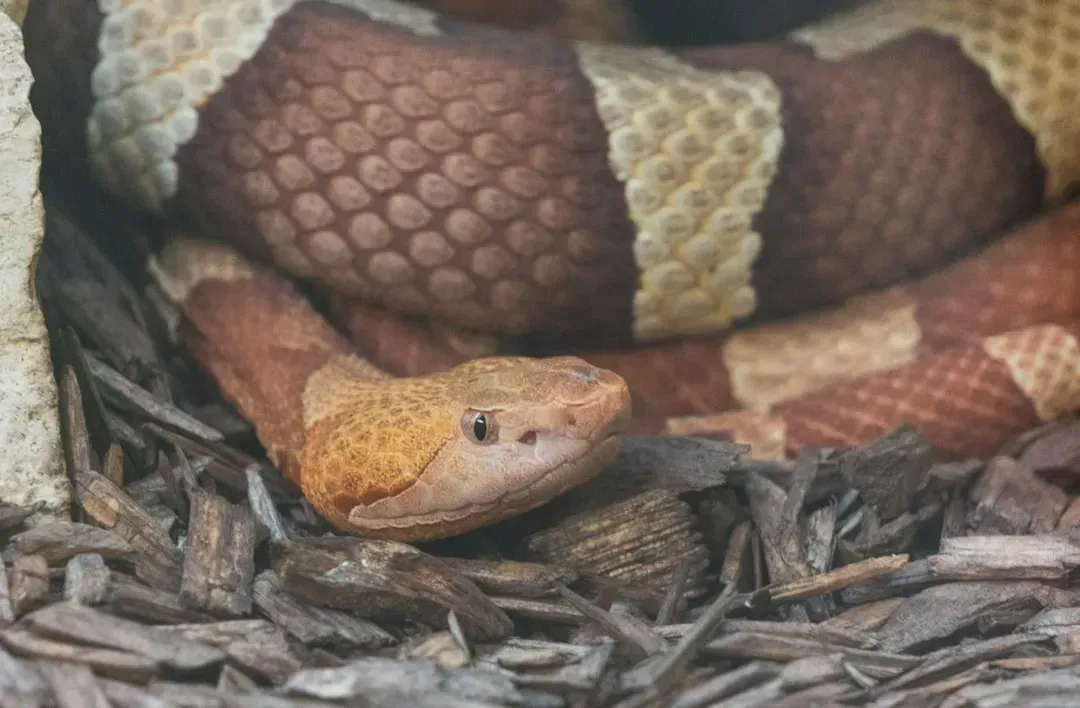
Roughly 7,000 to 8,000 people are bitten by venomous snakes each year in the United States, and about five of those people die. Though most fatal bites are attributed to rattlesnakes, the copperhead accounts for more snakebites than any other venomous North American species. Its primary range is along the Eastern Seaboard as far north as New York and inland as far west as Nebraska. That’s a huge swath of the country – and a lot of backyards.
These large native serpents are named for their copper color and are thought to be responsible for more bites on humans than any other species in the U.S. Although fatalities are rare, their venom contains hemotoxins which can destroy red blood cells, damaging muscle tissue and the circulatory system. The bite rate of copperheads equates to roughly 16.4 per million people across a year. However, while many bites required medical treatment, the rate of fatalities was extremely low at just 0.01%.
The Cottonmouth (Water Moccasin) – Where Land Meets Water Gets Dangerous
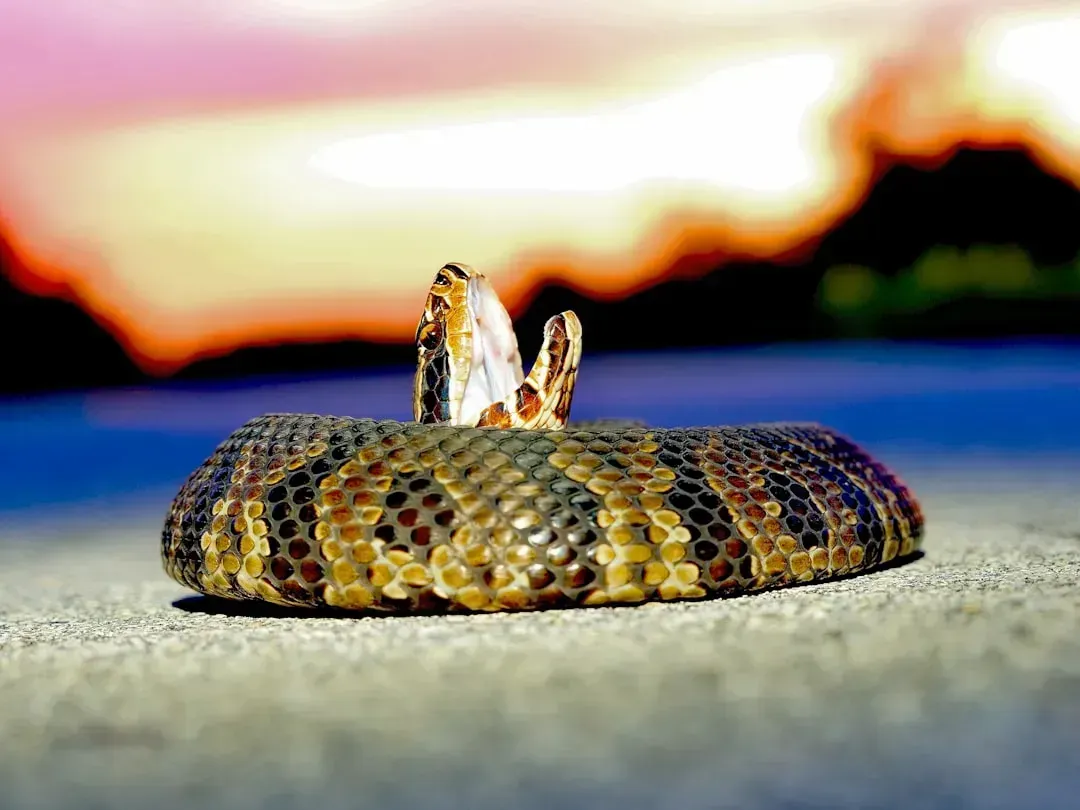
The biggest difference between the cottonmouth and the copperhead is that cottonmouth snakes are semi-aquatic and are most commonly found in marsh, swamp, and warmer streams and lakes. The cottonmouth is the only semi-aquatic viper in the world. Cottonmouth snakes live all across Florida and can be found in every county. If you’re wading in a Southern swamp and something slides into the water nearby, it’s worth paying attention to.
Its venom can cause hemorrhaging, renal failure, and cardiovascular collapse. The cottonmouth’s aggressive behavior makes it more likely to bite, and its venom is highly toxic, causing symptoms to appear within 15 minutes. The very white interior of the cottonmouth’s mouth and the snake’s habit of opening its mouth extremely wide in warning provides the common name. That gaping white mouth display is its way of saying “back off” – and it’s a warning worth heeding.
The Gila Monster – A Prehistoric-Looking Lizard with a Surprisingly Modern Venom
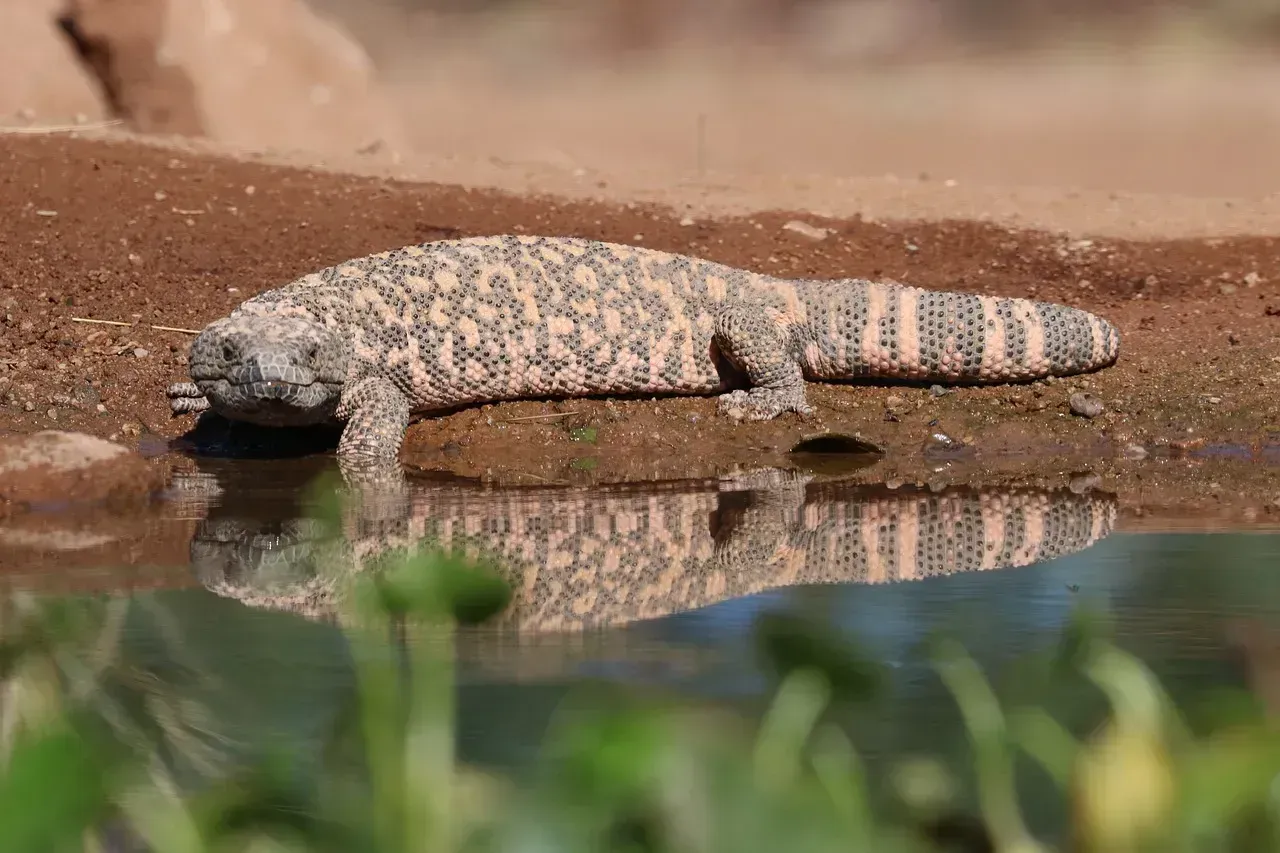
The Gila monster, with its beaded orange and black skin, looks almost prehistoric as it lumbers across the southwestern deserts. It’s one of only two venomous lizards in North America, delivering venom through grooves in its teeth as it chews its prey. While a bite from a Gila monster is rarely fatal, it causes excruciating pain, swelling, and nausea. This slow-moving reptile is native to the southwestern United States.
These lizards are slow-moving and reclusive, spending much of their lives underground. Despite their fearsome reputation, Gila monsters pose little threat to people who leave them alone. Their venom has even helped researchers develop treatments for diabetes, making them both a danger and a benefit to humans. It’s one of those wild paradoxes nature throws at you – a creature whose venom can hospitalize you also helped develop a life-saving medication. They are protected by law in many areas, and harming or harassing them can result in legal consequences.
The Cone Snail – Florida’s Beautiful and Deadly Shell Collector’s Nightmare
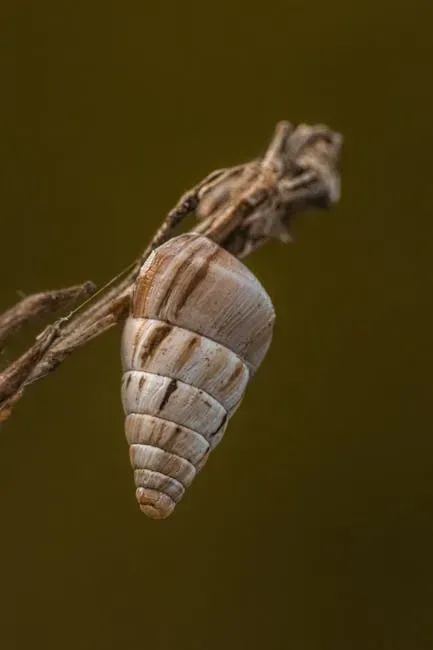
The cone snail possesses a potent venom used to immobilize prey, mostly worms, small fish and other molluscs, found in the shallow waters of Florida and Hawaii. Most stings are not fatal but cone snails have killed people over the years, and their venom contains tetrodotoxin, which can cause paralysis and even lead to respiratory failure. The shell looks gorgeous on a beach walk, which is exactly the problem – people pick them up.
Symptoms of cone snail envenomation include intense pain, tingling, muscle paralysis, respiratory paralysis, and blurred and doubled vision. There is no antivenom for cone snails. Victims should seek urgent hospital-based therapy; intensive care hospitalization may be required. Think of it this way: a seashell that can put you in the ICU with no antidote available is not a souvenir you want to pocket. The ocean has many rules, and “look but don’t touch” is one of the most important.
Conclusion: Respect, Not Fear
What’s striking about America’s most venomous creatures is that nearly all of them follow the same unspoken rule: leave me alone and I’ll leave you alone. The last thing these creatures want to do is waste precious venom on something they can’t eat. Venom takes a lot of energy to make, so unless their lives are in immediate danger, they would much rather hide or scurry away. The vast majority of bites and stings happen when humans push the encounter – accidentally or otherwise.
If you live in the United States, you’re nine times more likely to be struck by lightning than to be killed by a venomous snake. That statistic puts things in perspective. The U.S. has remarkable diversity of venomous wildlife, stretching from southwestern deserts to southeastern swamps to coastal waters, and every region has its cast of characters worth knowing. Awareness is the best protection there is. So next time you’re reaching into a woodpile, pulling on your boots after a camping trip, or picking up an interesting shell on a Florida beach – maybe just take a second to look first. What venomous creature surprised you most on this list?