Hollywood Walk of Fame, Los Angeles
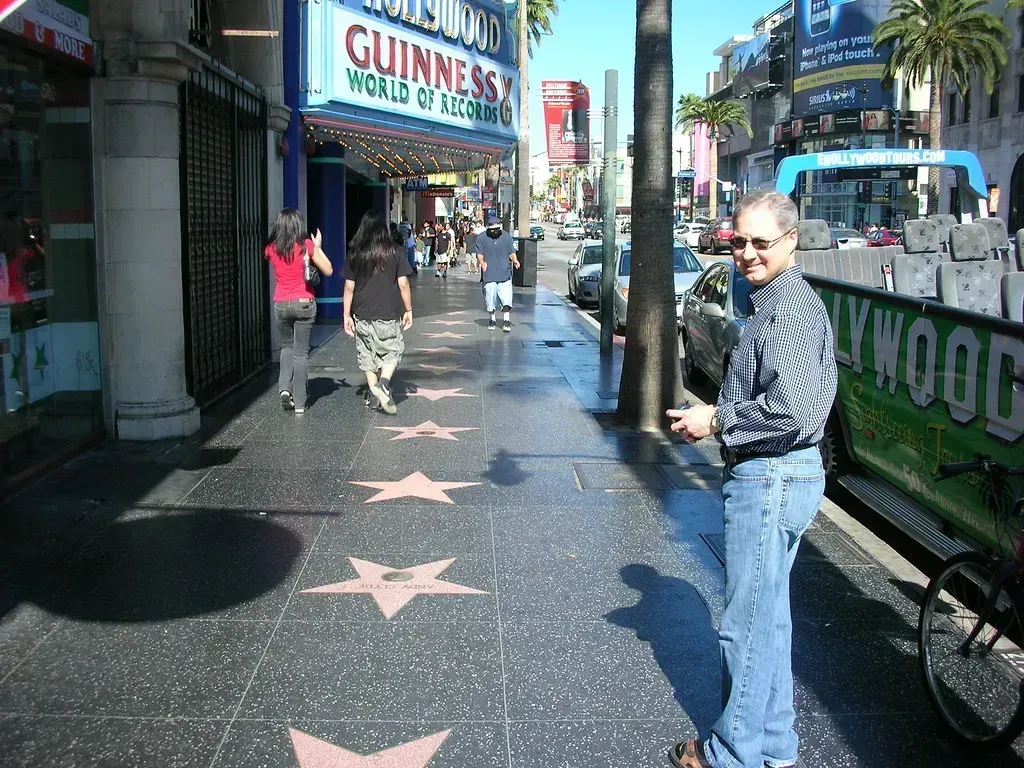
The Hollywood Walk of Fame in Los Angeles topped a list as the worst tourist destination in recent travel reports, with visitors calling it “run down, dirty” and more. The Walk of Fame scored just 3.42 out of 10 in an assessment of the world’s best and worst tourist attractions, analyzing factors including airport accessibility and safety. Despite the Walk’s popularity, visitors are often underwhelmed due to its perceived dirtiness, grittiness, and problems with homelessness and crime, with the Walk repeatedly called the “Walk of Shame” and designated as “the world’s worst tourist attraction”. Those celebrity stars embedded in the pavement lose their sparkle fast when you’re dodging aggressive costumed characters and navigating an atmosphere that feels more chaotic than glamorous.
Times Square, New York City
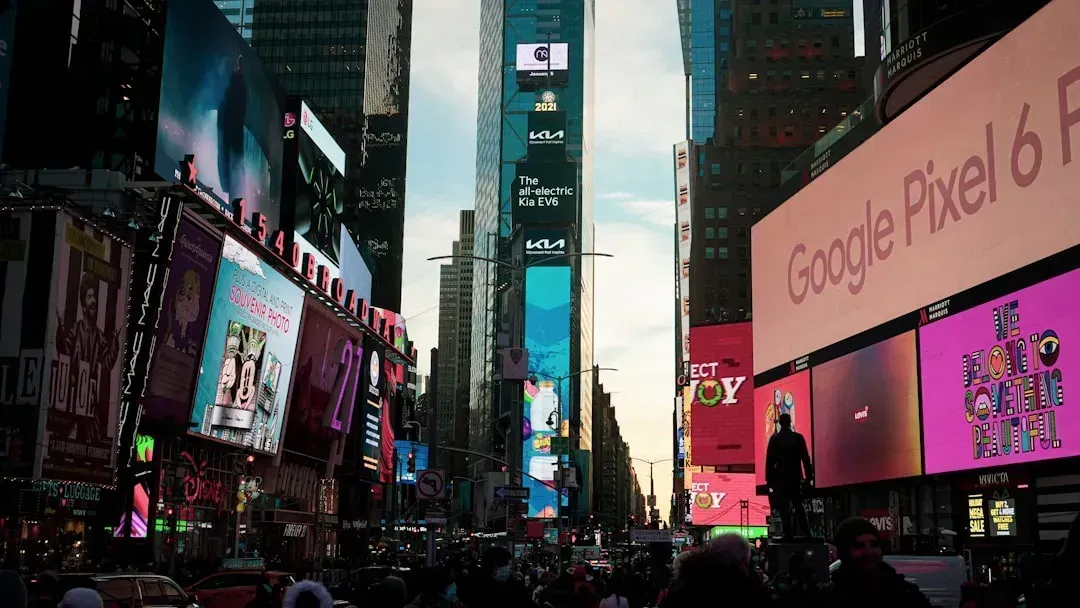
Times Square in New York City was named the world’s worst tourist trap in a survey, with the Big Apple’s most popular tourist attraction called “overrated” and “stressful” by over 1,000 reviewers. Between 250,000 and 300,000 pedestrians visit Times Square per day, with peak days reaching over 400,000 pedestrians. Let’s be real, the sensory overload of flashing billboards and crowds isn’t for everyone. The place feels less like a magical destination and more like an overcrowded billboard farm where overpriced chain restaurants and aggressive street performers compete for your wallet.
Fisherman’s Wharf, San Francisco
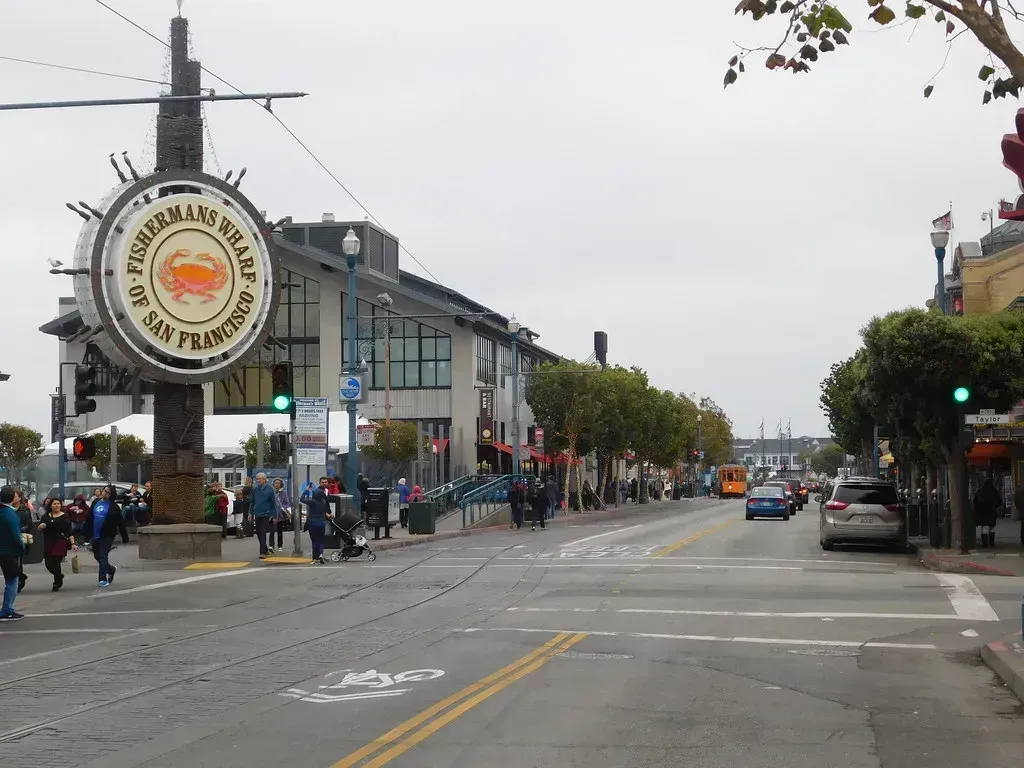
A study identified Fisherman’s Wharf in San Francisco as the biggest tourist trap in the United States – and the world. Set on San Francisco’s gorgeous waterfront, more than 12 million visitors drop by each year, but the wharf has become a sanitized, commercialized version of what was once an authentic working waterfront, with visitors paying premium prices for mediocre clam chowder in sourdough bread bowls while dodging aggressive street performers. The area feels manufactured rather than authentic. San Francisco offers spectacular neighborhoods beyond this tourist funnel if you’re willing to explore.
Mount Rushmore, South Dakota
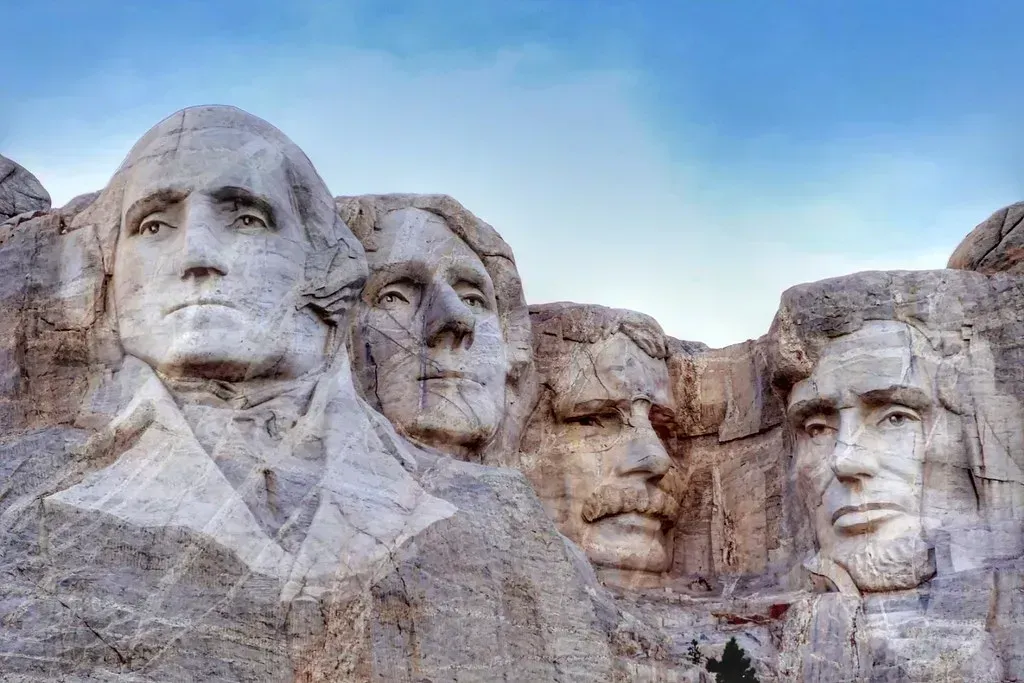
Mount Rushmore draws more than two million visitors annually, and many leave feeling underwhelmed, with the granite sculpture smaller than expected and taking all of five seconds to absorb, followed by not much else to do besides walk up steps on a subpar nature trail, check out state flags, and pop into an average museum. Here’s the thing: you have to travel miles out of your way to reach this monument, and the novelty evaporates within minutes of arrival. The problem is that you have to travel out of your way to the middle of nowhere to see it, the novelty wears off in mere minutes, and it looks much smaller than you might expect.
Las Vegas Strip, Nevada
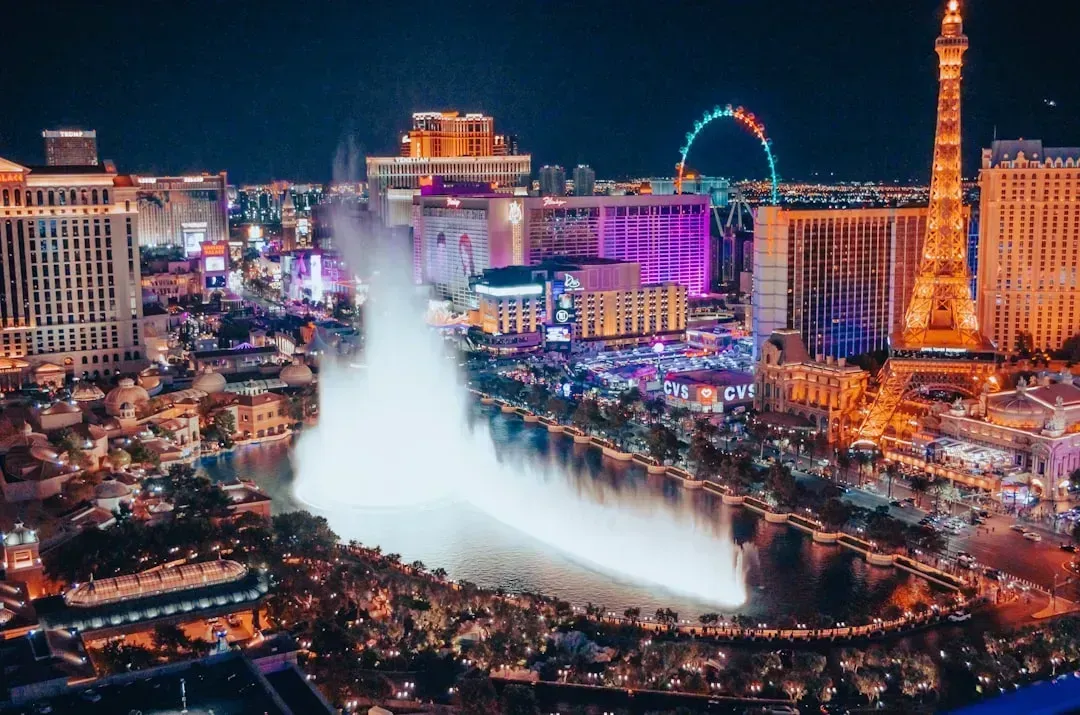
Las Vegas received nearly 1,000 votes from travelers who found Sin City overwhelming, overpriced, and underwhelming beyond the initial novelty. The Vegas Strip is easily the most overrated place in Las Vegas, this main drag full of formerly iconic casinos that seem to be fading and losing the glamor that came from their glory days – the 2020 pandemic hit Vegas hard. Unless you love gambling and partying, the Strip disappoints with its inflated prices and synthetic atmosphere. When you come to Vegas, expect to lose a lot of money even if you don’t visit a casino. The whole place functions as a money vacuum disguised as entertainment.
SeaWorld Orlando, Florida
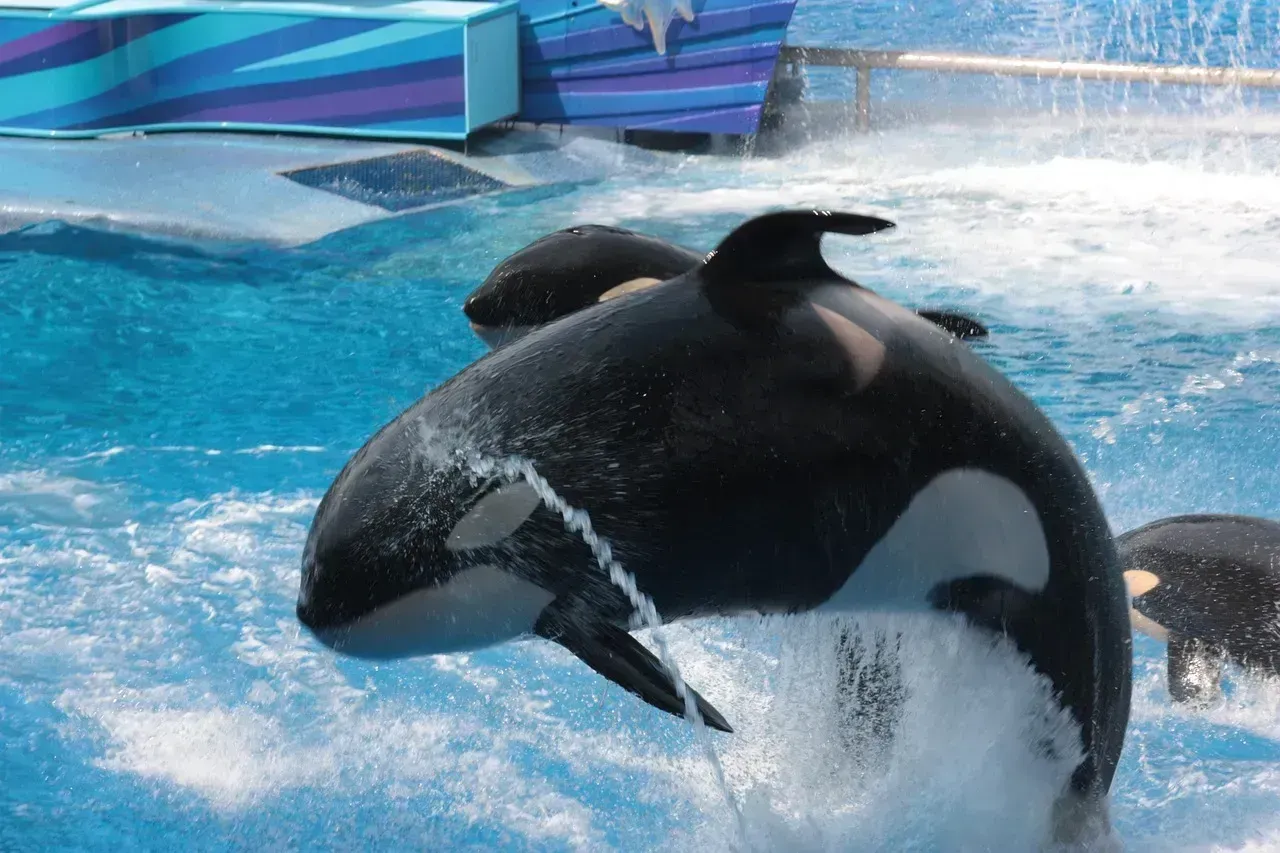
Huge queues, overpriced food, poor service, rides all too often closed for maintenance and concerns around animal welfare have seen this Orlando attraction underwhelm and appal many visitors, and while the marine park still draws millions of visitors each year, its attendance figures have been falling steadily since 2019, with visitor numbers falling to 4.34 million according to Statista. Animal welfare concerns combine with operational issues to create an experience many find deeply disappointing. Honestly, Orlando has countless other attractions that deliver better value and fewer ethical dilemmas for families seeking theme park thrills.
Bourbon Street, New Orleans
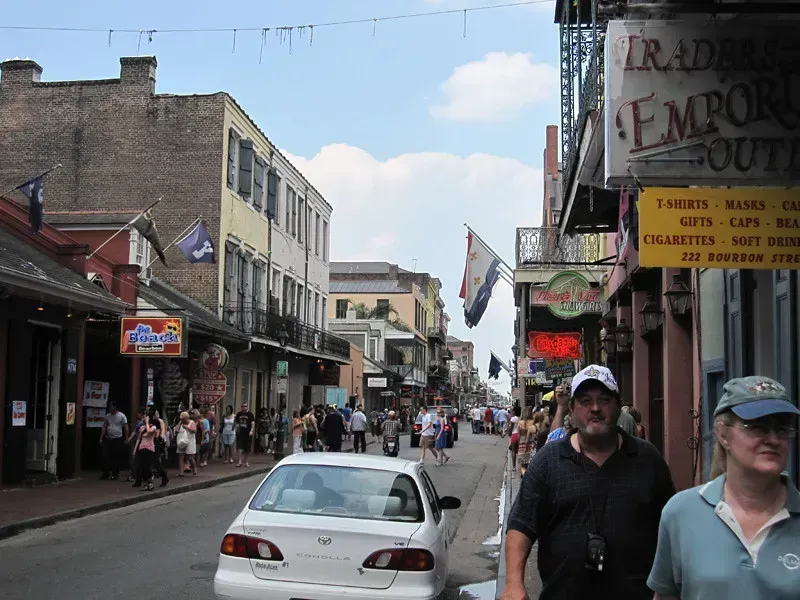
The debaucherous strip is not for everyone, and several Reddit users consider it filthy and overrated, though if you’re looking for an epic party scene year-round and massive frozen cocktails, there’s no better place. The street reeks of spilled alcohol and vomit after dark. Rowdy crowds and noise dominate the experience, making it feel less like authentic New Orleans culture and more like a college spring break that never ends. For those seeking the real soul of the city – jazz, cuisine, history – Bourbon Street represents everything tourists think New Orleans is but locals know it isn’t.
Waikiki Beach, Hawaii
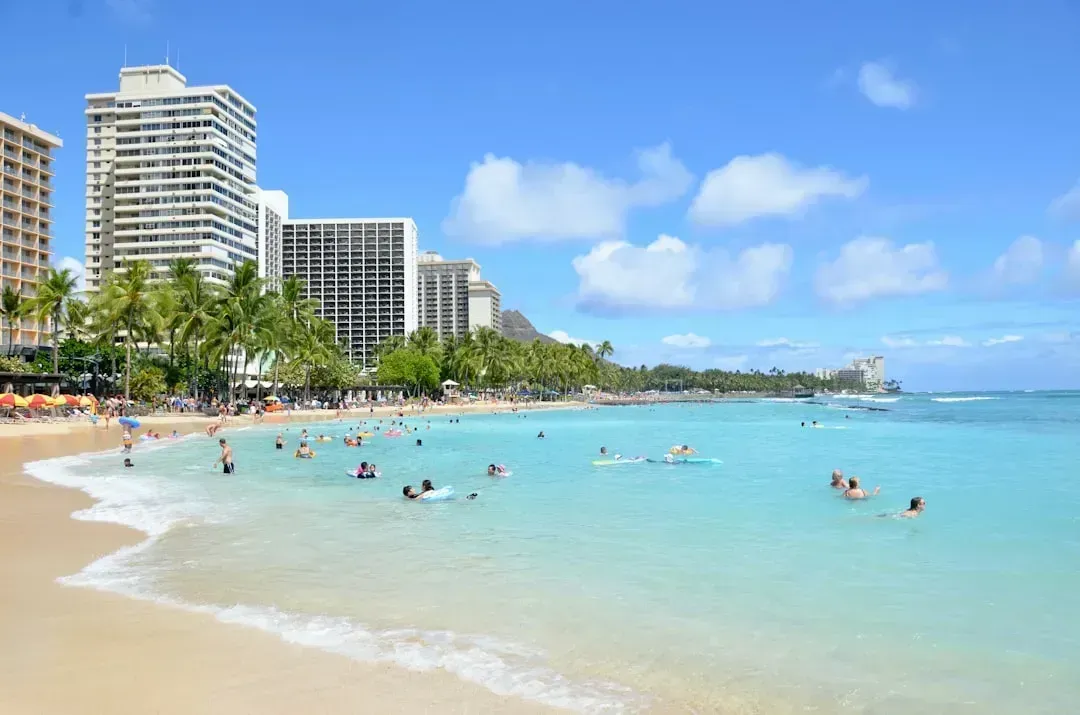
Fantasy and reality are frequently at odds on Waikiki Beach, with anticipations of perfect sand and a surfing utopia turning into more of a rocky pool, and between the often tacky hotels, compact, congested beach, and sky-high rental costs for chairs and umbrellas, visitors would do well to seek a swimming haven elsewhere in Hawaii. Reviews highlight dense high-rises, heavy traffic, and a commercial strip where chain stores overshadow local culture. Hawaii offers breathtaking natural beauty, but you won’t find much of it on this overcrowded urban beach where towels are packed shoulder to shoulder.
Statue of Liberty, New York
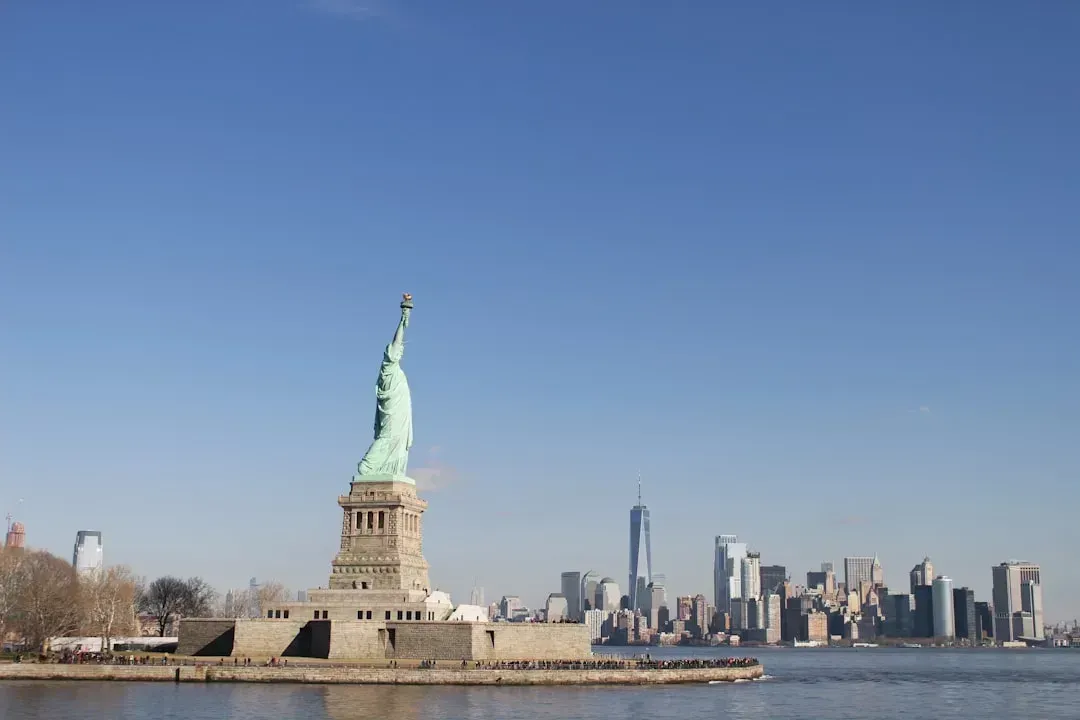
Taking the ferry to see the statue up close costs you more time and money than it’s worth, and thanks to long queues to get inside and a lacklustre view, you may find yourself disappointed. With over 4 million visitors annually, many tourists may feel underwhelmed upon arrival as access to the statue is limited, with only about 240 people permitted daily. The icon herself is magnificent, no doubt about it. Yet the hours spent waiting in line for cramped stairs and mediocre views? Skip the hassle and admire Lady Liberty from Battery Park or the Staten Island Ferry instead.
Plymouth Rock, Massachusetts
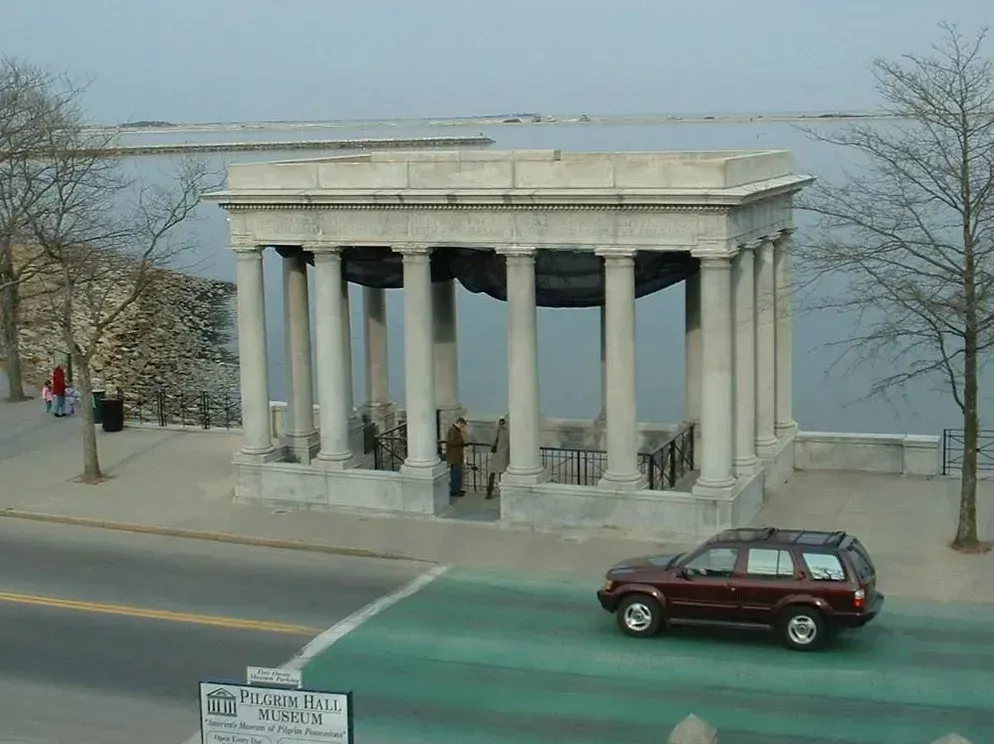
Plymouth Rock represents the landing of the Pilgrims and the birth of American democracy, making it an important symbol of the country’s founding ideals, but the attraction is just a rock surrounded by a fence, and with little to see or do here, it’s not worth the trip. The reality of this small, often overlooked boulder might be less grand than the story it tells. You travel all that way expecting something monumental, and what greets you is a disappointing chunk of stone behind protective barriers. The historical significance doesn’t translate into an engaging visitor experience.
Four Corners Monument
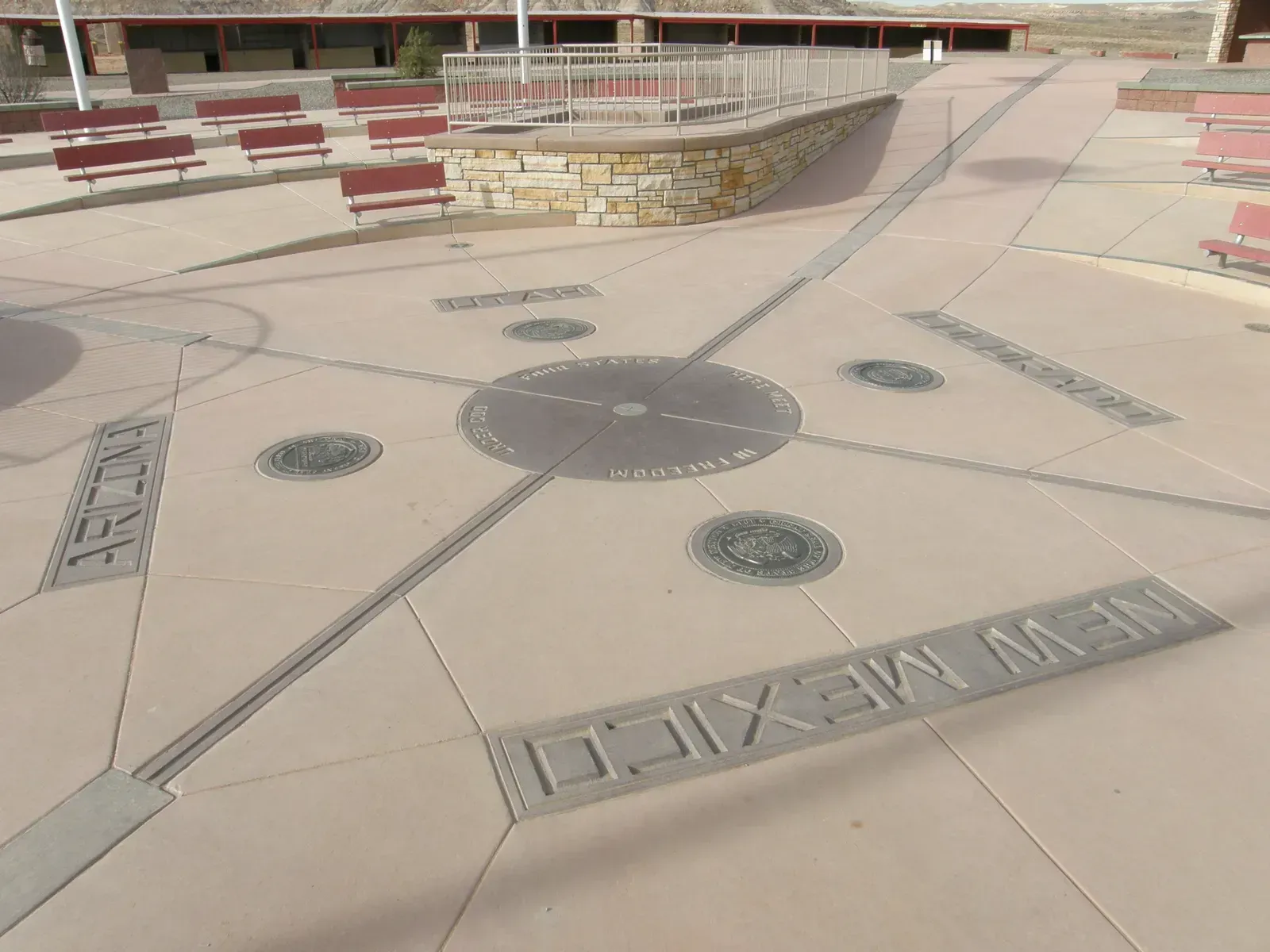
On paper, a spot where four states meet sounds like a quirky must-see, but in reality, many travelers report that the Four Corners Monument offers little beyond a concrete marker, a short photo opportunity, and a small cluster of vendors in a remote location, with reviews often calling it underwhelming and expensive for the time spent. Due to surveying errors, the actual intersection point is off by over 1800 feet. The monument sits in the middle of nowhere, requiring hours of driving for what amounts to a five-minute photo op. Nearby national parks and Indigenous cultural sites offer far deeper experiences.
Navy Pier, Chicago
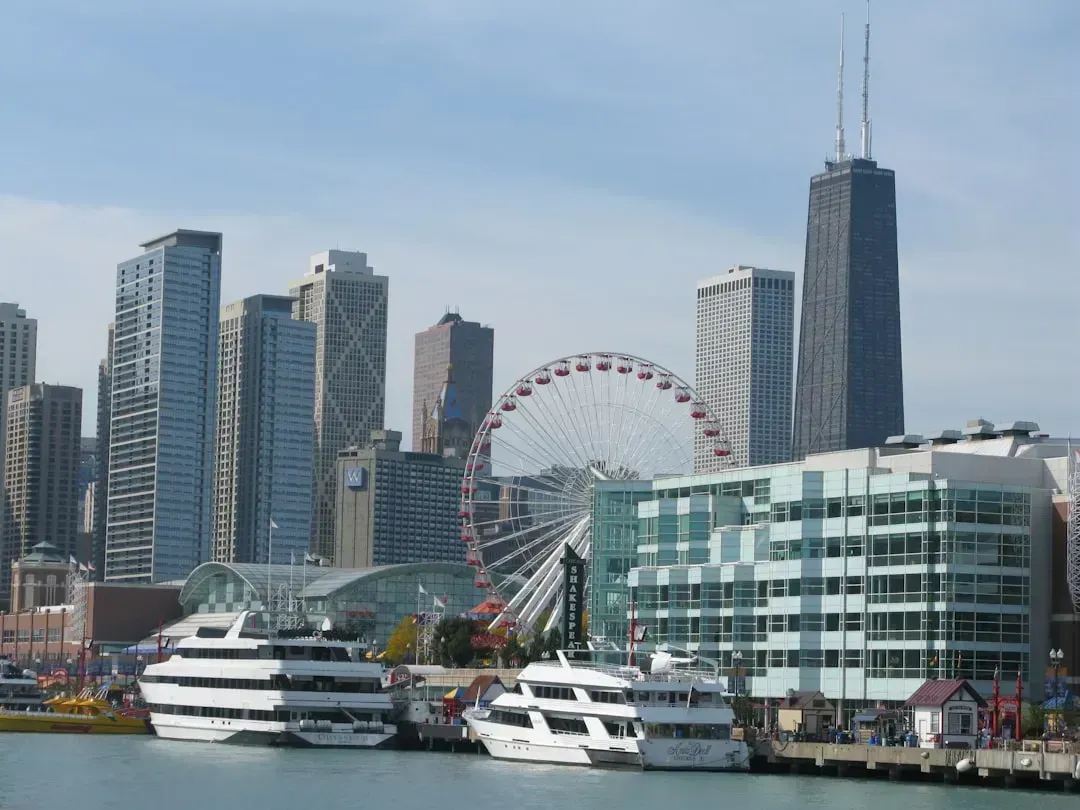
Navy Pier dominates Chicago’s tourism marketing with its Ferris wheel, boat tours, and skyline views, but a growing number of travelers describe it as an expensive, crowded entertainment mall on the water, with recent tourist-trap polls listing it among the most disappointing U.S. attractions, and complaints about food prices and limited local character, as even Chicago fans often say they would steer friends toward the city’s parks, neighborhoods, and museums rather than centering a short visit on the pier. Chicago bursts with architectural marvels, world-class museums, and vibrant neighborhoods. Navy Pier represents none of that authentic Chicago character, functioning instead as a sanitized waterfront shopping center.
Kennedy Space Center, Florida
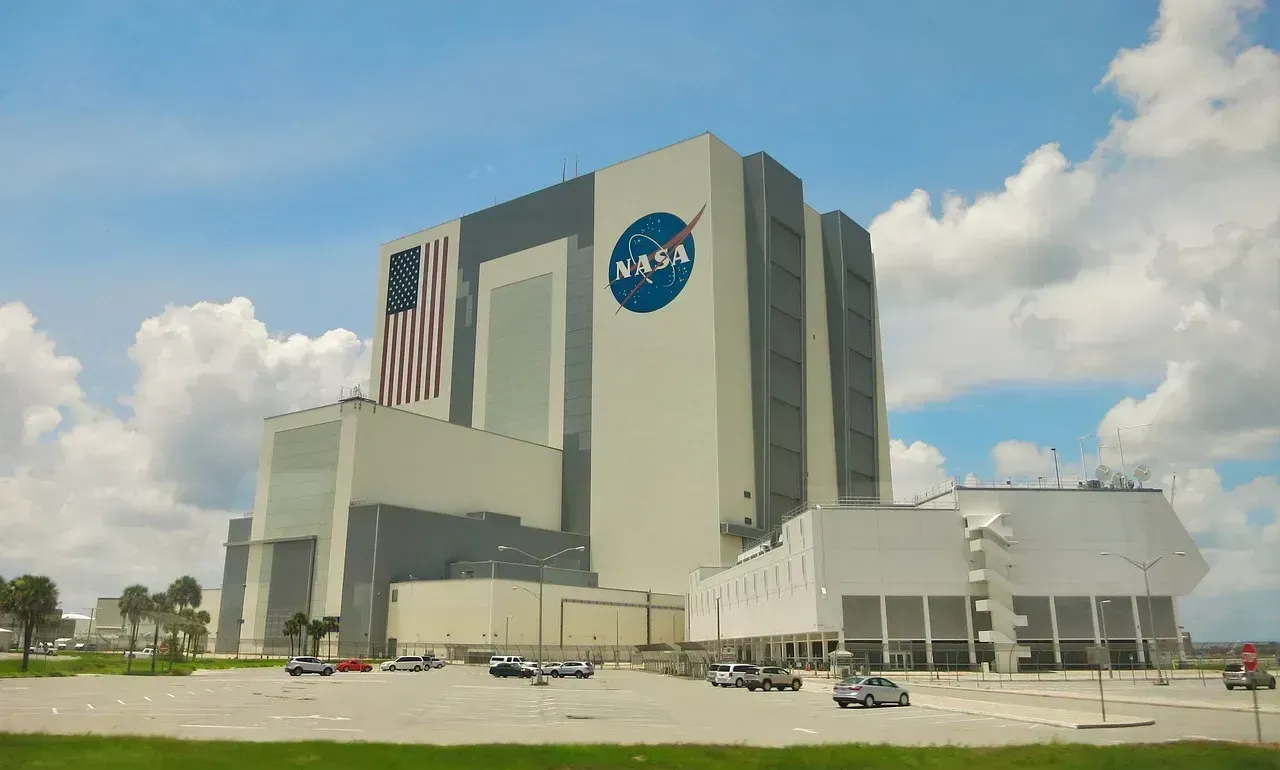
New research has revealed which tourist attractions in the US are the most disappointing, with the Kennedy Space Center ranking on top. One user on Tripadvisor said that they ‘left very disappointed,’ while another warned to ‘save your money’. The expectations run sky-high for a facility associated with NASA and space exploration, which makes the letdown hit harder when visitors encounter long waits, outdated exhibits, and steep admission prices. For a place celebrating humanity’s greatest technological achievements, the visitor experience feels surprisingly grounded in mediocrity.
Myrtle Beach, South Carolina
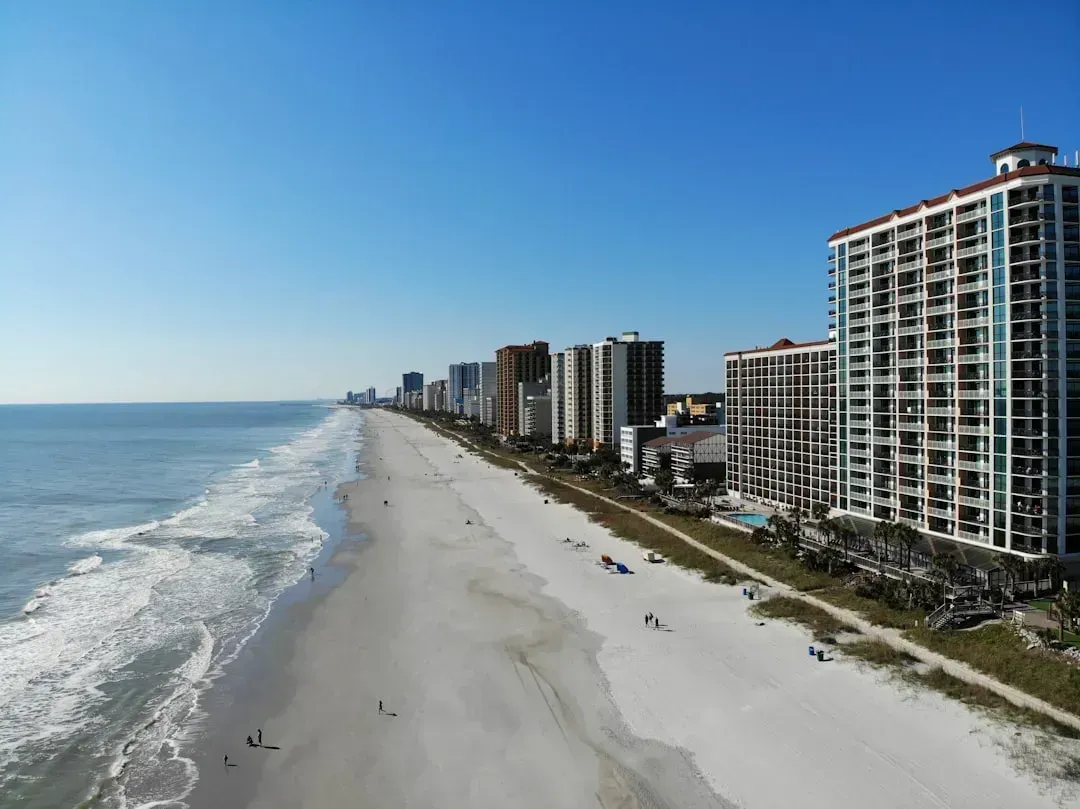
Myrtle Beach offers miles of coastline, yet the central strip draws mixed reviews from travelers, with visitors often mentioning crowded sidewalks, basic chain restaurants, noise late into the night, and stretches of beach that feel heavily worn-out during peak season, as families who came hoping for a calm seaside escape sometimes leave disappointed by the party-first atmosphere and recommend quieter beaches up or down the coast instead. The beach itself gets lost beneath a layer of commercialization and spring break energy. South Carolina’s coast features quieter, more pristine beaches where you can actually hear the waves over blaring music and screaming crowds.
Niagara Falls (American Side)
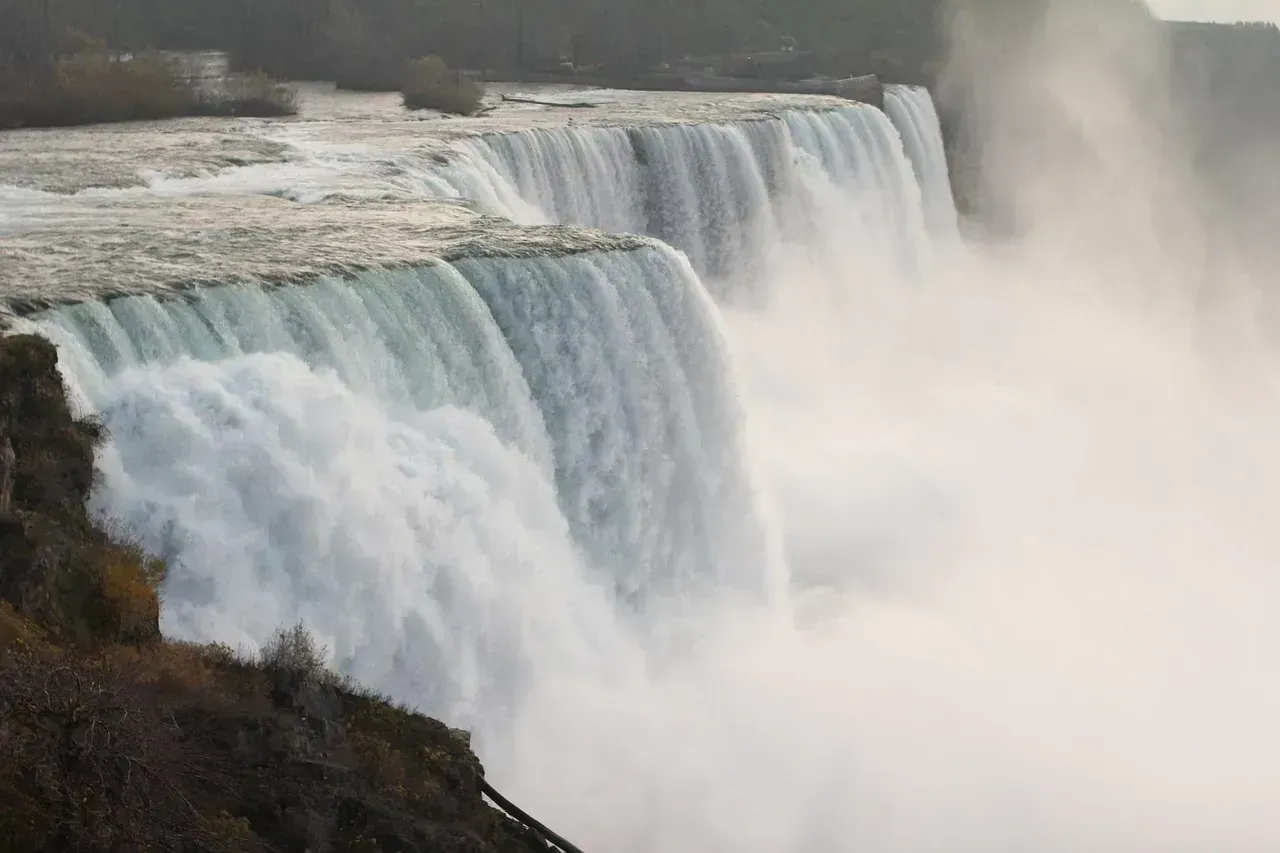
Niagara Falls remains an undeniable natural spectacle, yet many visitors feel the American side suffers from heavy commercialization and weaker views than Canada’s shore, with recent articles and reviews pointing to crowded walkways, aggressive tourist-trap zones, and restaurant prices that do not match quality. The falls themselves deliver breathtaking power and beauty. Everything surrounding them on the U.S. side? Not so much. Aggressive vendors, tacky attractions, and inferior vantage points compared to the Canadian side leave many American visitors wishing they’d crossed the border.
Atlantic City, New Jersey
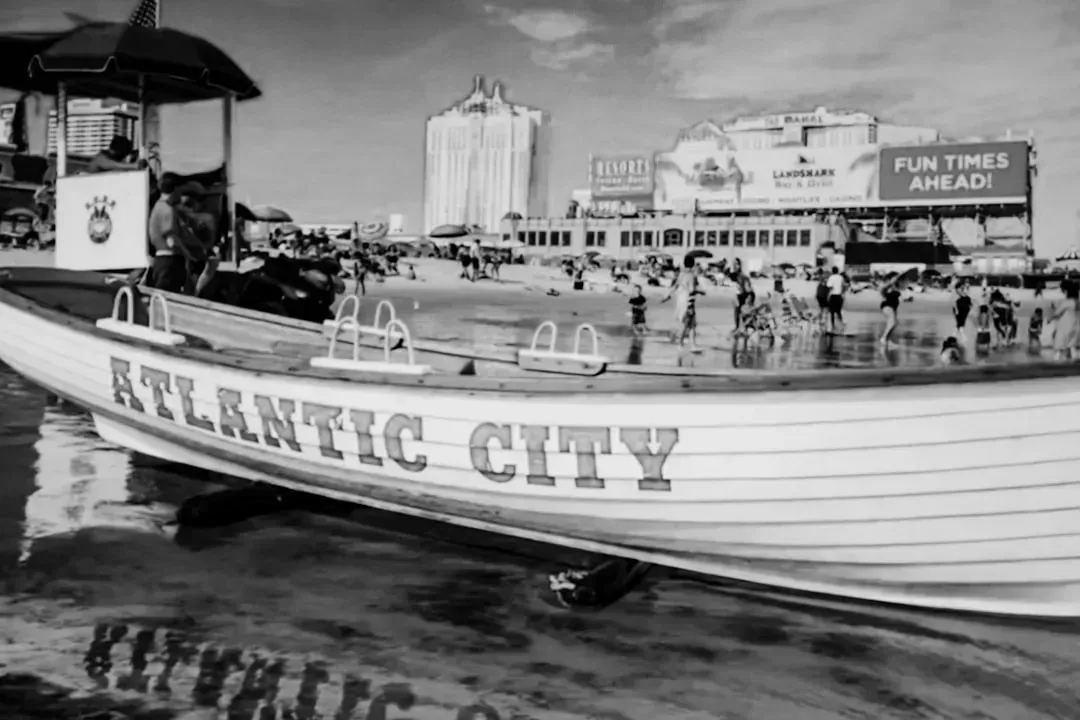
Venture a few blocks away from the boardwalk and you’ll realize that Atlantic City is incredibly depressing, as it’s very clearly an area exploited by the big casinos while the locals have been driven to absolute poverty. The boardwalk glitters with casino lights, creating an illusion of prosperity that collapses the moment you step onto side streets. What was once America’s playground now feels like a sad imitation of Las Vegas, with fewer attractions and a palpable sense of economic decline. The contrast between casino opulence and surrounding poverty makes the whole experience uncomfortable.
Roswell, New Mexico
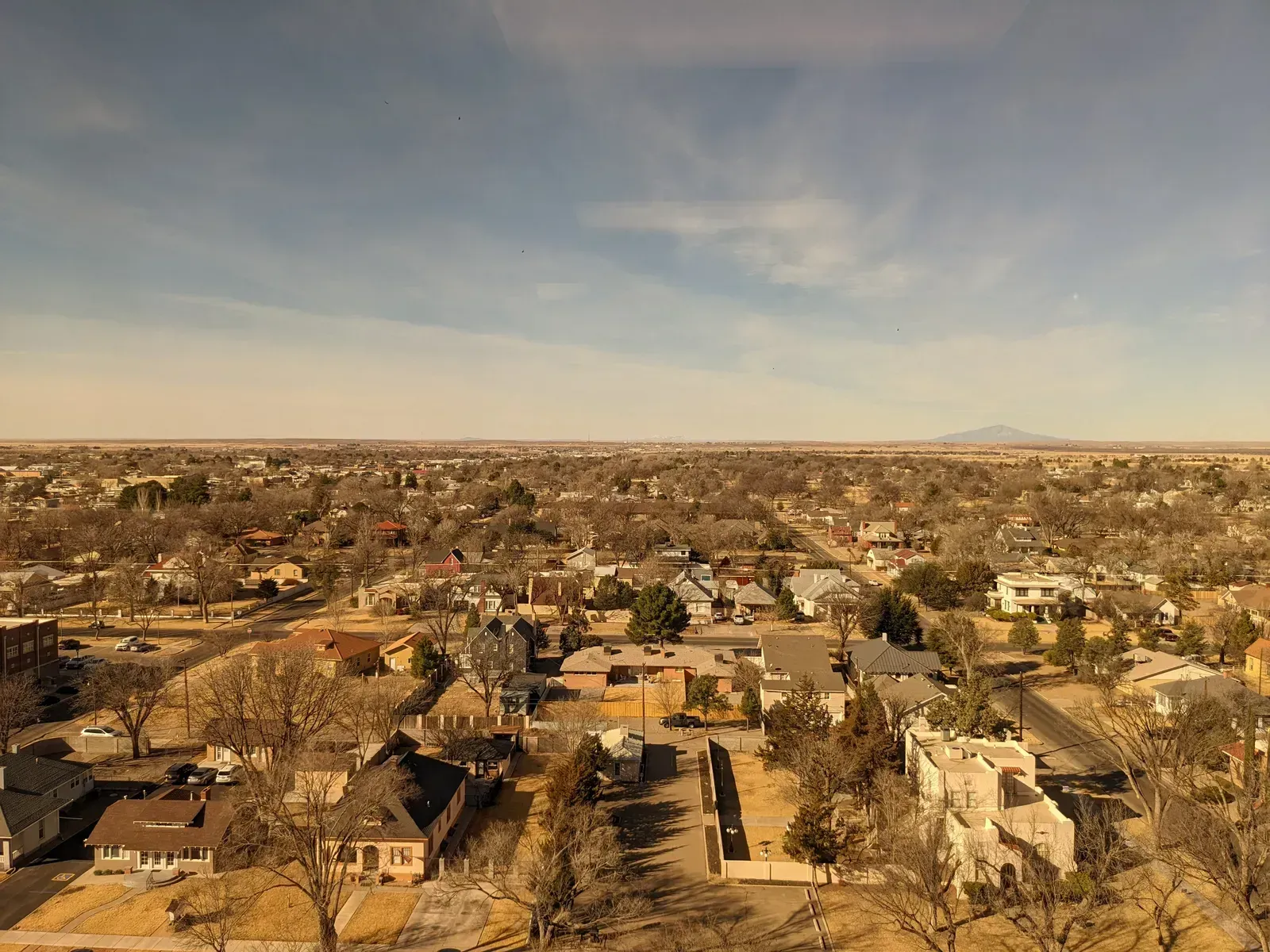
The extraterrestrials that allegedly crashed here in 1947 must have had a vehicle malfunction because this place is bleak, as for most of the year, Roswell is a small town with an abundance of kitsch alien paraphernalia and a shortage of people, and the UFO Museum leaves a lot to be desired, with there being little to see and do until the UFO Festival rolls around in summer. UFO enthusiasts arrive expecting X-Files vibes and instead find a sleepy town filled with alien-themed gift shops selling cheap souvenirs. Unless you’re visiting during the summer festival, Roswell offers disappointingly little beyond kitschy commercialism built around a decades-old mystery.
Salem, Massachusetts (October)
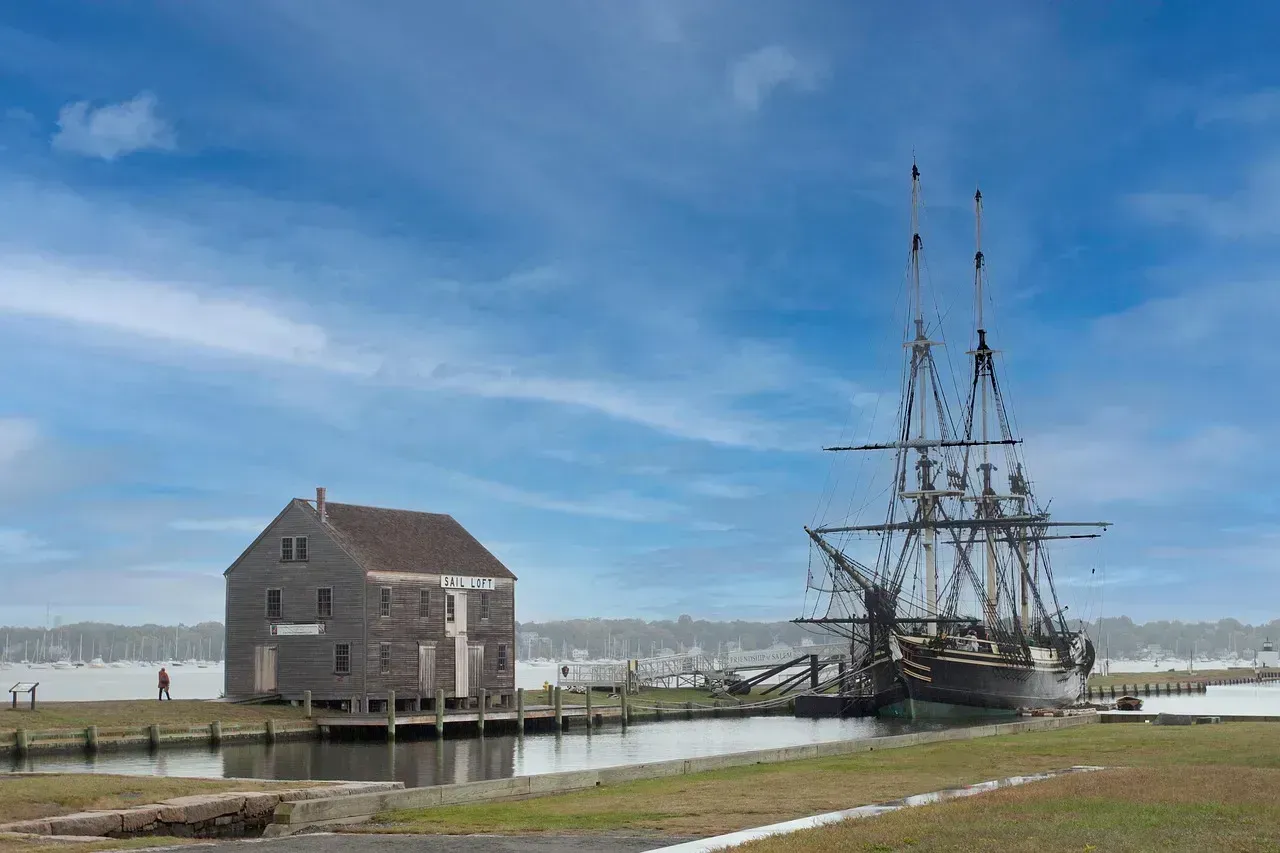
Salem itself is clogged with tourists and tour buses year-round, but oppressively so in October when Halloween brings in even more visitors: over one million people visited the town in October 2024. The town capitalizes on its witch trial history with an overwhelming commercialization that borders on tasteless. Visiting during October means battling massive crowds, inflated hotel prices, and traffic gridlock just to experience overpriced haunted houses and witch-themed souvenir shops. Salem’s actual historical sites get lost in the Halloween hysteria.
Duval Street, Key West
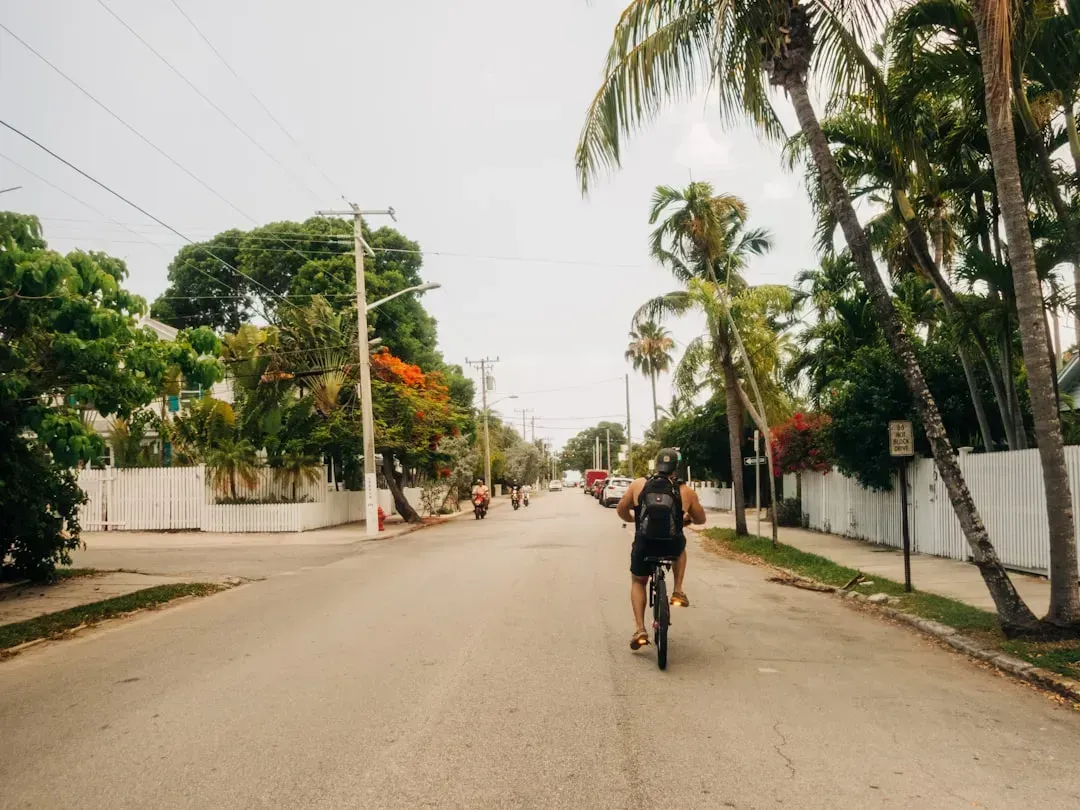
At the heart of Key West, Duval Street dates back to the early 1900s and has been dubbed ‘the longest street in the world’, running from the Gulf of Mexico to the Atlantic Ocean, and this fabled, mile-long thoroughfare tops most tourists’ lists when exploring the island for the first time, but for all its old-world charm, is this notorious party stretch still a must-do? The street packs bars and souvenir shops so tightly that Key West’s laid-back island vibe evaporates beneath aggressive commercialization. Cruise ship crowds flood the street during the day, turning what should be a relaxed tropical experience into an obstacle course of tourists.
Mammoth Cave National Park, Kentucky
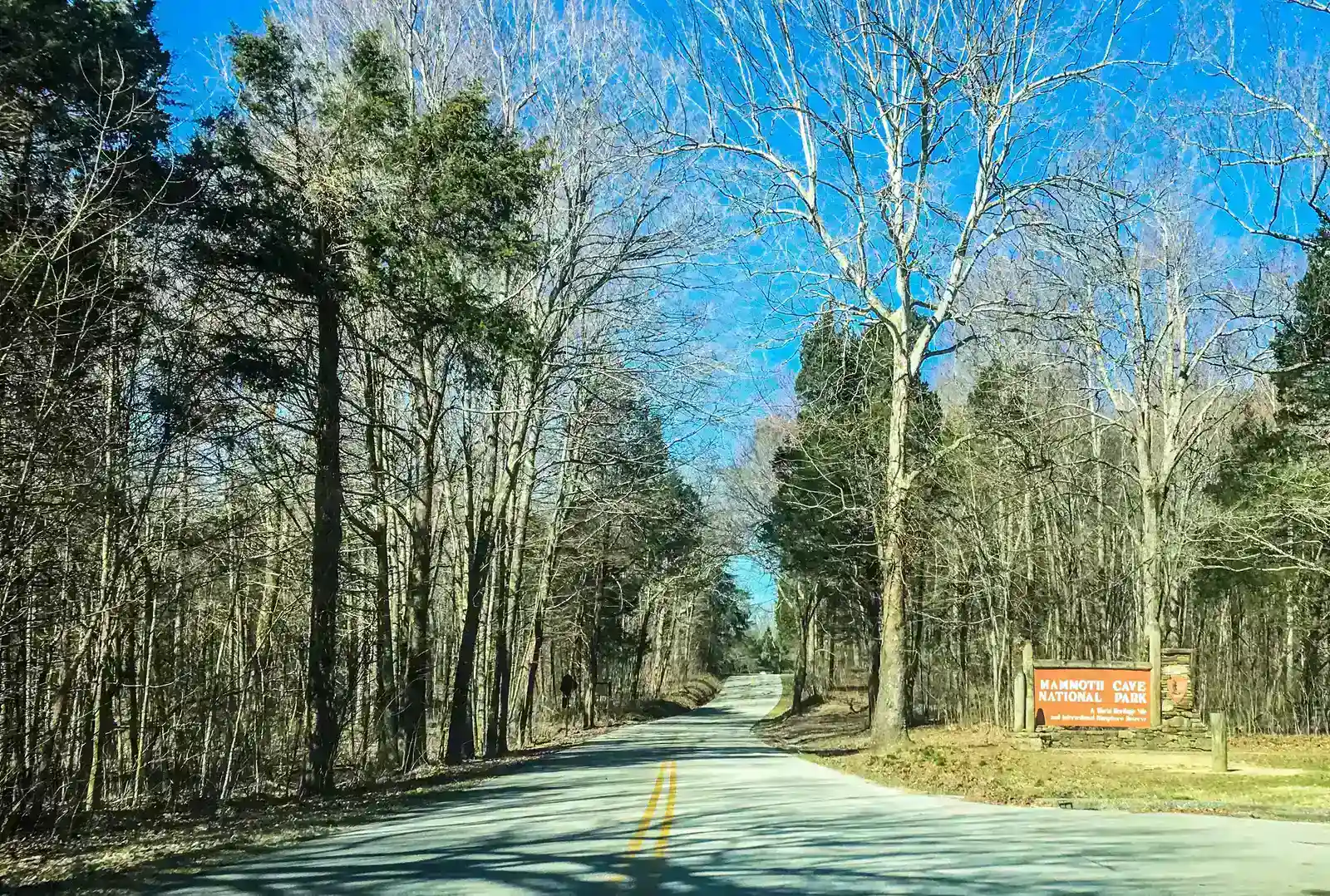
Mammoth Cave National Park ranks as the third most disappointing, with 19.38% of reviewers left feeling underwhelmed, as the cave, based in Kentucky, is known for being the world’s longest cave system. Being the world’s longest cave system sounds impressive on paper. In reality, guided tours feel rushed, claustrophobic, and fail to convey the geological wonder beneath your feet. Long waits for tours, limited viewing areas, and the disconnect between expectation and experience leave nearly one in five visitors disappointed by their underground adventure.
You’d think places famous enough to attract millions would justify the hype. These twenty destinations prove that reputation and reality don’t always align. Some suffer from overcrowding, others from commercialization, and many from both. The United States offers incredible destinations worth every minute of travel time, but these spots remind us that not every famous landmark deserves a spot on your itinerary. Did any of these surprise you? What disappointed destination would you add to the list?