Most people sit down at a restaurant expecting a straightforward deal: you order, you eat, you pay the amount shown on the menu. The reality, according to industry insiders and consumer researchers, is often more complicated than that. Between the menu design, the billing system, and what actually ends up on your plate, there are several points where diners consistently get shortchanged without even realizing it.
These aren’t just isolated incidents at shady establishments. Many of the tricks described below happen at perfectly respectable restaurants, and some are so normalized that staff don’t even think of them as deceptive. Knowing what to watch for is the first real line of defense.
The Double-Tipping Trap Hidden Inside Your Bill
A service fee is mandatory, automatically added to the bill, and often redistributed across the business. In some restaurants, you’re expected to tip on top of that service fee, which can lead to double charges and major confusion. This is one of the most quietly effective billing tricks in the industry right now, and it’s spreading fast.
A bill may show an automatic 20% charge and still present a payment screen that asks for an additional tip. In that moment, it is easy to leave extra money without realizing a mandatory charge has already been included. Some diners still tack on an extra 20% thinking they’re doing the right thing, not realizing they’re tipping twice. These fees aren’t going away either. The restaurant industry is embracing them fast, but few places explain how it works or who actually gets the money.
The “Market Price” Label That Masks Real Costs
Seeing “MP” or “market price” next to a dish can feel exciting, like you’re getting something fresh and premium. Patrons may be accustomed to seeing MP (market price) on a menu for certain higher-end dishes, such as lobster and filet mignon, but this label won’t necessarily sit well with them if it’s used elsewhere on the menu with any frequency. The problem is that “market price” gives restaurants a blank check to charge whatever they want, and most diners never think to ask what that price actually is before ordering.
Some restaurants charge an extraordinary amount of money for their market price items. By the time the bill arrives, there’s no easy way to dispute the charge because you technically agreed to it by ordering the dish. The fix is simple: always ask the server for the specific price of any unlisted item before it lands in front of you.
Seafood Fraud: You’re Often Not Getting the Fish You Ordered
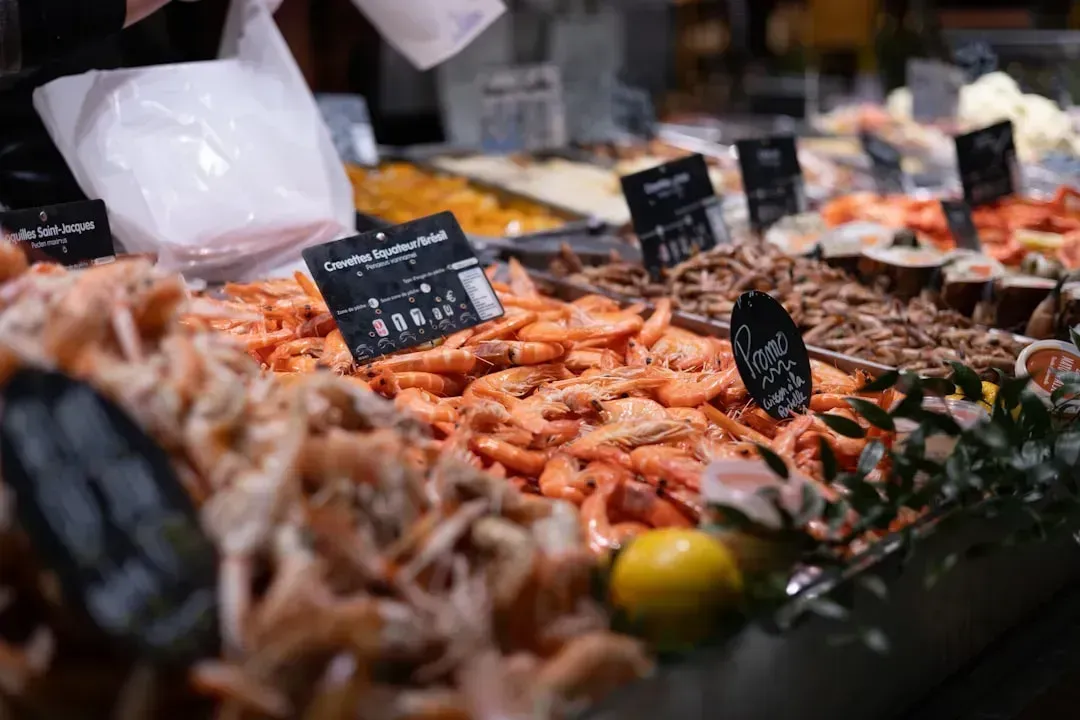
There is no official estimate of how prevalent fraud is in the $195 billion global fisheries and aquaculture sector, but empirical studies suggest that 20% of the trade may be subject to some type of fraud. Fraud is especially prevalent in restaurants and catering services, where visual identification is challenging, and in processed products, where the species identity can be masked. This isn’t a fringe problem. It’s systemic.
Some studies suggest that up to 30 percent of seafood products may be mislabeled in restaurants, and the report cites cases from around the world. While as much as a third of aquatic products sold in the United States may not be what is written on the packaging, less than one percent of imports are tested. A Mississippi seafood distributor and two company managers were sentenced for conspiring with others to mislabel seafood and to commit wire fraud by marketing inexpensive and frozen imported substitutes as more expensive and premium local species. This resulted in a criminal fine and significant forfeitures, and yet the practice continues across the industry.
Menu Anchoring: The Trick That Makes Everything Seem Like a Bargain
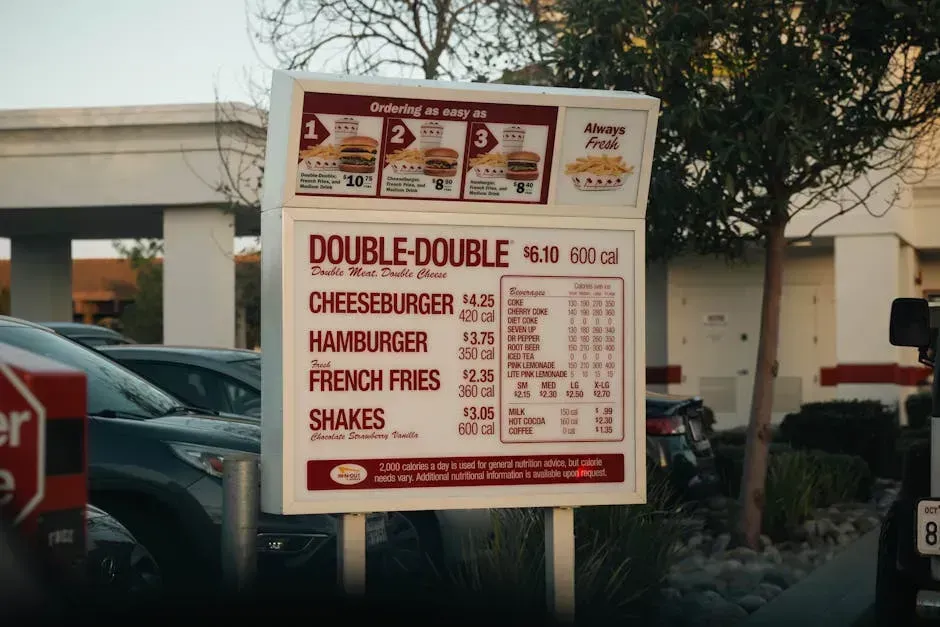
A sneaky hack to get customers to rack up a hefty bill is by setting an extremely high price point for one item so that everything else in comparison seems cheaper. “It’s called anchoring, and it’s incredibly effective.” Upscale menus often feature one or two outrageously priced dishes not because anyone orders them, but because they make the $38 pasta seem reasonable by comparison.
Including several high-priced items makes other options seem reasonable. A $65 dry-aged steak makes the $32 regular ribeye look like a bargain. Most customers won’t order the anchor item, but its presence influences other choices. This psychological pricing strategy is so deeply embedded in menu design that even experienced diners rarely notice it working on them in real time.
Hidden Fees Buried in the Fine Print
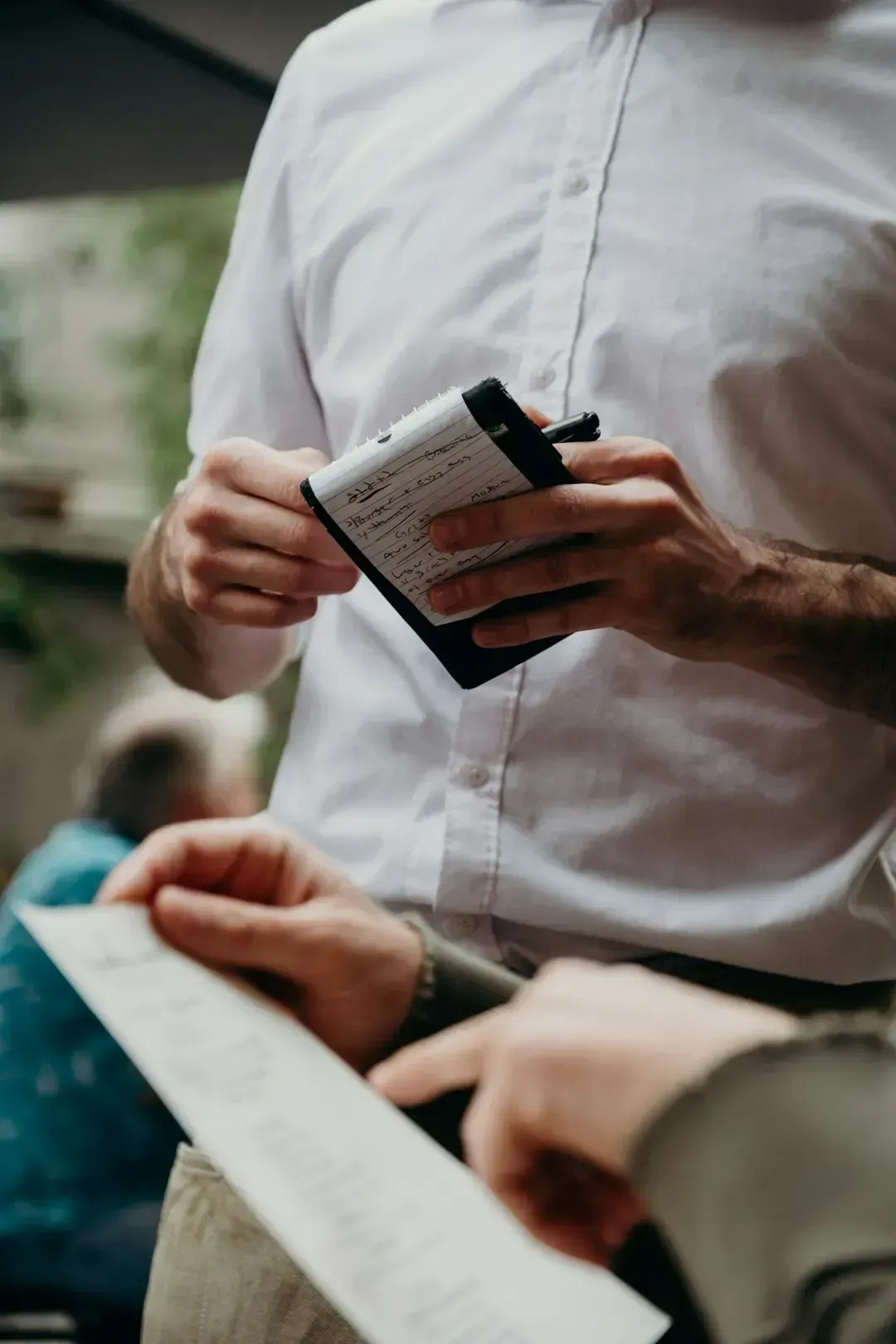
Some restaurants use menu bait-and-switch tactics, advertising premium items but serving lower-quality substitutes. Others sneak hidden charges – such as vague “service” or “kitchen” fees – onto the final bill. These charges often carry names like “wellness fee,” “kitchen contribution,” or “concession fee,” and they’re designed to sound legitimate without explaining what they actually cover.
It’s a fee that the restaurant simply makes up to try to compensate for other losses. It can be named a “venue fee.” These fees are not mandated by any state or regulatory authority. California’s “Honest Pricing Law” went into effect July 1, 2024, but it wasn’t initially clear whether it would outlaw restaurant surcharges like service fees and wellness fees. Two months before the bill went into effect, California’s Department of Justice confirmed restaurants would need to fold fees into their menu prices. The debate over fee transparency is ongoing in legislatures across the country, which tells you just how widespread the problem really is.
Complimentary Items That Quietly Appear on Your Bill
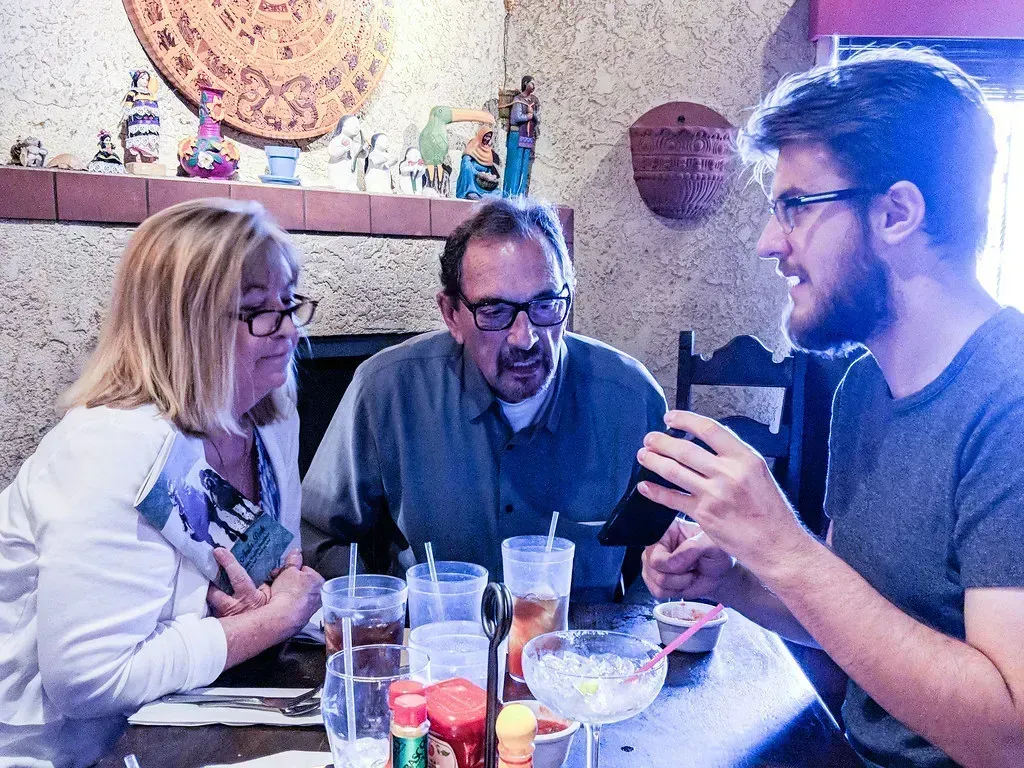
Some restaurants have appetizers already on the table when you sit down and you think they’re free – but if you eat them, you get charged. The same principle applies to bread baskets, dipping sauces, and small sides that servers bring without being asked. When ordering a specific menu item, your server might suggest a dip without saying it’s an add-on, so you would have to pay for it.
Some restaurants now even charge for bread at your table, but they only tell you about it when you spot the charge on the menu or you’ve already consumed a piece or two. By that point, most diners feel awkward raising the issue and simply pay. The best habit is to ask about any item that arrives at the table unprompted, before eating a single bite. It’s a small question that can save real money and, more importantly, the feeling of being quietly taken advantage of.
Dining out is still one of life’s genuine pleasures, and the vast majority of restaurants operate honestly. Still, the line between clever business strategy and outright deception is thinner than most diners expect. A quick scan of the bill, a simple question about fees upfront, and a healthy skepticism about unlabeled prices are all it takes to stay on the right side of that line.