
There’s a quiet paradox sitting in the middle of what most people assume about growing old. The expectation tends to be that happiness diminishes as the years pile on, that more loss means less joy, and that the proximity of death casts a long shadow over daily life. Research, consistently and sometimes stubbornly, tells a different story.
Survey research shows that most people over the age of 65 are generally happy people, and this happiness can extend into the 70s, 80s, and beyond. The reason isn’t luck or temperament. It comes down to something specific: a reckoning with mortality that younger generations keep postponing.
The Fear That Quietly Runs the Show
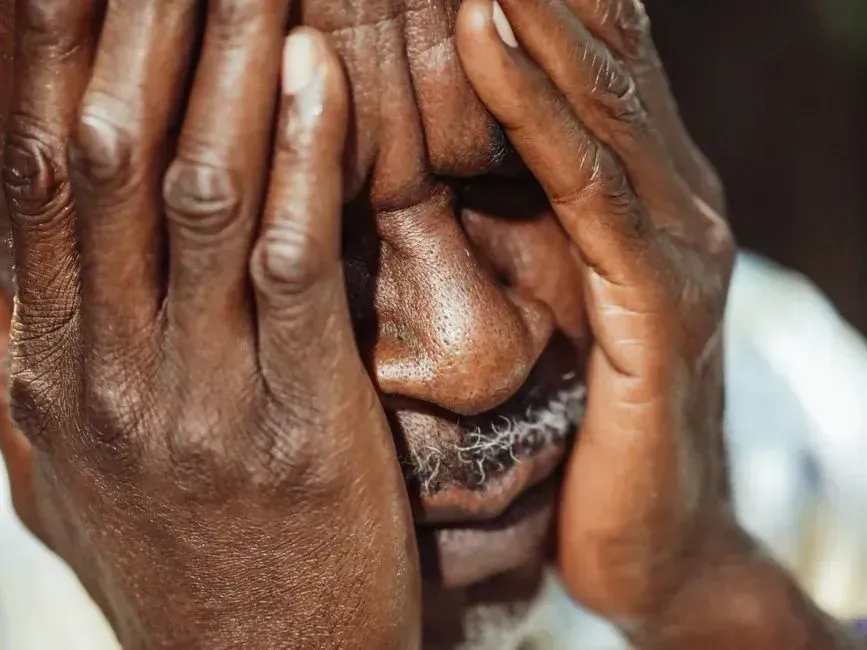
The awareness of mortality is the conscious or semi-conscious understanding that one’s own death is not just a possibility but an inevitable reality. Death anxiety itself is the emotional reaction, ranging from fear to total denial, that accompanies this awareness. For most adults in their 30s, 40s, and 50s, that anxiety hums in the background, rarely confronted and never fully resolved.
Negative views or beliefs about aging adversely affect mental health and subjective well-being in both older adults and middle-aged individuals, and anxiety about aging can lead to issues such as death anxiety and depression. The avoidance itself becomes the problem. What people over 65 often learn, sometimes through necessity and sometimes through hard-won reflection, is that facing the fear directly tends to dissolve much of its power.
Why Older Adults Actually Fear Death Less Than You’d Expect
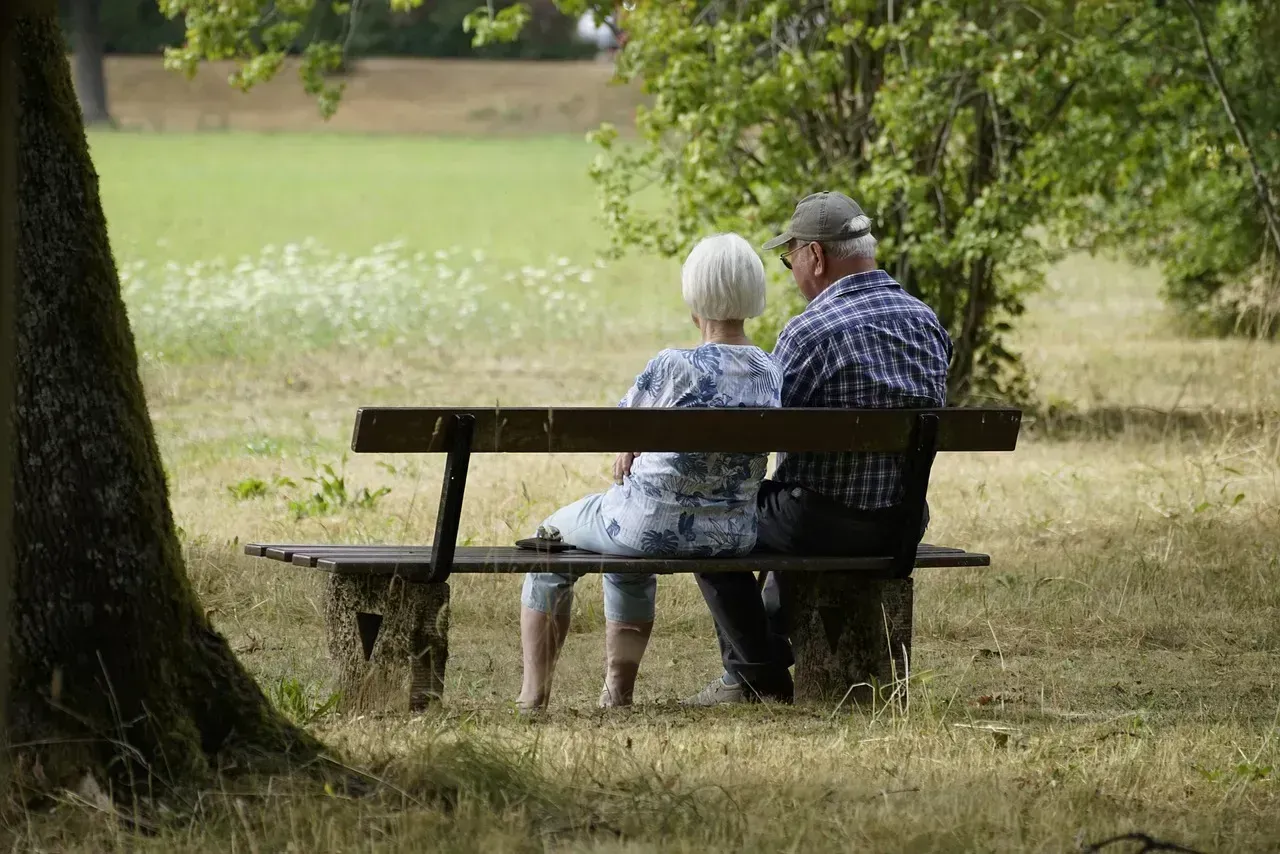
Significant differences in fear levels exist across age groups, and the greatest levels of fear are actually found in people in their 40s, while the lowest are found in people between the ages of 65 and 74. These findings support a general decline in anxiety about aging across the lifespan. This seems counterintuitive at first glance, but it reflects something real about what acceptance does to the human nervous system.
Research confirms that higher chronological age is directly related to greater death acceptance. The older people get, the more they tend to make peace with finitude rather than battle it. That peace, it turns out, is one of the most powerful emotional resources available in later life.
The Science of the Positivity Shift
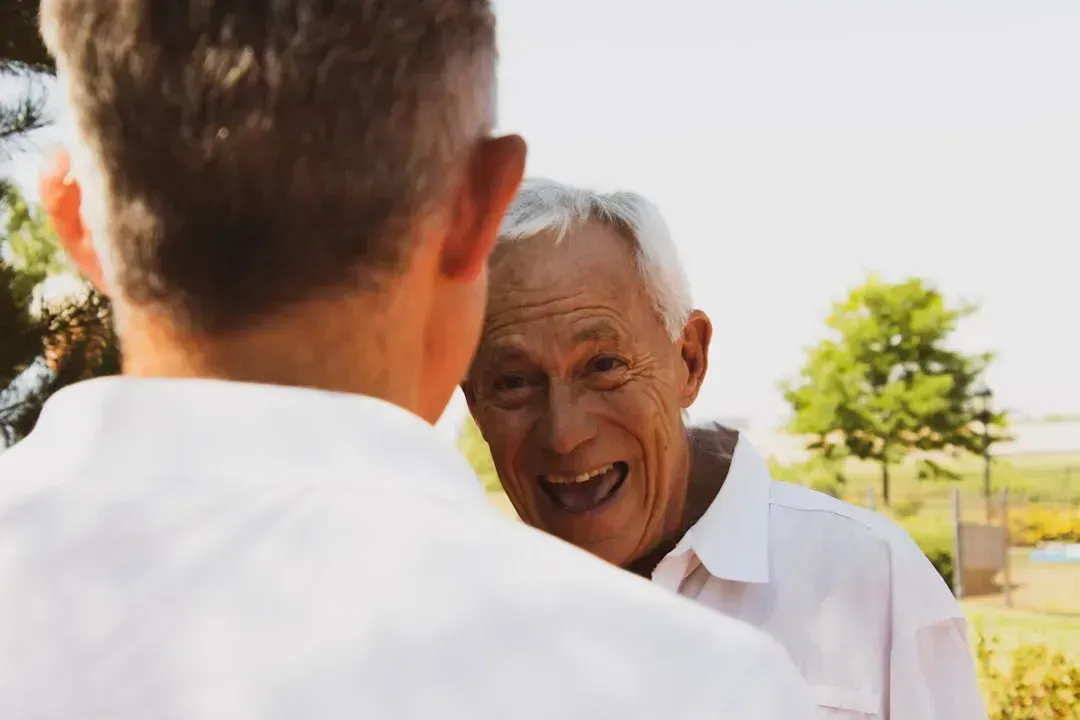
Socioemotional selectivity theory, developed by Stanford psychologist Laura L. Carstensen, fundamentally reframes how we understand motivation across the lifespan. The central insight is that our goals shift based on our perceived time horizon, not simply our chronological age. When people sense that time is limited, their priorities change in ways that actually serve their wellbeing better.
Research consistently demonstrates that older adults show enhanced emotion regulation, greater emotional complexity, and what researchers call the “positivity effect,” a tendency to attend to and remember positive information more than negative information. This isn’t denial. It’s an adaptive reorientation toward what actually matters, and it happens naturally when people stop running from the idea of an ending.
Acceptance as a Strategy, Not Just a State of Mind

Confronting mortality is an inevitable aspect of aging, and research distinguishes two strategies older adults may employ to cope with life’s finitude: death preparation, an assimilative and instrumental approach, and death acceptance, an accommodative approach. Both have real psychological consequences, and neither requires a philosophical breakthrough to put into practice.
Many community and policy initiatives focus primarily on physical health, overlooking the concept of fulfillment, the satisfaction of a life well-lived and needs being met. Prior studies have shown that fulfillment and purpose in life are linked to reduced anxiety and depression, which in turn support better physical health and lower chronic disease risk. Accepting mortality, in other words, opens the door to the very things that make life feel worth living.
Purpose Acts as a Buffer Against Existential Fear
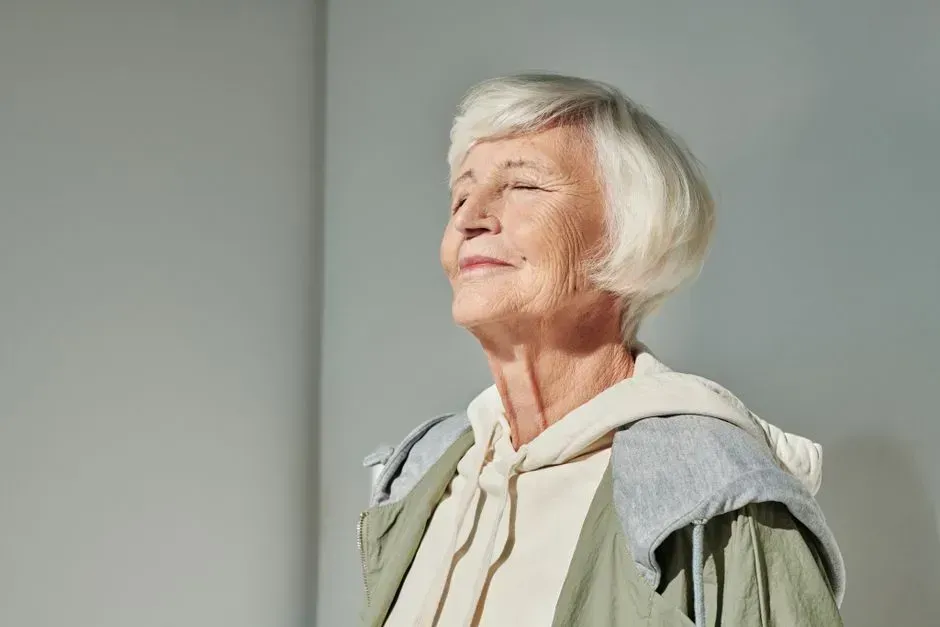
Purpose in life is defined as the belief that one’s life has goals, direction, and meaning. In older adulthood, purpose in life is an important component of well-being and has been found to be associated with more “successful aging,” including inner strength and social integration. People who carry a clear sense of why they show up each day are far less likely to be undone by thoughts of eventual absence.
When people are purpose-driven, they often seek out mentally stimulating activities and engage with others in society, which builds cognitive reserve. Having a purpose also helps buffer stress, contributing to a slower decline. Perhaps most striking is the finding that people with purpose actually age slower biologically, with higher purpose scores associated with reduced epigenetic aging.
Social Pruning: Why Smaller Circles Make for Bigger Happiness
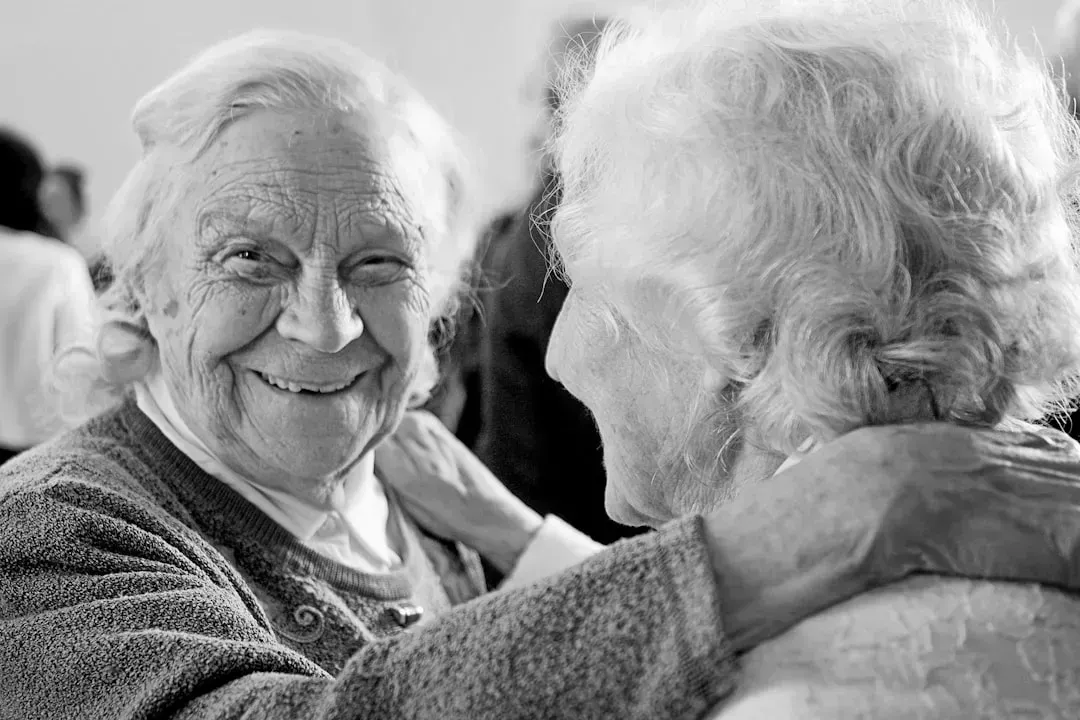
The selective narrowing of social interaction maximizes positive emotional experiences and minimizes emotional risks as individuals become older, with older adults systematically honing their social networks so that available social partners satisfy their emotional needs. This isn’t withdrawal from the world. It’s a deliberate investment in what genuinely nourishes.
When remaining lifetime feels limited, people prefer intimate social relationships that contribute to the experience of positive emotions. Research suggests that older adults may also benefit more from these socioemotional resources, as they report experiencing more positive affect and satisfaction in their social interactions than younger adults do. The quality of connection replaces the quantity, and that trade turns out to be a very good one.
Self-Esteem and Self-Efficacy: The Underrated Engines of Late-Life Joy
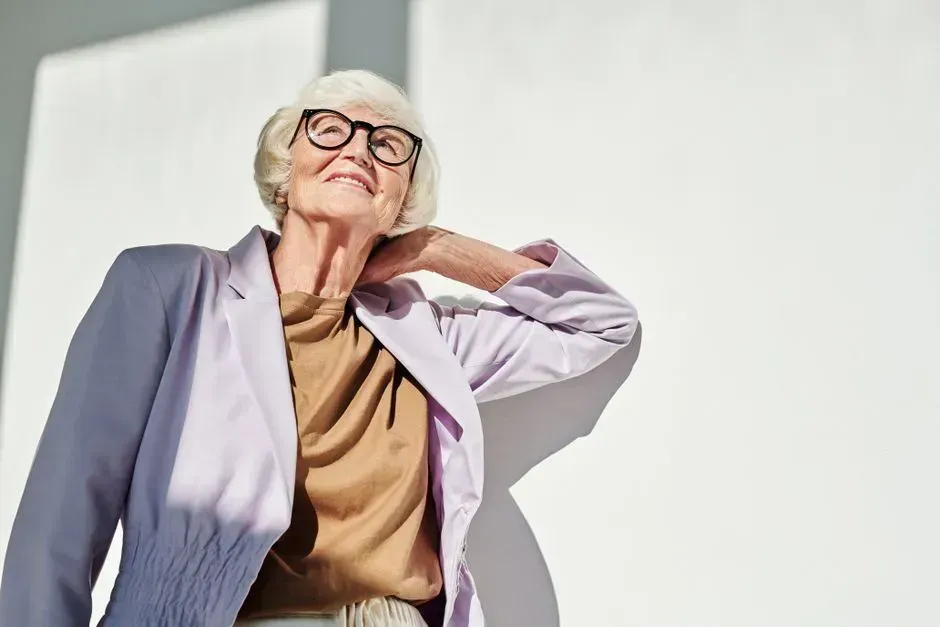
Happiness is crucial for well-being in older people, but it can be challenged by various health issues. While previous research has explored individual predictors of happiness, there is limited understanding of how self-efficacy, the belief in one’s ability to manage challenges, and self-esteem together influence happiness in elderly populations. Those who feel capable of navigating what comes next tend to carry far less dread about it.
Research confirms that experiencing unhappiness and despair emerged as a significant predictor of death anxiety and negative attitudes toward aging, and worse health conditions are associated with higher fear of death and an inability to regulate emotions. The relationship runs both ways: people who maintain confidence in their own resilience are both happier and less afraid.
The Danger of Avoidance: What Happens When Fear Goes Unaddressed
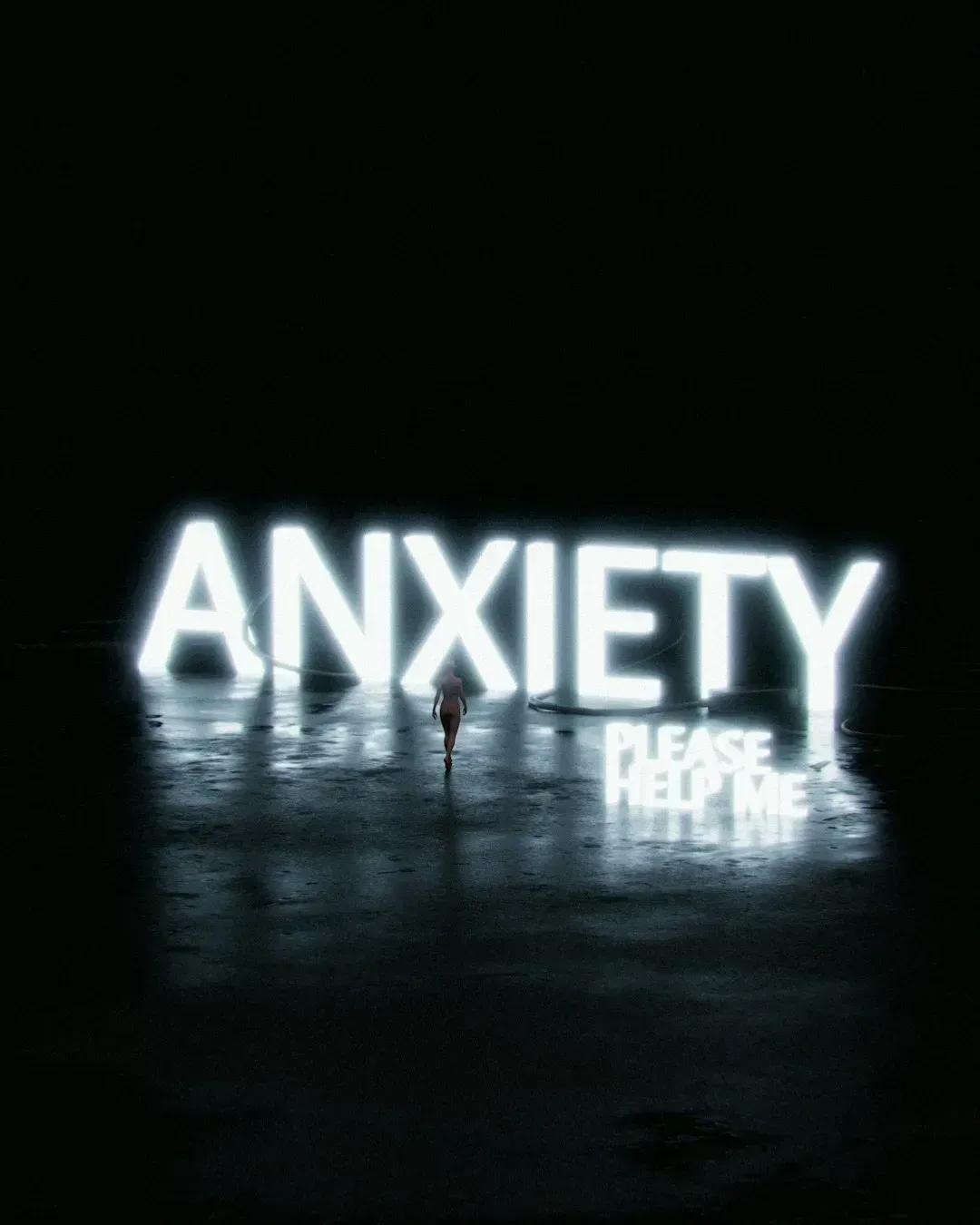
Research found that death anxiety was accompanied by social fragility, loneliness, and psychological distress, worsening the decrease in quality of life. This is the cost of avoidance made concrete. Keeping mortality at arm’s length doesn’t protect people from its psychological weight. It tends to increase it.
Anxiety is not merely an individual psychological response but also a routinized social practice and a collective sentiment. If left unaddressed, individual aging anxiety may spread and transform into a pervasive societal mood, adversely impacting active healthy aging and socioeconomic development. The ripple effects extend well beyond any single person’s inner life.
What Younger Generations Can Learn From This

People in their 20s and 30s report having the highest levels of depression, anxiety, and stress, plus the lowest levels of happiness, satisfaction, and wellbeing. Older people, surprisingly, are the happiest. The irony is that the generation furthest from death tends to be the most consumed by fear of it, while those who’ve genuinely reckoned with it have largely moved past its grip.
Acceptance and Commitment Therapy decreases emotional suffering, improves well-being, promotes healthy behavior changes, and treats a wide range of diagnoses by increasing psychological flexibility through mindfulness, acceptance, and values-based behaviors. Higher psychological flexibility has been associated with pandemic-related coping and well-being. The good news is that the skills the happiest older adults use don’t require waiting until 65 to develop them.
The Real Meaning of Conquering Fear
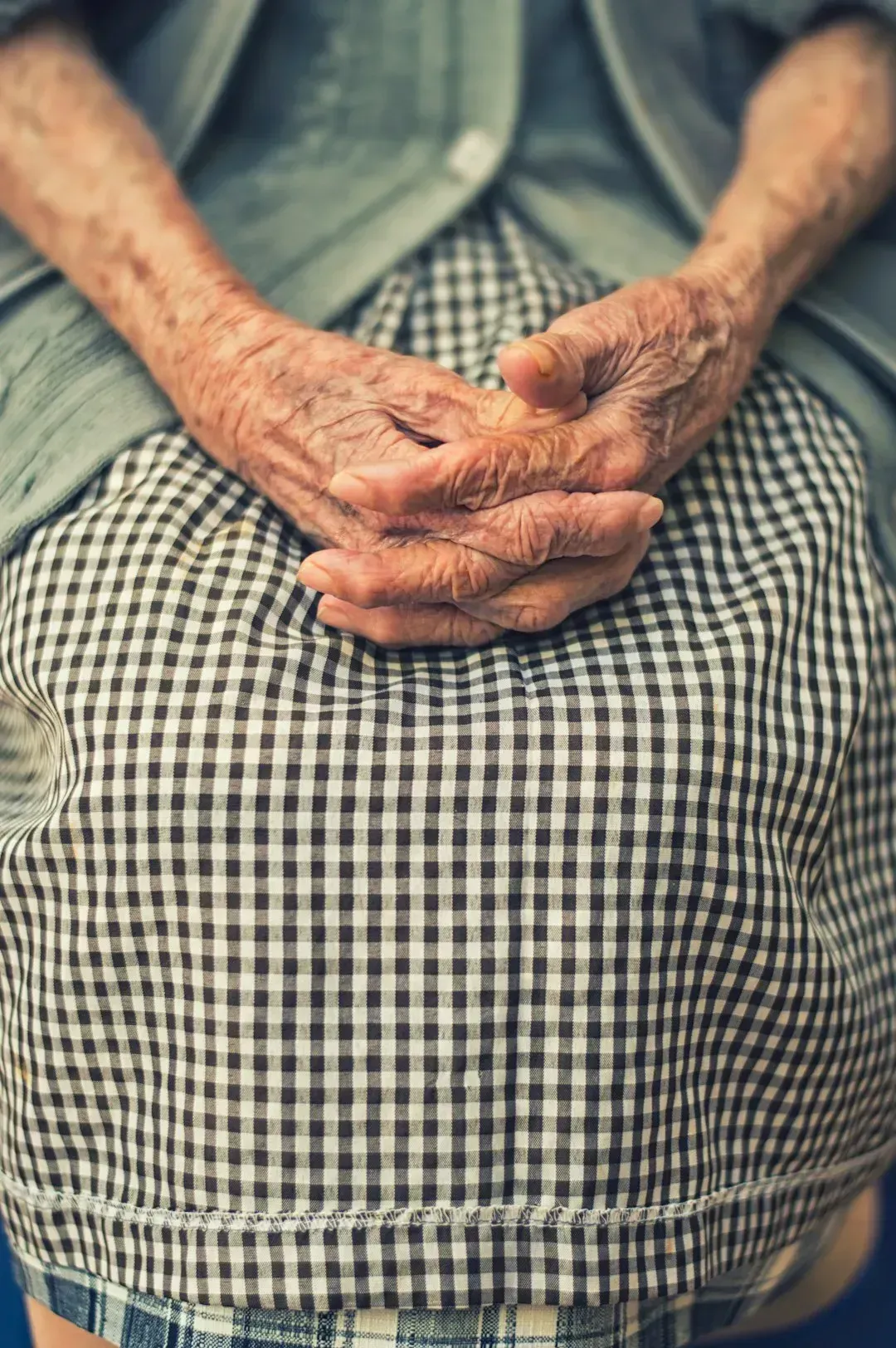
The perception of aging is widely acknowledged as a key determinant of personal satisfaction with the aging process, and it marks an individual’s adaptability to life changes. That adaptability isn’t passive. It’s something built, often through intentional reflection, honest conversations, and the quiet work of deciding what matters.
Research examining the relationship between positive perceptions of aging, purpose in life, and life satisfaction in older adults found that purpose in life mediates the relationship between positive perceptions of one’s aging and life satisfaction. The happiest people over 65 haven’t won because they’ve escaped anything. They’ve won because they chose, at some point, to stop running from the one thing every human life shares in common.