
There’s a quiet pattern hiding inside every fast sale. When a home goes under contract in seven days, or ten, or twelve, it rarely comes down to luck or an unusually motivated buyer. Something deliberate happened before the listing ever went live. And most sellers, even well-intentioned ones, manage to miss it entirely.
The feature in question isn’t a renovated kitchen or a southern-facing yard. It isn’t the school district, the open floor plan, or the freshly painted front door, though none of those things hurt. It’s the price. Not just any price, but a price calibrated with genuine precision to where the current market actually sits, not where a seller wishes it were. That distinction, as subtle as it sounds, is the most consequential decision in the entire selling process.
The Market Has Shifted, and Many Sellers Haven’t Caught Up
In a nationwide HomeLight survey, nearly four out of five real estate agents identified overpricing as the number-one mistake homeowners make when selling today. That’s a striking consensus, especially given how much attention sellers typically pour into cosmetic upgrades and staging choices. The pricing conversation is the one that tends to get uncomfortable.
More than two of every five home listings in April had been on the market for sixty days or longer, the highest April share since 2020. Stale inventory is piling up in part because many sellers are overpricing their homes, using sky-high comps from the recent seller’s market that aren’t realistic today. That’s not a minor issue. It’s a structural mismatch between seller expectations and market reality.
The “Honeymoon Window” Is Real, and It Closes Fast

Setting the right price for your home listing can be the difference between a fast, painless sale and weeks or months of frustration. With homes spending an average of fifty-one days on the market and mortgage rates in the six-and-a-half to seven percent range, it’s all too easy to end up with a stale listing. The first week or two after a home goes live is when buyer interest peaks. After that, engagement drops off sharply.
By setting a price too high, sellers miss out on a crucial window of opportunity to attract the most motivated buyers, those who are ready to make an offer quickly. Overpriced homes generate significantly fewer inquiries and showings, leaving sellers with fewer potential buyers right from the start. The window doesn’t reopen the same way once it’s closed, no matter how many price reductions follow.
What the Data Says About Overpriced Homes
Research from Zillow found that homes that sold almost immediately after listing had sale prices only about one percent below list price, while homes on the market for about two months sold at five percent below. Homes listed for the longest amount of time fared worst, selling at twelve percent below list price. The penalty for overpricing doesn’t just cost time. It costs money, often more than the seller was trying to protect by pricing high in the first place.
Homes where the sale price was ten percent below the list price spent five times as long on the market as homes that sold at the list price. That’s a dramatic multiplier. Sellers who start too high often end up accepting less than they would have received with accurate pricing from the beginning, and they go through considerably more stress to get there.
Buyers in 2025 and 2026 Are Exceptionally Well Informed

Using online tools and AI, buyers are more informed than ever. They can easily see what comparable homes are selling for, and they are quick to dismiss listings they perceive as overpriced. This isn’t an abstract behavioral trend. It’s a measurable shift in how purchase decisions get made, and it changes the stakes of every pricing conversation.
Today’s buyers are more data-driven than ever. They’ll scroll past an overpriced home, no matter how beautiful the photos are. That’s why pricing right from day one is so important. In markets where inventory has expanded, buyers now have real alternatives. They’re not forced into bidding on a home they perceive as overvalued the way they were in 2021 and early 2022.
The Stale Listing Stigma: Hard to Shake Once It Starts
In November, more than half of the homes for sale, just over fifty-four percent, sat on the market for at least sixty days without finding a buyer, according to Redfin. Real estate professionals noted that once the days on market start to climb, the lingering question out there becomes “what’s wrong with it?” That perception, once formed, doesn’t dissolve easily even when a price drop arrives.
Homes that stay on the market too long due to overpricing often end up selling for less than they would have if they’d been priced correctly from the beginning. The longer a home sits unsold, the more likely sellers are to face lower offers, as buyers sense an opportunity to negotiate a bargain. It becomes a self-reinforcing cycle, and sellers often don’t recognize it until weeks have passed.
How the Fastest-Selling Homes Are Actually Priced
Competitive price setting involves strategically determining a home’s list price based on a comprehensive analysis of the current market. This involves evaluating recently sold comparable properties, active listings, and prevailing real estate trends to find a price point that is both attractive to buyers and profitable for the seller. Pricing a home correctly from day one is one of the most critical factors in selling fast, as overpricing is the leading reason properties linger on the market.
Well-priced and well-maintained homes still perform exceptionally, often selling within days. Overpriced listings now linger, forcing price corrections that were unheard of two years ago. The market is rewarding data-driven pricing and penalizing wishful thinking. The homes going to contract in a week aren’t exceptional properties in every sense. They’re simply priced where buyers already agree the value lies.
The Role of Presentation: Staging and Photography Amplify the Price Signal
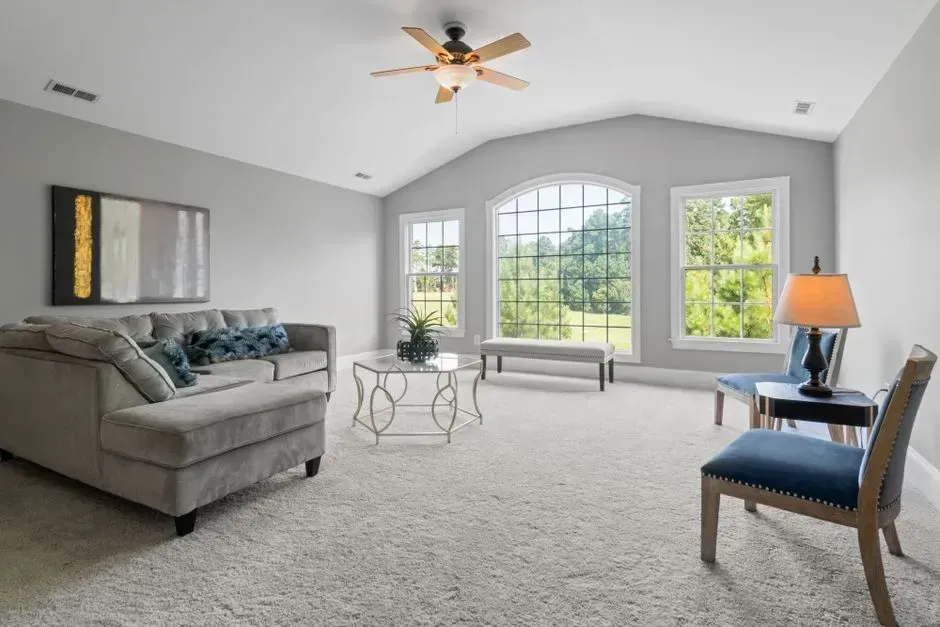
According to the National Association of Realtors’ 2024 Home Buyers and Sellers Report, ninety-seven percent of buyers begin their search online, and photography is the primary factor in determining whether they pursue a property. That makes the visual package inseparable from the pricing strategy. A well-priced home with weak photography can still fail to generate the showings it deserves.
Staged homes receive offers faster, averaging five to seven days compared to fourteen to twenty-one days for unstaged properties, and with fewer contingencies. Staged homes also attract stronger offers overall. According to the National Association of Realtors’ 2025 Profile of Home Staging, many sellers’ agents report that staging reduces the time a home spends on the market, with nearly half of sellers’ agents observing that staged homes spent less time on the market compared to similar unstaged properties.
Price Reductions: Why Timing and Size Matter Enormously
Delistings jumped forty-seven percent in May compared to the previous year, and are up thirty-five percent year-to-date. Many of these came from sellers who refused to adjust pricing until buyer fatigue had already set in. By then, the damage to the listing’s perceived value was done.
The cleaner move is to price correctly from the start based on actual comparable sales rather than aspirational numbers. If a reduction is needed, doing it decisively and once is far better than a series of small increments. Each additional reduction extends the stigma. A single, meaningful adjustment can genuinely reset buyer interest. A trail of small cuts signals something else entirely.
What Competitive Markets Reveal About the Pricing Principle
In some of the hottest U.S. metros, homes are selling in as little as a week, nearly three weeks less than the national average. The cities producing those numbers aren’t all luxury markets or supply-starved coastal cities. Many of them are mid-sized, affordable metros where buyers and sellers are closely aligned on value from the moment a listing appears.
Markets like Madison, Wisconsin, have held an extremely healthy average days on market of eight, despite a dip in sales volume, owing to strong buyer demand. Relatively affordable home prices combined with mortgage rate adjustments have kept such markets strong for sellers. The pattern holds across different regions and price points: alignment between listed price and perceived value is what drives speed, not location alone.
The Emotional Trap Sellers Keep Falling Into
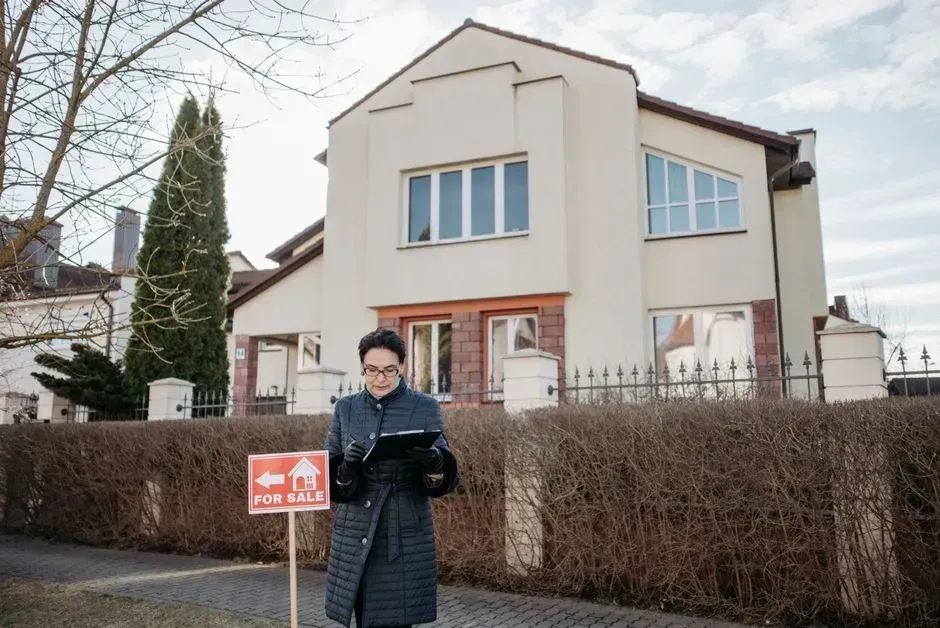
In some cases, sellers justify a higher asking price based on emotional attachment or past investments. Buyers generally won’t pay for sentiment. Instead, buyers are typically guided by local market conditions and the recent sale prices of similar homes. This is one of the most human aspects of selling a home, and one of the most costly. The years of memories embedded in a property don’t transfer to the buyer’s balance sheet.
Today’s housing market is steadier, more cautious, and more sensitive to price. Sellers who cling to the memories of pandemic-era pricing risk making the single biggest mistake: overpricing their home. A home priced right from day one attracts stronger offers and keeps the entire sale on track. The sellers who move fastest are, in many ways, the ones who set aside sentiment the earliest.
Getting the Number Right: The Practical Path Forward
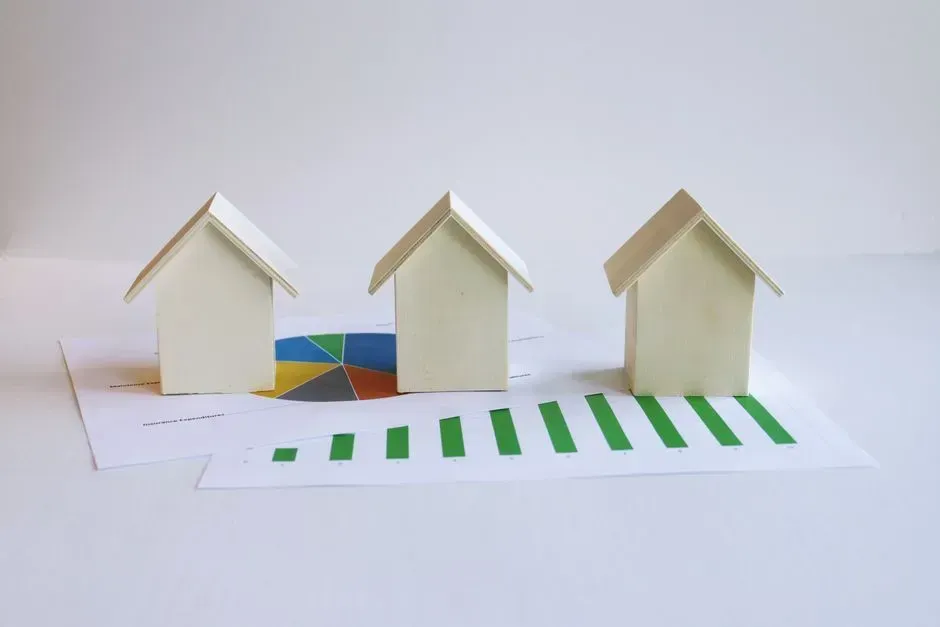
In today’s competitive real estate market, pricing a home correctly from the start is essential. A well-priced home can attract multiple offers, drive competition, and lead to a faster sale, often above asking price. A poorly priced home, on the other hand, can sit on the market for months, leading to price reductions and missed opportunities.
Many real estate agents offer comparative market analyses for free, and the insights are far more accurate than automated estimates. While tools like Zillow’s Zestimate can provide a useful ballpark, they lack the nuance of a CMA performed by a local agent. Sellers who price accurately from the start minimize risk. Having an agent pull local neighborhood comparables from the last thirty to sixty days to see what active buyers are actually paying right now is the most reliable foundation for a pricing decision.
The homes that sell in a week aren’t accidents. They’re the result of sellers who were willing to look honestly at the data, set aside what they hoped the market would do, and price to where buyers were already standing. That’s the feature the fastest-selling homes share, and it’s available to every seller who’s willing to use it.