
1. The mystery meat casserole
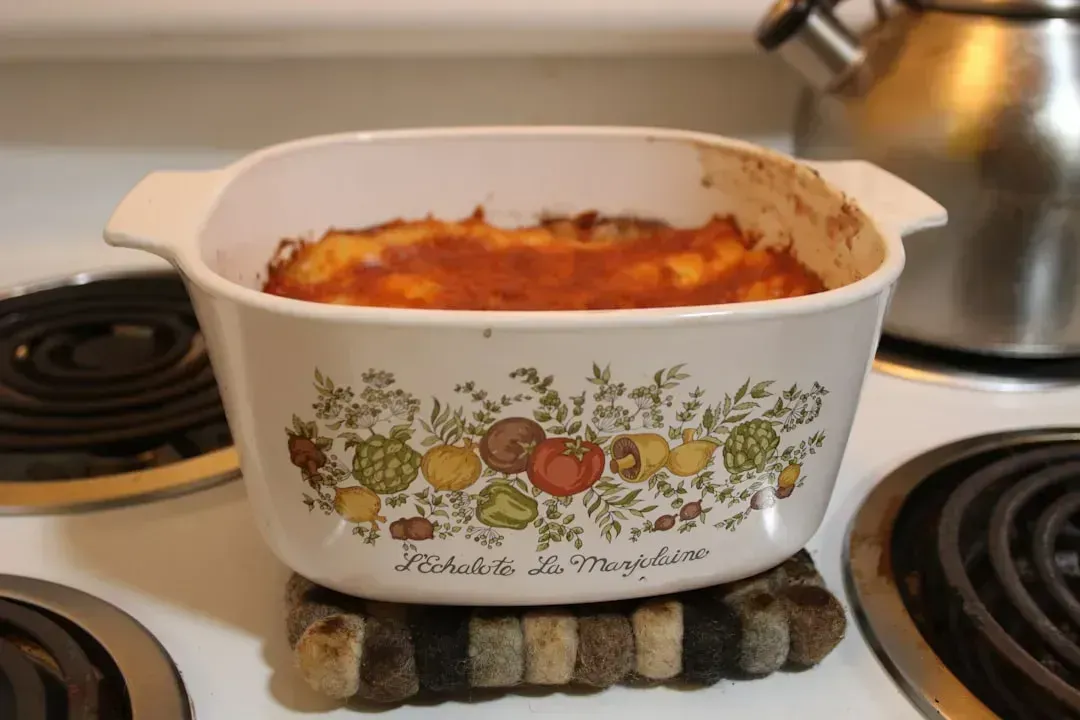
There is almost always one casserole dish sitting under foil with no label and no clear origin story. It might be tuna, it might be ground beef, it might be something involving canned soup and a prayer. Without labeling, people default to caution, and food safety experts have long noted that unmarked dishes at communal events raise both curiosity and hesitation in equal measure.
The bigger issue is often texture rather than flavor. Baked casseroles that sit too long under chafing dishes tend to dry out or separate, especially when cream soups are involved. Guests who have been burned before by an unidentifiable casserole tend to develop a permanent skip reflex, no matter how good it might actually taste.
2. Gelatin salads with unexpected additions

Congealed salads remain a fixture of potluck culture in many regions, particularly across the South and Midwest, but they also remain one of the most polarizing categories on the table. Shredded carrots, canned fruit, or even vegetables suspended in lime gelatin can look striking, yet the flavor combination often confuses younger guests who did not grow up with the tradition. It is a generational dish, beloved by some and eyed suspiciously by others.
Part of the hesitation comes from uncertainty about what is actually inside. When a gelatin salad includes shredded cabbage, olives, or cottage cheese, first time tasters often assume it is dessert until they discover otherwise. That mismatch between expectation and reality is enough to make many guests move along without serving themselves a portion.
3. The overly ambitious slow cooker dip
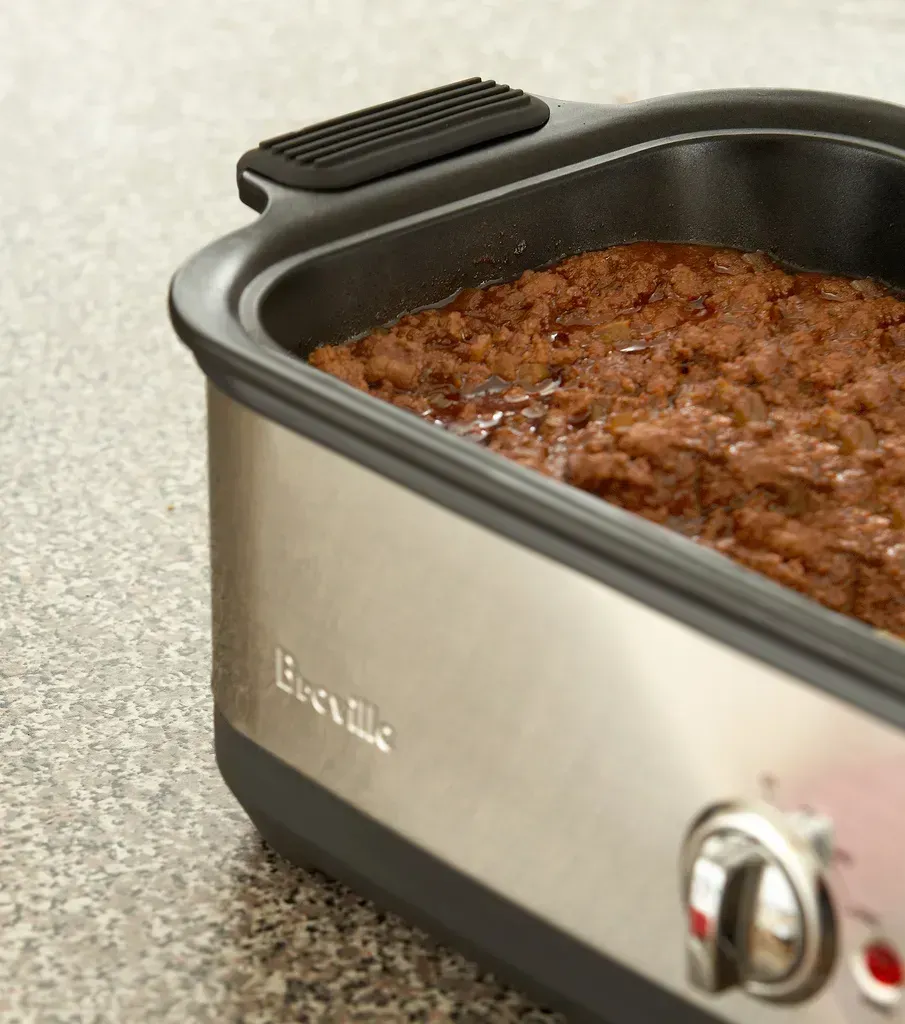
Slow cooker dips loaded with cheese, sausage, and canned tomatoes are a potluck staple, but they do not always travel or hold well over long serving windows. After sitting on low heat for hours, the cheese can separate into an oily layer, and the texture turns from creamy to greasy. Guests who arrive later in the event are the ones most likely to encounter this dip in its least appetizing state.
Food scientists note that cheese based sauces are prone to breaking down when held at inconsistent temperatures for extended periods. That is exactly the situation many slow cooker dips face at a two or three hour potluck. By the time dessert is served, the dip has often lost the appeal it had in the first thirty minutes.
4. Fruit salad with canned syrup
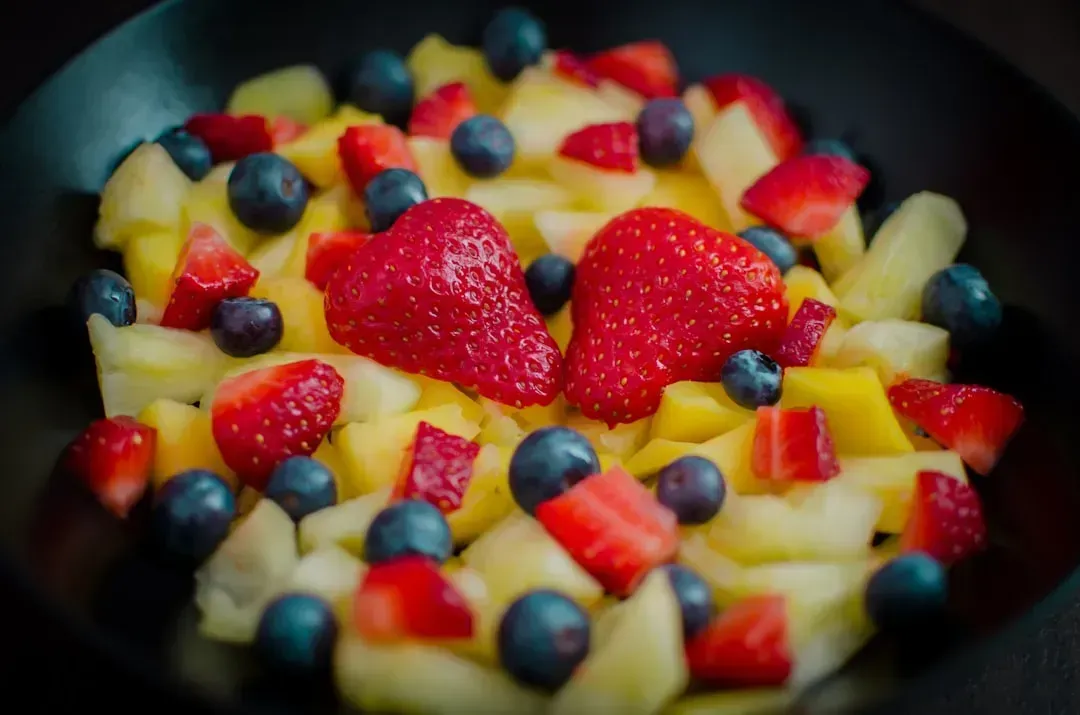
Fruit salads made with canned peaches, pears, or fruit cocktail swimming in heavy syrup tend to get passed over by health conscious guests. The excess sugar and syrupy liquid can make the dish feel more like a dessert than a side, which creates confusion about where it belongs on the plate. Guests trying to balance their meal often skip it altogether rather than commit to a sugary unknown.
There is also a texture problem. Canned fruit softens over time, and by the middle of a potluck the pieces can turn mushy rather than crisp. Compared to fresh fruit options sitting nearby, the canned version often loses the comparison instantly.
5. Deviled eggs left out too long
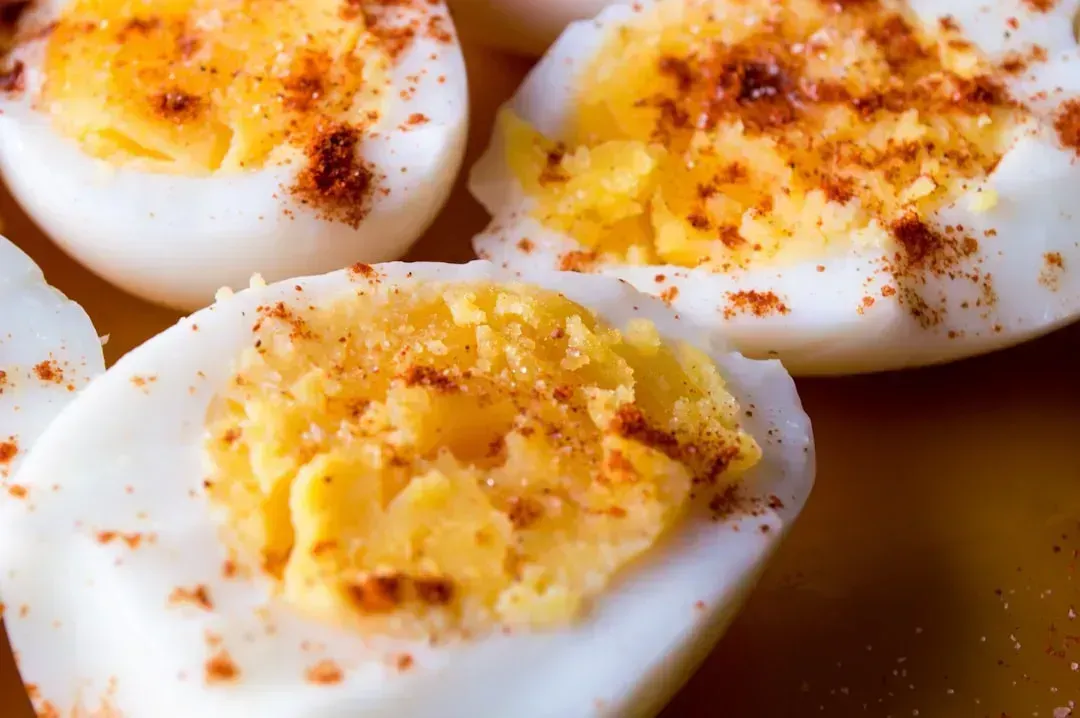
Deviled eggs are a beloved classic, but they are also one of the more risky dishes to leave sitting at room temperature for extended periods. The USDA has repeatedly emphasized that egg based dishes should not sit out longer than two hours, and potlucks frequently exceed that window without anyone realizing it. Guests who are aware of this guideline often hesitate once they see eggs that have clearly been sitting since the event began.
Beyond the safety concern, deviled eggs can develop a slightly off smell or a grayish tinge to the yolk filling after too long in a warm room. Even guests who love deviled eggs will often skip a plate that looks like it has been out for hours. It is less about taste and more about visual cues that something might not be fresh.
6. Store bought dishes disguised as homemade
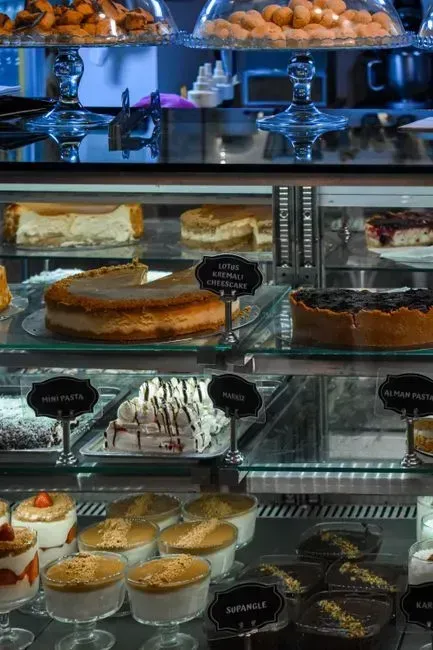
Potluck culture generally runs on an unspoken rule of homemade effort, and dishes that are obviously store bought but presented as original creations tend to draw quiet skepticism. A rotisserie chicken repackaged in a casserole dish, or a bakery cake transferred to a family serving plate, is often spotted within seconds by sharp eyed regulars. It is not necessarily about the food quality itself, but about the mismatch between expectation and presentation.
Guests who feel misled, even mildly, tend to gravitate toward dishes with more obvious signs of preparation. This does not mean store bought food is inherently bad, but the lack of transparency creates hesitation. In tight knit congregations where everyone knows each other’s cooking style, these substitutions rarely go unnoticed.
7. Extremely spicy dishes without warning labels
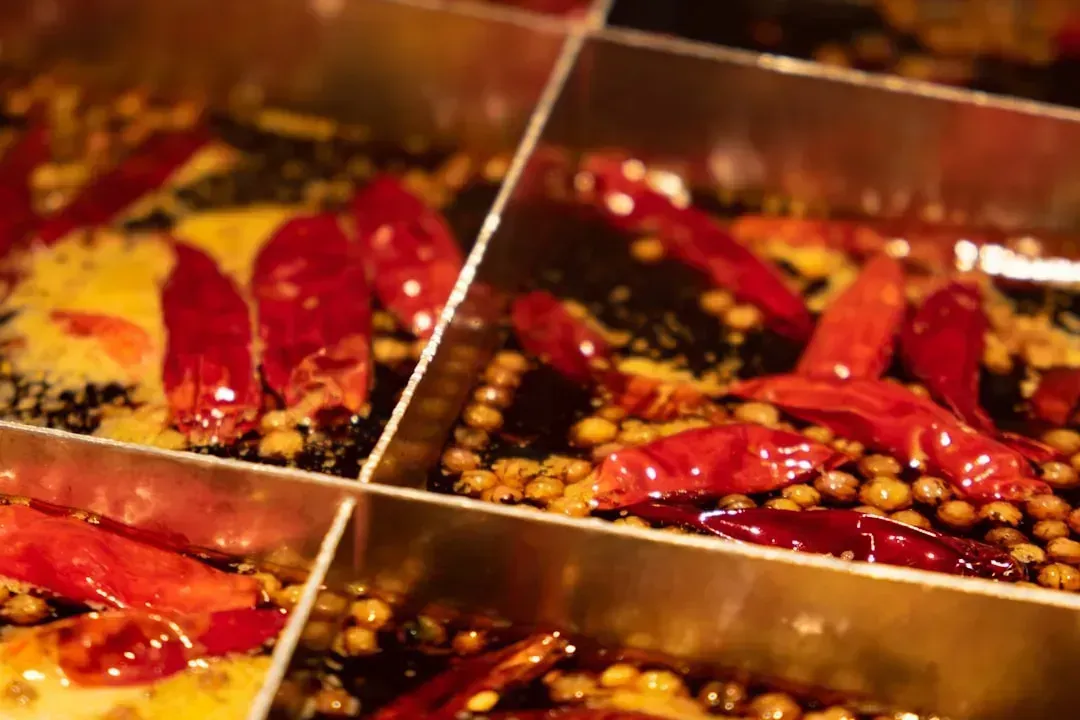
Potlucks tend to attract a wide range of palates, from small children to elderly attendees, and dishes with high heat levels can catch people off guard. Without a warning label or a heads up from the cook, guests often approach spicy casseroles or chili variations with visible caution. This is particularly true in multigenerational church settings where spice tolerance varies dramatically across age groups.
The safest approach, and one that many experienced potluck organizers recommend, is labeling spice levels clearly. When that step is skipped, people tend to take a small taste before committing to a full serving, or they avoid the dish entirely rather than risk an unexpected reaction in a room full of people.
8. Overcooked green bean casserole
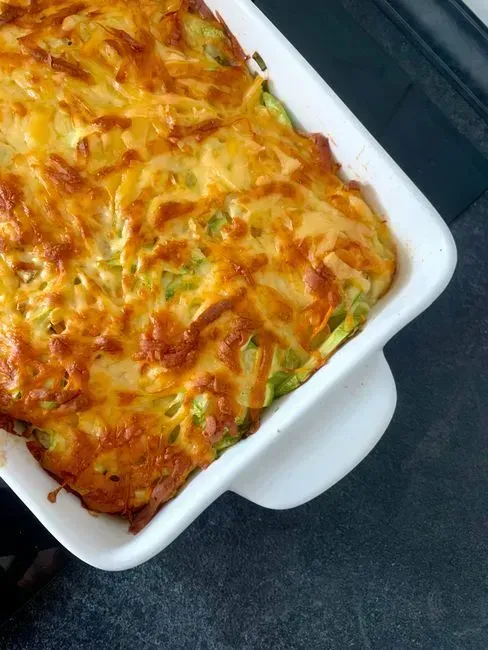
Green bean casserole is one of the most recognizable potluck dishes in American food culture, tracing back to a recipe Campbell’s Soup Company popularized in the 1950s. Despite its popularity, the dish is easy to overcook, and beans that turn mushy or gray lose their appeal quickly. A casserole that sits too long in the oven or under a warming tray often ends up soft to the point of falling apart.
Texture matters enormously here, since the crispy onion topping is often the main draw. When that topping goes soggy from sitting under foil, the dish loses its signature contrast entirely. Guests who have experienced this version before tend to approach the dish with lower expectations, if they approach it at all.
9. Casseroles with cream of mushroom soup as a base
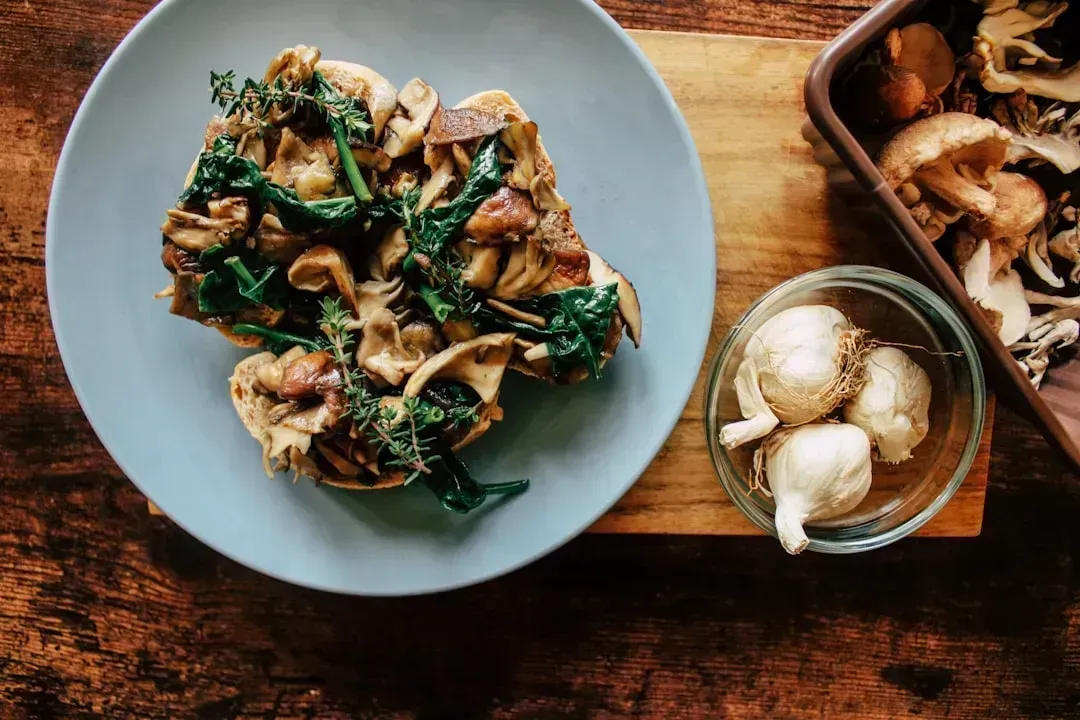
Cream of mushroom soup has served as the backbone of countless potluck casseroles for decades, but it is also one of the more polarizing base ingredients on the table. Its distinct salty, slightly metallic flavor profile does not appeal to everyone, and guests who have tried multiple versions over the years can often identify it immediately. For some, it signals a familiar comfort food, while for others it triggers immediate avoidance.
There is also a visual issue at play. Dishes built on cream soup bases can look pale and uniform, lacking the color variation that tends to draw the eye toward other options on a crowded buffet table. When guests are choosing between a vibrant salad and a beige casserole, the casserole often loses simply based on appearance.
10. Desserts with unclear ingredient lists
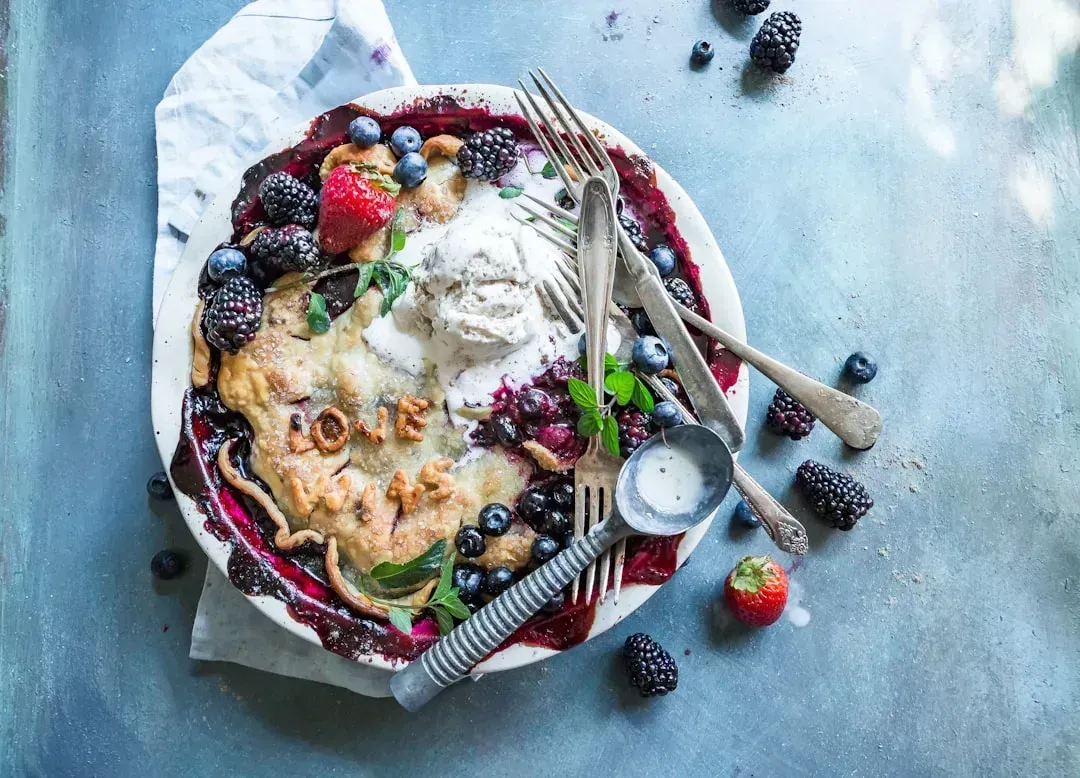
Allergy awareness has grown significantly in recent years, and potluck desserts without any ingredient information create real hesitation among guests managing dietary restrictions. Nut allergies, gluten sensitivities, and dairy intolerances are increasingly common, and a beautifully decorated cake or bar dessert with no notes attached forces guests to either ask directly or simply avoid it. Many now choose the latter to sidestep an awkward conversation.
Food allergy organizations consistently recommend that shared food events include basic labeling, even something as simple as noting whether a dish contains nuts or dairy. Without that information, cautious guests tend to stick to desserts they recognize or ones brought by people they trust. It is a small gap in communication that quietly shapes an entire table’s worth of decisions.
Potluck tables reveal more about a community’s habits than most people realize, from how dishes are labeled to how long they are allowed to sit before serving stops feeling safe. The dishes that guests avoid are rarely about bad cooking. More often, they reflect small gaps in communication, timing, or presentation that shape decisions before a single bite is taken.