
There’s a certain kind of confidence in ordering a dish that hasn’t been on a mainstream menu since the Carter administration. Maybe it’s nostalgia, maybe it’s a genuine love for old-school comfort food, but either way, some orders instantly signal that you haven’t glanced at a restaurant menu since 1987. Dining trends move fast, and what once felt elegant or adventurous can quietly become a punchline.
None of this means these dishes are bad. Many are delicious, technically impressive, and worth preserving. It just means that ordering them today, especially in certain settings, might get you a knowing look from the server or a raised eyebrow from your dinner companions.
1. Shrimp Cocktail as a Starter
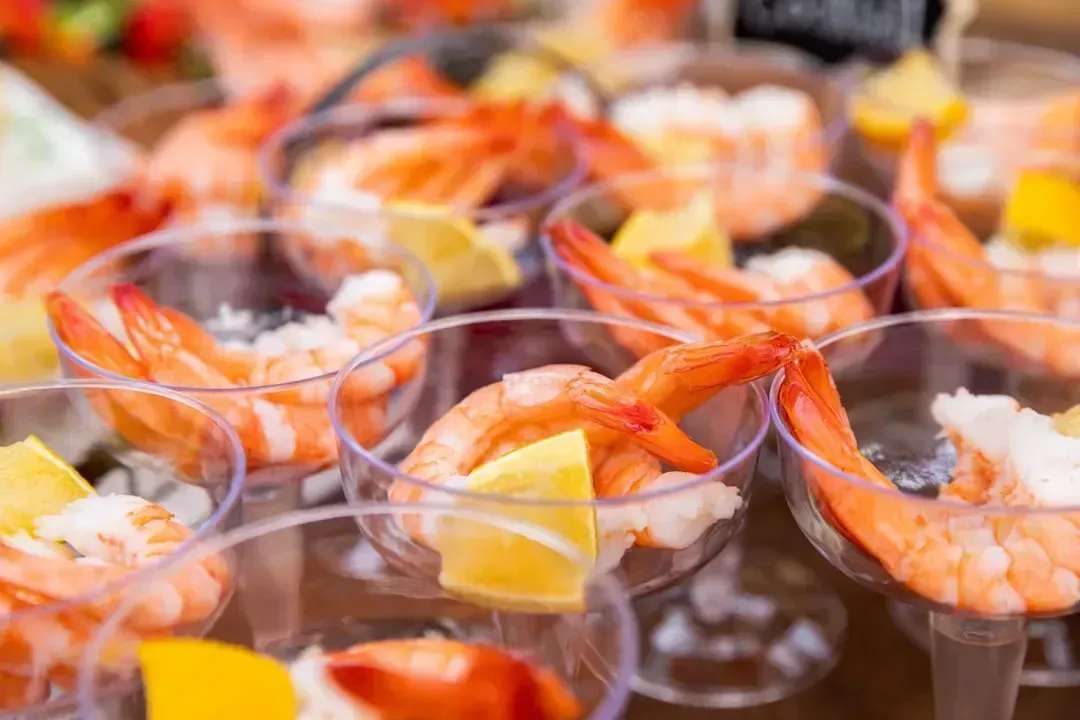
Shrimp cocktail had its moment as the quintessential appetizer of steakhouse dining, often served in a stemmed glass with a mountain of ice and a tangy cocktail sauce. It was practically mandatory at wedding receptions and country club dinners throughout the seventies and eighties. The dish still shows up on menus, but ordering it as your go-to starter today often reads as a throwback rather than a current choice.
Modern appetizer menus have shifted toward small plates, shareable boards, and dishes with more textural complexity, like crudo or ceviche variations. Shrimp cocktail hasn’t disappeared, but it now occupies a nostalgic corner of the menu rather than the trendy one. Ordering it isn’t a crime, but it does place you firmly in a particular era of dining history.
2. Steak Diane
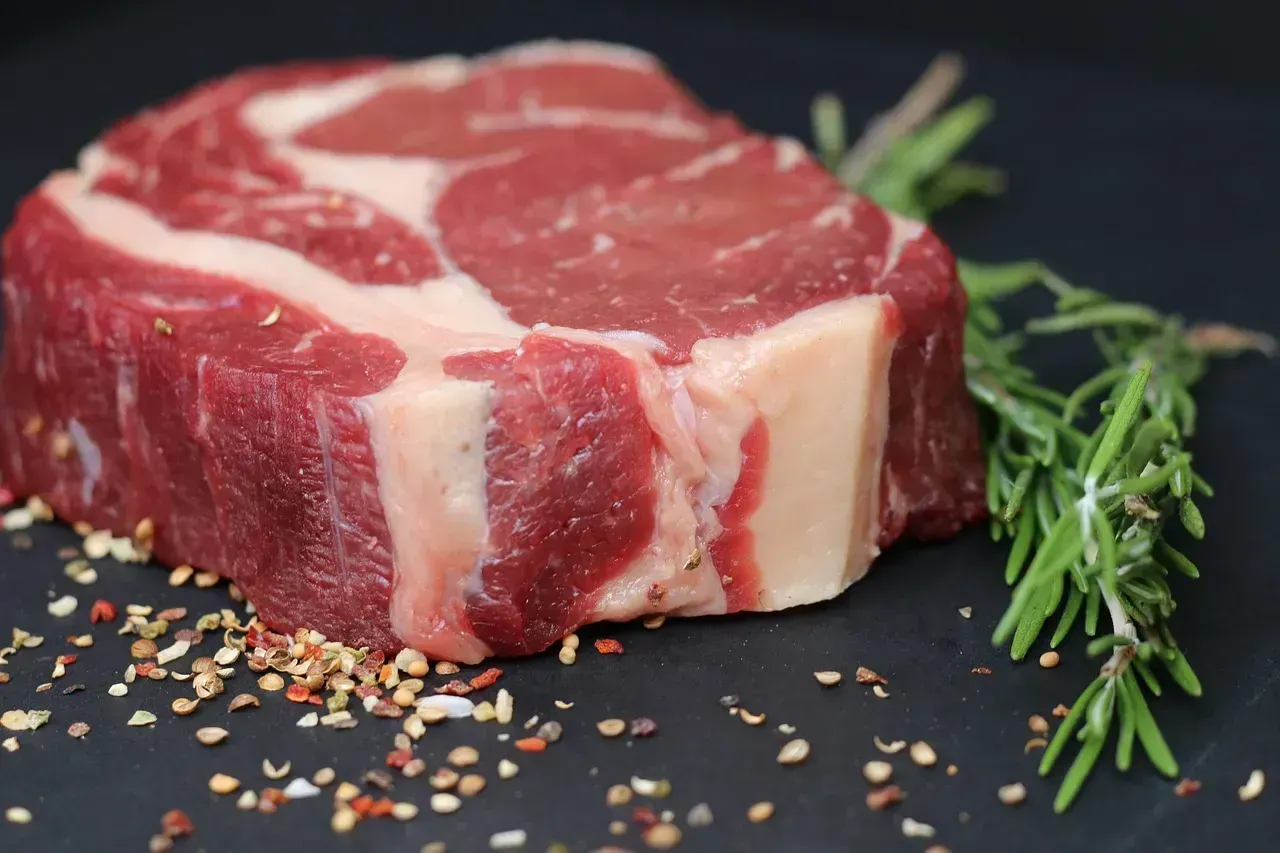
Steak Diane, with its tableside flambé and creamy peppercorn sauce, was the height of dinner theater in mid-century American restaurants. It required a level of tableside preparation that fine dining has largely moved away from in favor of plated, kitchen-finished dishes. The dramatic flair once made it feel luxurious, but that same theatrical presentation now feels more like a callback to old Hollywood than a contemporary dining experience.
Few restaurants still prepare it the traditional way, and when they do, it’s usually leaning into nostalgia on purpose. Ordering Steak Diane at a modern steakhouse might prompt a server to explain what it even is. That alone tells you something about how far this dish has drifted from everyday relevance.
3. Beef Wellington
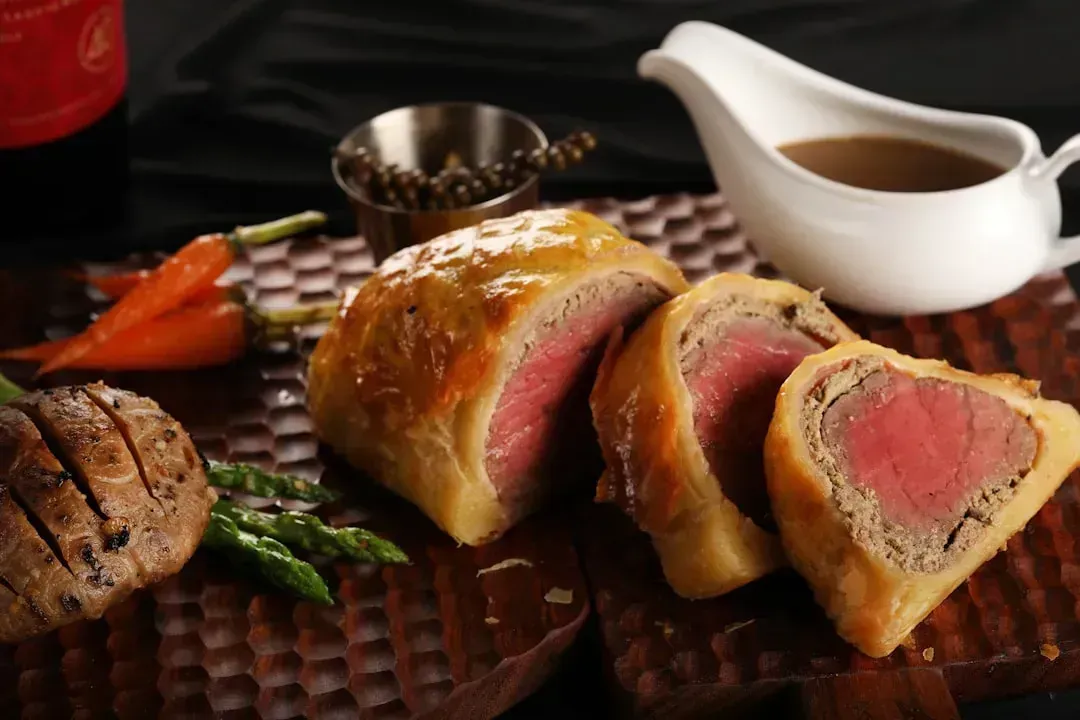
Beef Wellington, the puff pastry wrapped beef tenderloin dish, has had waves of popularity thanks to celebrity chefs and cooking competition shows. Still, ordering it at a casual dinner spot can feel like you’re trying to recreate a formal 1970s dinner party. It’s labor intensive, rich, and often reserved for special occasion menus rather than everyday dining.
The dish requires precise technique, and when done poorly, it becomes a soggy disappointment rather than the impressive centerpiece it’s meant to be. Many chefs have moved toward lighter preparations of beef that highlight the meat itself rather than burying it in pastry. Choosing Beef Wellington regularly suggests a culinary clock that stopped somewhere around a Julia Child broadcast.
4. Fondue for Dinner
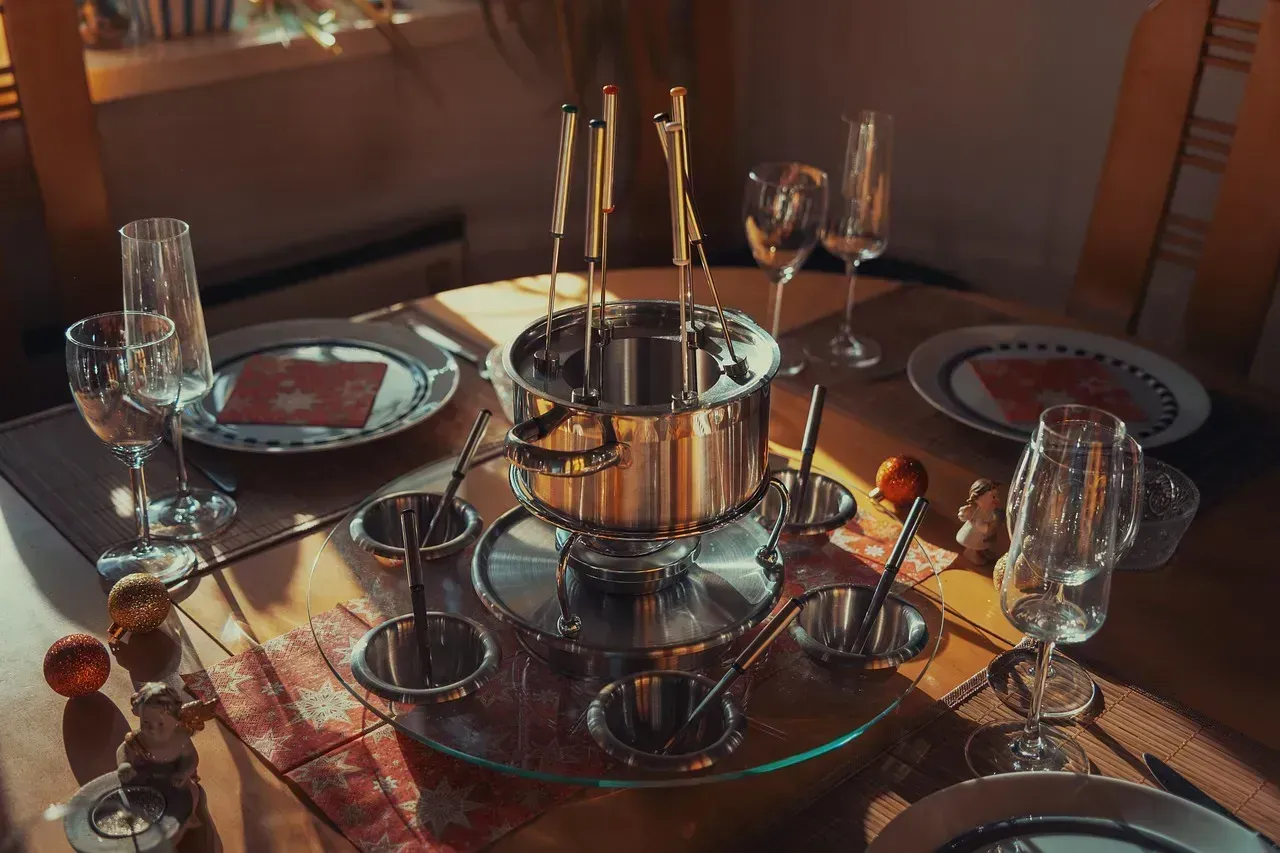
Fondue parties were a defining feature of 1970s entertaining, complete with fondue pots, long forks, and communal dipping. The format made sense for a certain era of casual, interactive dining, but it has largely faded from restaurant menus outside of dedicated fondue chains. Ordering a full fondue dinner today, especially outside a nostalgic themed restaurant, can feel oddly specific.
Communal dining has made a comeback in different forms, like shared small plates or family-style service, but the melted cheese pot format hasn’t kept pace. It’s not that fondue tastes bad; it’s that the presentation and ritual around it feel tied to a very particular decade. Ordering it now often reads as a deliberate throwback rather than a current dining preference.
5. Prime Rib with Creamed Spinach
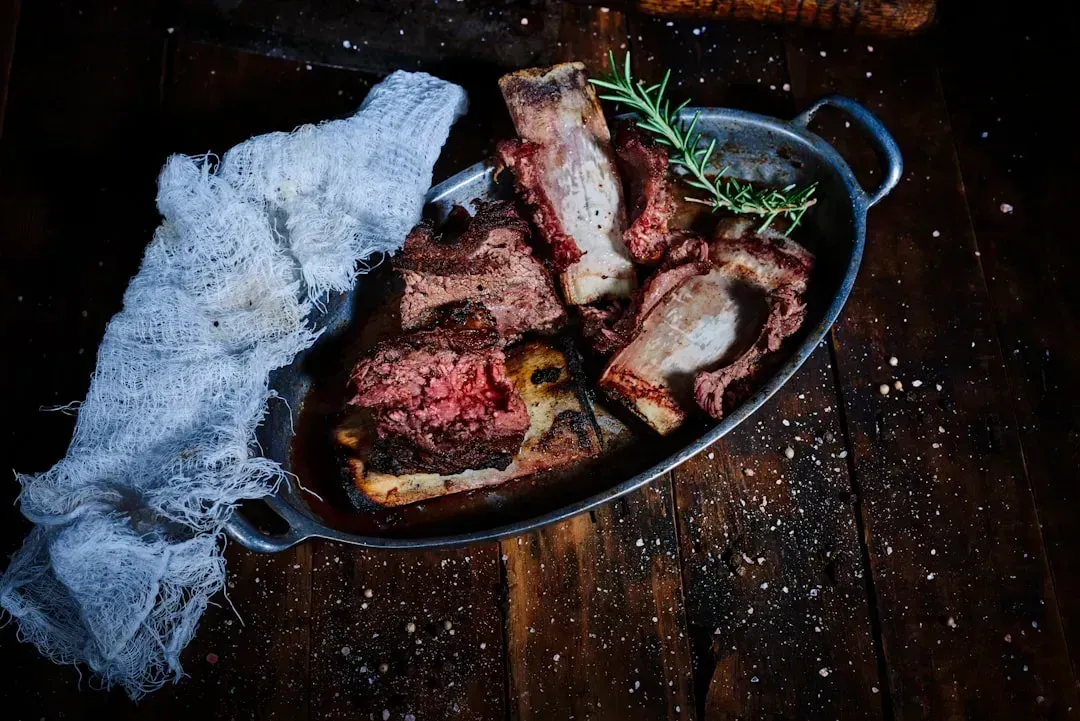
Prime rib paired with creamed spinach was a steakhouse staple for decades, especially at Sunday dinner spots and old-school supper clubs. The combination leans heavy, rich, and traditional, reflecting an era when portion size and richness signaled value. Many contemporary steakhouses still offer prime rib, but creamed spinach as the automatic side has been replaced by lighter vegetable preparations.
Roasted vegetables, charred broccolini, and grain-based sides have taken over where creamed spinach once dominated. Ordering the classic pairing isn’t wrong, but it does suggest a dining habit formed decades ago and never updated. It’s comfort food with a specific generational fingerprint attached to it.
6. Surf and Turf
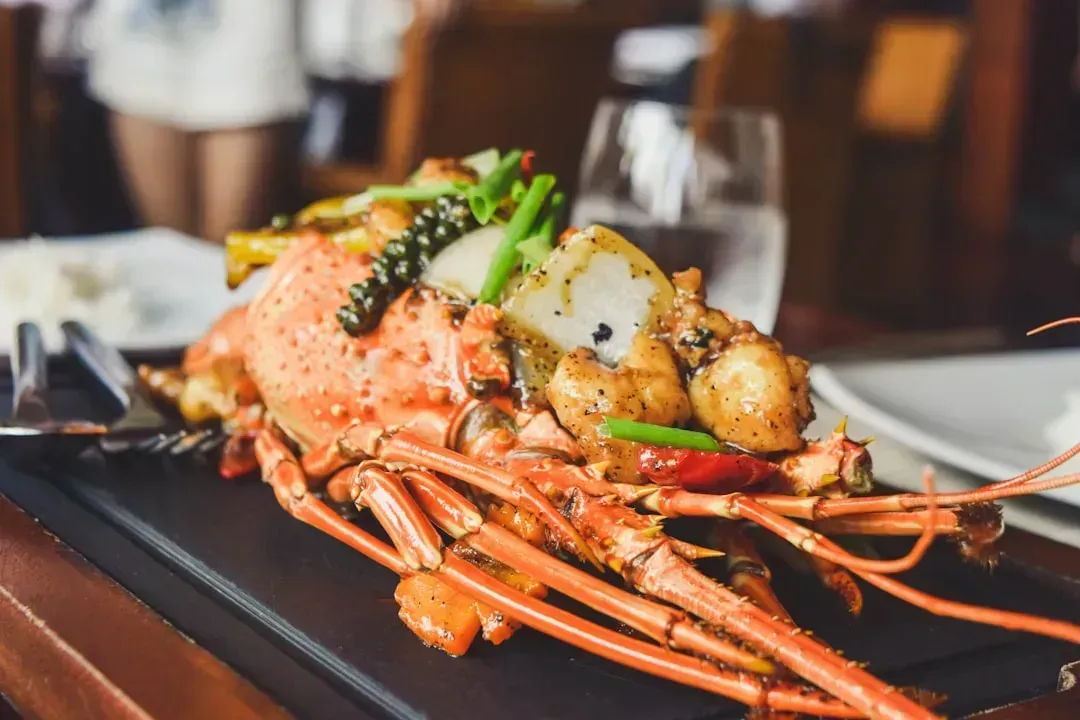
Surf and turf, typically a steak paired with lobster tail, became the ultimate symbol of splurge dining in the 1980s and 1990s. It represented indulgence without much nuance, essentially doubling down on protein to signal a special occasion. The combination still appears on menus, but it’s increasingly seen as an old guard order rather than a forward thinking choice.
Modern fine dining tends to separate proteins into distinct courses or dishes rather than combining two expensive items onto one plate. Chefs today are more likely to highlight a single protein with thoughtful preparation than stack two together for the sake of luxury signaling. Ordering surf and turf now often feels like requesting a time capsule from a steakhouse chain circa 1995.
7. Duck à l’Orange
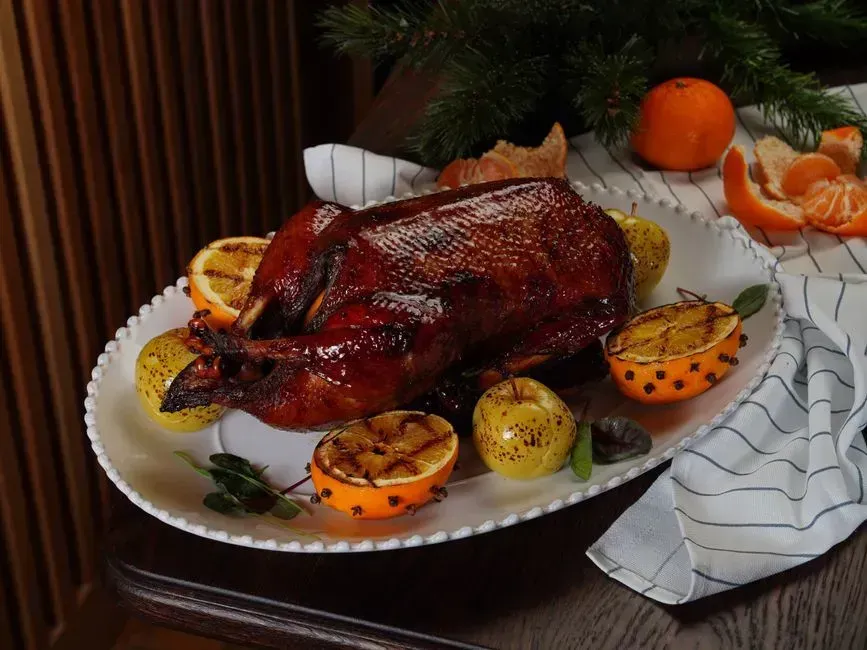
Duck à l’Orange was a defining dish of French inspired American fine dining throughout the 1960s and 1970s, prized for its citrus glaze and formal presentation. It represented sophistication at a time when French technique dominated upscale menus across the country. The dish still exists, but it now feels distinctly tied to a specific culinary period rather than current trends.
Contemporary duck preparations have shifted toward simpler seasonings, crispy skin techniques, and pairings with more unexpected flavors like stone fruit or spice rubs. The heavy orange glaze approach has been largely retired in favor of lighter, more balanced sauces. Ordering the classic version today often signals a preference for dining nostalgia over current culinary direction.
8. Cherries Jubilee
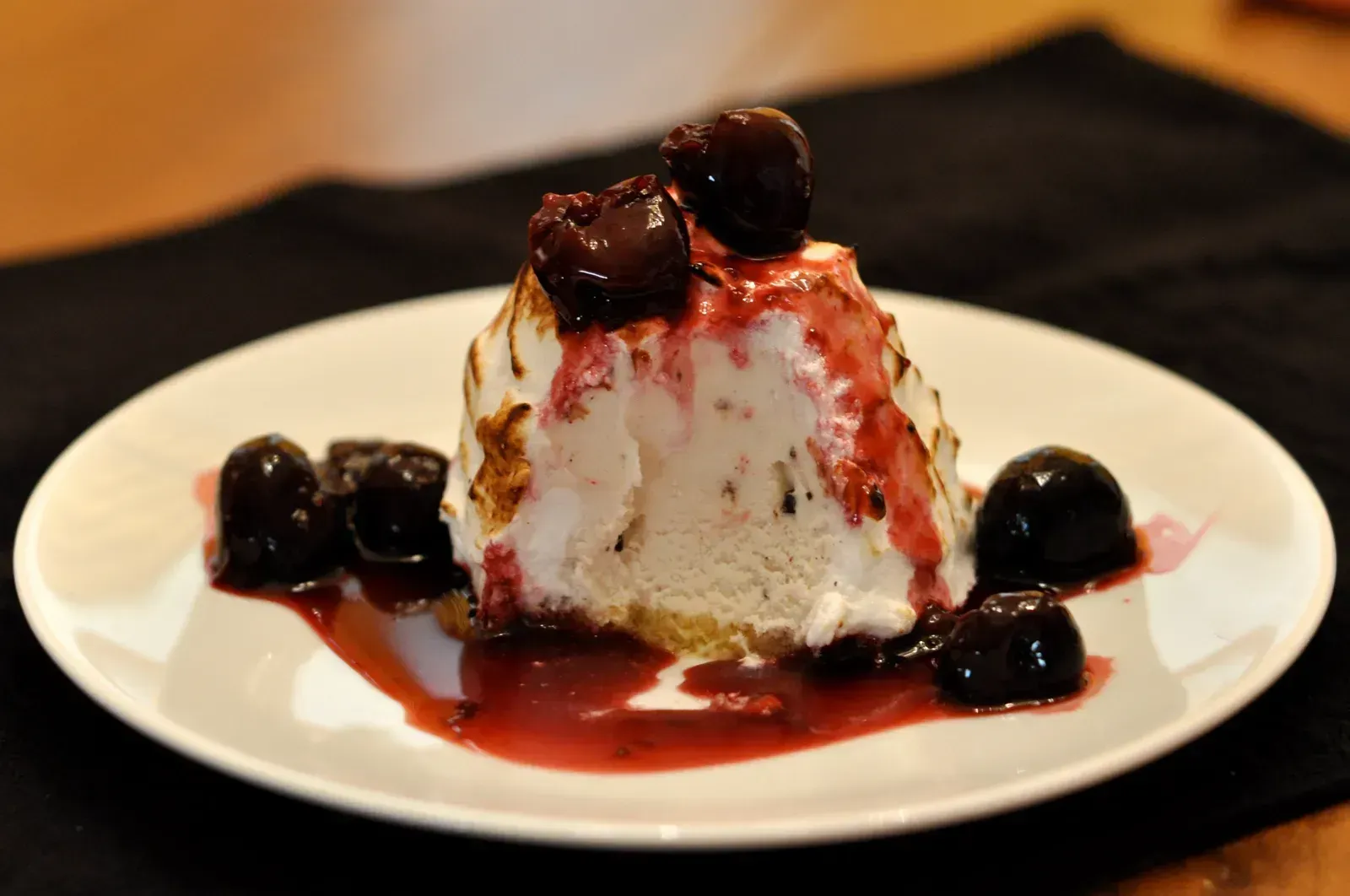
Cherries Jubilee, the flaming dessert made with cherries and brandy poured over ice cream, was a tableside showstopper during the golden age of supper clubs. Like Steak Diane, it relied on dramatic tableside preparation that most modern restaurants have moved away from due to staffing, safety, and efficiency concerns. The dessert still has charm, but it belongs to an era when dinner was as much performance as meal.
Modern dessert menus favor smaller, more intricate plated desserts or simple classics like a well-made chocolate torte. The flambé style presentation has become a novelty rather than an expected part of fine dining service. Ordering Cherries Jubilee today is more likely to spark curiosity from younger diners than admiration for sophistication.
9. Chicken Cordon Bleu
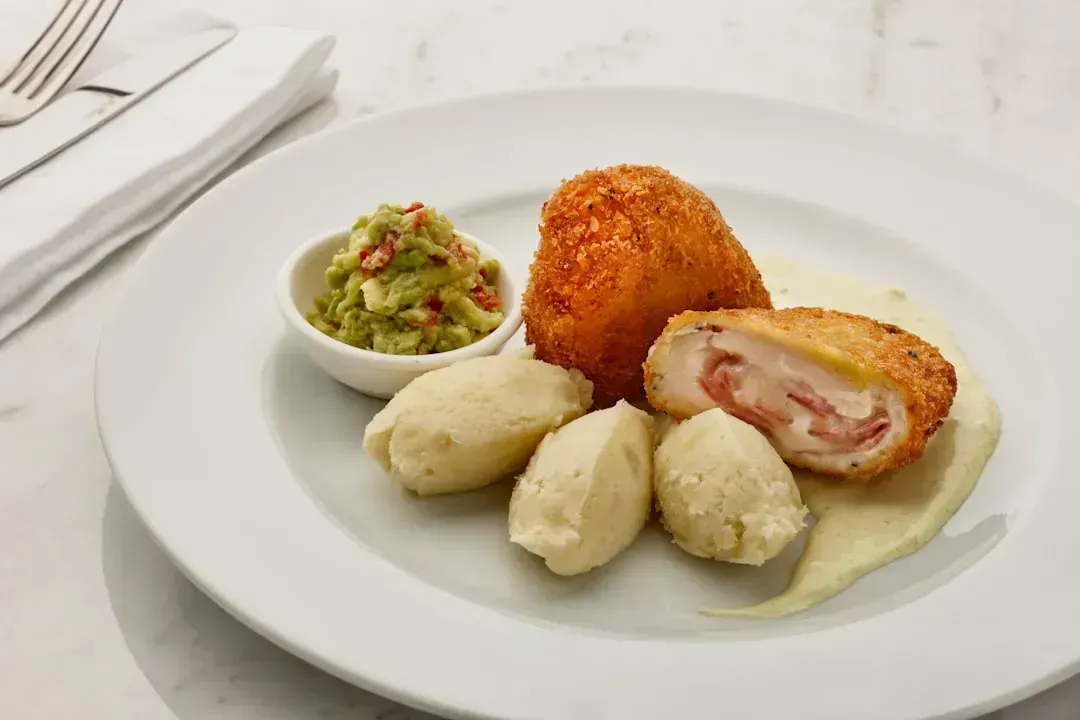
Chicken Cordon Bleu, the ham and cheese stuffed chicken breast coated in breadcrumbs, was a dinner party and banquet hall favorite for decades. It offered an easy way to elevate chicken without requiring exotic ingredients or complicated technique. The dish remains recognizable, but it now reads as a banquet hall relic rather than a current restaurant choice.
Modern chicken preparations have shifted toward brining, spatchcocking, or global flavor profiles rather than the classic stuffed and breaded approach. Chicken Cordon Bleu still shows up at some diners and family style restaurants, but rarely at places aiming for a contemporary dining identity. Ordering it consistently suggests a menu preference frozen somewhere in the 1980s.
10. Baked Alaska
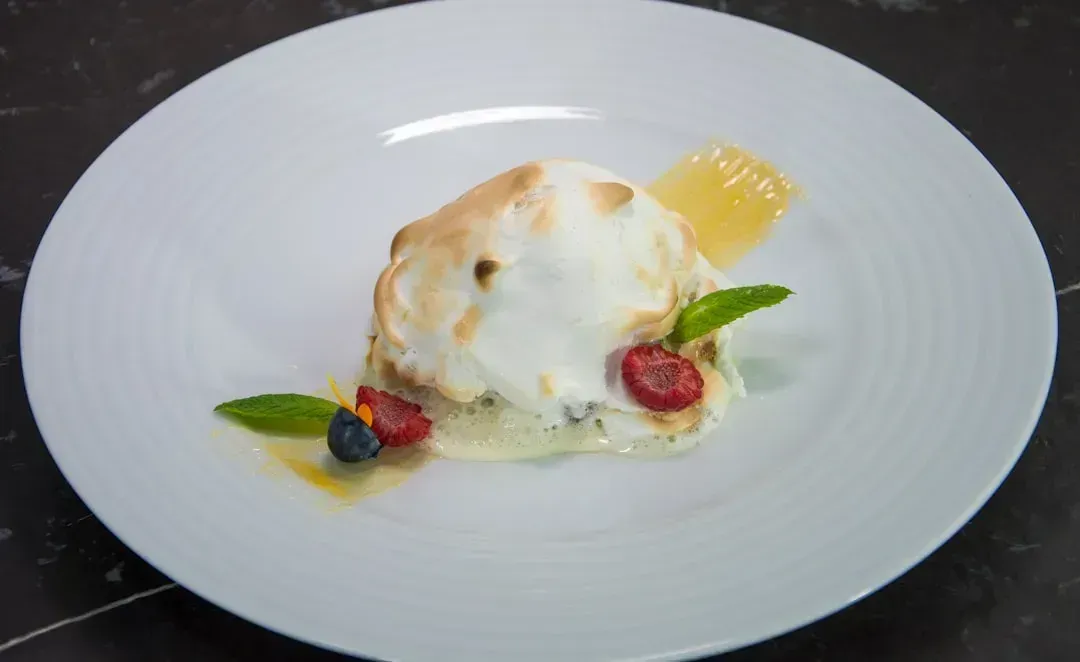
Baked Alaska, the meringue covered ice cream cake often finished with a torch or brief oven blast, was the ultimate showpiece dessert of mid-century formal dining. Its dramatic contrast of hot exterior and cold interior made it a novelty that restaurants used to impress guests. The dish requires precise timing and technique, which is part of why it has become rare outside of nostalgic or retro themed establishments.
Contemporary dessert trends favor simpler presentations that highlight quality ingredients over spectacle. Baked Alaska hasn’t vanished entirely, and it occasionally reappears on menus as a deliberate throwback item. Ordering it as a default dessert choice, though, tends to place your dining habits firmly in an earlier decade.
None of these dishes deserve to disappear entirely. Culinary history matters, and there’s real value in dishes that reflect how people used to celebrate, entertain, and gather around a table. But recognizing which orders read as retro rather than current can help diners understand how much restaurant culture has shifted over the past few decades, and why certain menu choices still carry the weight of a bygone era.