
Most people blame their stress on work, relationships, or a packed schedule. Few think to look inside their closet. Yet the way we store our belongings has a measurable effect on how we feel day to day, and not always in ways that are easy to pinpoint. The anxiety doesn’t always announce itself. It settles in quietly, building every time you open a drawer you can’t shut or reach for a shelf that somehow got worse since last week.
Clutter triggers measurable neurological responses within 200 milliseconds, activating stress pathways that elevate cortisol and worsen anxiety symptoms. That’s not a metaphor. A cluttered space can increase mental load and create competition for attention, affecting various aspects of life, and living in a chronically cluttered home can trigger a constant low-grade fight-or-flight response, adversely impacting both physical and psychological health. The ten items below are the kinds of things most people overlook precisely because they’re meant to help with organization. In reality, many of them quietly make things worse.
1. The Overstuffed Wardrobe
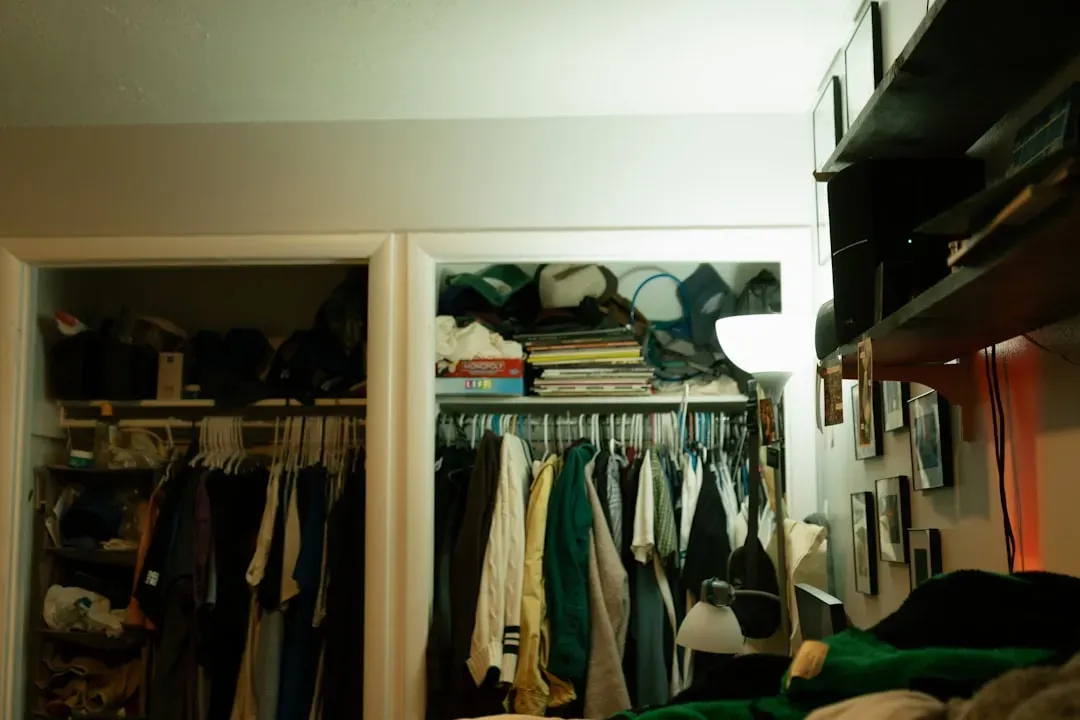
Many people feel a sense of dread when they open their closet doors. This happens because a jam-packed closet creates visual noise. When your eyes jump from one unfolded shirt to a pile of mismatched shoes, your brain feels tired before the day begins – and this is a common form of decision fatigue. It’s a problem that starts early. Before you’ve had your first cup of coffee, your wardrobe has already drained a portion of your mental reserves.
A disorganized wardrobe adds a layer of what experts call decision fatigue, making you feel overwhelmed before the day truly begins. Studies have shown that making numerous choices, even small ones, can wear down your brain’s ability to function. Research on capsule wardrobe organization points to an 80/20 pattern: roughly eighty percent of the time, only about twenty percent of clothes actually get worn. The rest just takes up space and mental bandwidth.
2. Unlabeled Storage Bins
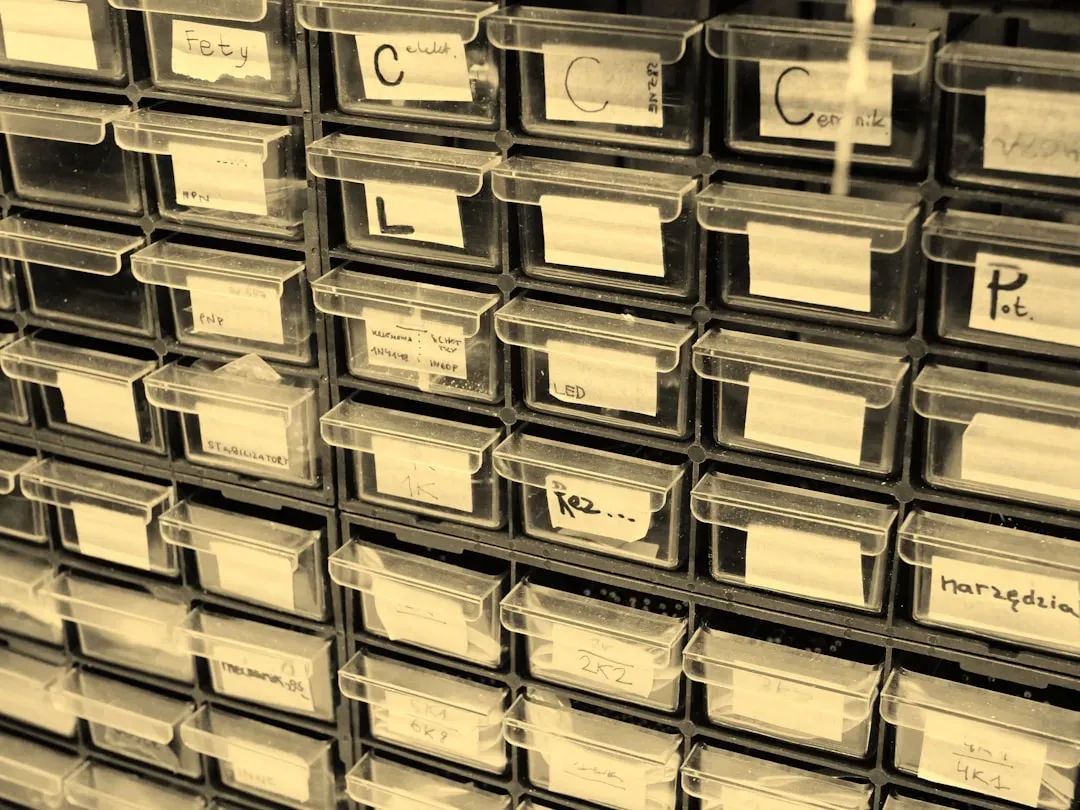
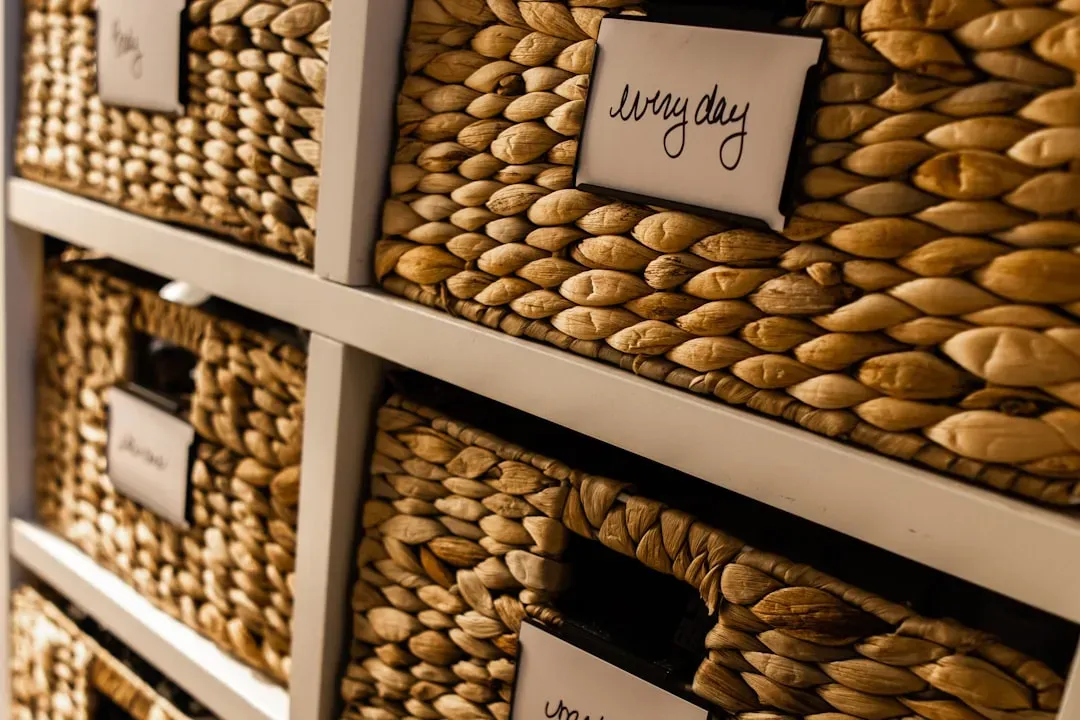
Anxiety thrives on the unknown. Clutter obscures possessions, deadlines, and obligations, feeding a sense of dread. Each unfiled paper is a silent “open loop” the mind must keep cycling. The same principle applies directly to unlabeled bins stacked in closets. When you can’t see what’s inside a container, your brain keeps a low-level tab on the mystery, treating it as unresolved.
We simply can’t purchase enough coordinating storage bins, boxes, and shelves to calm our environment. Putting things in bins just means that our stuff is now semi-controlled, and only temporarily. It doesn’t address the core issues you have with collecting or being unable to part with the items. In other words, more bins don’t equal more order. They just redistribute the problem and obscure it behind plastic lids.
3. Clothes That No Longer Fit
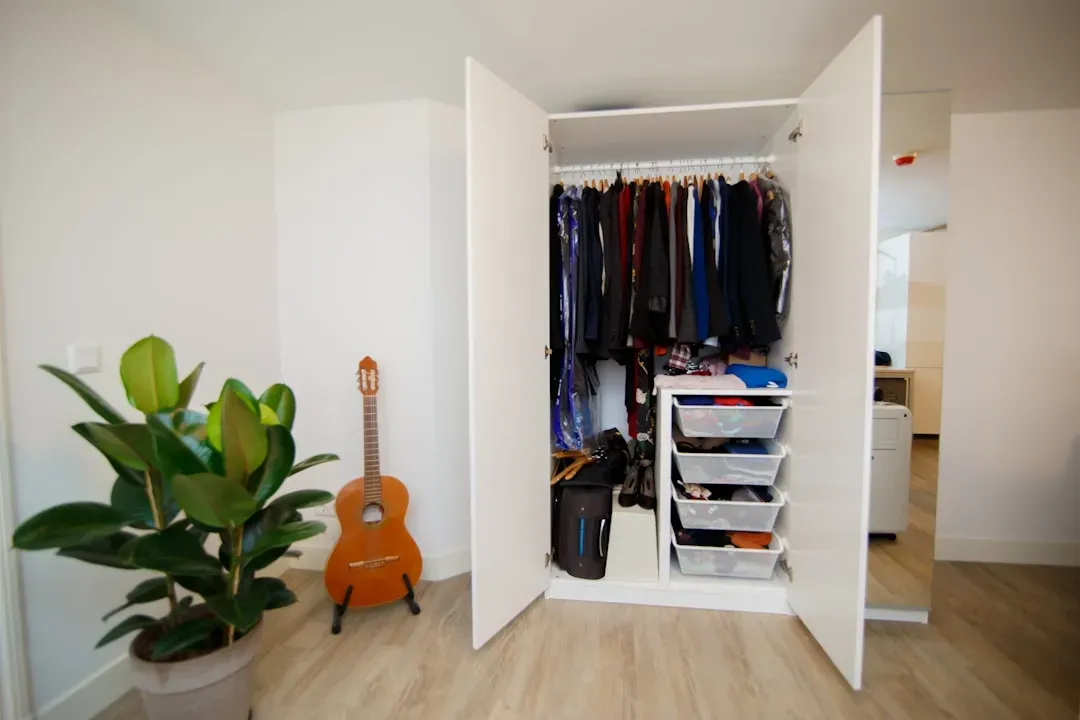
This seems obvious, but it’s far more loaded than it sounds. If something is too small, too big, or consistently uncomfortable, it creates emotional clutter. Make space for the body you have now, not the one you used to have or hope to have someday. Clothes kept for a future or past version of yourself occupy real physical space and generate a particular kind of quiet guilt each time you pass over them.
Part of the reason why clutter feels overwhelming is that every item represents work that needs to be done and a choice that needs to be made – keep and relocate or discard and donate. All these decisions create a type of cognitive overload known as decision fatigue. Additionally, emotional attachment to items, whether due to sentimental or monetary value, further complicates each decision. Keeping ill-fitting clothes is a slow drain that rarely gets credited as a source of stress.
4. Mismatched or Wire Hangers
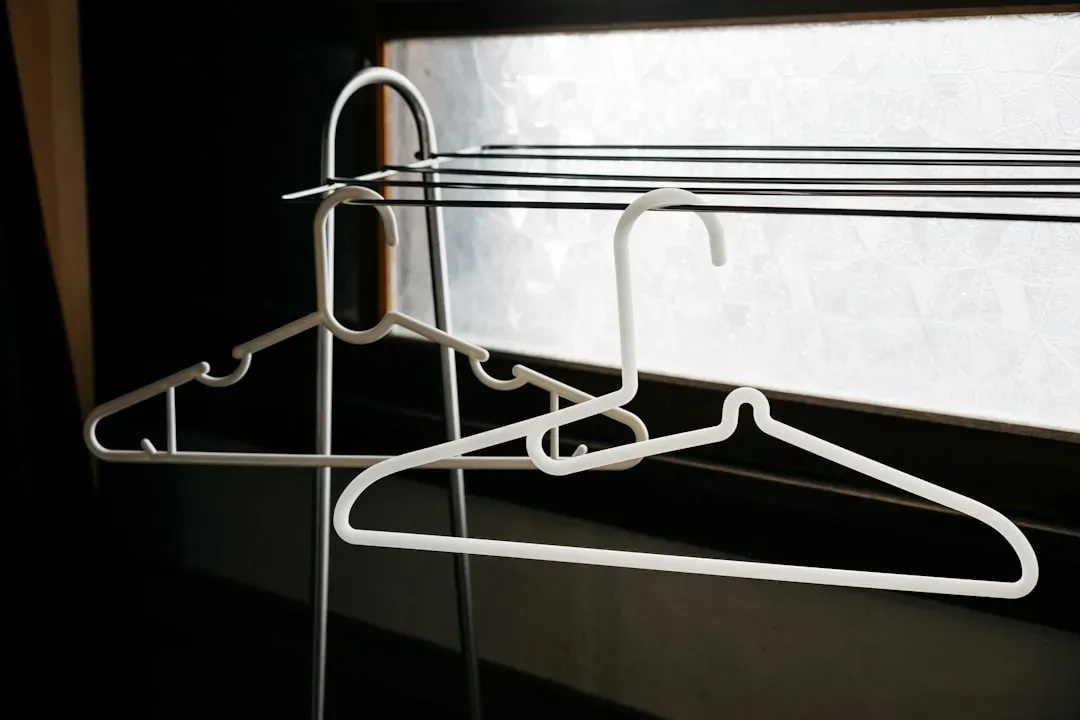
Wire and flimsy plastic hangers distort clothes and create visual clutter. Switching to slimline or velvet hangers protects your clothes and makes your closet feel calmer and easier to use. It seems like a minor detail. Still, the visual chaos of tangled, mismatched hangers adds to the sense that a space is difficult to navigate, which registers as stress even when you’re not consciously noticing it.
The spaces we keep often mirror the state of our minds, and disorganization can fuel stress, distraction, and fatigue. Home organization strategies designed to help people streamline their lives with organized interiors supported by functional and aesthetic design can be used to nurture calm, focus, and emotional balance. Something as simple as uniform hangers can shift a closet from feeling chaotic to feeling manageable. The difference is genuinely felt.
5. Piles of Unsorted Shoes

It’s estimated that Americans spend nine million hours every day looking for misplaced items. A significant portion of that time is lost to unsorted shoe piles at the bottom of closets. Shoes that have no designated home pile up fast, and because they’re awkward in shape and variable in size, they tend to create the most visually chaotic type of clutter in a tight space.
Clutter causes chaos, with the brain not knowing how to prioritize attention among distractions, which makes it difficult to focus. Shoe piles are a particularly good example of this. They can’t be stacked neatly, they fall over, and their disorder is visible the moment the closet door opens. Disorganization can cause anxiety because you feel pressured by the constant visual reminder of things left undone or disorganized, which in turn makes it harder to muster the energy and focus to clean it up.
6. Sentimental Items Mixed Into Everyday Storage
Store sentimental items separately. Mixing emotional items with functional ones creates hesitation and slows daily decisions. When a concert t-shirt from twenty years ago sits next to the shirt you wear every Tuesday, each moment of getting dressed becomes slightly more complicated. You pause. You feel something. Then you move on, but the mental cost was real.
People struggle with clutter due to procrastination, sentimental attachment to possessions, lack of storage solutions, and the psychological burden of unresolved feelings tied to items. Sentimental objects aren’t problems in themselves. One practical solution is removing your everyday gear from the sentimental items and putting them in completely different places. Storing sentimental items in a separate space from your wardrobe helps stop overcrowding and clutter.
7. “Just in Case” Items Stacked on High Shelves

High shelves in closets tend to collect items that were placed there with the phrase “just in case” in mind. Extension cords, spare curtain rods, a blender that mostly works, a carry-on bag with a broken zipper. When items are stored away, they can be easily forgotten. There is a lack of engagement with the belongings and potential neglect of their true value or necessity. The shelves become a graveyard for deferred decisions.
When items are stored away, individuals may struggle with making decisions about what to keep or discard. Moreover, the emotional attachment to stored items may cause difficulties in letting go of the past. The problem with “just in case” logic is that it’s almost never wrong in theory. You might need that item someday. Every item represents work that needs to be done and a choice that needs to be made. All these decisions create a type of cognitive overload known as decision fatigue.
8. Out-of-Season Clothes Left in the Main Closet

Seeing too many options makes decision making confusing. The fewer items you have to look at as you get dressed, the easier it will be. There’s no need to flip past cocktail dresses when you’re getting dressed for work. Out-of-season clothes are among the most common culprits behind overcrowded closets. They occupy prime hanging space and add visual noise to a space you visit every single morning.
If you have space outside of your closet, move your winter clothes out in the summer and hide the summer clothing in the winter. Give yourself an opportunity to sample simplicity with minimal wardrobe essentials. Otherwise, you’ll be faced with too many choices and that “too much clothes clutter” feeling every morning when you get dressed. Seasonal rotation is a simple habit, but the mental relief it offers is consistently underestimated.
9. Stacks of Folded Items in Drawers You Can’t See Into
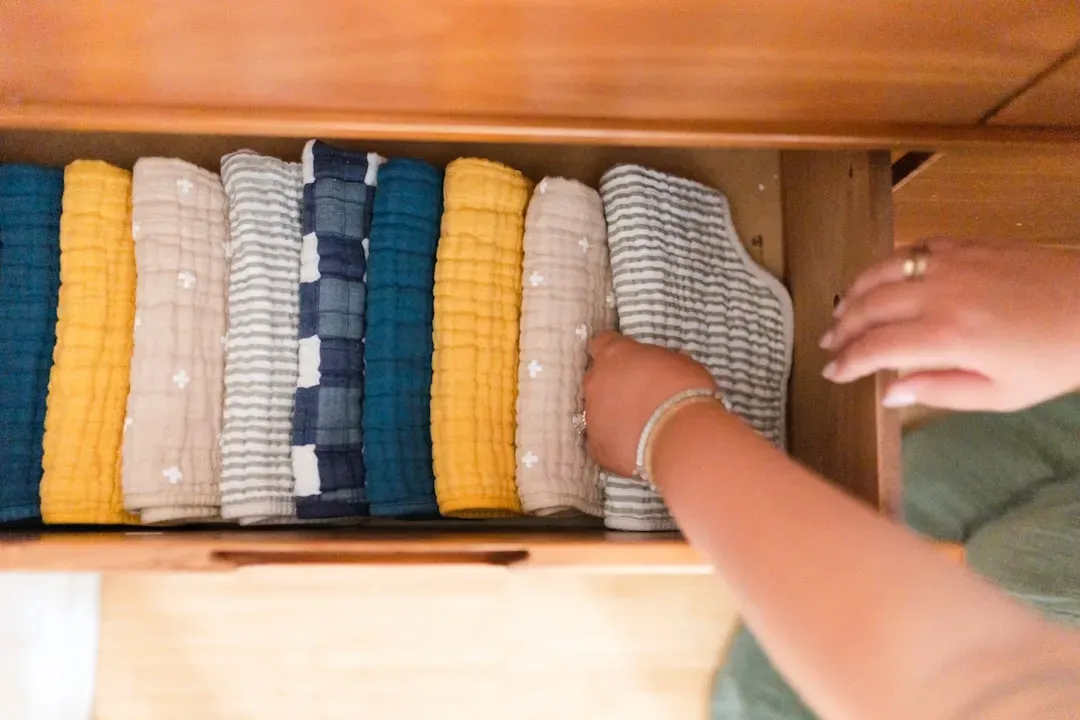
Some people who live in cluttered homes have poorer working memory, according to research. Your brain is wired to be able to keep track of only a few details at once for a short period, so it can get overloaded when there’s too much going on. Drawers stuffed with folded items you can’t actually see are a direct contributor to this problem. Items buried at the bottom rarely get worn and often get forgotten entirely.
Working memory, the brain’s “sticky note,” holds data we need in the next ten to twenty seconds. Each extraneous object costs a sliver of that limited capacity. Over time, the brain learns to tune out persistent mess, but this suppression carries a metabolic price: greater activation of the anterior cingulate cortex, the region that suppresses competing stimuli. A drawer full of invisible, folded items keeps that suppression mechanism running all day, quietly adding to fatigue.
10. Half-Finished Organizational Systems
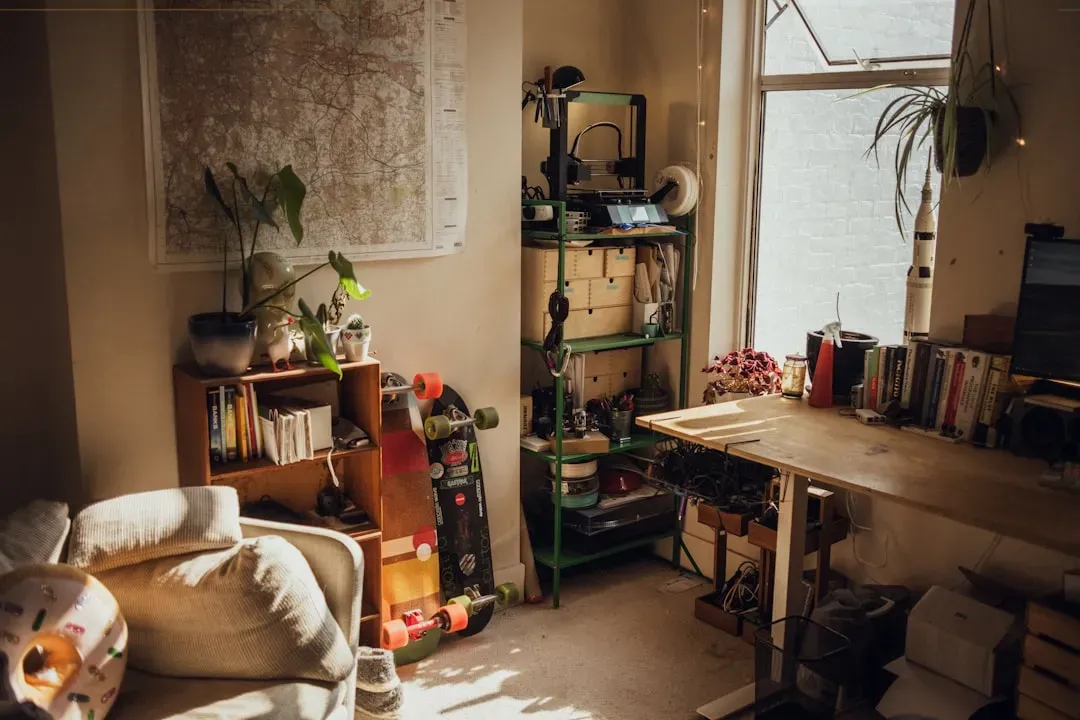
Clutter-induced stress can often become a difficult cycle to break. Disorganization can cause anxiety because you feel pressured by the constant visual reminder of things left undone or disorganized. This in turn makes it harder to muster the energy and focus to clean up the clutter. A half-finished organization project is, in many ways, worse than no organization at all. It signals an incomplete task every time you see it, and incomplete tasks are precisely what keep the mind in low-level alert.
It’s a vicious cycle: anxiety or depression can lead to a cluttery home, and a cluttery home can lead to depression and more anxiety, which makes us tend to do less about the house, which makes it even worse. It can be a hard rut to climb out of. Avoid buying organizers before sorting. Otherwise, clutter just gets rearranged into prettier clutter. The fix isn’t another organizer. It’s finishing what was started, even if that means scaling the system back to something actually sustainable.
The thread connecting all ten of these items is simple: middle-class Americans whose home tours included more clutter-related words showed less healthy cortisol patterns and greater depressed mood. Our storage spaces aren’t neutral. They communicate something to us each day, and when what they communicate is disorder, incompletion, or avoidance, the cumulative cost shows up in ways that are easy to misattribute. Addressing even one or two of these items tends to produce a noticeable shift, not because tidiness is a virtue, but because the brain genuinely functions better when its environment makes fewer silent demands on it.