
There’s a specific kind of discomfort that happens when you walk into a living room and something feels just slightly off. The furniture is clean, the layout makes sense, nothing is broken – yet the whole space carries a weight that’s hard to shake. That low-grade unease often comes not from dramatic design failures, but from a quiet accumulation of pieces that have quietly slipped out of step with the present.
Interior designers have been vocal in recent years about which living room staples are now doing more harm than good. Designers are always on top of what living room trends will make a space look current and sophisticated, as well as those that should be left in the past. What follows is a gallery-style look at eleven specific pieces that may be draining the life and warmth from your living room without you even realizing it.
1. The Perfectly Matched Furniture Set
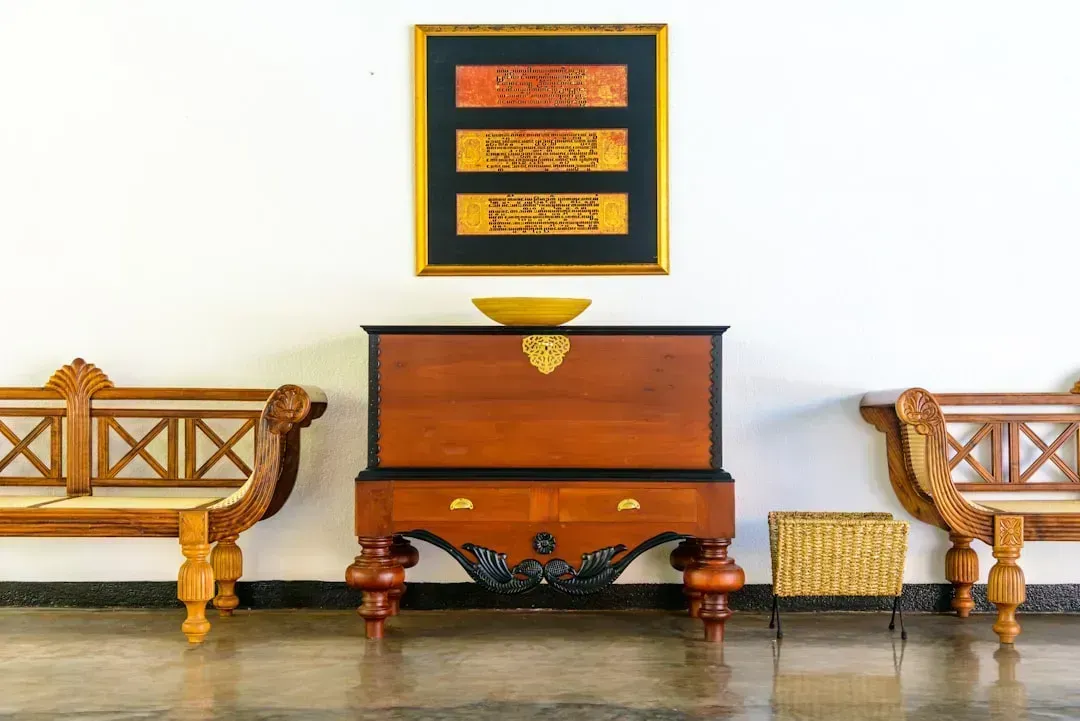
Few things broadcast “this room has not been touched since 2005” quite as loudly as a fully coordinated sofa, loveseat, and coffee table that all came out of the same box set. Designers say “overly coordinated furniture sets” are the biggest calling card of a dated living room, noting that a perfectly coordinated sofa, loveseat, and coffee table might feel like a shortcut to cohesion, but it robs the room of character. The result is a space that reads more like a furniture showroom floor than somewhere a person actually lives.
Living rooms are moving away from perfectly coordinated sets – a surefire way to date your home – toward interiors that feel personal and curated over time. Mismatched furniture, whether mismatched side tables, pattern-mixed armchairs, or a variety of vintage-style and contemporary sofas, adds character and individuality, allowing rooms to tell a story rather than simply display a catalogue of products. Swapping even one piece for something with a different silhouette or finish can immediately breathe fresh life into the entire room.
2. The All-Gray Color Palette
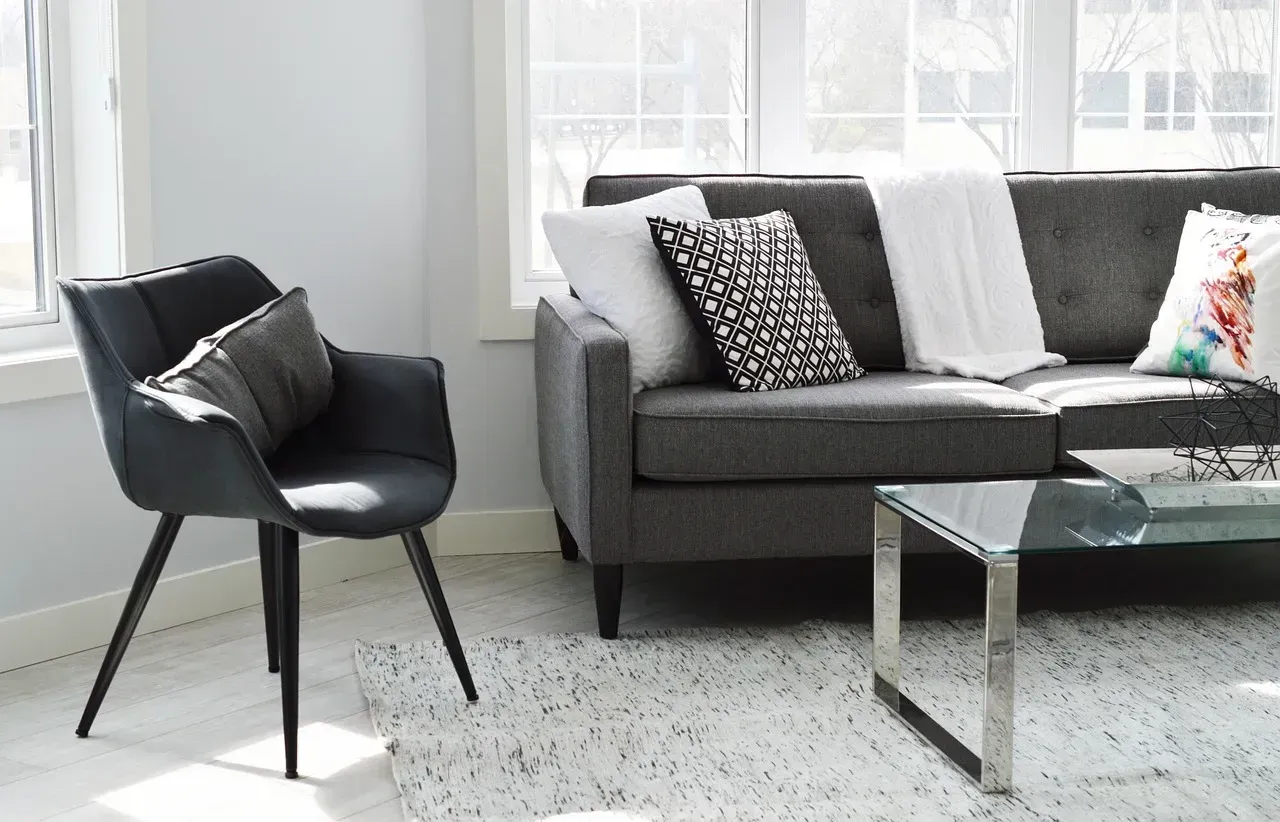
The all-gray living rooms of the 2010s are so last decade. While monochromatic gray had its moment, it often drains the life out of a room. The cool, flat quality of gray-on-gray interiors was once considered sleek and modern, but in 2026 it reads as hollow and a little bleak, more hospital corridor than cozy retreat.
The cool, darker tones of grey are starting to feel outdated in the living room. They once felt like the safest option, but they can really leave a living room feeling flat and unwelcoming. An all-grey suite combined with all-grey walls is much more likely to create a hollow, empty-shell feel. Warmer neutrals, terracotta tones, and earthy hues have taken gray’s place as the go-to backdrop for a grounded, comfortable room.
3. Heavy Swag Drapery and Grommet Curtains
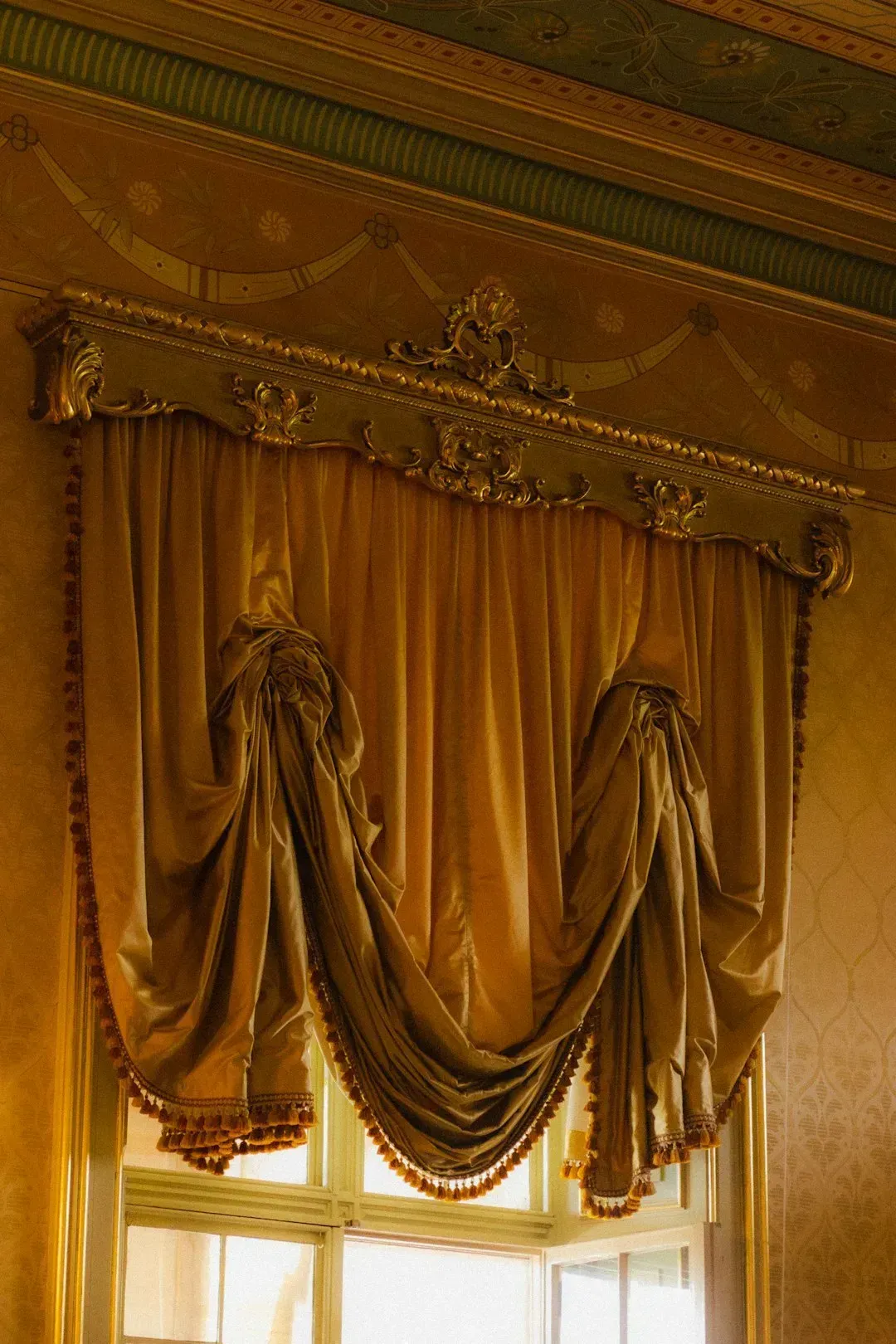
Window treatments are one of the most underestimated ways a room betrays its age. Certain drapery styles will instantly read as stuffy and old-fashioned. Drapery can instantly date a room if not done right, and designers recommend avoiding grommet top curtains, heavy swags, fringe, and brocade fabrics entirely. These styles carry a very specific early-2000s energy that no amount of repainting the walls can fully counteract.
Bulky curtains and heavy valances are things of the past. Heavy window treatments can overtake your space and make it feel claustrophobic. What’s more, they require a ton of upkeep, including trips to the dry cleaner, to look their best. Lighter, natural linen drapes or simple flat-panel curtains hung close to the ceiling read as far more current and actually make rooms feel taller and airier.
4. The Shiplap Accent Wall
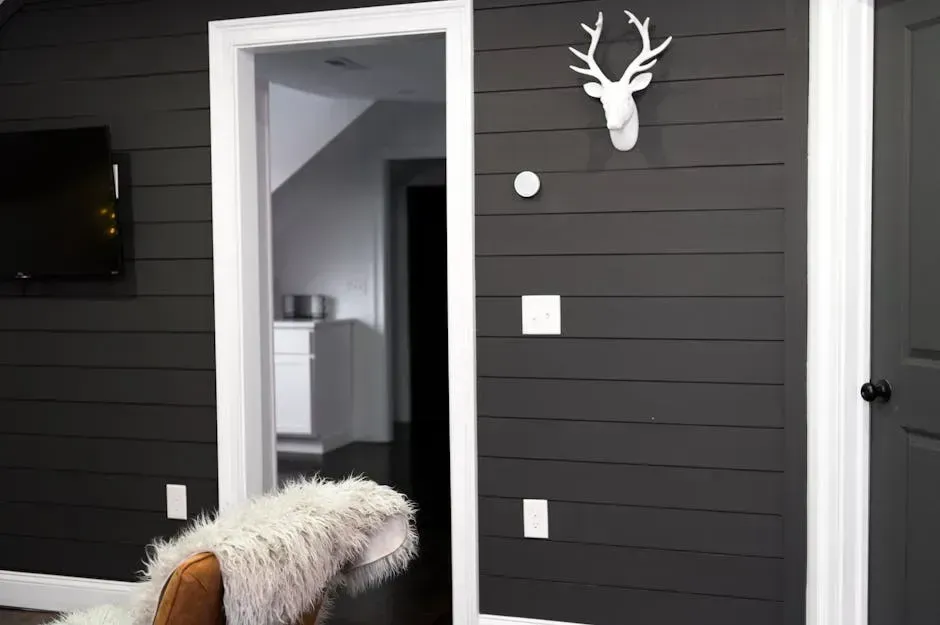
Shiplap had a genuine moment. Thanks largely to a decade of home renovation television, it spread into living rooms, entryways, and bedrooms across the country. Shiplap and reclaimed wood are more likely to make your home look dated to the farmhouse craze of just a few years ago, while fluted walls and trim make your home look updated and modern. The problem isn’t that shiplap is inherently ugly – it’s that it became so ubiquitous that it now signals a very specific, very recognizable era.
Shiplap panels became a household staple over the last decade, especially for fans of the farmhouse look. Thanks to shows like Fixer Upper, it’s been everywhere, from kitchen backsplashes to bedroom accent walls. As design trends shift, homeowners are leaning toward cleaner lines, more natural textures, and a wider range of wall treatments. Fluted paneling, limewashed plaster, and Venetian plaster are all options that feel considered rather than trend-chased.
5. Bouclé Everything
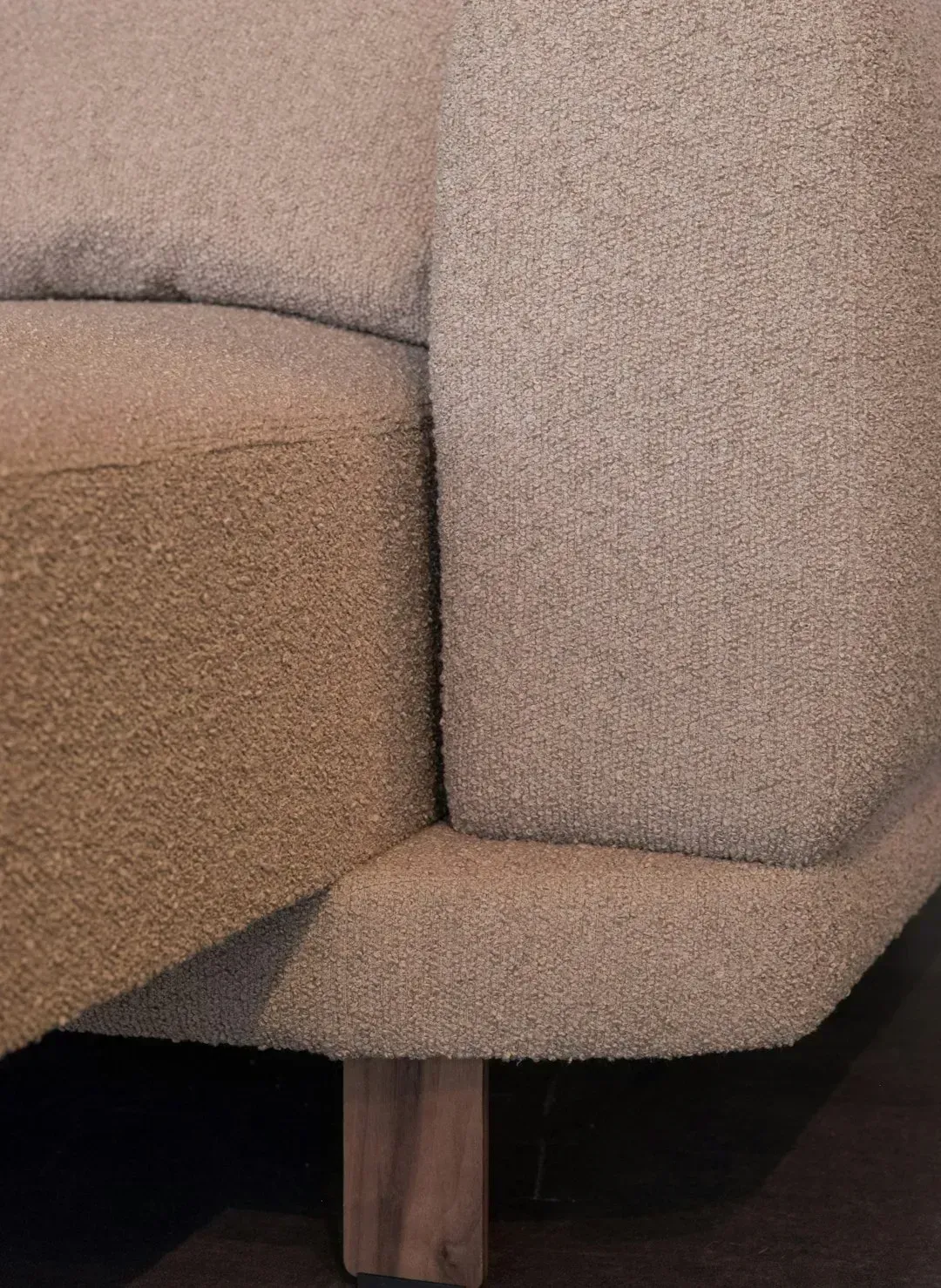
For a stretch of a few years, bouclé fabric was inescapable. Sofas, accent chairs, ottomans, poufs – all wrapped in that nubby, looping textile that became synonymous with a certain kind of clean, minimalist aesthetic. Bouclé was all the rage back in 2020, but its popularity has declined over the past few years, potentially due to its associations with minimalism. More designers are decorating with vintage fabrics instead of newer materials like bouclé, taking inspiration from cozy, country-style interiors rather than stark and overly curated spaces.
The issue isn’t any single bouclé piece – it’s that rooms built around the material now share a look that’s immediately identifiable as a mid-2020s trend phase. Surfaces with more character, like worn leather, textured linen, velvet, or vintage upholstery fabrics, tend to carry more staying power. The goal is a room that looks collected, not coordinated around a single fashionable material.
6. Word Art and Farmhouse Signs
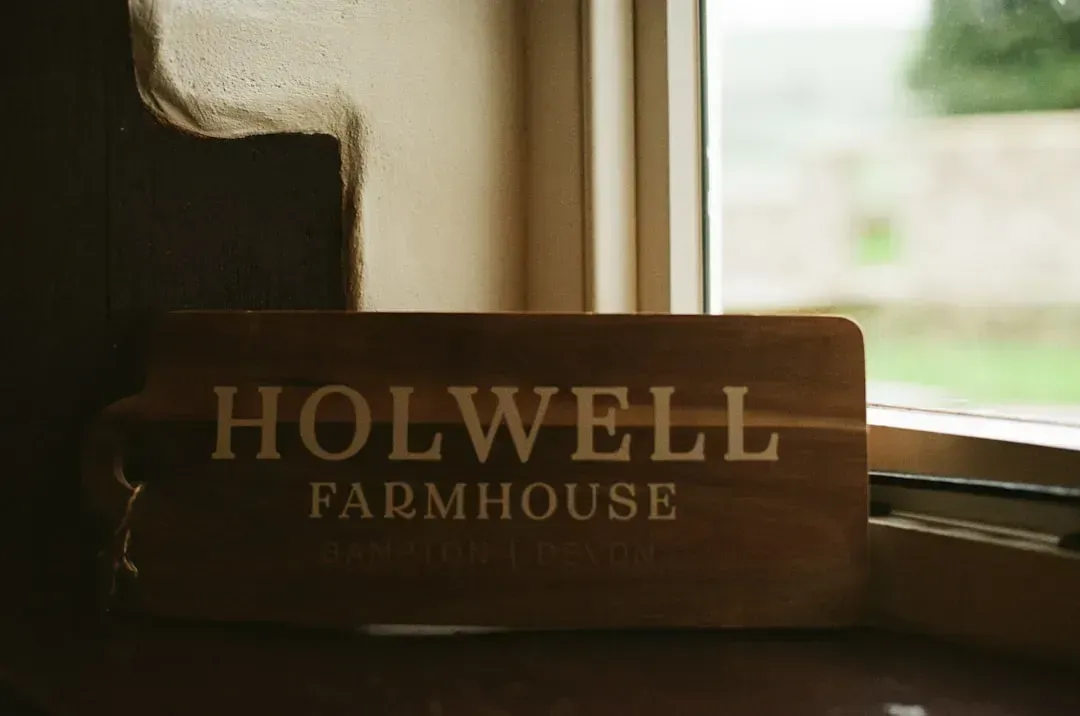
The “Live, Laugh, Love” era left a long shadow. Word art became everywhere after farmhouse style made simple phrases like “home,” “eat,” and “live, love, laugh,” emblazoned on wood signs the coolest form of wall decor. While the rustic aesthetic remains as popular as ever, its kitschy decor and decals have faded into the realm of basic platitudes. These pieces don’t just feel dated – they can make an otherwise thoughtful room feel oddly generic.
Trade the word art for actual art – even affordable prints, when thoughtfully framed, elevate a space more than any “Bless This Mess” sign ever could. A framed botanical print, a simple abstract, or even a piece of textile art will do far more for a room’s atmosphere than any motivational phrase rendered in distressed wood. The farmhouse sign era is well and truly over.
7. Overly Stark, Minimalist Furniture
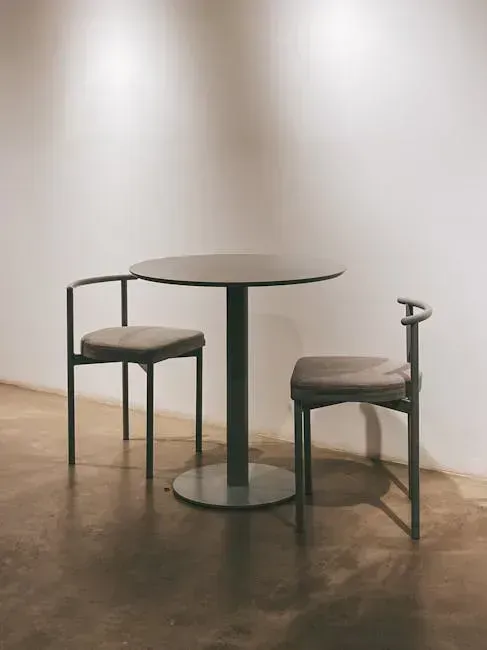
There was a point where emptiness felt aspirational. Bare walls, a single statement chair, nothing on the coffee table – pure, uncluttered space. That moment has passed. Ultrasparse spaces aren’t what most people are looking for these days. Stark minimalism is beginning to fade, making room for a warmer, more layered aesthetic. A living room stripped down to its bones can now feel cold and slightly unnerving rather than sophisticated.
Extreme minimalism, characterized by bare walls and sparse furniture, is losing appeal. People are now embracing spaces with more personality, warmth, and texture, opting for a more maximalist approach that layers design elements. The shift isn’t toward clutter – it’s toward rooms that feel genuinely inhabited. A few well-chosen objects, layered textiles, and varied lighting go a long way toward making a space feel alive rather than staged.
8. The Oversized, Cloudlike Sectional Sofa
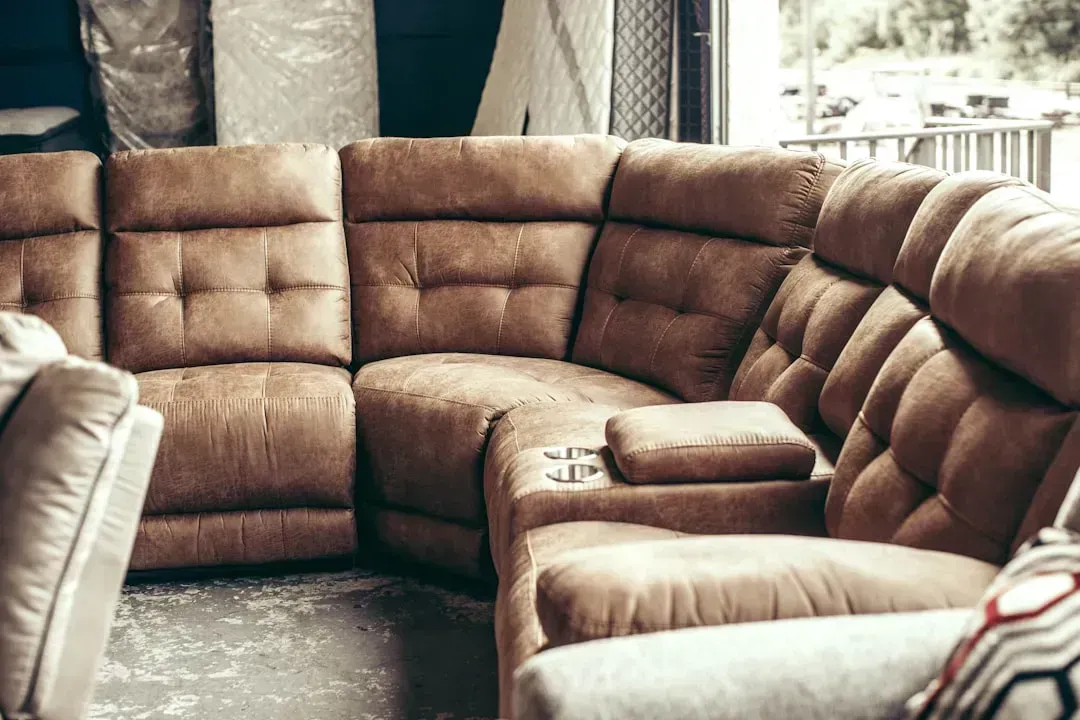
Puffy, oversized sectionals had their peak popularity around the same time as bouclé, and for similar reasons: comfort was king, and bigger felt better. But these hulking pieces have a way of absorbing the entire energy of a room. Designers note these plush sofas can feel like the design-equivalent of a sugar rush. They feel indulgent at first, but the appeal fades quickly once you realize the piece overwhelms everything around it, blurring all the architectural lines of a living room and replacing them with one soft, amorphous shape.
A sofa with cleaner lines, tighter proportions, and a defined silhouette allows the rest of the room to breathe. It doesn’t have to be hard or cold – a well-made sofa in a structured fabric with good seat depth can be deeply comfortable while still looking intentional. The cloud sofa made for great social media content; it makes for a trickier room to actually live in.
9. A Rug That’s Far Too Small
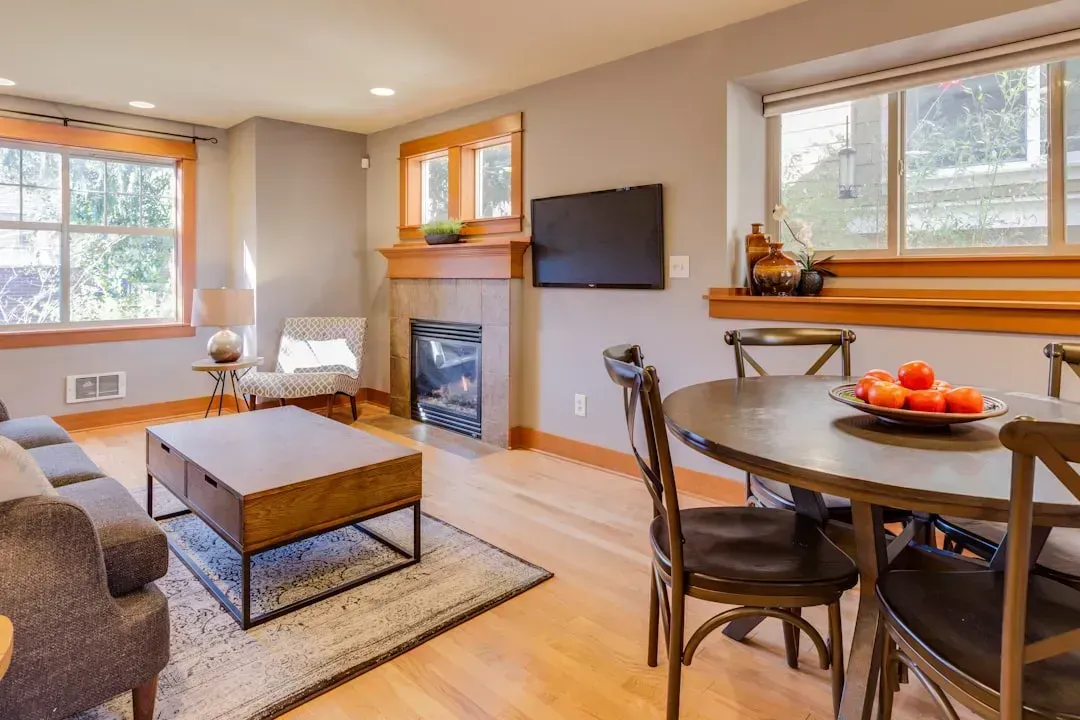
One of the most persistent and quietly jarring decorating mistakes is placing a rug that floats under just a coffee table, with the sofa and chairs sitting completely off it on bare floor. It creates a disconnected, unanchored feel that’s hard to diagnose but impossible to ignore. The furniture looks abandoned, and the space reads as unfinished regardless of how much was spent on other pieces.
Designers advise making sure most of your furniture rests on the rug, noting that a bigger rug will make your space actually feel bigger. As a rough guide, the front legs of all main seating pieces should sit on the rug at minimum. Going larger than you think you need is almost always the right call, and the difference it makes to how grounded and cohesive a room feels is immediate.
10. Faux Flowers and Plastic Plants
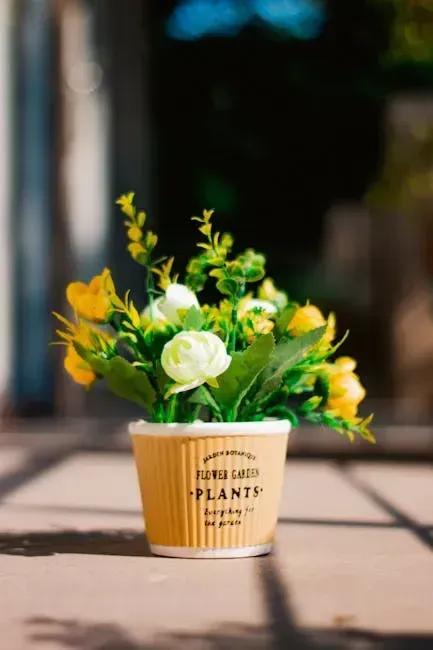
The fake plant was a practical solution that has long overstayed its welcome in the living room. It’s obvious to all of your guests if your plants are fake. It will also make your house look like it is a portal to the ’90s. No matter how convincing the silk or plastic, something about an artificial plant introduces a slightly uncanny quality to a room – a stillness that feels just a little off.
The good news is that genuinely low-maintenance real plants are widely available and do far more for a living room’s atmosphere. Pothos, snake plants, ZZ plants, and cast-iron plants can survive with minimal attention while adding genuine life, texture, and air quality to a space. If plants simply aren’t manageable, leaving a surface empty is typically a better choice than filling it with something that reads as imitation.
11. Fast Furniture Designed for the Algorithm
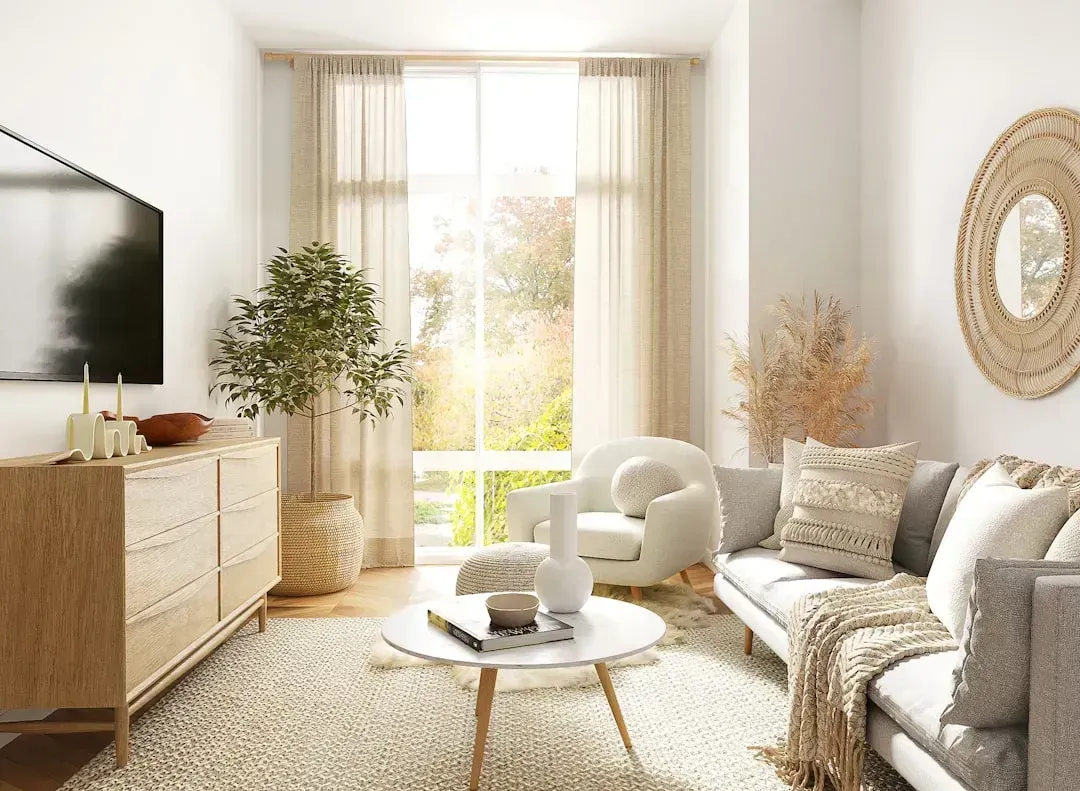
Designers agree that just because you double-tapped a viral trend doesn’t mean it belongs in your home. Homes that feel curated solely to chase trends lack any emotional resonance. The overly perfect stack of books, the untouched sculptural object, the chair no one can sit in because its silhouette is more concept than function – these choices might perform well online, but they rarely support real living. There’s a particular hollowness to a room that looks designed for photographs rather than people.
As more people favor quality over quantity, there’s less room for furniture trends that lack endurance and sophistication. Dubbed fast furniture due to the faster design and making process, many designers are rejecting cheaply made pieces in favor of more lasting choices. The longer goal is a living room built from pieces you’d want to keep for a decade – not ones that will feel embarrassingly on-trend for two years and then quietly signal the exact moment you bought them.
Most of these issues share a common thread: they’re the result of following a moment rather than building a room that reflects genuine taste and actual living. The good news is that almost none of them require a full renovation to address. Swapping a single piece, adjusting proportions, or simply removing what no longer works can shift a room’s feeling considerably. A living room should feel like somewhere a person actually wants to be – not like a time capsule or a mood board someone forgot to update.