
Most of us picture horror movie monsters as pure fiction, safely tucked inside a movie theater. The reality is a little more unsettling. Some of the most genuinely disturbing creatures on the planet aren’t hiding in deep ocean trenches or remote rainforests. They’re in your backyard, your garage, your basement wall, and occasionally your swimming pool.
This list isn’t about exaggerating danger for dramatic effect. These are real animals with genuinely strange or alarming traits, all capable of showing up somewhere close to home. Some are dangerous, some are mostly harmless, and a few are both at once.
1. The Virginia Opossum – The Zombie of Your Backyard
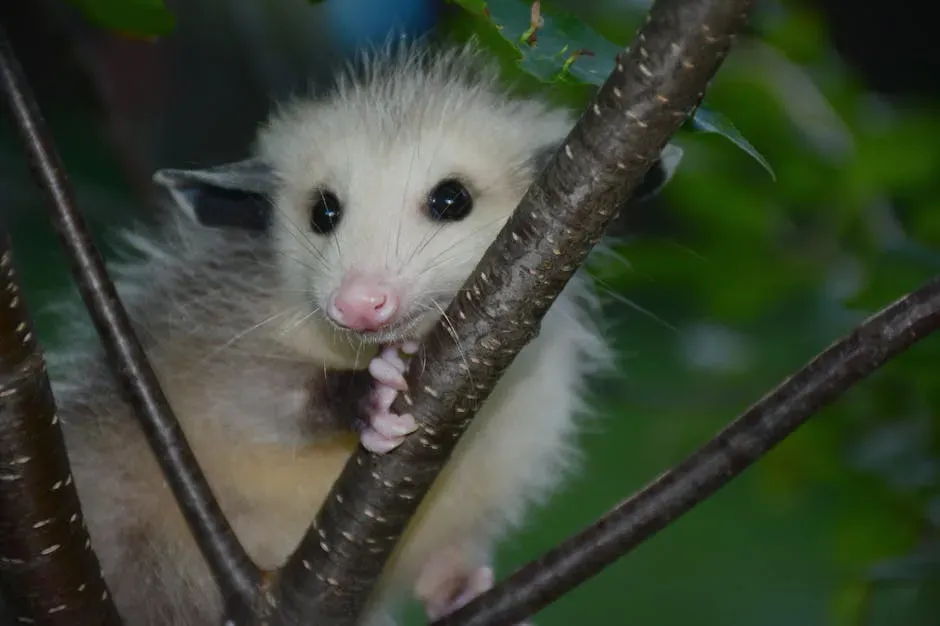
Few animals in North America pull off something as genuinely unsettling as the Virginia opossum. When threatened, an opossum will first bare its 50 teeth, snap its jaw, hiss, drool, and stand its fur on end to look bigger. If that doesn’t work, the situation gets stranger.
The Virginia opossum is noted for feigning death in response to extreme fear. In this inactive state it lies limp and motionless on its side, mouth and eyes open, tongue hanging out, and feet clenched. Fear can also cause it to release a green fluid from its anus with a putrid odor. Heart rate drops by half, and breathing becomes so slow and shallow it is barely detectable. Opossums can maintain this state for anywhere from 40 minutes to four hours.
2. The Brown Recluse Spider – Living in Your Closet
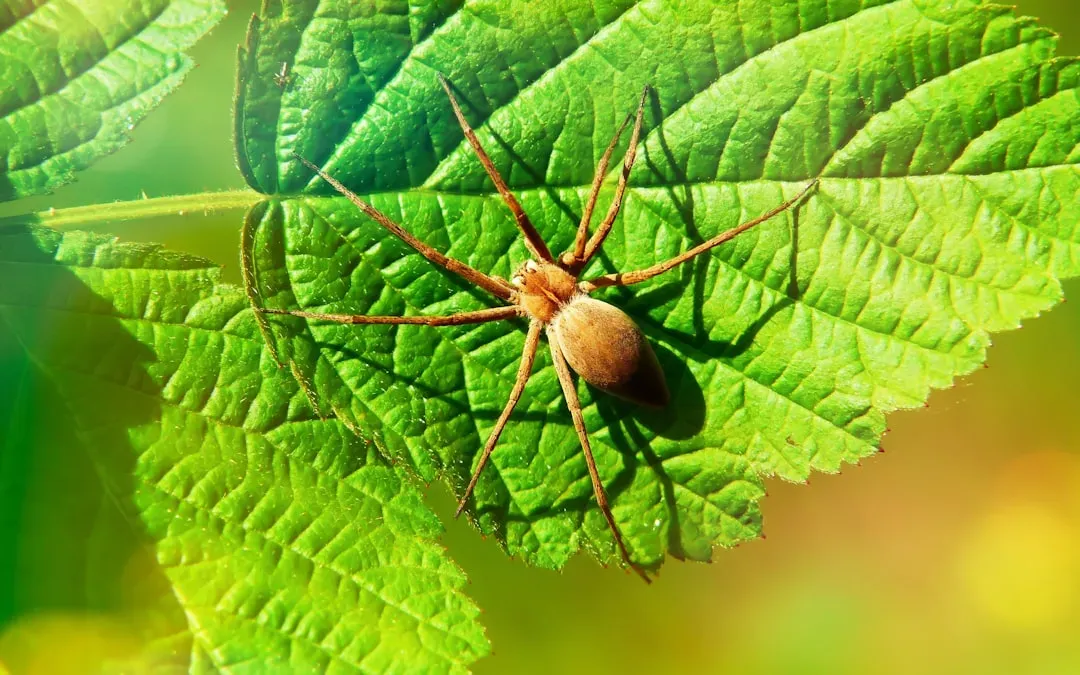
Brown recluse spiders like to hide in dark, dry, undisturbed areas. Indoors, they seek shelter in basements, cardboard boxes, storage closets, laundry left on the floor, and shoes. That already sounds like the setup for a bad day. What makes this spider particularly unsettling isn’t the dramatic web in the corner – it’s the invisibility.
Their habit of hiding among packed-away garments and towels creates a common situation for human bites, when a person dons clothing from storage without inspecting or shaking it out first. After a few hours, redness at the bite site can give way to a ring resembling a bull’s-eye. In the next 12 to 24 hours, the center may turn hard and white and blister before turning blue or black as the tissue dies. Most bites heal without serious complication, though the process is deeply unpleasant.
3. The Black Widow Spider – The Hourglass Under the Eave
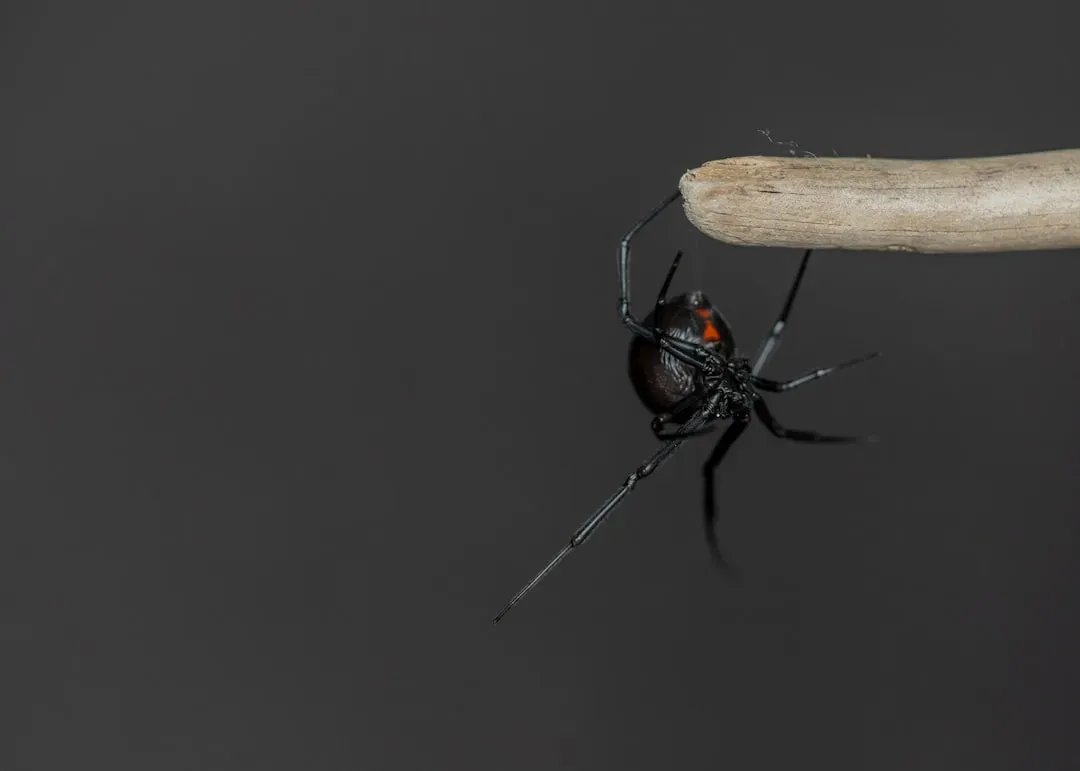
Black widows are the most venomous spiders in North America, with around 2,600 bites reported to the National Poison Data System annually. The larger female spiders are the most dangerous, recognizable by their shiny black bodies with distinctive hourglass-shaped red markings. They live in quiet spaces like closets, basements, garages, woodpiles, and around houses under eaves, trash cans, and outdoor structures.
Notably, no one in the United States has died from a black widow spider bite in over ten years, though the venom does cause intense pain, muscle rigidity, swelling, vomiting, and sweating. Still, finding one curled up in the corner of your garden shed is not an experience most people would describe as relaxing. The combination of jet-black body, vivid red marking, and a tendency to hide exactly where you reach without looking makes this spider genuinely hard to shake from the imagination.
4. The Alligator – Prehistoric Neighbor in the Southeast
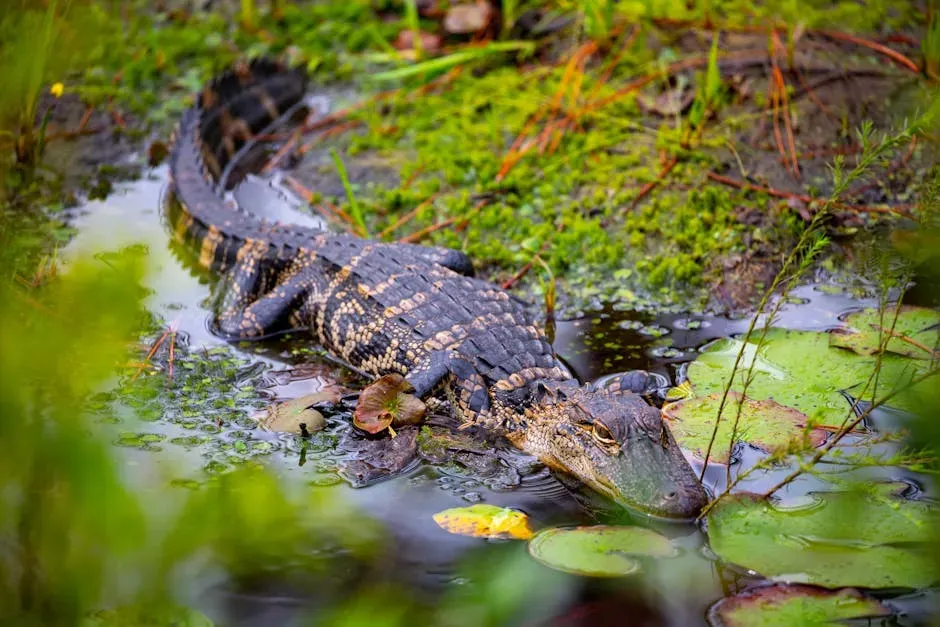
Measuring over 15 feet and weighing close to half a ton, alligators are tenacious water-dwellers with a bite strong enough to crush the bones of their prey. They will consume anything they come across, though they do not immediately deem humans as prey, with their diet largely comprising smaller animals. That said, their increasing proximity to humans tells a different story.
In states like Florida, these prehistoric predators have been known to show up in swimming pools, golf course ponds, and even residential neighborhoods during flooding events. Alligators are often found in backyards near water bodies in the southeastern United States. These reptiles are powerful and can be aggressive if provoked. While they primarily feed on fish and small mammals, they may become a threat if they lose their fear of humans.
5. The Coyote – The Urban Hunter You Don’t Hear Coming
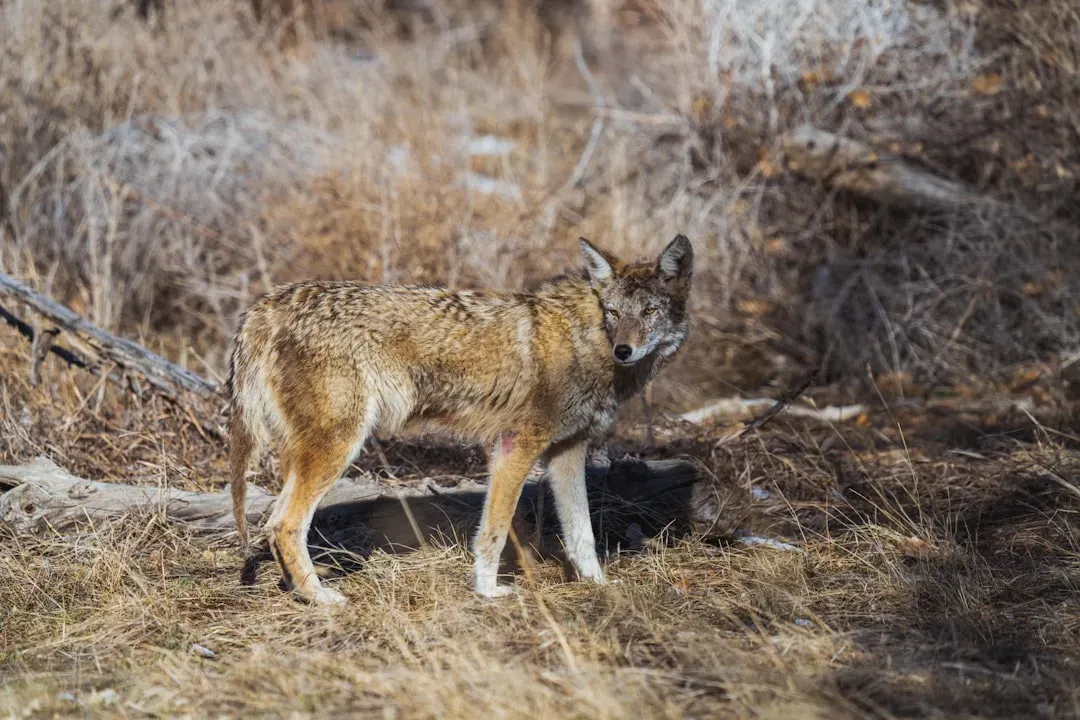
Coyotes are highly adaptable predators, and as urban sprawl pushes deeper into their natural habitat, they’re becoming increasingly common visitors in American backyards, especially in search of food like small pets, garbage, or fallen fruit. While they generally avoid humans, they can become bold and potentially dangerous when they lose their natural fear and begin associating neighborhoods with easy meals.
California reports the highest incidence of coyotes showing up in urban and suburban areas, particularly in densely populated regions like Los Angeles and its surrounding neighborhoods. What makes coyotes genuinely eerie isn’t their boldness alone. It’s that they operate almost entirely at night, moving with enough silence that most people never know one passed through their yard. Once considered purely wild animals, coyotes have adapted to city life, prowling suburban neighborhoods and empty streets, looking for food by scavenging through trash, hunting rodents, or stealing pet food.
6. The Eastern Coral Snake – Bright Colors, Deadly Consequences
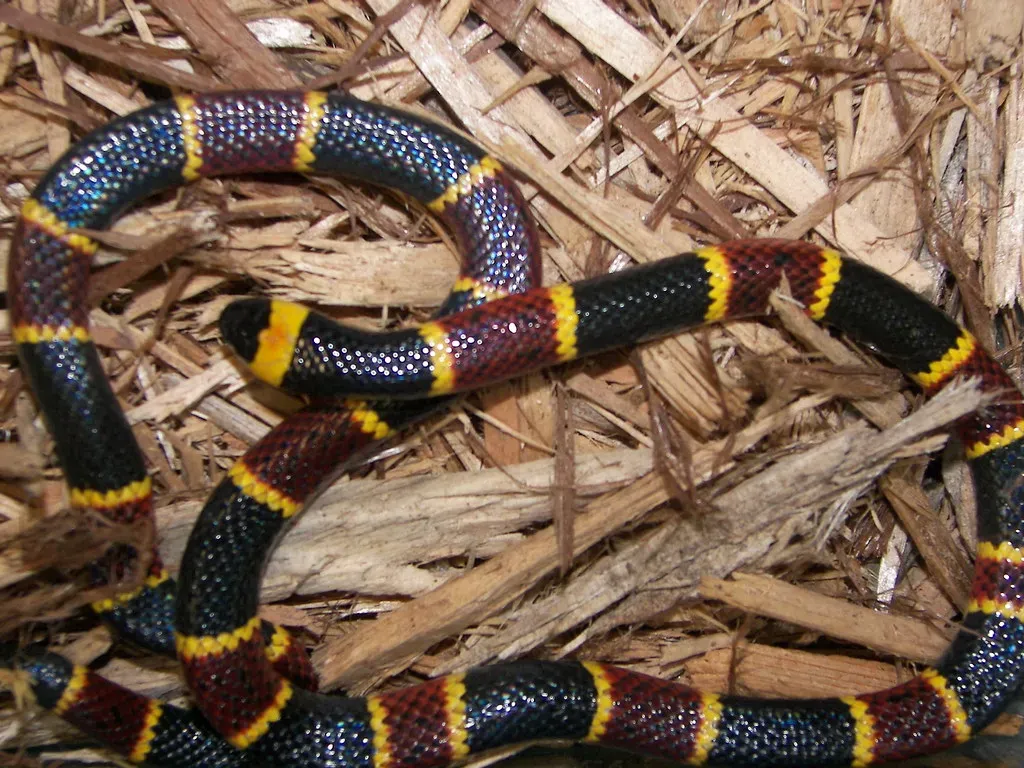
Eastern coral snakes are elusive and highly venomous reptiles that occasionally appear in southeastern U.S. backyards. Recognizable by their red, yellow, and black bands, they carry potent venom that can be fatal. Despite their toxicity, coral snakes are shy and rarely bite unless handled. Their extraordinary beauty is precisely what makes them dangerous – the instinct to pick one up can be hard to suppress.
The old rhyme about red touching yellow goes back generations as a field identification trick, though it doesn’t apply to every similar-looking species. Coral snakes deliver their venom by chewing rather than striking, which means a bite can deliver more venom than a quick-strike species. They’re not aggressive animals, but they’re also not forgiving of mistakes. Finding one coiled under a garden pot or resting against a wall on a warm afternoon is a scenario that happens more often in the South than most residents realize.
7. The Star-Nosed Mole – A Horror Show Underground
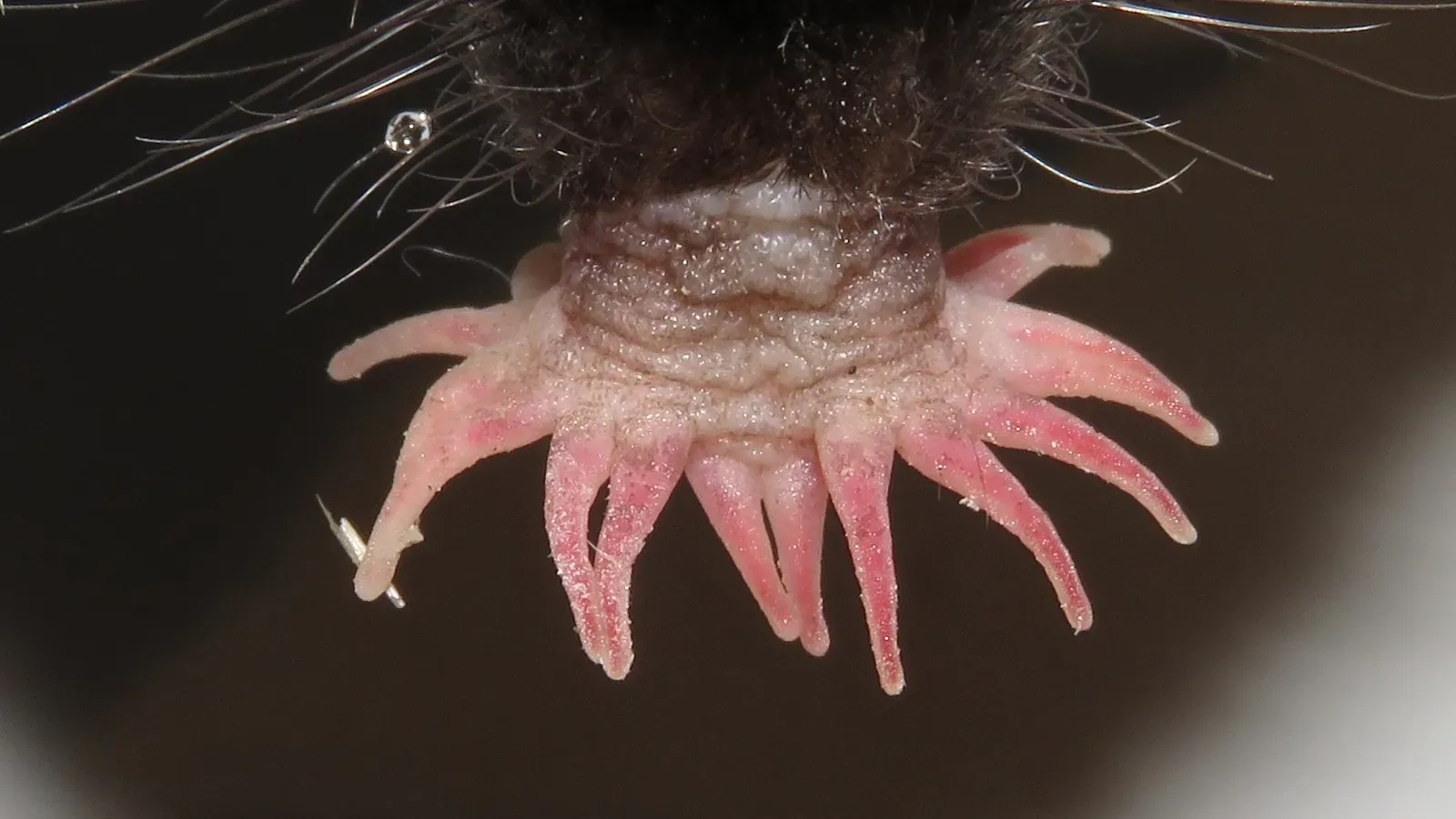
Found in swampy areas of North America, the star-nosed mole’s titular appendage consists of 22 probes with 25,000 sensory receptors, which it uses to feel its way around and to identify and eat prey so quickly that it holds the Guinness World Record for being the fastest-eating mammal. The nose itself looks like a deep-sea creature was accidentally grafted onto a small furry body – a ring of fleshy pink tentacles radiating from the face.
These moles live across a wide stretch of eastern North America, from the Atlantic coast inland toward the Great Lakes, and they’re common enough to routinely tunnel through suburban lawns and gardens. They’re completely harmless to humans, but discovering one up close for the first time is a uniquely disorienting experience. The star-shaped nose moves in rapid, twitching patterns as the animal probes the soil, and the whole creature operates at such speed that it can detect, identify, and swallow a meal in under a quarter of a second.
8. The Black Bear – The Dumpster Diver That Weighs 400 Pounds
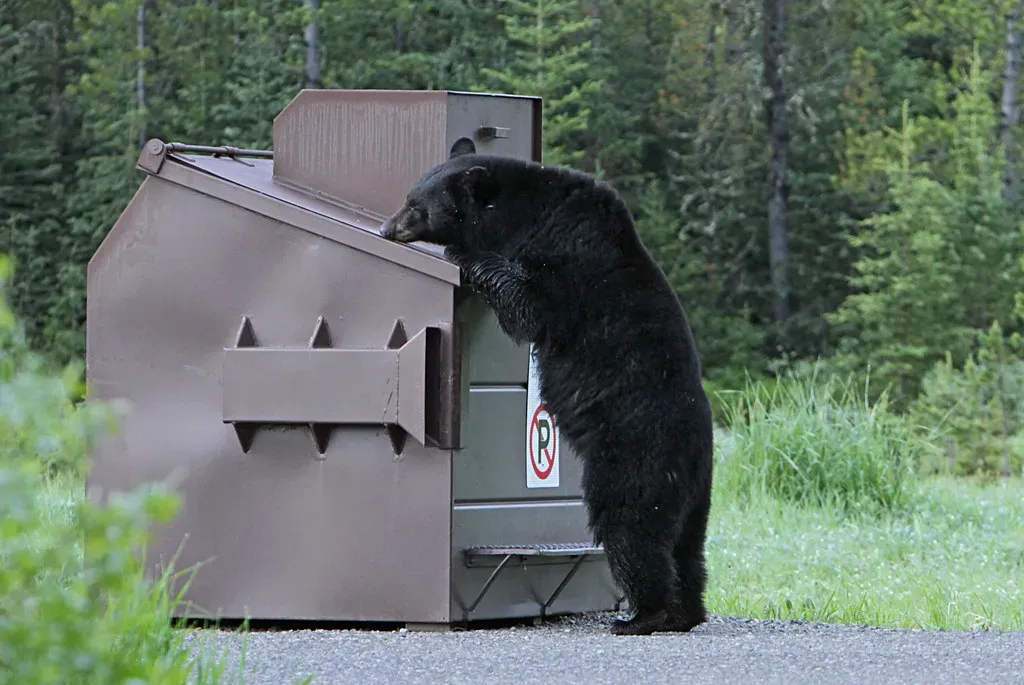
American black bears are curious creatures often drawn to backyards by the scent of food. While they are generally not aggressive unless provoked, their size and strength make them dangerous. They can be found in wooded areas across North America. When food sources like bird feeders, pet food, and trash are accessible, they may become repeat visitors.
Bears are firmly established as one of the most dangerous animals in the United States, with three species native to North America. These massive creatures can appear suddenly in backyards near wilderness areas, turning a peaceful evening into a life-threatening encounter. A black bear rummaging through garbage at 2 a.m. while the motion-sensor light kicks on is a scene that doesn’t fade quickly from memory. They’re smart, they remember food sources, and once comfortable near a neighborhood, they rarely leave on their own.
9. The Deer Tick – The Invisible Threat in the Grass
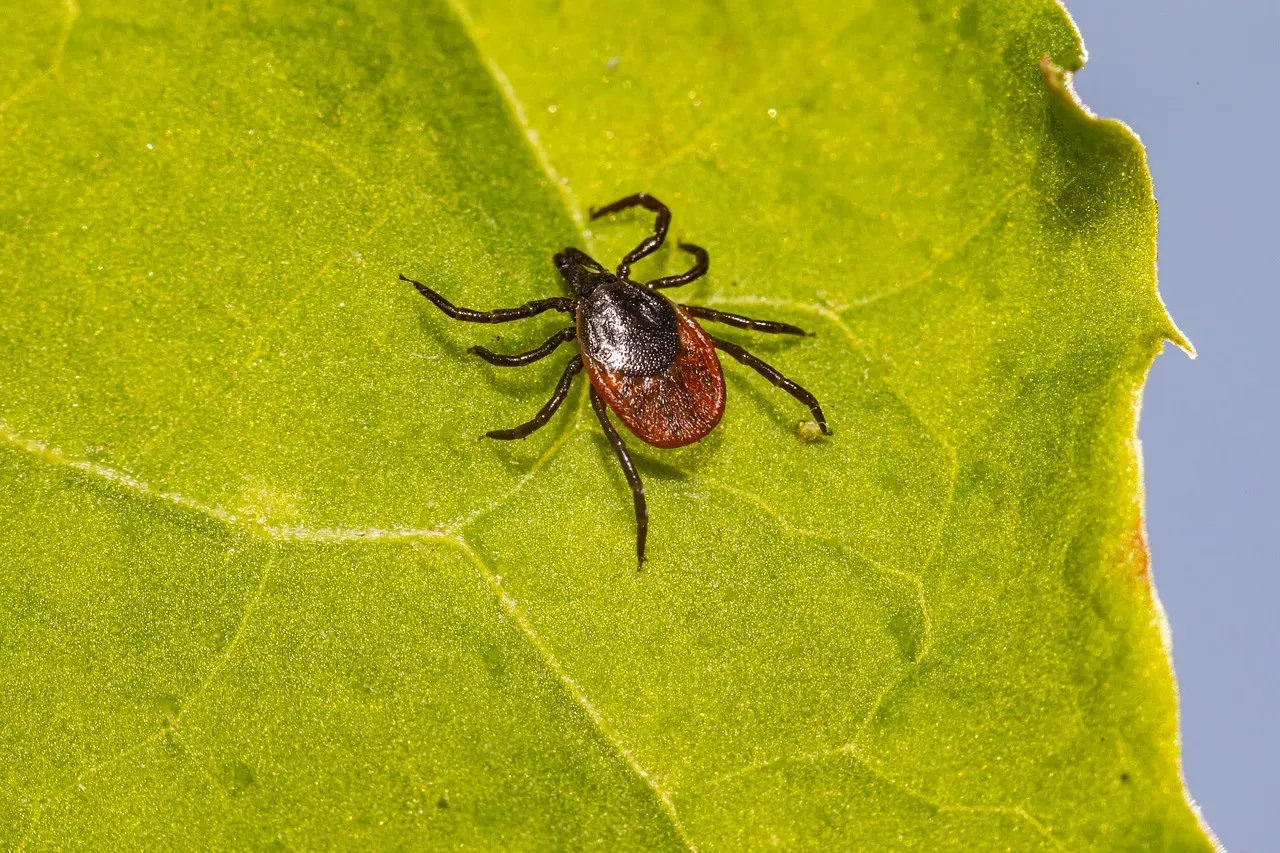
Ticks, specifically the blacklegged or deer tick, are tiny arachnids with a formidable reputation for spreading Lyme disease, babesiosis, and anaplasmosis. Their presence in backyards is often inconspicuous, hidden in grass or leaf litter. When they attach to human or animal hosts, they can transmit pathogens that cause serious illness. Nothing about them is visually dramatic – which is exactly the problem.
Ticks are minuscule arachnids that can carry Lyme disease and other serious illnesses. They thrive in grassy or wooded areas and can latch onto skin, feeding on blood, often entirely unnoticed. The horror-movie parallel here isn’t the creature’s appearance. It’s the concept: something small enough to overlook, that attaches itself to your body without your knowledge, feeds on your blood for days, and potentially leaves an illness behind that can take months to diagnose. Deer ticks are widespread across much of the United States and their range has been expanding steadily.
10. The Human Botfly – The One That Gets Under Your Skin
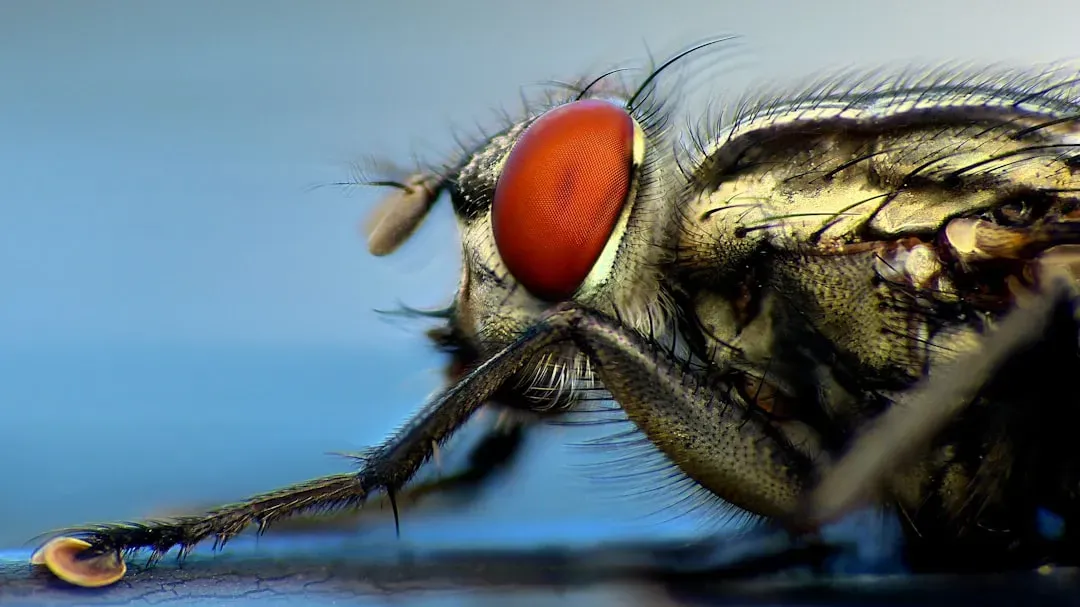
The human botfly, found in the Americas, looks like a regular, if large, fly. Human botflies lay their eggs on mosquitoes, which then feed on mammals. When that happens, the eggs hatch and the larvae burrow under the mammal’s skin, spending six to ten weeks feeding and growing before finally erupting out. If a screenwriter pitched this for a horror film, it would be rejected as too implausible.
The human botfly of Central and South America is the most famous insect to sneak its larvae into humans, but it’s not the only one capable of myiasis, and humans aren’t the only victims. Other animals that host these creatures include dogs, rabbits, and livestock. For travelers in Central and South America, or for those living near the southern U.S. border regions where range overlaps with warmer climates, the botfly isn’t a hypothetical threat. It uses the mosquito as an unwitting courier, which means the moment you get bitten in the wrong area, the delivery has already been made.
There’s something genuinely useful about knowing which unsettling creatures share our neighborhoods. Fear tends to shrink when replaced by facts. Most of these animals pose little real risk when left alone, and several play roles in local ecosystems that benefit the humans living nearby. The opossum cleans up carrion. The spider controls insect populations. Even the coyote keeps rodent numbers in check. That doesn’t make coming face-to-face with any of them at midnight any less startling. It just means the encounter has context.