
There’s something almost reassuring about birds. They sing, they flutter, they drift across ponds with elegant necks curved just so. Most people walk past them without a second thought, and that’s exactly where the trouble begins. A surprising number of bird species carry a reputation for gentleness that their actual behavior simply doesn’t support.
The gap between appearance and action is especially striking in the seven species below. Some are backyard regulars. Others are famous symbols of love and grace. All of them are capable of behavior that would genuinely shock most casual observers.
1. The Mute Swan
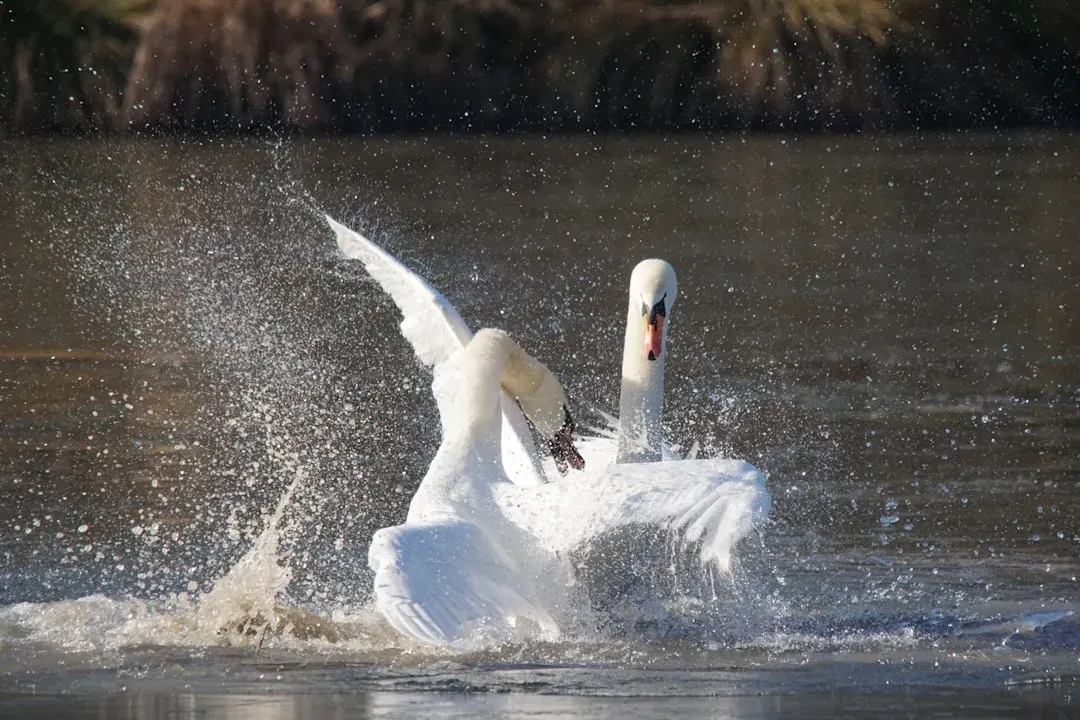
Few birds have accumulated as much cultural goodwill as the mute swan. It’s the centerpiece of fairy tales, romantic paintings, and peaceful park ponds. The mute swan swims with its long neck curved into an elegant S and often holds its wings raised slightly above its back, which only adds to its graceful image. Reality, though, tells a different story.
Nesting mute swans should be given plenty of space. They can be extremely aggressive and frequently attack canoeists, kayakers, and pedestrians who wander too close to a nest or chicks. Mute swans are capable of inflicting bruises, sprains, and bone fractures, and in at least one case in Illinois, a mute swan attack resulted in a human fatality when a man in a kayak ventured too close to a nest and the swan caused him to capsize. Male swans have also been observed fighting each other to the death when defending territories during breeding season, with particularly violent clashes sometimes ending fatally for one combatant.
2. The Northern Mockingbird
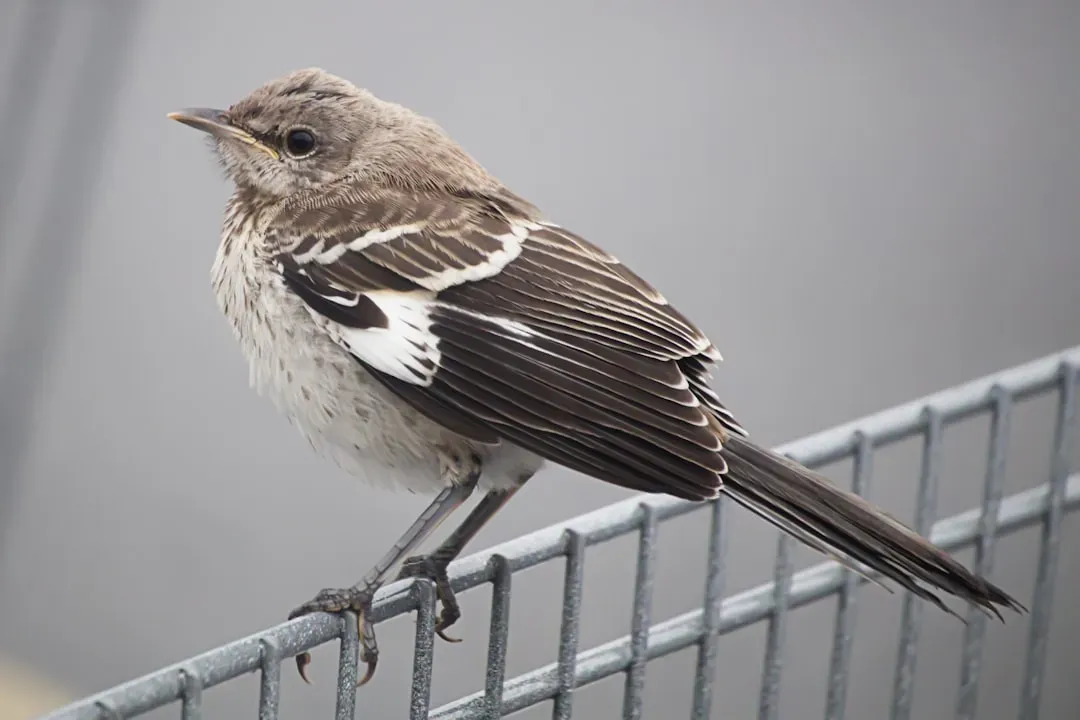
With its slender gray body and cheerful, endlessly varied song, the northern mockingbird is easy to love from a distance. If you’ve been hearing an endless string of different birds singing outside your house, you might have a northern mockingbird in your yard. These slender-bodied gray birds apparently pour all their color into their personalities, singing almost endlessly and flagrantly harassing birds that intrude on their territories.
The northern mockingbird is aggressive throughout the year. Females typically fend off other female mockingbirds, while males confront male intruders. In addition to harassing domestic cats and dogs, mockingbirds will at times target humans, and the birds are bold enough to attack much larger birds, even hawks. A 2009 study showed that mockingbirds could recognize a human who had previously disturbed their nest, preferentially attacking that person while leaving other nearby humans alone.
3. The Canada Goose
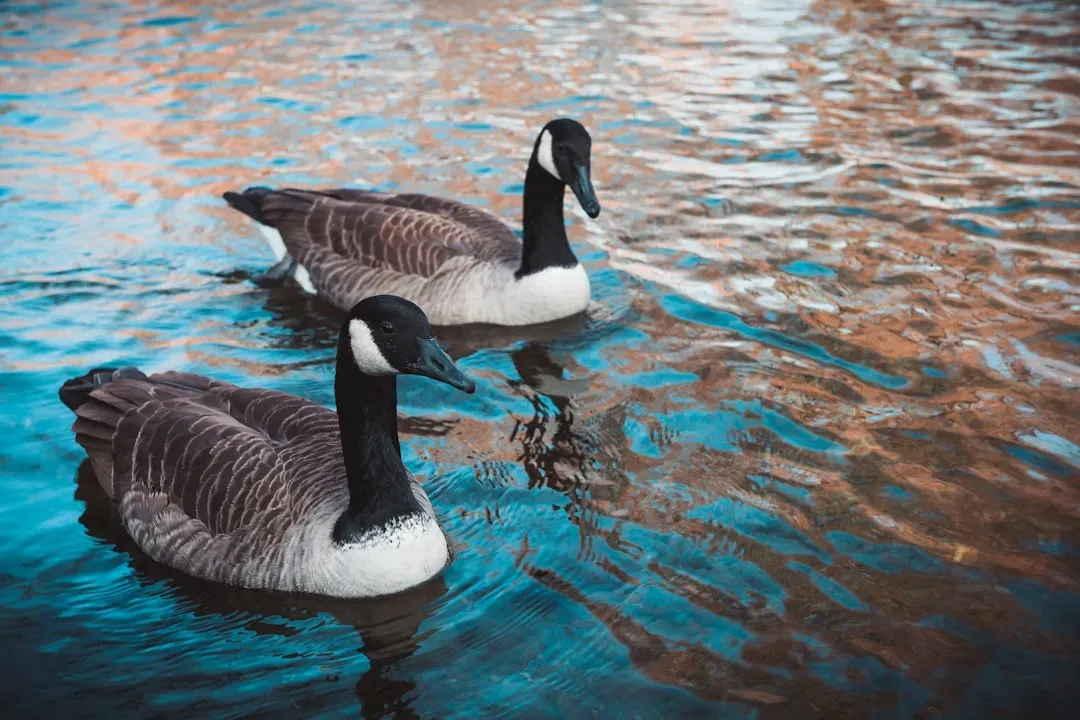
Canada geese have become so familiar in parks and office complexes that many people barely notice them anymore. They honk, they waddle, and they graze on lawns in cheerful-looking groups. Urban nesting has increased in recent decades, bringing more human-goose conflicts, with nests often built in planters, near entrances, or on rooftops.
Canada geese are very aggressive toward potential threats to their goslings and will flap their wings, hiss, scratch, and bite humans with minimal provocation. In 2014, a woman in Ottawa was attacked so viciously that she had to be hospitalized for five days with a concussion, fractured cheekbone, face lacerations, and loose teeth. Running, yelling, or turning your back can provoke stronger attacks, and despite their aggressive behavior, Canada geese are protected under law in many regions, making disturbing their nests without a permit illegal.
4. The Great Horned Owl
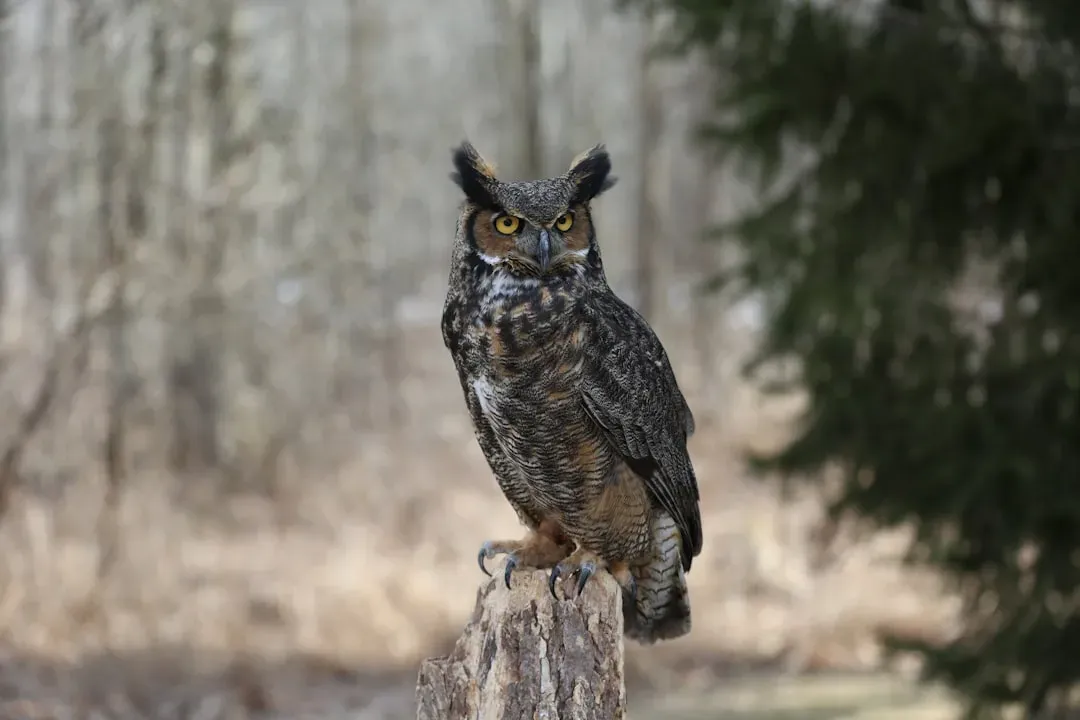
The great horned owl is one of North America’s most recognizable birds, often photographed perched calmly on a branch with its signature ear tufts and wide, amber eyes. It’s a popular subject for wildlife photography and a favorite at nature centers. Known as the “tiger of the sky,” the great horned owl is a fierce predator with a powerful grip and razor-sharp talons that it can use to take down ground-dwelling animals and even other birds of prey.
These owls are extremely territorial and will defend their nests aggressively, sometimes attacking humans who get too close. With their stealthy flying abilities and strong beaks, great horned owls can cause significant injuries to anyone unknowingly venturing into their nesting area. The clutching force of their talons can be as strong as 500 psi, similar to the bite of a large guard dog, and great horned owls tend to concentrate their attacks on the face and head in battles with larger animals.
5. The Red-Winged Blackbird
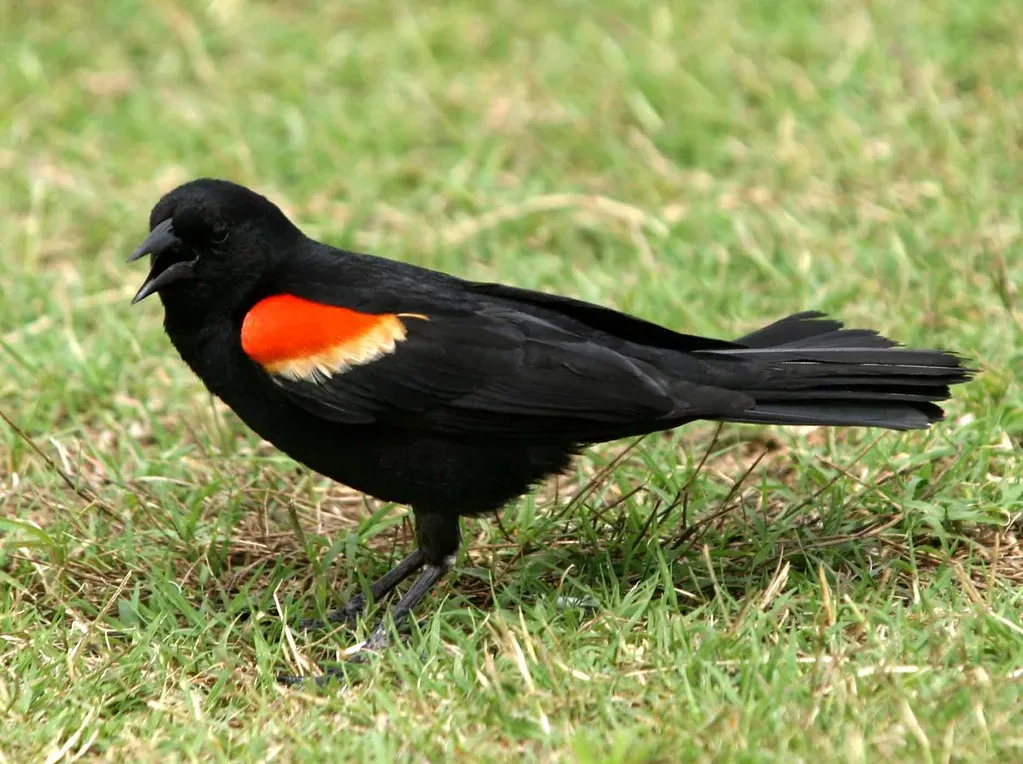
The red-winged blackbird is a common sight across North American marshes and roadside ditches. The male’s glossy black plumage and bright red shoulder patches are striking, but the bird itself is small enough that most people don’t think twice about walking near one. The glossy black feathers and nearly fluorescent red and yellow wing patches of the male are eye-catching, while the females, often mistaken for sparrows, are a dull brown, camouflaged to prevent harassment during nesting. Nests are usually constructed near water, among cattails, rushes, or other tall vegetation.
Perhaps no bird has a reputation for being a bully as much as the red-winged blackbird, and deservedly so. If their songs and aggressive displays of fluffed feathers and raised wings don’t work to chase away threats, these birds will physically enforce their claim over a patch of land, a behavior that has earned them their reputation as a fearsome, aggressive species. Parks, hospitals, and schools have closed down pathways around nesting areas as people and pets become targets of swooping dive bombs. Defending their territory is serious business for male red-winged blackbirds, accounting for as much as a quarter of their time during daylight hours, according to the Cornell Lab of Ornithology.
6. The Barred Owl
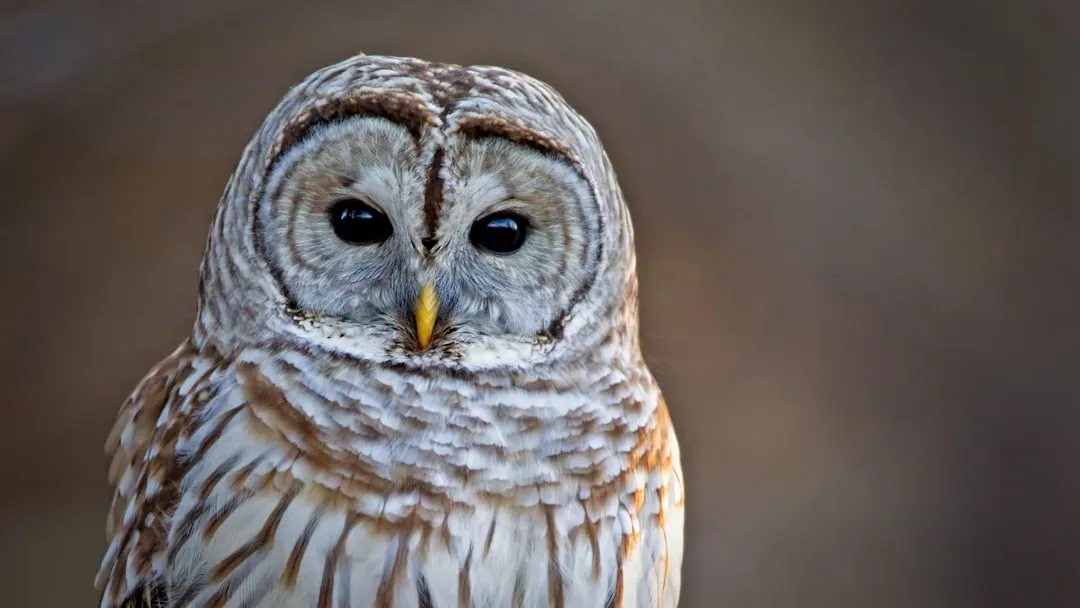
The barred owl is one of those birds that feels unthreatening almost by design. It has soft, rounded features, dark gentle eyes, and a call so distinctive it’s often described as sounding like “Who cooks for you?” The barred owl is a widespread forest-dwelling species found throughout much of North America, from the eastern woodlands to the Pacific Northwest. With its dark eyes, ghostly barring, and eerie call, it often goes unnoticed until it strikes. Though not predatory toward humans, the barred owl is surprisingly aggressive and highly territorial.
The barred owl has been involved in several aggressive encounters with humans. These owls are extremely territorial and have been known to swoop down and attack hikers or anyone who gets too close to their nests. Though smaller than some other birds of prey, barred owls can still inflict painful wounds with their talons and beak. Attacks typically occur during nesting or pre-breeding season but can also happen in autumn, especially in areas where forest habitat has been fragmented.
7. The Blue Jay
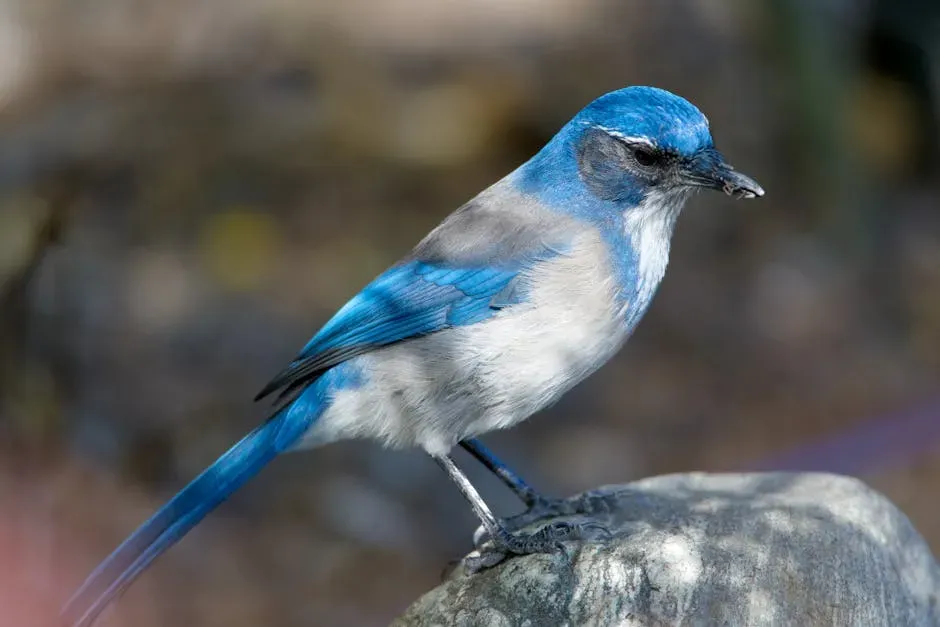
Blue jays are genuinely beautiful birds. Their vivid cobalt plumage, bold black markings, and perky crest make them a highlight of any backyard bird feeder, and many people actively try to attract them. Aesthetics, however, don’t tell the whole story. Blue jays get a lot of attention because of their bright blue color, but they can be a bit of a bully around other birds. In fact, many avid birders aren’t big fans of blue jays because of their bullying antics, as they are very territorial and aggressive and are known to force other birds away from feeders.
Blue jays sometimes eat the eggs and even nestlings from other birds’ nests. They can also be quite noisy, loudly calling to drive other birds away, and because they are highly intelligent, they can easily outsmart other birds at feeders. In some cases, birds like the blue jay may also recognize individual intruders and repeatedly target them, showing behavior that seems almost calculated and deliberate. Intelligence, it turns out, cuts both ways.
What makes these seven species so genuinely surprising isn’t just the aggression itself. It’s the contrast with the image each one projects. A swan gliding silently across a pond, an owl peering down from a branch, a mockingbird filling a summer evening with song – none of these trigger any instinct for caution. That disconnect is worth keeping in mind the next time you stop to admire the birdlife around you.