
Fear is a powerful storyteller. It takes a single dramatic headline, a blockbuster film, or a centuries-old folktale and turns a living creature into a symbol of pure menace. The problem is that symbols rarely match reality, and in the animal kingdom, that gap between reputation and truth is often enormous.
Researchers, ecologists, and wildlife biologists have spent decades trying to correct the record on animals that have been reflexively labeled dangerous. What they keep finding is the same thing: context matters, behavior is complex, and the creatures we fear most are often the ones we understand least.
1. The Great White Shark
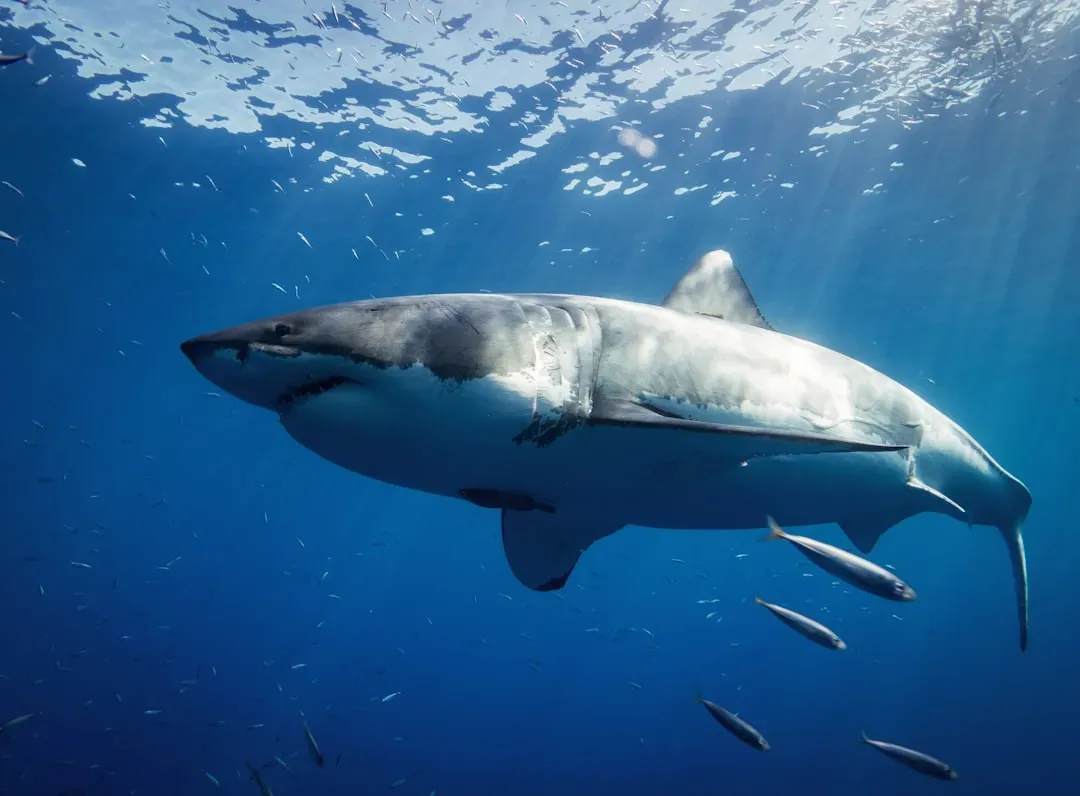
Few animals carry a heavier cultural burden than the great white shark, and most of that weight was placed there by a single 1975 film. Once Peter Benchley, the author of Jaws, realized how his book had negatively impacted public perception of sharks, he dedicated much of his later career to shark conservation, education, and dispelling negative shark myths. That’s a telling detail: the man who invented the monster spent the rest of his life apologizing for it.
The actual data tells a very different story. According to the Florida Museum’s 2024 International Shark Attack File, seven people died in unprovoked shark attacks in 2024, which is in line with the average of six people per year. The risk of death from a shark attack is one in 4.3 million around the world. Meanwhile, sharks have far more to fear from humans than we do from them, with millions of sharks killed every year through fishing, bycatch, and the shark fin trade, while attacks on humans remain minimal.
2. The Wolf
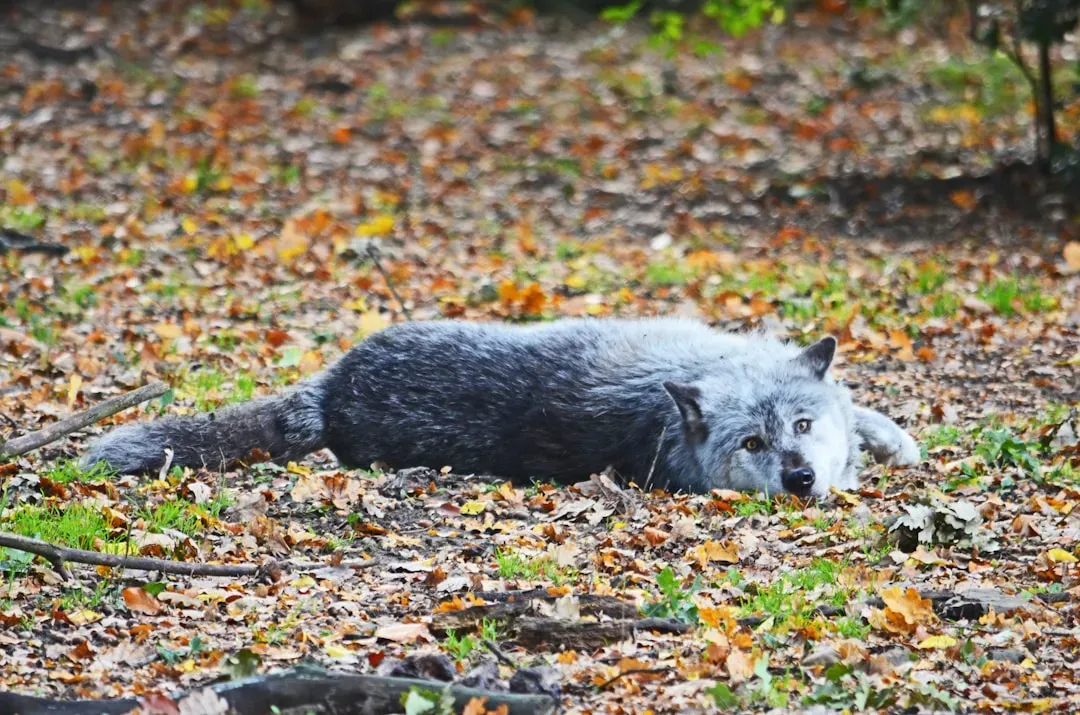
Wolves have been cast as villains in folklore for so long that the mythology feels almost inseparable from the animal itself. Wolves show up in stories on every continent where they live. They’re the villain in old folktales, the symbol on flags and sports jerseys, the “shadow in the trees” in scary movies. Because wolves are so myth-loaded, real wolves often get buried under imaginary ones.
The fact is that the risk to human safety from wolves is generally low, and wolves typically avoid people. Documented attacks exist worldwide, but a large share of severe incidents are associated with specific contexts like rabies, habituation, food conditioning, or unusual circumstances. Beyond their reputation, wolves serve a critical ecological role. Wolves are apex predators that can help balance ecosystems by shaping prey behavior and supporting natural processes. In many places, the bigger story isn’t “wolves destroy nature,” but “ecosystems shift when large predators disappear.”
3. The Hyena
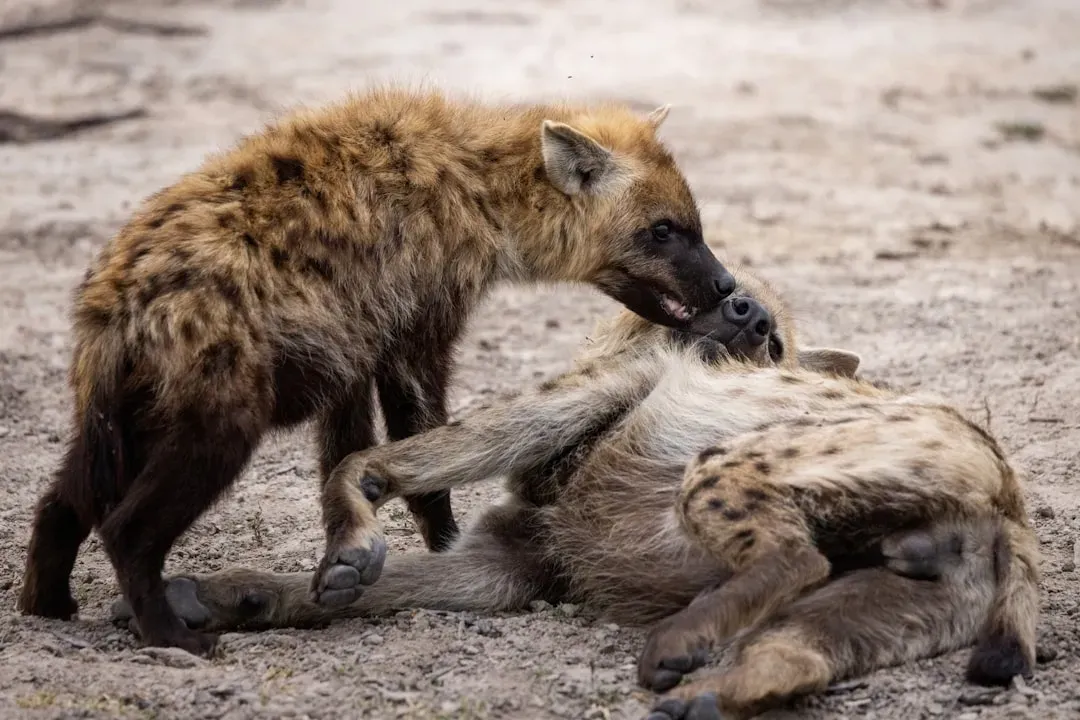
The hyena might be the most cinematically vilified animal on Earth. From a modern perspective, “The Lion King” bears a significant share of the responsibility for painting hyenas in an evil light. The “laughing villain” image stuck, but it has almost nothing to do with how hyenas actually live. While the spotted hyena does have a vocalization that sounds a bit like laughter, it’s actually used by lower-ranking clan members to express stress or fear.
Much of the hate towards hyenas has grown from misunderstandings and exaggerations. While two species of hyena, the striped hyena and brown hyena, do scavenge food from predators, the spotted hyena and aardwolf rarely do. The spotted hyena hunts prey of all sizes, from small rabbits to 800-kilogram buffalos, while the latter lives on termites. Hyenas are exceptionally successful predators and extremely important to the health of their habitats. They help control the populations of multiple prey species and prevent the spread of disease by consuming every last part of animal carcasses.
4. The Bat
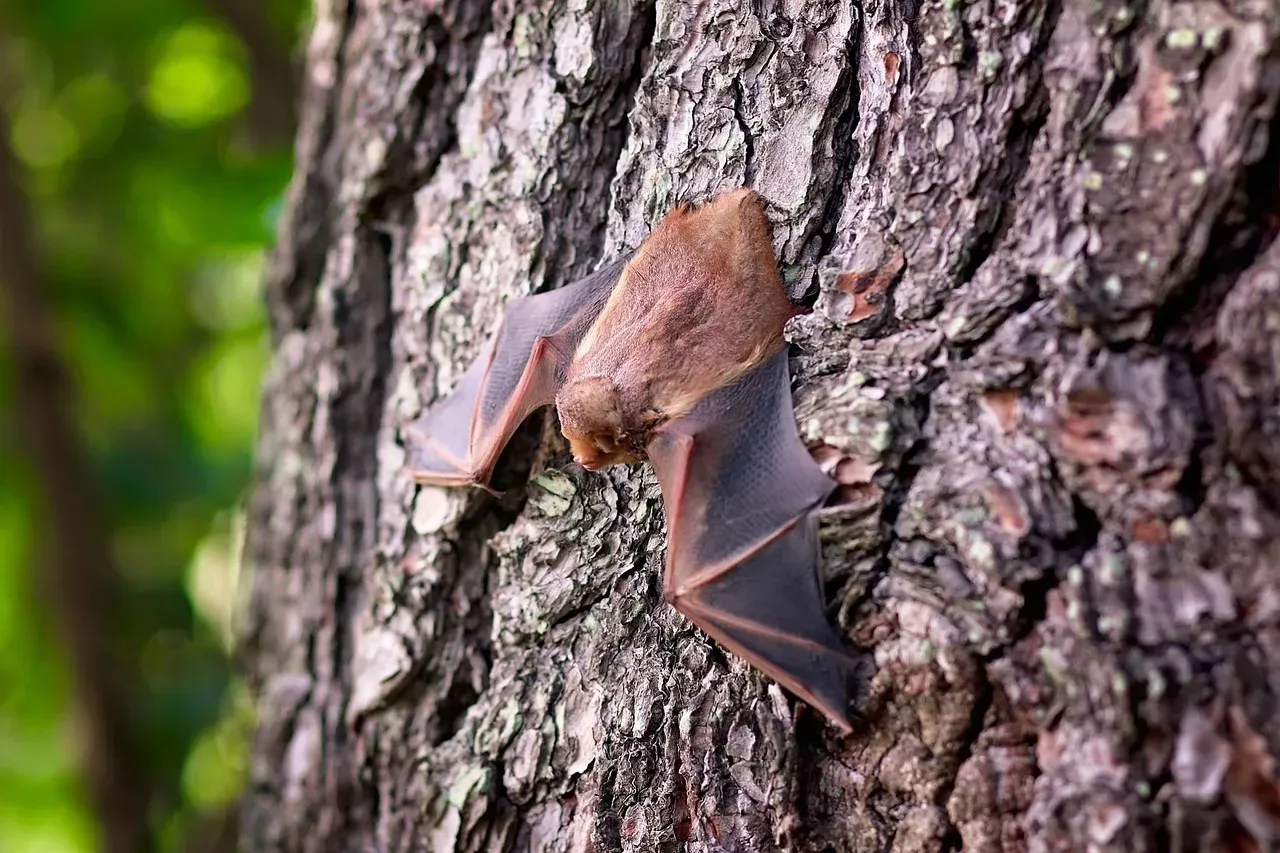
Bats have accumulated one of the most unfair reputations in the animal kingdom. Bats are often associated with darkness, disease, and fear. In some cultures, they are considered bad omens, while in films, they are portrayed as scary. The reality, though, is almost the exact opposite of dangerous.
The majority of bat species exist as insect-eating creatures which help farmers by controlling harmful crop insects. Certain bat species assist in pollinating plants, which enables the growth of various fruits and flowers. The existence of certain bat-related diseases does not imply that all bat species pose a danger to humans. Globally, bats are considered among the most ecologically valuable mammals, yet fear-driven persecution remains one of their primary threats.
5. The Common Spider
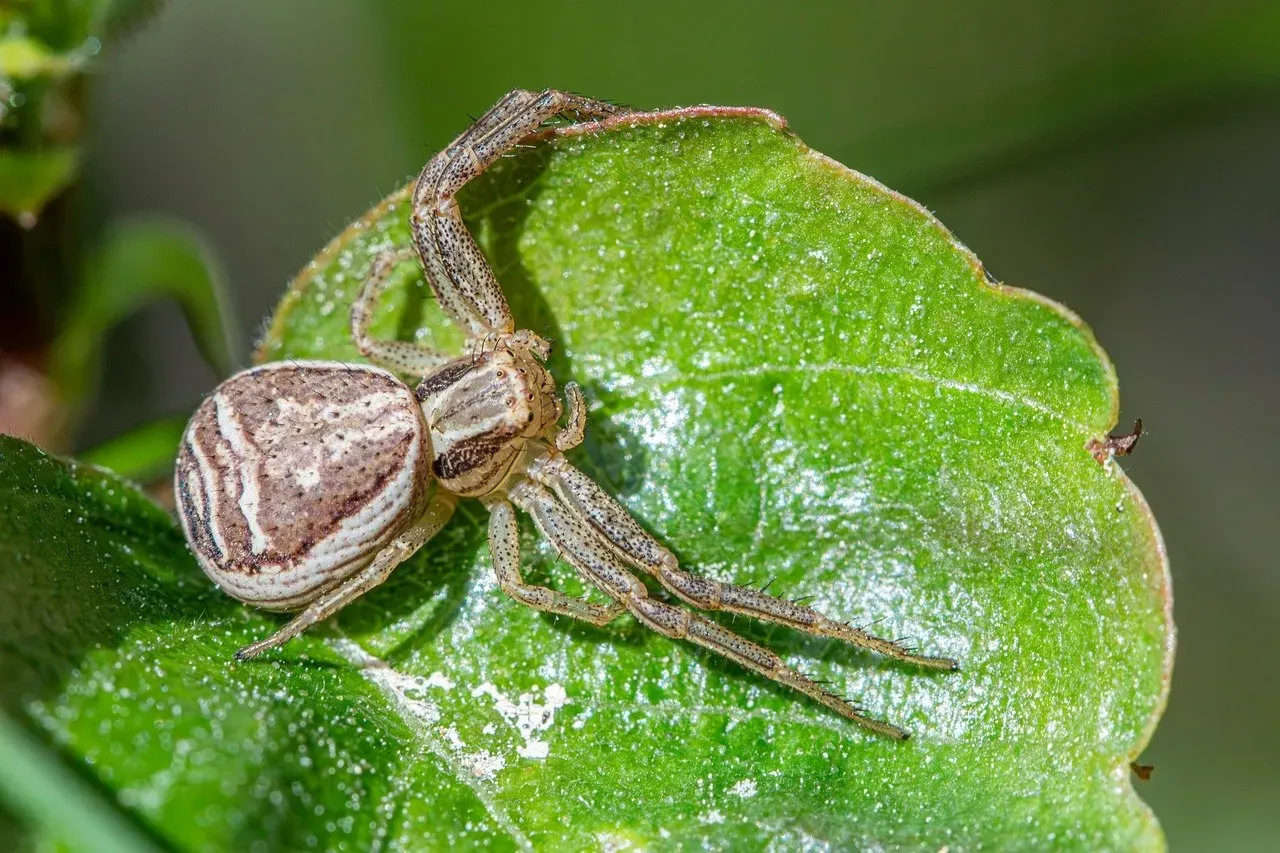
Arachnophobia is one of the most widespread phobias in the world, yet the fear vastly outpaces any real danger. Although almost all spiders are equipped with venomous fangs, very few cause significant reactions in humans. In North America, there are only two kinds of spiders with bites that can sometimes be medically dangerous: the brown recluse and widow spiders.
Between 2008 and 2015, there were only six recorded deaths due to spider bites, according to the Mississippi State University Extension Service. Annual deaths from encounters with other animals are far more common, including dogs at 34 and large livestock at 74. Even lightning is a more likely cause of fatal injury than a spider. Setting aside their misrepresentation as deadly to humans, spiders join snakes among the ranks of nature’s most important pest controllers. Spider webs perform a crucial role by helping keep insect populations in check. Without spiders, crops and homes would be far more impacted by problem insects, including disease-carrying ones like mosquitoes.
6. The Piranha
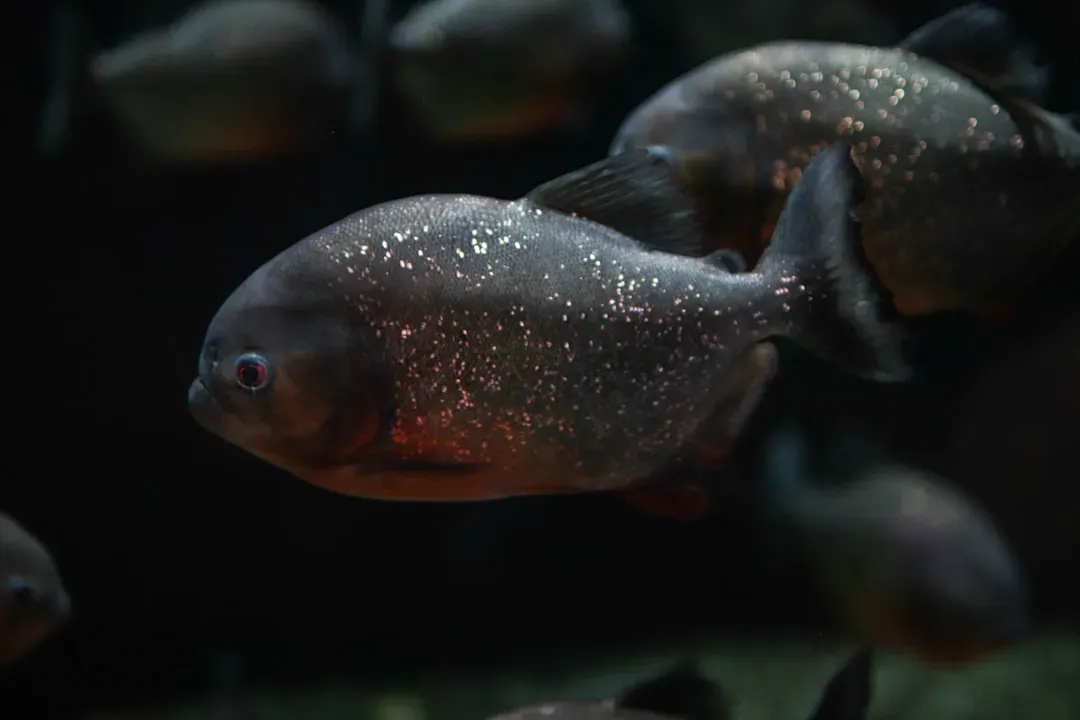
The piranha’s reputation as a flesh-stripping, human-devouring swarm predator is largely a Hollywood invention. Even though piranhas look like a species born in the depths of hell, they’ve really gotten a bad rap over the years. The belief that they attack live animals, even humans, is largely a myth. Although it is true that they have scary teeth and barbarically strip their prey’s skin to feed, they largely prefer other targets.
There are no known instances of a piranha swarm intentionally attacking or killing a human being. One-off bite cases have occurred when fishermen have accidentally caught piranhas in their nets, which is quite understandable. Despite what movies depict, piranhas don’t kill mammals for food because their usual dietary preference consists of dead or decomposing carcasses. People in the Amazon actually swim in piranha-infested rivers all the time. Others have even tried to be eaten by entering tanks full of piranhas, coming out with nothing but a few nibbles, which is certainly not the stripped-down-to-the-bone aftermath that films lead us to expect.
7. The Komodo Dragon
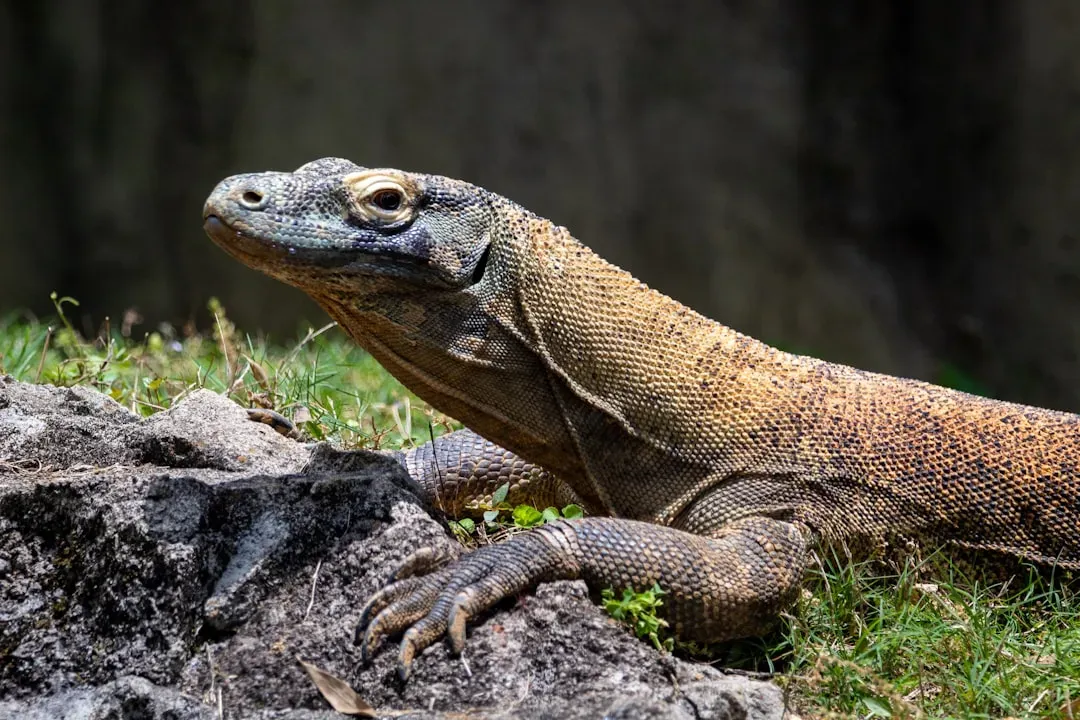
The Komodo dragon has long been described as a creature so dangerous it kills through the bacteria in its own mouth. That narrative was gripping, widely repeated, and largely wrong. The man responsible for the myth was Walter Auffenberg. He saw prey developing nasty infections following bites from Komodo dragons and guessed that their method of killing must be bacteria. Thanks to his book “The Behavioral Ecology of the Komodo Monitor,” nearly everyone today believes the bacteria theory without having tested it.
Later research revealed that Komodo dragons do possess venom glands, not bacterial death chambers, making their biology more nuanced than the original story suggested. Monitor lizards, particularly the Komodo dragon, are often considered among the most intelligent reptiles due to their problem-solving skills and memory. Komodo dragons are apex predators on their Indonesian islands, but attacks on humans are exceedingly rare and typically linked to people encroaching on the animals’ space.
8. The Hippopotamus
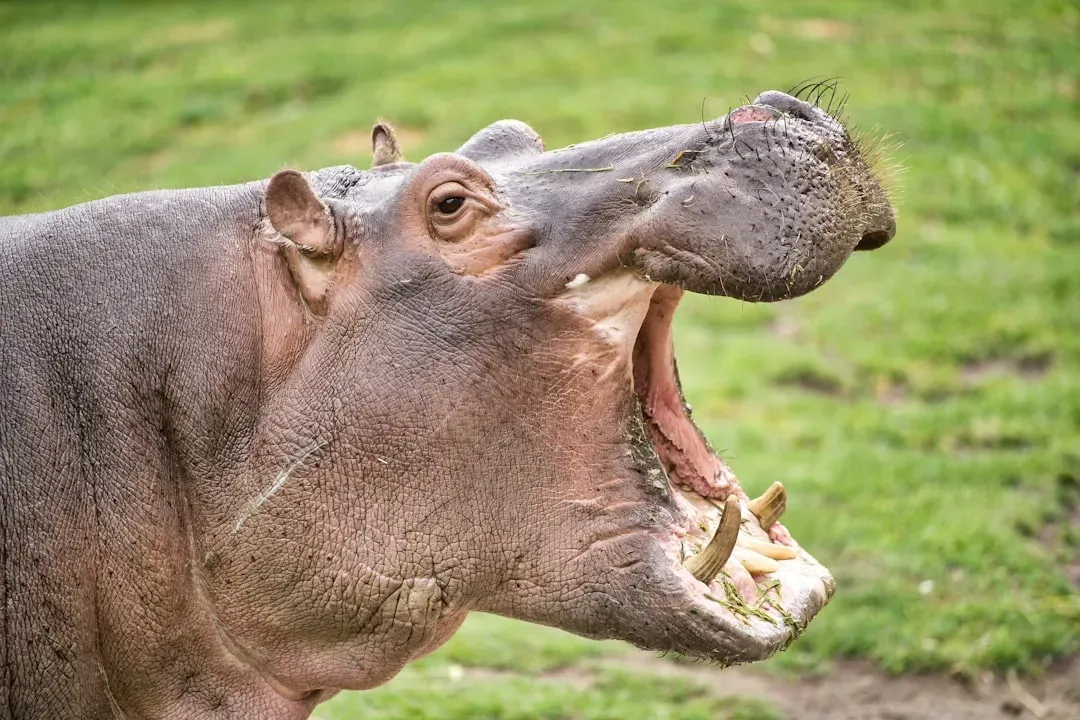
The hippopotamus looks round, slow, and almost comical on the surface. That appearance is dangerously deceptive. Accounts recording the number of human deaths per year by hippo attack range from about 500 to about 3,000. It is thought that hippo attacks on small boats are antipredator behavior, with the hippos mistaking them for crocodiles. As a result, hippos have long had a largely undeserved reputation as simply aggressive animals.
The “misunderstood” label here isn’t about minimizing the danger. Hippos are genuinely hazardous. The point is that their aggression is territorial and defensive, not predatory. Hippos really only attack people who have entered into what they consider their territory. On land, hippos aren’t generally territorial, but getting close is still a bad idea. Despite their stocky legs, an angry hippo can easily outpace a human, averaging around 20 mph in short bursts. Understanding the difference between a predator hunting you and a territorial animal defending its space changes how conservationists approach human-hippo conflict.
9. The Snake
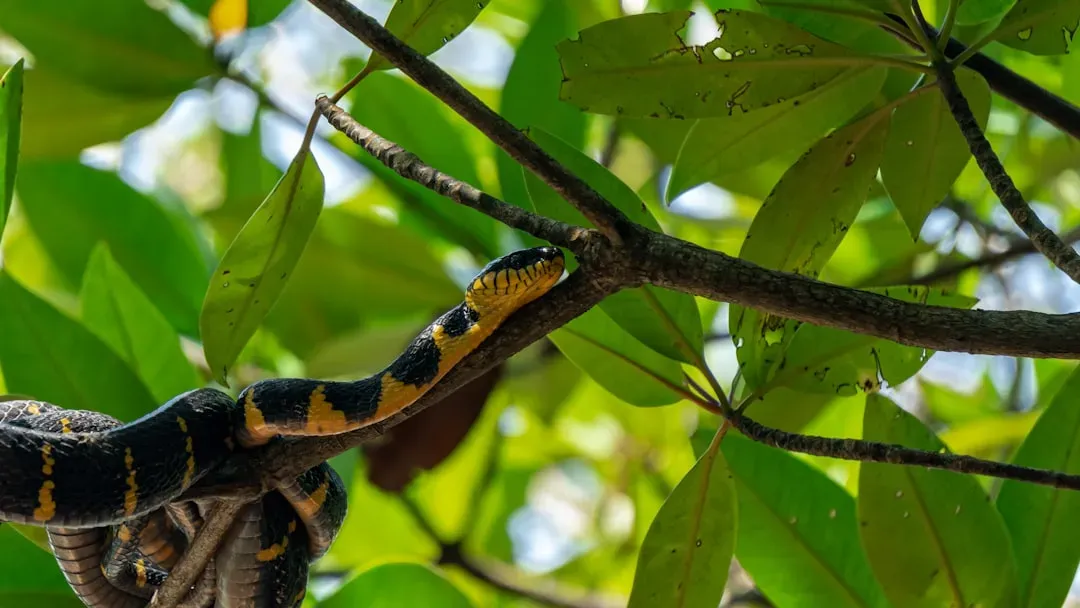
Snakes have been objects of human dread since antiquity, woven into mythology, religion, and folklore as symbols of death and evil. The actual numbers, however, paint a far more measured picture. Thanks to a less-than-wholesome depiction in folklore and superstition, snakes have an undeserved reputation as deadly predators. In fact, the vast majority of snake species are harmless. Of the estimated 3,900 species of snake in the world, only about 17 percent are venomous.
Of those venomous snakes, only 200 species are considered harmful to humans. Snakes bite not to attack humans, but in self-defense. They control harmful species like rats in fields and forests. Without snakes, rat populations could rapidly increase, damaging crops and food stocks. Most bites occur when someone accidentally steps on or provokes a snake, which makes education and awareness far more useful than extermination campaigns.
10. The Orca (Killer Whale)
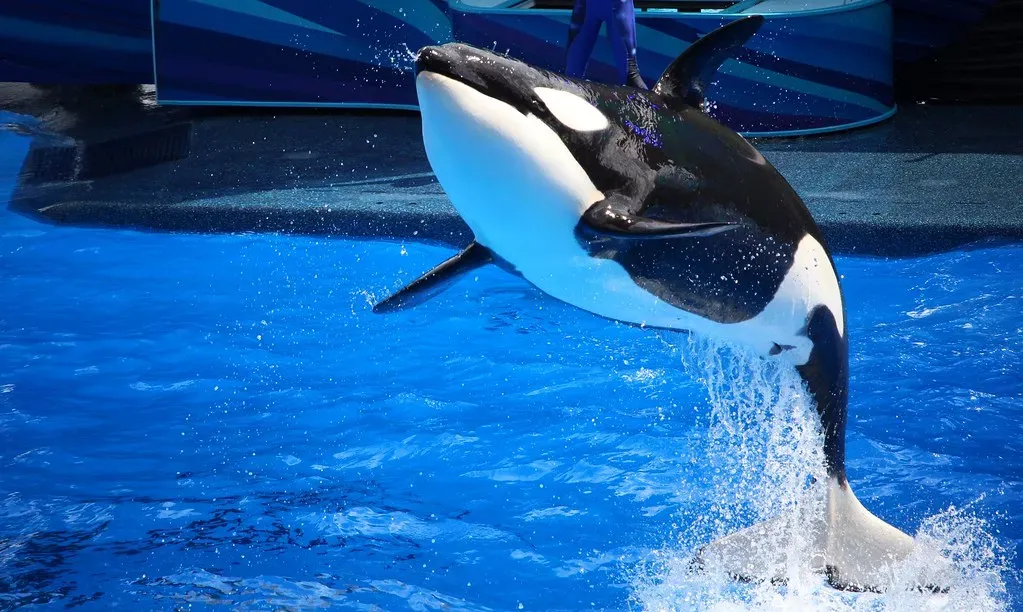
The name “killer whale” practically guarantees a reputation problem, yet the science behind orca behavior tells a surprisingly different story. Although orcas are called killer whales, they do not actually belong to the whale family. They belong to the dolphin family Delphinidae. In the wild, there is no verified record of a wild orca killing a human being, despite decades of close human contact in the open ocean.
Sharks, and similarly orcas, are complex, intelligent beings. Some species form structured social groups and work with each other to obtain food. Orcas operate in tight family pods with sophisticated communication systems, demonstrating culture, learning, and long-term memory. Their “killer” label comes from their role as apex ocean predators, hunting marine mammals with coordinated skill. That’s ecological function, not malice. The distinction matters enormously when it comes to how we choose to protect or persecute them.
Across all ten of these animals, a common thread emerges: the danger we assign to a creature rarely matches the danger it actually poses. Misunderstanding breeds fear, and fear, left unchecked, breeds persecution. When we declare an animal dangerous without understanding it, conservation efforts are hampered. Often, due to misunderstanding, these animals are hunted or their habitats destroyed. The science is increasingly clear: knowing an animal better almost always makes it less terrifying, and almost always reveals a creature worth protecting rather than eradicating.