
There’s a very human reflex when a certain kind of insect enters the room: the body stiffens, the pitch of the voice rises, and the nearest shoe suddenly looks like a weapon. That reaction is understandable. Millions of years of evolution have wired us to be cautious around creatures that look threatening. The problem is, our instincts are often pointing us in completely the wrong direction.
The truth is that there are millions of insect species in the world, with more than 100,000 found in the United States alone, and less than one percent of these actually feed on plants in a harmful way – there are many more beneficial insect species than harmful ones. The insects most likely to send someone running out of a room are frequently among nature’s most essential workers. Here are ten of the most panic-inducing insects on the planet, and the reasons you should actually be glad they exist.
1. The Wasp
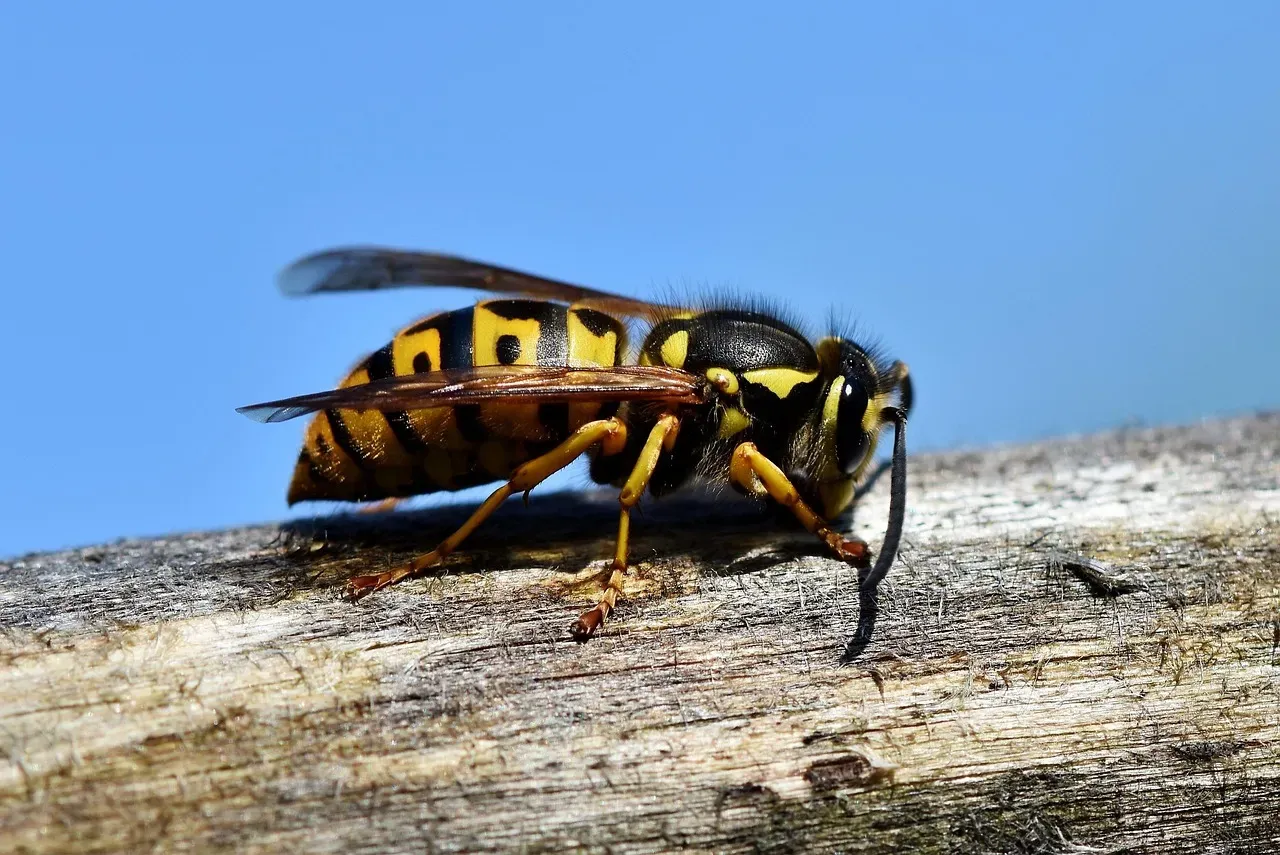
Few insects inspire the same rapid retreat as a wasp. The sight of those yellow and black stripes near a picnic table tends to end conversations mid-sentence. However, the social wasp species, including the yellowjacket, represents just one and a half percent of all wasp varieties – wasps make up an enormously diverse array of insects, with some 30,000 identified species, and roughly 98.5 percent of wasp species are solitary, non-stinging varieties.
Research synthesizing evidence from more than 500 scientific studies has shown the many ways wasps provide ecosystem services, from pollination and pest control to seed dispersal and decomposition. Their most important role is regulating populations of insects and other arthropods such as mites and spiders. Each summer, social wasps in the UK alone capture an estimated 14 million kilograms of insect prey, such as caterpillars and greenfly. Evidence shows wasps visiting more than 960 plant species, including 164 that depend completely on them – best known of these are figs, key to the survival of more than 1,000 tropical bird and mammal species, and orchids, with more than 100 orchid species relying on wasps as pollinators.
2. The Praying Mantis
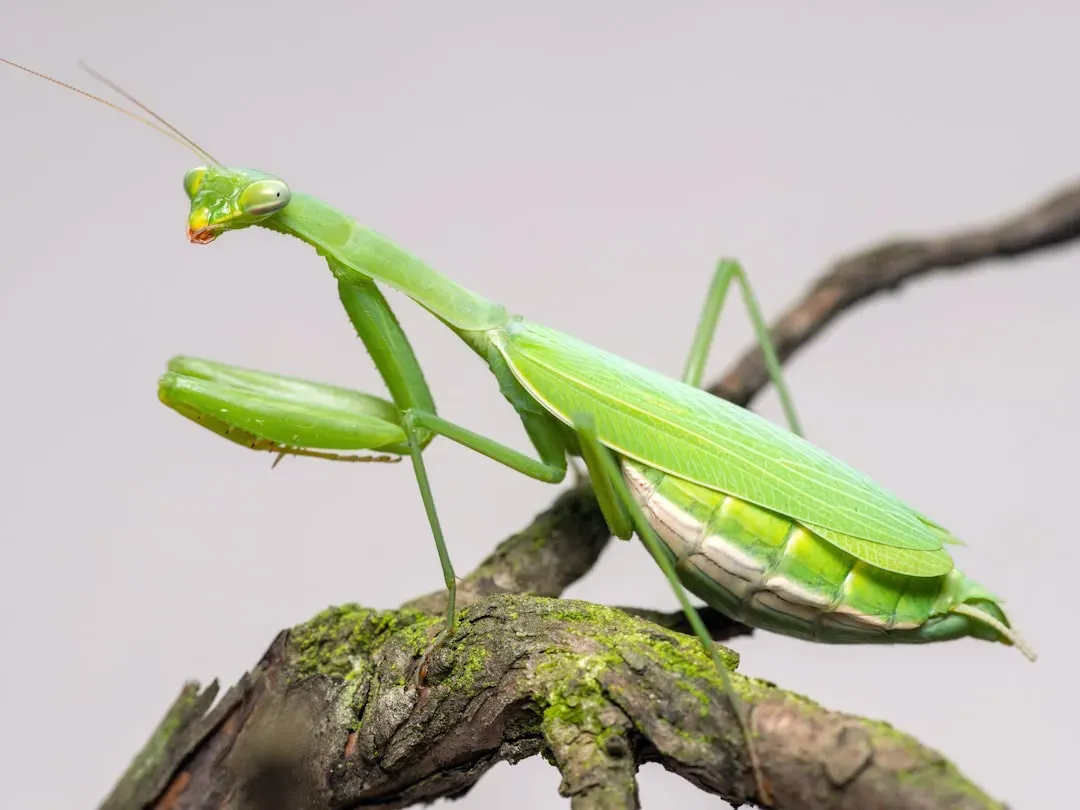
A praying mantis sitting perfectly still on a windowsill, head swiveling slowly, is the kind of sight that makes people back away slowly. These are large, scary-looking insects usually more than two inches long, may be green or brown, with front legs modified for grasping and holding prey – and they are the only insects able to look over their shoulder. That alien-like quality is exactly what makes so many people uneasy around them.
Mantises play a dual role in ecosystems: they reduce pest populations by feeding on insects like aphids, flies, and caterpillars, while also serving as a food source for birds, frogs, and bats. They can serve as ecological indicators, providing valuable insights into environmental health – due to their sensitivity to habitat changes and pollution levels, a decline in mantis populations may signal underlying issues such as habitat degradation or pesticide contamination. Praying mantises may be startling to encounter, but they are a good sign of a healthy ecosystem.
3. The Assassin Bug
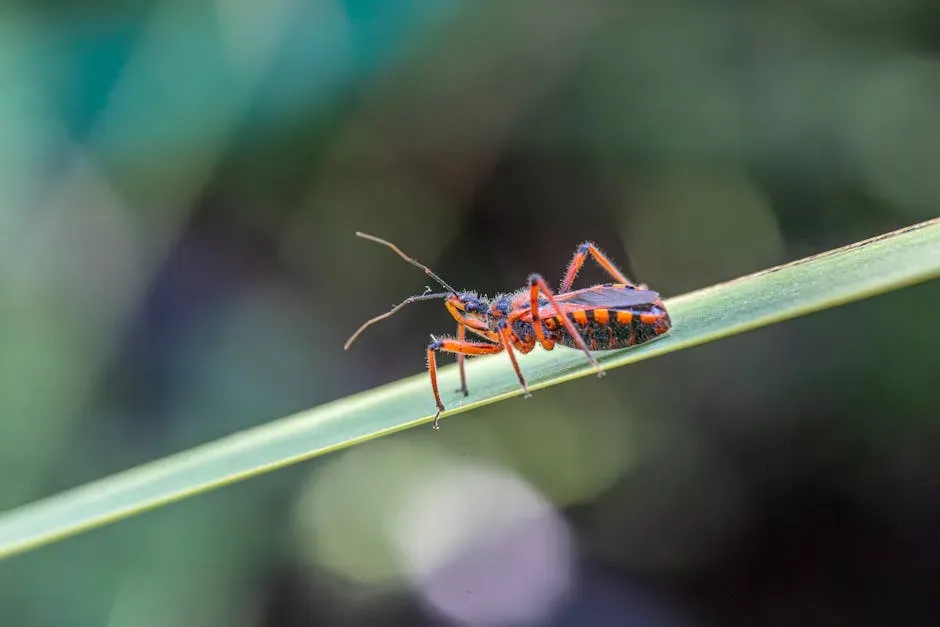
The name alone is enough to unsettle most people. Assassin bugs are efficient predators, and they look the part – battleship grey with spikes down their backs, they look like they’re wearing armor. Some species, like the wheel bug, have a spiky gear-shaped structure on their back that seems designed purely to unnerve onlookers. Assassin bugs are generally black or brown, many are brightly colored, and their short curved beak is used like a needle to inject venom into soft-bodied prey like flies, mosquitoes, earthworms, and aphids.
Assassin bugs eat almost any bug, making them ecological balancers that keep insect populations in check. The range of pests they control includes caterpillars, beetles, grasshoppers, leafhoppers, and aphids. Their appetite is broad enough that they’re considered one of the most effective generalist predators in the garden. Given how quickly aphid populations can explode and devastate crops, having assassin bugs nearby is genuinely valuable.
4. The Dobsonfly
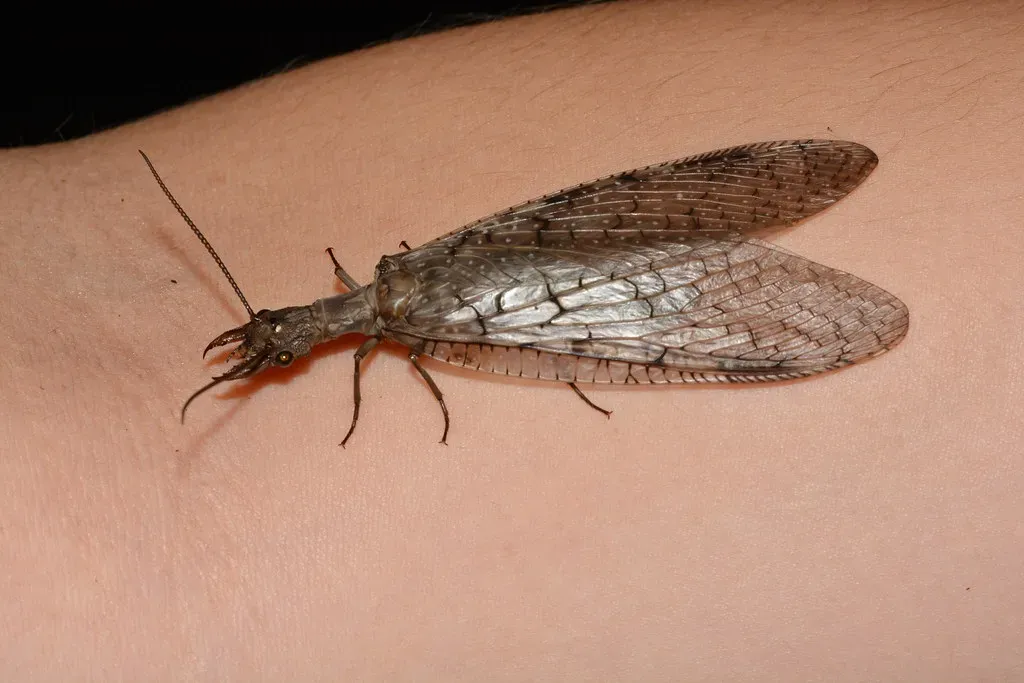
If you’ve ever encountered a dobsonfly near a stream at night, you understand the panic. Adult dobsonflies are some of the largest non-lepidopteran insects of temperate zones such as the United States and Canada, with a wingspan of up to 18 cm in some species – and the Asian Acanthacorydalis fruhstorferi can have a wingspan of up to 21.6 cm, making it the largest aquatic insect in the world by this measurement. The male’s curved, sickle-shaped mandibles look like something from a science fiction film.
Dobsonflies help control aquatic insect populations, serve as food for fish and birds, and act as indicators of water quality – their presence suggests a healthy freshwater environment with good oxygen levels and low pollution. Their larvae, known as hellgrammites, are classified among the most sensitive organisms to water quality, unable to tolerate any pollution in their waters and requiring sanitary water sources without contaminants. Dobsonfly larvae play an important role in measuring water quality, due in large part to their predatory nature and how long they remain in the larval stage, up to three years.
5. The Earwig
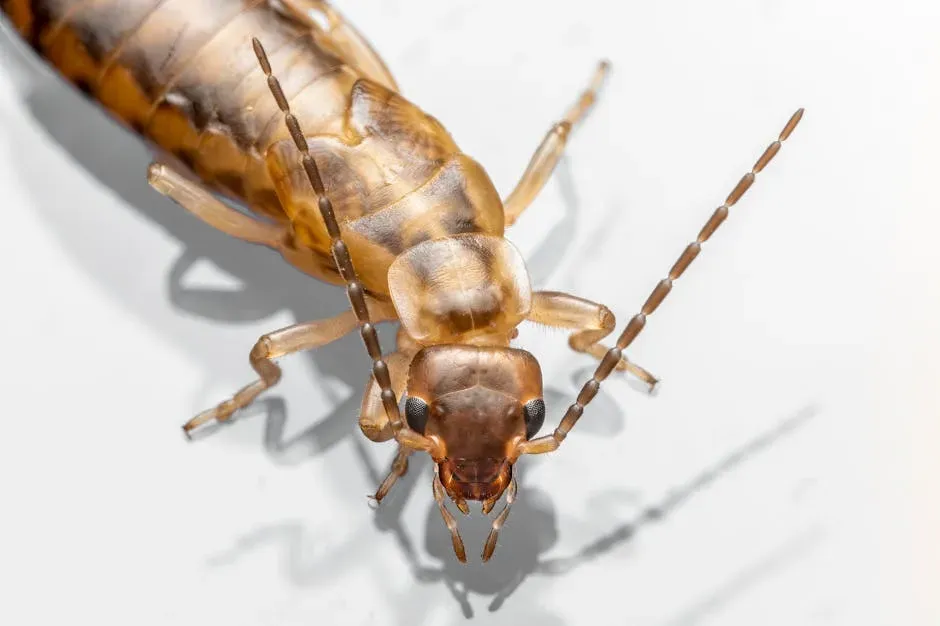
The earwig carries one of the most unfair reputations in the insect world. The name alone – rooted in an ancient myth about burrowing into human ears – is enough to send people into a panic. Due to their small size, an earwig could in rare cases end up in an ear canal, but would just cause discomfort, not damage. Earwigs are nocturnal, prefer dark damp places, and use the pincer on the back of their abdomen to defend against other insects – their shy nature means they aren’t likely to pinch you, and even if they did, they’re not strong enough to break human skin.
Despite their scary appearance, earwigs are not poisonous, do not sting, and cause no harm to humans or pets. In fact, earwigs are a great member of the neighborhood ecosystem by eating dead bugs and gobbling up dead and decomposing plant matter – this actually helps gardens and plant life thrive. They quietly recycle organic material while keeping smaller pest populations in check. For something so widely feared, they’re remarkably useful.
6. The House Centipede
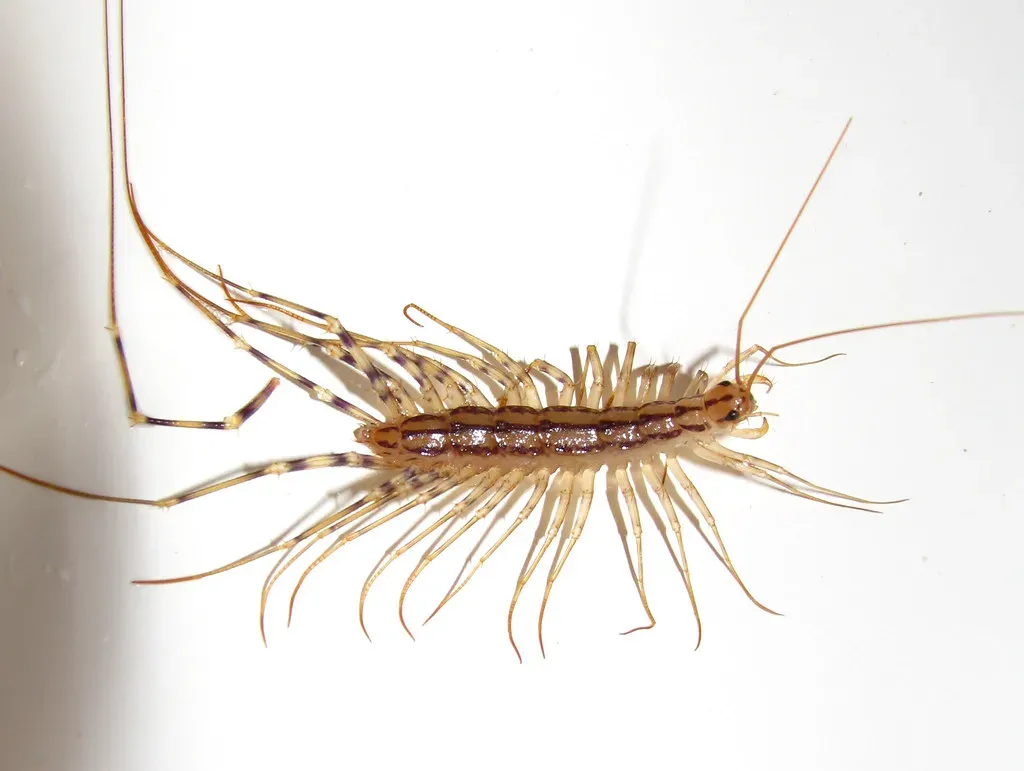
There are few indoor insect encounters quite as startling as a house centipede scuttling across a bathroom floor at speed. Nothing can send shivers down the spine like seeing one run across the floor – but before squashing one, it helps to know that these unsightly creatures are actually quite helpful. House centipedes are excellent hunters, feeding on pests like termites, flies, and even cockroaches, and their unsettling number of legs helps them move quickly, making them a real threat to other insects.
They are predators that feed on any small crawling organisms they can catch, which makes them play an important role in the ecosystem despite their intimidating appearance, since they help control the population of other pests and insects by preying on them. Their venom, used to paralyze prey, is not typically harmful to humans and can cause only mild irritation. Every house centipede inside a home is essentially running unpaid pest control.
7. The Green Lacewing
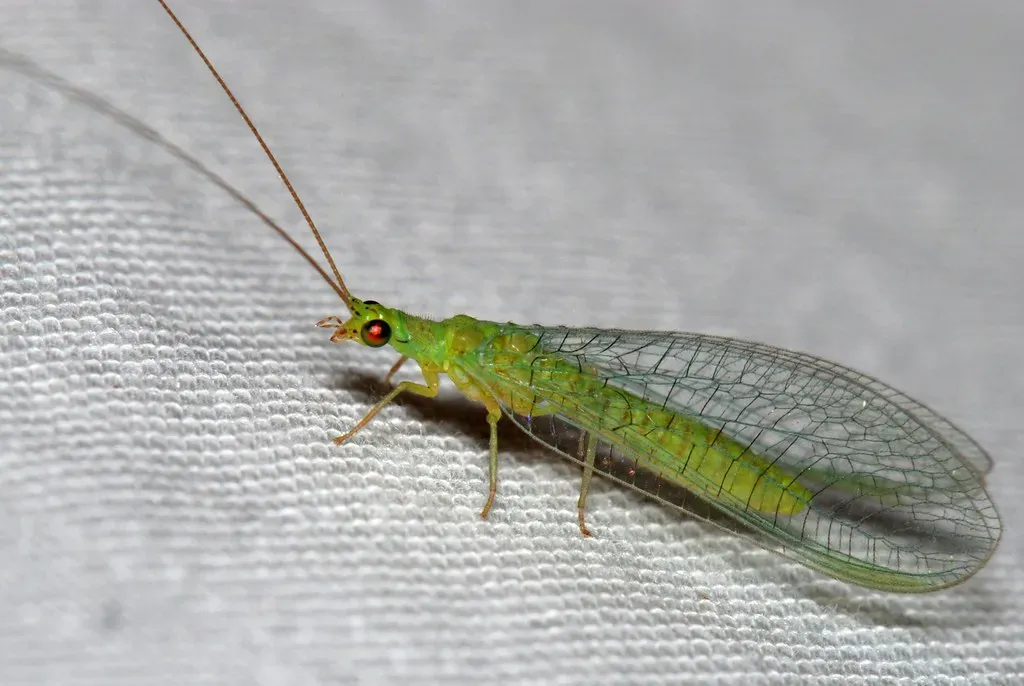
Adult lacewings look delicate enough, with their translucent wings catching the light like tiny pieces of stained glass. Their larvae, though, are another story entirely – alien-looking, with visible curved mandibles and a tendency to camouflage themselves with the debris of their victims. Green lacewing larvae eat aphids and other critters such as spider mites and thrips, and many gardening stores actually sell green lacewing eggs specifically to help naturally control pests.
These intricate insects, named for their lacy wings, are surprisingly beneficial due to their taste for small insects. If a lacewing larva is disturbed it may bite, but this causes nothing more than a small mark, and the adult doesn’t want to be near humans either. Since lacewings are more concerned with finding their next meal and keeping gardens pest-free, there’s no real reason to worry about being attacked by one. They’re one of the more reliable natural controls against aphid infestations.
8. The Ground Beetle
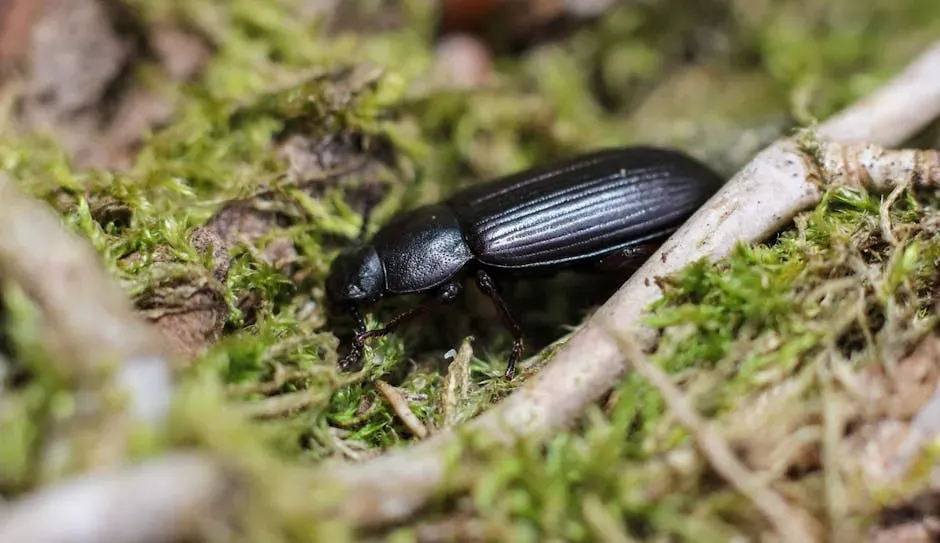
Ground beetles are the ones that tend to scatter when you lift a garden stone, sending people jumping backward in alarm. They’re dark, fast-moving, and just large enough to look alarming. Ground beetles are very common and often mistaken as pests. In truth, these are predators of other potential pests that occur in or on the soil – and while they may not be used as biological control agents by themselves since they are generalist feeders, in concert with other biological and cultural controls they are valuable, naturally occurring beneficial insects.
Despite their rather small size, one beetle larva alone can eat more than 50 caterpillars. Ground beetles usually hunt at night because they’re naturally nocturnal, and they don’t usually find their way indoors. These beetles are stealthy nighttime predators that feed on slugs, insect eggs, and root pests, controlling cutworms, slugs, maggots, and beetle larvae. For anyone dealing with soil-level garden pests, ground beetles are quiet, consistent allies.
9. The Parasitic Wasp
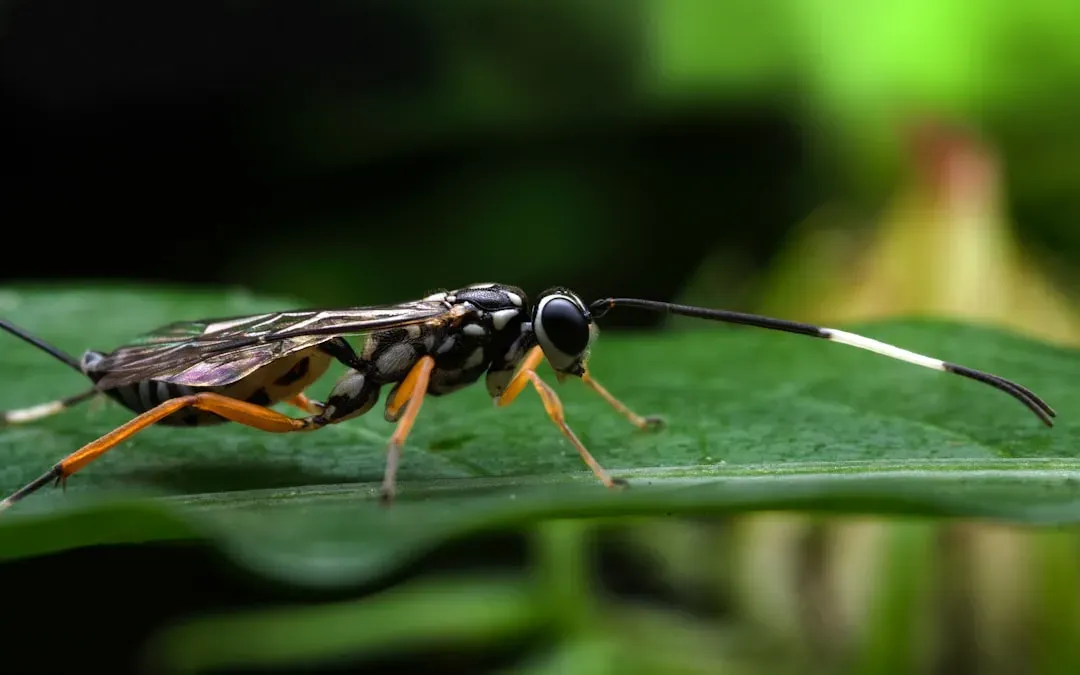
The name “parasitic wasp” tends to conjure some genuinely unsettling mental images, and the reality doesn’t always help. These wasps lay eggs inside soft-bodied pest insects like tomato hornworms, whiteflies, and aphids – once hatched, the larvae feed on the host from within, naturally eliminating the pest. It’s a strategy that feels more like science fiction than entomology, and it’s also exactly why these small wasps are so ecologically important.
Because all wasp larvae are carnivorous, their parents must either hunt or lay their eggs on or in the body of another insect so larvae can consume the host after hatching – whether predatory or parasitic, wasps target a wide range of insects, including many crop-devouring pests such as aphids, white flies, cabbage loopers, and brown marmorated stink bugs. Predation by insects as biocontrol to protect crops is worth at least 416 billion US dollars per year worldwide. Parasitic wasps represent a huge portion of that invisible service.
10. The Dragonfly
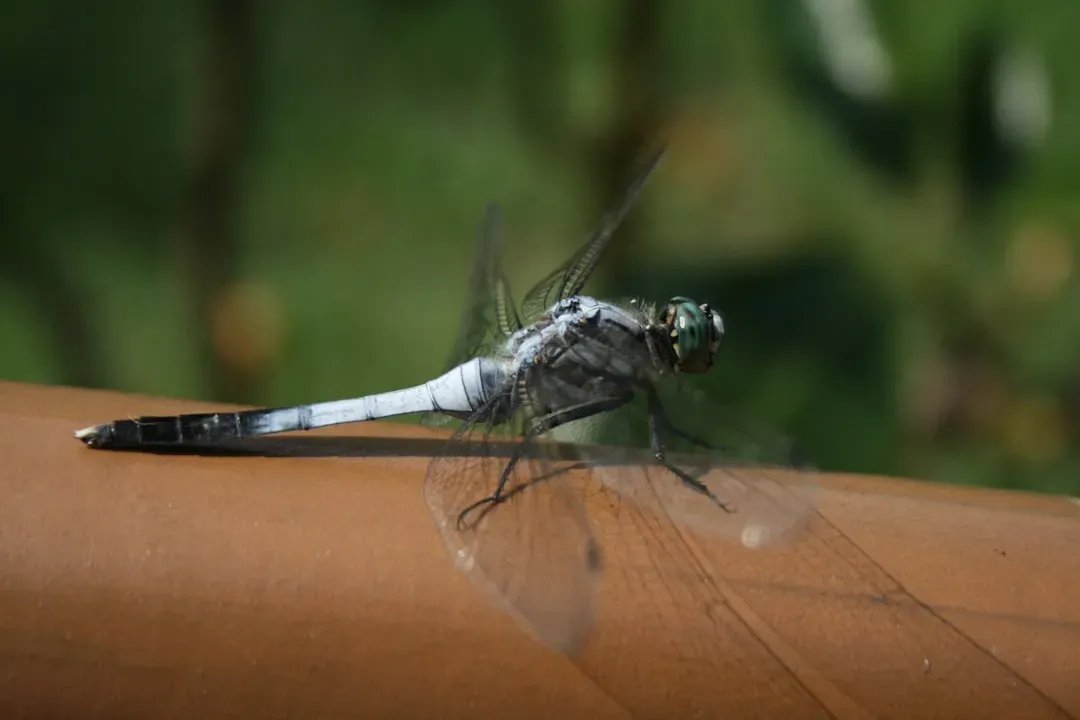
Dragonflies get a somewhat better reputation than most insects on this list, but up close – hovering at eye level, huge compound eyes staring directly at you, wings buzzing – they can still trigger a genuine flinch. One of the most misunderstood bugs in the animal kingdom, dragonflies are one of the most beneficial insects in a home ecosystem. Dragonflies are straight-up insect killers, particularly known for their love of mosquitoes, the bane of a relaxing summer evening.
Dragonfly larvae can tolerate a degree of water pollution but still require reasonably healthy water quality, making them useful as water health indicators in stream studies. Dragonflies are beneficial insects due to their diet of flies, mosquitoes, and other pests. While they don’t usually like to land on humans because of our size and movements, they may occasionally mistake a person for a safe landing zone – they will usually just fly away, and will bite only if they feel in danger. They’re ancient, they’re efficient, and without them, summer evenings would be considerably more miserable.
The pattern across all ten of these insects is the same: appearance triggers alarm, but ecological function tells a different story. Most of them are controlling the very pests that damage crops, spread disease, or destabilize ecosystems. Many of these beneficial insects feed on pest insects, keeping them in check naturally, while also pollinating crops, aiding in making medicines, producing silk, and breaking down organic matter. The instinct to panic is understandable. The instinct to reach for a shoe, though, is worth pausing on.