
Most people’s first instinct when they spot an unfamiliar insect is to back away – or reach for the nearest shoe. It’s a deeply human response, and research backs it up. Despite the ecological significance of invertebrates, people tend to have rejective attitudes toward this group, as they often evoke feelings of anxiety, aversion, or antipathy. The problem is that this blanket fear doesn’t discriminate between genuinely dangerous bugs and the ones quietly doing us enormous favors.
There are an estimated 10 quintillion insects on planet Earth, and with the exception of beloved pollinators, they get mostly bad press. In addition to pollinating flowers and farmlands, beneficial insects help control agricultural pests and are critical in maintaining balanced natural ecosystems. Some of the most helpful ones also happen to look like they belong in a nightmare. Here are eight of them.
1. The Praying Mantis
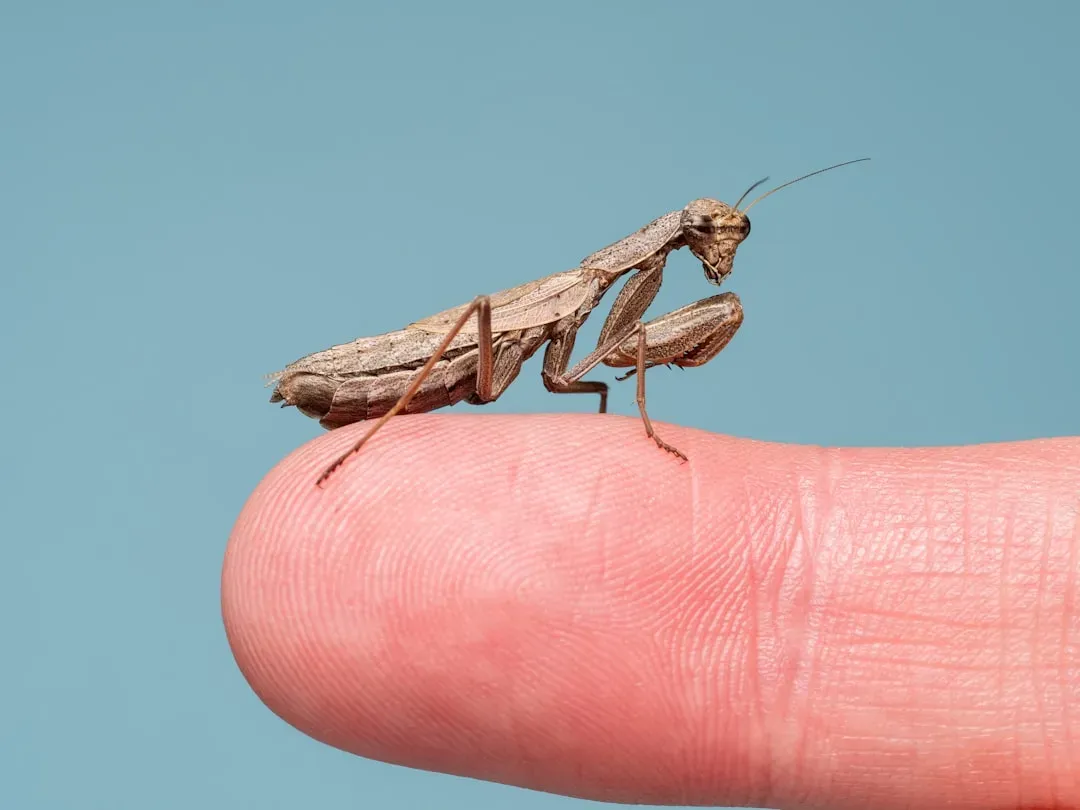
These are large, scary-looking insects, usually more than two inches long, and may be green or brown. There are only 20 species in the U.S. and Canada, but more than 1,500 worldwide. Their front legs are modified for grasping and holding prey, and they wait patiently among the foliage for unsuspecting insects. That eerie stillness is exactly what makes people uneasy around them. Their alien-like triangular heads rotating to follow your movement don’t exactly help either.
The praying mantis is a renowned predator, useful for keeping other bugs out of your garden. Having one around will help control the population of grubs, aphids, grasshoppers, flies, crickets, and more. They look scary to some people, but they are non-aggressive carnivorous insects and will not attack unless provoked. Even then, if they bite you, you’ll feel only a pinch. So despite the imposing pose, the mantis is far more threat to pests than it is to you.
2. The Assassin Bug
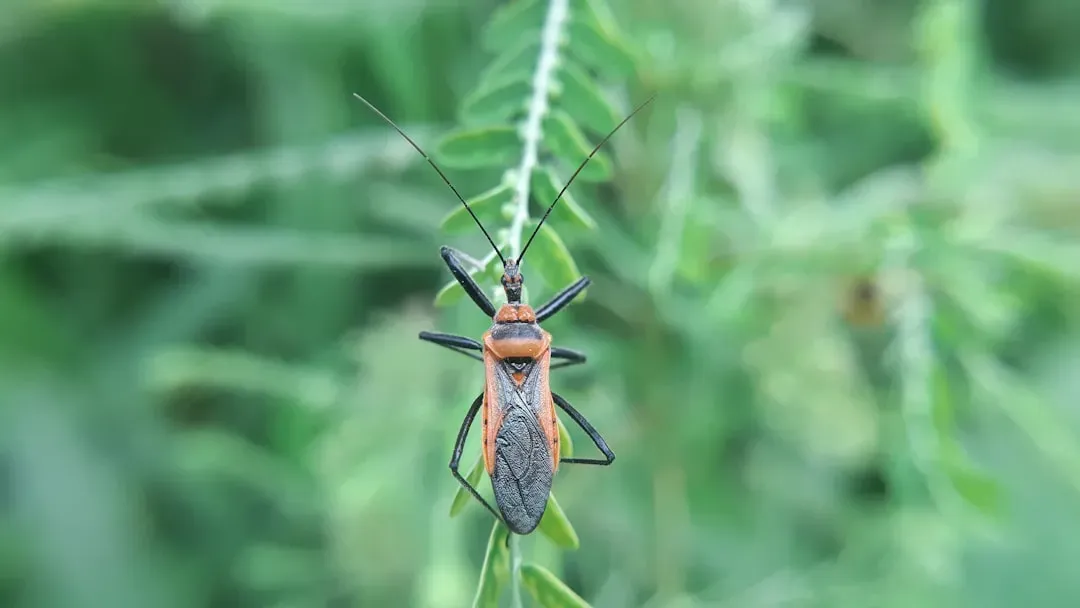
Assassin bugs are efficient predators, and they look scary. Battleship grey with spikes down their backs, they look like they’re wearing armor. The name alone is enough to send most people backing toward the door. No fewer than 160 species of assassin bugs call North America home. Nymphs and adults both inject venom into flies, aphids, mosquitoes, and other soft-bodied insects.
Assassin bugs look like a strange mix between a praying mantis and a squash bug. They use their sharp mouthparts to prey upon many different types of insect pests in the garden. They can be mistaken for squash bugs in their adult form, so look carefully before you squish. Their venom is designed for immobilizing prey, not for harming people, and they generally have no interest in humans at all. In a well-planted garden, an assassin bug is basically free pest control.
3. The Earwig
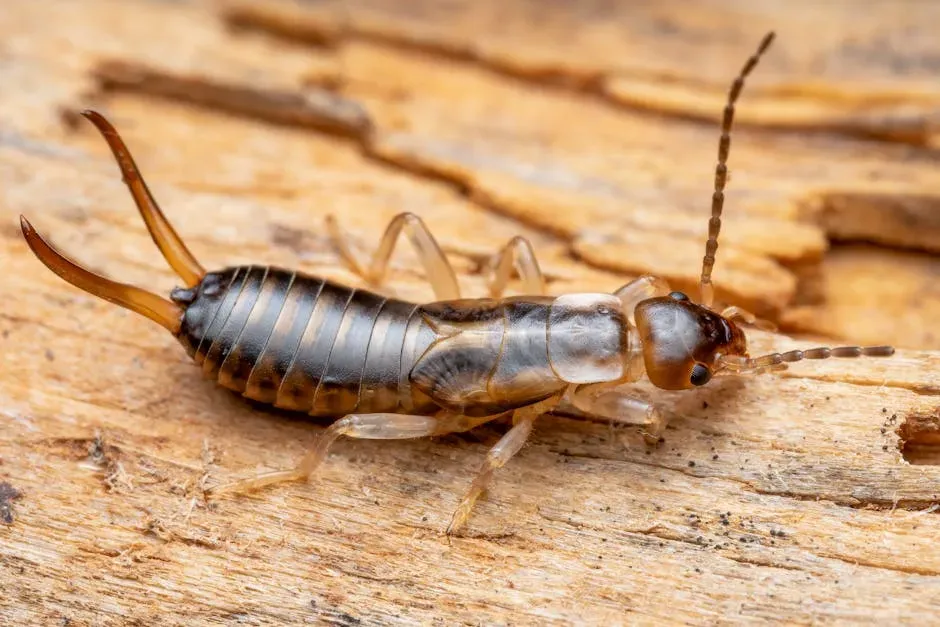
Earwigs look scary. Their giant pincers look like they could do some serious damage. Fortunately, despite their scary appearance, earwigs are not poisonous, do not sting, and cause no harm to humans or pets. The myth that they crawl into ears and bore through the brain has persisted for centuries, but when creepy things come to mind, earwigs deserve some fairness. Like all myths, there is some truth to the earwig’s reputation, but it’s been greatly exaggerated. Due to their small size, an earwig could end up in your ear canal in a rare instance, but they’d just cause discomfort – not damage.
Earwigs eat lawn pests such as chinch bugs, sod webworms, and small mole crickets. They are highly beneficial in this regard; a single earwig can consume up to 50 chinch bugs per day. In fact, earwigs are a great member of your neighborhood ecosystem by eating dead bugs and gobbling up dead and decomposing plant matter. This actually helps your garden and the other plant life on your property thrive. Given all that, the pincers start to look a little less menacing.
4. The Green Lacewing
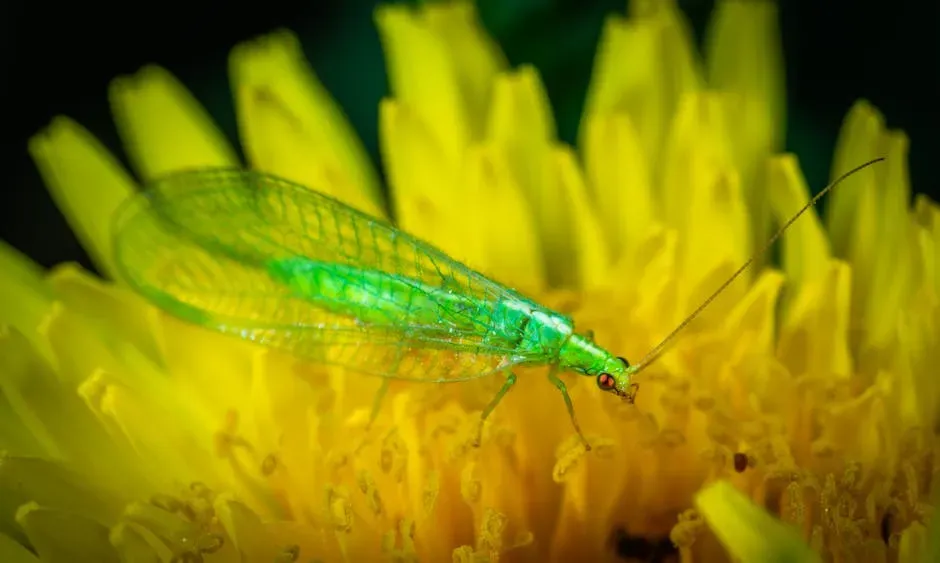
Lacewings are green or brown flying insects with delicately patterned wings that look like lace. Lacewing larvae eat a wide variety of small, soft-bodied garden pests including aphids, mites, thrips, mealybugs, whiteflies, leafhoppers, moth eggs, and some beetle eggs. Lacewing adults feed mainly on pollen and nectar. The larvae, however, look nothing like the elegant adult. They’re small, angular, and slightly monstrous – the kind of thing that makes you pull your hand back fast.
Green lacewing larvae eat aphids and other critters such as spider mites and thrips. Much like the praying mantis, you can actually buy green lacewing eggs at gardening stores to help naturally control pests in your garden. Lacewings can bite, although rarely, and the bites are harmless to humans. So the creature that looks like a tiny alien invader is actually one of the most useful purchases a gardener can make.
5. The Dragonfly
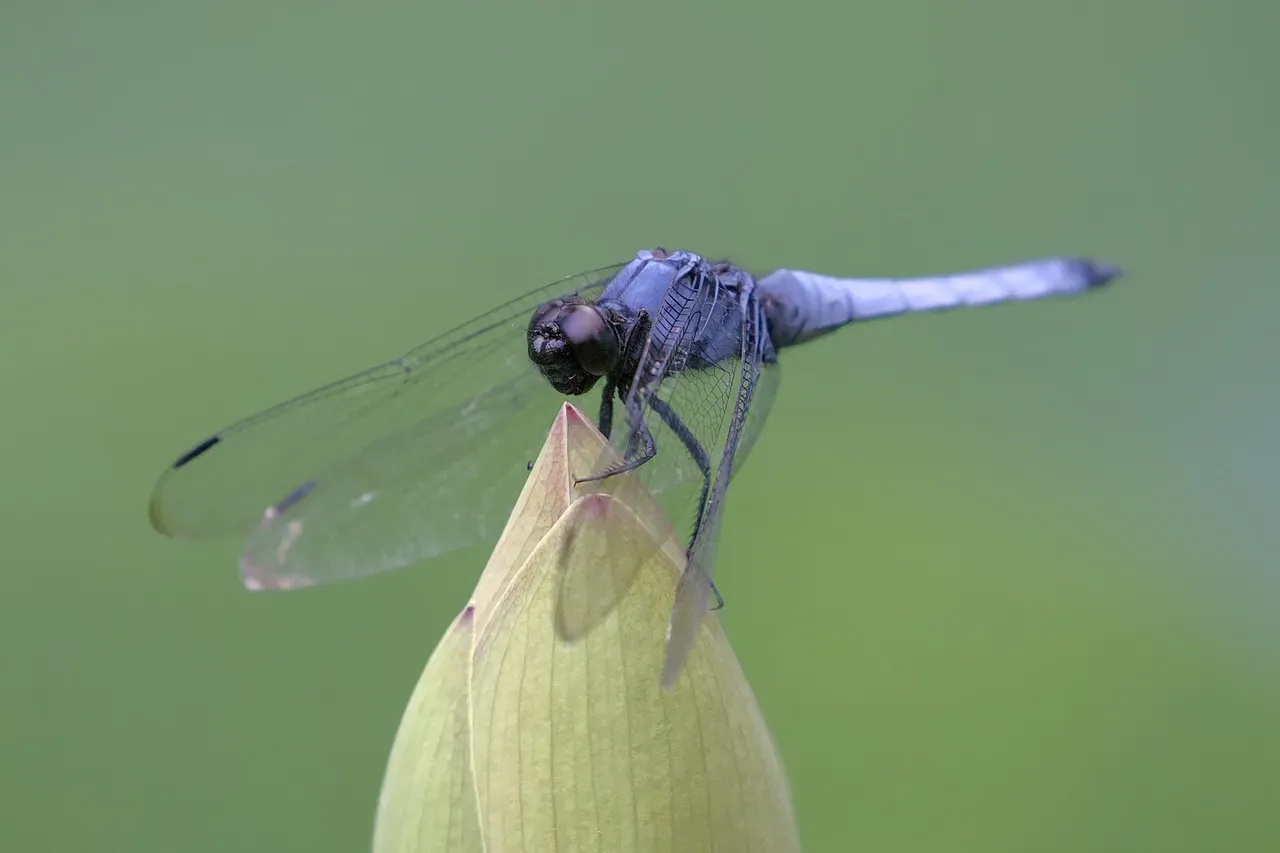
One of the most misunderstood bugs in the animal kingdom, dragonflies are one of your home ecosystem’s most beneficial insects. Dragonflies are straight-up insect killers. In fact, they are known for their love of small, flying insects such as mosquitoes – the bane of a relaxing summer evening. Their speed and size in flight can feel unsettling when one darts close to your face. Their prehistoric silhouette doesn’t exactly say “friendly neighbor” either.
Dragonflies, also nicknamed “mosquito hawks,” consume significant numbers of mosquitoes and other flying insects. They are sensitive to pesticides, and their presence indicates an environmentally friendly garden. Dragonfly nymphs are aquatic and can help to control mosquito larvae before they become biting adults. In fact, a single dragonfly can eat 30 mosquitoes in a single day. For anyone who spends summers outdoors, that alone makes them worth celebrating.
6. The House Centipede
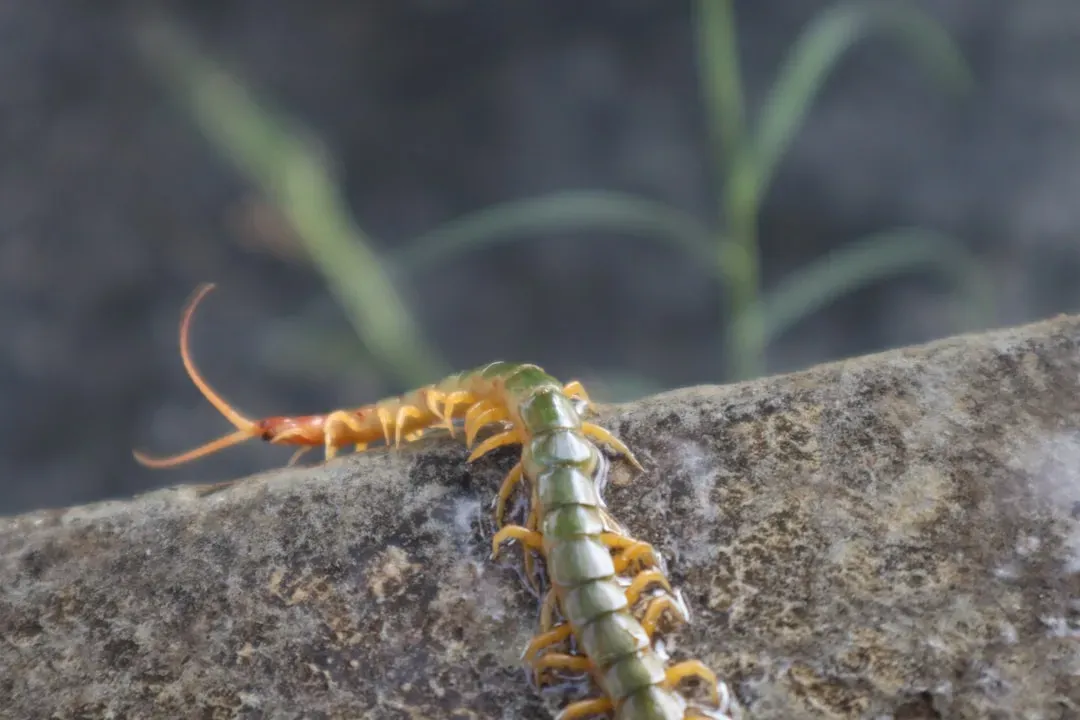
Nothing can send shivers down your spine like seeing a house centipede run across your floor. Before you go to squash one, know that these unsightly creatures are actually quite helpful. The house centipede might be the insect world’s most effective jump-scare – all those legs moving in fluid, rapid unison is genuinely hard to watch calmly. House centipedes are excellent hunters, feeding on pests like termites, flies, and even cockroaches. Their unsettling number of legs helps them move quickly, making them a real threat to other insects. When they catch their next meal, they immobilize it with a venom that can’t do any harm to humans.
Even if you don’t want a centipede in your house, it can be beneficial to give them free rein of your yard or garden. Centipedes rarely attack people or pets unless handled roughly, so just leave them be and let them clean up the yard for you. Put simply, the creature that causes the most involuntary shrieking is also quietly eliminating the things you probably dislike even more – like cockroaches working their way through your kitchen.
7. The Tachinid Fly
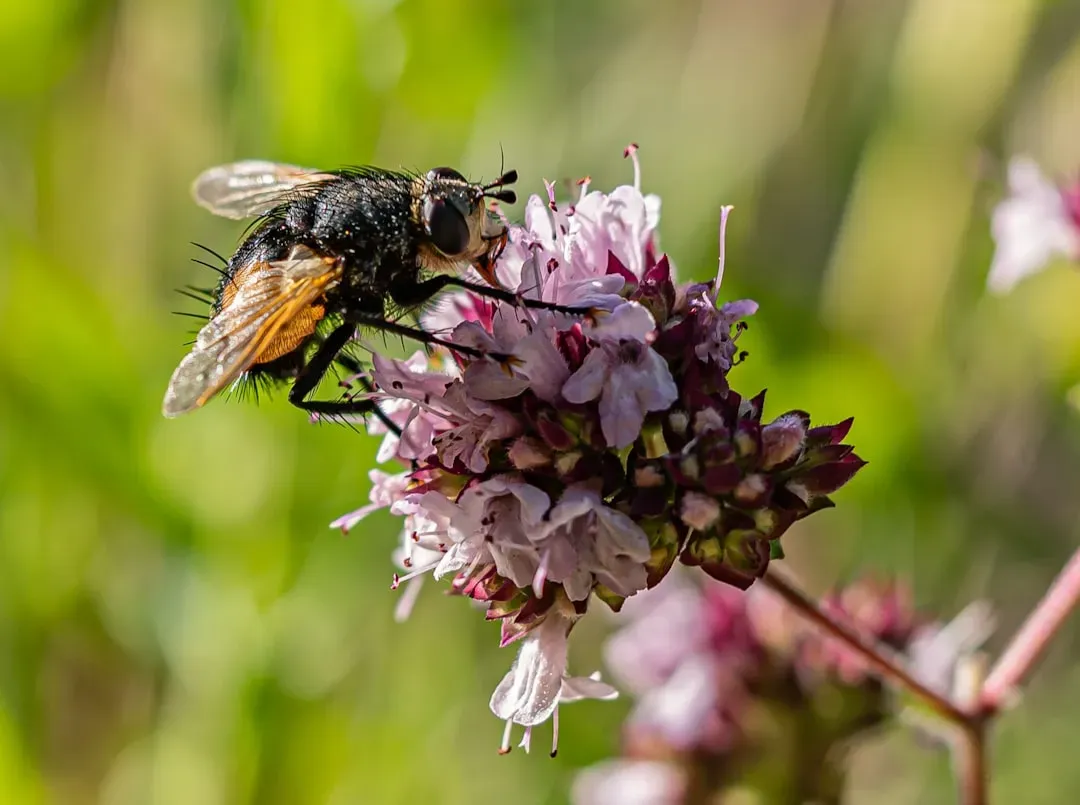
Tachinid flies are a large family of parasitic flies that play an important role in pest control in the natural environment and the garden. There are many different-looking species of tachinid flies, and it can be difficult to distinguish some of them from houseflies. Others look somewhat similar to bees and wasps. That ambiguity is a big part of why people flinch at them. They look like the insects you already don’t like, which is a tough reputation to overcome.
Adults feed on honeydew and nectar, while their larvae parasitize caterpillars, stink bugs including squash bugs, beetles, and grasshoppers, typically feeding on eggs and larvae. The larvae of tachinid flies burrow their way into garden pests like caterpillars from the inside. Therefore, you won’t have to worry about cutworms, which are moth caterpillars that feed on plants below ground. To invite adult flies to your garden, plant sweet clover and other herbs. It’s not a pretty process, but from your garden’s point of view, it’s extremely effective.
8. The Ladybug (In Its Larval Stage)
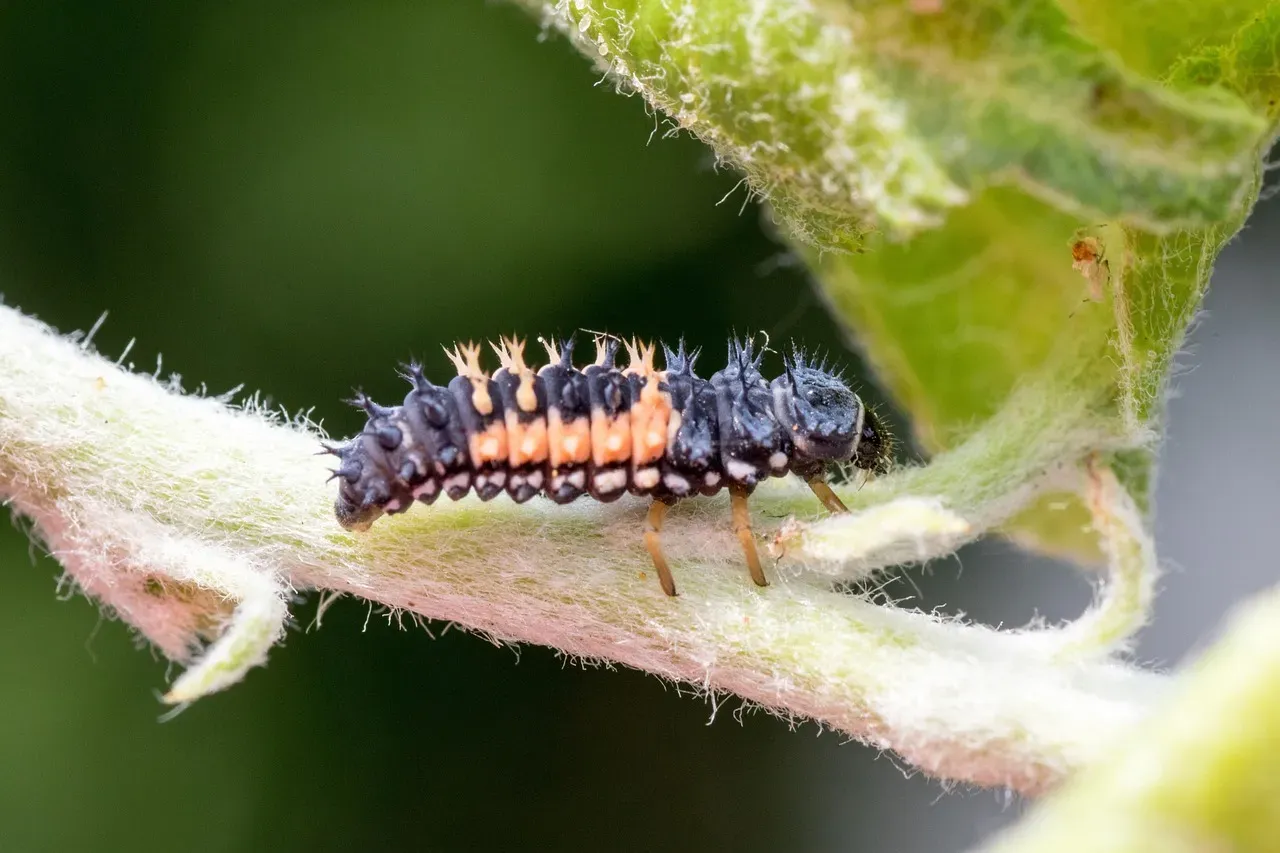
Cute and beneficial, the adult ladybug lies at the other end of the beauty spectrum. But as youngsters, ladybugs resemble tiny orange and black alligators, which often get squished because they look like they are Up To No Good. Most people who happily let adult ladybugs land on their hands will stomp on a ladybug larva without a second thought, simply because it doesn’t match the familiar red-and-black shape they know to welcome.
These are good guys who consume even more aphids, spider mites, scales, and other pests than adult ladybugs. In fact, one ladybug can eat over 5,000 aphids in its lifetime. It’s often the younger larval and nymph stages that chow down on pesky garden pests. These young stages often look nothing like the adult insects we’re more familiar with. The lesson here is a simple one: if you spot something small and spiked crawling across your plant leaves, pause before acting. It may be doing more work than you realize.
The gap between how an insect looks and what it actually does is often enormous. Some good bugs look like something out of a sci-fi movie with spikes and fangs and ridges and crazy colors. Looks aren’t everything. In most cases, these are good bugs – what we call beneficial insects – that help to control the few bad ones in your garden. That instinct to recoil is understandable, but it’s worth pausing long enough to ask whether the thing making your skin crawl is actually working for you.
Encouraging beneficial insects, by providing suitable living conditions, is a pest control strategy often used in organic farming, organic gardening, and integrated pest management. The next time something with too many legs or the wrong kind of wings appears in your garden, the most useful thing you can do might simply be to leave it alone.