Most people do a quick scan of their pantry or living room and see ordinary stuff. A carton of eggs. A bag of coffee. Maybe some old furniture or a box of trading cards buried in a closet. What’s easy to miss is how dramatically the value of these things has shifted over the past few years. Some have gotten more expensive to replace. Others have quietly turned into genuine collectibles. A handful have done both.
The forces behind these changes are a mix of inflation, global supply disruptions, tariff policy, weather-related crop failures, and surging collector demand. The result: items you pass every day in your home are worth considerably more than they once were. Here’s a closer look at ten of them.
1. Eggs
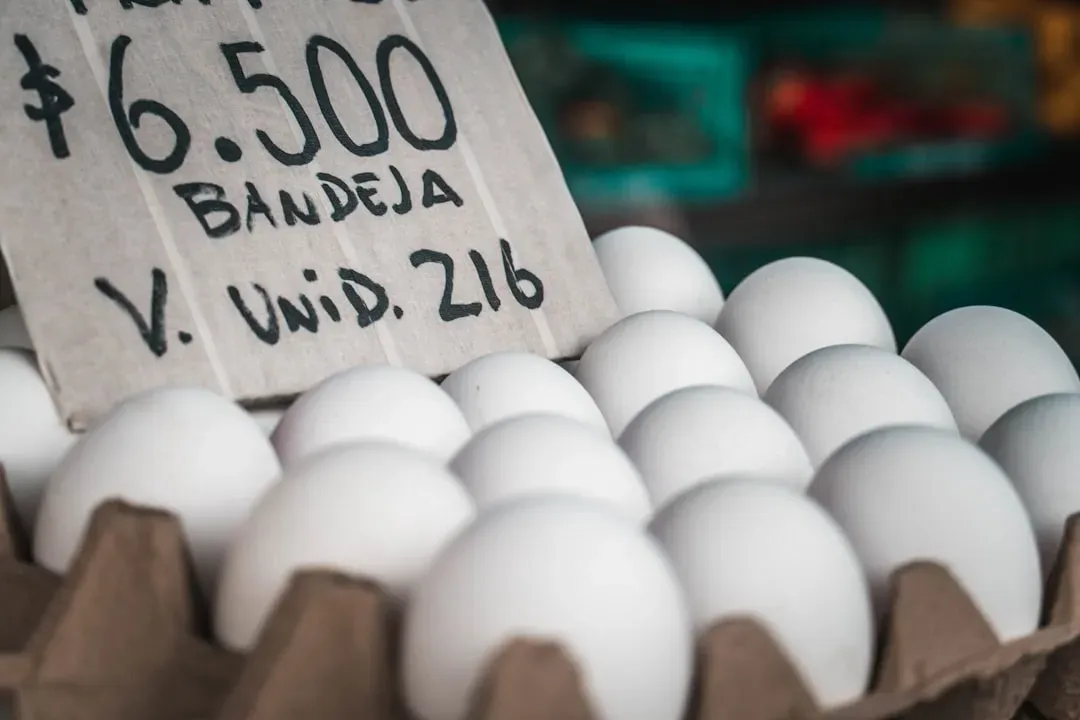
The price of eggs increased dramatically between May 2024 and March 2025, with a dozen grade A large eggs reaching $5.12 per dozen on average by April 2025. That’s a number that would have seemed absurd just a few years earlier. Ten years earlier, they were just $2.07 per dozen.
The primary culprit has been the ongoing wave of avian influenza, which devastated laying hen populations across the country. Anyone who visited the egg section of a grocery store recently could see the problem firsthand, and officials noted that production likely wouldn’t fully recover until the second half of 2025. Even as prices eased slightly from their peak, eggs remain the only food category actually expected to see price reductions in 2026, which tells you how far they had climbed to begin with.
2. Ground Coffee
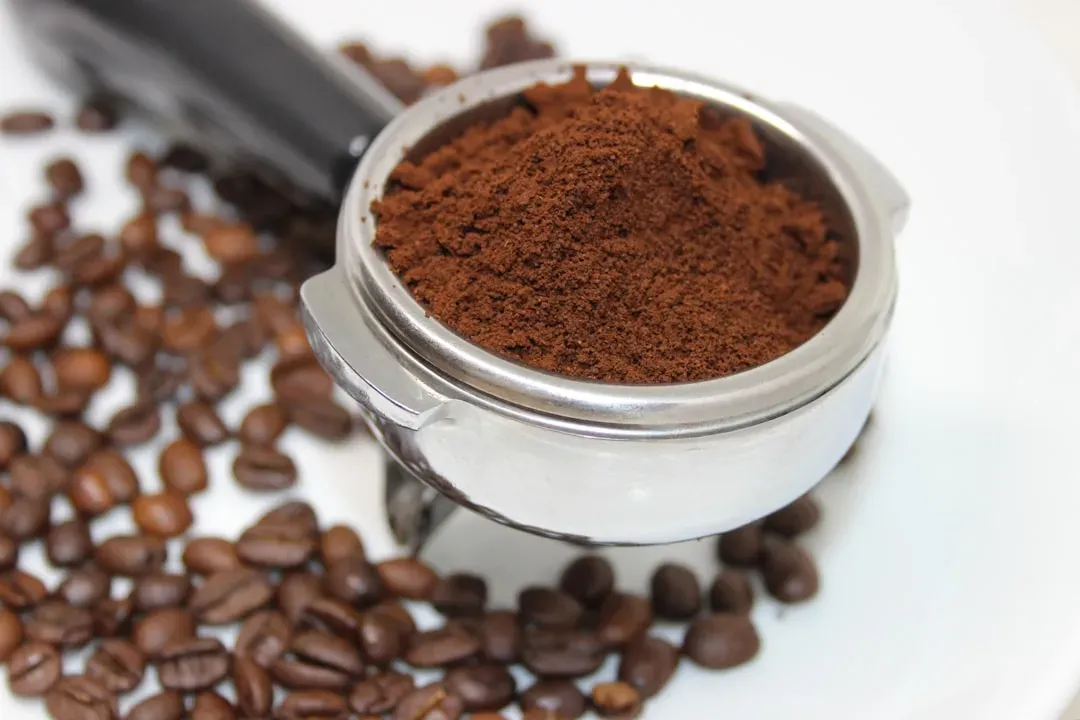
Coffee experts in 2024 predicted it would become more expensive, and they were right. By April 2025, 100% ground roast coffee in the U.S. reached about $7.54 per pound, compared to $4.99 back in March 2015. That’s a sharp climb for something millions of Americans buy every single week without a second thought.
Global coffee prices experienced a wave of volatility in 2025, largely due to erratic weather in Brazil, the world’s top Arabica producer. Following severe droughts in 2024 and then heavy rains that delayed harvesting, Arabica futures surged to a record $4.30 per pound in February, the highest level since 1977. In January 2026, data collected by the U.S. Bureau of Labor Statistics found coffee prices had increased 33% compared to the prior year. The bag in your kitchen cabinet is, quite literally, worth more than it used to be.
3. Home Furniture

Since 2020, living room, kitchen, and dining room furniture has risen roughly 27%, and prices are expected to go even higher in 2026. That sofa you bought four years ago would cost you meaningfully more to replace today. The Consumer Price Index revealed a 4.6% increase in living room, kitchen, and dining room furniture in November 2025 compared to one year earlier, well outpacing overall CPI growth of 2.7% during the same period.
A big part of this story is tariff policy. As of October 2025, certain imported furniture categories carry a 25% tariff in the U.S., including upholstered wooden furniture like sofas, sectionals, and chairs with wooden frames, and this remains in place through 2026. Home furnishings like sofas, chairs, beds, and shelves are expected to remain pricier in 2026, thanks in part to labor, shipping, and material costs like wood and metal.
4. Household Appliances
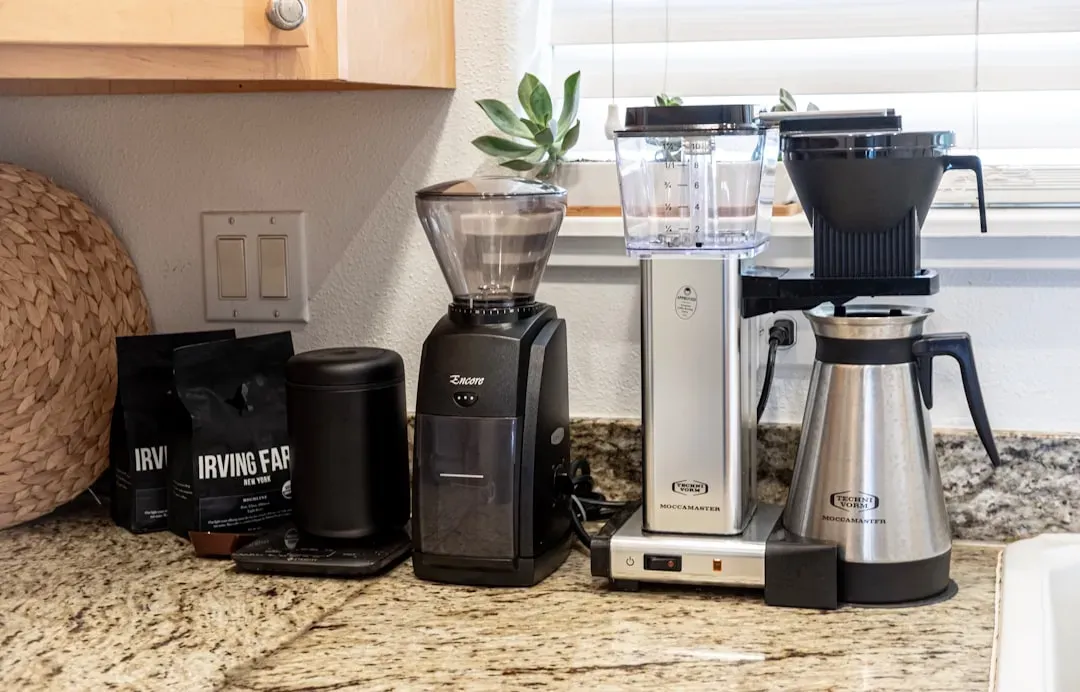
Household machinery, including coffee machines and refrigerators, especially those used in the kitchen and laundry room, increased by 5.6% because of tariff-related cost jumps and supply-chain slowdowns. That number reflects a genuine shift in what it costs to replace the appliances most households rely on daily. Household appliances were 3.9% higher than their pre-2025 trend, adding to cumulative gains already built up since the pandemic.
Household appliances could cost consumers between $6.4 billion and $10.9 billion more under new tariffs on imported goods, according to an NRF study. That staggering figure helps explain why retailers and consumers alike were rushing to lock in purchases before new duties took full effect. The washing machine or refrigerator sitting in your home is worth more on the resale market today than it would have fetched even two years ago.
5. Paper Products

Higher pulp costs and logistics expenses are mostly to blame for a 5.5% increase in the price of paper products like paper towels and toilet paper. It sounds modest, but it’s a category that almost every household buys repeatedly throughout the year. Household paper and cleaning aisles became a micro-lesson in inflation mechanics: even when raw pulp and shipping eased, companies faced higher packaging, labor, and distribution costs, while 2025 tariffs added new uncertainty.
The stockpiling that happened during the pandemic set an unusual baseline, and producers never fully returned to pre-2020 pricing structures. What feels like an ordinary roll of paper towels under the kitchen sink is now the product of a genuinely more expensive supply chain, from forest to factory to your front door.
6. Beef (Including Frozen Portions at Home)

Beef prices in the U.S. soared to record highs in 2025, driven by a sharp decline in cattle supplies and persistent drought conditions, with roughly 62% of U.S. cattle in drought-stricken areas as of late 2024. Ground beef reached $5.98 per pound in May, the highest level on record, reflecting a broader 49% increase in beef prices from April 2020 to April 2025.
Beef prices were already up double digits from a year ago in 2026, because the U.S. cattle herd is at a historic low. Beef and veal prices are predicted to increase a further 9.4% in 2026. If you have ground beef, steaks, or any frozen beef portions sitting in your freezer right now, those items represent considerably more value per pound than they did a few years ago.
7. Vinyl Records
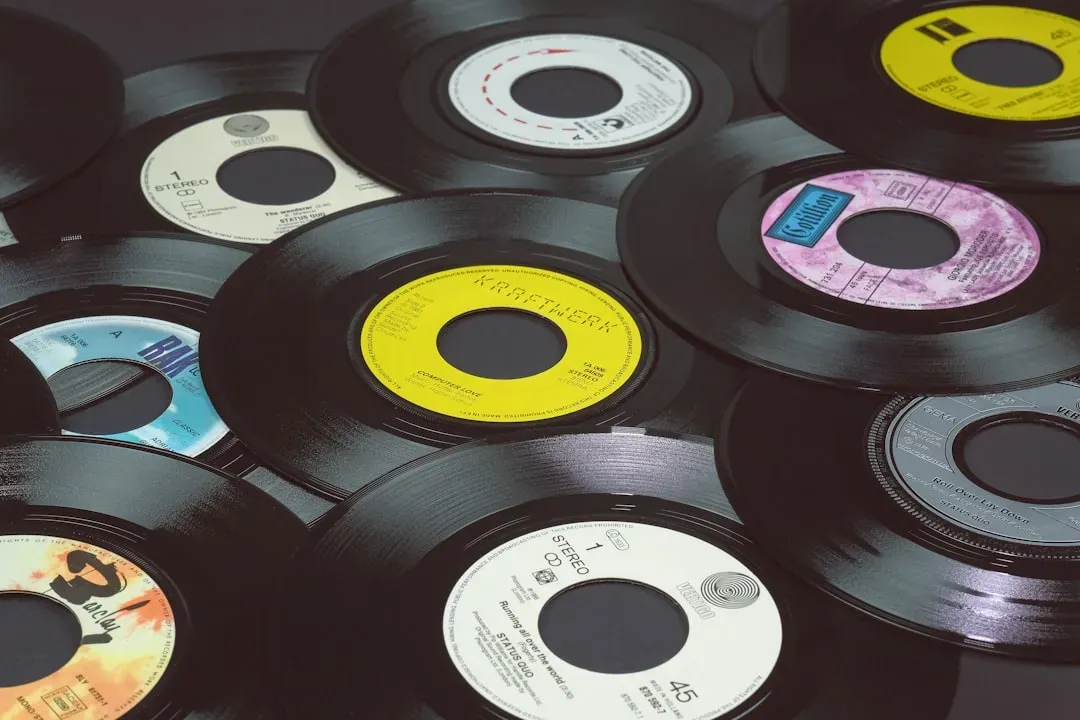
As we move deeper into 2026, the vinyl community continues to see exciting growth, with limited edition pre-releases, artist presales, and unique color variants becoming more prevalent, catering to collectors seeking rare items. The revival of vinyl is not a niche curiosity anymore. It’s a full-scale market with real money at stake. The resurgence of vinyl records cannot be overlooked, with a growing number of artists releasing exclusive and limited-edition records making collectors increasingly passionate about the format.
Original pressings of classic albums, in particular, have seen their values climb sharply on resale platforms. A record that sat in a shelf collecting dust might now be worth several times what the original owner paid. Condition is everything in this market, and even moderately preserved copies of sought-after titles are commanding prices that would surprise most casual owners.
8. Pokémon and Trading Cards
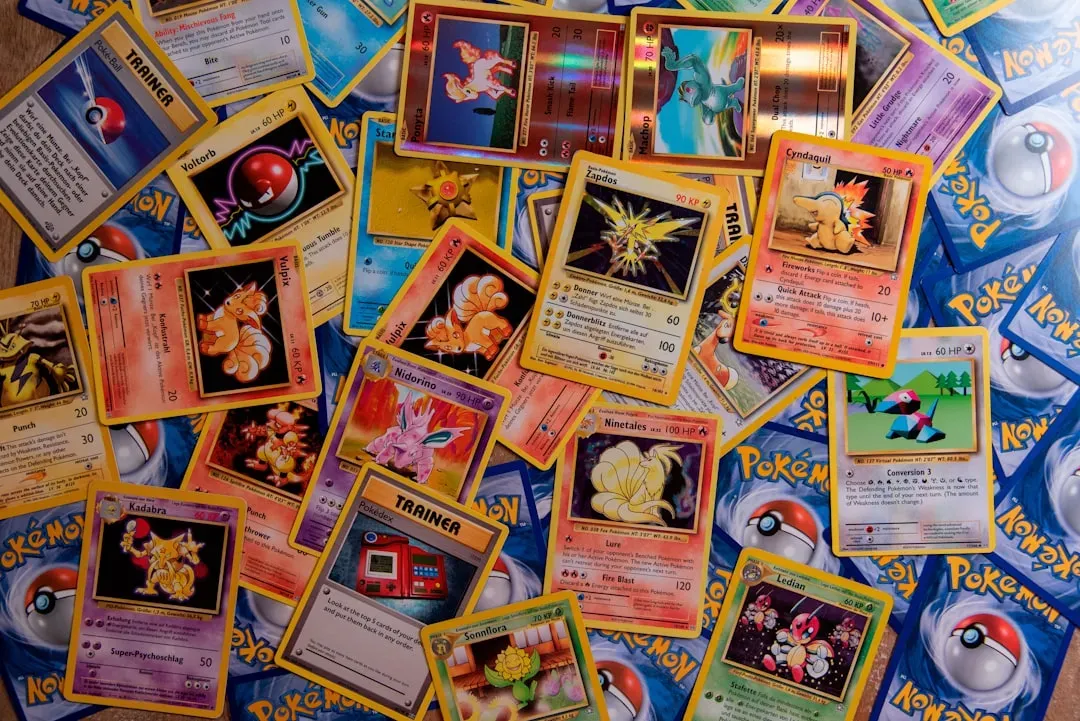
Pokémon cards are witnessing explosive growth, with first-edition and high-graded cards reaching record prices, and eBay’s data confirms Pokémon as a top-searched collectible. What began as a nostalgia-fueled trend has evolved into a mature and sometimes lucrative collecting market. Pokémon trading card sales saw a remarkable surge, increasing by more than 500% in 2020 alone, and the trend shows no signs of fading.
Between 2025 and 2029, the sports trading card market is expected to grow at an average annual rate of roughly 19%, signaling steady growth ahead. That growth applies not just to sports cards but across the broader trading card category. Those shoeboxes of cards in bedroom closets across the country deserve a second look. Some of those cards, particularly older holographic Pokémon or rookie-year sports cards in good condition, are now worth real money.
9. Mid-Century Modern and Vintage Furniture
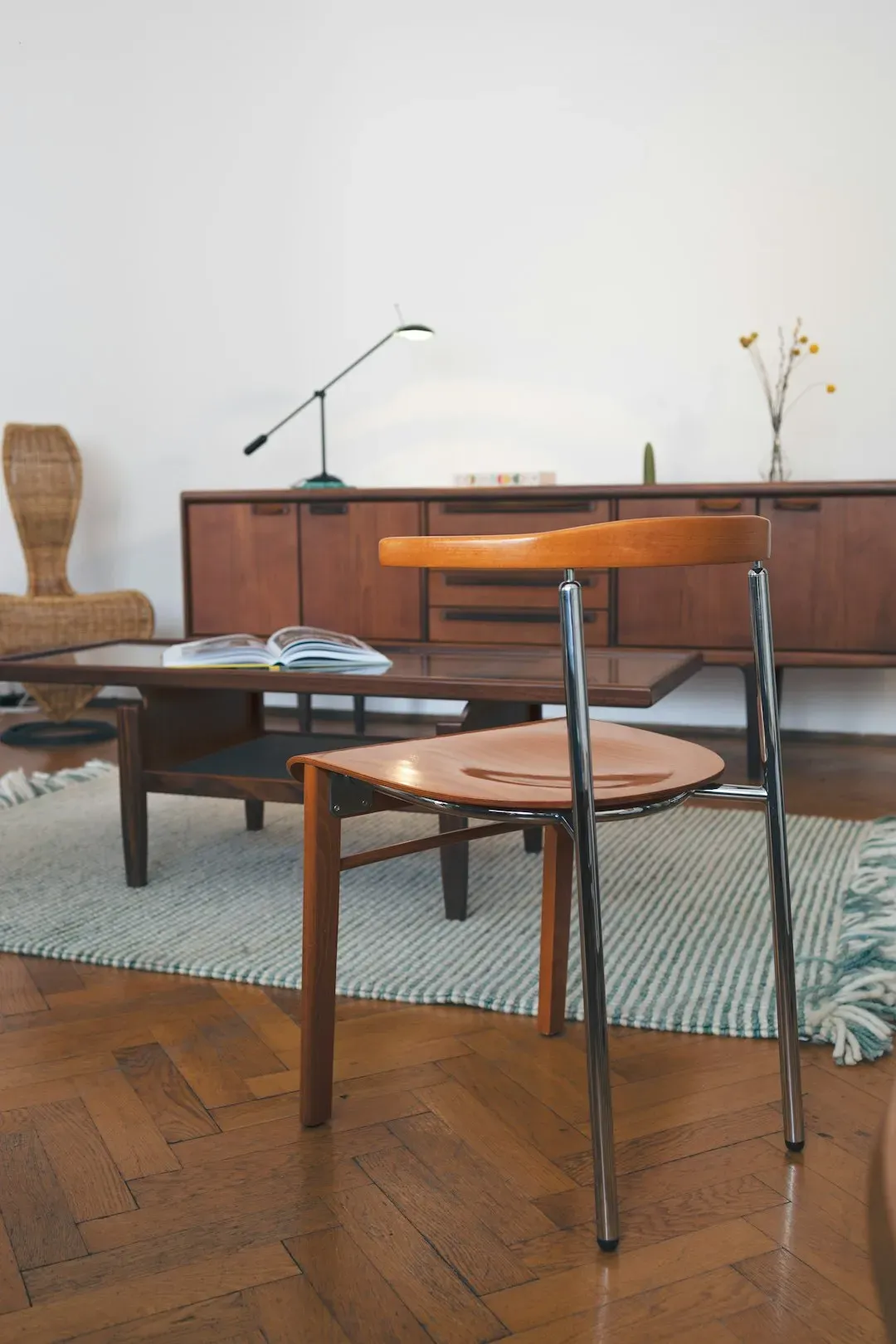
Iconic designs like Eames chairs and Noguchi tables are dominating auctions. A set of Eames “DAW” chairs sold for $18,200 in September 2024, a surge primarily driven by renewed interest in retro interior design trends in luxury homes and apartments. This isn’t just about antique dealers anymore. Ordinary homeowners sitting on a well-preserved mid-century piece could be looking at a surprisingly valuable asset.
The investment value of vintage décor continues to grow, making it an attractive option for collectors. As scarcity increases and demand rises, investing in well-preserved and extremely rare pieces can yield significant returns over time. Antiques, particularly antique furniture, command growing attention, with these unique pieces embodying history and craftsmanship that appeals to collectors and interior designers alike. As more people turn to vintage and authentic decor for their homes, demand for antique furniture continues to rise.
10. Luxury Watches

Rolex raised its suggested prices by an average of nearly 5% for 2025, with some models like the Daytona in yellow gold seeing increases of up to 14%. Watch prices rose across the board, with the CPI showing a 7.4% increase from November 2023 to November 2024, partly driven by record-high gold prices. A watch sitting in a drawer or jewelry box is, in many cases, worth noticeably more than its original purchase price.
Luxury watches remain a top collectible, with models from prestigious brands like Rolex, Patek Philippe, and Audemars Piguet gaining in value each year. In 2025, collectors continued to seek out rare and limited-edition watches, with vintage models becoming even more valuable. This surge is closely tied to the 27% increase in global gold prices in 2024, which significantly impacted manufacturing costs for luxury watches. Despite the price hikes, demand remains robust, especially among high-net-worth individuals who view Rolex timepieces as both status symbols and investment assets.
The broader picture here is worth pausing on. Inflation, tariffs, supply chain disruption, and collector demand have collectively transformed the value of items most people consider completely unremarkable. Some of these shifts are about replacement costs, others about genuine market demand. Either way, the things inside your home are not quite the same as they used to be in terms of what they represent financially, even if they look identical to what you bought years ago.