
Most people who feel overwhelmed at home aren’t dealing with a space problem. They’re dealing with a stuff problem. Disorganization, not lack of space, drives most household clutter, time loss, and stress, according to recent U.S. surveys and behavioral research. That’s a crucial distinction, because no amount of clever storage can fix a home that simply holds too much.
The average amount of items in most American homes is approximately 300,000. When professional organizers walk into a client’s home, they tend to spot the same culprits again and again. These are the seven categories they flag most often – and the ones most likely to be quietly suffocating your space.
1. Clothing You Don’t Actually Wear
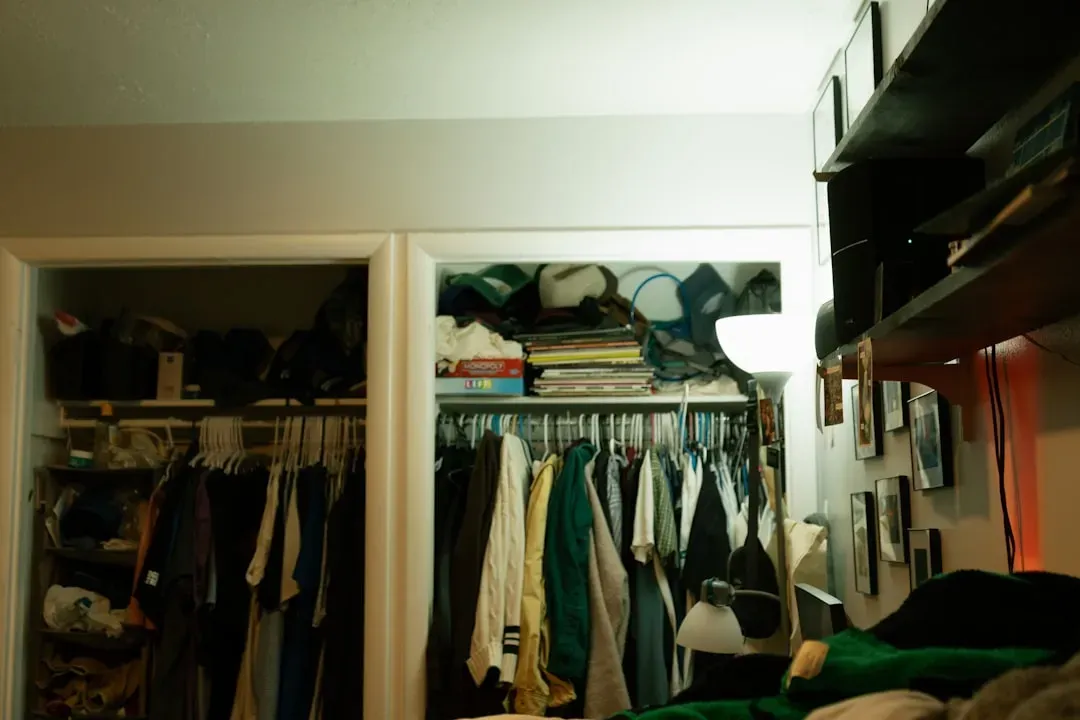
It’s estimated that roughly four out of five garments in your closet are only worn about one out of five times, according to a National Association of Professional Organizers study. The math is sobering: most wardrobes are mostly idle. A June 2024 Garson and Shaw industry report found that the average American adult keeps 6.2 unworn items in their wardrobe, representing approximately 1.6 billion never-used garments nationwide.
Research shows that nearly two thirds of women who have a hard time finding anything in their closet end up buying new clothes, which only deepens the cycle. The fix isn’t more hangers or an elaborate folding system. It’s fewer items. Clothes that no longer fit or are too worn create unnecessary closet clutter, and organizers recommend dividing items honestly into “keep,” “donate,” and “discard” piles.
2. Kitchen Gadgets That Never Leave the Cabinet
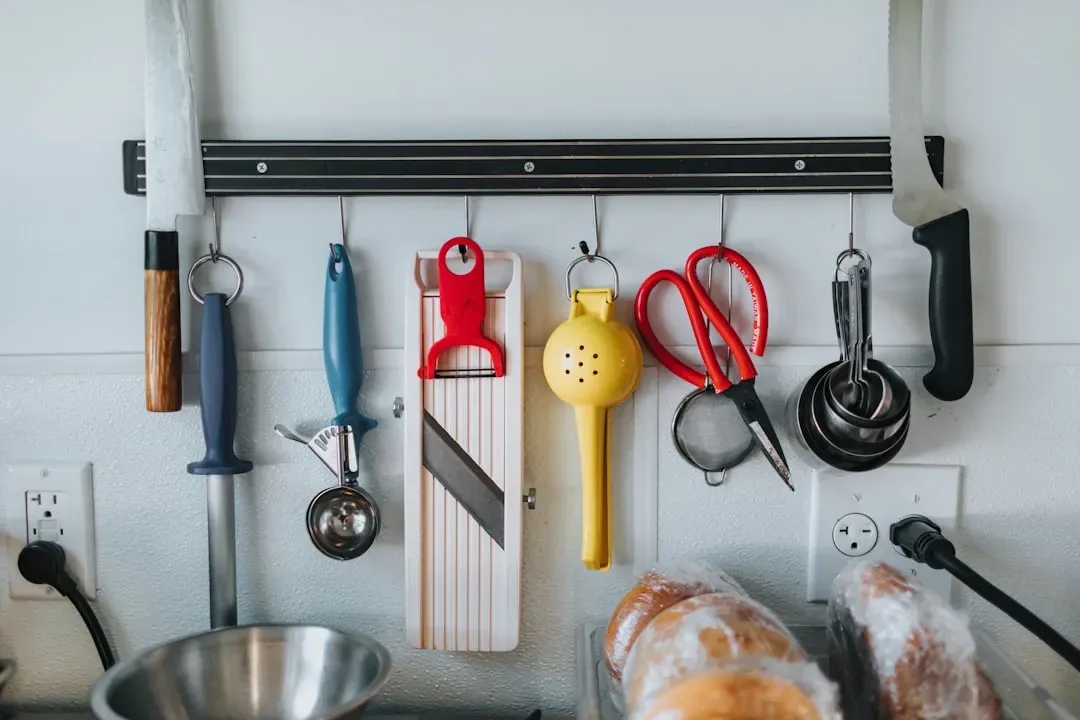
Many kitchens are overflowing with gadgets and tools that seemed like a good idea but are rarely, or never, used. Single-use appliances are especially guilty: the pasta maker, the spiralizer, the ice cream attachment that came with the stand mixer. They take up serious real estate in cabinets and drawers, often blocking access to the tools you actually reach for daily.
Professional organizers are blunt about this one. Bulky gadgets take up precious storage and counter space, and if you haven’t used a gadget in a year, organizers say you should consider letting it go and keeping only multifunctional or regularly used tools. An organized kitchen is one of the most impactful spaces in the home, and letting go of duplicates, old appliances, and one-use gadgets creates more functional storage while making cooking less stressful.
3. Paper Clutter
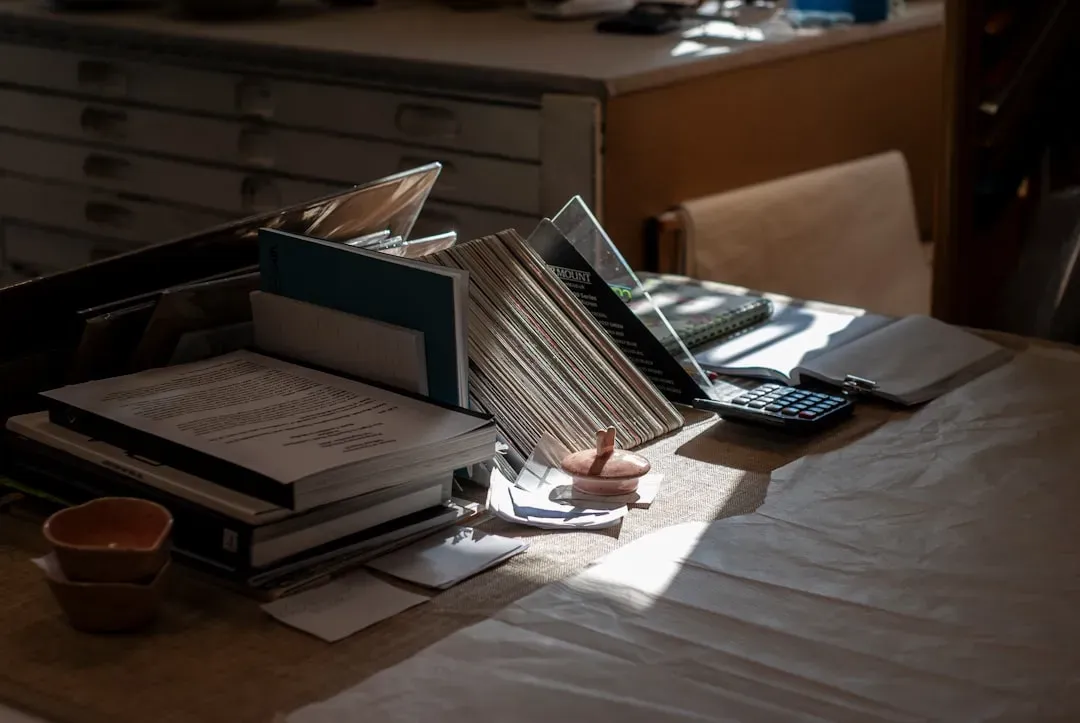
Paper is sneaky. It arrives daily, piles up fast, and feels important even when it isn’t. Paper piles lead to disorganization and wasted time, and the sheer volume that accumulates in most homes is staggering. Harris Interactive research reports that nearly one in four adults say they pay bills late and incur fees because they lose them in clutter.
Professional organizers urge people to use every new season as an opportunity to organize accumulated paperwork, shredding or recycling unnecessary documents and filing away important papers for a clutter-free workspace. Going digital wherever possible makes a genuine difference. Organizers recommend shredding outdated bills and non-essential documents, then digitizing important paperwork for easy access.
4. Toys and Children’s Items
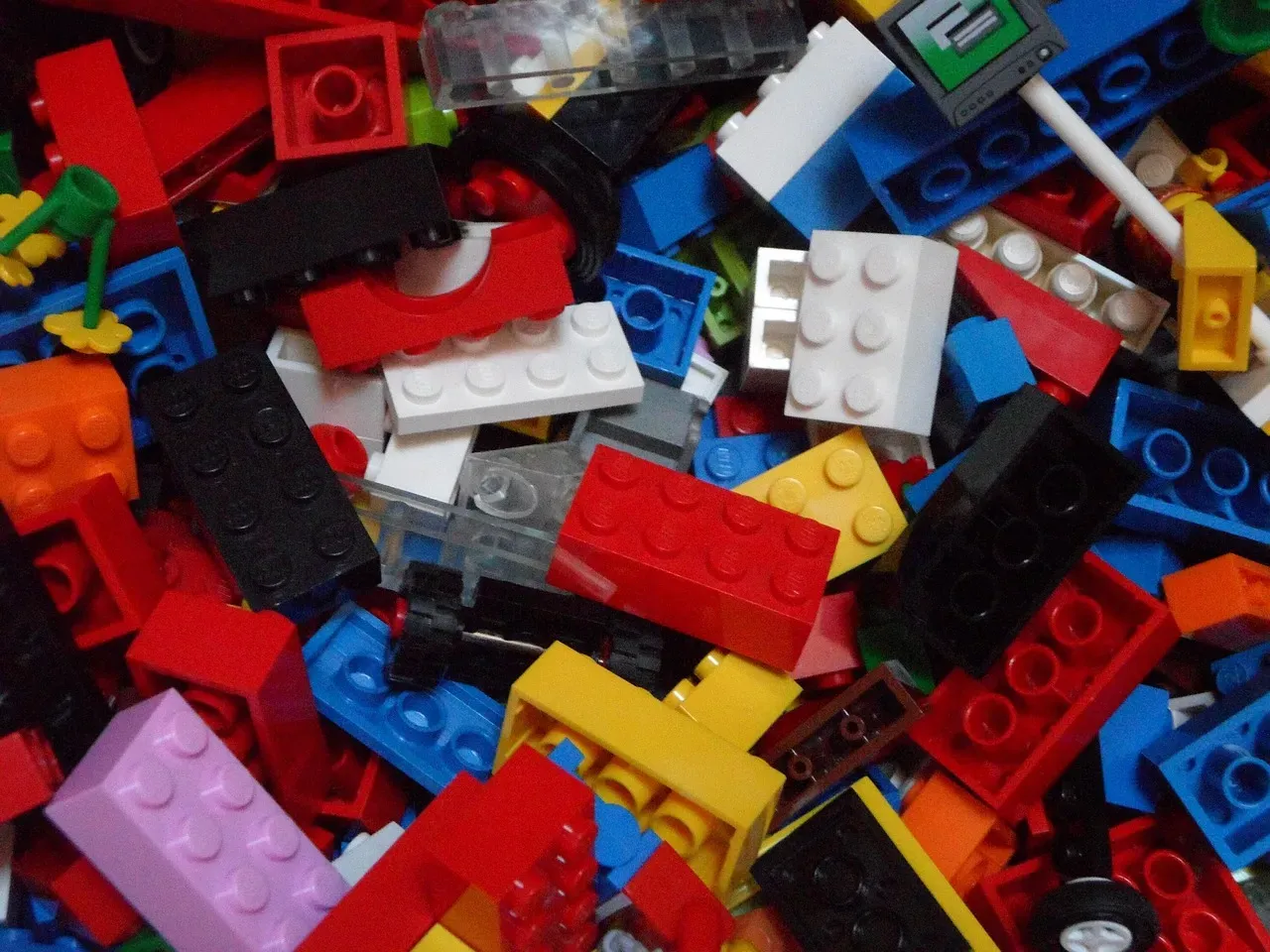
America is home to roughly three percent of the world’s children, yet they own about 40 percent of the toys purchased globally, according to UCLA research. The toy pile in most family homes grows faster than it shrinks, partly because of birthdays, holidays, and well-meaning relatives. A survey by the Toy Industry Association found the average American child has 71 toys, with one in five households owning more than 100.
Kids are experts at accumulating clutter, and organizers suggest involving them in the process by making it a game, asking them to choose toys they no longer play with or clothes that don’t fit and donating these items to families in need. Unused toys clutter storage spaces and can actually discourage creative play, and sorting through them with your children teaches the value of donation at the same time.
5. Sentimental Items
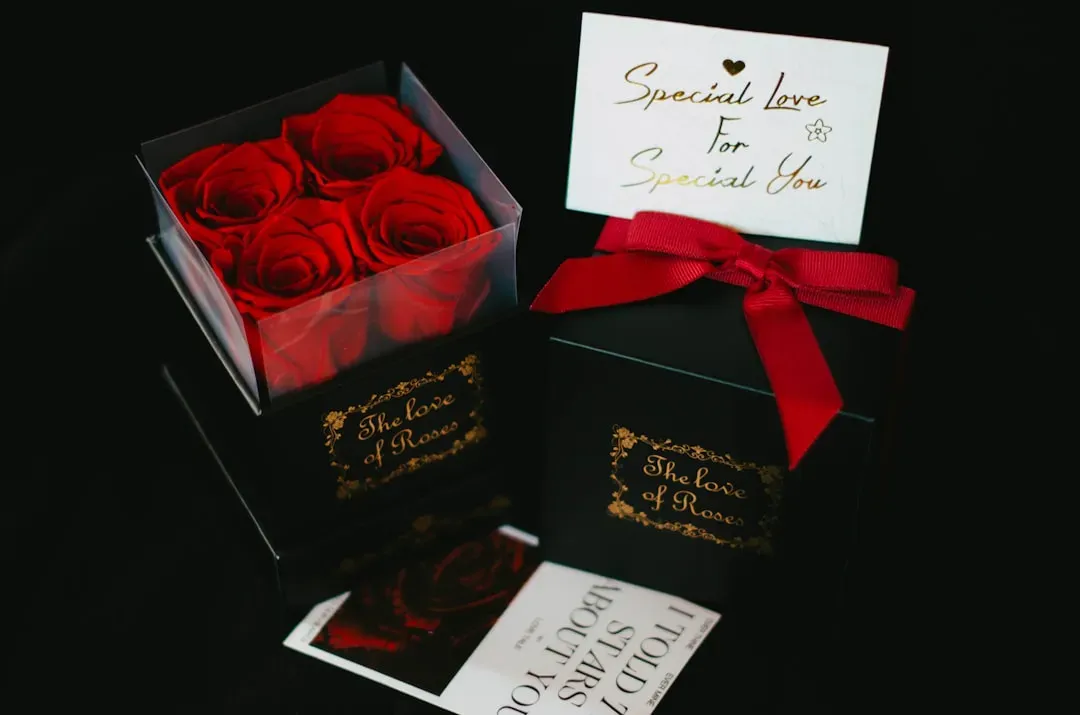
Sentimental clutter is among the hardest to address because it carries emotional weight that ordinary objects don’t. There’s a lot of guilt associated with decluttering, especially if items were a gift or carry sentimental attachment, and professional organizers note that just because something holds meaning doesn’t mean you have to keep it forever. The problem is that when everything feels special, nothing actually gets curated.
Organizers recommend limiting sentimental items to a single box or bin, taking photos of items that hold memories but no practical use, and then letting them go or passing heirlooms to family members who will appreciate them more. One professional organizer suggests designating a specific area or storage container for sentimental items and deciding immediately upon receiving or finding such objects whether to digitize them, store them in that designated space, or let them go.
6. Storage Bins and Containers
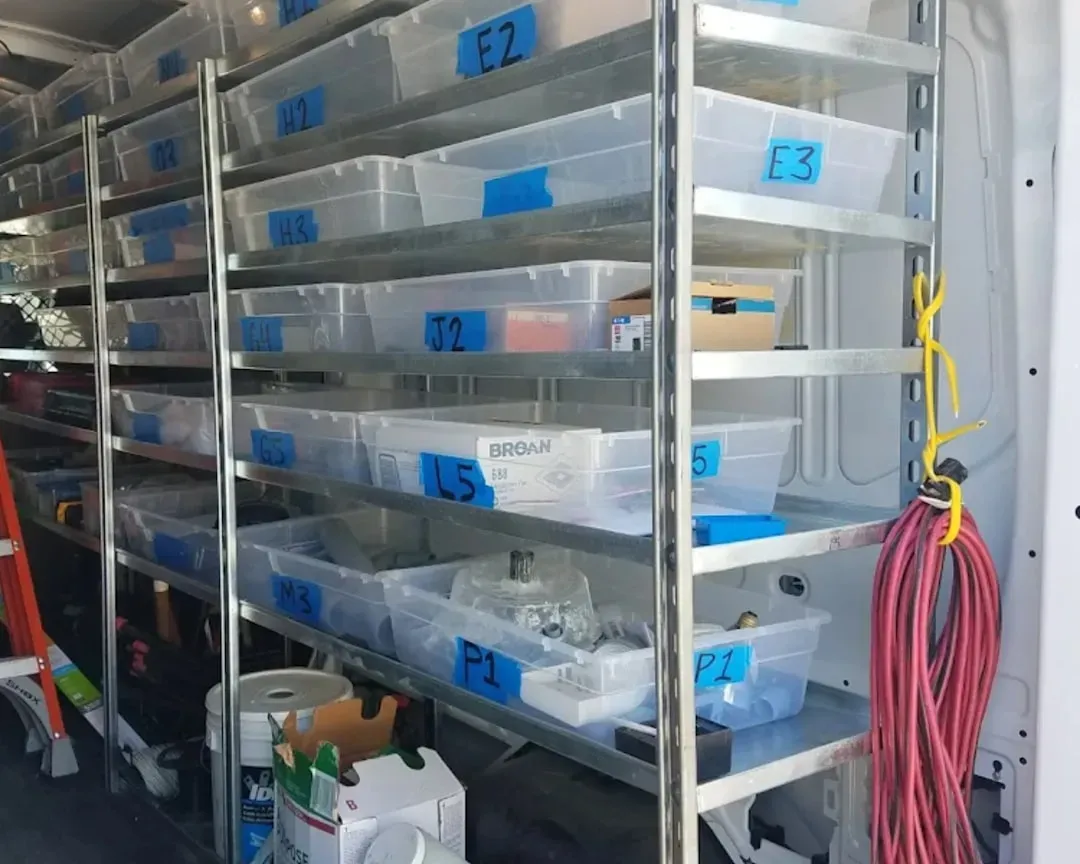
This one catches people off guard. The storage containers people buy to solve their clutter problem can easily become clutter themselves. For some, it may seem logical to buy storage bins and baskets with the intention of decluttering, but professional organizers warn against it, noting that buying bins before you know what you’re keeping is a trap that leads to more clutter, and that you should know what you have first and then problem-solve with product.
Some clients are tempted to use the size of the container to determine what to keep rather than actually focusing on whether an item should stay or go, and storage containers can enable people to put off decision-making by hiding things, because out of sight leads to out of mind, and even hidden clutter that doesn’t impose on everyday life can rob you of peace because it stays on your subconscious to-do list. The rule is simple: declutter first, then buy containers to fit what remains.
7. Old Electronics and Cables
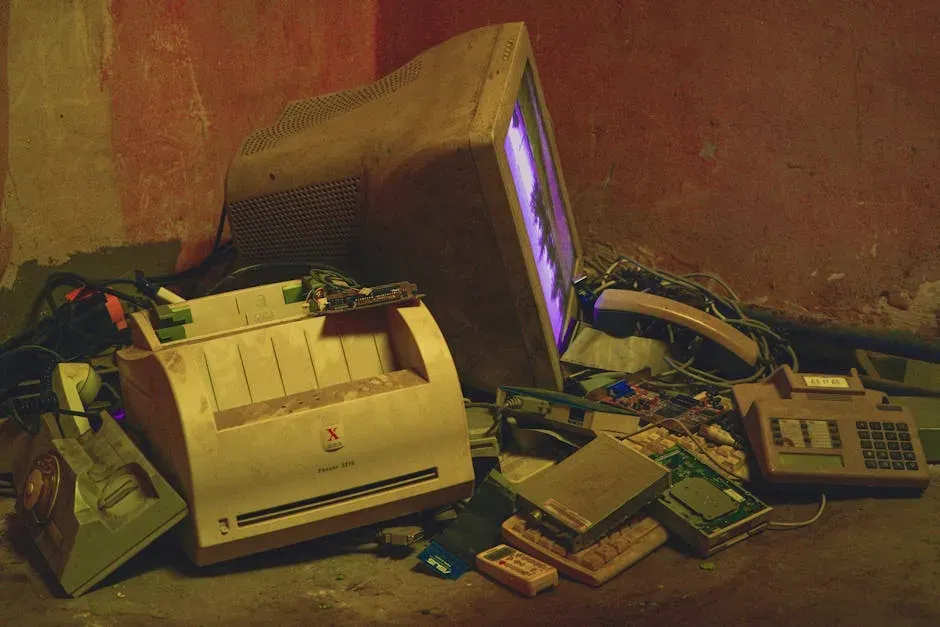
Technology evolves quickly, and many people hang onto devices and cords they no longer need, including old phones, laptops, or tablets, along with chargers and cables that don’t belong to anything they own, and drawers full of old headphones, remote controls, and batteries that no longer work. Junk drawers across the country are essentially electronic graveyards at this point.
Outdated devices add to both e-waste and clutter, and organizers recommend collecting unused electronics, testing their functionality, and deciding whether they’re sellable, donatable, or recyclable, with certified e-waste recycling centers available at retailers like Best Buy or Staples. Every cord that doesn’t connect to a device you actually own is just taking up space. Getting honest about that one drawer, or three, can free up more room than you’d expect.
The throughline in all seven categories is the same: volume is the problem, not organization style. In the average home, getting rid of clutter would eliminate approximately 40 percent of housework, which is a remarkable return for the effort of letting things go. Research using structural equation modelling has found that home clutter predicts more negative affect, lower life satisfaction, and reduced mental well-being, with these relationships mediated by how beautiful people perceive their homes to be. Less stuff, it turns out, is one of the quieter forms of home improvement.