
The U.S. housing market of 2026 is not one story. It’s dozens of them, playing out very differently depending on which city you’re looking at. Cotality chief economist Selma Hepp has described it as a “two-speed” housing market, where high-cost coastal and Sun Belt regions are undergoing price corrections while the Midwest and Northeast remain remarkably resilient. That split matters enormously for buyers, sellers, and investors trying to figure out where the real dangers lie.
House prices are falling the most along the West Coast and Sun Belt, where there remains a glut of new homes following the pandemic-era construction boom. Some of these markets are simply cooling. Others, though, are flashing warning signs that go well beyond a routine correction. The eight markets below are the ones experts most consistently flag as carrying above-average risk in 2026.
1. Tampa, Florida: The Most Troubled Major Market in America
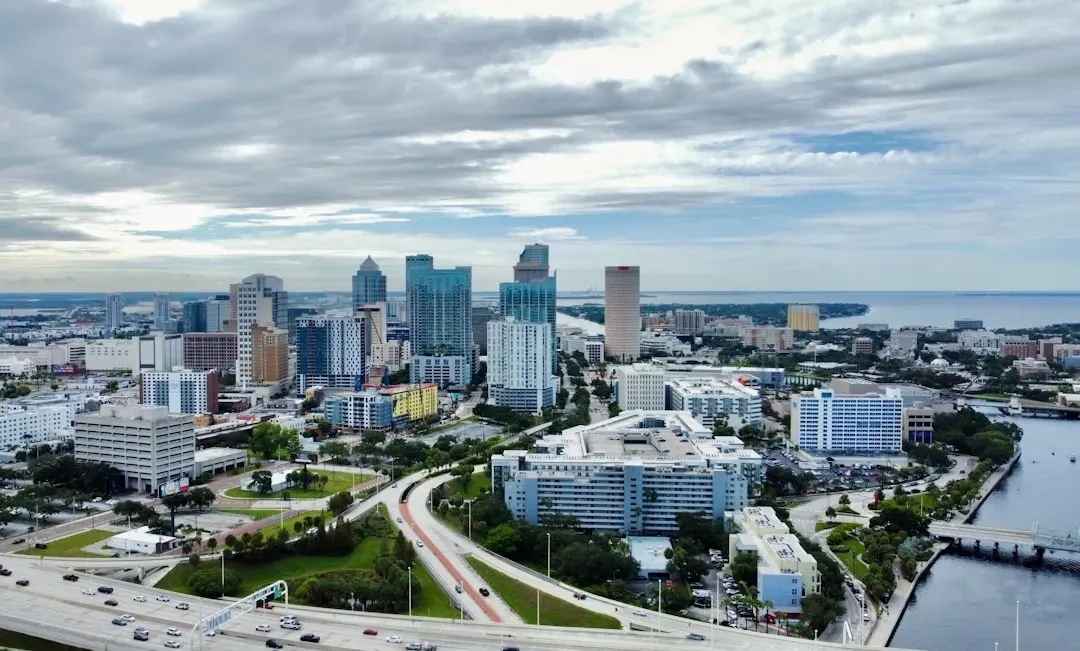
Tampa posted negative 3.9% on the Case-Shiller index through November 2025, representing 13 consecutive months of annual declines, the steepest of any city in the national 20-metro composite index. That streak alone sets Tampa apart from nearly every other large U.S. city. Tampa Bay home prices fell roughly six percent in 2025 and were expected to continue declining into at least the first quarter of 2026, with the market shifting dramatically in favor of buyers, rising inventory up nearly fifteen percent year-over-year, and condo prices dropping around twelve percent compared to a modest decline for detached homes.
Multiple factors are driving the decline, including skyrocketing insurance costs, hurricane worries, and homes taking longer to sell. The condo segment is in particularly bad shape. Condo prices have dropped roughly twelve percent year-over-year in the Tampa metro area, supply has ballooned to over thirteen months, and the reasons are specific to Florida: new reserve funding mandates, rising HOA fees, skyrocketing insurance costs, and post-Surfside safety legislation that’s making older buildings more expensive to maintain.
2. Cape Coral–Fort Myers, Florida: The Sun Belt’s Sharpest Predicted Drop
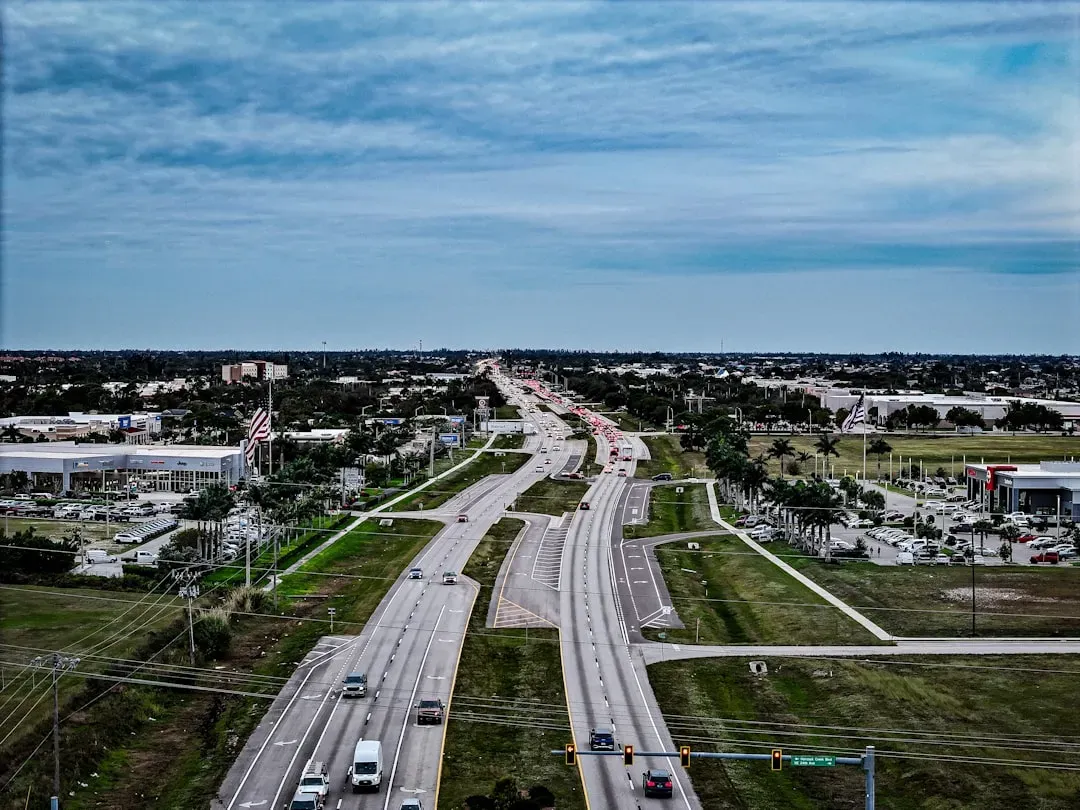
Based on Realtor.com’s 2026 forecast, Cape Coral–Fort Myers leads all major U.S. metros with an expected home-price decline of around ten percent, and the neighboring North Port–Sarasota–Bradenton area is projected to fall nearly nine percent. Those are not rounding errors. They represent the kind of concentrated price pain that tends to spook buyers and lenders alike. Condo prices in Cape Coral had exploded by roughly seventy-six percent in the two years from mid-2020 through mid-2022, driven by intense buying behavior and investor activity.
Florida faces a unique triple squeeze: insurance premiums running roughly one hundred eighty-one percent above the national average, post-Surfside condo reserve mandates triggering six-figure special assessments, and domestic in-migration that has collapsed ninety-three percent from its 2022 peak. For a market that built its pandemic-era boom entirely on those migration flows, the reversal is brutal. Prices in places like Cape Coral flew so high that the market became unaffordable for a broad swath of buyers, especially first-timers.
3. Austin, Texas: A Boomtown That Overbuilt Its Way Into Trouble
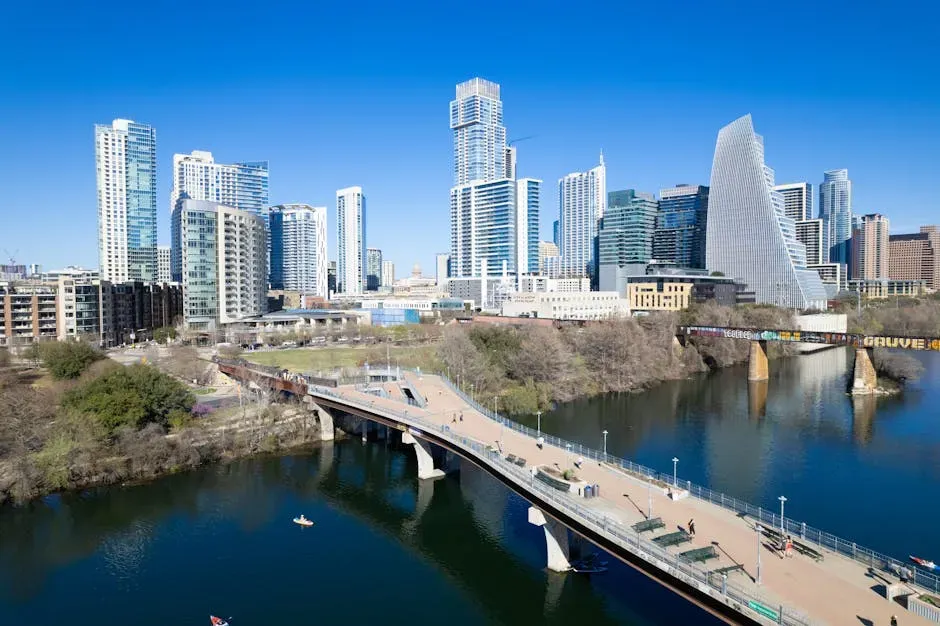
The Austin housing market in 2026 is one of the most striking examples of what happens after a boomtown overheats. In early 2026, prices of mid-tier single-family homes, condos, and co-ops in Austin were down roughly twenty-five percent from their respective peak. That’s not a soft landing. Austin overbuilt. New construction flooded the market during the remote-work migration wave, and supply has been running ahead of demand ever since. Layer on top of that the surge in homeowner insurance costs, and the true monthly cost of owning a home in Austin has climbed even in neighborhoods where the list price has dropped.
The supply imbalance pushed prices in the four largest Texas metro areas negative between November 2024 and November 2025, with Austin down roughly six percent and Dallas down nearly four percent, while San Antonio and Houston also saw declines. Looking toward 2026, most analysts forecast continued modest price softness or flat performance, with the market seeking its bottom before potential stabilization in late 2026 or 2027, and the correction that defined 2023 through 2025 appears likely to extend further.
4. Denver, Colorado: A Rocky Mountain Market Under Pressure
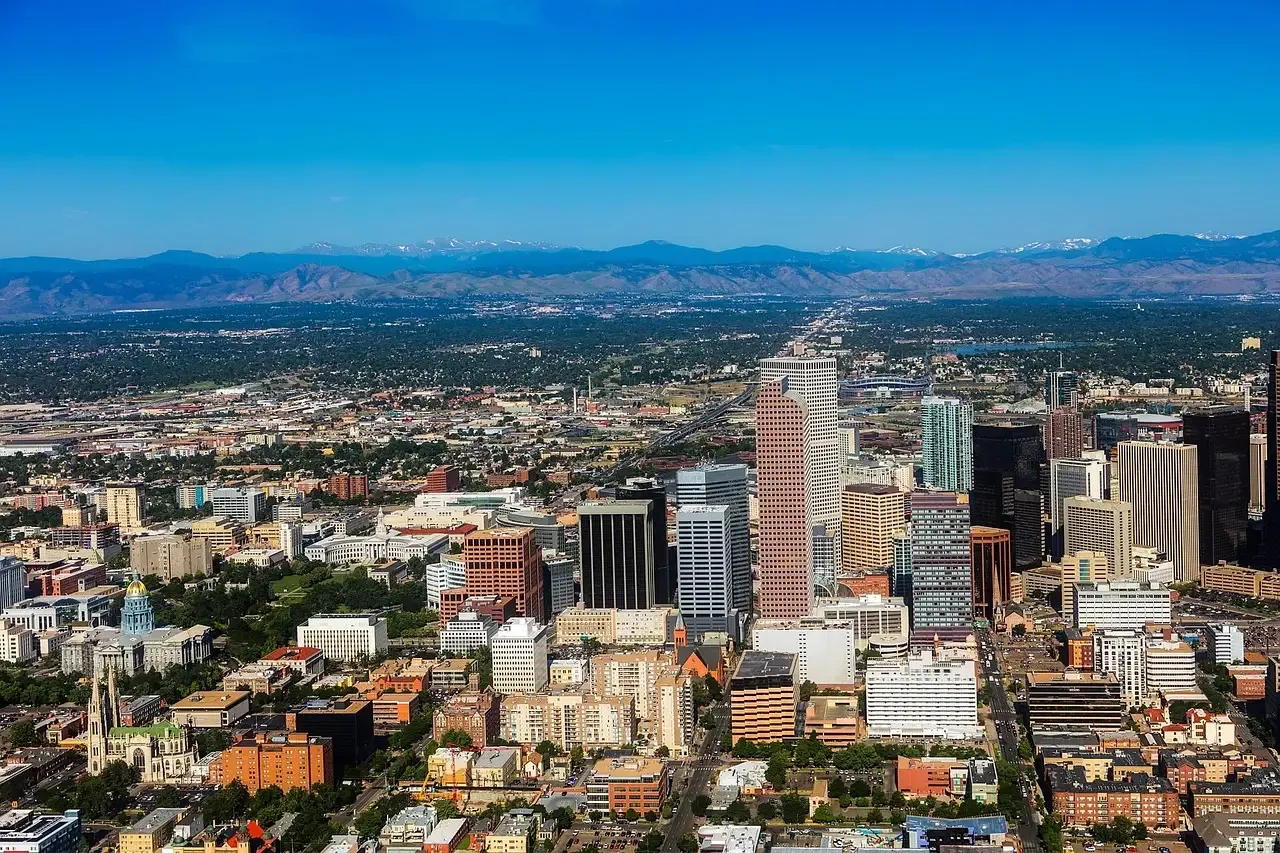
Jake Krimmel, senior economist at Realtor.com, has specifically identified Denver among the markets expected to see outright price declines in 2026, alongside Raleigh, Phoenix, Northern California, and the Pacific Northwest. Realtor.com’s 2026 forecast projects the Denver–Aurora–Lakewood metro to see a home-price decline of around three and a half percent. For a city that was one of the hottest markets in the country just a few years ago, that’s a real reversal of fortunes.
Price declines were concentrated in Western and Sun Belt markets, with Denver dropping over three percent among the cities leading the downturn. In Colorado and the Pacific Northwest, rising price cuts point to more selective demand overall. Denver’s combination of pandemic-era overvaluation, persistently high mortgage rates, and weakening demand from remote workers who no longer need mountain-state flexibility is proving to be a difficult mix to shake off.
5. Oakland, California: A Quarter of Its Peak Value Gone

In 27 of 33 tracked cities, prices of mid-tier single-family homes, condos, and co-ops were down from their respective peaks in early 2026, led by Austin and Oakland, each down roughly twenty-five percent. Oakland’s story is particularly stark given that California’s coastal markets were long considered almost bulletproof. A SmartAsset analysis ranked Oakland as the number-one city in the United States for the biggest one-year home price reductions, placing it above Saint Petersburg, Naples, and Austin in severity.
Realtor.com’s 2026 forecast projects the San Francisco–Oakland–Hayward metro area to see a decline of around two and a half percent, while Stockton–Lodi, a neighboring California market, faces an even steeper projected drop of over four percent. Oakland is caught between rising crime concerns that have pushed residents toward neighboring suburbs, a hollowed-out downtown commercial core that affects the entire tax base, and buyer hesitation driven by some of the highest overall carrying costs in the nation.
6. Phoenix, Arizona: Still Paying for the Pandemic Frenzy
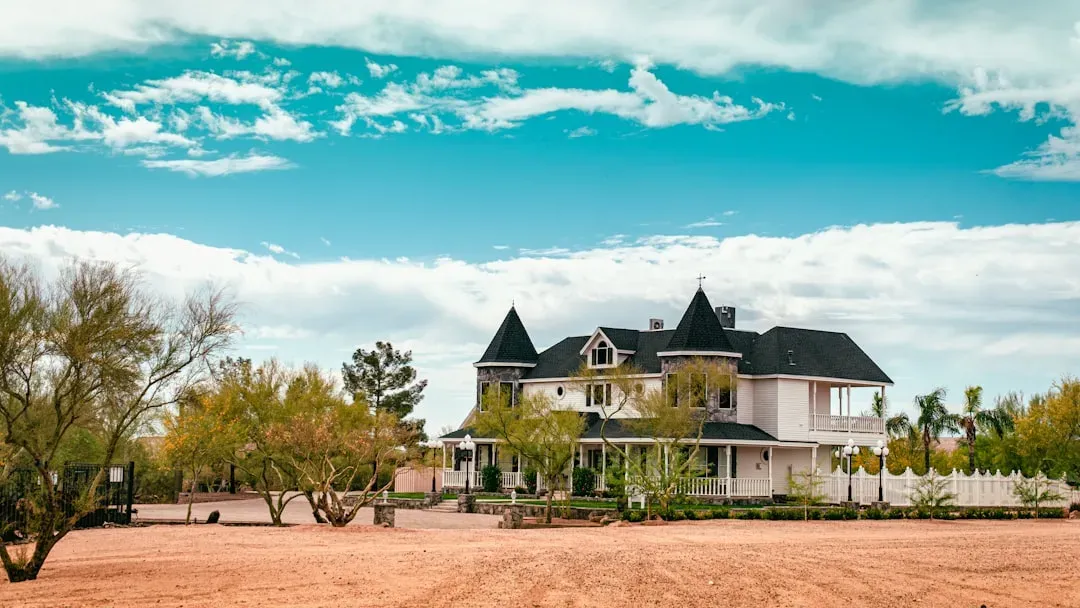
From the fourth quarter of 2019 to the peak in mid-2022, Phoenix home prices surged from roughly $293,000 to around $470,000, a gain of approximately sixty percent. That kind of run-up always creates a hangover. Phoenix declined over two percent in recent price data, having experienced rapid price acceleration earlier in the cycle that left it more exposed as borrowing costs rose.
Arizona is showing significant stress signals, with nearly half of listings in Phoenix and Tucson taking price cuts. The former hotspots are suffering from a confluence of still-elevated prices and home loans that are almost twice as expensive compared to the pandemic-era lows, meaning prices must fall still further in these metros for buyers to manage the monthly payment. Phoenix’s new construction pipeline remains heavy, and builders are competing aggressively with existing-home sellers on price, further compressing values across the board.
7. New Orleans, Louisiana: A Slow-Burn Structural Decline
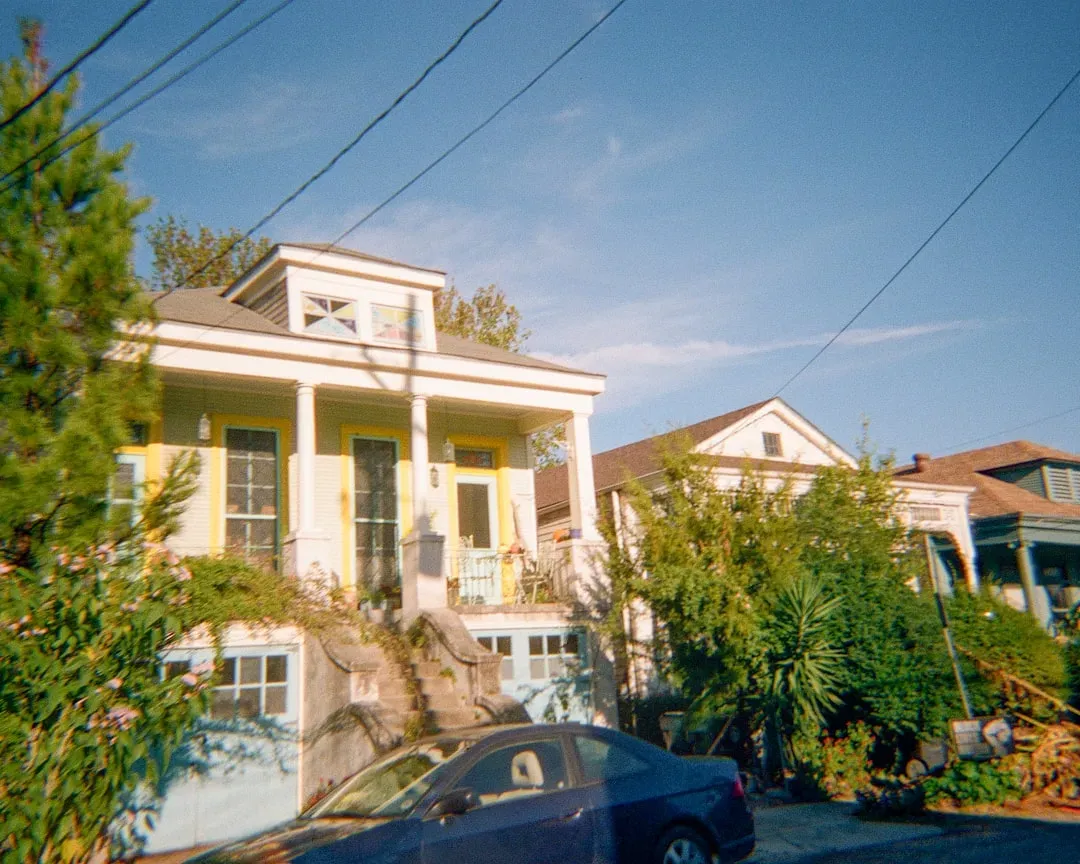
Among 33 major cities tracked for housing price performance in early 2026, New Orleans registered some of the steepest declines from peak values, sitting down roughly nineteen percent from its prior high. The city’s housing market faces challenges that run deeper than interest rates or inventory cycles. Rising sea levels, increasingly expensive flood insurance, and a population that has struggled to recover to pre-Katrina levels all weigh heavily on long-term demand. Insurance premiums are straining states where natural disasters have long been part of the fabric of life, and markets along the Gulf Coast have recorded some of the steepest escrow payment increases in the country.
The rise in insurance costs may be one of the biggest risks for housing markets in 2026, with data showing that where property taxes and insurance costs are rising fastest, there has been a corresponding spike in the number of people who are delinquent on their mortgages. New Orleans exemplifies this trap: homes that look affordable on a purchase-price basis carry hidden monthly costs through insurance and flood-zone compliance that make the math far less attractive than the listing price suggests.
8. Raleigh, North Carolina: The Post-Boom Tech Hangover
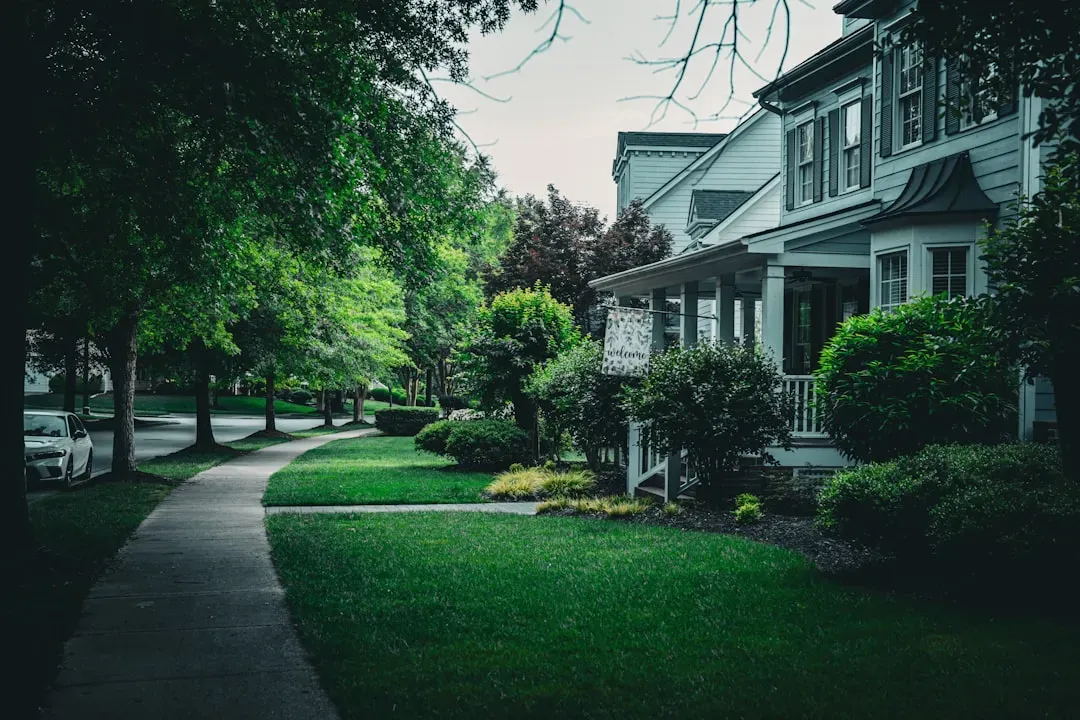
Realtor.com’s senior economist specifically named Raleigh among the markets forecast to see outright price declines in 2026. Realtor.com’s 2026 forecast projects the Raleigh metro to see a year-over-year home-price decline of around three and a half percent, placing it among the ten largest U.S. metros expected to see the biggest drops. Raleigh boomed during the pandemic as a tech-sector destination, drawing remote workers and corporate relocations that pushed prices well ahead of local income levels. That demand tailwind has since eased considerably.
Signs of market loosening are already visible in vulnerable markets like Raleigh: homes are sitting on the market longer, negotiations are becoming more common, and builders are offering discounts to move inventory. Heading into 2026, homebuilders surveyed by research firms reported their highest levels of unsold, finished inventory since January 2010, and affordability remains the core problem. Raleigh’s correction is arguably a straightforward reversion toward sustainable price levels, but for buyers who purchased near the 2022 peak, the near-term outlook is uncomfortable.