
Most people genuinely want to recycle properly. The problem is that good intentions don’t always translate into good habits, and the recycling bin has become a kind of hopeful dumping ground for items people aren’t quite sure about. This is sometimes called “wishcycling” – tossing something in and hoping for the best.
According to the EPA, as much as roughly one in four recycling items is contaminated and cannot actually be recycled. That’s a staggering figure, and much of it comes down to a small set of repeat offenders. Here are the ten items most likely to quietly wreck your best recycling efforts.
1. Plastic Bags and Film Packaging
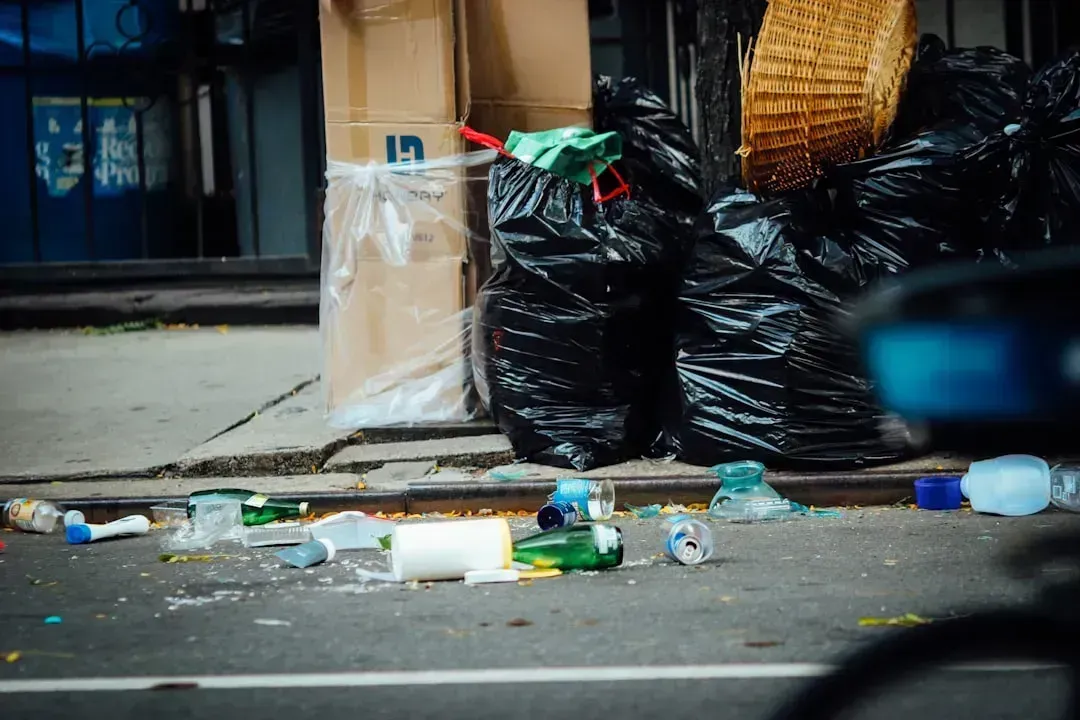
Plastic bags and film top the list of problematic items. These materials tangle in sorting equipment, causing damage and operational delays. The machines at recycling facilities were designed to handle rigid containers, not stretchy, flexible films that wrap around conveyor belts and rollers.
Plastic bags cause serious hazards inside recycling facilities by getting stuck in equipment, forcing workers to crawl into the system and cut them out. The fix is straightforward: bring plastic bags back to grocery store drop-off bins, where they can be properly handled. They should never go in the recycling bin, as they’re difficult to manage at sorting facilities – drop them off at local stores instead.
2. Greasy Pizza Boxes
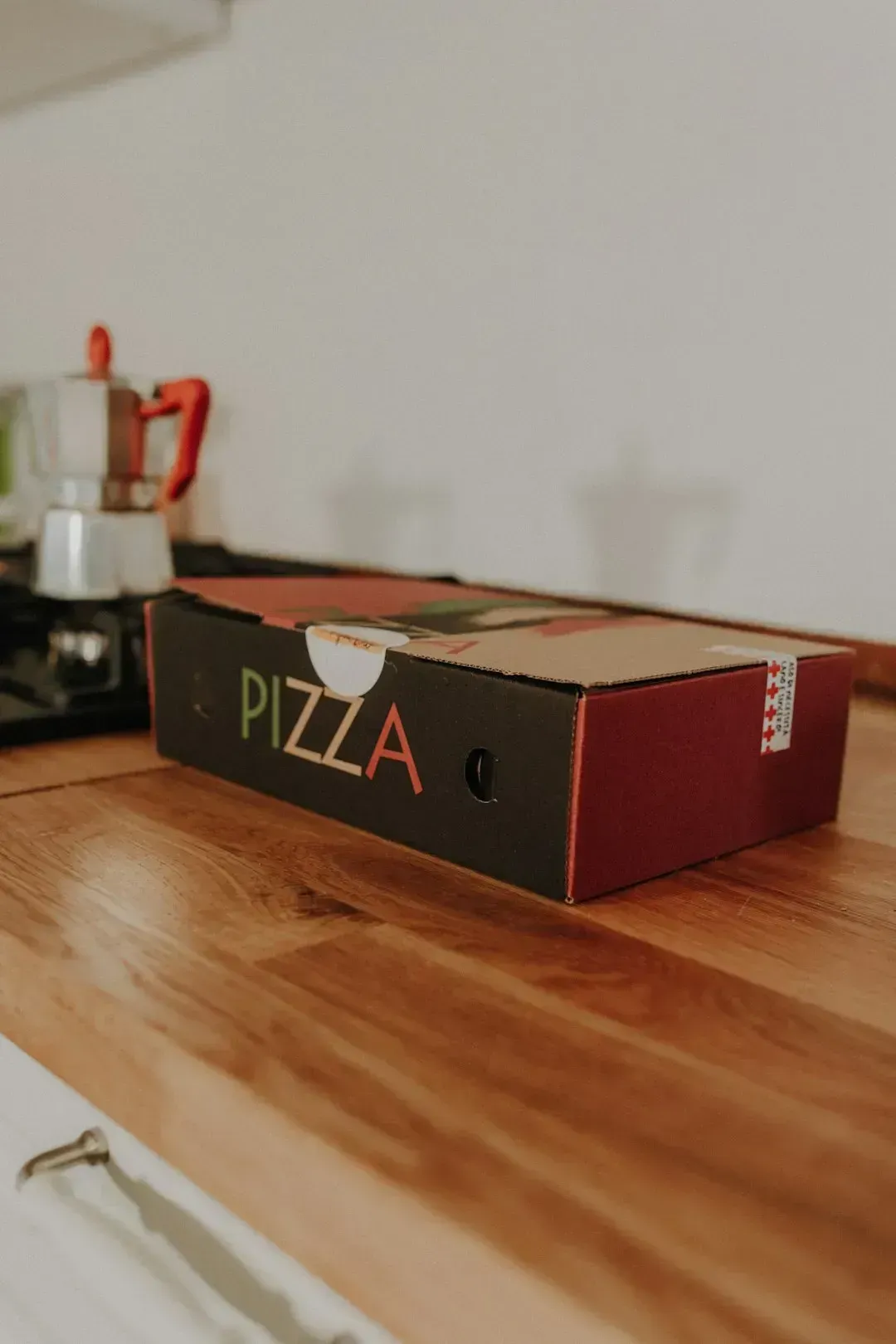
Food residue is one of the biggest sources of recycling contamination. Containers that still have grease, sauce, or leftover food can ruin entire batches of recyclable material. Pizza boxes are a classic example – while clean cardboard is recyclable, grease-soaked cardboard is not.
Food and liquids in recycling cause mold. The mold eats away at the fibers in paper and cardboard, meaning it can no longer be turned into new paper. If the top of a pizza box is clean and dry, it can sometimes be recycled separately. The greasy base, though, belongs in the trash.
3. Batteries
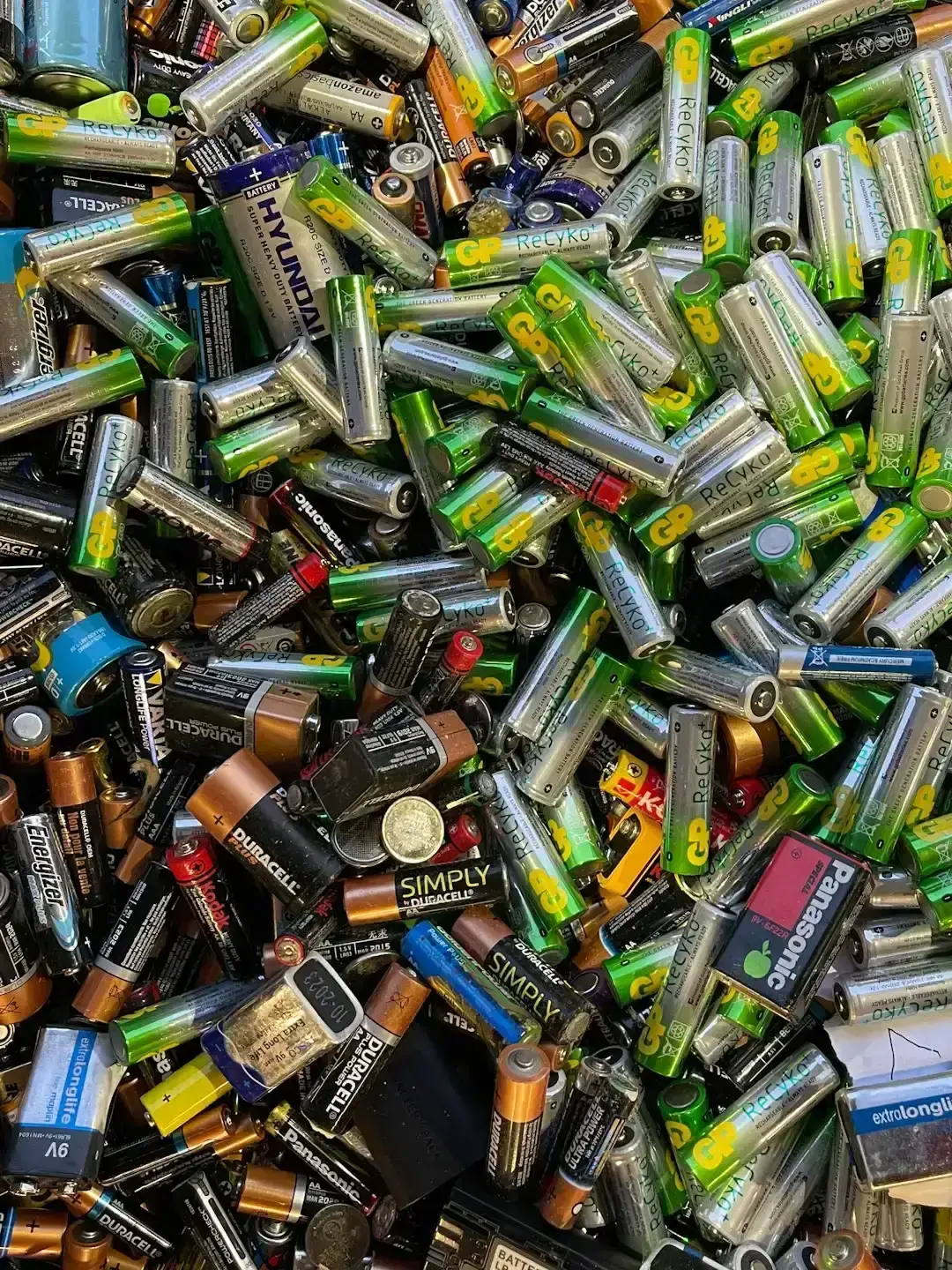
Batteries should never be put in a home recycling bin. This applies to standard alkaline batteries as well as rechargeable and lithium varieties. These items contain toxic substances that can leach into soil and water systems if improperly disposed of, and common household hazardous waste includes batteries, light bulbs, paint, chemicals, and pesticides.
Never put rechargeable, button-cell, coin, or lithium single-use batteries in your recycling or trash bins. Instead, bring rechargeable batteries to a local hazardous household waste collection site. Many retailers, including electronics stores and hardware chains, accept used batteries at the point of sale.
4. Styrofoam and Polystyrene Foam
Styrofoam products can’t be recycled at standard facilities – it’s often not feasible due to the material being mostly made of air, and it can contaminate other recyclables. The best option is to dispose of Styrofoam in the trash, or better yet, avoid using it altogether.
Even if your foam is clean, sending polystyrene foam containers to plants that can’t process the materials can contaminate entire batches of otherwise recyclable waste. Sometimes, even when plants can recycle polystyrene foam, they don’t because the material is more expensive to process than other recyclables. A few specialized drop-off programs do exist, but they’re the exception rather than the rule.
5. Paper Towels, Tissues, and Paper Napkins
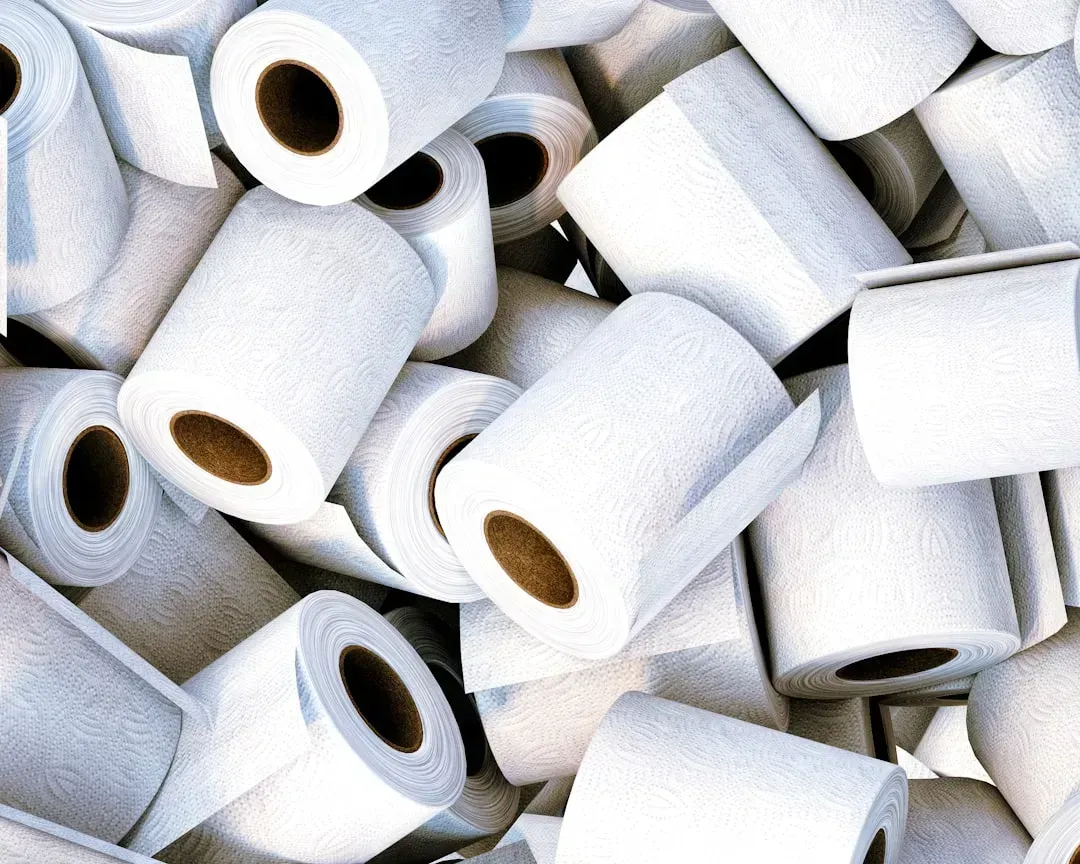
Paper products such as paper towels, tissues, and paper plates cannot be recycled because they are contaminated with food, grease, and other liquids. Furthermore, since most tissue paper is made from recycled paper already, it can’t be recycled again as the paper fibers are too short, resulting in low-quality pulp.
Paper is one of the most recyclable materials, but not all paper products belong in the recycling bin. Paper towels, napkins, tissues, and paper plates are usually not recyclable because they are contaminated with food or grease. These items should go straight in the general waste bin. If they’re unsoiled – a rare situation – check with your local program first.
6. Black Plastic Packaging
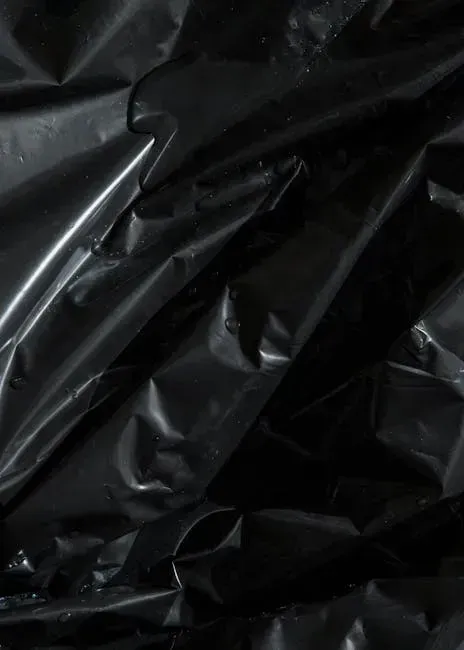
Most black plastic packaging cannot be identified by the optical sorting systems used in plastic recycling plants. This means it is usually sent to landfill or incinerated. The carbon pigment that creates the dark color effectively blinds the infrared sensors that sort recyclable plastics at materials recovery facilities.
This is one of those cases where an item looks like it should be recyclable – it has the familiar shape of a container – but the material itself defeats the process. Black plastic food trays, ready-meal containers, and plant pots all typically fall into this category. When in doubt, check for a recycling symbol and confirm with your local program, but don’t assume.
7. Waxed and Coated Paper
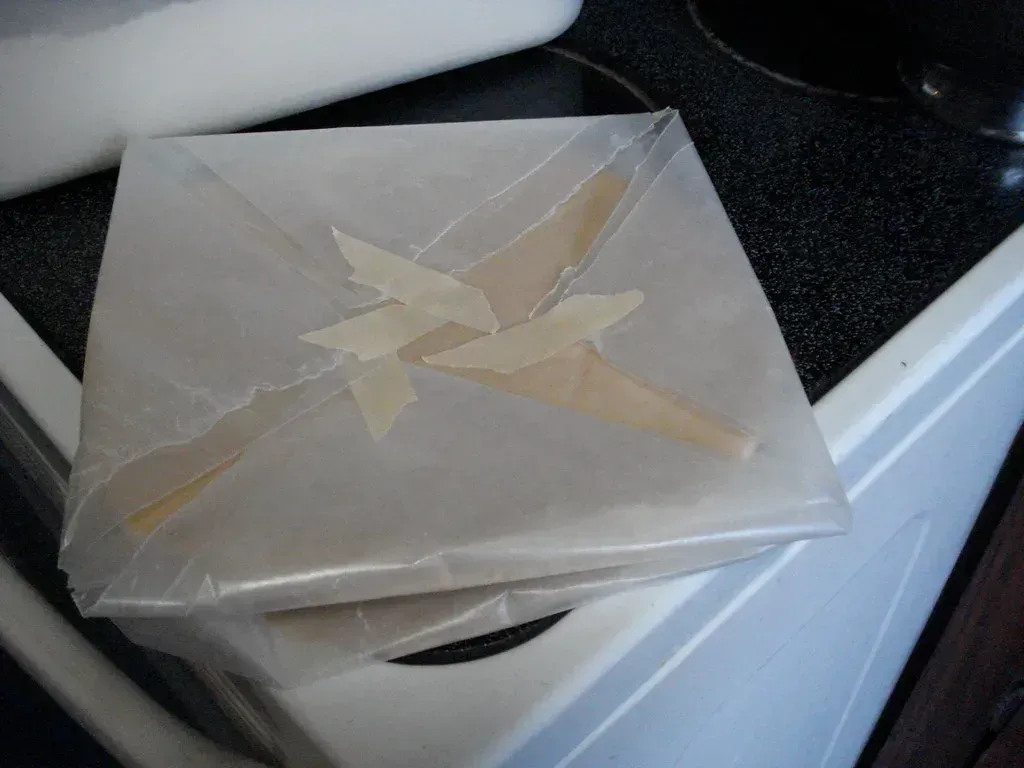
Despite being made from paper, waxed paper cannot be recycled because it’s covered with a wax coating that cannot be separated and won’t break down during recycling. This also applies to various specialty papers that have been coated or treated, such as metallic, glittery, or velvet paper used for gift wrap, greetings cards, or gift bags.
Though it’s tempting to put that paperboard box from the freezer into the recycling bin, the shiny exterior coating those boxes have to prevent freezer burn actually prevents the paper from being recyclable. The coating layer, whether wax or plastic laminate, is essentially inseparable from the paper fiber beneath it during standard processing.
8. Broken or Non-Container Glass

Almost all glass jars are recyclable, including colored beer or wine bottles and non-food bottles. However, items such as broken mirrors, vases, ceramics, glasses, or glass cookware are impractical to recycle, and can injure facility staff. Some items are also treated with chemicals to make them durable or heat resistant, which can ruin recyclable material during the melting process.
Ceramics, like coffee mugs and dishes, are often mistakenly placed in glass recycling bins. They have different melting points than glass and can contaminate the process, weakening recycled glass products. A ceramic coffee mug in the glass recycling bin won’t melt properly, affecting the final product’s strength. Broken glass especially poses a safety hazard for workers who sort materials by hand.
9. Clothing and Textiles
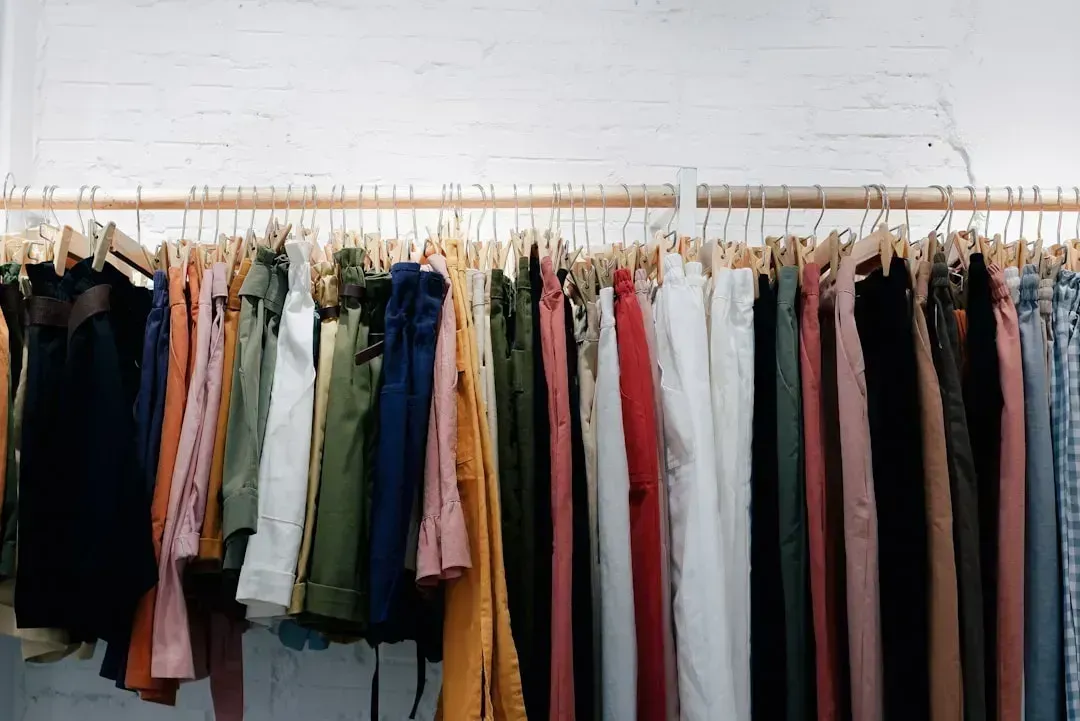
Textiles are not often recycled through curbside collection, however, they can be donated for re-sale and re-use via a charity shop, or for textiles recycling through a drop-off collection bin. Damaged clothes and textile waste can then be shredded and made into new items, such as padding for chairs and car seats, cleaning cloths, and industrial blankets.
Clothing, wires, and similar flexible materials are known as “tanglers” and get tangled in the mechanized sorting equipment at recycling facilities. This damages the equipment and stops the process until someone can de-tangle the items. Clothing, including shoes, is a reuse item – donate it, sell it, trade it, upcycle it, or use it for rags. Just don’t put clothing in the recycle bin.
10. Shredded Paper
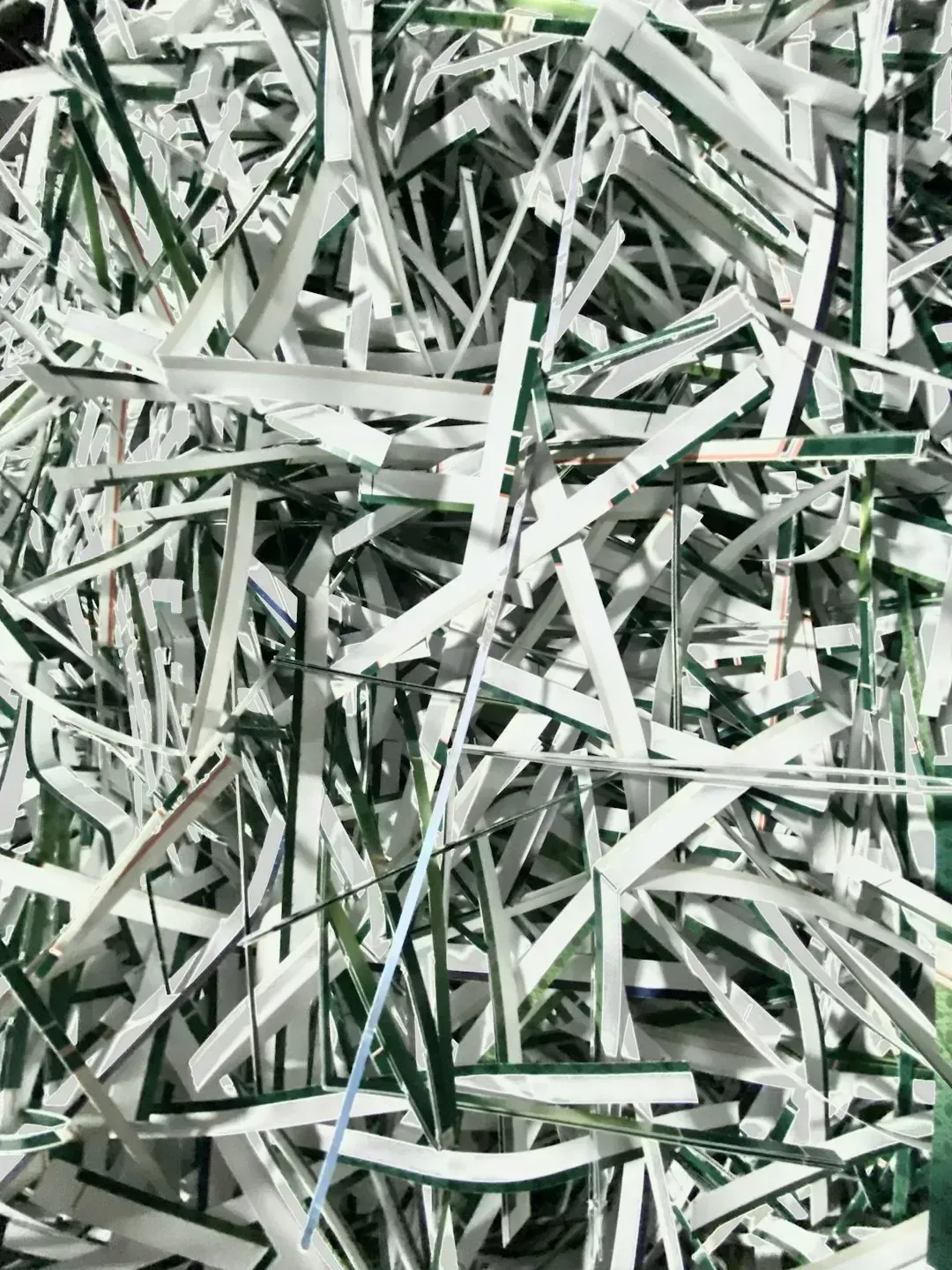
Shredded paper can be problematic because the small pieces are difficult to sort and often fall through screening equipment at recycling facilities. If your recycling program accepts shredded paper, it usually needs to be placed in a clear bag or special container. Otherwise, it should be disposed of in the trash or composted if appropriate.
The most valuable trait of recyclable paper is its long paper fiber, because long fibers can stand up to multiple recycling cycles. While shredded paper is not considered a contaminant as a whole, loose shredded paper can cause many recycling issues. When shredded paper is mixed in with non-shredded paper, it is difficult to recover at a materials recovery facility. A simple workaround, where programs allow it, is to collect shredded paper in a sealed clear plastic bag before placing it in the bin.
The broader pattern here is worth noting. When non-recyclable items or contaminated materials enter the recycling stream, they disrupt the entire process. A single wrong item can contaminate an entire load, and recyclables that could have been reused may instead end up in a landfill. Recycling better doesn’t require much extra effort. It mostly requires a little more hesitation before the bin lid swings shut.